Aviation
Badland Ultralight Kit and Thump Air 420cc: A Practical Backyard Aircraft Combo
A true 247-pound ultralight kit that hits the advertised weight, plus a new four-stroke engine option built for torque and lighter fuel burn.
Introduction
Most ultralights promise a lot and weigh more than advertised once the dust settles. The Badland ultralight is one of the few that genuinely comes in under the weight limit, and that alone makes it worth a closer look. This year the maker also introduced something new: a four-stroke engine option built specifically for this class of aircraft. Together, they form a compelling package for pilots who want a simple, honest machine they can finish themselves.
The Badland Ultralight Kit: What You Get
The base kit ships with everything needed from the firewall aft: fabric, wheels, tires, all controls and all hardware, with everything specified to aircraft standards. The maker’s philosophy is clear: this is a real airplane flown by real pilots, just scaled down. Design inspiration is drawn from classic aircraft engineering, notably the engineering of Cubs and other proven older planes.
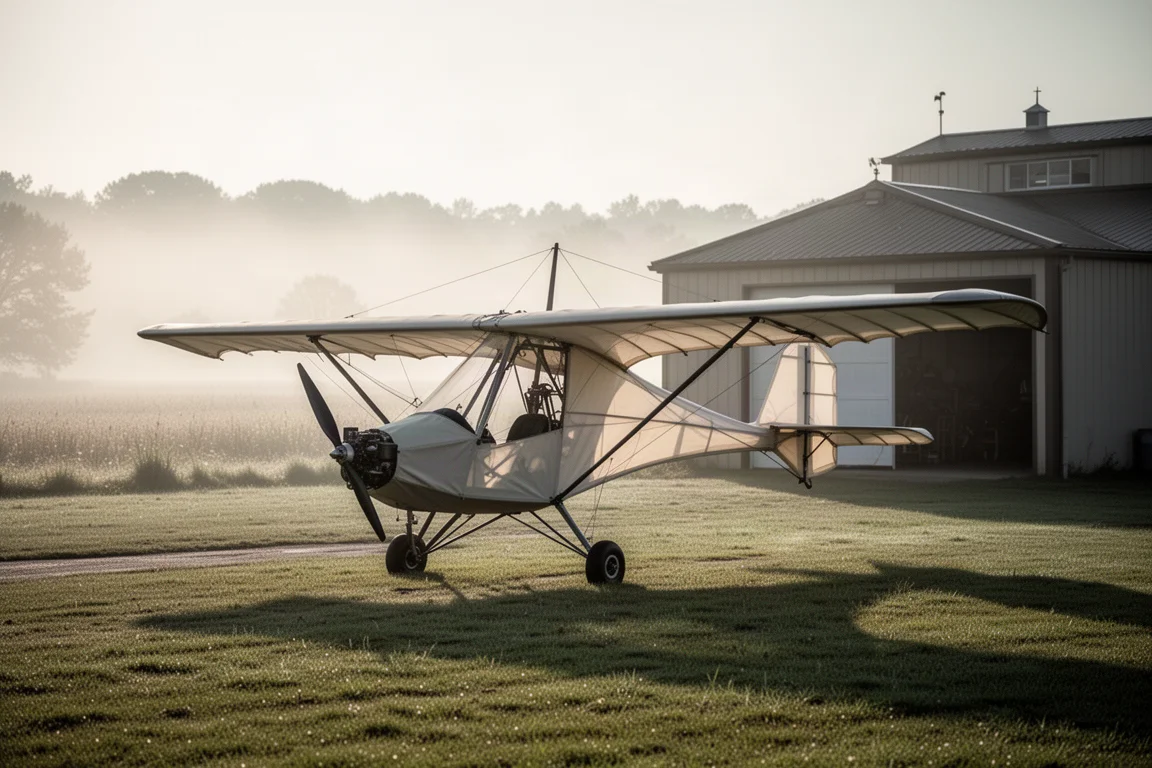
The empty weight of the example shown comes in at 247 pounds, seven pounds below the 254-pound ultralight limit. That margin matters, because it leaves room for options: you can add doors and other extras and still stay legal as an ultralight. Pilot recommendations go up to about 270 pounds, which puts a larger pilot right at max gross with the 35 horsepower engine. Rollout will be a bit longer, but the aircraft still flies comfortably at that weight.
What the Build Actually Involves
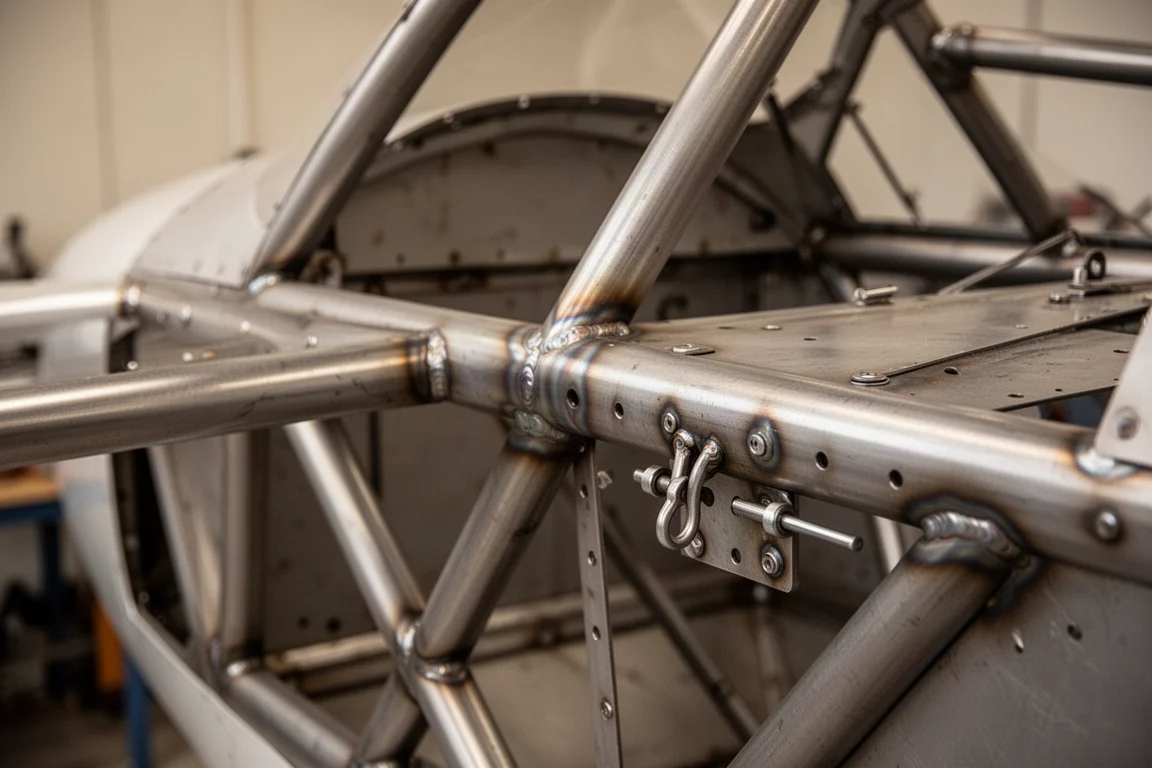
All welding on the fuselage is completed and in-house inspected and checked over multiple times before the kit ships. Once it arrives, the remaining work is mostly cutting a few parts and drilling rivet holes. Because the builder completes 51 percent of the work, the kit is ready for Experimental Amateur-Built registration if you want to go the experimental route rather than stay in the ultralight category.
If you stick to the plan and the parts supplied in the kit, hitting the 254-pound ultralight weight limit is described as pretty easy to achieve every time. Beyond the kit itself, the company will also build a kit to any level of completion, matched to your skill level, time and budget.
How It Flies
The starting procedure is refreshingly simple, summed up as the “potato method”: run up, set the flaps, go wide open throttle and count, one potato, two potato, three potato, fly. Rollout into ground effect is short, and the pitch is that this is a forgiving aircraft to land. The maker compares it directly with flying a Luscombe, noting that the tailwheel gray area that keeps you dancing on the rudder in the Luscombe is far shorter here. With a good approach, it nearly lands itself.
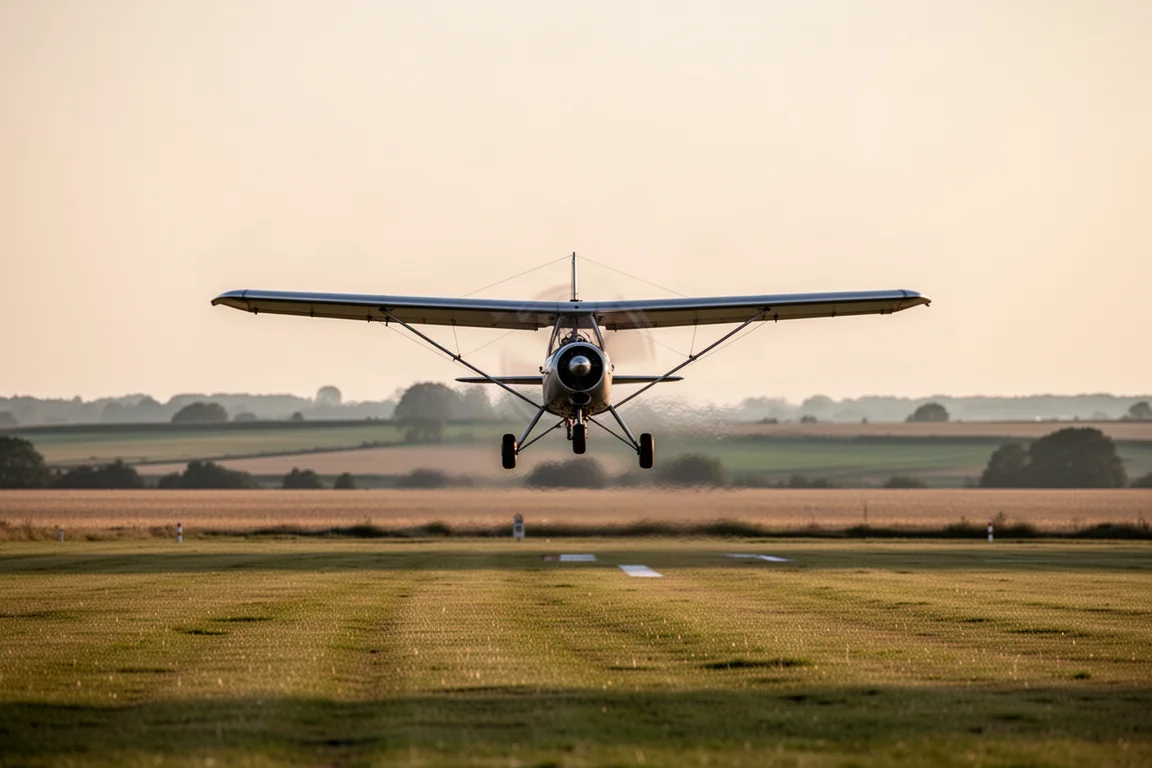
For anyone nervous about tailwheel handling, that forgiveness is a meaningful selling point at this end of the market.
The Thump Air 420cc Four-Stroke Engine
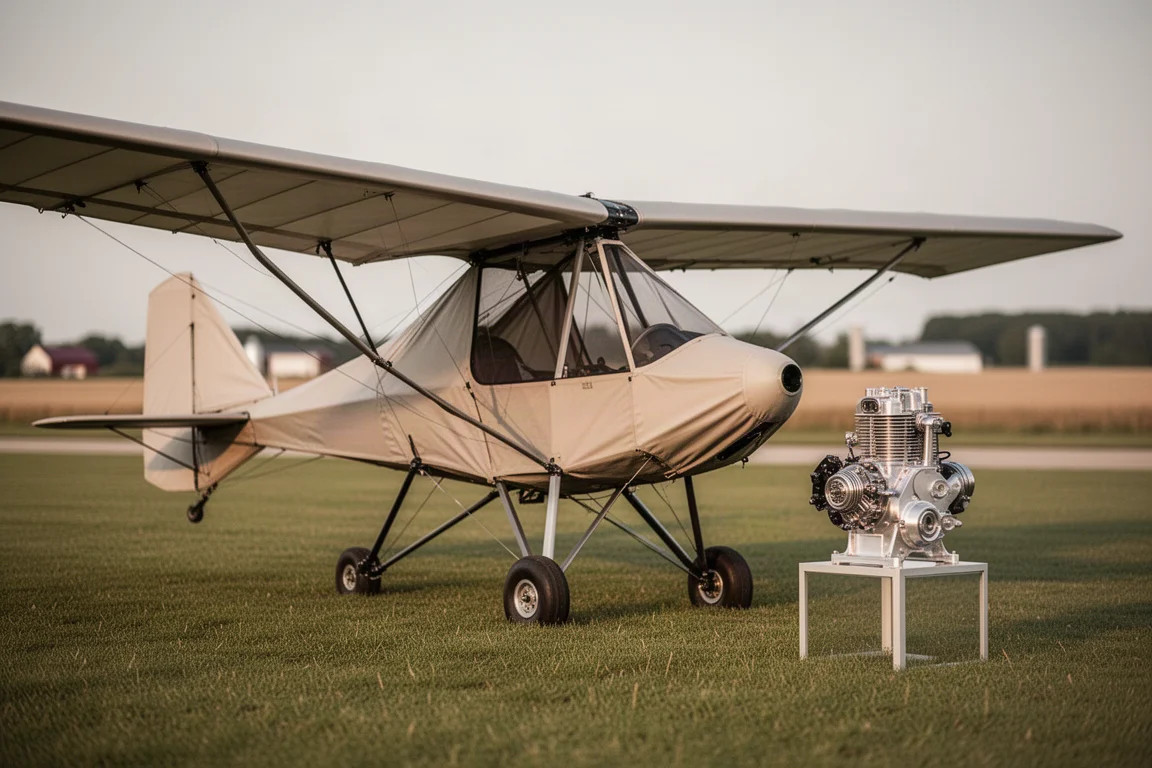
The new engine option is the Thump Air four-stroke, shown in 420cc form with a 460cc version also available. It uses all billet and forged internals, full roller rockers and produces 40 horsepower with a strong torque curve. Torque is the recurring theme here: the in-house reduction unit, billet flywheel, cams and valve train are all tuned to peak torque, and the combination with the right prop delivers thrust numbers the maker describes as phenomenal.
Weight is about 63 pounds for the engine without a starter, so it runs a recoil start or hand prop. There is no oil cooler; instead an additional quarter quart of oil improves oil splash and circulation. Fuel consumption is about one and a half gallons per hour, which was the easy part of the design brief. The harder goals were making a four-stroke that is lighter and more powerful than a two-stroke, and this engine is the result of that long development effort.
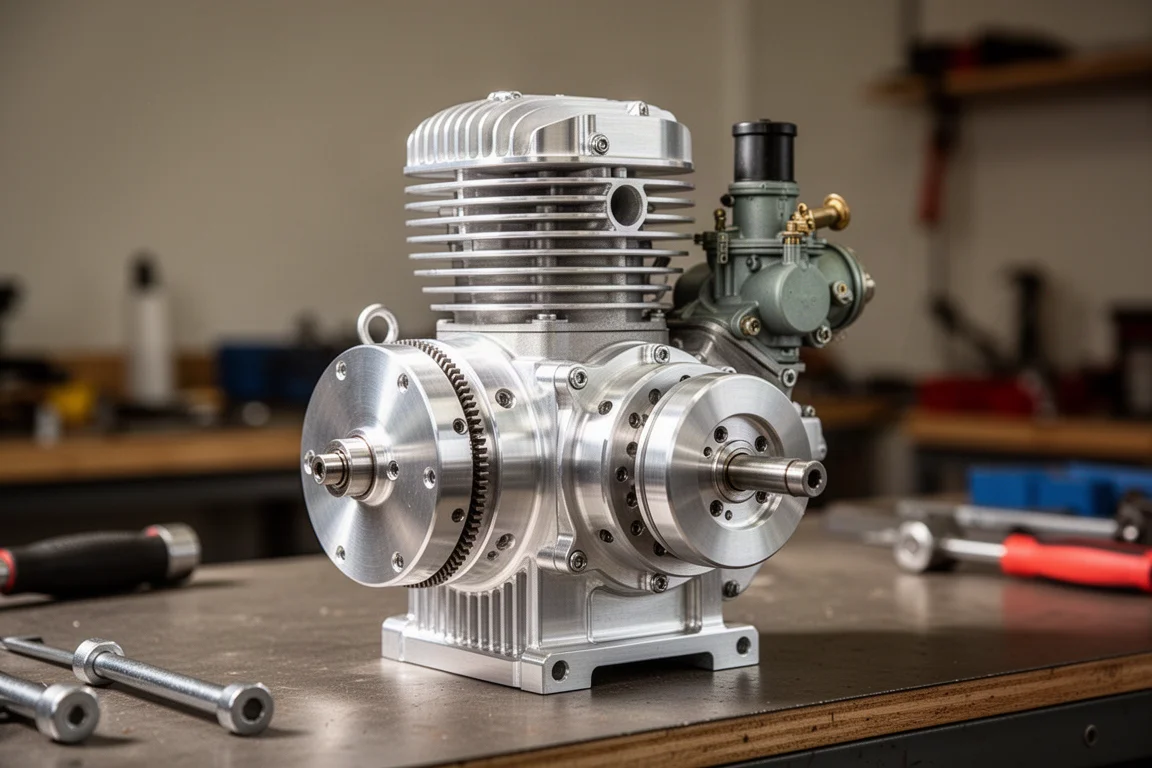
The engine alone is priced at five thousand dollars, and that includes the redrive. You choose your prop depending on the length you need, and you select your own carburetor.
Buying Advice
If you want a genuine ultralight that actually makes weight, with room left over for doors and options, the Badland kit is built for exactly that. The heavy welding is done for you, the remaining build is straightforward, and the 51 percent completion keeps experimental registration open as an option. Pair it with the Thump Air 420cc if you prefer four-stroke torque and roughly 1.5 gallons per hour fuel burn over a two-stroke setup. The maker is notably reachable by phone, text, email or Instagram, and treats customer support as a core part of the product.
Conclusion
The Badland ultralight stands out by keeping its promises: 247 pounds as built, aircraft-grade hardware throughout, and a build process that respects your time. Add the new Thump Air four-stroke and you get 40 horsepower of tuned torque at around 63 pounds, which is a serious option for this class. For pilots who value simplicity, honest weights and real support, this combo deserves a spot on your shortlist.
Product link
View more details for Badland Ultralight Kit
This product is mentioned in the review. Check the specifications, options, and compatibility before buying.
View more details for Badland Ultralight KitFurther reading
Related Reviews
Aviation
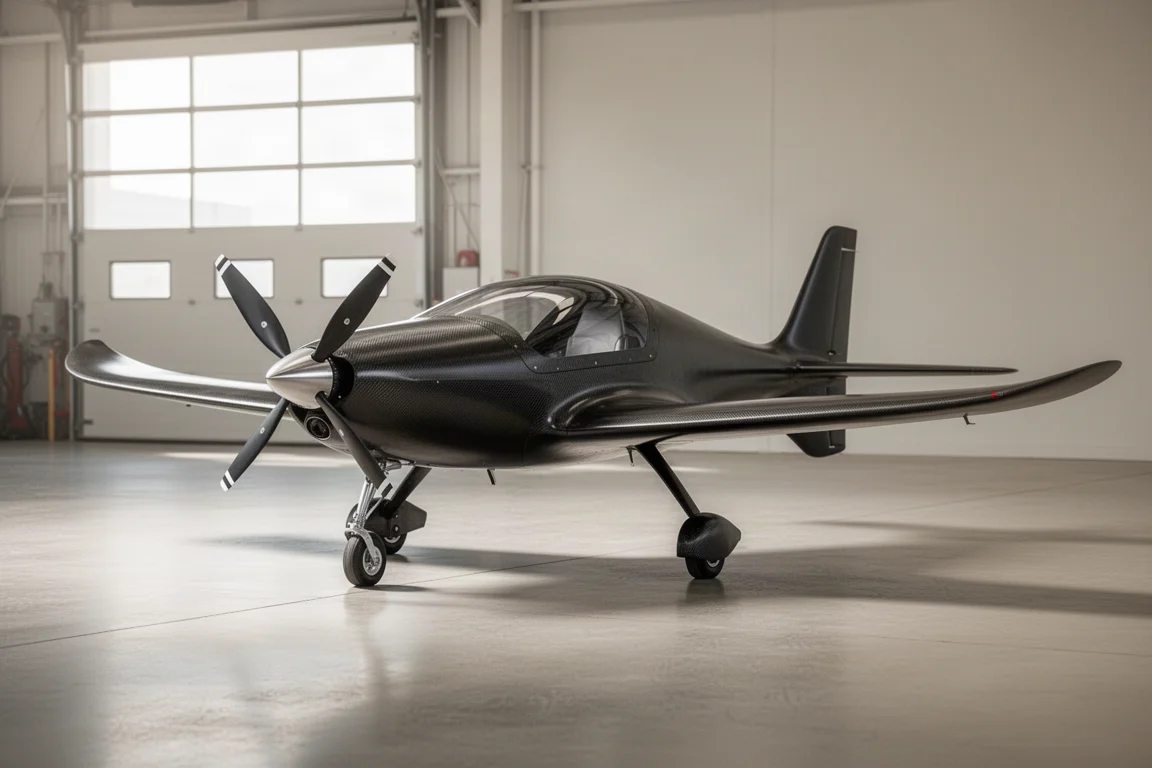
Aero Technics ACH 212 Solo Review: A Carbon Fiber Solo Kit Aircraft You Can Build Fast
A nearly 30-year-old Czech design still offered only as a kit: 90% carbon fiber, quick-release wings, a 350 to 400 hour build, and performance that surprises.
Aviation
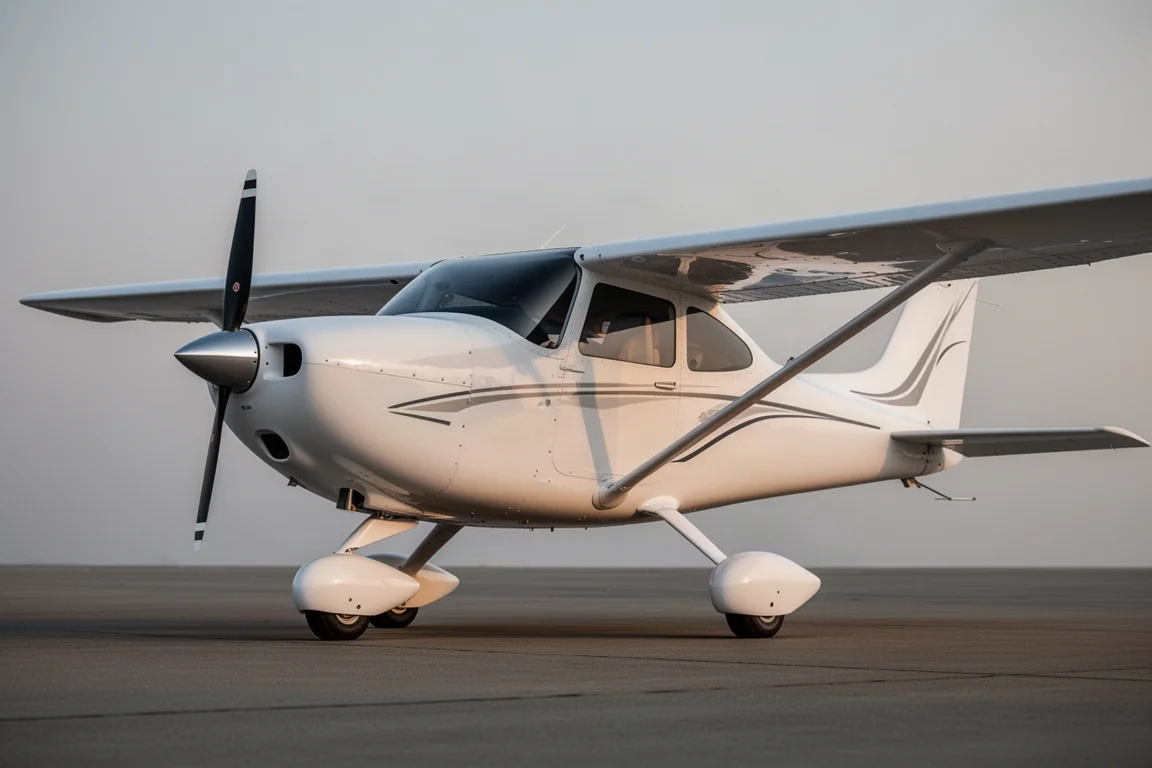
Aeropilot: The 80% Scale Cessna-Style Light Sport Aircraft Winning Over Flight Schools
A full-carbon, two-seat light sport aircraft modeled after the Cessna 182, with a larger cabin, big climb performance, and fuel burn that flight schools love.
Aviation
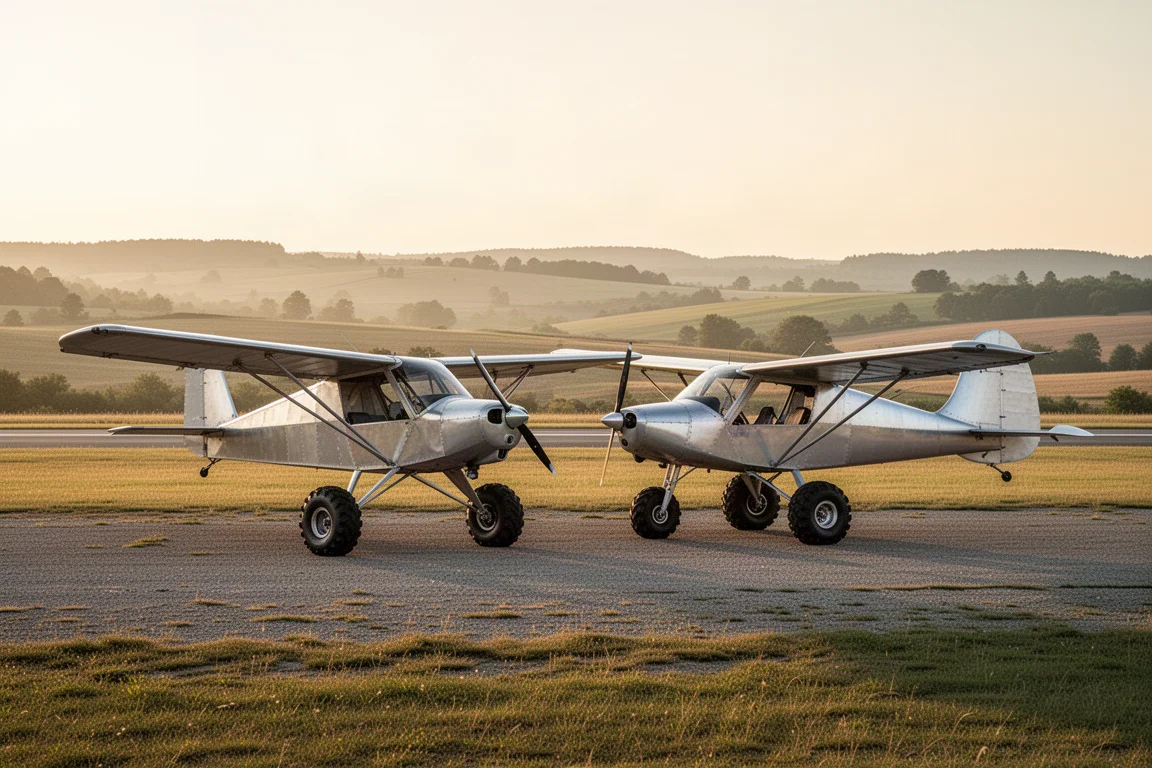
Aeropro A22 and A32: Two Light Sport Aircraft Worth a Close Look
A side-by-side look at the Aeropro A22 and A32, covering performance, pricing, customization, and what buyers should know before ordering.