Ultralight Aircraft
Badland Aircraft Ultralight and Polini 303: A Practical Path Into Ultralight Flying
A closer look at the Badland Aircraft Ultralight and the Polini 303 engine that powers it, from folding wings to kit options.
Introduction
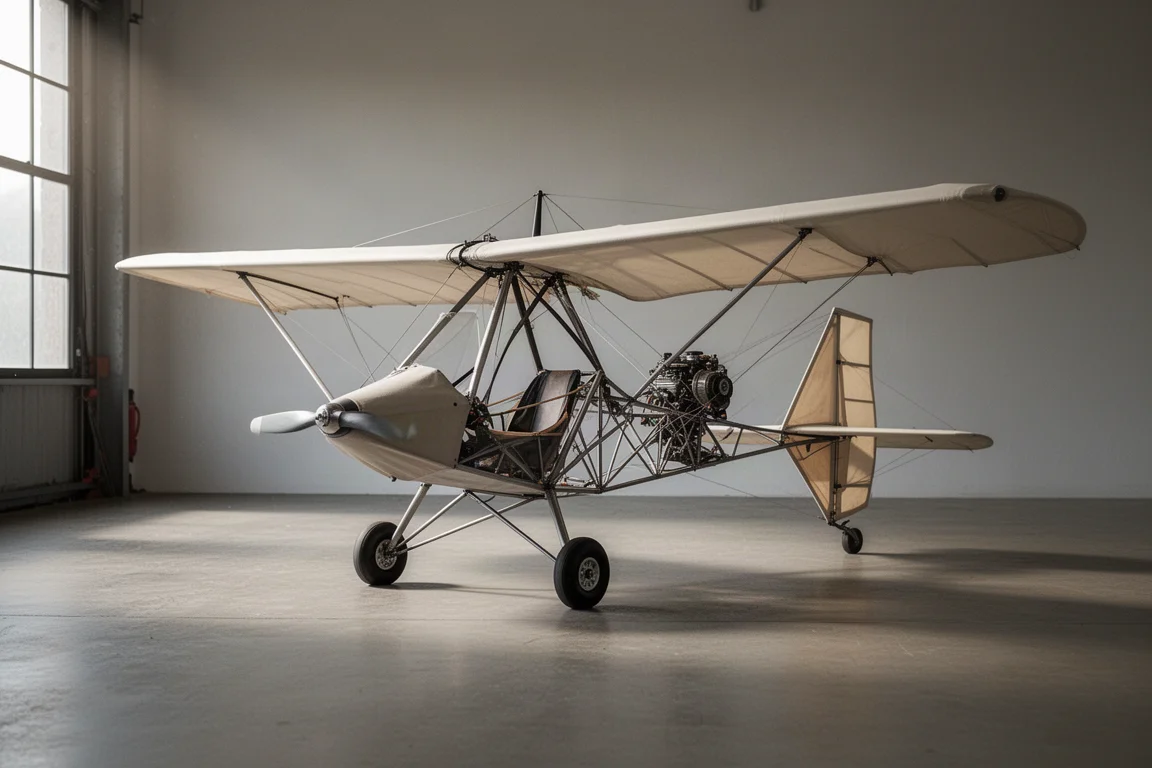
Ultralight flying is having a moment, and the Badland Aircraft Ultralight has become one of the most popular ways to get into it. This is a design with a clear mission: squeeze as much airplane as possible into the ultralight regulation, then make it easy to own, build, and fly. Pairing it with the Polini 303 engine, a unit the builder trusts after years of use, makes the combination worth a close look if you are considering your first ultralight.
Badland Aircraft Ultralight: Built to Stay Legal
The headline question for any ultralight is whether it truly meets the regulation, and the Badland team is upfront that it takes effort. On a recent award-winning example, which earned an ultralight reserve grand champion honor at Oshkosh for its owner, the aircraft had just 0.8 lb of weight margin to spare. The builders describe it as an aircraft that happens to meet ultralight regulation, which captures the philosophy well.
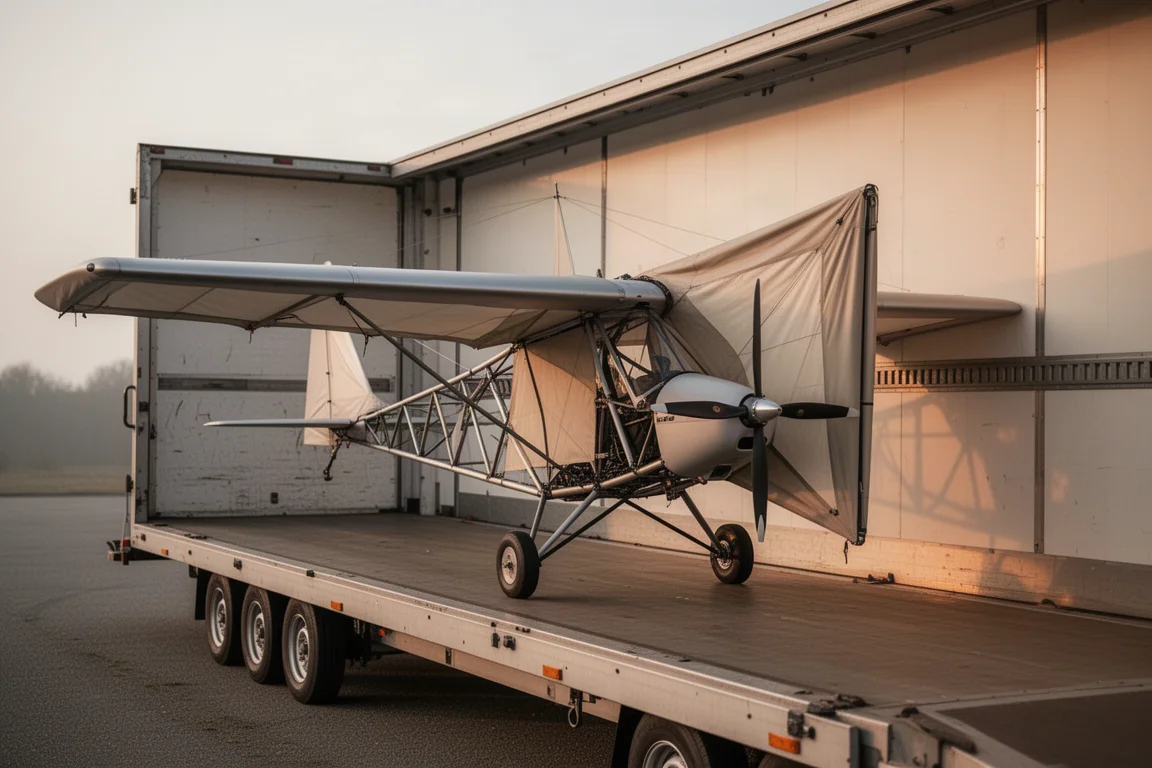
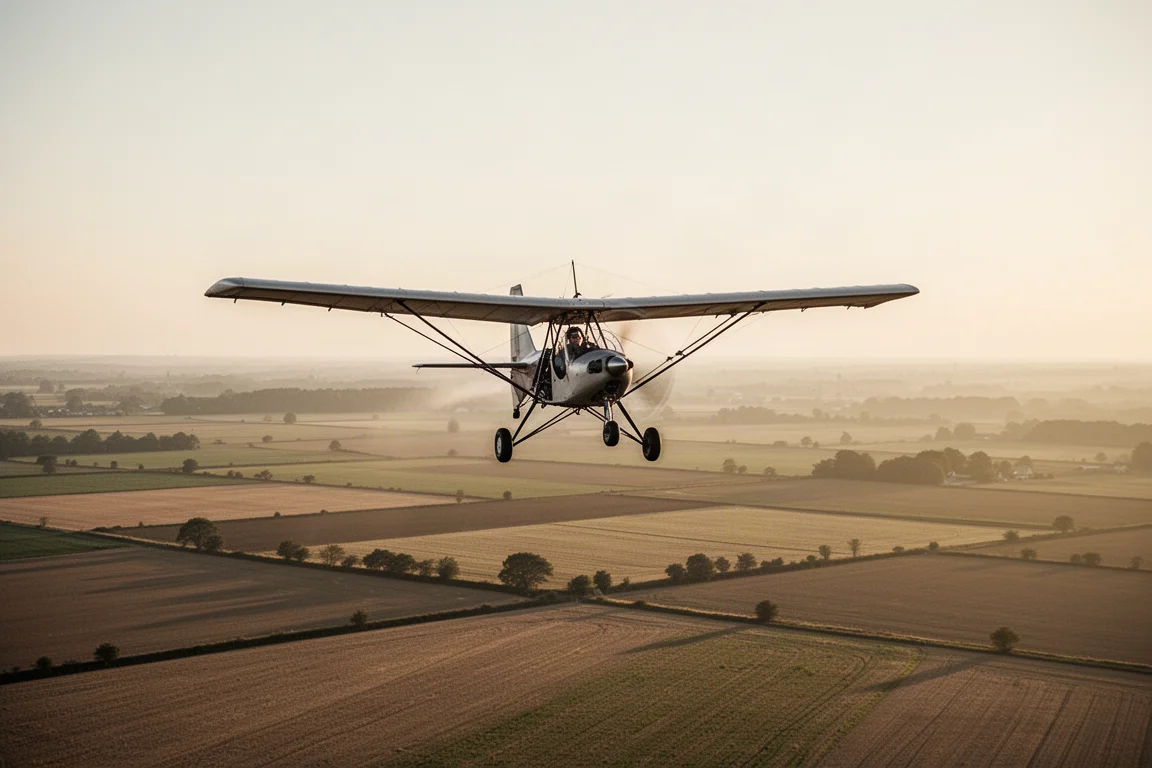
Every Badland aircraft has folding wings, and the fold is quick: roughly two minutes, with the pivot on the rear spar and simple fingertight connections. Once folded, the aircraft fits an 8.5 by 20-foot trailer. The company also offers a trike gear version, which weighs only about 2.25 lb more than the taildragger setup and is described as noticeably easier to handle on the ground, especially for loading into a trailer solo.
Weight-Saving Options and Configuration
Buyers can customize the kit to hit their weight and budget targets. The stock configuration uses wood wing ribs made from birch ply with spruce cap strips, while an optional in-house carbon fiber wing set with foam core and carbon cap strips saves around 4.5 lb, a significant amount in a category measured at 254 lb (278 lb with a parachute).
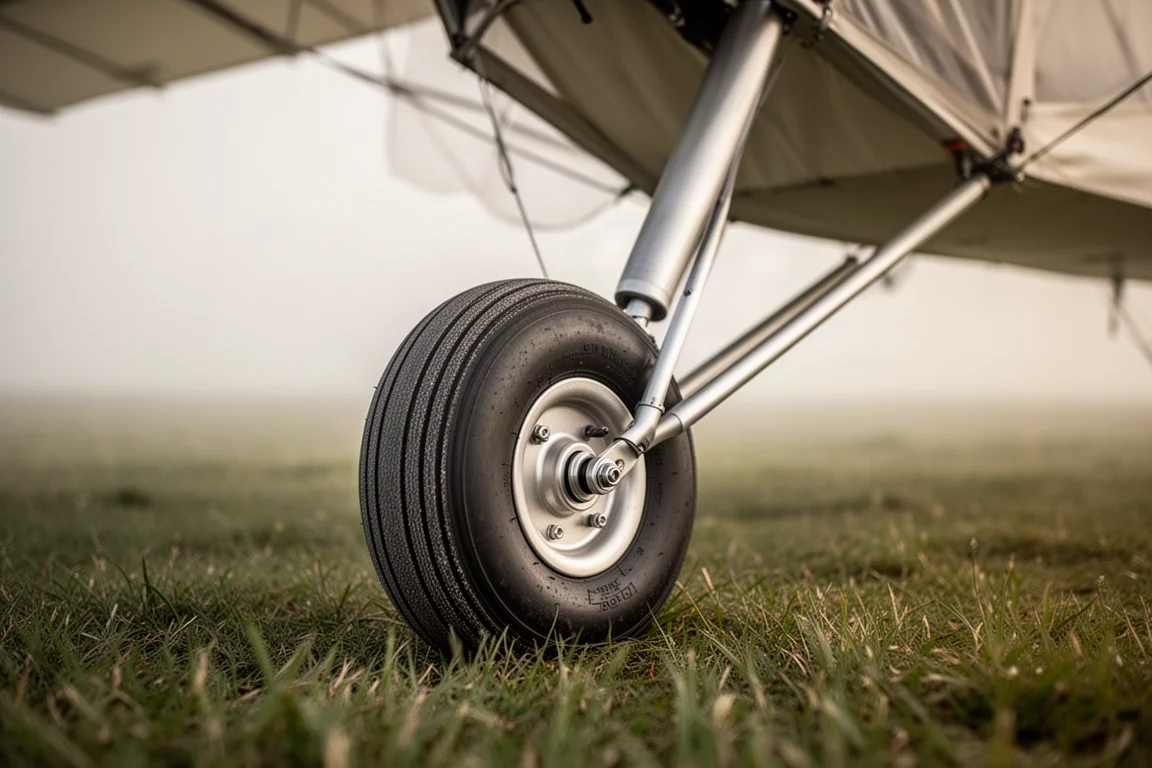
Tires matter too. The half-buff tires shown on the champion aircraft save roughly 2 lb per tire with shaved rubber, and the full-buff upgraded tires save close to 6 lb total, about 2.8 lb per tire. A Comelli nitrogen-charged whole-aircraft rescue parachute is available as an option, with a minimum 300 ft deployment altitude, which suits the low-altitude flying that most ultralight pilots do.
Polini 303: The Engine Choice
The Badland aircraft is commonly configured with the Polini 303, a 39 horsepower engine with dual ignition and an integrated wet clutch reduction. After a decade of flying behind Polini engines, the builder describes them as dependable: from opening the box to being ready for the air takes about three or four hours, with everything included.
Who Fits in the Cockpit
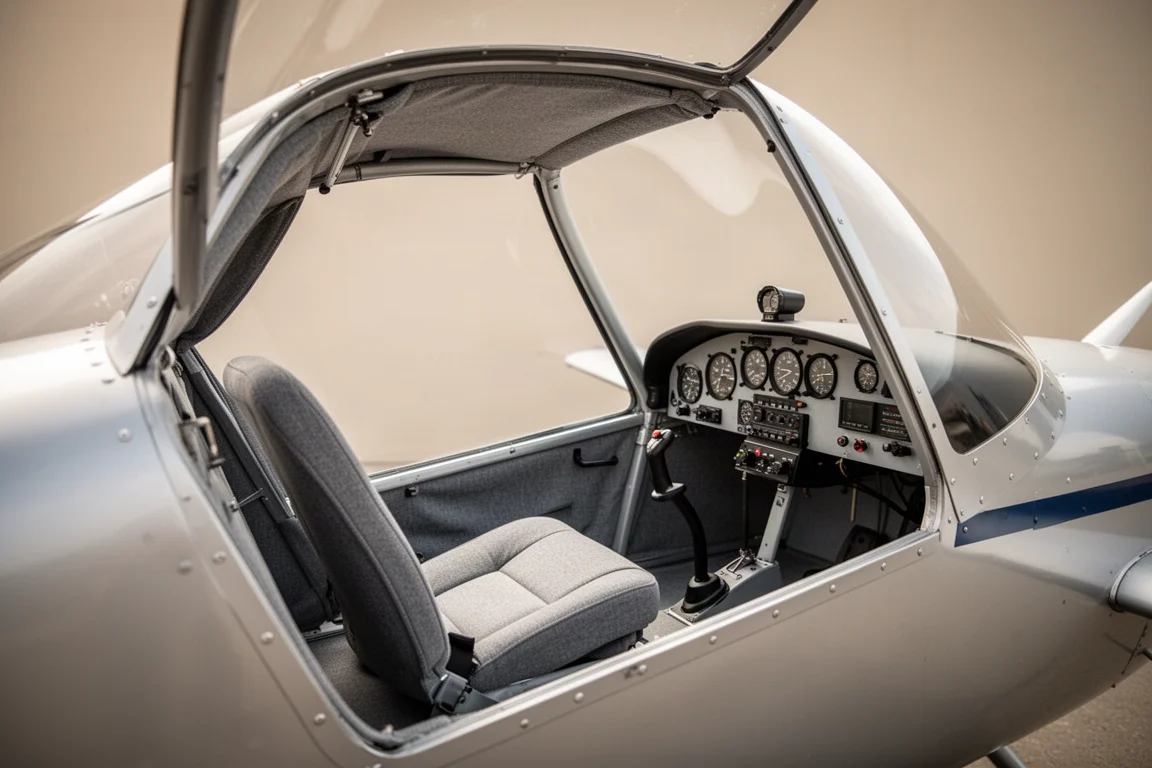
Useful load is typically around 296 lb, just under 300 lb, and the recommended maximum pilot weight is 270 lb. Tall pilots often assume they will not fit, but the reality is more generous. One of the company’s test pilots is 6’4 and 245 lb with no issues, and another tall owner flies comfortably in the taildragger version. At 5’8, a smaller pilot still sits with several fingers of headroom even wearing a helmet.
Choosing a Kit Level: Base Kit to Ready to Fly
The base kit starts at roughly 16 or 17 thousand dollars, delivered firewall-forward back with no fabric, so buyers can pick their own covering such as Oratex, Poly-Fiber, Stewart Systems, or Super Flight. Expect around 400 hours of build time, a conservative figure based on real customer builds; experienced builders do it faster.
The F2 quick-build, with factory-built wings and flapperons, is the best-selling kit thanks to its balance of value and quality. The F3 almost-ready-to-fly brings the build down to about 80 hours of pure assembly with all fabric done and zero fabrication. Finally, the ready-to-fly option lets you show up, jump in, and go. The company also offers any level of completion in between, including working alongside the team at the shop.
Conclusion
The Badland Aircraft Ultralight stands out for its disciplined weight management, quick-folding wings for trailerable ownership, and a flexible build path from base kit to ready to fly. Paired with the proven Polini 303, it makes a compelling case for anyone entering ultralight aviation. Check the latest pricing and availability with the manufacturer before ordering, and confirm the configuration you choose keeps you within the ultralight limits.
Product link
View more details for Badland Aircraft Ultralight
This product is mentioned in the review. Check the specifications, options, and compatibility before buying.
View more details for Badland Aircraft UltralightFurther reading
Related Reviews
Ultralight Aircraft
Six Ultralight Aircraft Anyone Can Buy and Fly Right Now
Six Part 103 legal ultralight aircraft, from plans-built budgets to ready-to-fly machines, with real specs, weights, and kit prices to compare.
Aviation
Badland Ultralight Kit and Thump Air 420cc: A Practical Backyard Aircraft Combo
A true 247-pound ultralight kit that hits the advertised weight, plus a new four-stroke engine option built for torque and lighter fuel burn.
Aviation
Top Part 103 Ultralight Aircraft You Can Build and Fly Without a License
From the Aerolite 103 to the Kolb Firefly, these Part 103 ultralights offer flying fun with no pilot license required.