Aircraft Engines
Corvair 2850 Aircraft Engine: A Builder-Friendly Conversion Worth Knowing
The Corvair 2850 is a horizontally opposed, air-cooled six-cylinder conversion engine with a flexible build path, honest weight, and support for experimental aircraft builders.
Introduction
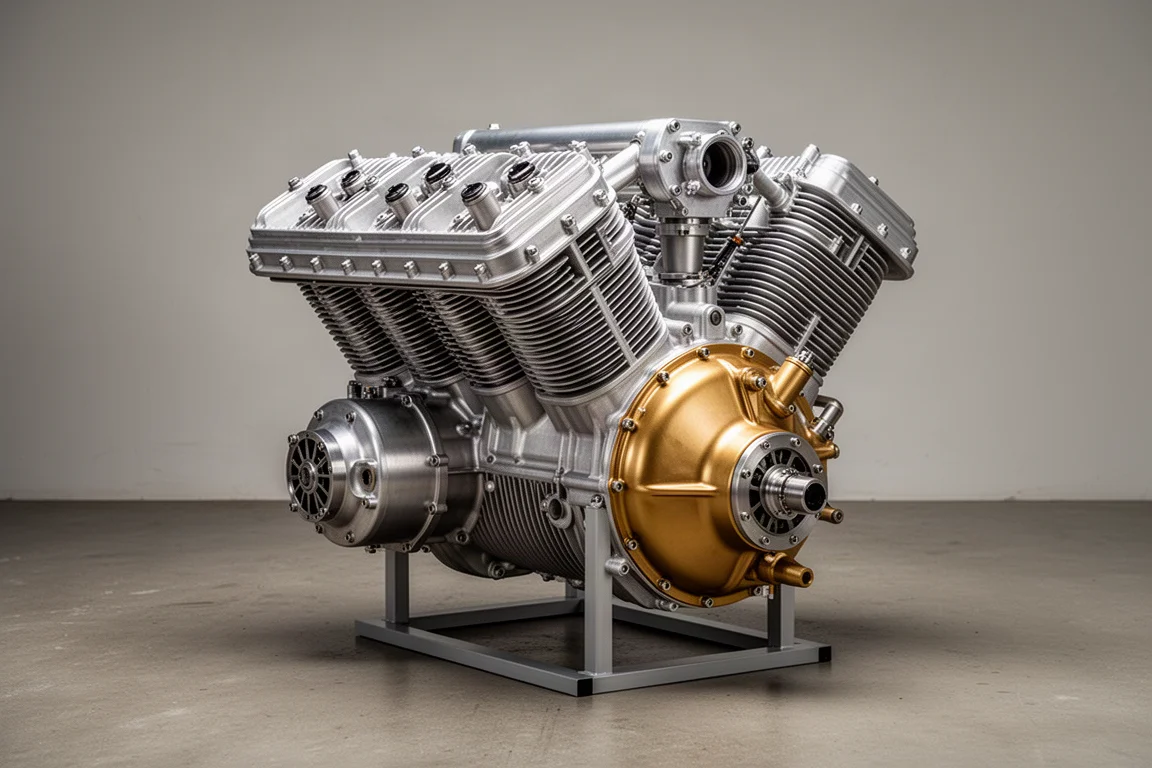
The Corvair 2850 has emerged as the flagship of a long line of Corvair-based aircraft engines, and it is easy to see why. After 33 years of building these engines, the supplier behind it now focuses production on the 2850 as the best value and simplest path in the lineup.
It is a horizontally opposed, air-cooled six-cylinder conversion engine producing 112 horsepower and weighing 235 pounds ready to run, with oil installed. The displacement sits at 95 percent of the larger three-liter build, giving up only about five percent power at the same RPM while avoiding case and head machining entirely. That simplification translates to savings on the order of a couple of thousand dollars in a straight-up build.
Who This Engine Is For
This is an engine for experimental aircraft builders who want to learn, not just buy. The program is built around the idea of knowledgeable owner operators: you can build the engine yourself in your garage, assemble a kit at the supplier’s hangar with personal guidance, or buy a complete, test-run engine with logs. Few engine options offer that range of involvement.
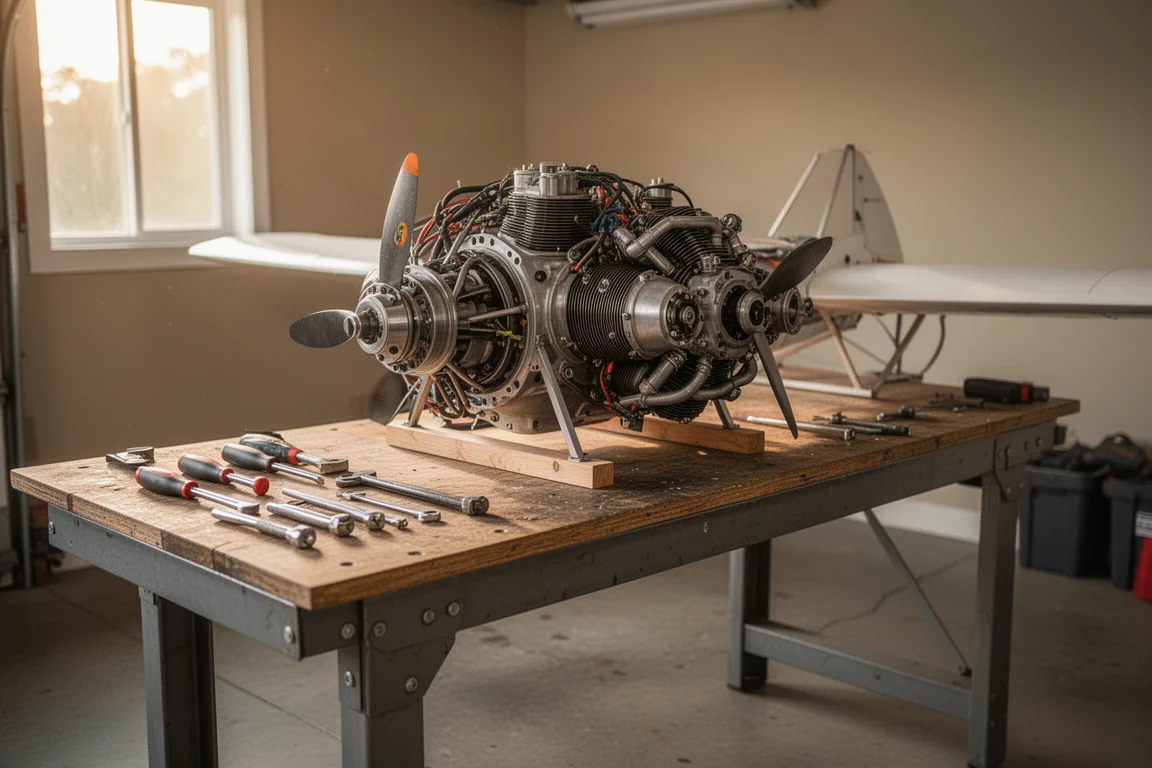
It suits builders of aircraft like Pete and Poles (Pietenpol) and the supported Zenith models, and it rewards people who enjoy the process as much as the result. If you want the traditional experimental aviation experience of learn, build, and fly, this path was designed for you.
Main Strengths
The biggest strength is flexibility. Three acquisition paths exist: a complete test-run engine with logs, a kit engine with everything provided needing roughly 20 hours of assembly, or a pay-as-you-go core build where you source a used Corvair core yourself for around 250 to 350 dollars and rebuild it as the budget allows. Winter building is popular with builders in colder regions who work on the engine when the hangar is too cold.
The 2850 is the largest displacement Corvair that requires no machining to the case or the heads. Larger builds like the three-liter need case machining and specialty head work, which adds shipping, cost, and complexity. With the 2850, cylinders can be mailed in for machine work in a flat-rate box, a simple and cheap step.
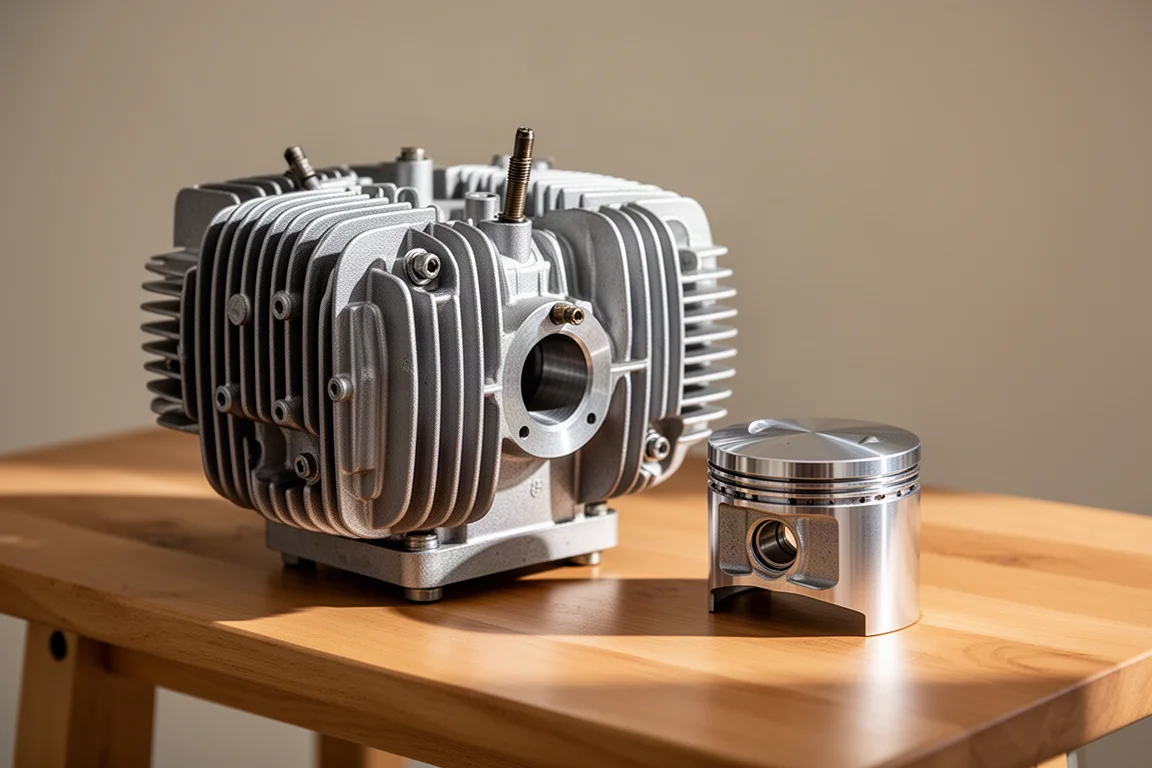
Pre-finished components keep the build approachable. Piston, rod, and cylinder kits arrive with ring gaps set, pistons on the rods, and bores done in-house, ready to torque together. Bottom ends come fully assembled with cam and crank installed and checked. Installation hardware like starters, gold oil systems, alternator brackets, and dual ignition systems are catalog items.
Safety is treated seriously. The methods taught are long-proven with large margins of safety, and the supplier is clear that builders should never operate outside known parameters. Proven paths still leave room for individual choice, without treating builders as test subjects.
Things to Consider Before Buying
The 235-pound ready-to-run weight is middle of the road. Ultralight engines are lighter, but they tend to be considerably more expensive, and weight savings mean little if you cannot afford the engine. For many airframes the Corvair’s weight sits well within acceptable parameters.
Assembly time varies. A kit engine assembled at the supplier’s shop takes about two days including a test run. At home, the same kit is roughly 20 hours of work, but a piece-by-piece builder might reasonably spend up to 100 hours, and that is fine: it is a learning process, not a race.
This is for experimental aircraft only, and documentation matters. If you buy a used core, you need the standard conversion manual before shopping, since roughly 50 different letter codes exist and buying a Corvair engine at random is a real risk. The target is a 64 to 69 long-stroke engine, and the 64 model year is a bridge year with the early body style but the late motor, so do not overlook it. Second owners especially need the MOP manual (Maintenance Operations and Procedures), which functions like a pilot operating handbook and is essential for proper condition inspections.
Buying Advice
Choose the path that fits your budget and goals: a kit for a known, complete package; a core build for pay-as-you-go flexibility; or a complete engine if you want a test-run unit with logs. The supplier is explicit that the builder is not supposed to conform to the engine company’s model; the programs adapt instead.
Tools You Will Need
The tool requirement is modest. Standard sockets and wrenches cover most of it, since all the engine hardware is US standard. A good-quality torque wrench is the one specialty item worth buying, and a beam-type torque wrench is perfectly fine for assembly; click-type wrenches are discouraged. For running and maintenance, plan on a quality timing light (roughly 79 to 150 dollars) and a differential compression tester (around 150 dollars, available through the Aircraft Spruce catalog), the basic diagnostic tool for any aircraft engine evaluation.
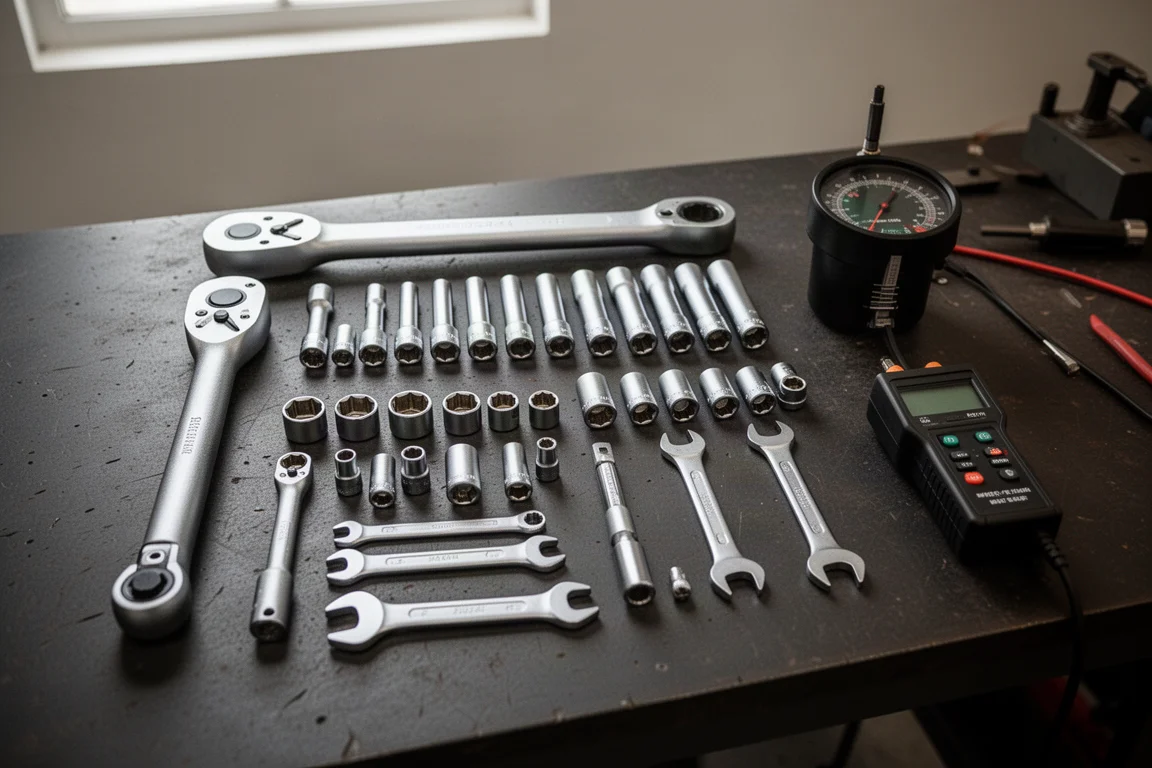
Expect to invest a couple of hundred dollars in tools, which is about the cost of renting a hangar for one month. The manuals assume you own them, and maintaining a two-seat aircraft safely is part of the deal for anyone carrying passengers.
Installation and Airframe Support
An engine is only useful if the installation components exist, and here the support is unusually complete. For Zenith aircraft, there is a full line of motor mounts, cowlings, exhaust systems, nose bowls, and appropriate propeller options. Buying all of it off the shelf, including a powder-coated motor mount and a propeller, runs roughly 4,500 to 4,700 dollars.

The fuel system is dirt simple: on aircraft like the Zenith Cruiser it runs on gravity feed from the tank through a valve and firewall to a carburetor, with no pumps, gauges, backup pumps, or fuses. Gravity has been a reliable force in the universe for a long time, and the simplicity carries through the whole installation.
Support continues after the build through an active Facebook group (WWFlyCorvair, around 3,000 members, also a good place to find cores) and direct phone or text contact with the engine builder himself, who knows his roughly 50 active builders by name and is happy to talk through a project.
Conclusion
The Corvair 2850 stands out because it respects the builder: flexible acquisition paths, no machining required on case or heads, honest weight and power, thorough manuals, and real personal support. If you want to genuinely understand and build your own aircraft engine without paying a premium for the privilege, this is one of the most sensible options in experimental aviation.
Product link
View more details for Corvair 2850 Aircraft Engine
This product is mentioned in the review. Check the specifications, options, and compatibility before buying.
View more details for Corvair 2850 Aircraft EngineFurther reading
Related Reviews
Aircraft Engines
Zan Chen ZD Aircraft Engine: A Rotax 912 Alternative Worth a Close Look
The Zansen CA series ZD engine brings Rotax 912 ULS interchangeability, a longer warranty, and a more affordable price to experimental and light aircraft builders.
Ultralight Aircraft
Badland Aircraft Ultralight and Polini 303: A Practical Path Into Ultralight Flying
A closer look at the Badland Aircraft Ultralight and the Polini 303 engine that powers it, from folding wings to kit options.
Aviation
Badland Ultralight Kit and Thump Air 420cc: A Practical Backyard Aircraft Combo
A true 247-pound ultralight kit that hits the advertised weight, plus a new four-stroke engine option built for torque and lighter fuel burn.