Mountain Bikes
Yeti ASR T3 Review: A Fast, Light XC Race Bike With Two Clear Trade-Offs
The Yeti ASR T3 is a light, efficient full carbon cross-country race bike. Here is how it rides, what stands out on the build, and what to weigh up before buying.
Introduction
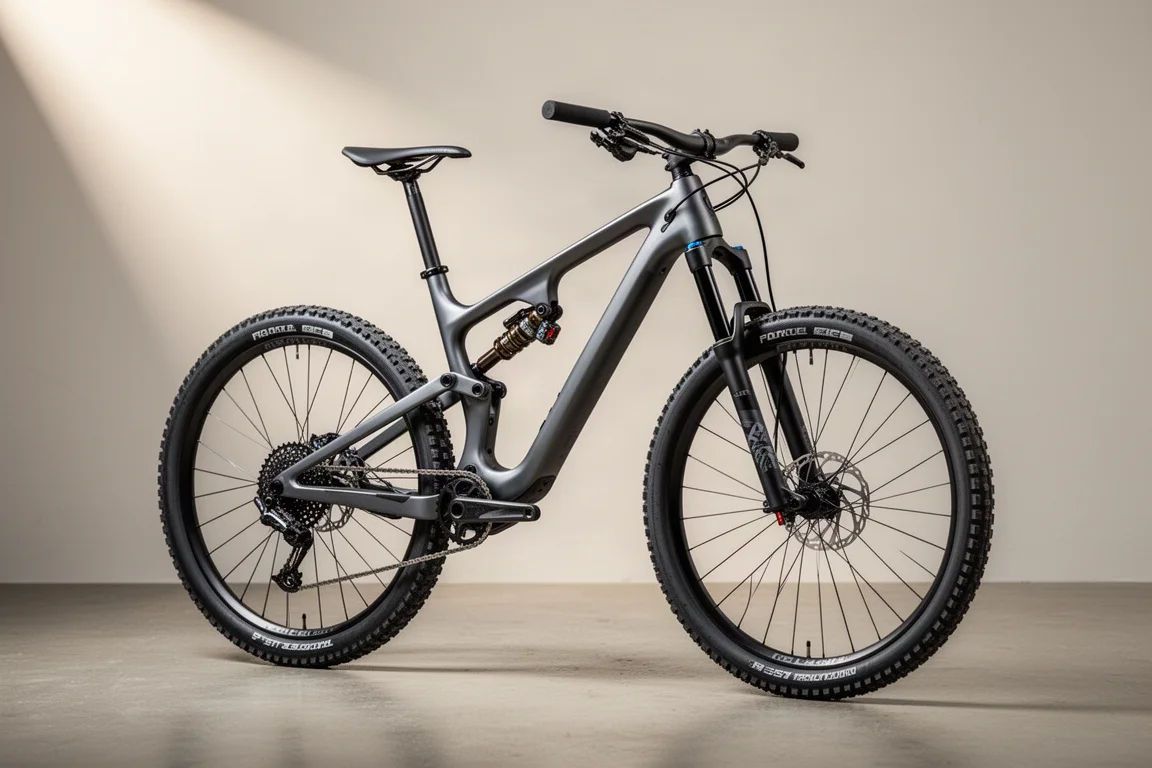
The Yeti ASR T3 is a full carbon cross-country race bike built to fly up climbs and stay composed on the way back down. It sits in the middle to upper part of the ASR range, and the headline numbers are appealing: a claimed frame weight of just over 1,500 g without a shock, 115 mm of rear travel, and a build kit centred on a SRAM XO Transmission groupset.
The ASR line runs from $5,600 up to $14,000 depending on the build and the equipment fitted, and this T3 version sits at $8,600, or around £8,400. That places it directly against other lightweight cross-country race bikes, which is exactly where the buying decision gets interesting.
The bike is fast, sleek and genuinely versatile for everyday trail riding. It is also not perfect, and the two areas worth understanding before you commit are the wheels and the sizing.
Who the Yeti ASR T3 Is For
This is a bike for riders who measure enjoyment in climbing speed. Cross-country racers, marathon riders and fast trail riders will all recognise what the ASR T3 is doing: low weight, efficient pedalling and suspension that stays out of the way until the trail gets rough.
It comes in five sizes, and the geometry leans modern rather than old school. The head angle is 66.5 degrees, which is fairly common in this class and gives confident handling, and the seat angle is just over 76 degrees, steep enough to keep the rider over the pedals on long climbs without feeling extreme.
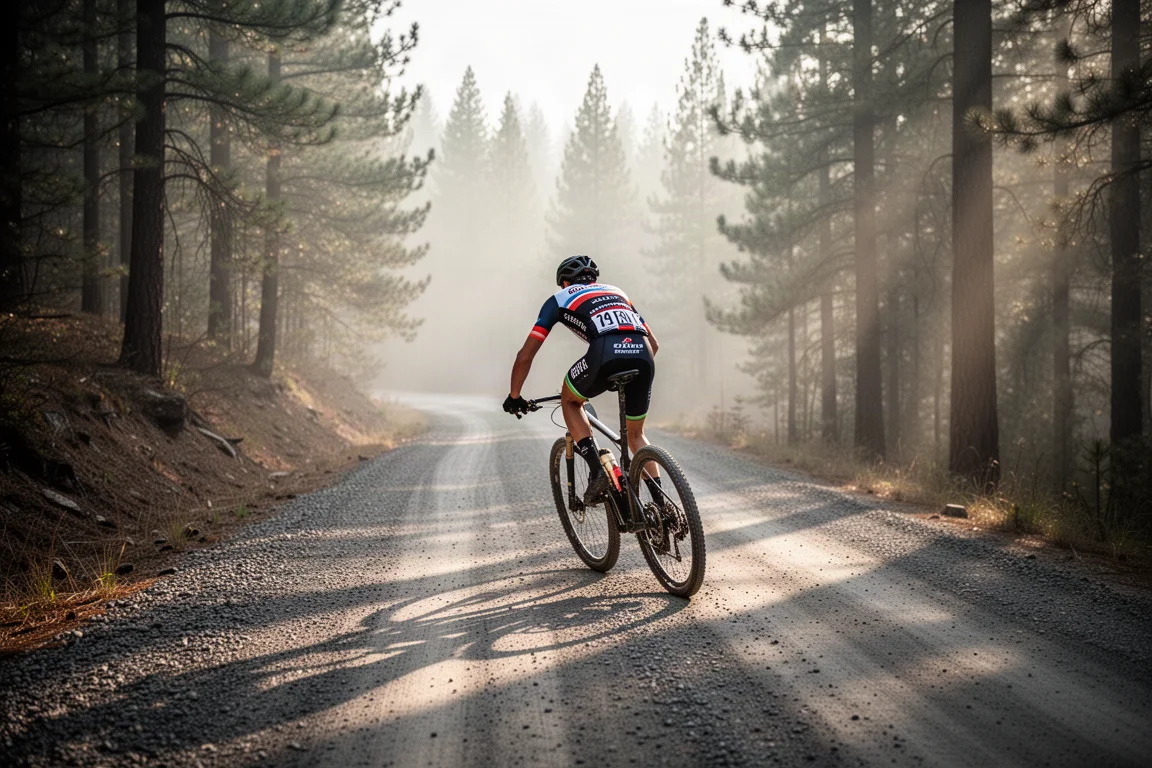
The ASR T3 rewards riders who already know they want a short travel race platform. It also suits anyone who wants one bike that can race on the weekend and still feel quick on local trails during the week, which is a large part of its appeal.
Frame Design and Key Features
The frame and swingarm are full carbon, with slender tube profiles and a straight top tube and seat tube. That straight seat tube matters in practice, because it allows maximum dropper post insertion.
Yeti has moved away from its complex Switch Infinity suspension layout on this bike and adopted a single pivot design with flex carbon stays in the chainstays. It is a simpler approach that keeps weight down, and it mirrors what most other cross-country race bikes now do. Rear travel is 115 mm from the shock, paired with a 120 mm fork, so slightly less rear travel than some direct rivals in the category.
Claimed frame weight is just over 1,500 g without a shock, and just over 1,800 g with a shock fitted. That is not the lightest frame in this class, but it is clearly one of the lighter ones.
Despite the focus on weight, the practical details are sensible. There is impact protection on the down tube and the chainstay, a small mud flap to stop mud collecting behind the main pivot, and clearance for 2.4 inch tires on 30 mm wide rims. Cable routing runs conventionally through the head tube rather than through the headset, and the cockpit uses a standard two piece handlebar and stem, so swapping either part is straightforward.
Climbing Performance
Climbing is where the ASR T3 makes its strongest argument. The combination of low weight and efficient suspension makes it feel genuinely quick uphill, and it carries speed well on long, gradual climbs where momentum matters more than punchy accelerations.
Traction is a real strength too. The rear wheel finds grip over roots and rocks, which helps on technical, tacky climbs where a lighter, stiffer race bike would start to skip.
Yeti recommends 30 percent sag at the rear, which is noticeably more than the 25 percent typical for a cross-country race bike. In practice that translated to roughly 185 to 190 psi in the rear shock, matched with 75 psi in the fork. The concern with that much sag is a soft, wallowy feel under pedalling, but the shock’s three way adjustment for lockout, compression and fully open mode keeps things composed. Even fully open, the rear end does not bounce around or move through its travel too easily.
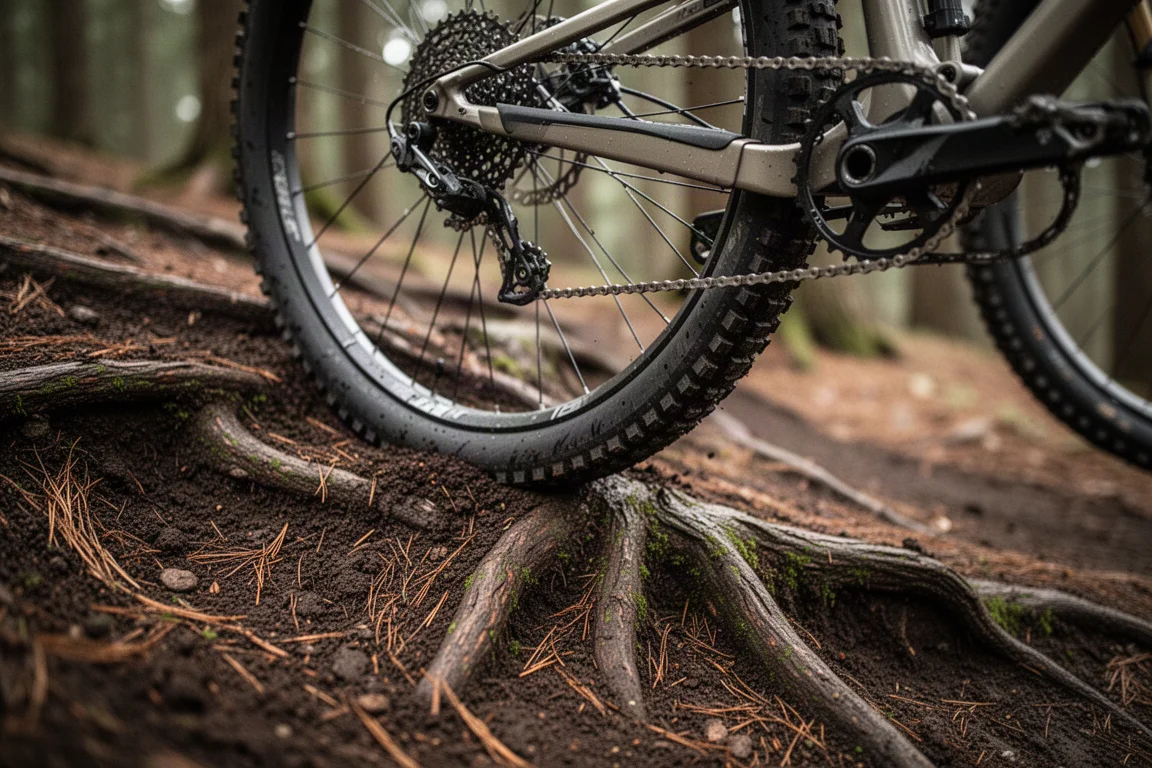
What that setup delivers is comfort. The suspension is supple and eager to work on small bumps, which makes a long distance trail ride or a marathon far less fatiguing, and the extra traction on loose climbs is a genuine performance benefit rather than just a comfort feature.
Suspension Setup and Descending
The RockShox SID fork is an excellent match for this bike. It is easy to set up, feels supple, and handles big hits well, and it pairs neatly with the SID rear shock and its three way adjustment. On repeated step down hits the fork can bind up slightly more than some alternatives, but it remains a very solid unit.
The geometry supports the descending side of the ride as well as the climbing side. A 66.5 degree head angle is slack enough to feel stable without dulling steering response, and the steeper seat angle keeps weight forward on steep climbs. The numbers work well together.
The ASR T3 is longer and slacker than cross-country bikes of a decade ago, and it has lost no speed for it. If anything it is faster, because the bike is so much more capable when the trail turns rough. Modern cross-country race courses are rowdy enough that this extra composure matters, and it also makes the bike feel at home on ordinary trails.
Component Highlights
The suspension package is the foundation of the ride. The SID fork up front and the SID rear shock with lockout, compression and fully open modes give a wide usable range, and the 120 mm fork feels well judged against the 115 mm rear travel.
The Recon Race tires are a smart choice for this kind of bike. They roll fast with low resistance on hard packed trails and show more grip than expected when the front tire is leaned hard into a corner.
The cockpit uses a Race Face carbon handlebar at 740 mm with a 35 mm diameter, along with a 50 mm stem that suits the geometry well. The narrower bar is a racing oriented choice, and riders who spend more time on technical trails may prefer 750 or 760 mm for extra leverage.
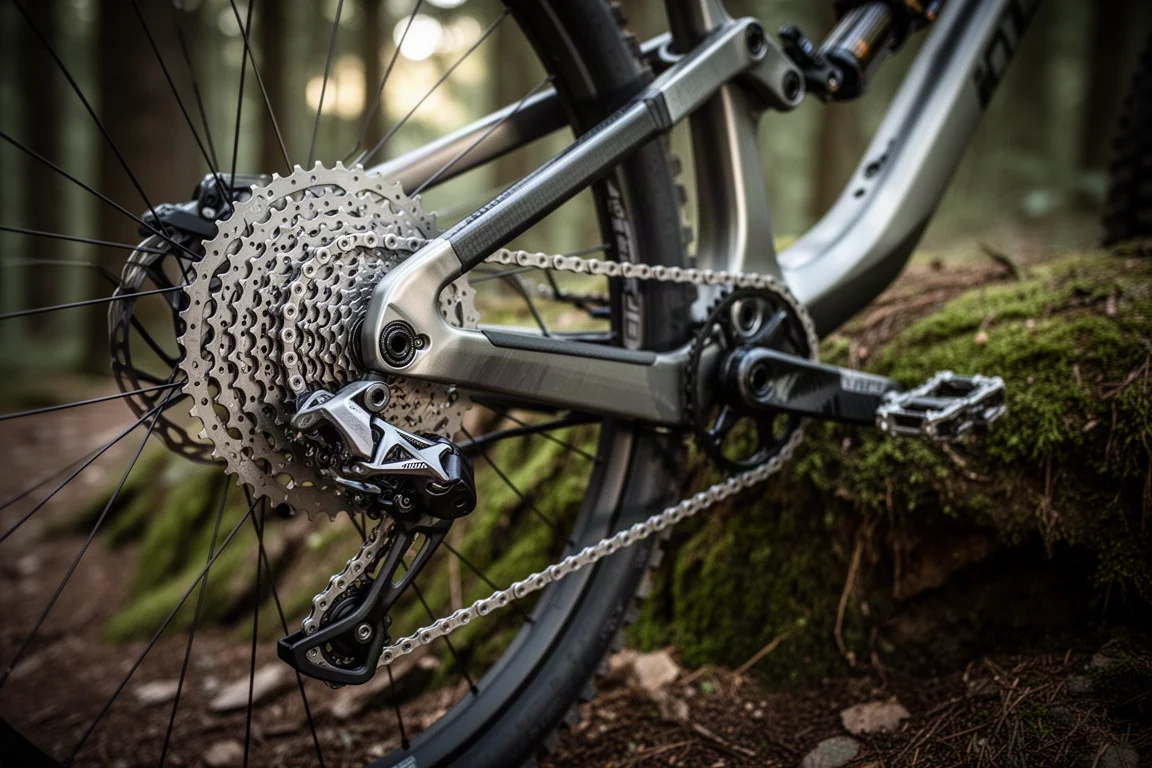
The SRAM XO Transmission Eagle groupset is the centrepiece of the build. Shifting is precise and crisp every time, with no hesitation, and the direct mount rear derailleur is a genuinely useful design detail. Because it attaches straight to the frame, impacts with rocks and trees do not bend a hanger, so the drivetrain keeps working as it should.
Things to Consider Before Buying
Two issues stand out at this price, and both are worth weighing carefully.
The first is the wheels. At more than £8,000 or $8,600, the T3 ships with alloy wheels. They work perfectly well, but comparable bikes from other brands at this price point offer carbon wheels, and those are roughly 500 g lighter. On a bike sold on weight and speed, that gap is hard to overlook, and it is the detail that most affects the value story.
The second is sizing. The size large tested has a reach of 465 mm. That is longer than cross-country race bikes of a few years ago and a step in the right direction, but it is around 10 mm shorter than several bikes in this category, and it can feel closer to a medium or medium large for a taller rider. Riders who prefer a reach in the 475 to 480 mm range may want to look at sizing carefully or consider a longer stem.
Two smaller points are worth noting. The Fox Transfer SL dropper post works quickly and reliably, but it is a two position design, either fully up or fully down, with no infinite adjustment in between. It also offers 150 mm of drop, which is more than a racer typically needs, and dropping the saddle from full height on a rocky descent takes a deliberate squat. The 740 mm handlebar is also on the narrow side for general trail use.
Buying Advice
The ASR T3 makes the most sense for riders who want a light, fast cross-country bike and who value climbing efficiency above everything else. On paper it compares well with other race bikes in this price bracket, and the suspension performance and frame details are genuinely impressive for the travel on offer.
The honest summary is that it is almost perfect, and the two gaps are specific. If carbon wheels matter to you, the higher builds in the ASR range address that directly, and if fit matters, checking reach against your own measurements before ordering is the sensible move.
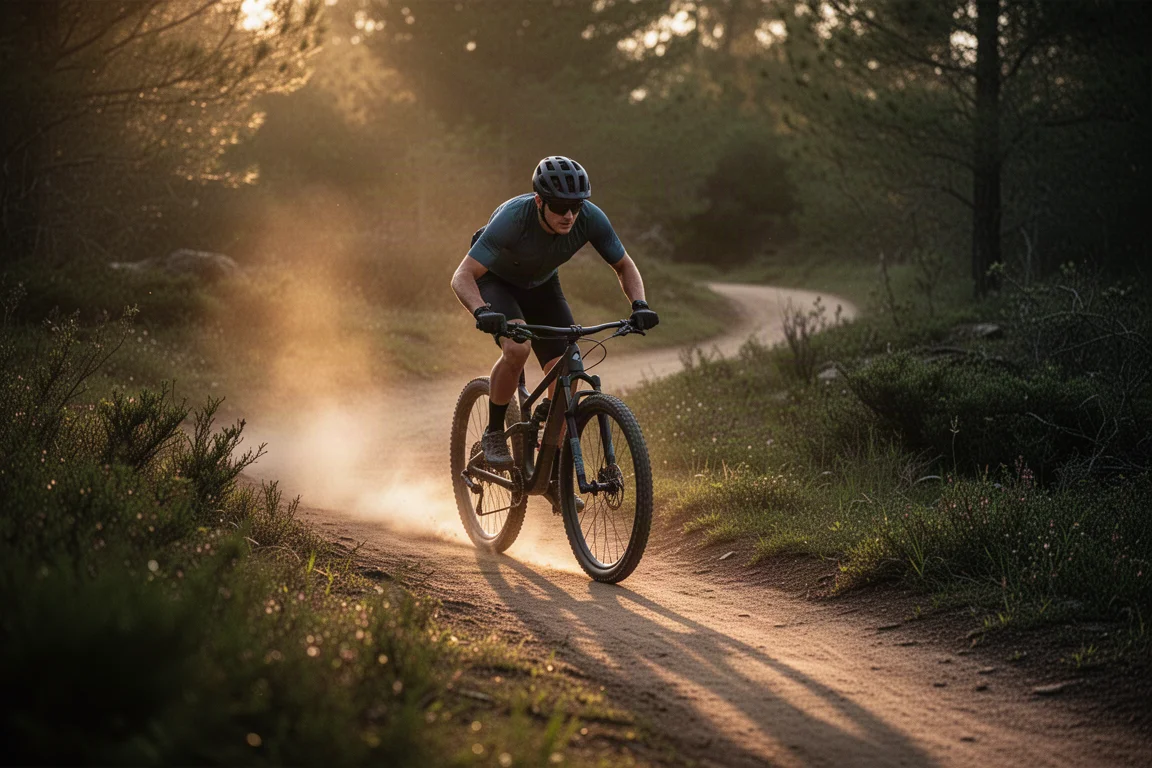
For riders who race, or who simply want a light and efficient trail bike that feels quick everywhere, the ASR T3 is a strong candidate. For riders who want maximum value at this price or a longer, more trail oriented fit, the competition is close enough that a careful comparison is worthwhile.
Conclusion
The Yeti ASR T3 delivers exactly what a modern cross-country race bike should: low weight, efficient climbing, supple suspension and enough composure to stay fast when the trail gets rough. It works as a race bike and as an everyday fast trail bike, which is a rare combination.
The trade-offs are clear rather than hidden. Alloy wheels at a carbon wheel price point, and a reach that runs short on the size large. Neither is a deal breaker on its own, but both are the kind of details that should shape your decision rather than surprise you later.
Product link
View more details for Yeti ASR T3
This product is mentioned in the review. Check the specifications, options, and compatibility before buying.
View more details for Yeti ASR T3Further reading
Related Reviews
Mountain Bikes
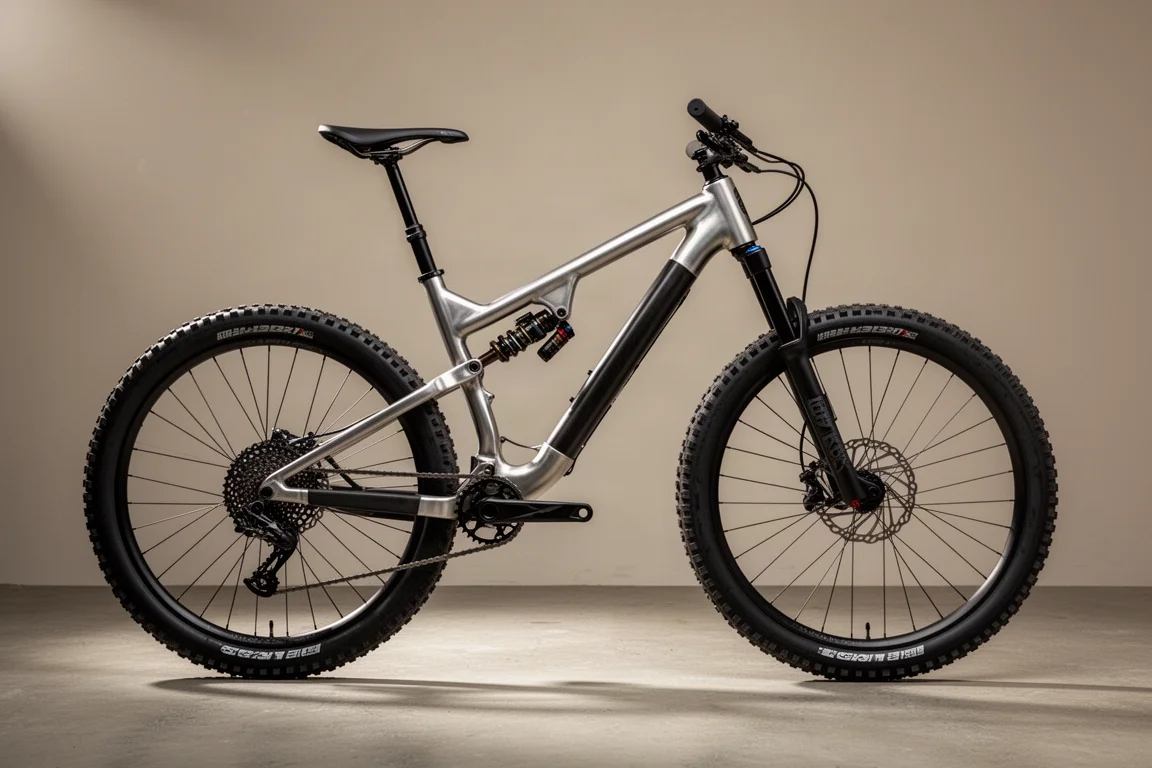
Atherton AM.130 Review: 3D-Printed Titanium Lugs and a 130mm Trail Bike That Descends Like a Bigger Machine
The Atherton AM.130 pairs 3D-printed titanium lugs with carbon tubes and a DW6 suspension platform. Here is how it rides, what the build delivers, and who it suits.
Mountain Bikes
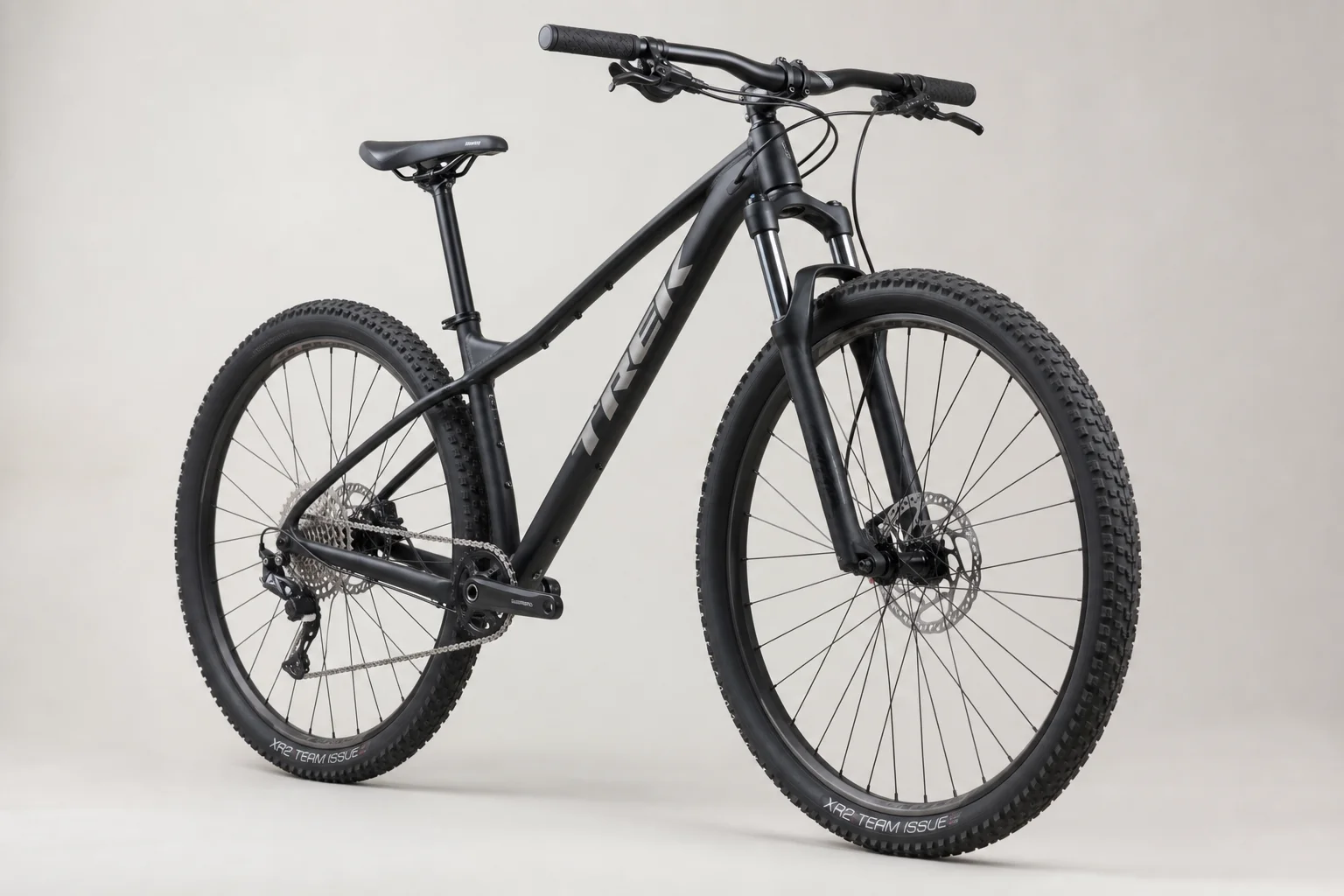
Beginner Mountain Bike Buying Guide: What to Look For in a Trailworthy Hardtail
A practical framework for evaluating beginner mountain bikes, whether new or used, by examining key components that indicate real trail capability.
Mountain Bikes
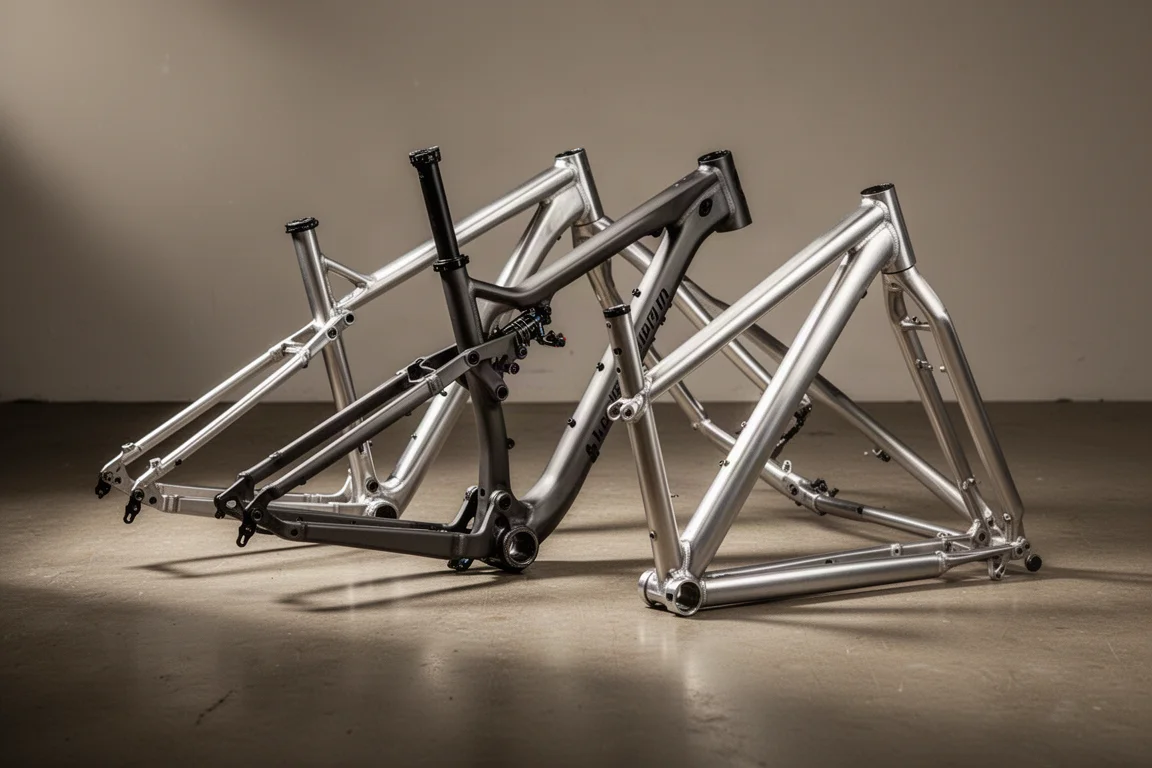
Best Aluminum Mountain Bikes 2026: Five Alloy Bikes Worth Your Attention
Five aluminum mountain bikes that show how far alloy has come, from a 120mm trail bike and a versatile machined frame to a 180mm freeride machine.