Mountain Bikes
Best Aluminum Mountain Bikes 2026: Five Alloy Bikes Worth Your Attention
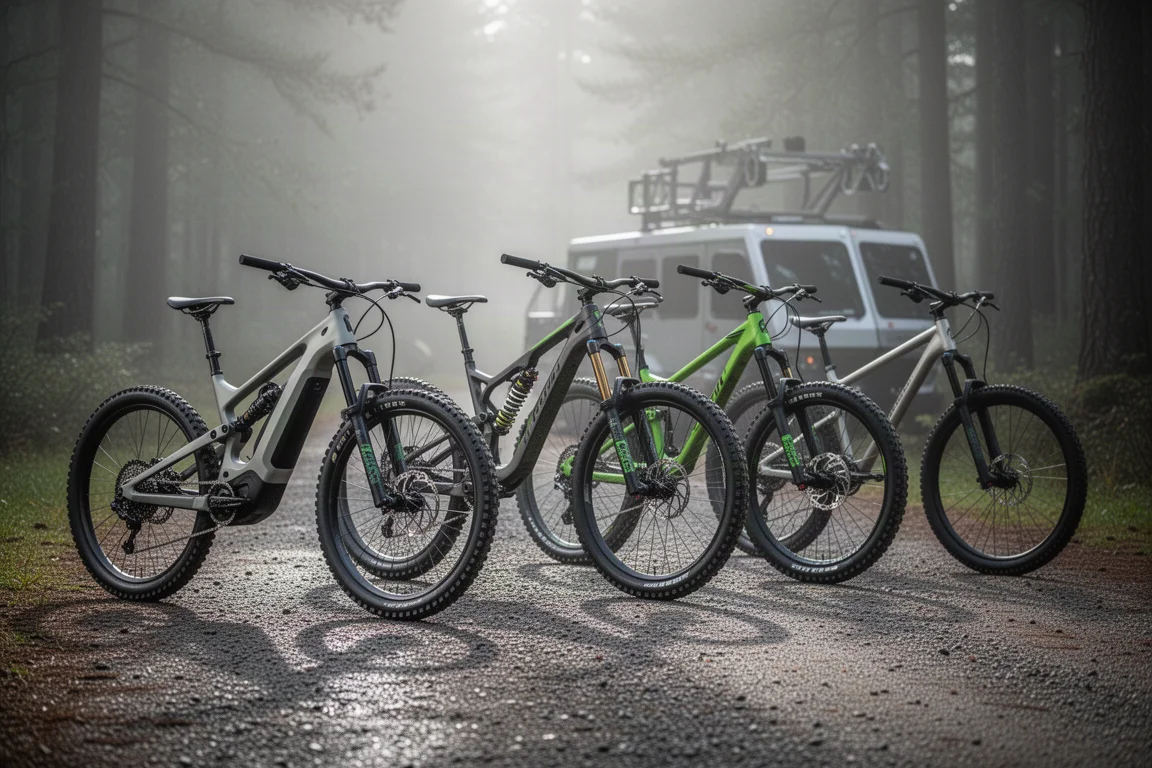
Five aluminum mountain bikes that show how far alloy has come, from a 120mm trail bike and a versatile machined frame to a 180mm freeride machine.
Introduction
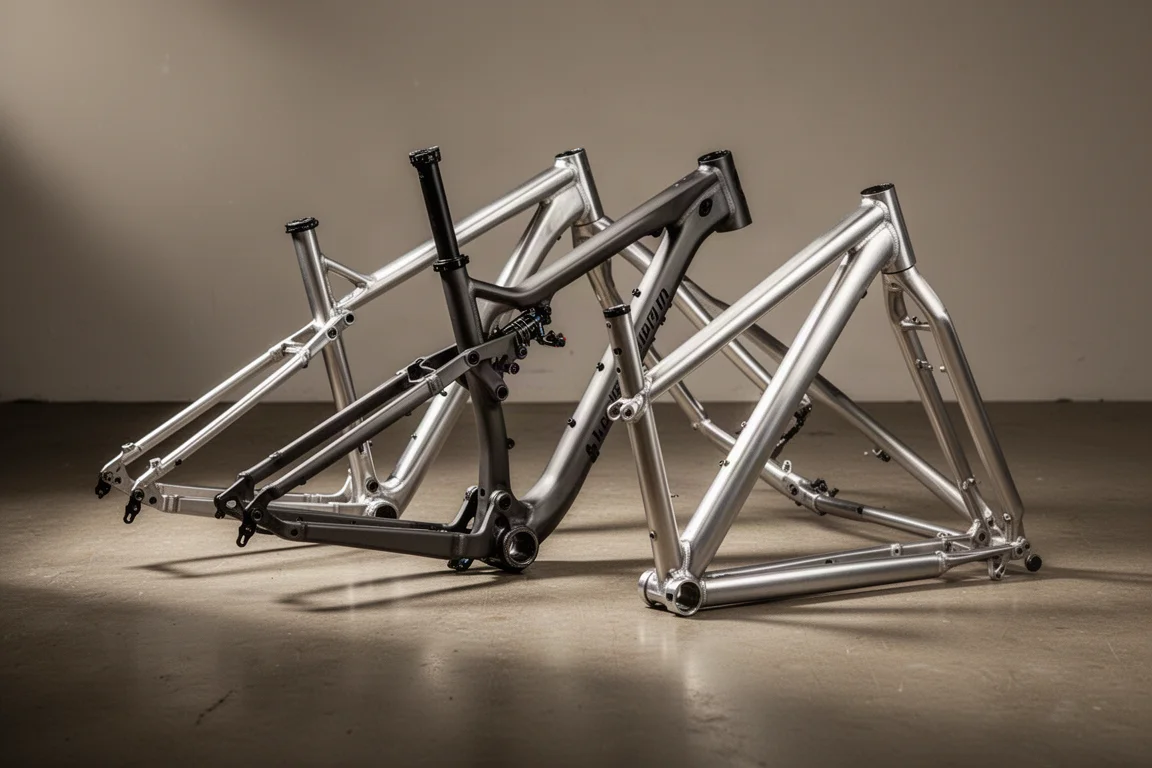
Carbon tends to take the spotlight in mountain biking, and it is easy to overlook how much aluminum still has to offer. Alloy is durable, affordable, and modern manufacturing has closed much of the weight gap with carbon. There is also a reasonable argument that alloy frames are the kinder choice environmentally.
The five bikes below show how broad that appeal has become. They range from a 120mm trail bike to a 180mm freeride machine, and they cover a wide spread of budgets.
What to Look for in an Aluminum Mountain Bike
Frame weight is the first thing most riders check. Alloy frames still generally carry a penalty over carbon, but the gap is smaller than it once was and it varies considerably between designs. A claimed frame weight that includes the shock gives the fairest comparison.
Geometry matters more than material. Modern alloy bikes increasingly use slack head angles, steep seat angles, and long reach figures, and those numbers do more to determine how a bike climbs and descends than the frame material does.
Suspension platform is the third consideration. Four-bar, DW-link, and high pivot designs all behave differently, and the platform often shapes what a bike is good at more than its travel figure does.
Finally, look at the spec and the adjustability. Sensible component choices, plus features such as flip chips, adjustable dropouts, and threaded bottom brackets, usually matter more over years of ownership than a small weight difference.
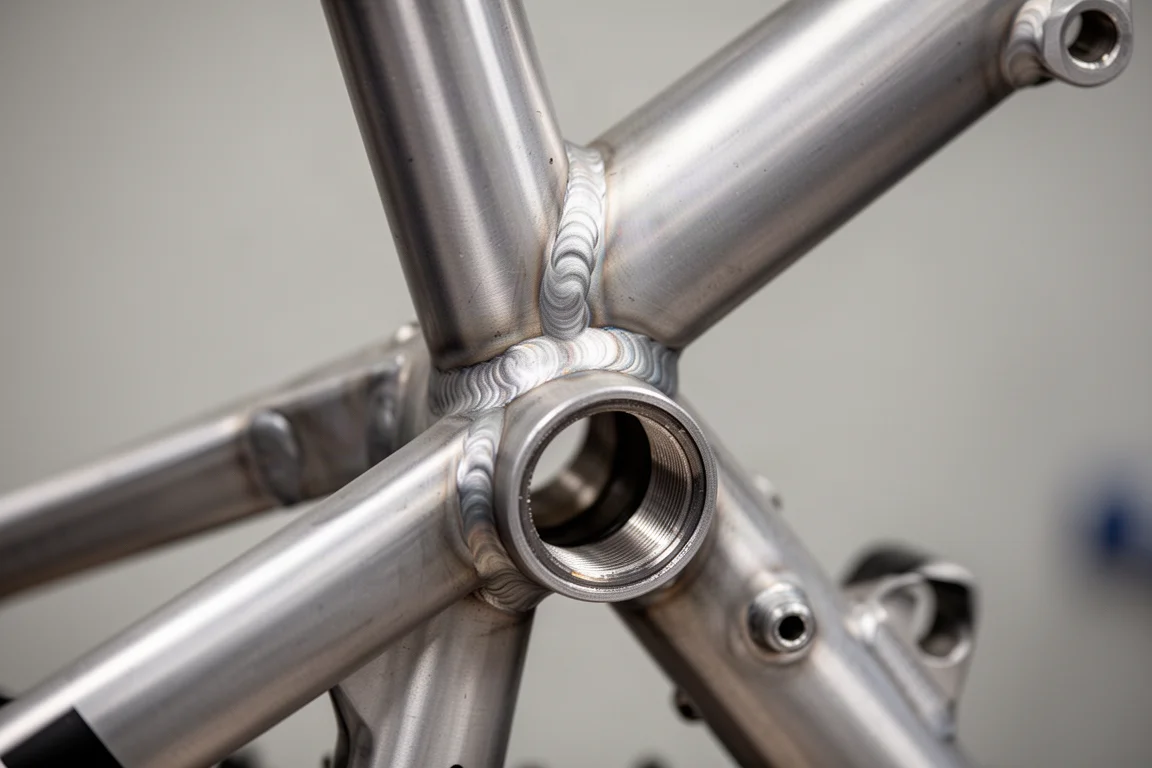
Value deserves a mention too. Several of the bikes here undercut comparable carbon models by a substantial margin, and that saving can go toward better suspension, stronger wheels, or a spare set of tires. Alloy also tends to shrug off the kind of crash damage that would keep a carbon frame owner awake at night.
Ibis Ripley AF
Ibis built its reputation on carbon, but the AF models bring the same thinking to alloy. The Ripley AF takes the DW-link layout of the carbon Ripley and rebuilds it in aluminum with slacker, lower geometry. The head angle sits at 65.5 degrees, a full degree slacker than the carbon version, and the numbers stretch to a 1,270mm wheelbase and 475mm of reach in a size large.
Rear travel is 120mm, paired with a 130mm fork that can be bumped to 140mm if you want more descending capability. Tire clearance is generous for 29in wheels, with room for rubber up to 2.6in wide, and complete bikes come with Maxxis tires as standard.
The frame weighs a claimed 7.45lb with the shock, against 5.73lb for the carbon version, so you give up roughly a pound. The trade is cost: the alloy bike saves well over a thousand dollars or pounds compared with its carbon counterpart, and it keeps the same DW-link design that is intended to pedal efficiently while still absorbing bigger hits.
The Ripley AF is sold as a frameset or a complete bike in the USA, and as a single complete build in the UK. Pricing starts at $2,199 for the frame only, or $3,499 for the base Shimano Deore build, with an SLX model above it.
Marin Rift Zone XR
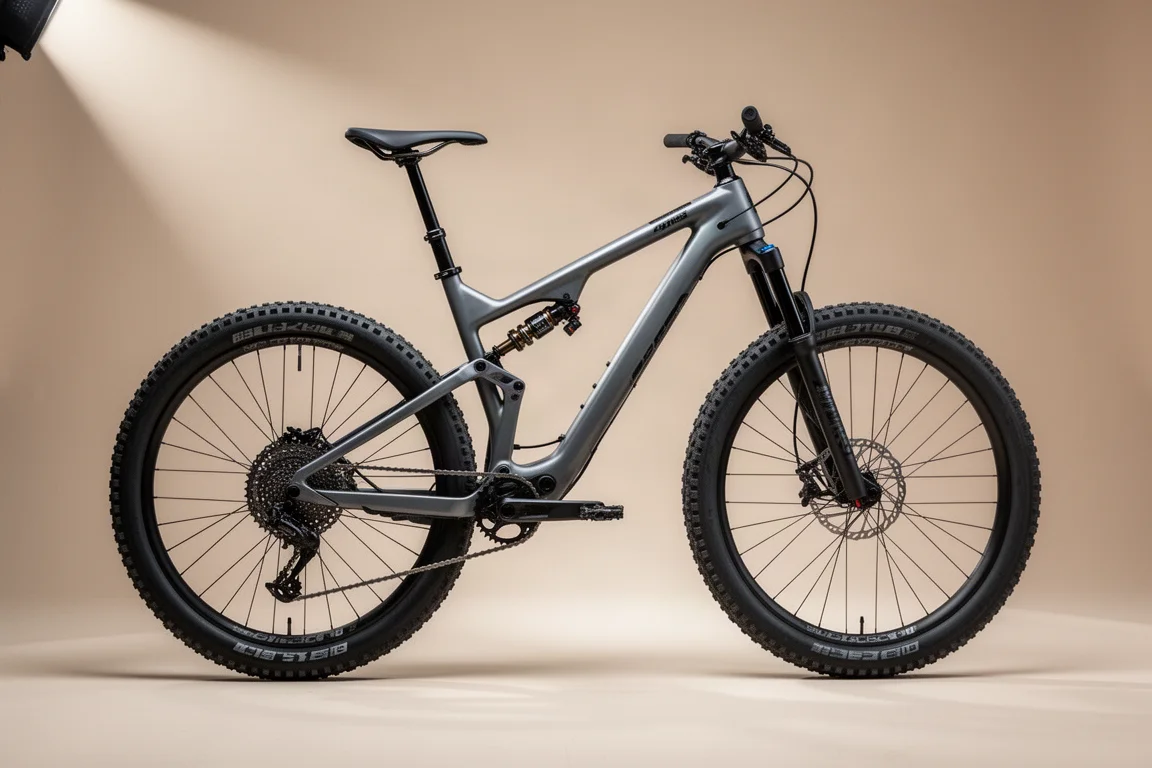
The Rift Zone name goes back to the 1990s, and the current XR shows the platform still has teeth. Rear travel is 130mm matched to a 140mm fork, and the geometry is aggressive for a shorter-travel bike: a 65.5-degree head angle on the 29in version, a 77-degree seat angle, and 485mm of reach in a size large. The wheelbase stretches to 1,235mm for stability, while 430mm chainstays keep the handling playful. Riders who want a different feel can opt for a full 27.5in build.
The suspension package is deliberately budget-conscious without being cheap: a Marzocchi Bomber Z1 fork with an easy-to-adjust GRIP damper up front, and a Fox rear shock. The drivetrain mixes Shimano XT and SLX components with an FSA crankset and a KMC chain, while Marin’s own bar, stem, saddle, and wheels fill out the rest. Maxxis Assegai MaxxTerra tires front and rear provide the grip.
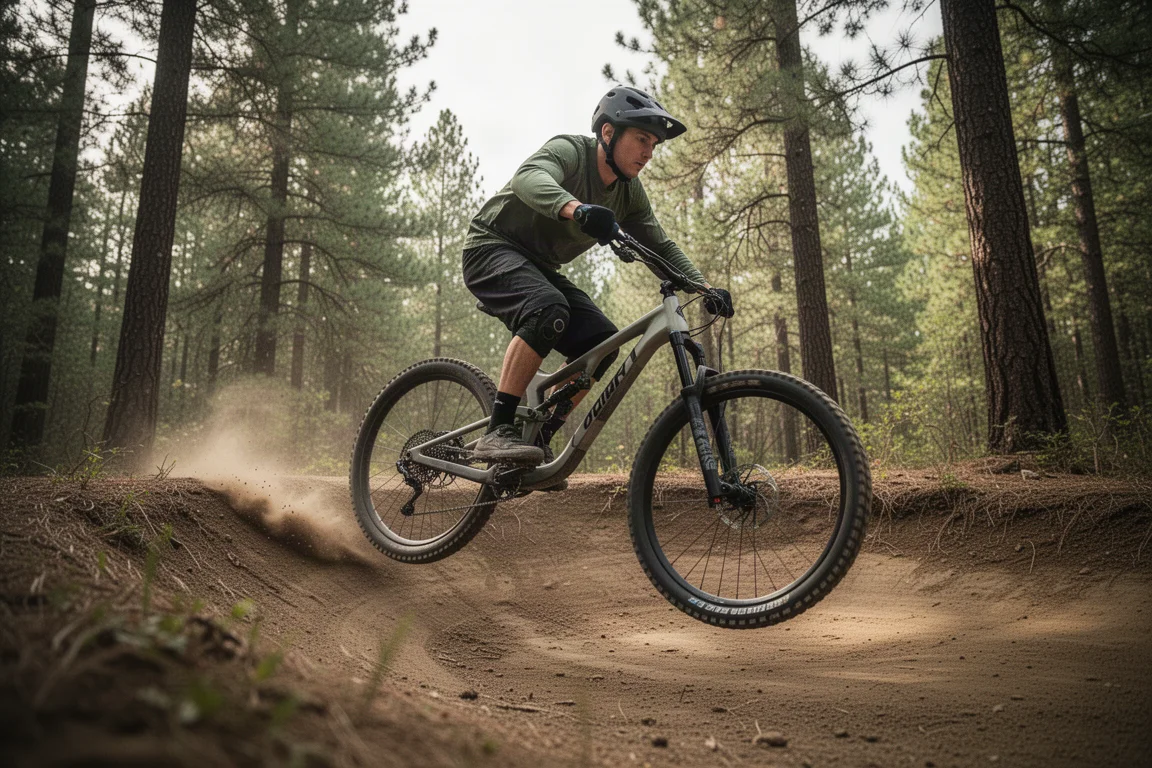
The spec is worth reading closely. The XR blends XT and SLX drivetrain parts rather than using a single tier throughout, which is a common way to hit a price point, and the rest of the build follows the same sensible logic.
At £3,095 or $3,499 the XR is strong value, and the base Rift Zone at £1,655 or $1,799 opens the platform up to tighter budgets.
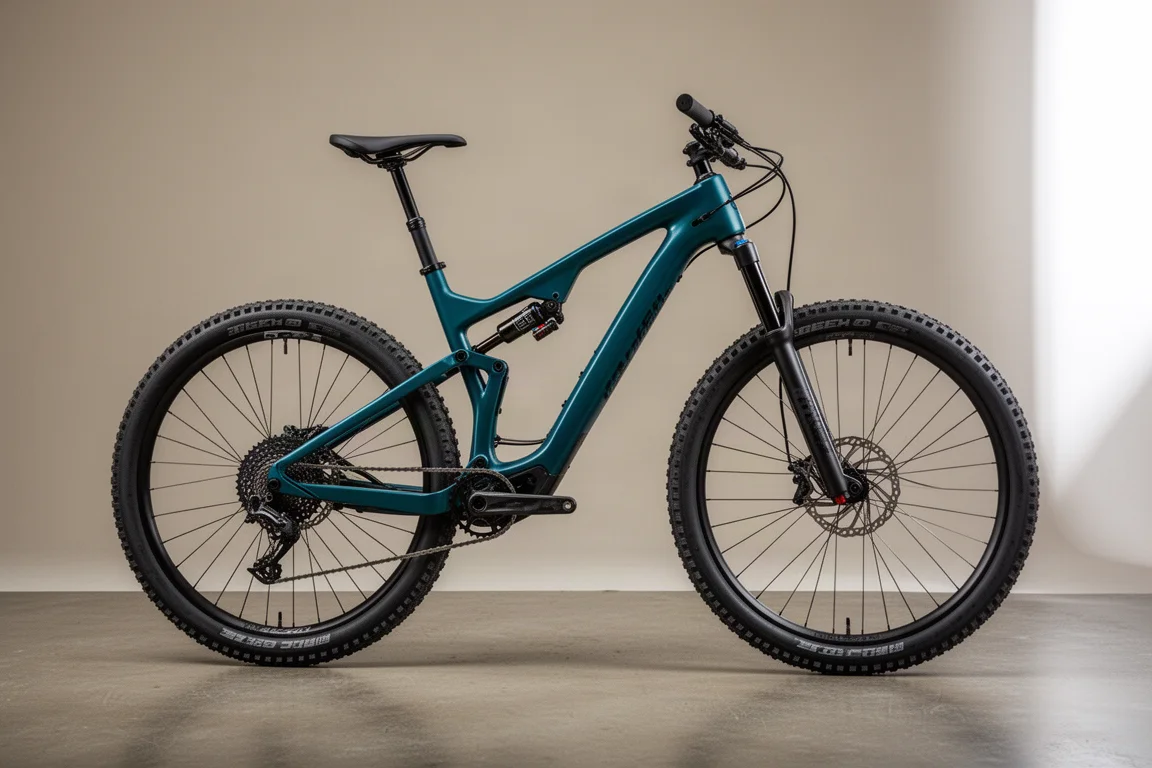
Actofive Itrain
Most alloy frames are still welded from tubes, but the Itrain takes a different route. Actofive CNC machines the front triangle as twin shell elements and bonds them with adhesive into a hollow structure, then pairs it with a welded aluminum rear end from German specialists Nicolai. The result is a front triangle in 7075 T6 aluminum claimed at just 1.2kg, which is lighter than a number of carbon equivalents.
The platform is a four-bar design with three rear travel options. A 105mm setting with a lightweight 120mm fork turns it into an aggressive cross-country bike. A 125mm mullet-only setting with a coil shock and a 140mm fork pushes it toward bigger hits. The middle option, 115mm of travel with a 130mm fork, is the all-rounder.
Geometry is adjustable as well. A flip chip moves the bottom bracket through 8mm across low, neutral, and high settings, and adjustable headset cups can shift the stock 66-degree head angle by a degree in either direction. Different rocker links allow either a 190x45mm shock or a 210x50mm shock, which is what unlocks the travel choices.
A bare frame without a shock starts at €4,950, so this is a premium proposition rather than a budget one, and it is aimed at riders who want something unusual and are happy to build it up themselves.
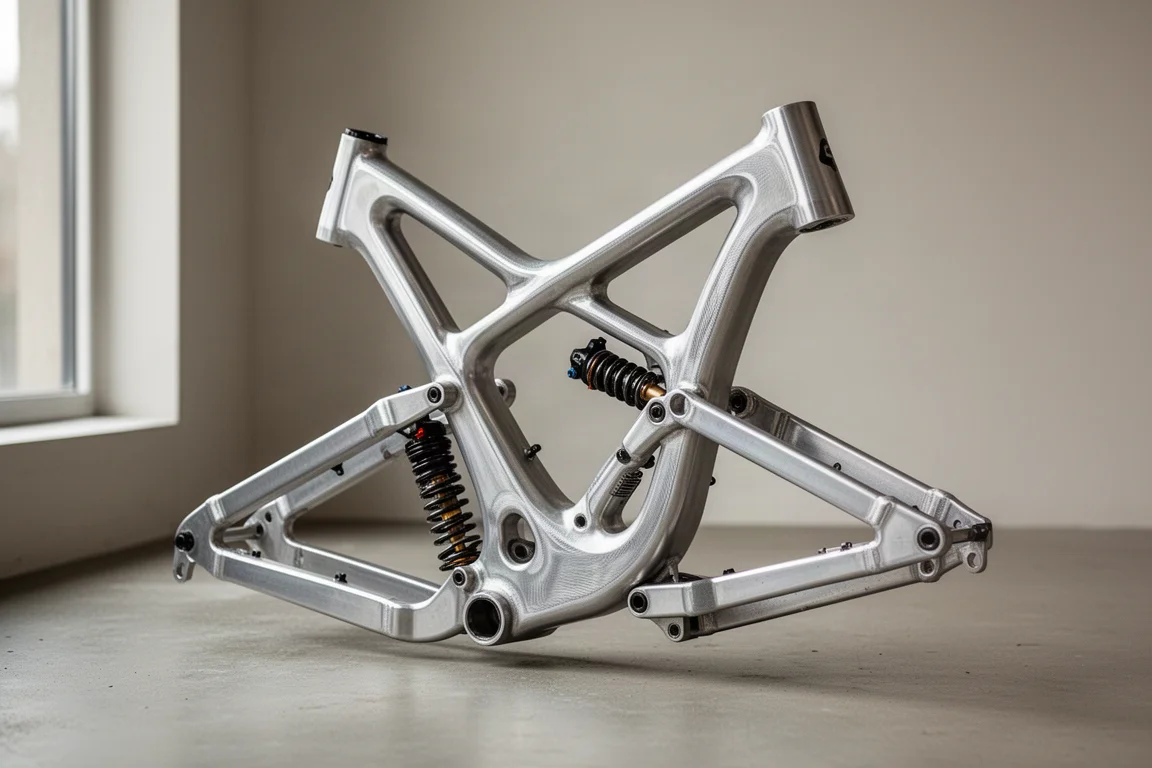
Norco Shore 2
Freeride never really went away, and the Shore is built to prove it. The frame is a burly aluminum high pivot design with 180mm of travel on 27.5in wheels, aimed squarely at the biggest lines a rider is willing to commit to.
The suspension is where the money has gone. A high pivot FSR platform delivers its 180mm through a RockShox Super Deluxe Ultimate coil shock, with a matching 180mm RockShox Zeb fork up front. Elsewhere the spec is solid rather than extravagant, which suits a bike destined for hard knocks: a Shimano Deore M6100 12-speed drivetrain, four-piston MT520 brakes with 203mm rotors, Deore hubs, e*thirteen downhill rims, and Maxxis Assegai MaxxGrip tires with DoubleDown casings front and rear.
The numbers reinforce the intent. A 63-degree head angle, long reach figures, and size-specific chainstay lengths that grow both with frame size and as the high pivot compresses all point to a bike that stays composed when the trail gets steep. It weighs around 40.25lb without pedals, so climbing is not its strength.
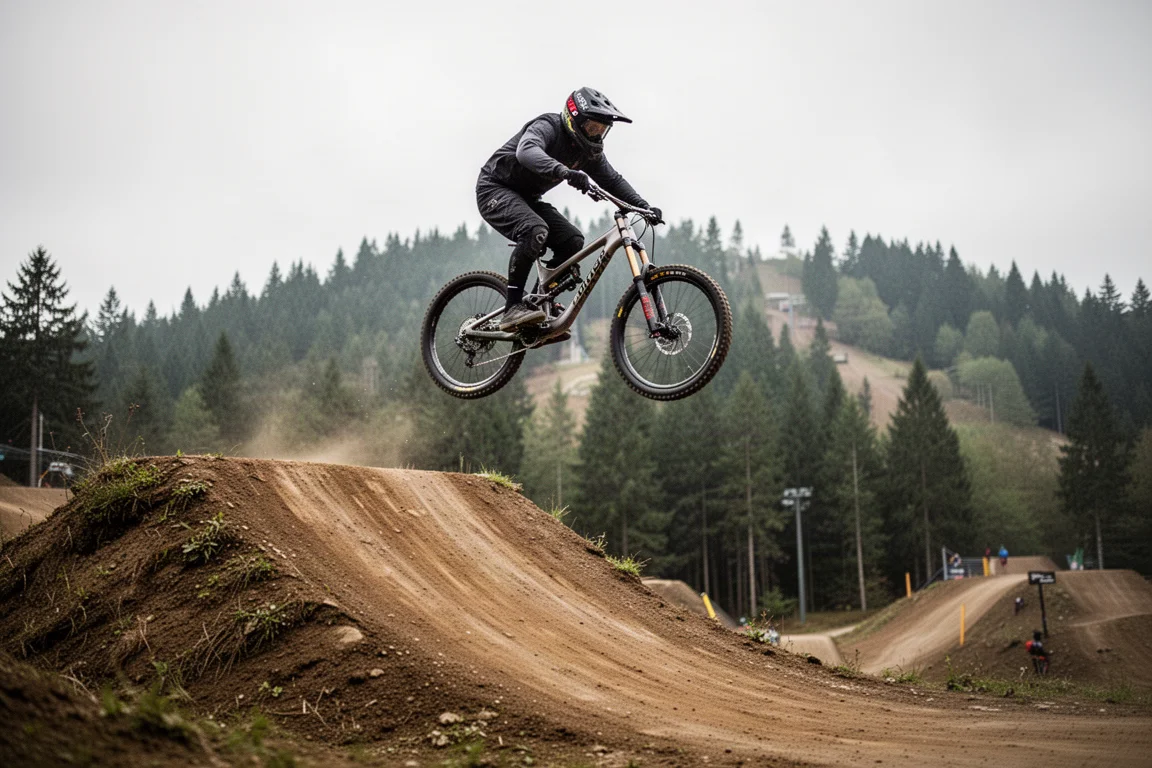
This is a bike to choose deliberately. If most of your riding is pedalling on mellower trails, the weight and the coil shock will feel like a compromise. If your riding is lift-assisted or steep and rough, they will feel like the whole point.
At £3,399 or $4,599, the frame and suspension package represents strong value for what it is.
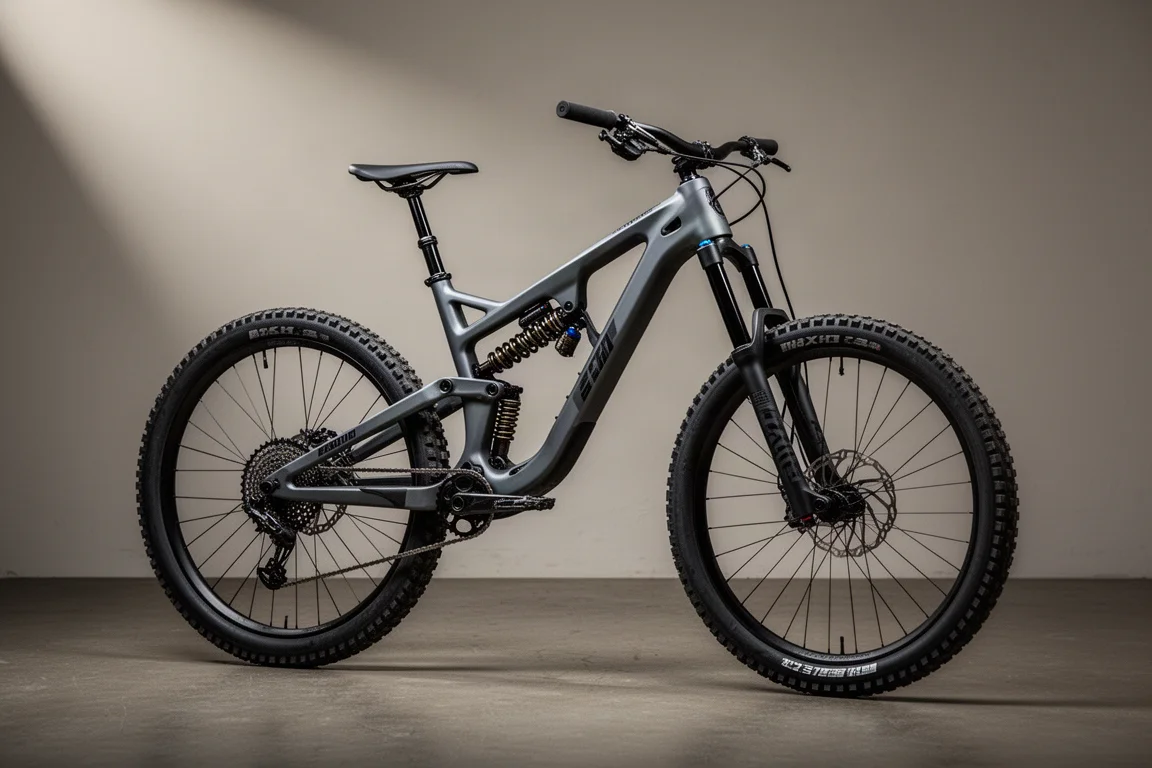
Santa Cruz Chameleon
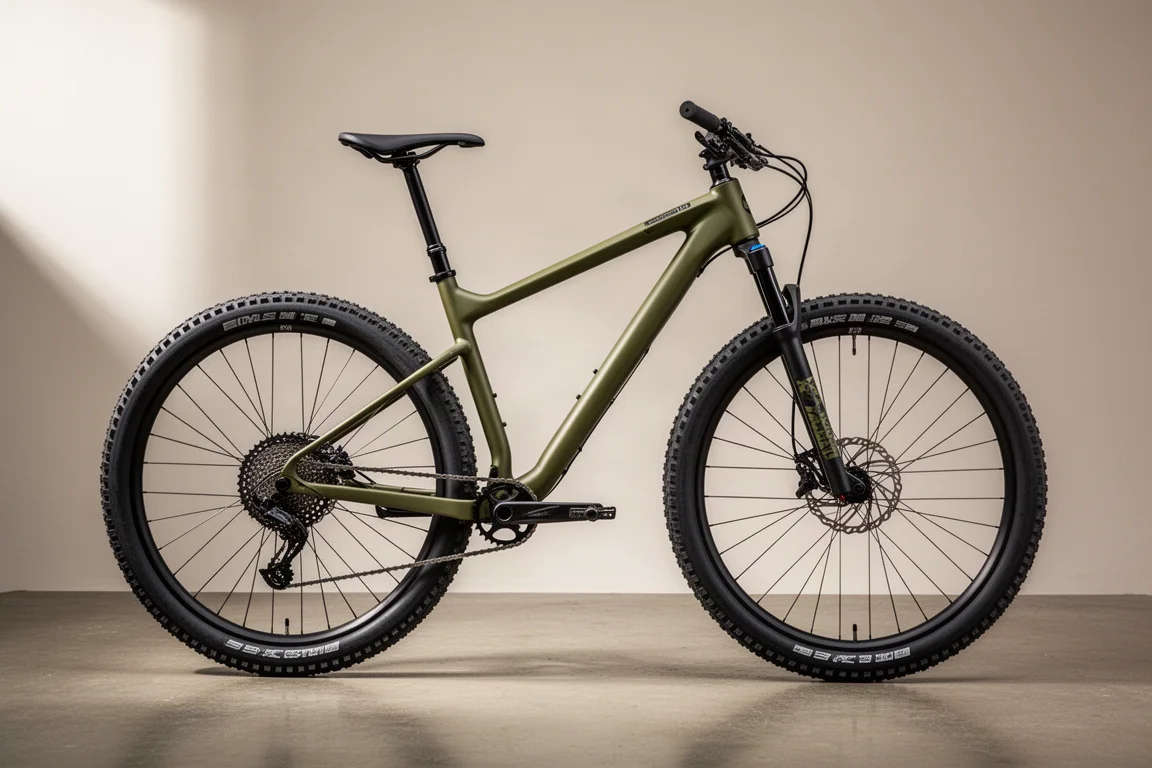
The Chameleon has been part of the Santa Cruz range for decades and has changed character more than once, including a spell with a carbon option. The current generation is alloy only and designed to be whatever the rider needs, from a straightforward trail hardtail to a mullet-wheel or single-speed build.
The adjustable dropouts are central to that flexibility. They offer 12mm of adjustment, enough to fine-tune chainstay length, fit a smaller rear wheel, or keep a single-speed chain tensioned. The frame also includes a threaded bottom bracket, factory-fitted chainstay protection, and plenty of mounts for water bottles or bikepacking bags.
Geometry is contemporary without being extreme: a 65-degree head angle, a fairly steep 76-degree seat tube angle, and 465mm of reach in a size large.
The Chameleon is available as a frame only at £899 or $1,049, or as one of three complete builds, D, R, or S, in either mullet or full 29in form. Complete bikes start at £2,599 or $2,599 for the base D build and rise to £3,749 or $3,749 for the S model.
Buying Advice: Alloy or Carbon, and Which Bike Suits You
Aluminum still makes sense for most riders. Alloy frames are durable, they tend to survive crashes and shuttle days without the anxiety that comes with carbon, and the weight penalty on a modern design is often around a pound or less. Money saved on the frame can go into suspension, wheels, or tires, where the difference in ride quality is usually easier to feel.
The choice between these five comes down to terrain and budget rather than material.
If you want a light, efficient trail bike that still descends well, the Ibis Ripley AF and the Marin Rift Zone XR are the closest match. The Ripley leans toward pedalling performance and a slightly slacker, longer stance, while the Rift Zone XR offers a little more travel and a very keen price.
If you want something unusual and are happy to build from a frameset, the Actofive Itrain brings machined construction, three travel settings, and adjustable geometry.
If descending is the priority, the Norco Shore 2 is the outlier here, with 180mm of coil-sprung travel and freeride geometry built for the steepest tracks.
If you want one simple, adaptable bike, the Santa Cruz Chameleon covers trail riding, mullet builds, and single-speed setups from the same frame.
Whichever way you go, check the claimed frame weight with the shock included, read the spec list carefully, and think about the geometry numbers that matter for the trails you actually ride. Alloy has never been a compromise on capability, and these five bikes make that clear.
Conclusion
Aluminum has not lost its place in mountain biking. The five bikes here cover everything from efficient short-travel trail riding to 180mm freeride, with sensible pricing, durable construction, and geometry that matches carbon rivals. Pick the one that fits your terrain and your budget, and the frame material will be the least of your concerns.
Further reading
Related Reviews
Mountain Bikes
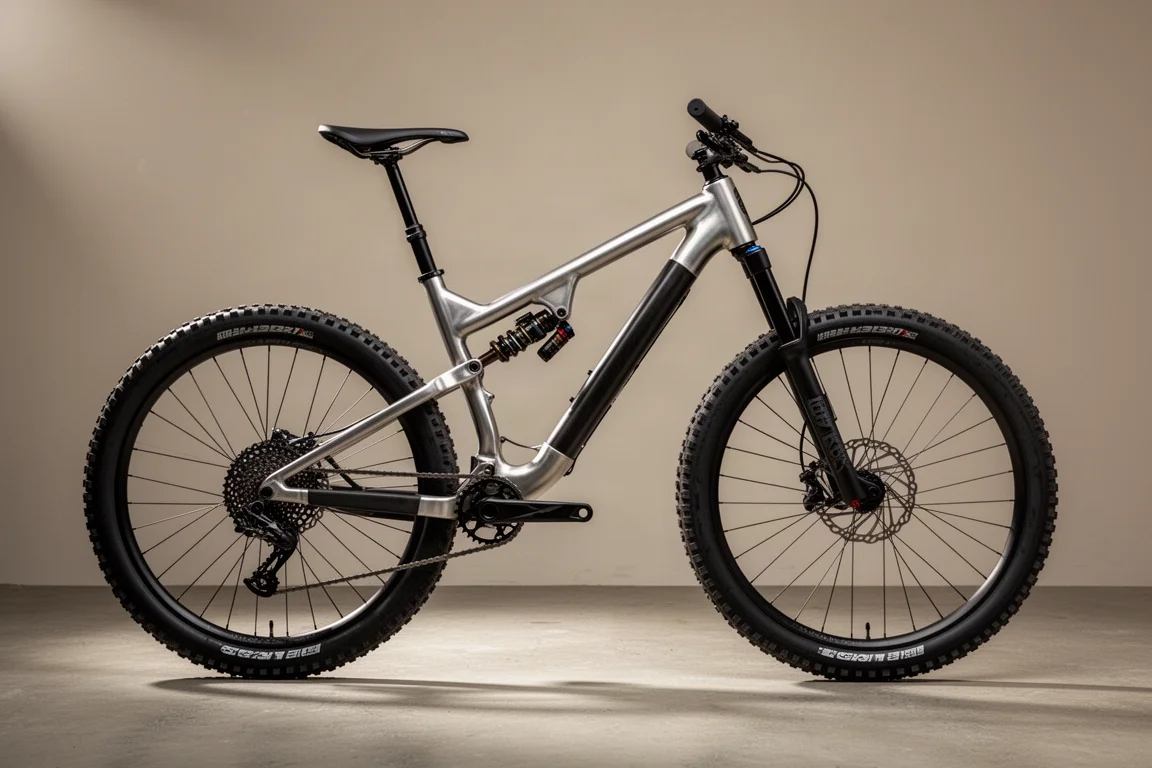
Atherton AM.130 Review: 3D-Printed Titanium Lugs and a 130mm Trail Bike That Descends Like a Bigger Machine
The Atherton AM.130 pairs 3D-printed titanium lugs with carbon tubes and a DW6 suspension platform. Here is how it rides, what the build delivers, and who it suits.
Mountain Bikes
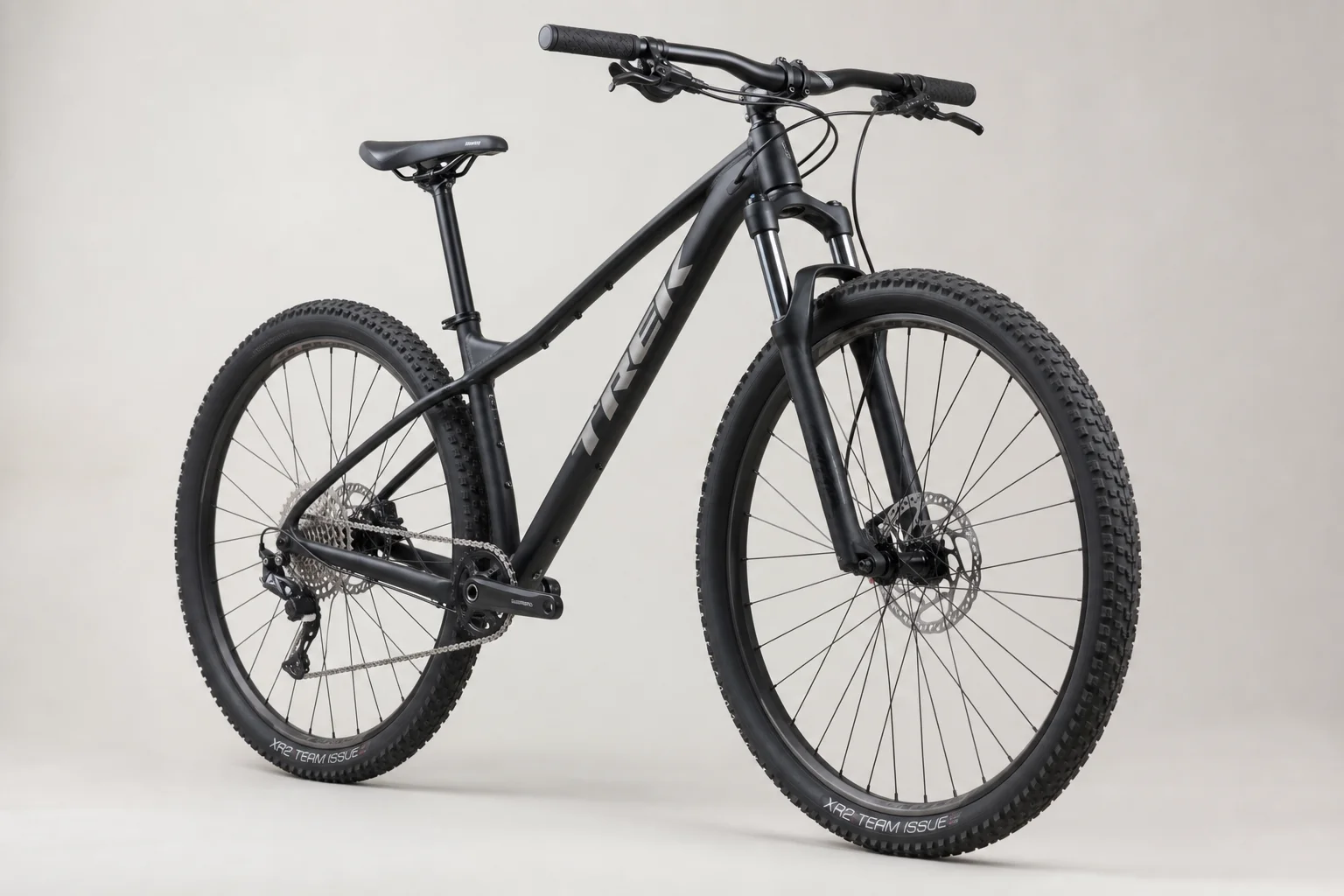
Beginner Mountain Bike Buying Guide: What to Look For in a Trailworthy Hardtail
A practical framework for evaluating beginner mountain bikes, whether new or used, by examining key components that indicate real trail capability.
Mountain Bikes
Best Bikes for Bike Park Wales: Five Riders, Five Setups
Five real bike setups for Bike Park Wales, from a light e-bike and an enduro rig to a full downhill bike, a mullet trail bike and a hardtail.