Mountain Bikes
Beginner Mountain Bike Buying Guide: What to Look For in a Trailworthy Hardtail
A practical framework for evaluating beginner mountain bikes, whether new or used, by examining key components that indicate real trail capability.
Introduction
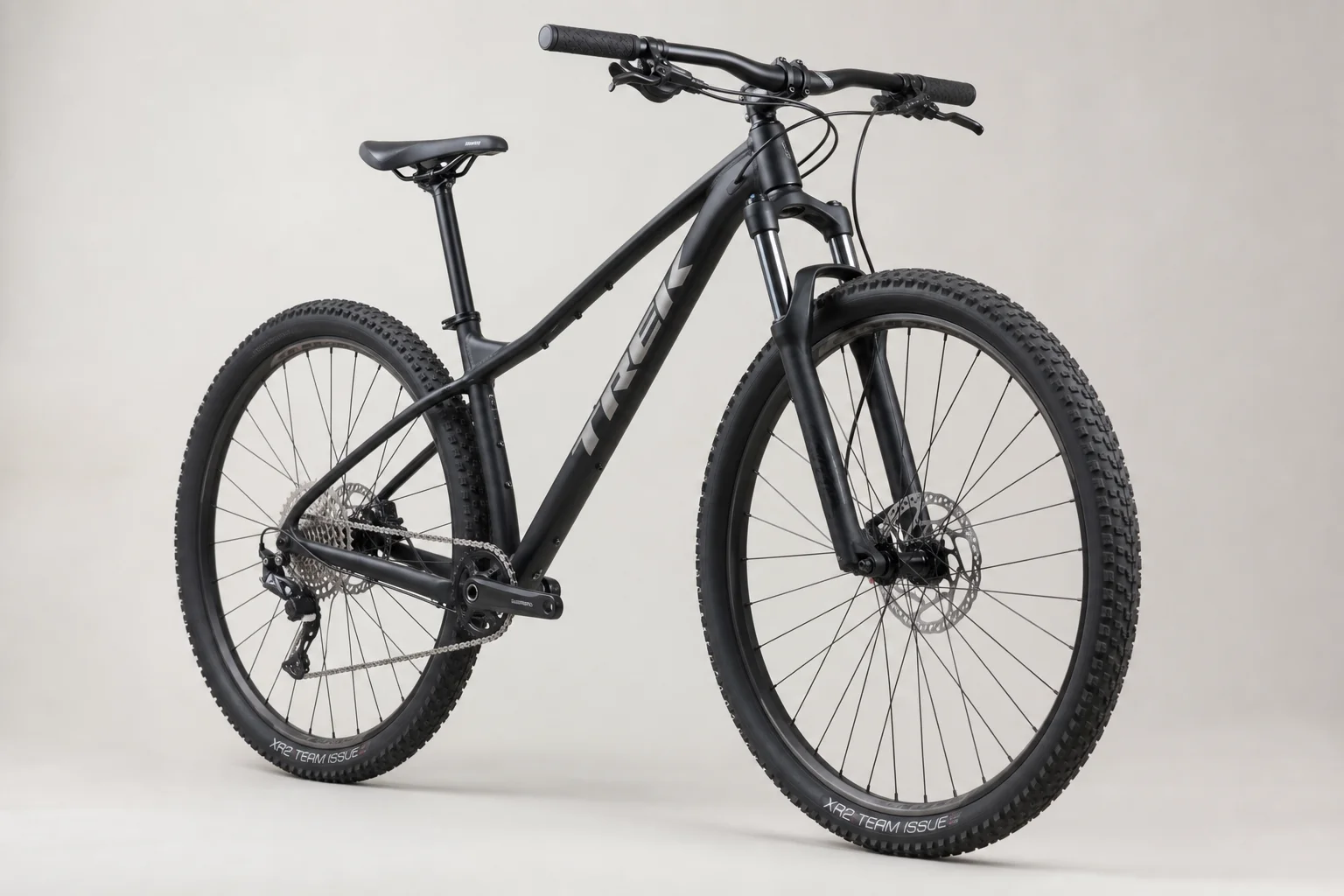
Finding a beginner-friendly mountain bike can feel overwhelming, but it doesn’t require brand loyalty or unlimited budget. The key is knowing which components separate a genuinely trailworthy bike from one that will frustrate you or fail when you need it most. Whether you’re shopping new or used, these objective markers will help you make a confident choice.
The Derailleur Hanger: Your First Inspection Point
The derailleur hanger is the single most important component to examine when evaluating any mountain bike. This small metal piece is designed to break away during a crash, protecting your frame from damage. A bent or broken hanger can be realigned or replaced inexpensively, whereas a damaged frame often means the bike is done for.
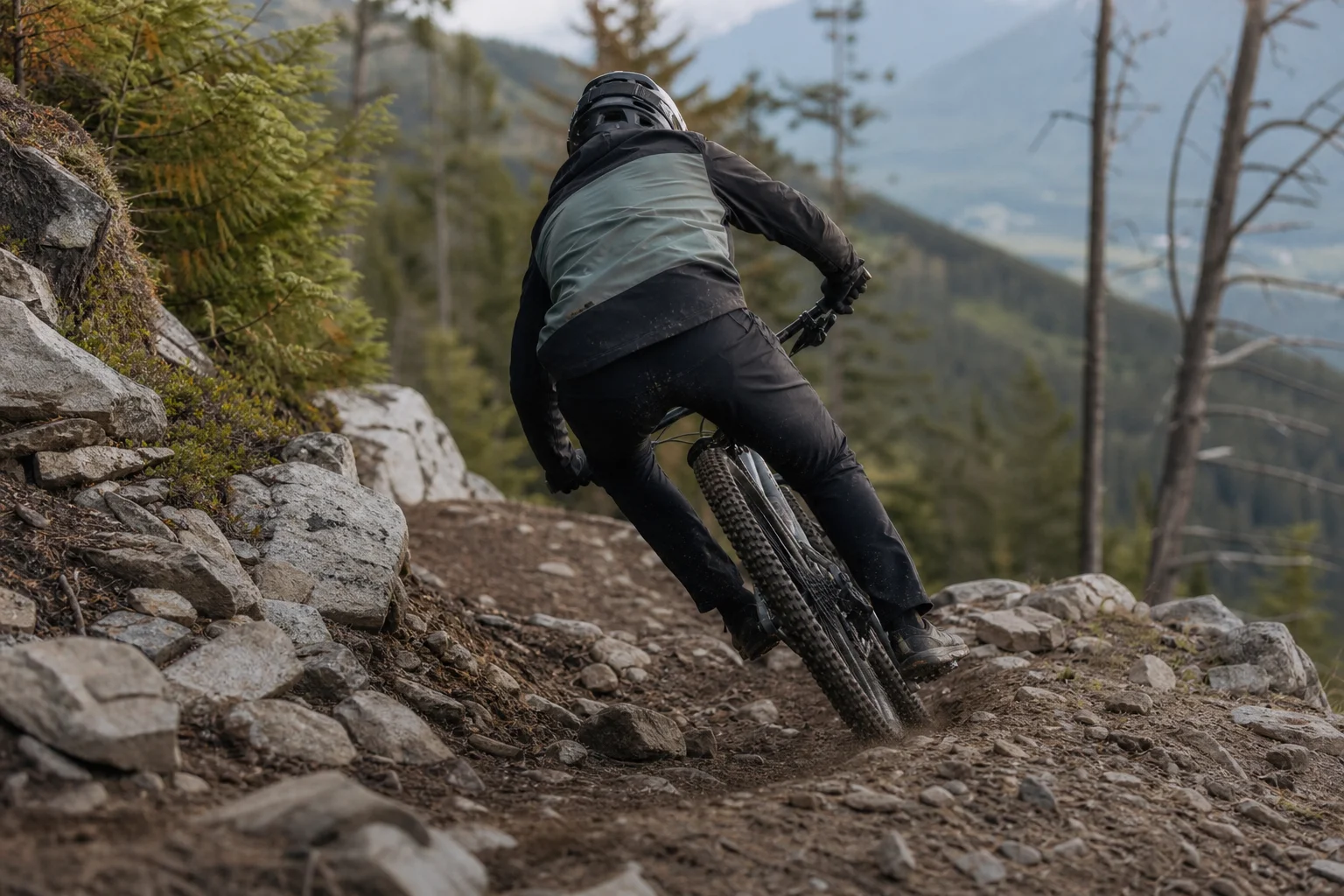
When inspecting a bike, look for a precision-cut, purposeful-looking derailleur hanger mounted on the frame. Be wary of band-aid solutions like welded repairs or, worse, a derailleur mounted directly to the frame. Bikes without proper hangers are one crash away from total destruction, and mountain biking involves plenty of crashes. Even the most entry-level bikes should have a dedicated hanger, so this is often where your examination can start and end.
Threadless Stem and Serviceability
A threadless stem is your second critical checkpoint. You can identify one by the pinch bolts and four bolts holding the handlebars in place. If you see a threaded stem instead, you’ll face serious limitations when servicing or replacing components like the fork. Finding replacement parts for older threaded systems is difficult and expensive.
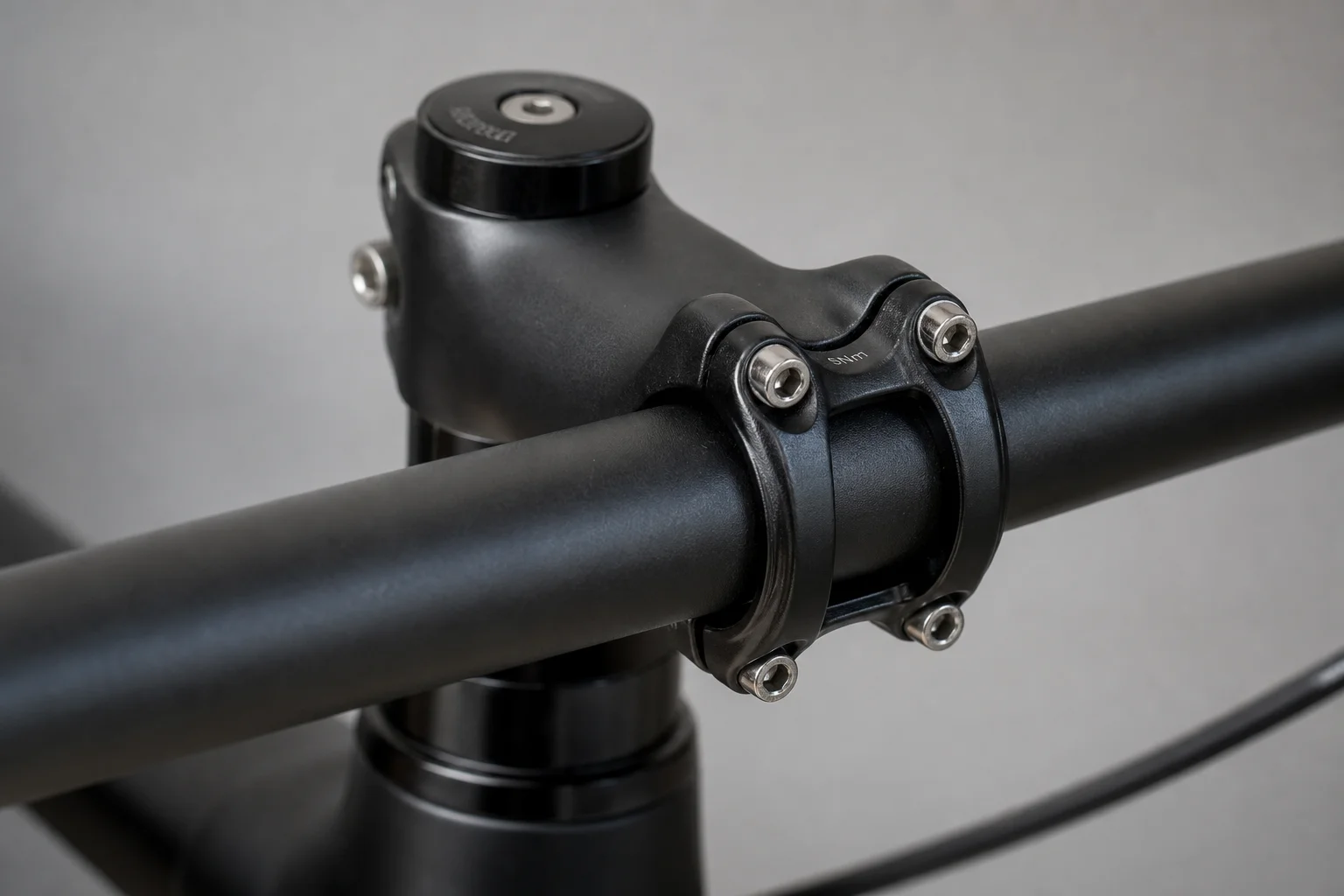
A threadless stem is not only easier and less costly to service, but it’s also more rigid than its threaded counterpart. This rigidity matters when you’re pushing the bike hard on technical terrain. Don’t compromise on this feature.
Quick-Release Wheels: A Sign of Trail Intent
Your wheels should have quick-release levers, not nuts on the axles. Quick-release levers let you remove or replace wheels by hand without tools, which is essential for mountain biking. Flat tires are inevitable, and carrying a wrench just to remove a wheel is impractical.
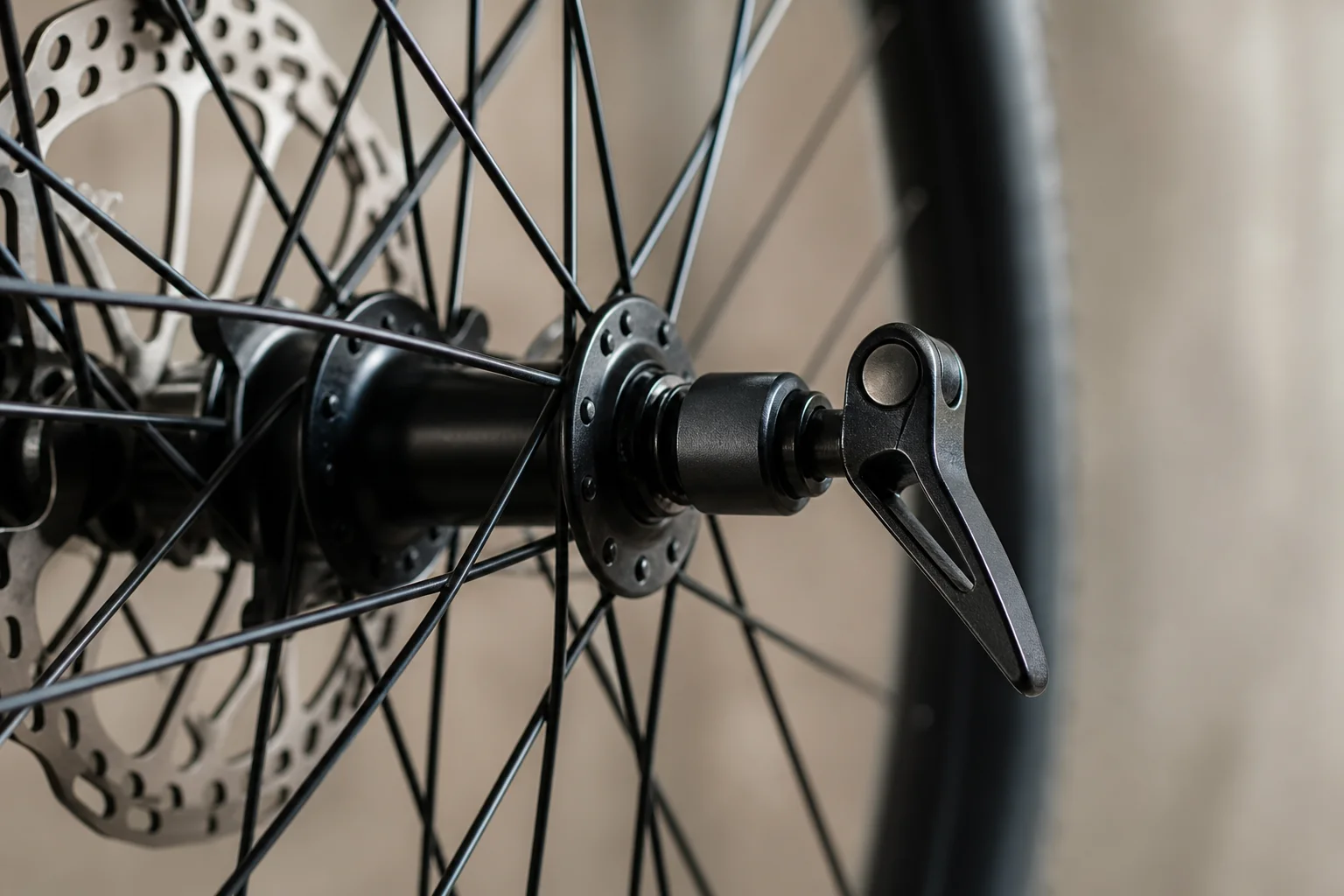
Bikes with axle nuts are also nearly impossible to upgrade wheels on, and wheels are one of the first components you’ll outgrow as your skills improve. Quick-release levers are a reliable indicator that the manufacturer designed the bike with real trail use in mind.
Modular Crank and Chainring Assembly
The crank and chainring should be bolted together as separate, modular pieces, not riveted as one unit. If they’re riveted and something breaks, you’re looking at replacing the entire assembly, which could cost as much as the bike itself. A modular design means you can actually wrench on the bike and make repairs affordably.
Disc Brakes on Both Ends
Disc brakes are dramatically more reliable than rim brakes, which is why the mountain bike industry switched to them decisively decades ago. Even cheap disc brakes can be replaced with better ones later, but the frame must have the mounting points from the start. A beginner bike without disc brakes is a red flag.
Sizing and Manufacturer Guidance
The manufacturer should offer different frame sizes and provide guidance on which size suits your height and inseam. If they don’t, they probably haven’t invested much thought into their bikes, and you shouldn’t trust one to take you deep into the woods. At minimum, you should get a bike that actually fits you.
What to Expect from an Entry-Level Hardtail
Almost all beginner mountain bikes are hardtails, meaning they lack rear suspension. The linkage required for rear suspension is costly and heavy, so it’s generally not worth the investment until you’re spending around one thousand dollars. Hardtails are fun and fast, making them excellent for learning.
However, sub-500-dollar hardtails are almost always cross-country (XC) bikes, optimized for pedaling and distance. While XC bikes are fast and efficient, their geometry and components can hold you back if you want to jump or descend aggressively. Trail bikes, by contrast, have raked-out forks, aggressive angles, wider bars, longer travel, and shorter stems, making them better suited for technical riding. Since you can’t easily convert an XC bike to a trail bike, be honest about your riding intentions before buying.
Upgrading Your Entry-Level Hardtail
If you commit to an entry-level hardtail, several upgrades can dramatically improve its capability. The single biggest upgrade is changing the tires. Wider, knobby tires let you run lower pressures, making the bike grippier and more forgiving. The difference in feel can be transformative.
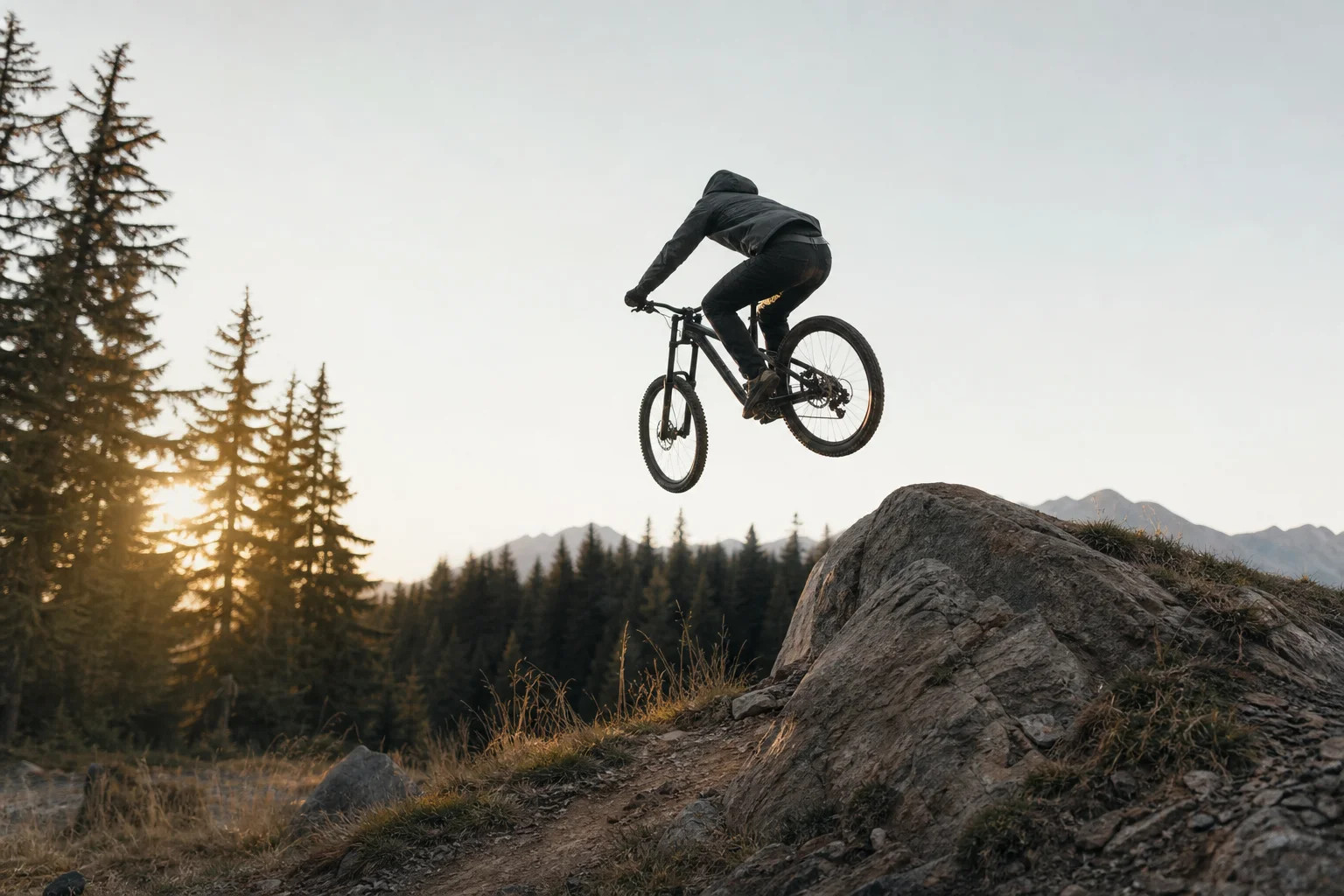
A chain guide is another worthwhile upgrade, especially if your chain slaps or drops during jumps and drops. This costs far less than upgrading your entire drivetrain. If you’re progressing quickly, upgrading the pedals or fork can also help, but beyond that, you’re approaching the cost of a new bike. Since decent trailworthy bikes hold their value well, selling your entry-level hardtail and upgrading to a better all-around bike often makes more financial sense than heavy component upgrades.
Conclusion
Use these objective markers to evaluate any beginner mountain bike, whether new or used, regardless of brand. A proper derailleur hanger, threadless stem, quick-release wheels, modular drivetrain, disc brakes, and thoughtful sizing are the foundation of a bike that will serve you well and grow with your skills. Once you’ve found one that checks these boxes, you’re ready to hit the trail.
Product link
View more details for Diamondback Overdrive
This product is mentioned in the review. Check the specifications, options, and compatibility before buying.
View more details for Diamondback OverdriveFurther reading
Related Reviews
Mountain Bikes
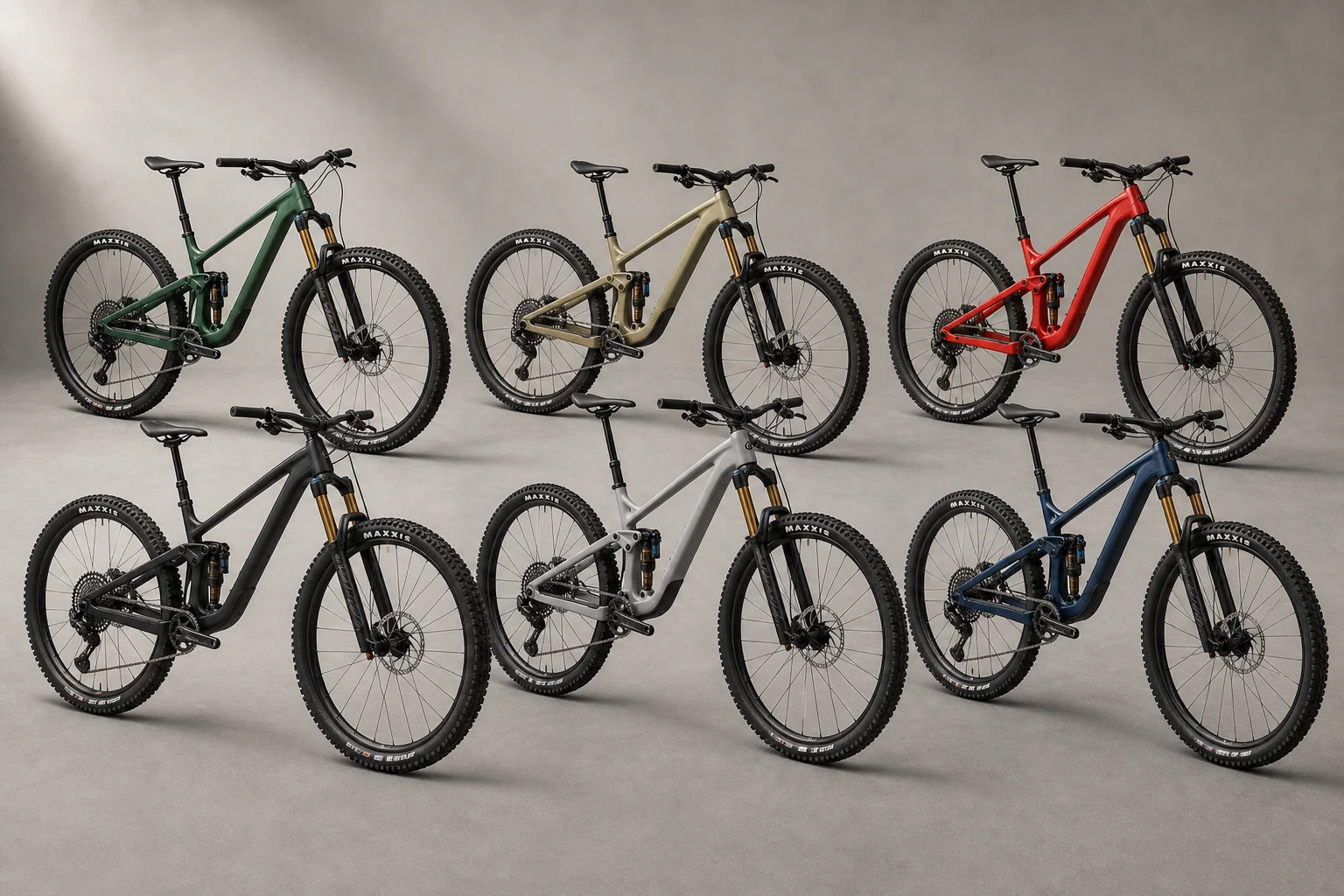
Best Budget Full Suspension Mountain Bikes Under $2,000: Six Trail Bikes Tested
A practical comparison of six capable 29-inch trail bikes priced at $1,800 to $2,000, tested on real terrain to help you choose the right entry-level full suspension bike.
Mountain Bikes
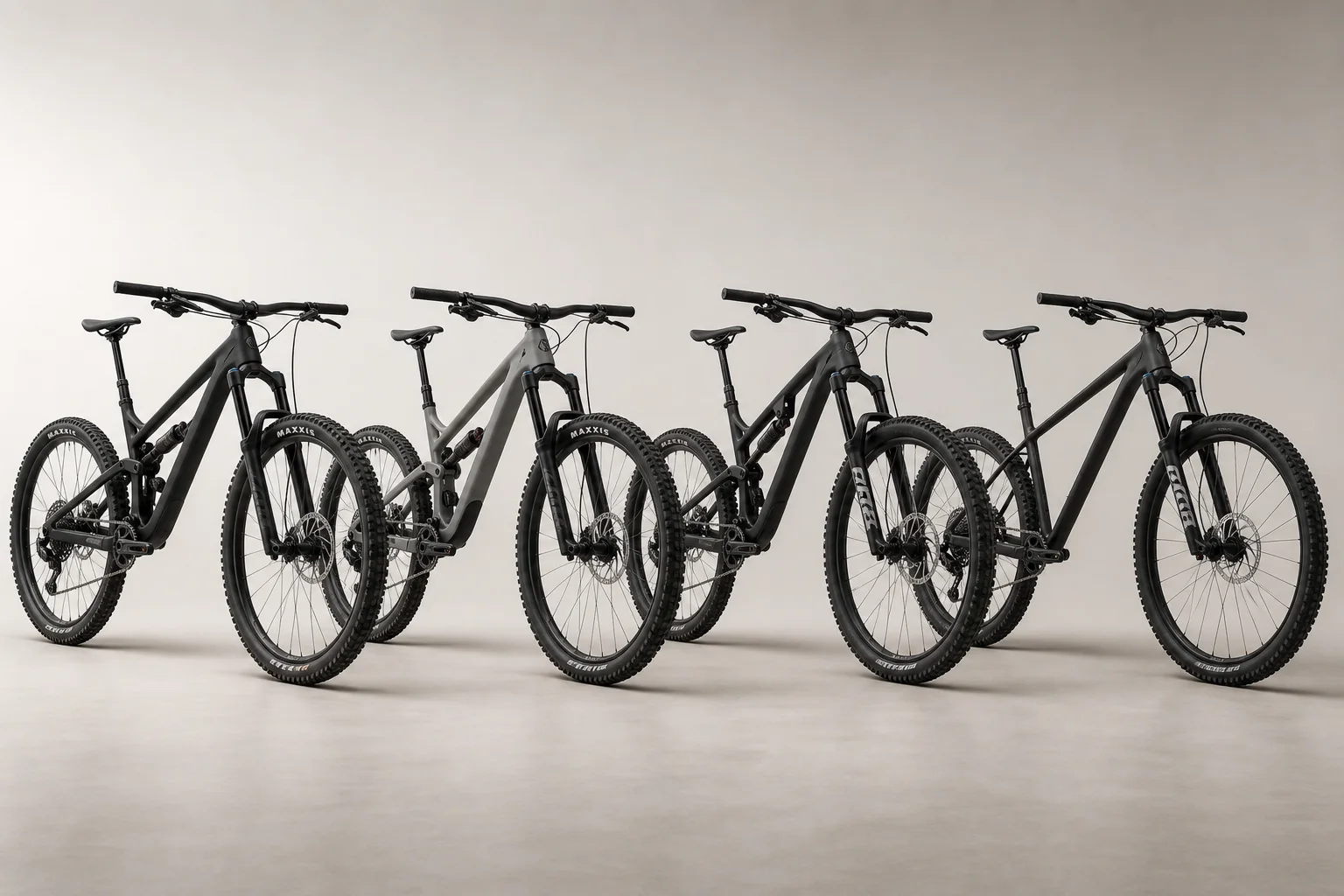
Best Trail Bikes Under $3,000: Four Strong Options for Serious Riders
Four capable trail bikes tested in real conditions. Each offers solid geometry, reliable components, and genuine value without requiring immediate upgrades.
Mountain Bikes
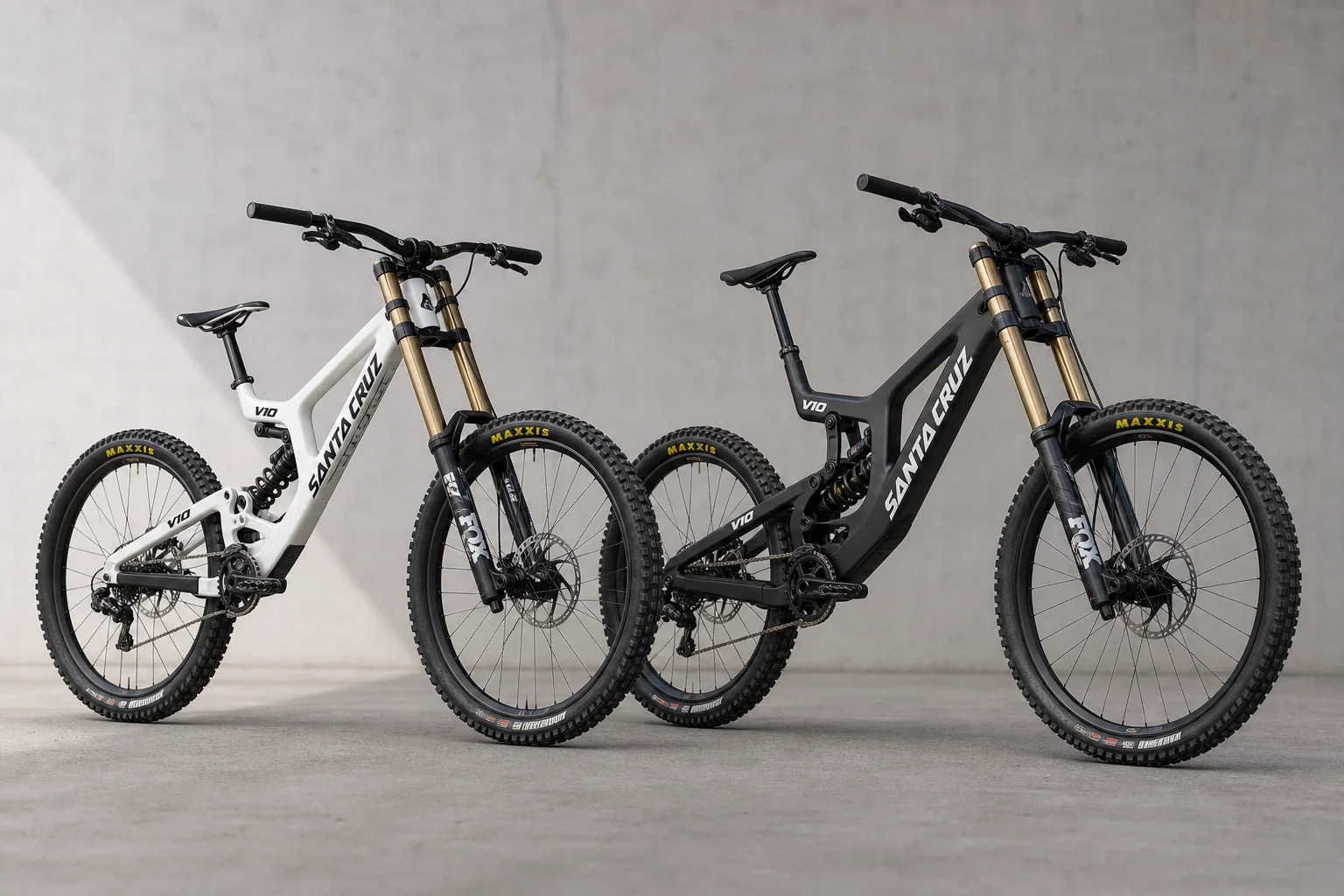
Old vs New Mountain Bikes: Santa Cruz V10 Gen 4 vs Gen 8
Testing a 2012 Santa Cruz V10 Gen 4 against the latest Gen 8 to see if older downhill bikes can keep up with modern geometry and technology.