Mountain Bikes
Yeti ASR Review: A Fast, Light XC Race Bike With Two Details to Weigh
A close look at the Yeti ASR, a lightweight carbon cross-country race bike with 115mm of rear travel, excellent climbing manners, and a couple of trade-offs to consider.
Introduction
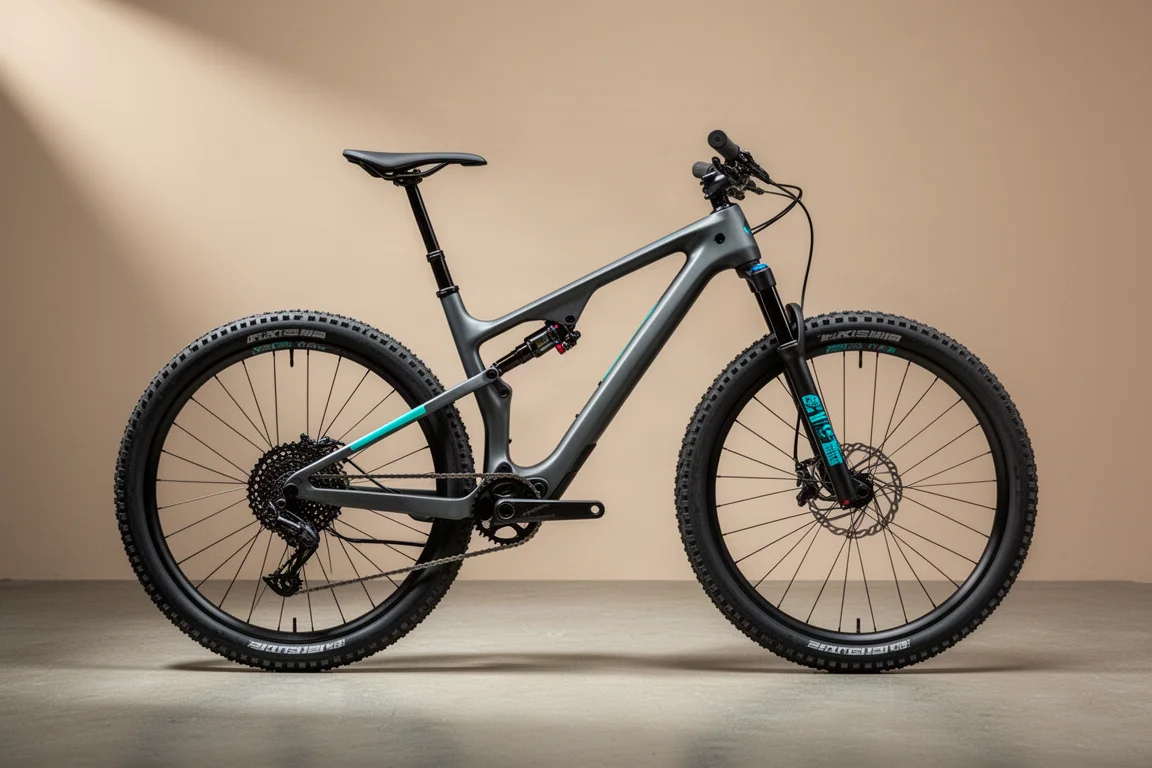
The Yeti ASR is a featherweight cross-country race bike built around a full carbon frame and swingarm, with 115mm of rear travel paired to a 120mm fork. It marks a clear shift in approach. Instead of the brand’s intricate Switch Infinity linkage, the ASR uses a single-pivot design with flexing carbon chainstays, a layout that has become common on lightweight XC race bikes because it keeps weight down while still delivering suspension performance that punches above its travel figure.
Yeti claims a frame weight of just over 1,500g without a shock and just over 1,800g with one fitted. That places it among the lighter bikes in the lightweight XC race category, though not the outright lightest. The range is built around two carbon frames with no alloy option, starting at $5,600 and running up to $14,000 at the top end with the latest equipment and electronic suspension control.
Who the Yeti ASR Is For
This is a bike for riders who race cross-country, or who simply want a fast, light and efficient trail bike for long distance days. It suits anyone who values climbing speed and a lively feel over generous travel. The ASR comes in five sizes, and on a size large the reach measures 465mm, with a 66.5 degree head angle and a seat angle just over 76 degrees. Those numbers are longer and slacker than XC race bikes of a decade ago, and they add up to confident handling on rough terrain without giving away speed.

If you are coming from a heavier trail bike and want something that feels quick on every climb while still coping with rowdy race courses, this is the kind of machine that fits that brief.
Climbing and Pedaling Efficiency
Yeti recommends 30% sag at the rear shock, which is more than the 25% typical of an XC race bike. The obvious concern with that much sag is a wallowy, soggy feel under pedaling. In practice the ASR stays composed, and even with the shock fully open it does not bounce around or blow through its travel too easily. The three-way adjustment for lockout, compression and open mode gives riders a useful lever when they want a firmer platform.
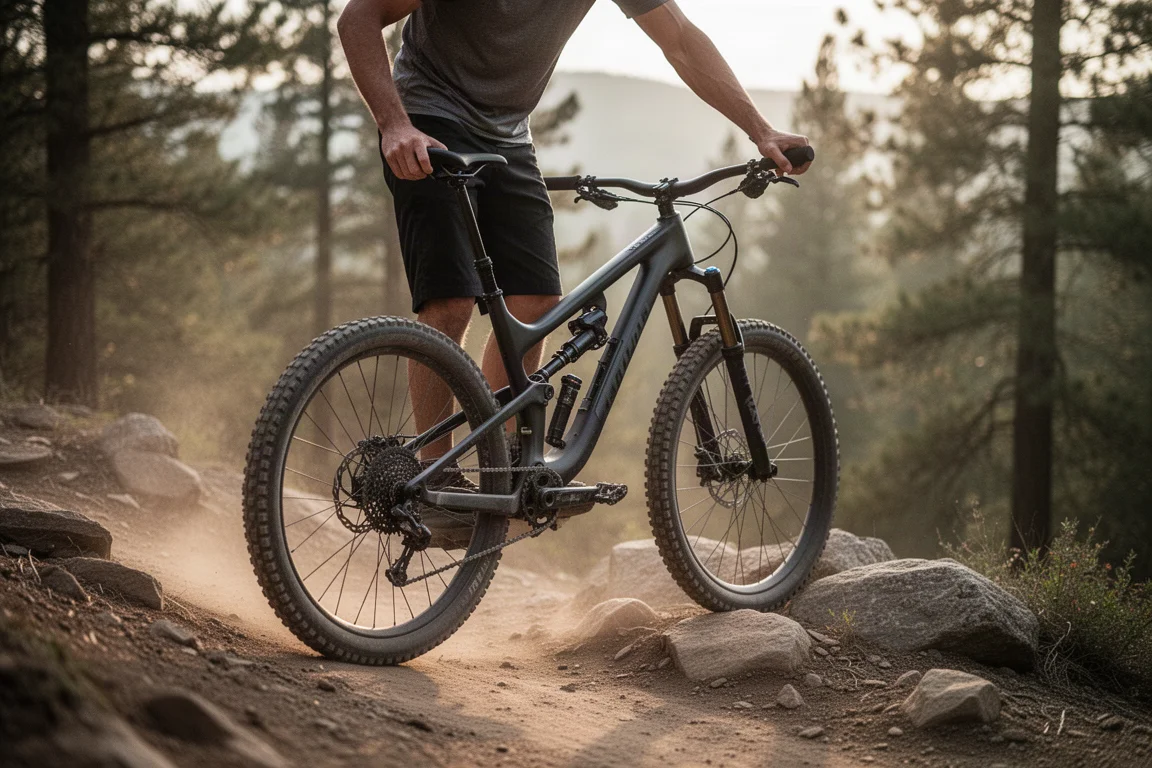
On the trail the bike climbs extremely well. Low weight and efficient suspension combine to make steep, technical ascents feel far less effortful than the travel numbers suggest. Traction over roots and rocks is strong, which matters most on loose, tacky climbs where rear wheel grip decides whether you clean the section or not.
Suspension Performance and Comfort
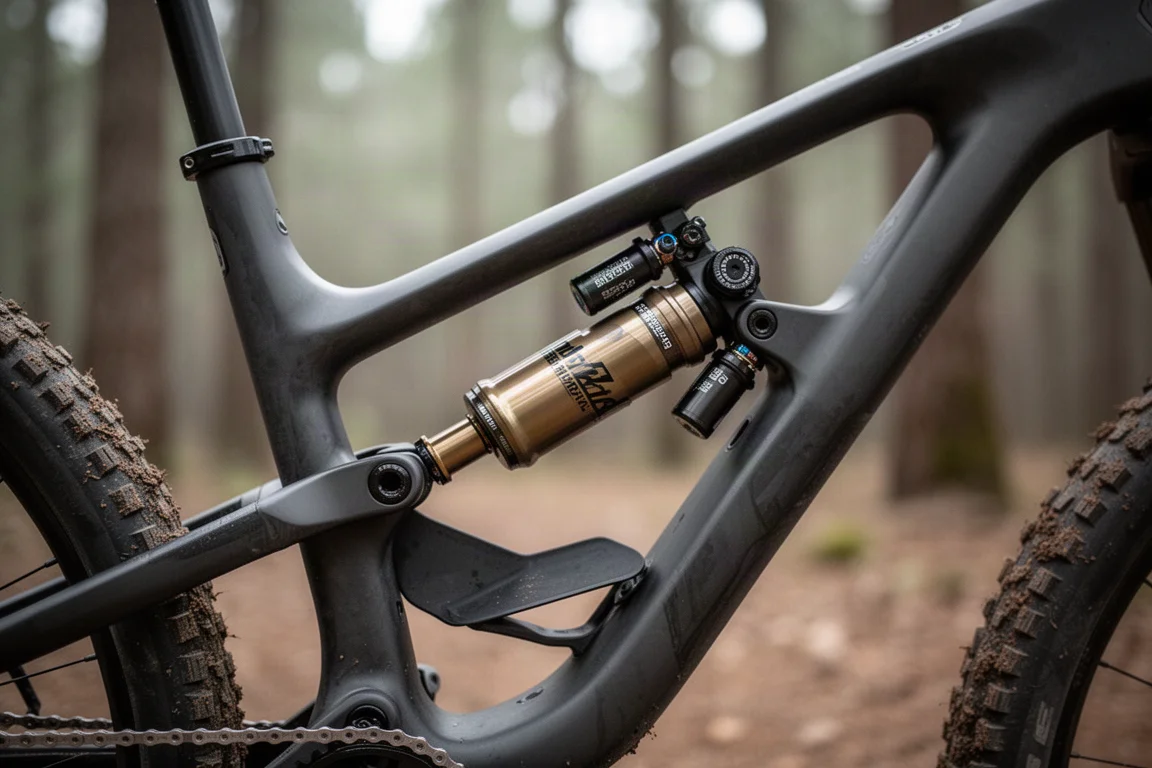
Up front, the RockShox Sid fork is a standout. It is easy to set up, supple over small bumps and capable of handling big hits, and it pairs neatly with the matching Sid rear shock. One trade-off worth knowing about is that the fork can bind a little more than some rival designs over repeated step-down hits.
The rear suspension is remarkably supple for a short-travel race bike. It is eager to work on small bumps, which makes long distance and marathon rides smoother and more comfortable than the travel figure would suggest. With roughly 185 to 190 psi in the rear shock and 75 psi in the fork, the setup felt balanced and predictable.
Frame Details and Build Highlights
Despite the focus on low weight, the ASR includes sensible practical touches. There is impact protection on the down tube and chainstay, plus a small mud flap to keep debris away from the main pivot. Clearance for 2.4in tires on 30mm wide rims keeps it modern, cable routing runs conventionally through the head tube rather than through the headset, and the two-piece handlebar and stem can be swapped freely.
The mid-range build uses SRAM XO Transmission Eagle gearing that shifts precisely and crisply every time, with a derailleur mounted directly to the frame so there is no hanger to bend if you clip a rock or a tree. A Race Face carbon handlebar measures 740mm and is matched to a 50mm stem, while a Fox Transfer SL dropper post moves up and down quickly. Tires are fast-rolling Recon Race and Recon, with low rolling resistance on hard packed trails and more cornering grip than their profile suggests.
Things to Consider Before Buying
The most significant point is geometry. The head angle and seat angle are well judged, but the 465mm reach on a size large is around 10mm shorter than comparable bikes in this class, and shorter than many riders at this height prefer. That can make a large feel closer to a medium or medium-large, so checking sizing carefully before ordering is worthwhile.
The Fox Transfer SL dropper post is another detail to weigh. It is a two-position design, either fully up or fully down, which suits racing but offers no intermediate height. On steeper descents, dropping the saddle requires a full squat on the bike, which can feel extreme for riders running a high saddle position.
Wheels and Value at This Price Point
At this price the ASR ships with alloy wheels. They are perfectly good, but comparable bikes at the same level offer carbon wheelsets that save roughly 500g, and that difference is noticeable on a bike built around low weight. With the mid-range build landing around $8,600, or roughly £8,400 in the UK, carbon wheels are a reasonable expectation at this level, and their absence is the detail that stands out most when weighing value against the competition.
Buying Advice
If your priority is a fast, light and efficient bike for racing or long trail days, the ASR delivers. It climbs superbly, the suspension is more comfortable than its travel suggests, and the frame is thoughtfully put together. Before committing, decide whether the shorter reach on a size large suits your position, and whether a two-position dropper matches how you ride. If carbon wheels matter to you at this price, plan for the possibility of an upgrade later.
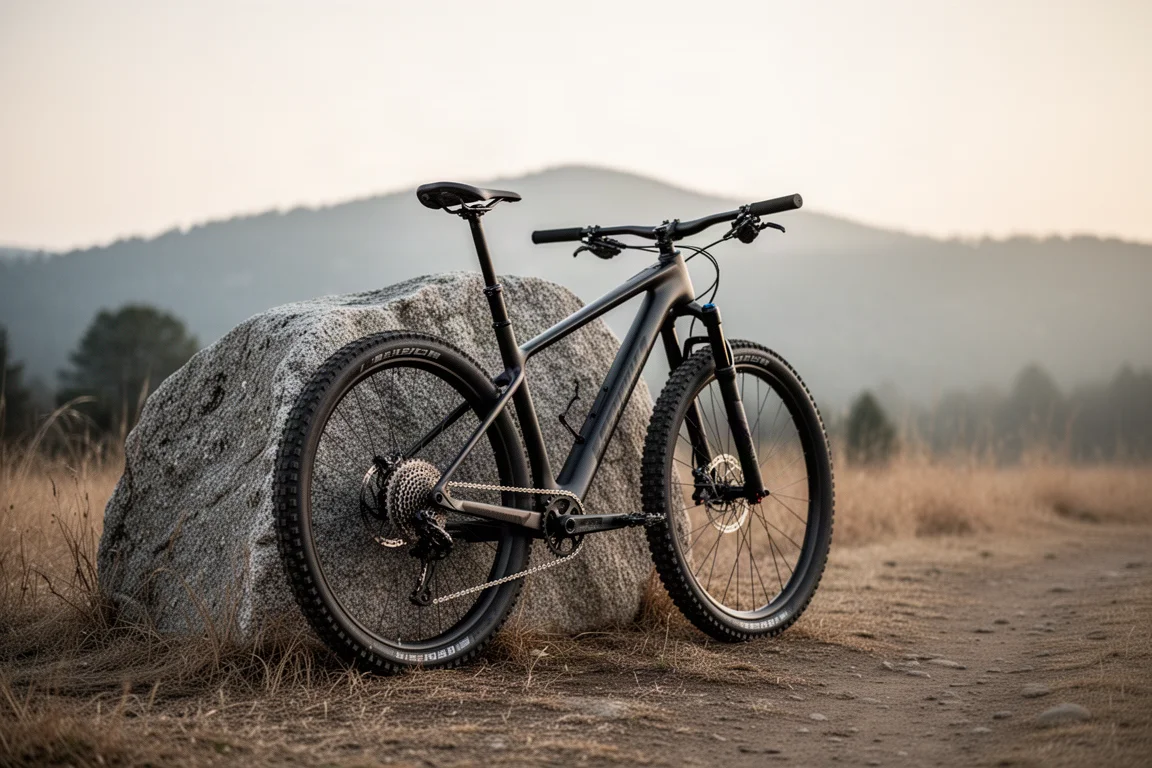
For riders who want a longer reach and a carbon wheelset straight out of the box, it is worth comparing carefully against other bikes in this category before making a final decision.
Conclusion
The Yeti ASR is a genuinely quick, well-rounded lightweight XC race bike that performs brilliantly whether you are racing or simply want a fast trail bike. It is almost the complete package. The shorter reach on a size large and the alloy wheels at this price are the two details that keep it from being an easy recommendation over its very strong competition.
Product link
View more details for Yeti ASR
This product is mentioned in the review. Check the specifications, options, and compatibility before buying.
View more details for Yeti ASRFurther reading
Related Reviews
Mountain Bikes
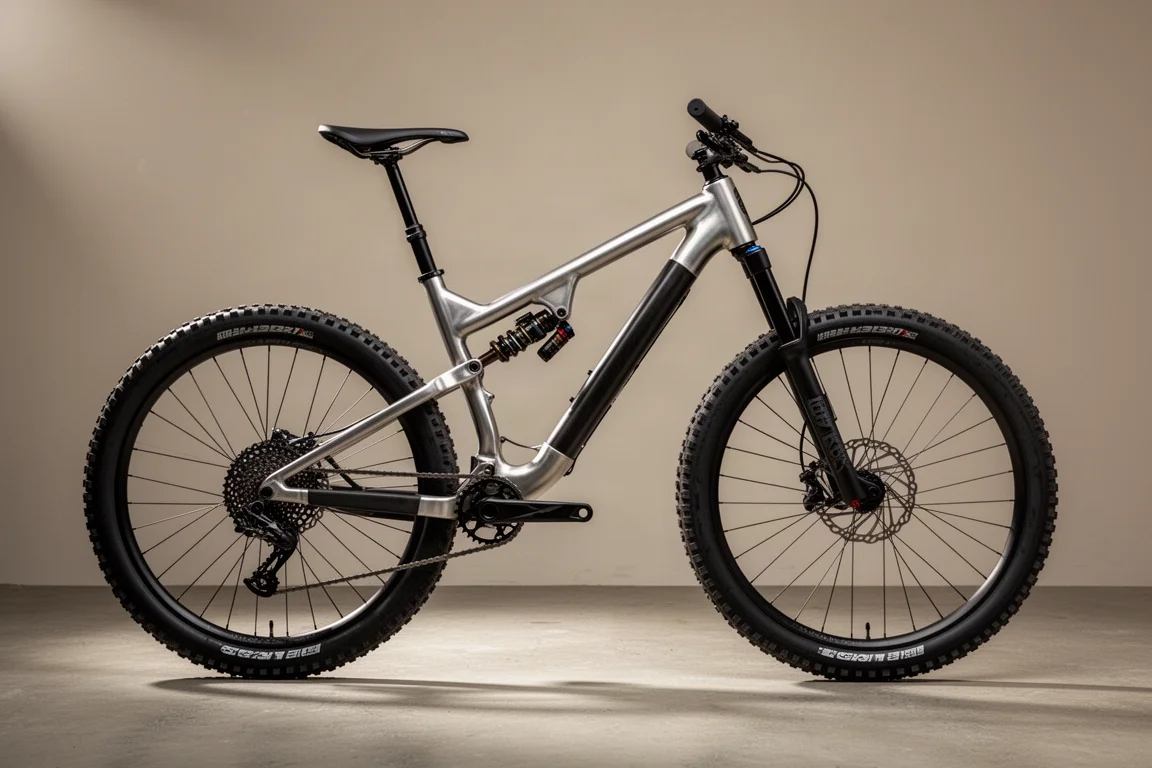
Atherton AM.130 Review: 3D-Printed Titanium Lugs and a 130mm Trail Bike That Descends Like a Bigger Machine
The Atherton AM.130 pairs 3D-printed titanium lugs with carbon tubes and a DW6 suspension platform. Here is how it rides, what the build delivers, and who it suits.
Mountain Bikes
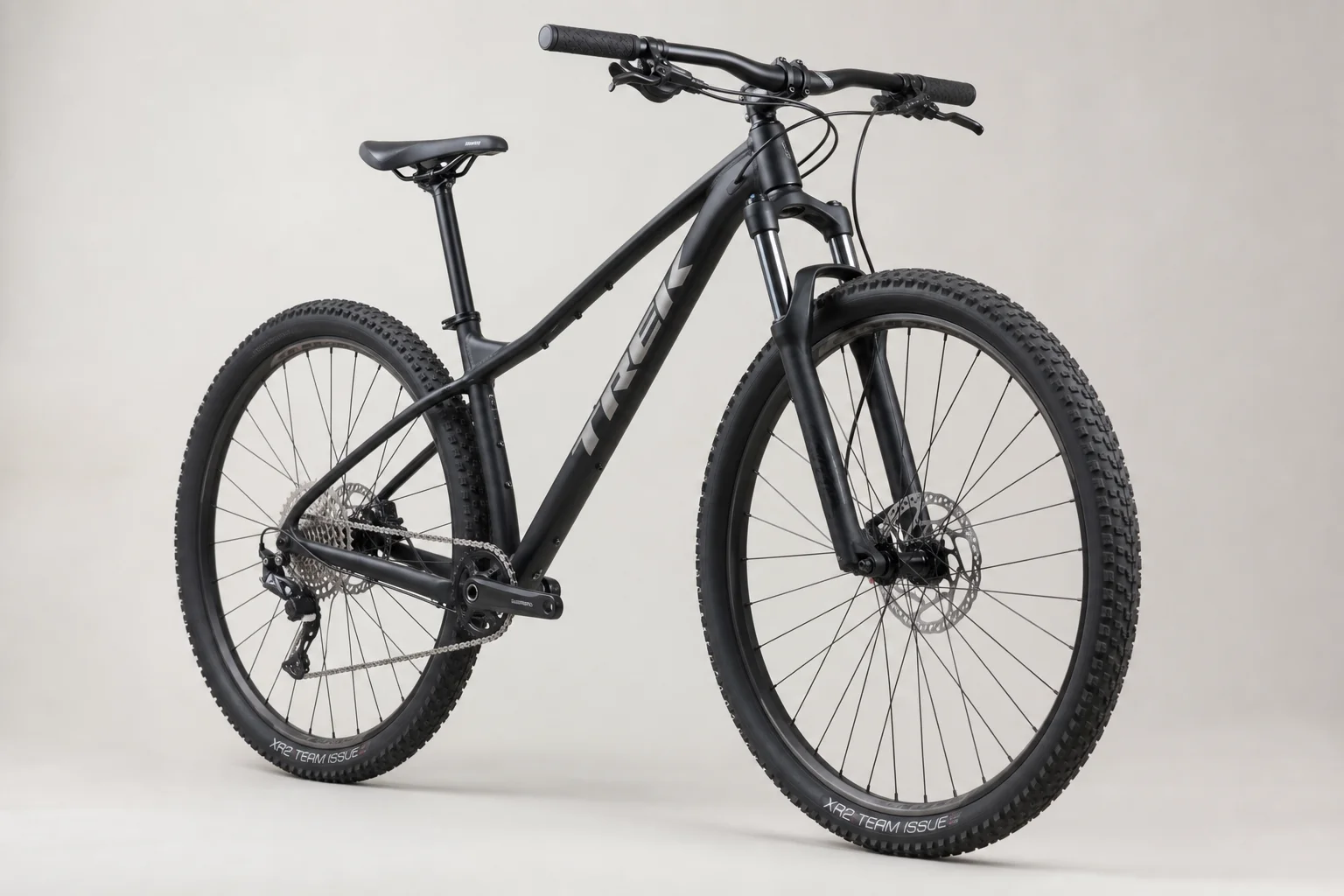
Beginner Mountain Bike Buying Guide: What to Look For in a Trailworthy Hardtail
A practical framework for evaluating beginner mountain bikes, whether new or used, by examining key components that indicate real trail capability.
Mountain Bikes
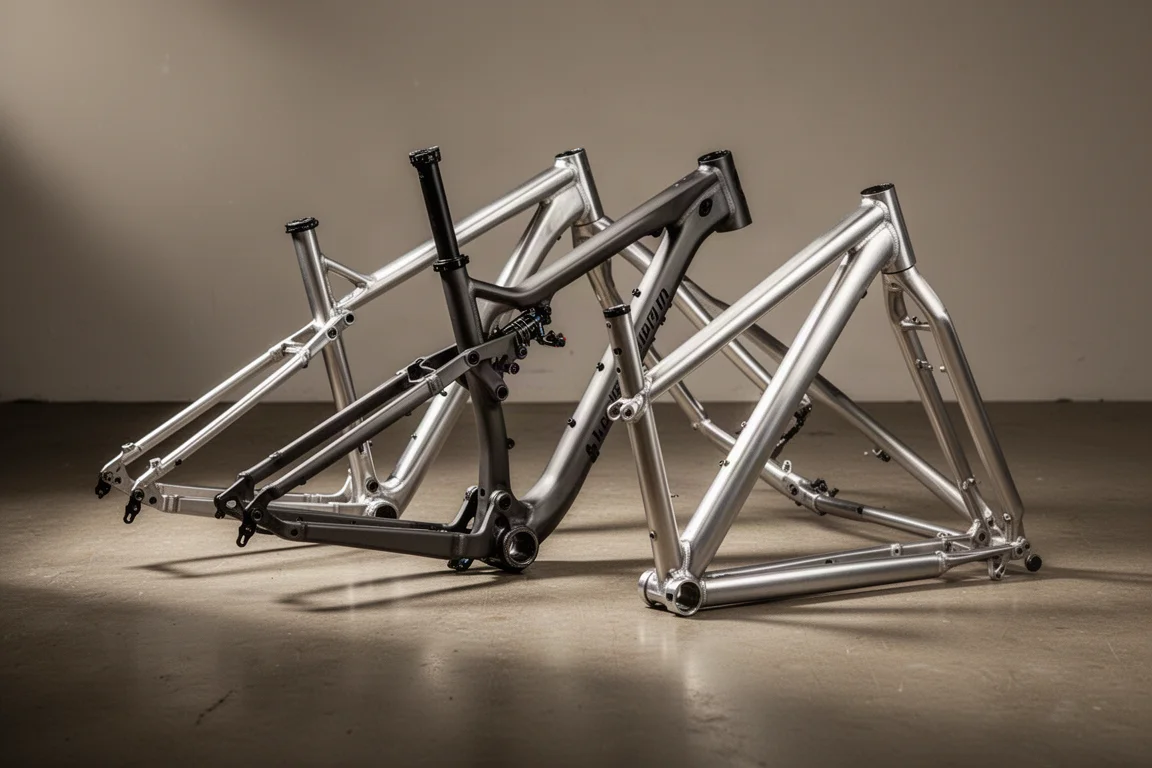
Best Aluminum Mountain Bikes 2026: Five Alloy Bikes Worth Your Attention
Five aluminum mountain bikes that show how far alloy has come, from a 120mm trail bike and a versatile machined frame to a 180mm freeride machine.