Home Theater
Yamaha RX300A Review: A Five-Channel AVR That Keeps Home Theater Simple
A practical look at Yamaha's $399 five-channel AV receiver: what it does well, where its channel and power limits show up, and who should buy it.
Introduction
Ask most people how many speakers a home theater really needs and the answers get ambitious quickly. Twenty speakers, a stack of subwoofers, megawatt amplification. The reality is simpler. Most people do not need twenty speakers, or twelve, or nine. They need five: left, center, right, two surrounds, and a subwoofer. Most home entertainment is mixed for five channels or fewer, and modern Dolby Atmos soundtracks are packaged to scale to whatever speaker configuration you have.
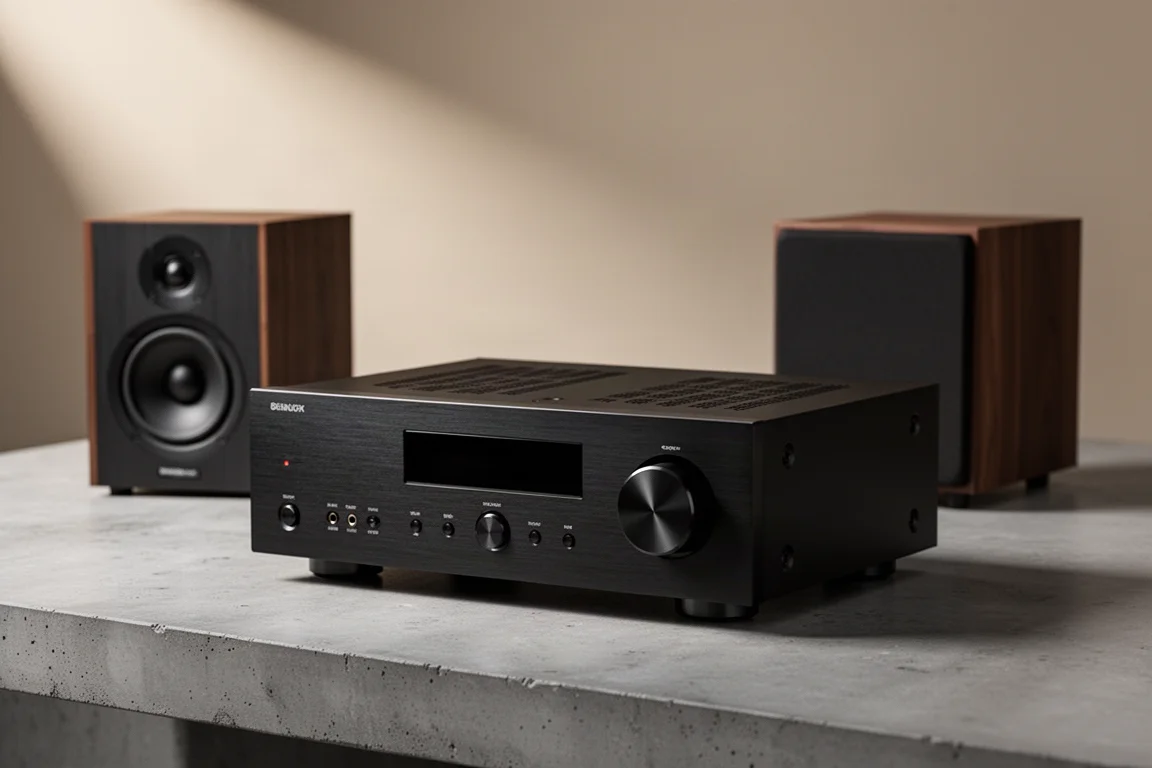
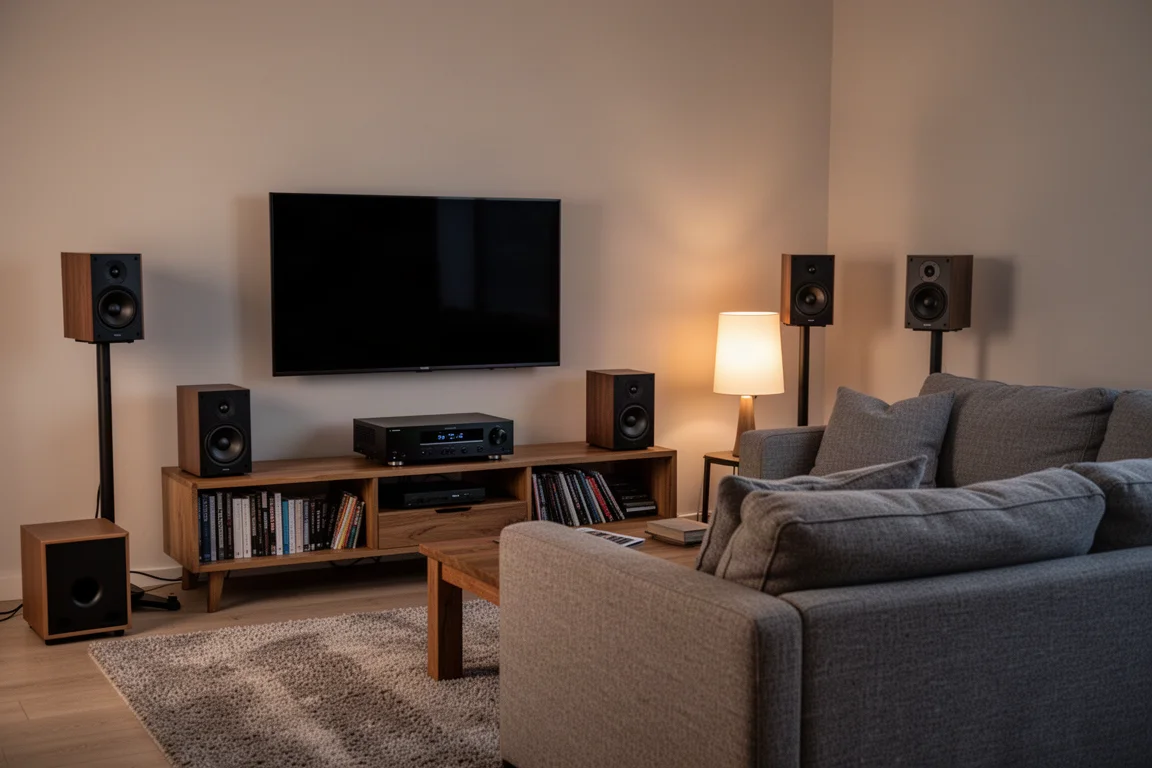
That is the thinking behind a system built around the Yamaha RX300A. At $399, it is one of the more affordable modern AV receivers you can buy to anchor a five-speaker setup. A representative build pairs it with ELAC Debut 3.0 DB63 bookshelf speakers and their matching center channel, two in-ceiling surrounds, and a single SVS 3000 Micro subwoofer, for roughly $2,600 all in. Swap the subwoofer for something like an SB1000 Pro and the total lands closer to $2,000.
The RX300A itself is a five-channel receiver rated at 70 watts per channel with two channels driven. It supports Dolby Atmos and basic DTS, and it includes speaker virtualization that approximates the channels you choose not to install. That combination keeps the price accessible without removing every option for tailoring the system to a room.
Who This Receiver Is For
The RX300A is aimed at listeners who would never consider a soundbar-style all-in-one system, but who also do not want the complexity of a larger receiver. That could be someone just starting out in the hobby, someone working with a smaller space, neighbors, or family to consider, or an experienced enthusiast who simply no longer feels the need to chase every channel and feature.
It also suits anyone who does not want Wi-Fi apps and smart features built into their receiver. That is a real preference for a lot of people, and it is one of the reasons this model exists.
The other side of that is worth stating plainly. If you already know you want more than five channels and more than basic controls, this is not the receiver that will take you there.
Main Strengths: Clear Sound and Straightforward Setup
Within its comfort zone, the RX300A delivers a relatively clear, neutral sound with a stripped-down feature set focused on plug-and-play connectivity and setup. As long as you know where to connect your speakers and which HDMI source goes where, there is very little learning curve.
Its movie performance makes good use of whatever speakers are connected. Whether the system relies on discrete surround channels or virtualization, the receiver turned even a 3.1 arrangement into something that sounded a bit more surround. Dedicated surround channels always produced the best results. It lacks the pinpoint placement and rear effect travel of costlier, more complex receivers, but it was clearly ahead of inexpensive mass-market soundbars in this area.
Dialog clarity is good, and the center channel does most of the work. Bumping the center channel level by one or two dB in the menu brought voices into greater focus without altering the natural tone of the speakers. The receiver’s own dialogue level adjustment is less successful: engaging it costs the system some neutrality and some weight from the left and right mains, and it behaves much like a poorly functioning night mode.
Room Correction and Everyday Setup
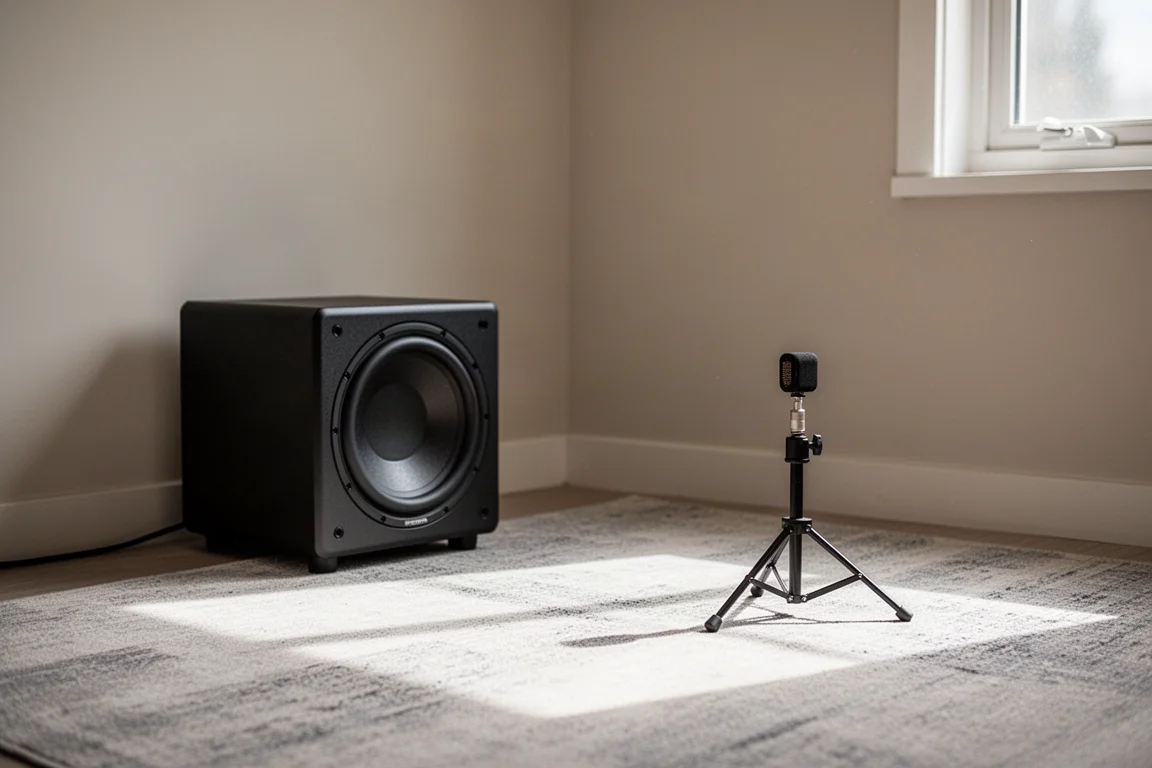
The RX300A ships with a calibration microphone that works with Yamaha’s room correction system. It sits closer to basic room correction than to the advanced systems found further up the market. The before and after difference is subtle rather than transformative, but it is genuinely useful for dialing in speaker distances, levels, and moderate EQ, mostly in the bass, for a clearer and more even response in the room.
Day-to-day operation is mostly uneventful in a good way. A couple of behaviors are worth knowing about in advance. During chaotic mixes with virtualization engaged, the movie profile occasionally struggled with how it distributed the mix to the left and right channels and the surrounds, making them sound softer from one moment to the next. Switching to straight mode or turning virtualization off curbed the effect. There were also moments that sounded as though the receiver had slipped into all-channel stereo, with an on-screen voice suddenly arriving from a rear speaker.
The onscreen menu, meanwhile, still feels like a relic from the mid-1990s. It is forgivable here in a way it would not be further up the price ladder, and the receiver is more or less set up for success out of the box regardless.
Things to Consider Before Buying
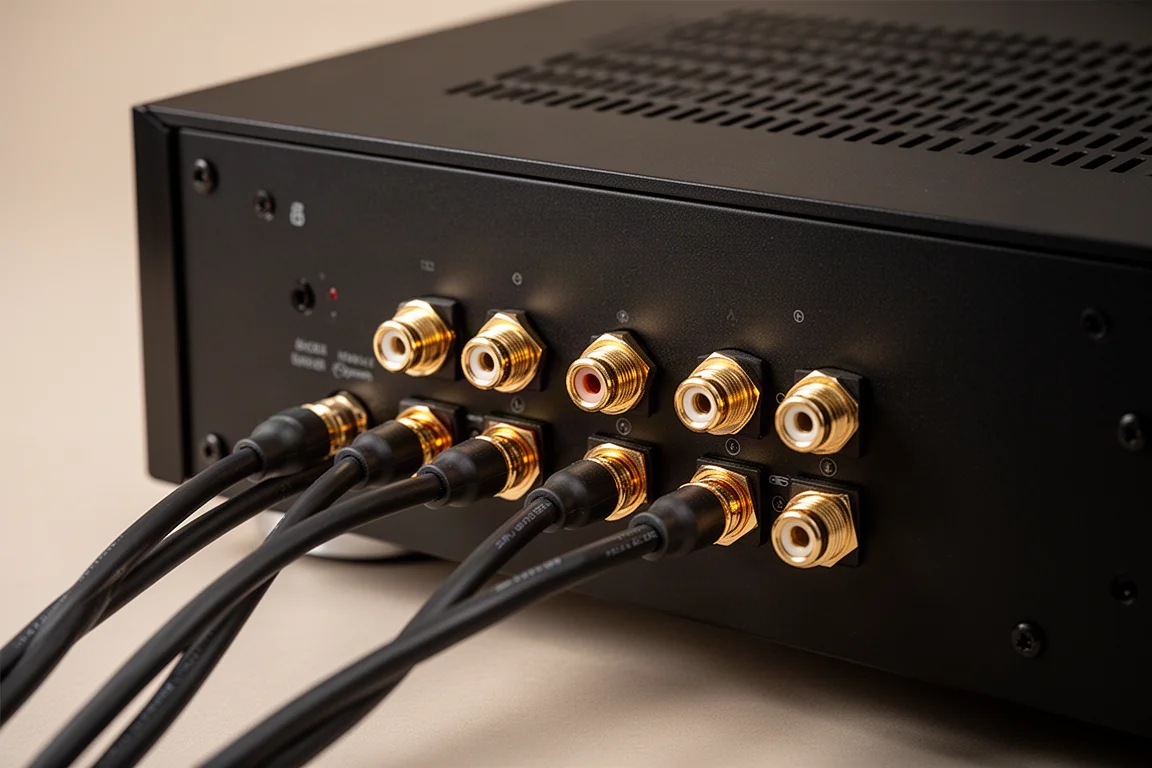
The RX300A is a five-channel design, and that shapes everything else. There are no preamp outputs, so there is no path to adding channels later. The two subwoofer outputs are not independent. Dolby Atmos is supported, but adding two physical height speakers means giving up the surround channels, effectively turning the receiver into a 3.1.2 unit. Anyone who wants a conventional 5.1.2 Atmos system will need to step up to Yamaha’s RX500A when it becomes available. That model adds seven amplified channels along with Wi-Fi, AirPlay 2, and Google Cast.
Power is the other consideration. The 70 watts per channel rating applies with two channels driven, not across all five simultaneously. Running speakers full range exposes that limit, and demanding surround content makes it easier to hear. Deep bass places the greatest demands on an amplifier, so crossing the speakers over to a powered subwoofer offloads much of that work and frees up valuable headroom.
With the ELAC system, adding the subwoofer produced an almost immediate improvement in spaciousness, dynamic clarity, and overall composure. Without it, parts of the mix could sound congested or muddy at elevated but not extreme levels, and in extreme cases sections of the mix seemed to fall away almost completely. Music followed the same pattern: even in two-channel, the receiver sounds its best with a subwoofer and bass management properly engaged, whether set up manually or after running room correction. Bombastic tracks sounded flatter and woollier without one.
A few physical details round out the picture. Build quality is basic up close, which is expected at this price, though the clean monochromatic look is genuinely appealing from a normal viewing distance. The receiver also produces a noticeable clunk each time it powers on or off. HDMI switching and CEC control can lag when multiple input requests arrive in quick succession, and volume changes made with a remote other than the one supplied lagged by a second or two, which makes it easy to overshoot the intended level.
How It Compares With Other Options
Against similarly priced soundbar and wireless speaker systems, the value calculation gets more complicated. Those systems bundle built-in streaming, more wireless playback options, and more channels of sound, both discrete and virtual. In the same room, that translates to a more cohesive and convincing cinematic experience. If future upgradability and expandability matter more than convenience, the Yamaha is the stronger long-term investment, because it lets you choose and replace speakers independently.
A competing 5.2-channel receiver rated at 80 watts per channel, again with only two channels driven, is close to interchangeable with the RX300A on features. The two sit essentially neck and neck.
Compact all-in-one systems that promise easier setup at a similar total cost can also be tempting. In practice, that simplicity did not translate into better performance or a more immersive experience. Unless space is at an absolute premium and reducing component count matters most, putting the budget into five speakers and a receiver like this one makes more sense.
Buying Advice
Go in with the right expectations. The RX300A is not going to embarrass or keep pace with a $1,500 to $2,000 receiver, and it was not made for that. What it is made for is a listener who wants more cinematic presence than a soundbar provides without the complexity of a larger system.
Two decisions will get the most out of it. First, budget for a subwoofer and use bass management, either manually or through room correction. That single choice does more for the receiver’s sound than any menu setting. Second, plan the speaker layout before buying. Decide up front whether you want 5.1 or 3.1.2, because the receiver cannot be expanded into both later.
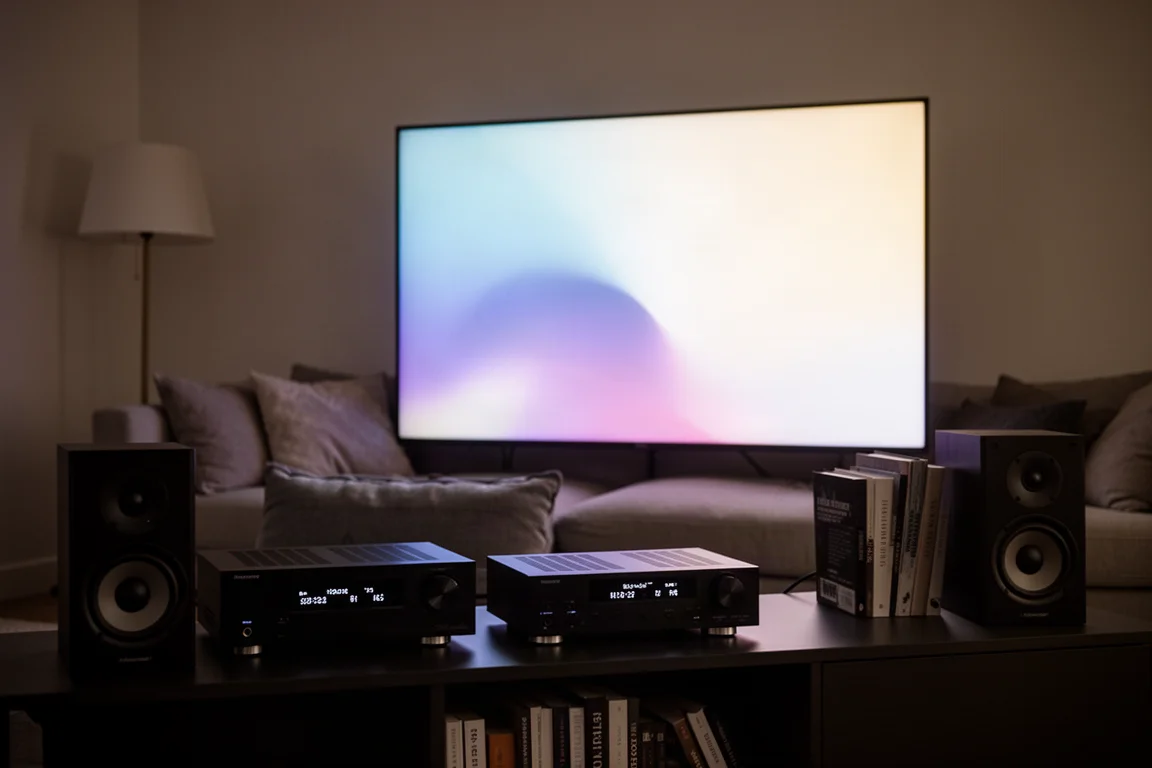
At $399, the RX300A is a strong jumping-off point for a first real home theater, a college setup, a first apartment, or a seasoned listener who has stopped chasing channels. Paired with capable budget speakers and a decent subwoofer, it produces engaging results on the movie nights that matter.
Conclusion
The case for a five-speaker system is stronger than the marketing around home theater usually suggests, and the Yamaha RX300A is built for exactly that case. It is simple, neutral, and easy to live with, and it gets the fundamentals right for a first or modest multichannel setup.
Its limits are real. Five channels only, no preamp outputs, modest power across all channels at once, dated onscreen menus, and no network features. Those limits only matter if you need more than what the receiver offers. For a lot of people, five speakers are enough, and this is a sensible way to build around them.
Product link
View more details for Yamaha RX300A
This product is mentioned in the review. Check the specifications, options, and compatibility before buying.
View more details for Yamaha RX300AFurther reading
Related Reviews
Home Theater
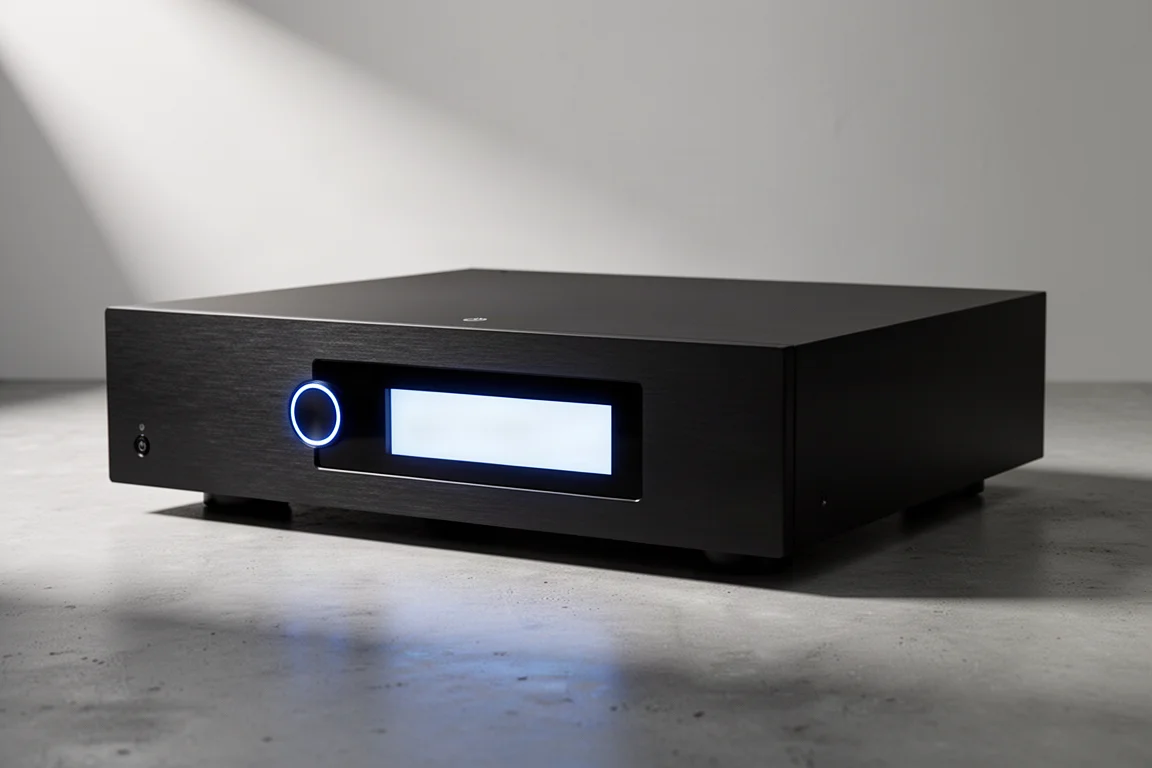
Anthem AVM 90 Review: A 15.4-Channel Flagship Preamp Processor
A close look at Anthem's flagship preamp processor, covering its dual ESS DAC architecture, 15.4-channel layout, ARC Genesis calibration and four independent subwoofer outputs.
Home Theater
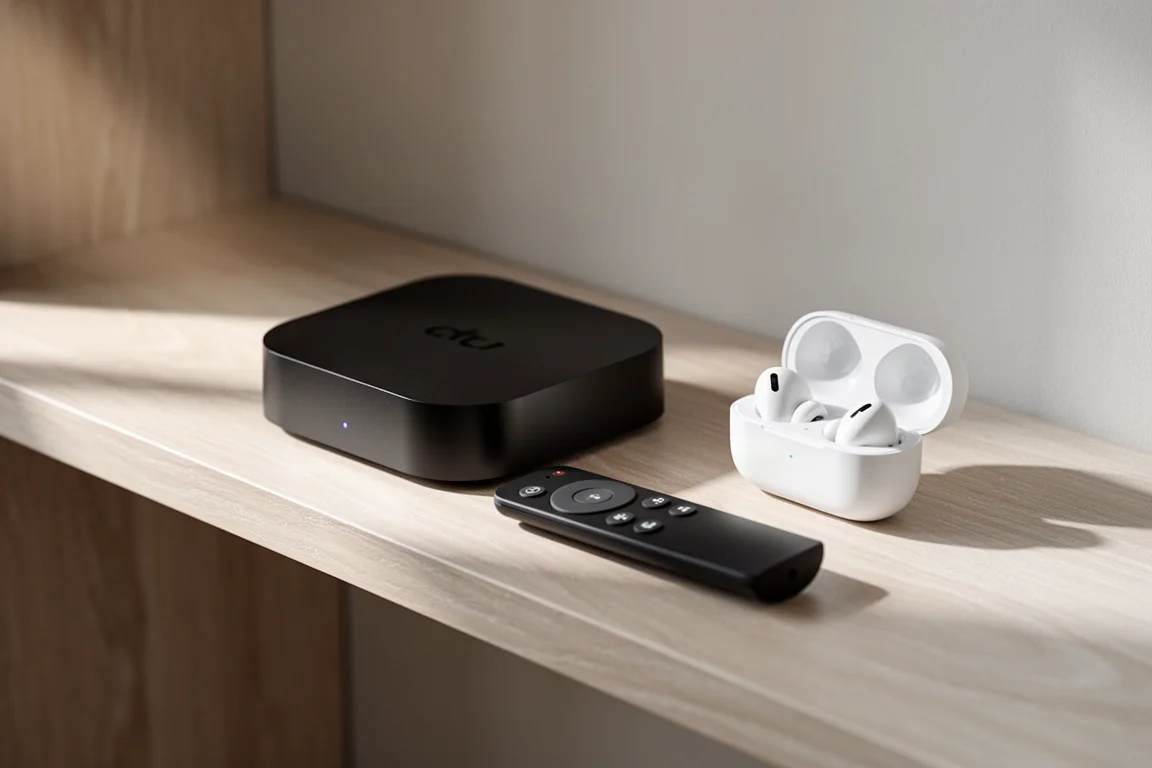
Apple TV 4K With AirPods: A Best-Value Home Theater Setup
An Apple TV 4K paired with AirPods over Bluetooth makes a compact home theater setup for movies, spatial music and late-night viewing, and it can be assembled for as little as $300.
Home Theater
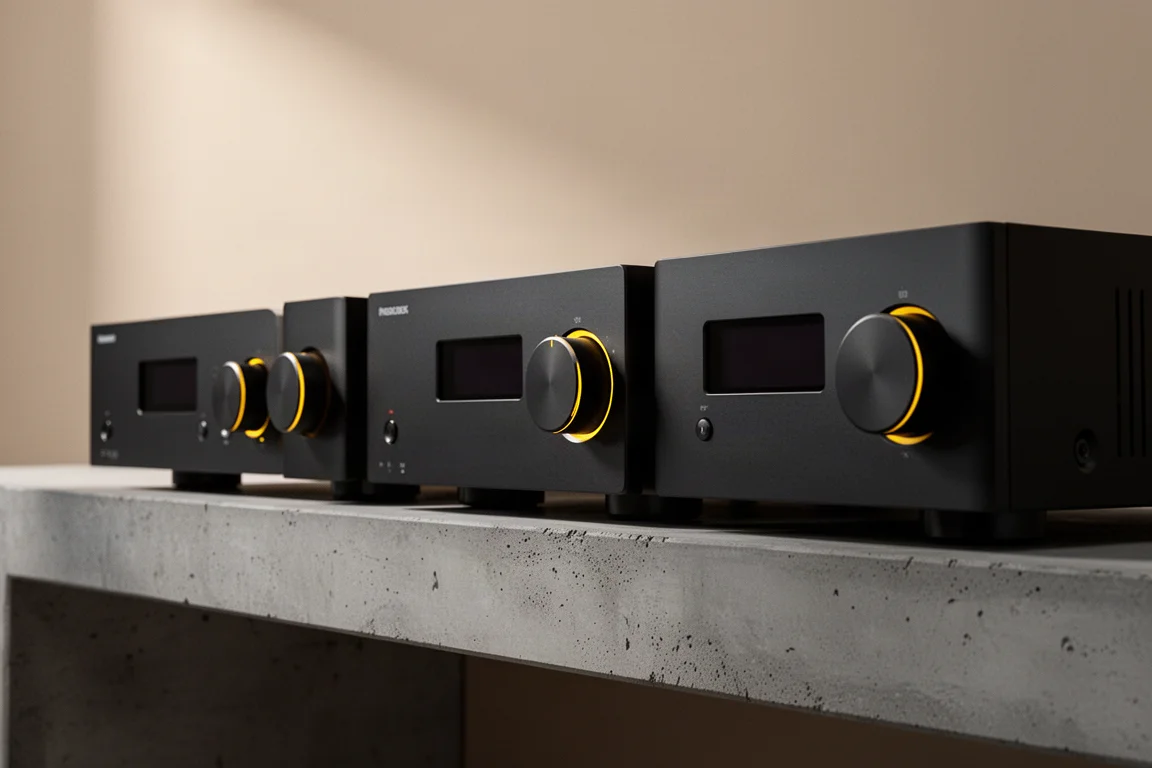
Arcam AVR15, AVR25, AVR35, and AVP45 Compared: Which AV Amplifier Fits Your System?
Four new Arcam home theater components share nine-channel amplification and Dirac Live, but differ in power, processing ceiling, and channel flexibility.