AV Receivers
Yamaha RX-V300A vs RX-V500A: Two New Entry-Level AV Receivers Compared
Two new entry-level Yamaha AV receivers compared: what the $399 RX-V300A adds over its predecessor, and when the $599 RX-V500A is worth the step up.
Introduction
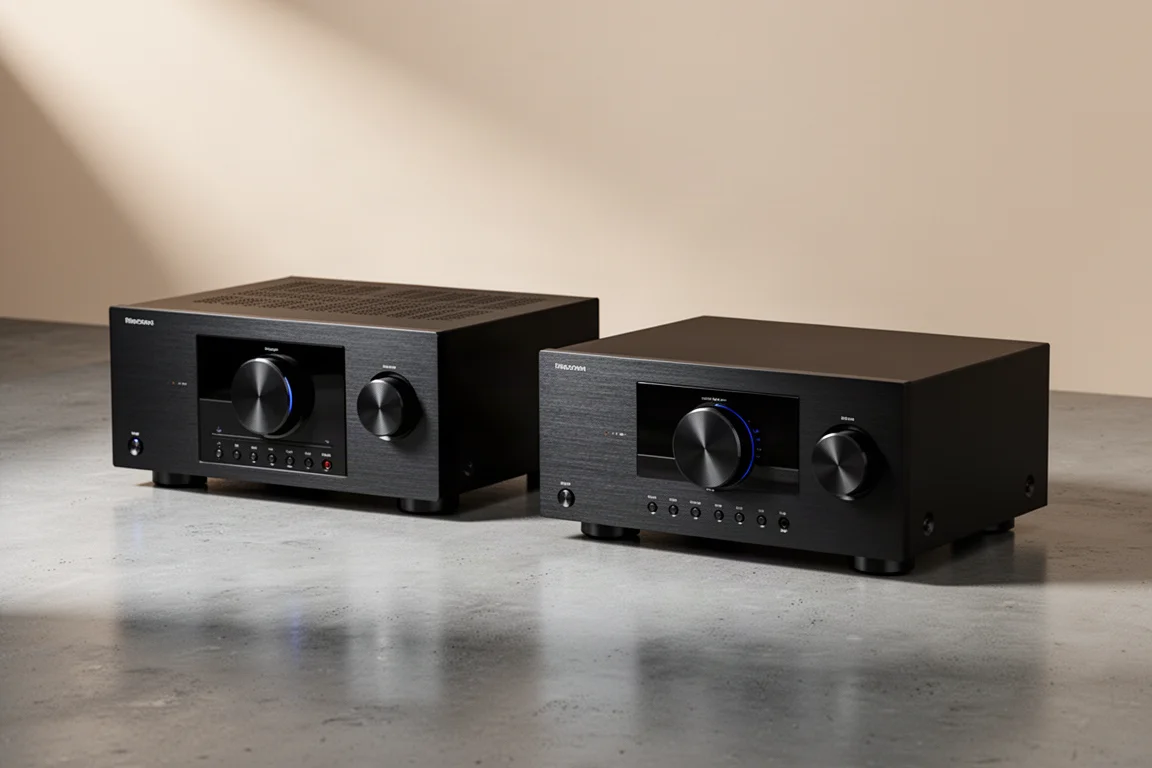
Yamaha has introduced two new entry-level AV receivers, the RX-V300A at $399 and the RX-V500A at $599. Both move the brand’s entry point forward from the RX-V385, which has served in that role since 2018 and capped out at HDMI 2.0, 4K60 and a single subwoofer output, with no Dolby Atmos and standard Bluetooth.
The new pair keeps the entry-level positioning while adding Atmos support, HDMI 2.1 with 4K120, dual subwoofer outputs and Bluetooth multipoint. For anyone stepping up from a soundbar, or for an experienced owner who wants a clean and simple receiver at a fair price, these are the two models worth weighing against each other.
What Changed From the Previous Generation
The RX-V385 has been the reference point for Yamaha’s entry-level receivers since 2018. HDMI 2.0, a 4K60 ceiling, one subwoofer output, standard Bluetooth and no Dolby Atmos. For a brand with nearly 40 years of AV receiver history, that specification list had fallen behind what the category offers in 2026.
The RX-V300A answers that at the same $399 price. Dolby Atmos, HDMI 2.1 with 4K120, dual subwoofer outputs and Bluetooth multipoint all arrive without a price increase. The HDMI board carries 40 Gbps of bandwidth, which is what makes 4K at 120 frames per second viable over the connection, alongside ALLM and VRR for gaming. The output supports eARC, so a television can return audio to the receiver over the same cable already carrying video.
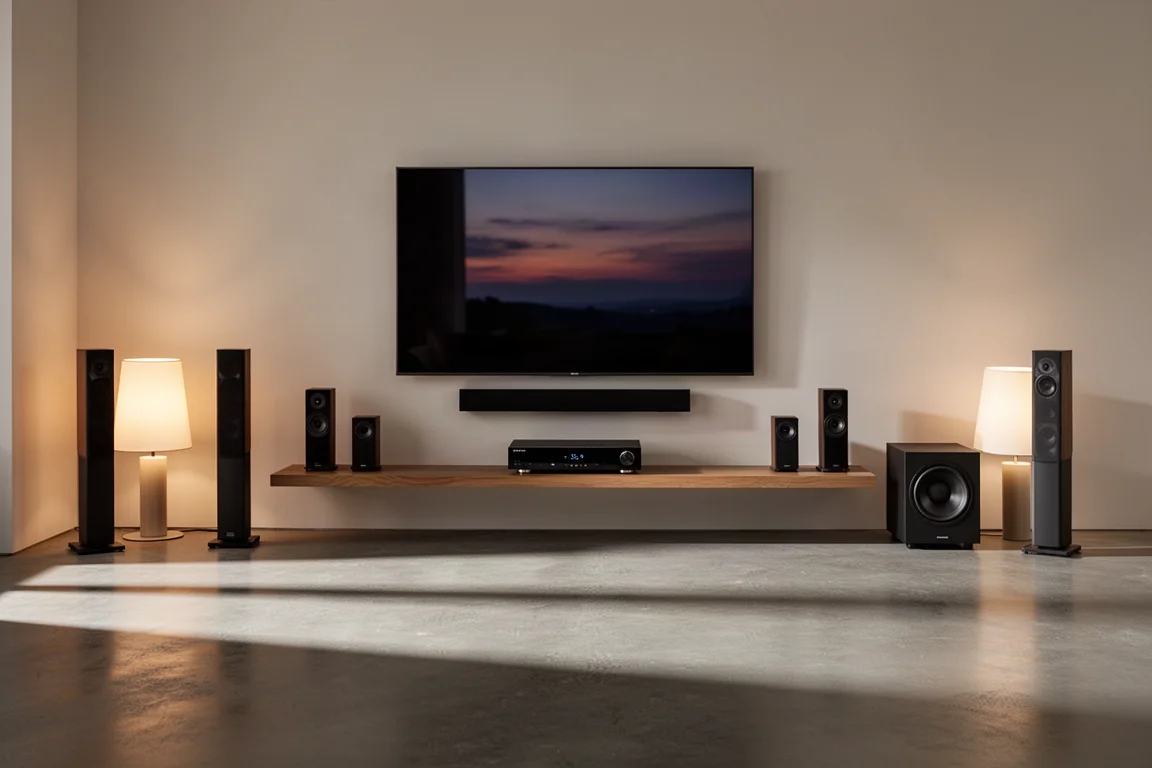
That combination is the core of this launch. A first-time buyer stepping up from a soundbar gets modern connectivity and object-based audio, while an experienced owner gets a simple, current receiver without paying for features beyond the entry tier.
Build Quality and Design Details
Yamaha reworked the front panel for this generation. The wordmark is gone, replaced by the tuning fork mark used on the company’s instruments, and the result reads as more premium than the previous entry-level design.
Two structural details are worth noting. The first is the ART Wedge, a fifth foot mounted at the center of the chassis base that works with the four corner feet to disperse mechanical vibration. It comes down from Yamaha’s higher-end receiver lineups. The second is a heat sink engineered directly above the HDMI circuitry. High bandwidth HDMI switching generates heat, and that heat is one of the main reasons receivers fail early, so dedicated thermal management protects the DSP and HDMI components over the long run. Neither detail tends to appear on a specification sheet, but both matter for how long the receiver stays in service.
Yamaha RX-V300A: Dolby Atmos and HDMI 2.1 at the Entry Price
The RX-V300A is a 5.2 channel receiver rated at 70 watts per channel into 8 ohms with two channels driven, measured across the full 20 Hz to 20 kHz bandwidth at 0.09% total harmonic distortion. That is the FTC standard, and it is the honest figure to compare when shopping across different receivers. Four HDMI inputs and one output are all HDMI 2.1 with 40 Gbps of bandwidth.
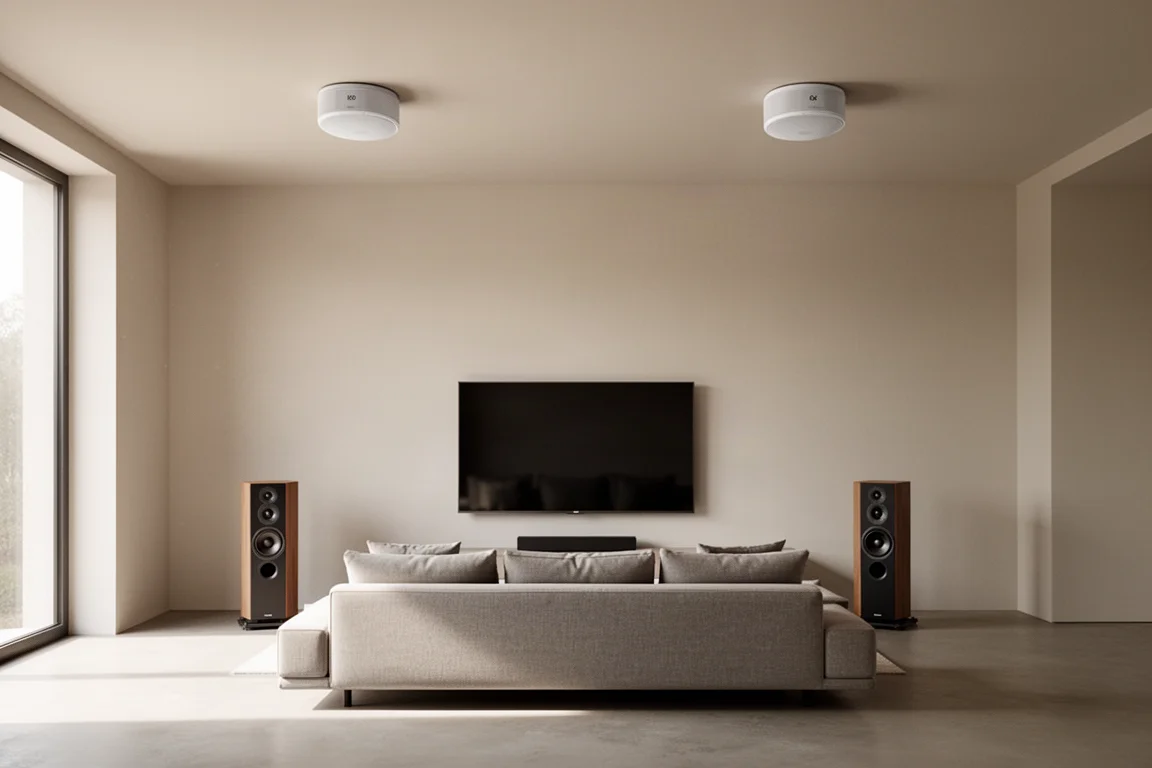
Dolby Atmos on a 5.2 channel receiver at this price is not a given, and Yamaha provides three deployment paths. A standard 5.2 setup with no height speakers can use Dolby Surround processing to add virtual height effects to the overhead layer, though the height in that configuration is simulated rather than produced by speakers above the listener. A 3.2.2 layout uses physical height speakers, either in-ceiling or up-firing Dolby enabled models, but it gives up the main surround channels because the receiver has five amp channels in total. A traditional 5.2 setup with no Atmos processing at all is also available. For listeners without height speakers, DTS Virtual X uses psychoacoustic processing to simulate overhead sound from floor-level speakers. It is not the same as real overhead speakers, but it is a reasonable starting point for an entry-level system.
Streaming on the RX-V300A is Bluetooth only, since there is no Wi-Fi on this model. Anyone who wants to send music directly over a home network should factor that in. Bluetooth multipoint is included, which keeps two devices paired at once and allows instant switching between them, and most competitors at this price do not offer it. The two subwoofer outputs carry the same signal, so the subwoofers are balanced using their own volume controls. Two dedicated outputs are still cleaner than a Y-splitter off a single connection.
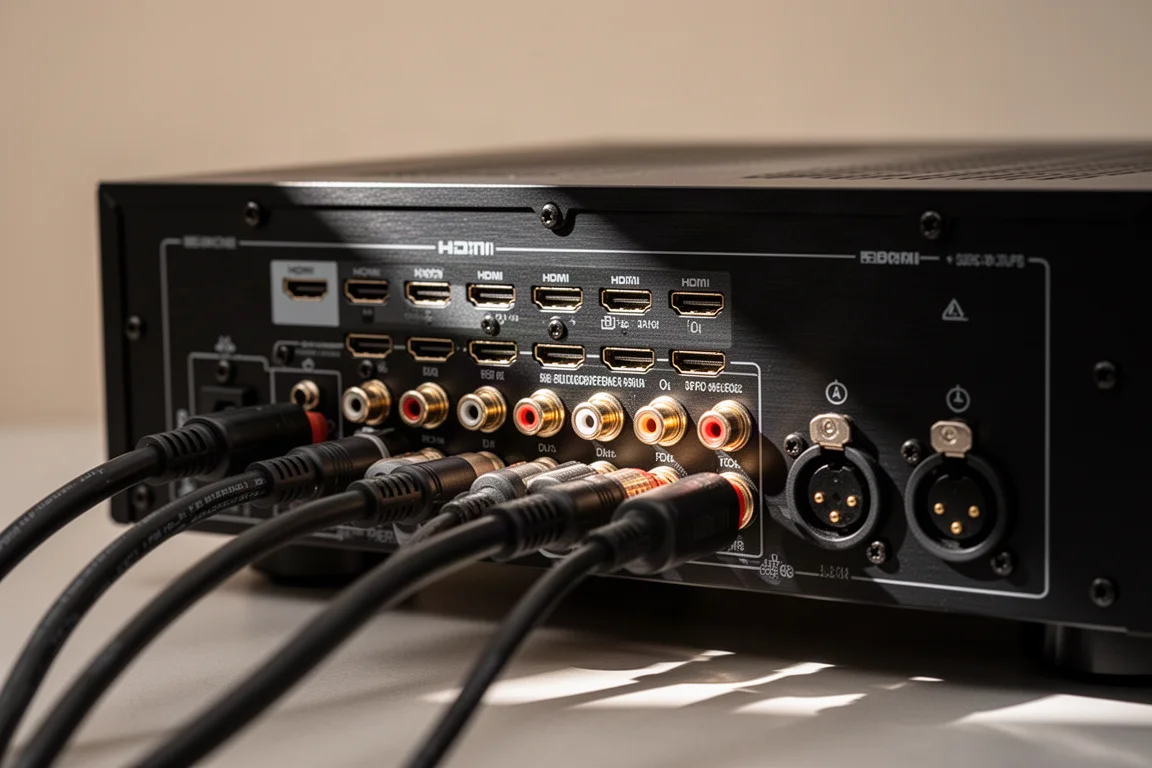
Zone B lets a passive second pair of speakers run in another room from the same source. It is not a fully independent zone, but it works well for background audio on a patio or in a bedroom. Enabling Zone B on the RX-V300A gives up two amp channels, so the main zone needs to run 3.2 or less to use it.
Room Correction, Crossovers, and Everyday Setup
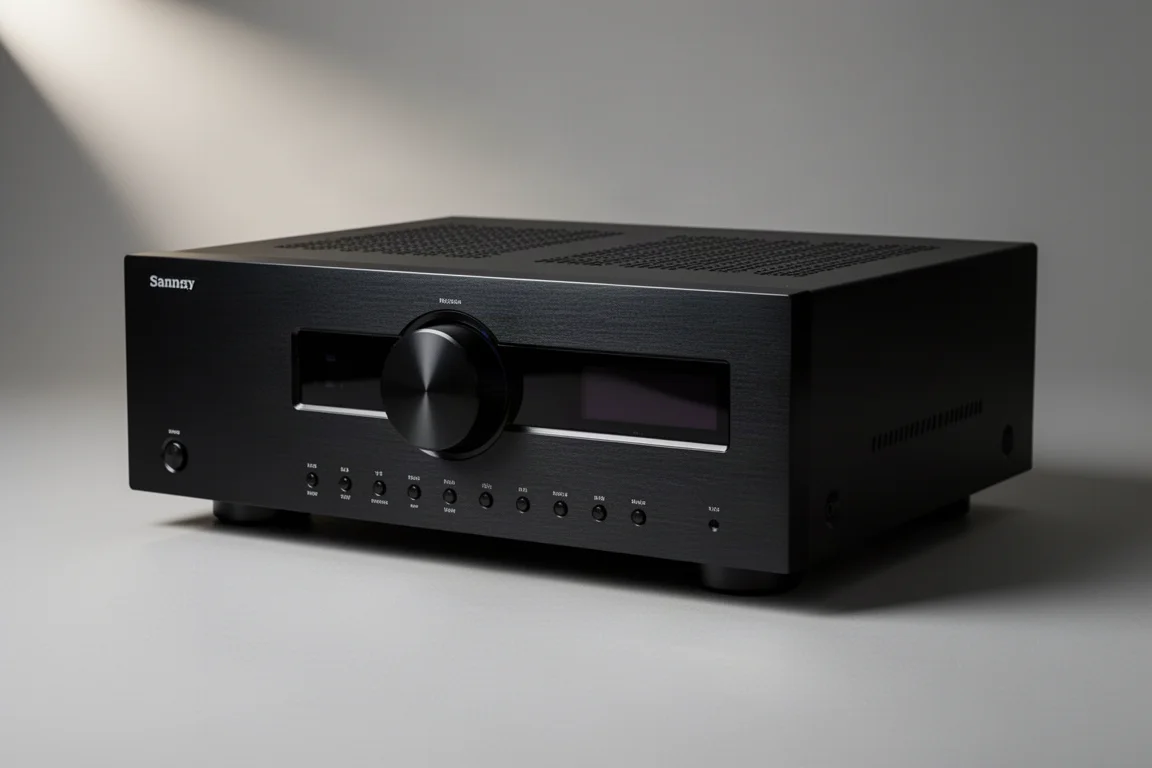
Room correction is included, with a microphone that ships in the box. Running the calibration measures the room’s acoustic response and sets speaker distances, level trims and frequency response corrections automatically.
What is new for Yamaha at this price is per-speaker adjustable crossover settings. The crossover is the frequency at which a speaker hands its bass off to the subwoofer, and setting it per speaker rather than globally matters because tower fronts and compact surrounds do not share the same bass extension. Getting that right produces cleaner bass integration, and Yamaha had not offered it at this price point before.
The on-screen menus have also been updated for this generation and are cleaner and easier to navigate than before, which matters most during a first receiver setup. The Scene function stores up to four custom presets tied to specific inputs and sound settings, with more granular configuration than the previous generation. Set one for movie night, one for gaming and one for music, then reach them with a single button press.
Around the back there are two analog RCA inputs, one optical input, one coaxial input and an FM tuner.
Yamaha RX-V500A: Seven Channels and Native DTS:X
The RX-V500A carries over the same chassis, the same new front design, the same HDMI 2.1 implementation, the same room correction, the same dual subwoofer outputs and the same Bluetooth multipoint. Power ratings are identical as well at 70 watts per channel into 8 ohms with two channels driven. What changes is the channel count: seven instead of five.
That difference is the point of the step up. Seven amp channels allow a full 5.2.2 Atmos layout with dedicated surround left and right channels plus two height speakers, all running at once without giving anything up. For a proper Atmos installation with physical speakers overhead rather than simulated height, this is the model to consider.
Codec support is broader too. DTS:X is decoded natively, which is the object-based DTS format that sits opposite Dolby Atmos on the DTS side. The RX-V300A offers DTS Virtual X, which is processing rather than decoding, so a large 4K Blu-ray library with DTS tracks is handled closer to how it was meant to be heard on the RX-V500A.
Networking is the other major addition. Wi-Fi and Ethernet are both on board, supporting Spotify Connect, AirPlay 2, Google Cast, Tidal Connect and internet radio, along with the Audio Connect app for network setup and internet radio browsing. That app is deliberately basic and is not the MusicCast app used elsewhere in Yamaha’s range. Listeners who want fuller app control and multi-room audio should look at something like the RX-V6A at $799 instead.
The RX-V500A is expected to arrive later than the RX-V300A, so availability timing is worth checking before planning a build around it.
Where These Receivers Fall Short
Both models sit at the entry level, and that comes with real limits. The amplification is not intended for demanding, high-end speakers, and the room correction does not compete with higher-tier systems such as Audyssey, Dirac Live or Arc Genesis. There are also no pre-outs, so external amplification cannot be added later as a system grows.
For a serious home theater built around high-quality speakers and a substantial system investment, neither of these is the right answer. Buyers in that position should look at receivers with more power, more advanced room correction and pre-out flexibility.
Buying Advice: Which Yamaha Receiver Fits Your Room
For most people getting into real surround sound for the first time, the RX-V300A at $399 is the right starting point. It does exactly what it promises, and the new front panel gives it a cleaner look than its price suggests. Pair it with speakers that suit a 70 watt per channel receiver and it will serve a first home theater well.
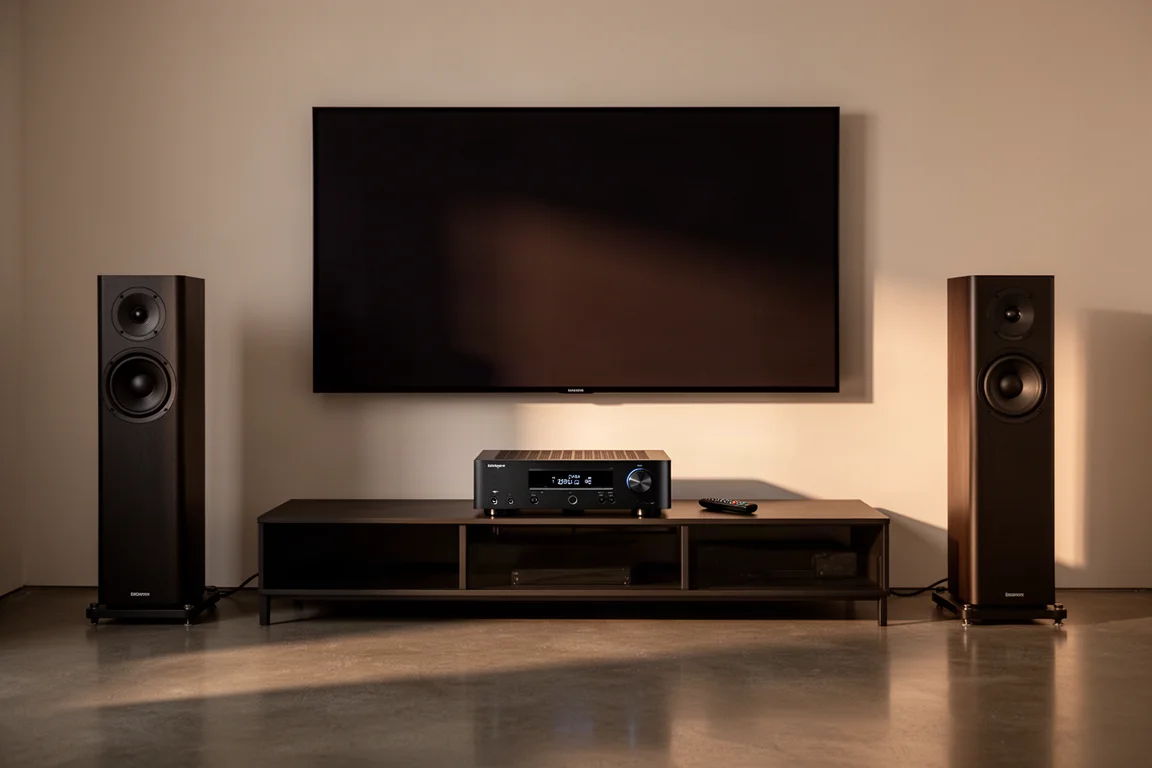
The $200 step up to the RX-V500A at $599 is well spent in two situations. If you know you want full Atmos with height channels and surrounds running simultaneously, the extra amp channels are the only way to get there. If you want music streaming built directly into the receiver over Wi-Fi rather than over Bluetooth, the RX-V500A is the model that provides it. It also leaves room to add height speakers later, even if the initial build does not include them.
Buyers who need the MusicCast app for multi-room audio and fuller app control should weigh the RX-V6A at $799 instead.
Conclusion
The RX-V300A and RX-V500A bring Yamaha’s entry-level receivers up to date: Dolby Atmos, HDMI 2.1 with 4K120, dual subwoofer outputs and Bluetooth multipoint, at prices that hold the line at $399 and $599. The RX-V300A suits first-time surround buyers and anyone replacing a soundbar, while the RX-V500A earns its extra $200 with seven channels, native DTS:X and built-in network streaming. Both are well built for their price point and do what they promise, as long as they are matched with speakers and expectations that fit an entry-level receiver.
Further reading
Related Reviews
AV Receivers
Anthem MRX 740 8K Review: Composed Home Theater Sound With a Few Rough Edges
A close look at Anthem's mid-tier MRX 740 8K receiver, covering its sound, ARC Genesis room correction, HDMI 2.1 features and the daily quirks worth knowing before you buy.
AV Receivers
Anthem MRX 740 vs MRX 1140: Which AV Receiver Fits Your System?
A measured look at the Anthem MRX 740 and MRX 1140, covering preamp output performance, amplifier behaviour, bass management, and expansion headroom.
AV Receivers
Best AV Receivers for Home Theater: Denon, Onkyo, Marantz and Yamaha Compared
Four home theater receivers compared on features, sound character, setup and value, with clear guidance on which one fits which kind of buyer.