AV Receivers
Anthem MRX 740 8K Review: Composed Home Theater Sound With a Few Rough Edges
A close look at Anthem's mid-tier MRX 740 8K receiver, covering its sound, ARC Genesis room correction, HDMI 2.1 features and the daily quirks worth knowing before you buy.
Introduction
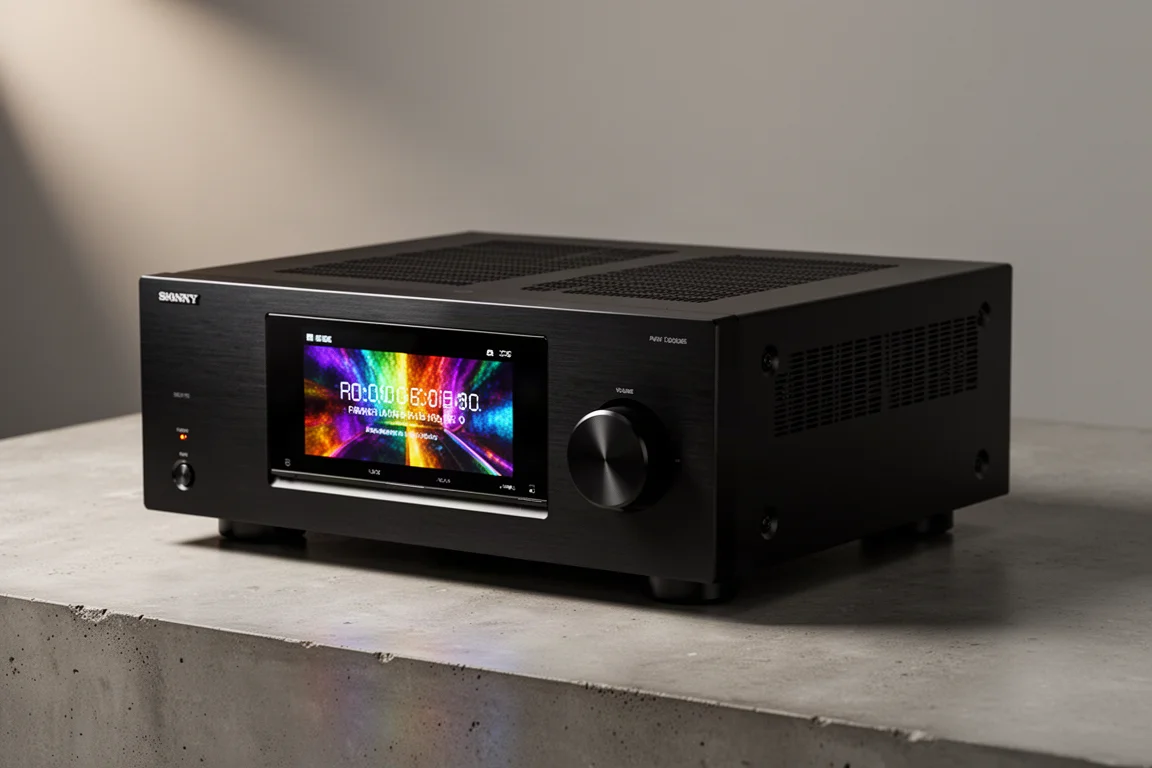
Anthem is a Canadian brand owned by Paradigm, and it has built a following in a home theater receiver market dominated by much larger names. The MRX 740 8K is the mid-tier model in Anthem’s MRX line, and it lands at a price where expectations run high. It pairs a 7.2-channel amplifier section with Dolby Atmos, DTS:X and IMAX Enhanced processing, and it wraps that in a chassis that looks and feels more considered than most of what sits beside it on a dealer shelf.
This article covers what the MRX 740 8K does well, where it asks for patience, and who should choose it over the alternatives.
Who the Anthem MRX 740 8K Is For
The MRX 740 8K is built around seven channels of amplification: five channels of Class A/B power rated at 140 watts per channel, plus two additional channels rated at 60 watts from a Class D amplifier. That is enough for a traditional 7.1 setup or a 5.1.2 Dolby Atmos layout. If you want to go further, full preamp outputs for 11.2 channels are on board, so the receiver can serve as the processing hub for a larger system once external amplification is added.
Speaker matching is straightforward. Any speaker with an impedance of 4 ohms or higher and a sensitivity above roughly 84 dB should work well, which covers the majority of home theater speakers.
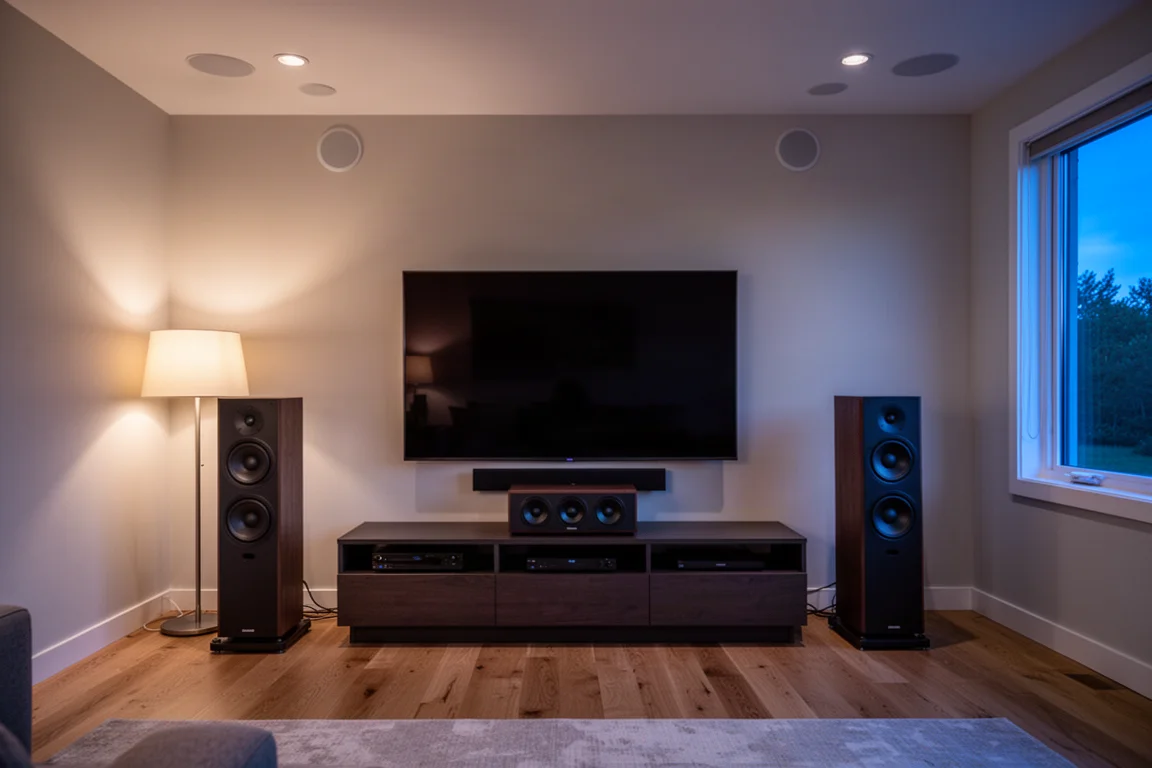
It also suits listeners who want one box for both movies and music. Stereo performance comes close to a dedicated integrated amplifier that retails for roughly the same amount as the receiver itself, which is not a claim every AVR can support.
Design, Display and Setup
The MRX line ranks among the best-looking receivers on the market, and the 740 carries that through. Anthem leans on a large color screen that dominates the front panel, and it is bright and clear enough to read from several feet away. That display matters more than usual here, because the receiver’s on-screen display is minimal by comparison, so the front panel becomes the primary way to see what the unit is doing.
Setup is designed around the receiver’s own screen and a laptop. Anthem advertises a control app that is compatible with the MRX 740 8K, and it is worth confirming app support against your own devices and network before committing, since control apps and firmware behavior can vary between installations. The room correction software is a clearer strength: it runs on both PC and Mac, connects to the receiver over Wi-Fi, and is included at no extra cost.
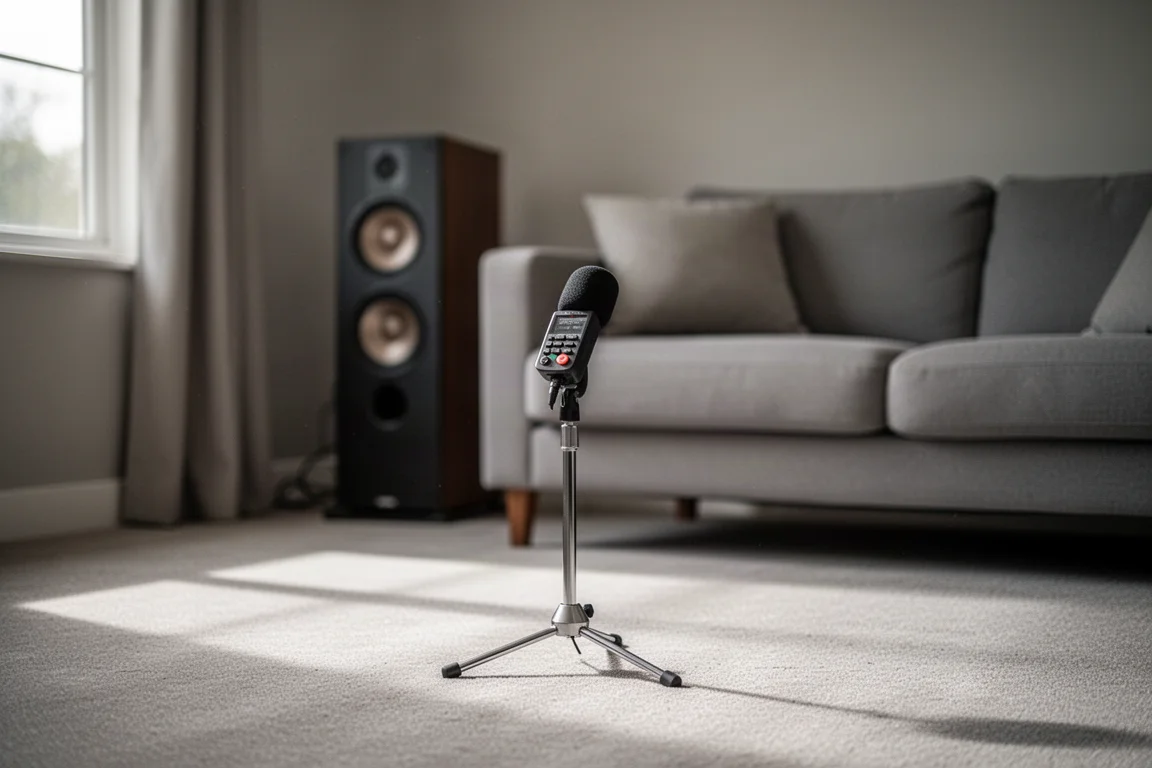
Anthem also ships a calibration microphone and a proper microphone stand in the box. That inclusion carries real value. Some competing room correction platforms charge separately for their software and then require a compatible measurement microphone, because the bundled mic will not substitute for it.
Sound Performance and Room Correction
ARC Genesis is Anthem’s own room correction system, and it is one of the most appealing parts of the package. The procedure is mostly automatic, though it requires the included calibration microphone and a laptop. What stands out is the character of the correction: the curves Anthem applies tend to resemble what a careful manual calibration would produce, so the result still sounds like the speakers in the room, just with fewer room interactions to fight through.
Tonally, the MRX 740 8K is close to neutral. There is a subtle lift in the low mid bass and bass, which gives effects and music a bit of weight, and a gentle roll-off in the treble as it crosses 10 kHz. That treble approach keeps detail intact while reducing the chance of listening fatigue, a sensible trade for long sessions. Dialogue and vocals keep their timbre and dimension, so intelligibility stays high.
With 4-ohm speakers such as the Martin Logan Motion F-100s, the receiver never flinched, even when peaks approached a hundred decibels. Bass-heavy musical sequences kept their texture and nuance, and dense action sequences stayed controlled. Efficient Klipsch speakers, including the Cornwall and the Heresy IV, produced no noticeable tweeter hiss. If you prefer an untouched signal, room correction can be defeated entirely.
In two-channel listening, the receiver is genuinely impressive for an AVR, which is not something that can be said of every model at this price.
Gaming and HDMI 2.1 Connectivity
Connectivity is generous: seven HDMI inputs and three HDMI outputs, all HDMI 2.1 compliant, with passthrough for 8K60 and 4K120 signals. Every major HDR format is supported, including Dolby Vision and HDR10+, and gamers get variable refresh rate and auto low latency mode. The eARC port carries uncompressed audio for formats such as Dolby Atmos. Bluetooth, Wi-Fi, AirPlay 2 and Google Chromecast round out the streaming side, alongside a 32-bit DAC.
For spatial placement in games, a rival flagship places sounds in a more seamless 360-degree bubble, which makes locating in-game enemies a little easier. The MRX 740 8K is a close second there, and it counters with more weight and presence, particularly for dialogue and effects that move behind or beside the listening position.
Where the MRX 740 Falls Short
Three issues stand out. First, switching between HDMI inputs is slow, and the receiver’s reaction to CEC commands is slower still. In one setup connected to a television, the MRX 740 8K sometimes failed to power on or off through HDMI control. Second, the on-screen display is poor, which is jarring given how polished the rest of the hardware feels. Third, the receiver uses fans to keep its relatively compact chassis cool, and those fans are audible during quiet passages and when switching inputs. In an open rack, they are hard to ignore.
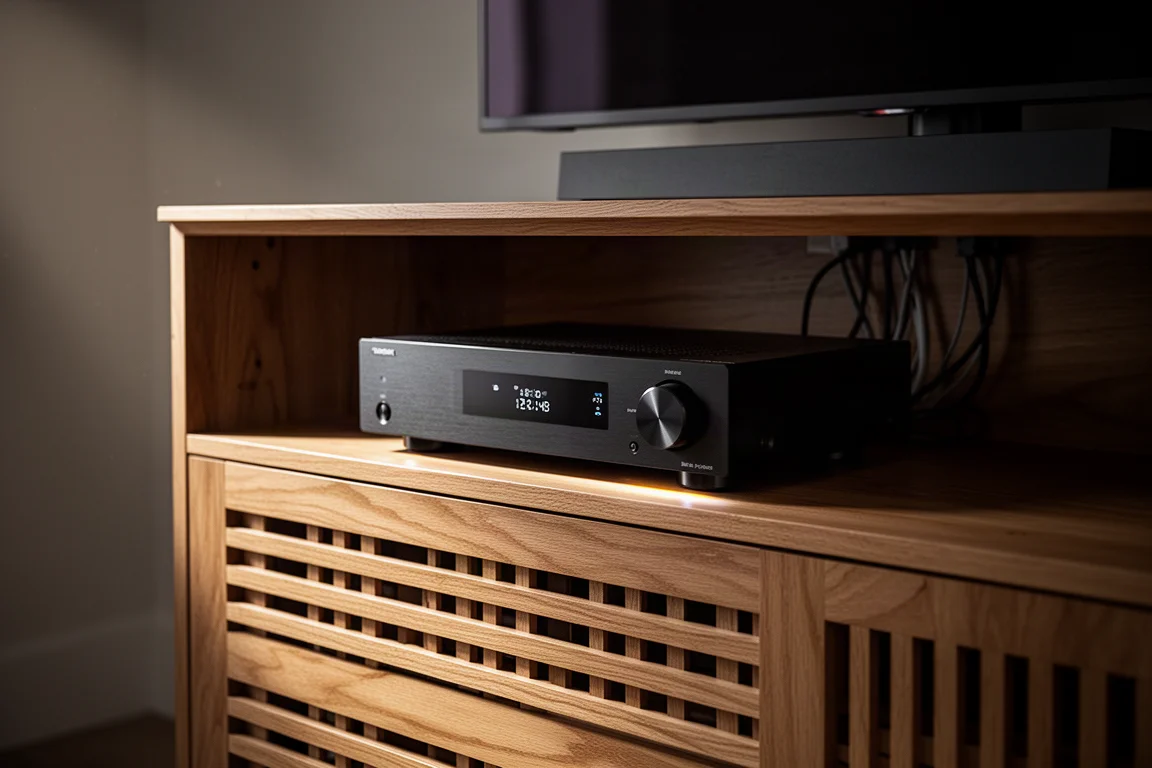
None of these issues touches the fundamentals of sound quality, but they are the kind of daily friction that shapes how a receiver feels to live with. If the unit is installed in a cabinet or a closed rack, fan noise becomes a much smaller concern.
How It Compares With Rivals Around the Same Price
At roughly $3,000, the MRX 740 8K competes directly with the Marantz Cinema 50, the Sony 7000ES and the soon-to-be-announced Pioneer Elite 805. On raw channel count, the Anthem offers the fewest internal channels for the money: the Sony provides 13 channels of amplification plus full preamp outputs, and it supports up to three pairs of overhead speakers without external amplification, where the Anthem supports two. The Marantz costs less from the factory and is more versatile out of the box, though unlocking its full potential with Dirac adds cost, and a Dirac license also calls for a compatible measurement microphone if you do not already own one.
Day-to-day usability favors the Onkyo RZ50, which has a polished and easy Dirac implementation, but the Anthem is the better-sounding receiver. The Yamaha A8A is the closest match on price and channel count, and Yamaha’s approach leans toward straight neutrality, where the Anthem adds a little more pulse and low-end weight. On room correction ease of use, the ranking runs roughly like this: Sony first, Onkyo second, Marantz and Denon close together, then Anthem, with Yamaha asking for the most manual effort.
What the Anthem lacks in channel count per dollar, it makes up for in build quality, sound quality and included accessories.
Buying Advice
The MRX 740 8K typically sells for around $3,000, though it does appear on sale at times, so timing can matter. Before buying, be honest about two things: how many channels you actually need, and where the receiver will live. Seven amplified channels cover a 7.1 or 5.1.2 system comfortably, and the 11.2-channel preamp outputs leave room to grow with external amplification later.
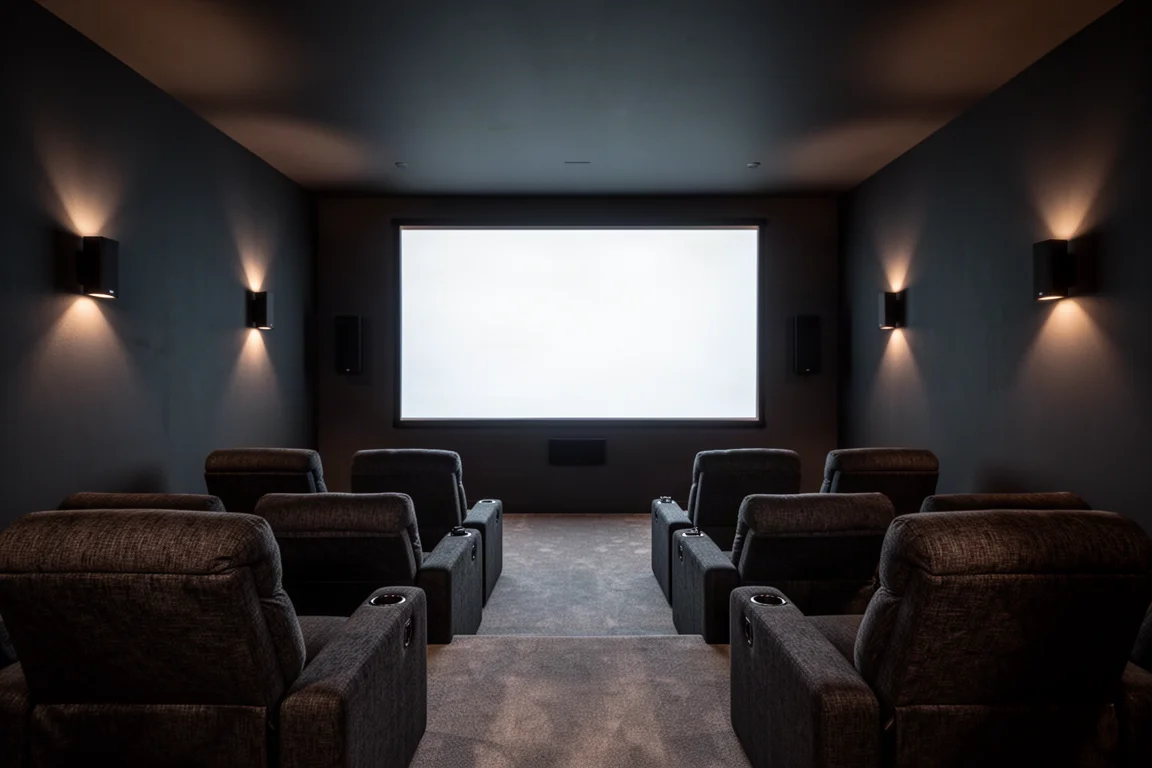
Placement deserves real thought. Given the audible cooling fans, a cabinet or a closed rack will make the receiver easier to live with than an open shelf. It is also worth confirming that your speakers sit at 4 ohms or higher with sensitivity above roughly 84 dB, and that your room follows Dolby’s recommended speaker placement closely enough to get the most from ARC Genesis. If your setup takes liberties with speaker positions, a rival with stronger spatial remapping may serve you better.
Conclusion
The Anthem MRX 740 8K is one of the most composed receivers available in its class. It controls demanding speakers without strain, handles bass with texture and nuance, and pairs genuinely strong two-channel performance with a full set of HDMI 2.1 features. Its design and included calibration hardware make it feel like a long-term investment rather than a stopgap.
The trade-offs are real: slow HDMI switching, sluggish CEC behavior, a weak on-screen display and audible fans. Fix those, and this receiver would be very hard to beat at any price. As it stands, it is an excellent choice for buyers who value sound quality and build first, and who can live with a few operational quirks. Pair it with well-placed speakers, give it a quiet home, and it will reward the decision for years.
Product link
View more details for Anthem MRX 740 8K
This product is mentioned in the review. Check the specifications, options, and compatibility before buying.
View more details for Anthem MRX 740 8KFurther reading
Related Reviews
AV Receivers
Anthem MRX 740 vs MRX 1140: Which AV Receiver Fits Your System?
A measured look at the Anthem MRX 740 and MRX 1140, covering preamp output performance, amplifier behaviour, bass management, and expansion headroom.
AV Receivers
Best AV Receivers for Home Theater: Denon, Onkyo, Marantz and Yamaha Compared
Four home theater receivers compared on features, sound character, setup and value, with clear guidance on which one fits which kind of buyer.
AV Receivers
Denon A1H Review: A 15.4-Channel Flagship Receiver With One Big Caveat
The Denon A1H delivers fifteen channels, four independent subwoofer outputs and superb surround sound once Dirac Live is added, but the licence cost is part of the real price.