AV Receivers
Yamaha RX-A6A Review: Room Correction That Finally Tames Bass
A hands-on look at the Yamaha RX-A6A, where the latest YPAO room correction reaches into the bass, nails subwoofer integration, and leaves the top end alone.
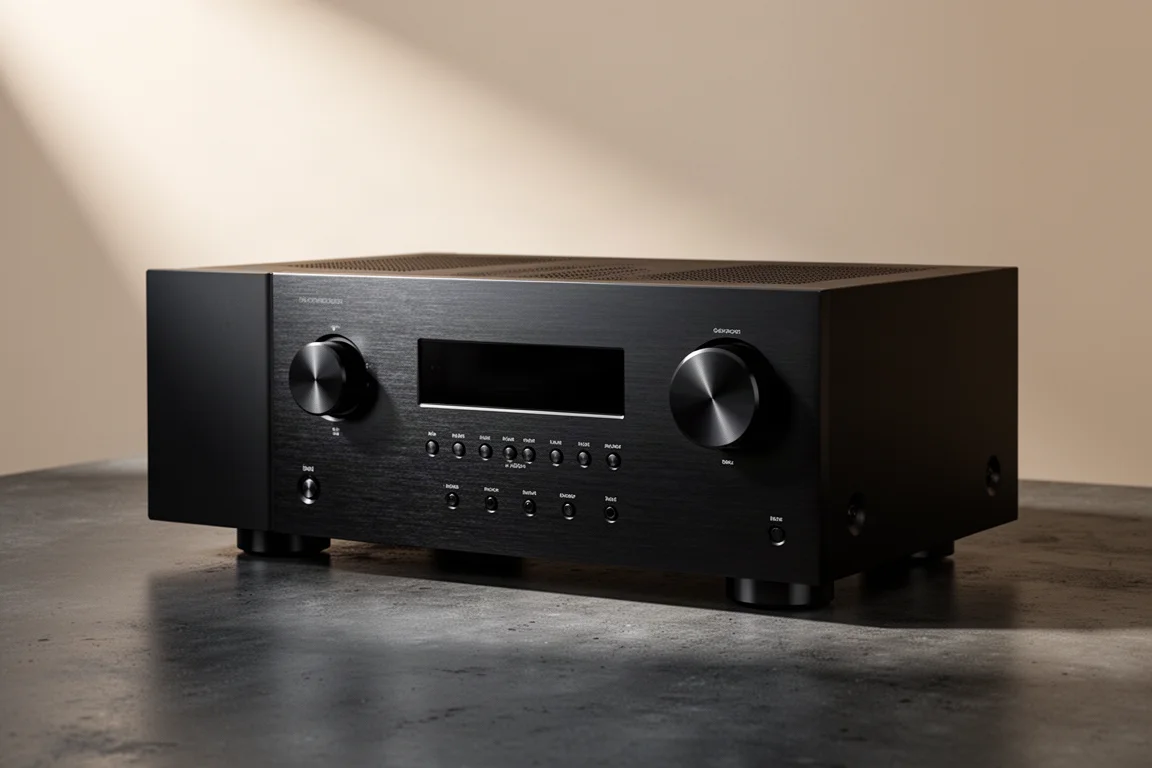
Introduction
Room correction is one of the most oversold features in home theater. Done badly, it can flatten the life out of a good pair of speakers. Done well, it removes the worst of what a room does to bass and then gets out of the way. The Yamaha RX-A6A is the first Aventage receiver in recent memory where that second outcome is the norm rather than the exception.
Yamaha’s YPAO system has historically been competent at channel levels and distances but reluctant to touch low frequencies. Earlier generations stopped correcting at 63 Hz, which left the most damaging part of the response, the room-induced bass peaks, largely untouched. The version of YPAO in the RX-A6A changes that. It now applies correction across the full bass bandwidth, and in repeated testing it did so consistently rather than by accident.
Who This Receiver Is For
The RX-A6A suits two overlapping groups. The first is home theater owners running a subwoofer who want correct bass integration without paying a calibrator or learning a measurement suite from scratch. The second is two-channel listeners who care about how a receiver sounds with music, not just how it decodes a film soundtrack.
It also appeals to anyone who has been holding off on this generation of Yamaha receivers specifically because they were unsure how the room correction would behave. That uncertainty is reasonable, and it is the main thing this receiver answers. Setup still rewards care, but the automated result is a genuinely useful starting point rather than something you immediately switch off.
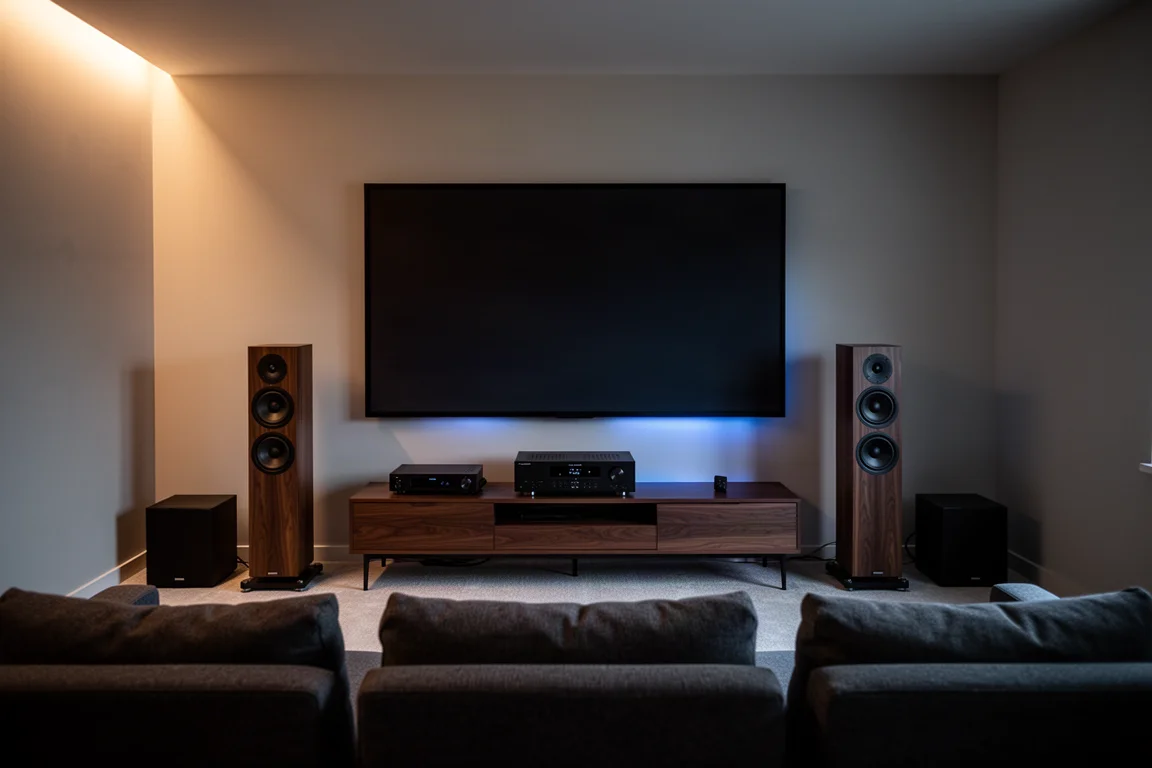
Room Correction That Finally Tackles Bass
The headline addition is Low Frequency Correction, which identifies room modes and pushes them down. In a small untreated room with the listening position a foot or two from the wall, the uncorrected response showed significant buildup in the 40 Hz region. The low frequency correction pulled those peaks down and, unexpectedly, extended the speakers slightly below 25 Hz.
Yamaha’s own on-screen display suggests a modest correction of around 1 dB, but the measured effect is larger than that picture implies, and it reproduced across multiple calibration runs. There is also a Flat setting that applies broader correction. Flat is the more aggressive of the two on bass, and it stops short of cutting the high frequencies, which is the right call. In this case YPAO limited its filters to roughly a couple hundred hertz, reaching at most into the low kilohertz range, with no correction above 16 kHz. That restraint is a strength, since high-frequency correction depends so heavily on exact microphone placement that it usually does more harm than good.
Subwoofer Integration and Distance Accuracy
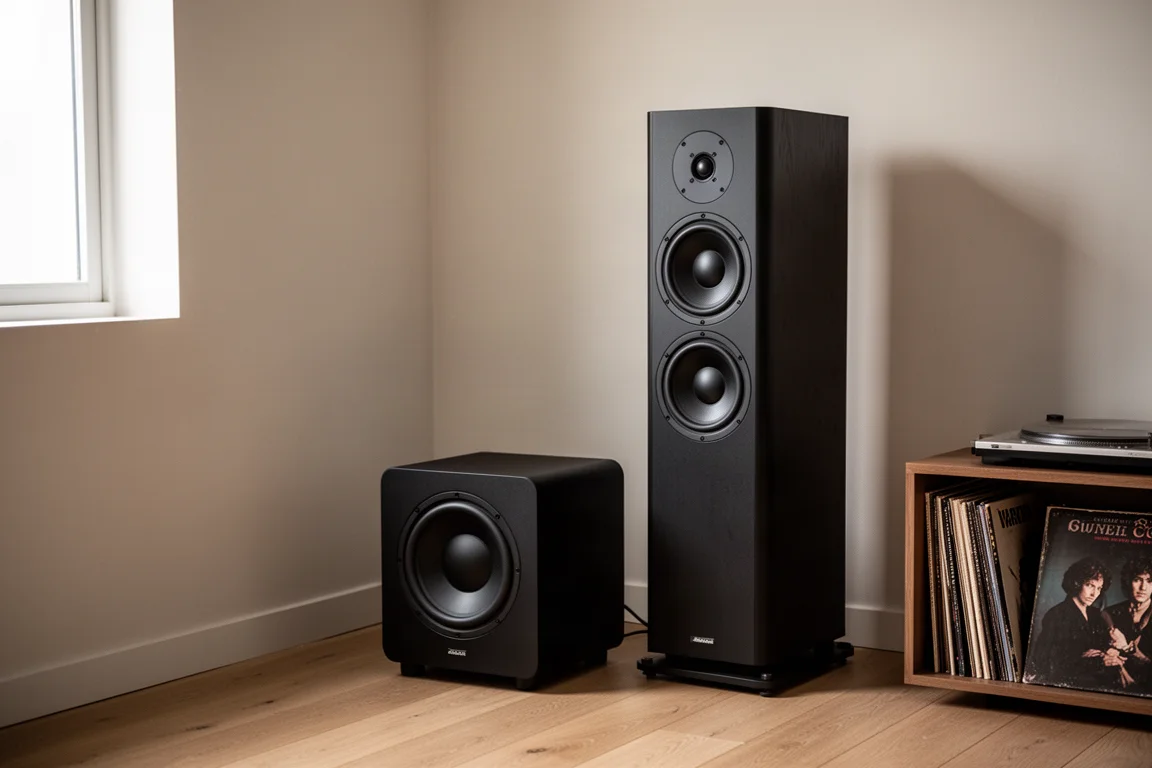
The most persuasive evidence for the revised YPAO is not the curve on a graph, it is the subwoofer distance. In testing, YPAO set the subwoofer about 17 feet away when its physical distance was closer to 14 feet. That looks wrong until you account for the group delay introduced by the DSP inside a modern subwoofer. Manually moving that distance up or down by a few feet made the blend between subwoofer and main channels measurably worse, which confirms the automated value was compensating correctly.
Channel trims were sensible as well. The subwoofer level arrived about 2 dB hotter than preferred, set at minus 3.5 dB and lowered to minus 5.5 dB to taste, which is exactly the kind of adjustment that should remain a personal preference. YPAO also identified a room mode at 46.8 Hz with a Q of 5, matching the problem frequency that showed up in the measurements. For anyone without a measurement microphone, having the receiver point at the specific problem is worth a great deal.
Amplifier Sound Quality and Listening Notes
The amplifier section deserves its own mention. It sounds weighty and controlled, drives 4 ohm loads well for an AV receiver, and held up well under bench measurement. Running the main speakers on their own with no EQ and no subwoofer, two-channel music through the RX-A6A was among the best that test speakers have sounded, which is high praise given the quality of the dedicated two-channel amplification previously used in that room.
With YPAO engaged, the Flat setting produced full, well-integrated bass but a slightly compressed quality through the midrange. High frequencies were left alone and sounded fine. Importing the Low Frequency Correction filters into the manual settings and adjusting gains by hand changed the result considerably: bass became tighter, better delineated, and the system sounded like a full-range tower pair rather than satellites with a subwoofer bolted on. Switching between the manual result and no EQ at all was a night and day difference in favour of the manual result.
Manual EQ and the Extra Bass Question
The manual parametric EQ is where the RX-A6A becomes genuinely flexible. The low frequency filters that YPAO derives can be imported into the manual setting and then tweaked, which lets you keep the receiver’s diagnosis of your room while adjusting the treatment to taste. Adding a little extra gain around 20 Hz produced more low-end extension, and small filter adjustments filled in a narrow dip that automated correction had left behind.
Extra Bass, meanwhile, is best left off when the main speakers are set to small. It does fill in output around 70 Hz and 130 Hz, which can make compact speakers sound larger, but it misaligns the coupling between mains and subwoofer below 30 Hz and costs a meaningful amount of low bass in the process. The one scenario where it earns its place is with the main speakers set to large, when you want the subwoofer contributing during two-channel music.
Things to Consider Before Buying
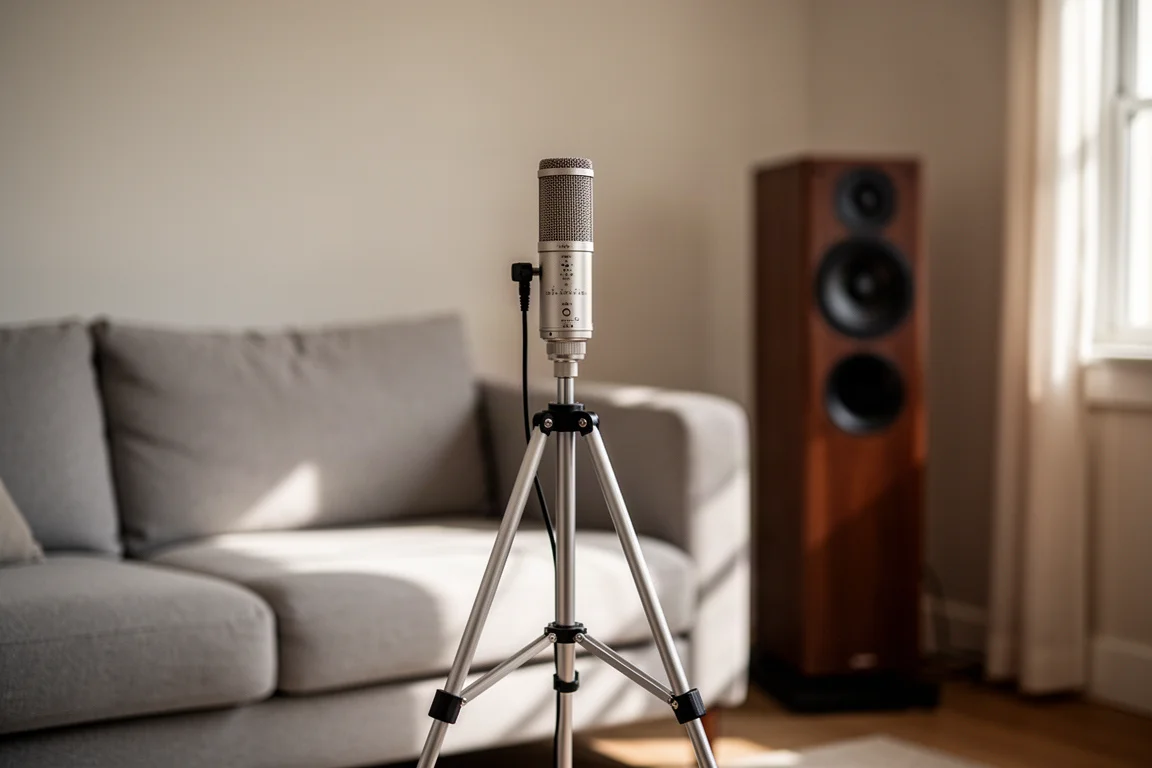
This is not a plug-and-play magic fix, and it is worth being honest about the effort involved. Microphone placement matters enormously. The microphone should sit at ear level at the main listening position with nothing blocking it, and a single measurement is not enough. Four or five measurements taken within a two to three foot radius of that seat produced consistent, repeatable results in testing.
Two other points are worth weighing. First, the Flat setting will not suit everyone, and some listeners may prefer the low frequency correction imported into the manual EQ instead. Second, the receiver benefits enormously from being paired with a measurement microphone of your own, which turns the process from guesswork into something you can verify. Nothing here is a dealbreaker, but buyers expecting the automated result to be perfect on the first attempt should adjust their expectations.
Buying Advice
The practical advice is straightforward. Place the microphone properly, run YPAO, then take several additional measurements in a small radius around the main seat. At minimum, the receiver will set correct speaker distances, correct channel levels and a properly integrated subwoofer, and that alone justifies the process. If the resulting EQ curve does not appeal, import the Low Frequency Correction into the manual settings and adjust from there rather than abandoning correction altogether.
There is also a technical bonus for high-resolution listeners: processing is maintained at a 96 kHz sampling rate with high-resolution signals, so the correction does not come at the cost of downsampling your source material.
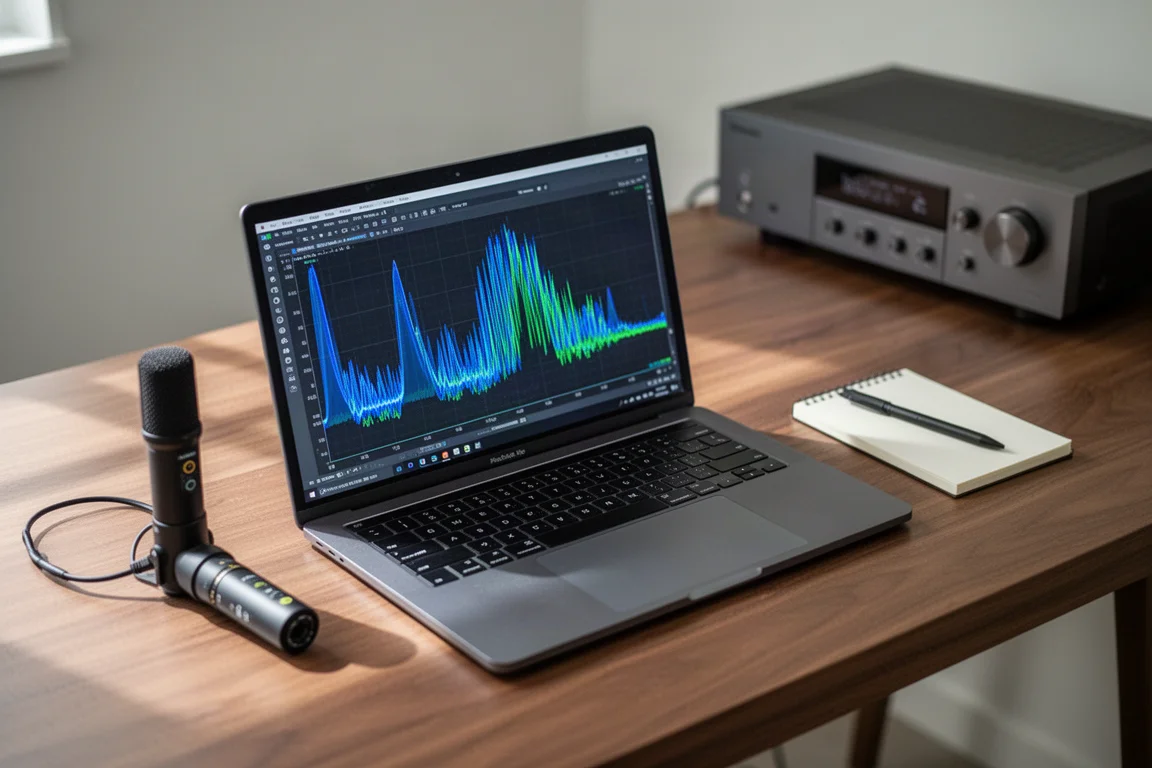
For a receiver at this level, the sensible expectation is that YPAO gets you 80 percent of the way and the manual tools let you finish the job. That is a far better position than most room correction systems offer, and it is the strongest argument for this generation of Aventage hardware.
Conclusion
The Yamaha RX-A6A is not a perfect receiver, and its room correction is not beyond improvement. What has changed is that YPAO now does meaningful work where it matters most, correcting bass across the full bandwidth, integrating the subwoofer accurately, and leaving the upper frequencies alone. Combined with an amplifier section that sounds powerful and drives demanding loads well, that makes the RX-A6A an easy recommendation for buyers who want a receiver that is as convincing with two-channel music as it is with a film soundtrack. Give the calibration process the care it deserves, and it rewards you.
Product link
View more details for Yamaha RX-A6A
This product is mentioned in the review. Check the specifications, options, and compatibility before buying.
View more details for Yamaha RX-A6AFurther reading
Related Reviews
AV Receivers
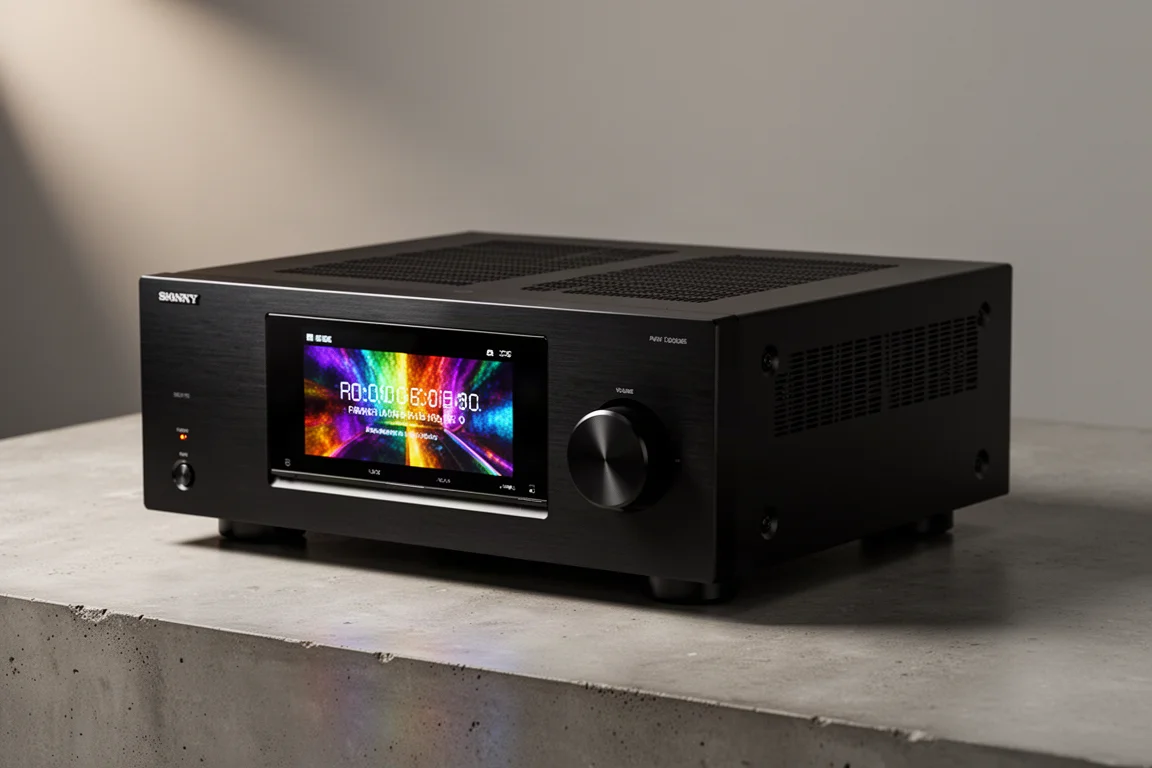
Anthem MRX 740 8K Review: Composed Home Theater Sound With a Few Rough Edges
A close look at Anthem's mid-tier MRX 740 8K receiver, covering its sound, ARC Genesis room correction, HDMI 2.1 features and the daily quirks worth knowing before you buy.
AV Receivers
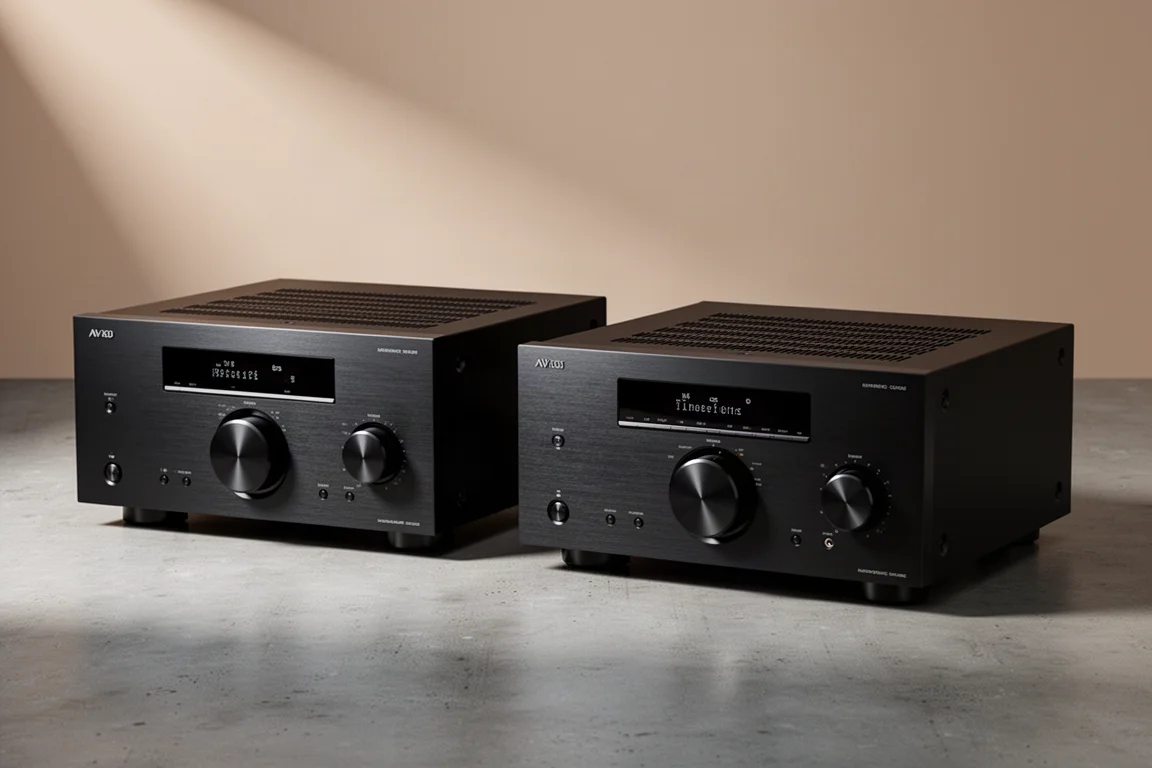
Anthem MRX 740 vs MRX 1140: Which AV Receiver Fits Your System?
A measured look at the Anthem MRX 740 and MRX 1140, covering preamp output performance, amplifier behaviour, bass management, and expansion headroom.
AV Receivers
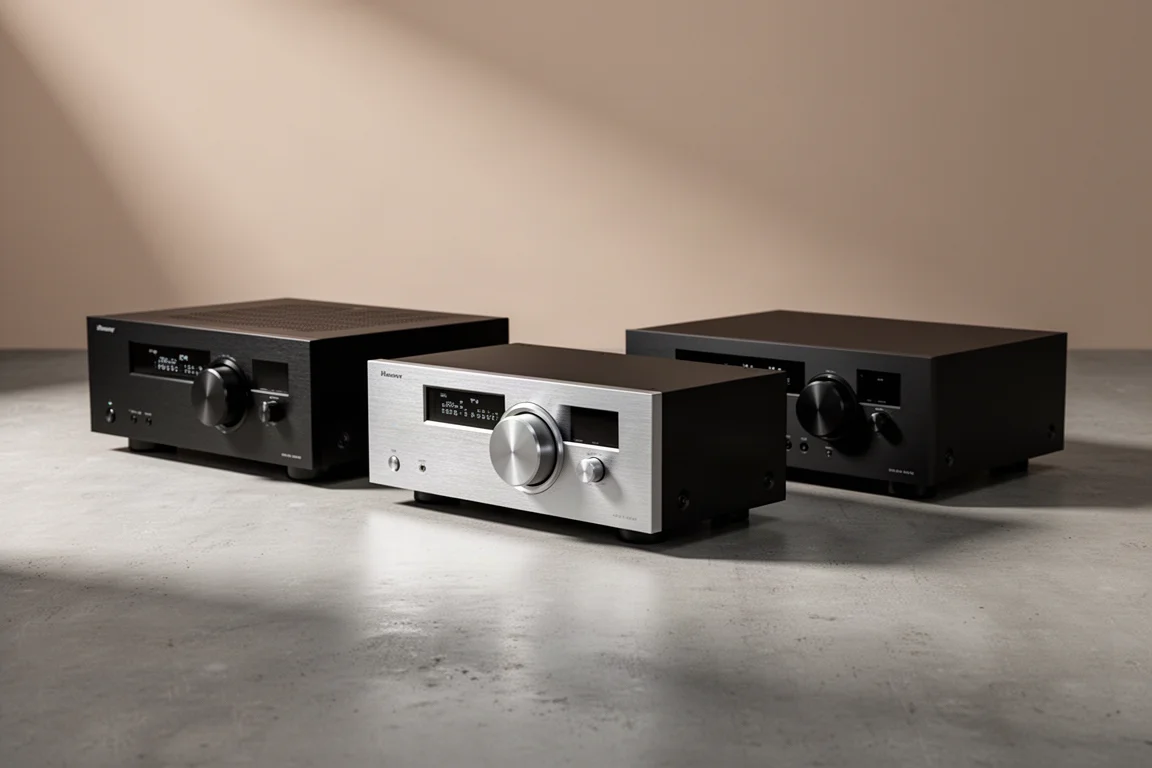
Best AV Receivers for Home Theater: Denon, Onkyo, Marantz and Yamaha Compared
Four home theater receivers compared on features, sound character, setup and value, with clear guidance on which one fits which kind of buyer.