AV Receivers
Yamaha RX-A6A Aventage Review: Power, Settings, and the Impedance Switch
A measured look at the Yamaha RX-A6A Aventage, from two-channel output that beats its rating to why the low impedance and eco settings quietly remove your headroom.
Introduction
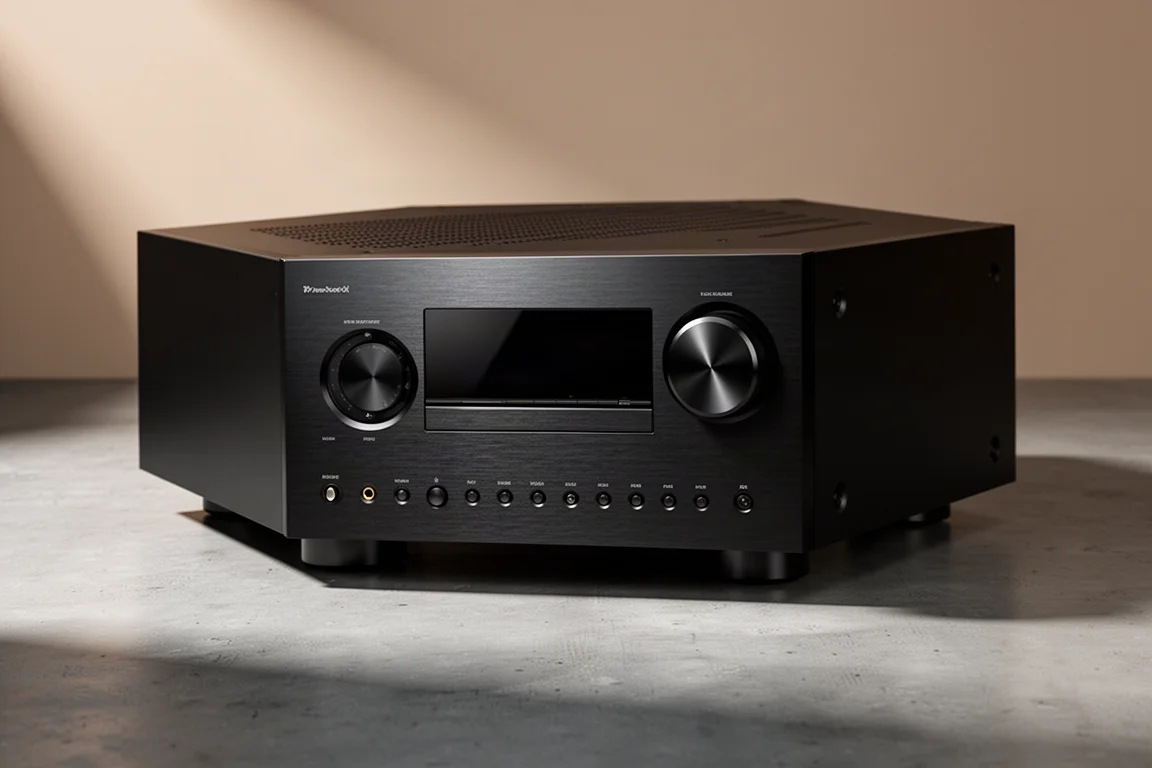
The Yamaha RX-A6A Aventage is rated at 150 watts per channel, and bench measurements show it comfortably exceeds that figure in two-channel operation. That headroom matters, because it tells you the amplifier has more in reserve than the specification sheet suggests.
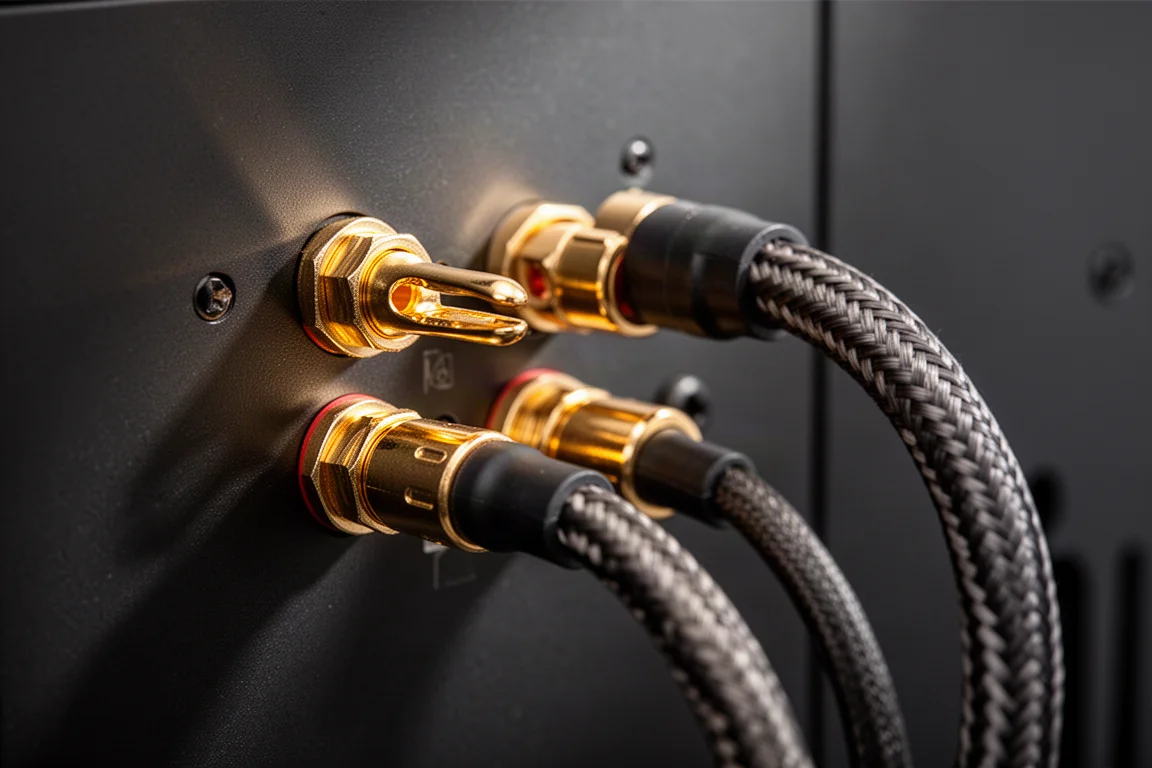
The bigger question with this receiver is the speaker impedance setting. It sits in the on-screen speaker setup menu, defaults to 8 ohms minimum, and is easy to change. It is also easy to regret. Measured results show exactly what that switch does to the power available to your speakers.
Who This Receiver Is For
This receiver suits home theater owners running multi-channel speaker systems who want a well-regulated amplifier that stays cool under sustained load. It also suits listeners who care about two-channel headroom for music, since measured output into both 8-ohm and 4-ohm loads is generous for the class.
With a price around $2,000, it sits in the upper mid-range of the AV receiver market, so the settings you choose should reflect what you paid for: clean, unclipped power.
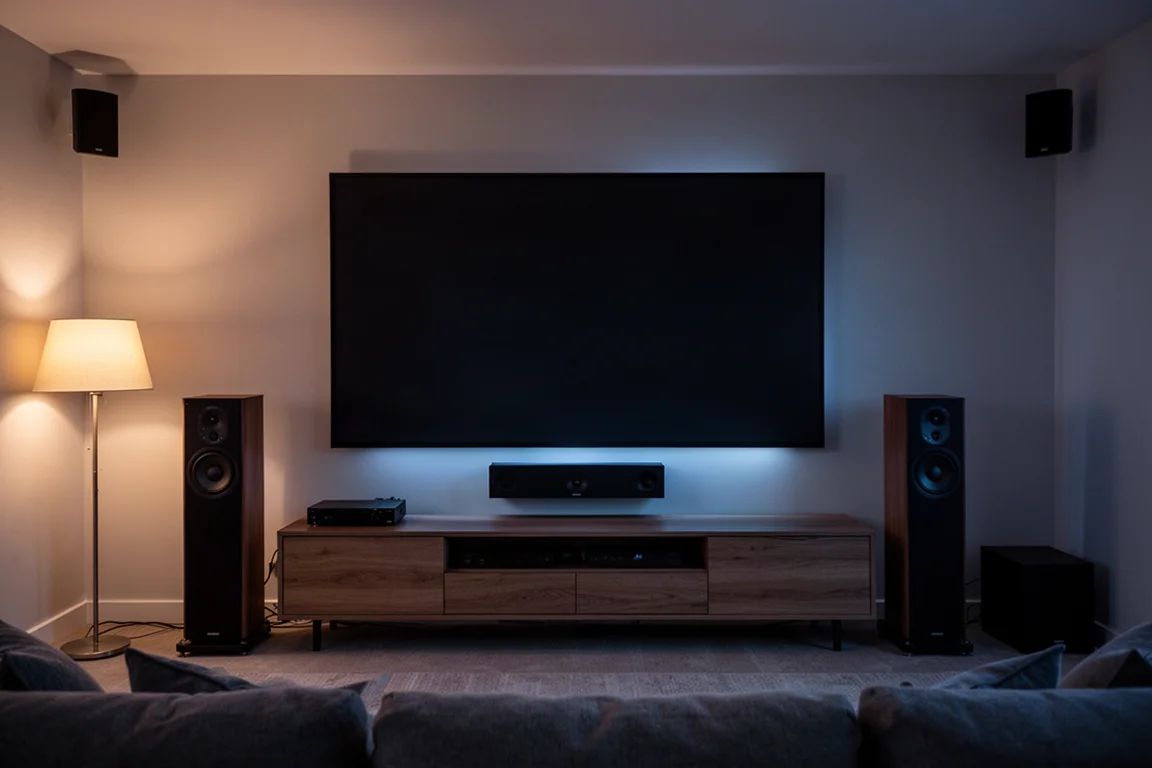
The right buyer is someone who sets the receiver up once, leaves the default impedance setting alone, and lets the built-in protection do its job rather than layering extra limits on top of it.
Main Strengths
The RX-A6A Aventage does several things well, and most of them show up on the bench rather than in the marketing copy. Rated output is conservative, cooling is effective, and the amplifier holds together under sustained testing.
Two-Channel Power That Beats the Rating
With two channels driven into 8-ohm loads, the receiver delivered 168 watts per channel at 0.1 percent total harmonic distortion and 186 watts at 1 percent. That is above the 150-watt rating, and the 0.1 percent figure matters because it represents clean output well below the clipping threshold.
Into 4-ohm loads the numbers climb further: 234 watts per channel at 0.1 percent and roughly 280 watts at 1 percent with two channels driven. For a receiver in this price band, that is a substantial amount of usable two-channel power.
Both figures are worth knowing because they set the baseline. Everything the impedance switch and eco mode do is measured against this level of performance.
Multi-Channel Behaviour and the Impedance Switch
Multi-channel performance is where the impedance setting becomes a real problem. With four channels driven into 8-ohm loads and the switch on its default high setting, the receiver produced about 140 watts per channel. Switching to the low setting dropped that to 54 watts at 1 percent distortion, or 43 watts at 0.1 percent. That is less than a third of the available power.
With seven channels driven, the default setting produced about 50 watts per channel, while the low setting fell to 24 watts. In a multi-channel home theater system, that difference is the difference between dynamic, effortless playback and an amplifier that runs out of headroom early.
Interestingly, the low setting did not reduce two-channel output into 4-ohm loads at all. The receiver clips at roughly 36 volts RMS into 8 ohms and about 30.6 volts RMS into 4 ohms, and the low setting keeps its threshold near 34 volts RMS. The penalty therefore shows up mainly when many channels demand current at the same time.
Eco Mode and Built-In Protection
Eco mode is the other setting to leave alone. With two channels driven, eco mode limited output to 58 watts. Into 4-ohm loads with two channels driven, it pulled output down from about 230 watts to somewhere around 90 to 105 watts depending on the distortion threshold used.
The receiver already includes its own protection. Beyond four channels driven, the limiter circuit caps power, and the measured power curve rises and then falls as distortion increases, which is characteristic of that limiter at work. Cooling is handled well too: at sustained full output the fan engaged after five or six minutes and kept temperatures in check.
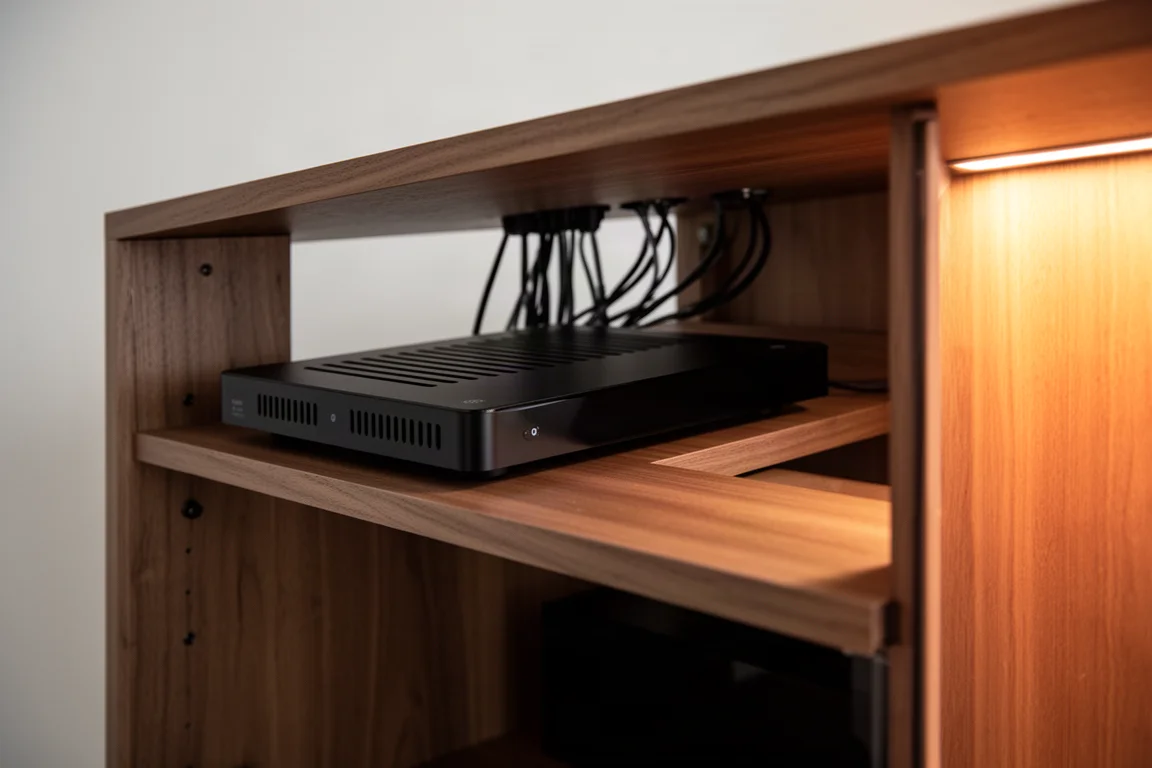
Those built-in safeguards mean you do not need to add restrictions of your own.
Things to Consider Before Buying
The main consideration is where the impedance selector lives. It now sits in the speaker configuration menu, defaulted to 8 ohms minimum, where anyone can change it. It is no longer tucked away in an advanced service menu.
That matters because the low setting measurably reduces multi-channel power, and the effect becomes severe once four or more channels are active. Eco mode compounds the problem. When power is limited, turning the volume up does not make the system louder; it pushes the amplifier toward clipping, and that distortion is audible through the speakers.
One more detail worth knowing: the limiter circuit shapes output as distortion rises, so the power curve is not a simple straight line. Expect protection to intervene in demanding multi-channel passages rather than a clean climb to the rated figure.
Buying Advice
Leave the speaker impedance setting at its 8 ohms minimum default, whatever speakers you own. The measurements show no benefit to the low setting in two-channel 4-ohm use, and a large penalty in multi-channel use. Leave eco mode off as well.
After running setup, it is worth opening the speaker configuration menu once to confirm the impedance setting has not been changed. Then let the receiver’s own protection and cooling handle the rest. At around $2,000, this is a receiver whose strengths are genuine, but only if you avoid the settings that quietly cut its power.
Conclusion
The Yamaha RX-A6A Aventage delivers more two-channel power than its rating promises, stays cool under sustained load, and protects itself without help. The catch is a set of easily accessible settings that remove much of that capability. Keep the impedance selector on 8 ohms minimum, keep eco mode off, and the receiver performs the way its measurements suggest it should.
Product link
View more details for Yamaha RX-A6A Aventage
This product is mentioned in the review. Check the specifications, options, and compatibility before buying.
View more details for Yamaha RX-A6A AventageFurther reading
Related Reviews
AV Receivers
Anthem MRX 740 8K Review: Composed Home Theater Sound With a Few Rough Edges
A close look at Anthem's mid-tier MRX 740 8K receiver, covering its sound, ARC Genesis room correction, HDMI 2.1 features and the daily quirks worth knowing before you buy.
AV Receivers
Anthem MRX 740 vs MRX 1140: Which AV Receiver Fits Your System?
A measured look at the Anthem MRX 740 and MRX 1140, covering preamp output performance, amplifier behaviour, bass management, and expansion headroom.
AV Receivers
Best AV Receivers for Home Theater: Denon, Onkyo, Marantz and Yamaha Compared
Four home theater receivers compared on features, sound character, setup and value, with clear guidance on which one fits which kind of buyer.