Bookshelf Speakers
Yamaha NS-8800A Review: A Premium Bookshelf Speaker That Rewards Careful Setup
A close look at the Yamaha NS-8800A bookshelf speaker: cabinet build, measured behaviour, placement sensitivity, and the setup choices that get the best from it.
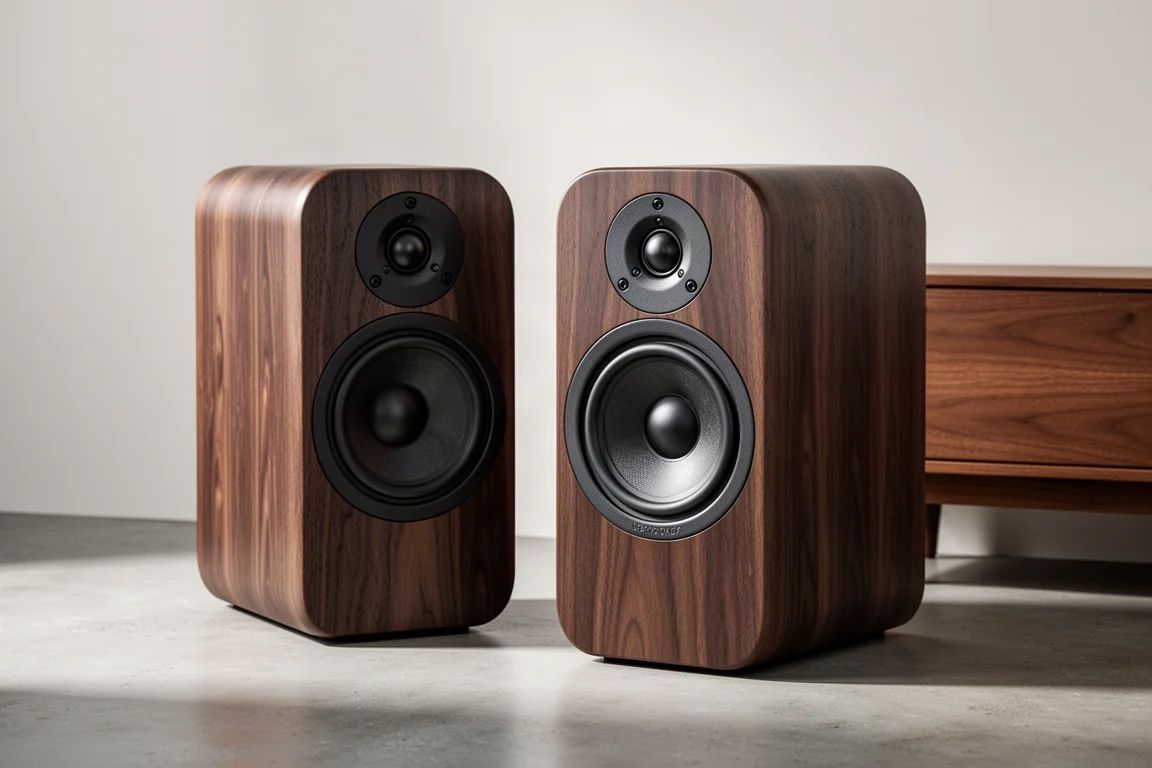
Introduction
The Yamaha NS-8800A is a compact two-way bookshelf speaker built around a bass reflex enclosure, and it sits firmly in premium territory at roughly $4,800 per pair. A 6.5-inch midwoofer covers the lower and middle frequencies, a 1.25-inch dome tweeter handles the top end, and the crossover is specified at 2.6 kHz. Yamaha rates nominal input power at 40 watts, maximum power at 120 watts, and sensitivity at 86.5 dB.
The first thing that registers is the cabinet. This speaker has real weight to it, and that weight usually comes from the parts that matter: the drive units, the magnets and the crossover assembly. Picking it up tells you a fair amount about how it will behave once it is playing, and the NS-8800A shows no internal resonance issues at all. The impedance curve backs that up, with a minimum of about 4.3 ohms and no resonant peaks appearing anywhere across the range.
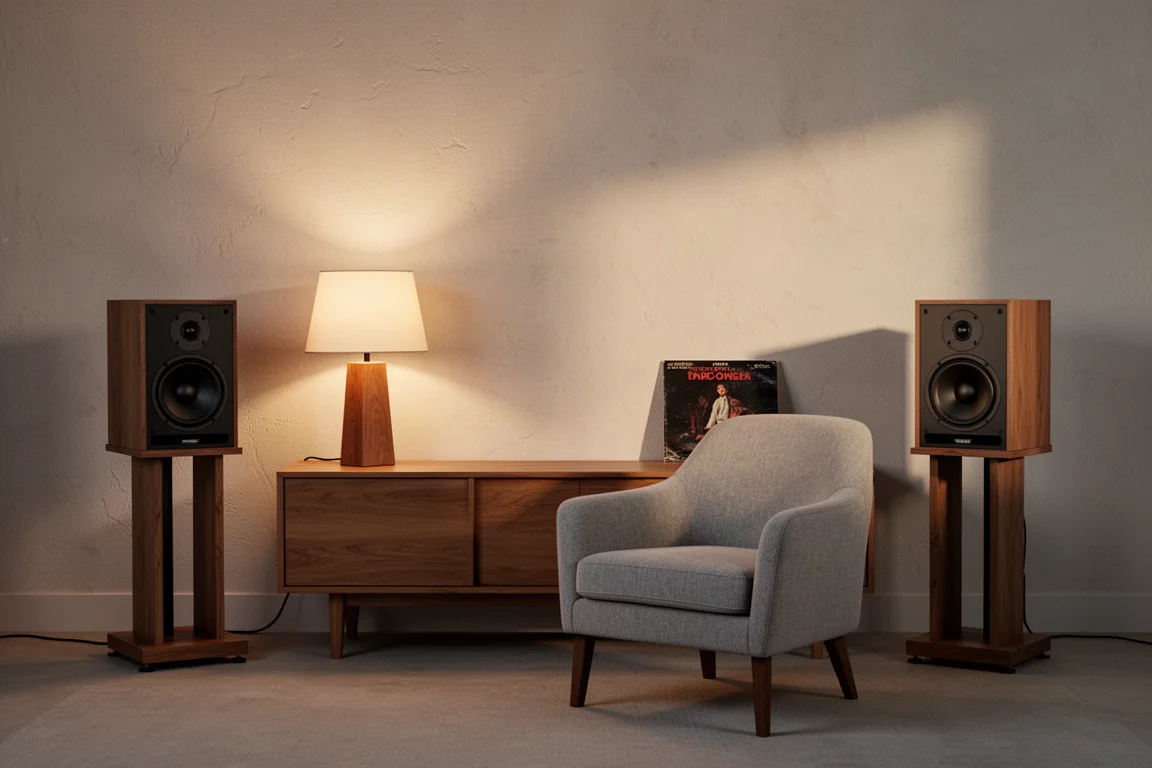
A rigid, well-damped cabinet and a clean impedance profile matter because they remove the kind of coloration that no amplifier can correct. What is left is a speaker whose character is shaped mainly by its frequency response and by how it is positioned in a room, and both of those are worth understanding before you commit.
Who this product is for
This is a speaker for listeners who want a stand-mount design that feels substantial and is willing to spend a little time on setup. Its directivity is genuinely good, meaning the direct sound shares a similar tonal profile with the sound reflected off the walls, which is precisely what makes a speaker respond well to equalization. If you like the idea of a speaker you can tune to suit a room rather than one that forces the room to adapt around it, that flexibility is the main draw.
It is a less obvious fit for anyone who wants a forward, energetic midrange straight out of the box, or who expects deep bass from a stand-mount without adding a subwoofer. It also rewards owners who can place it near a wall rather than far out into the room.
Main strengths
Build quality is the standout. The enclosure is heavy, rigid and free of the internal resonances that blur detail, and the burst decay behaviour is clean as a result. That solidity carries through to the listening experience in the form of a quiet, stable foundation rather than any added coloration.
The second strength is controlled directivity. Horizontal radiation extends to roughly plus or minus 75 degrees, and the tweeter’s radiation is broader through its lower range than the midwoofer’s, which means the reflected energy arriving from the sidewalls stays reasonably consistent with what you hear directly. That is what allows equalization to work so effectively on this speaker.
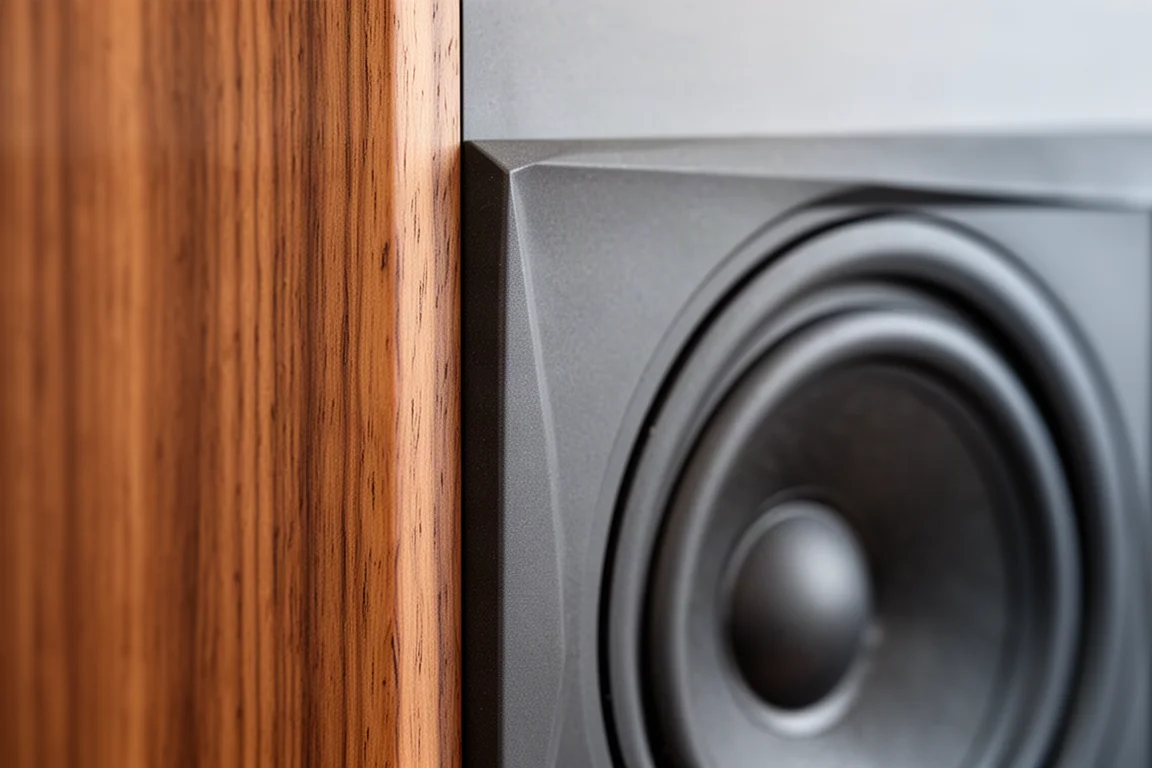
Distortion performance is also solid. At 86 dB and again at 96 dB measured at one meter, distortion stays below roughly 3 percent, and adding a subwoofer lowers it further in the midrange. Dynamic range holds up well for most listening levels, only becoming less tidy around 102 dB. Vertically, the usable window extends about 30 degrees above the tweeter and about 5 degrees below it, so keeping your ears near tweeter height is worthwhile.
Things to consider before buying
On-axis, the response stays broadly linear, sitting within about plus or minus 2 dB for the majority of the range. Above roughly 10 kHz, though, the tweeter lifts by up to around 8 dB. That lift is what makes cymbals and hi-hats stand out sharply, and it is the most audible departure from neutrality in the design.
There is also a wide scoop running through the upper midrange and lower treble, broadly between about 2 kHz and 10 kHz. The effect is a slightly soft, laidback presentation that can lack bite on instruments that depend on that region, while male vocals can come across as a touch chesty by comparison. The fix is straightforward for anyone with parametric EQ available: a gentle boost of about 2 dB centred near 4.5 kHz with a Q of roughly 0.5 flattens that region and brings the speaker noticeably to life. Trimming the top end at the same time resolves the treble lift.
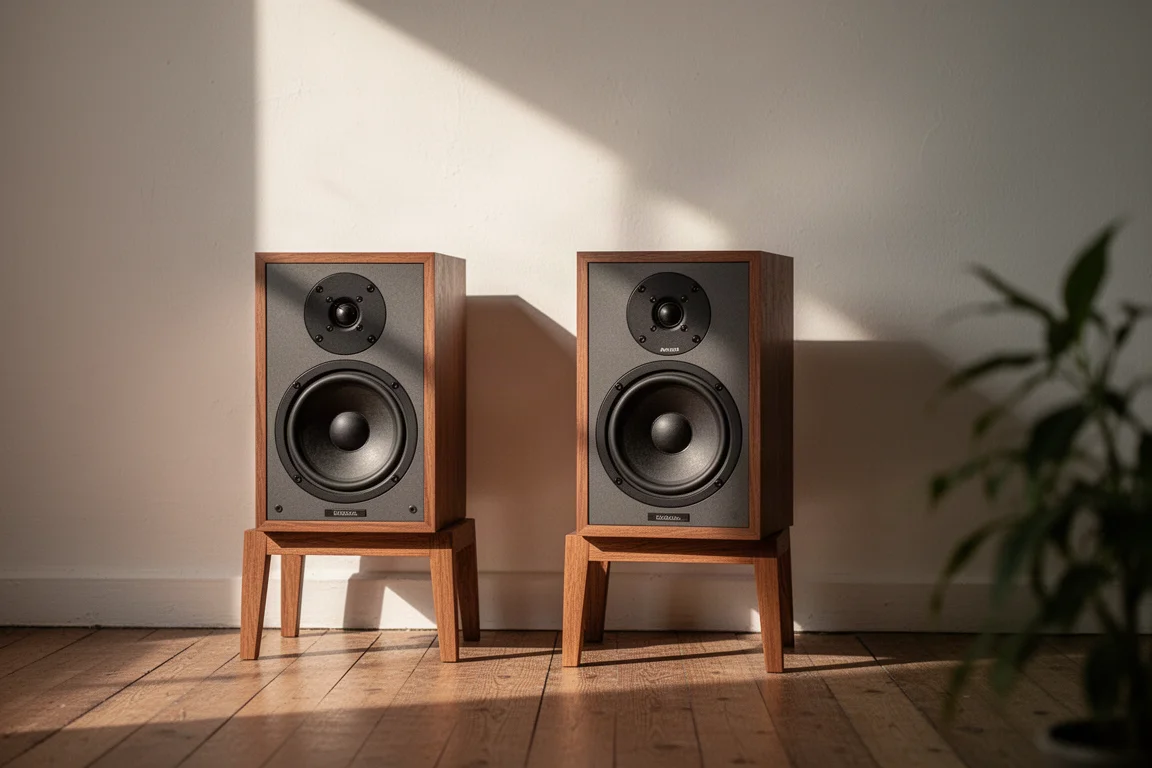
Bass behaviour is the other thing to plan around. The rolloff starts earlier than some designs, with F3 at 68 Hz and F10 at 35 Hz, though the rolloff rate itself is shallow. That profile is a strong hint about intended placement: moving the speaker to roughly one foot, or about a third of a metre, from the wall behind it produced noticeably more low-end presence without any boominess. Angling the speakers about 30 degrees off axis also takes the highs down by 1 to 2 dB, which helps, though it does not replace equalization. If you prefer pulling the speakers well out into the room for a deeper sense of stage depth, budget for a subwoofer, because the bass will not hold up on its own.
Buying advice
The NS-8800A is easiest to live with when you treat placement as part of the purchase. Start with the speakers closer to the wall than you might expect, then move them out in small steps until the bass balances against the room. Aim the tweeters slightly off axis rather than directly at the listening position, and keep your ears at tweeter height, since the vertical window is fairly narrow.
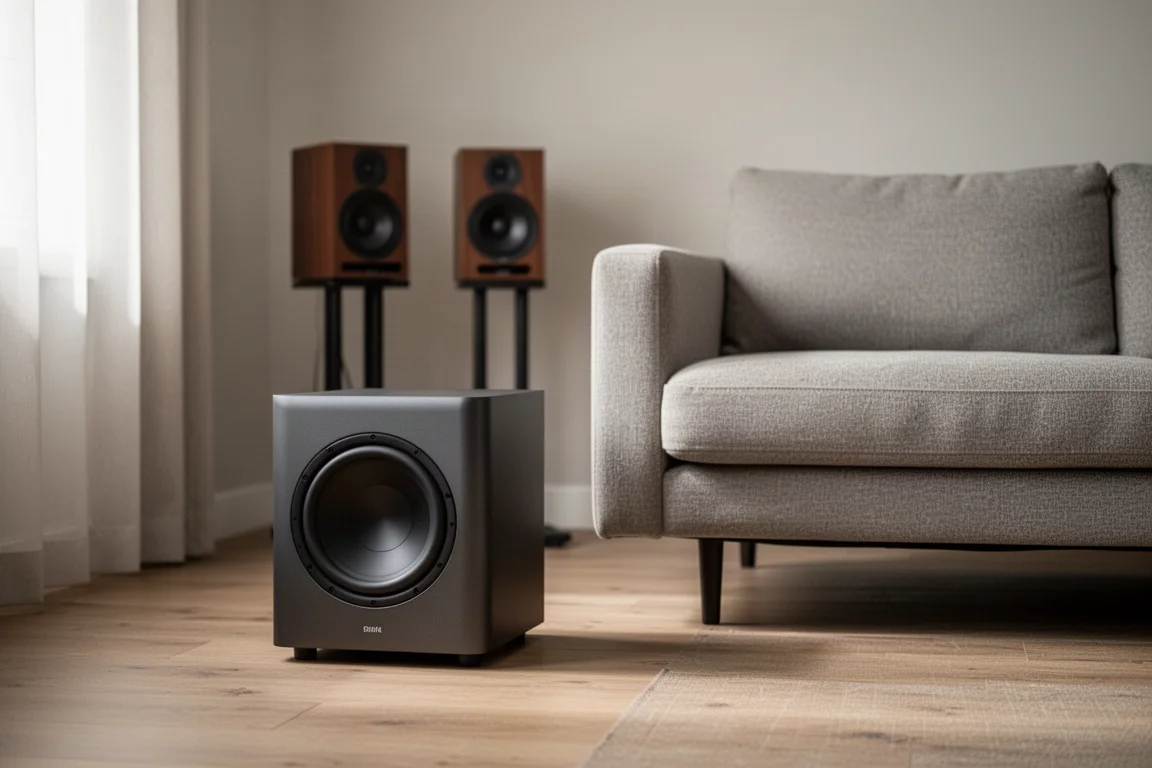
A subwoofer is a genuinely useful addition rather than a luxury here. It restores the low end if you want the speakers out in the room, and it lowers midrange distortion while widening usable dynamic range, so the speaker sounds clearer as well as fuller. Given the 4.3 ohm minimum impedance and the 40 watt nominal rating, a competent amplifier with reasonable current delivery is a sensible match. If your setup allows parametric EQ, that is the single highest-value tool for this speaker, and it is what turns a slightly uneven response into something that holds together across a wide range of material.
Conclusion
The Yamaha NS-8800A gets the fundamentals right. It is exceptionally well built, free of cabinet resonance, and engineered with directivity good enough that equalization works beautifully on it. Its on-axis response is linear across most of the range, and distortion stays low at realistic listening levels.
The trade-offs are clear and manageable. The treble lift above 10 kHz and the scoop through the upper midrange and lower treble mean it will not suit everyone straight out of the box, and the shallow bass rolloff asks for close-to-wall placement or a subwoofer. Buyers who are willing to spend an afternoon on positioning, and who have EQ available, will find a substantial premium bookshelf speaker that responds well to that effort.
Product link
View more details for Yamaha NS-8800A
This product is mentioned in the review. Check the specifications, options, and compatibility before buying.
View more details for Yamaha NS-8800AFurther reading
Related Reviews
Bookshelf Speakers
Acoustic Energy A100 Mark II Review: A Compact Standmount With an Expansive Soundstage
The Acoustic Energy A100 Mark II brings clarity, natural tonality and a wide soundstage to an entry-level standmount, with a few setup details worth knowing first.
Bookshelf Speakers
Acoustic Energy AE-100 Mark II Review: Compact Bookshelf Speakers With Standout Imaging
A compact British two-way bookshelf speaker with deep, layered imaging, fast bass, and a slight treble lift to weigh against a crowded $500 field.
Bookshelf Speakers
Acoustic Energy AE100 MK2 Review: Measured Performance and Four Alternatives
A close look at the Acoustic Energy AE100 MK2 bookshelf speaker, what its measured performance reveals, and four alternatives with different trade-offs.