Hi-Fi Speakers
Yamaha NS-800A vs NS-2000A: Two-Way Bookshelf or Three-Way Tower?
A practical comparison of the Yamaha NS-800A bookshelf and NS-2000A tower, covering two-way versus three-way design, measured behaviour, and which one suits your room.
Introduction
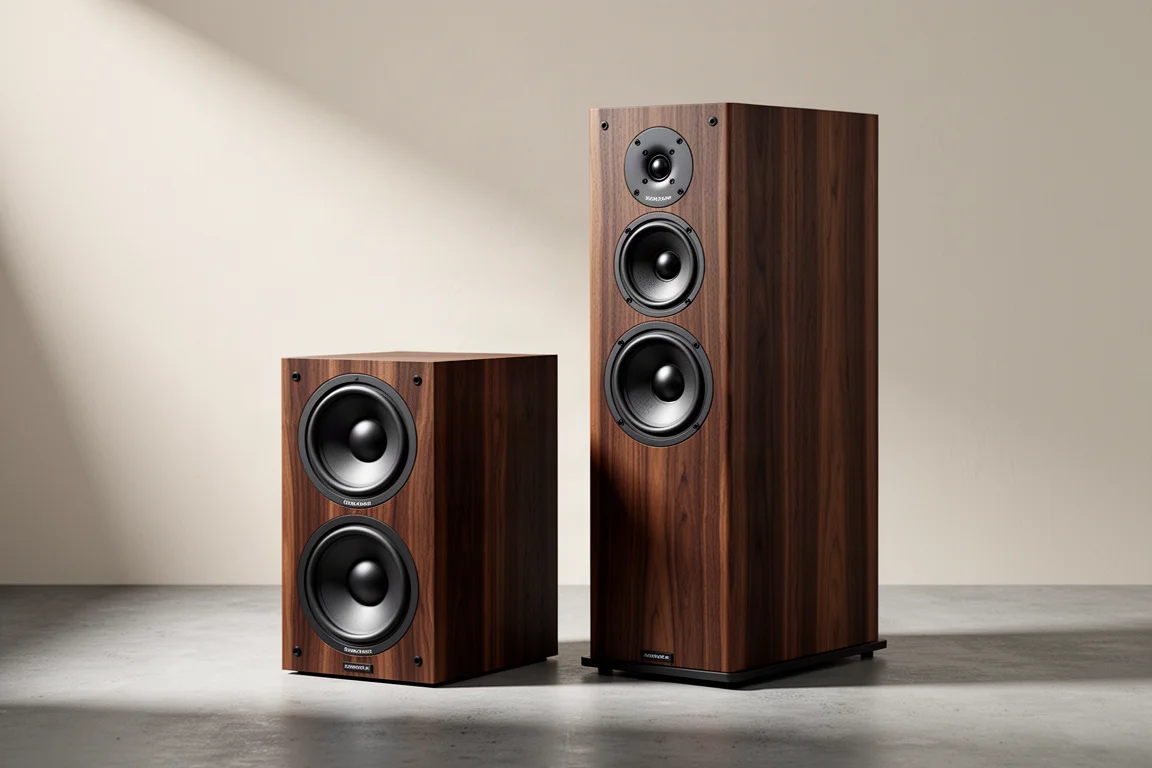
The Yamaha NS series includes two speakers that invite a direct comparison. The NS-800A is a two-way bookshelf model, and the NS-2000A is a three-way floorstanding tower. Both use the same tweeter and the same bass drivers, so the differences between them come down to cabinet size, driver count, and crossover strategy rather than a completely different design philosophy.
Comparing a bookshelf speaker with a tower is never a perfectly even contest, but it is a useful one. It shows what you gain when a manufacturer adds a dedicated midrange driver and a larger enclosure, and what you give up when you keep a design compact and simple.
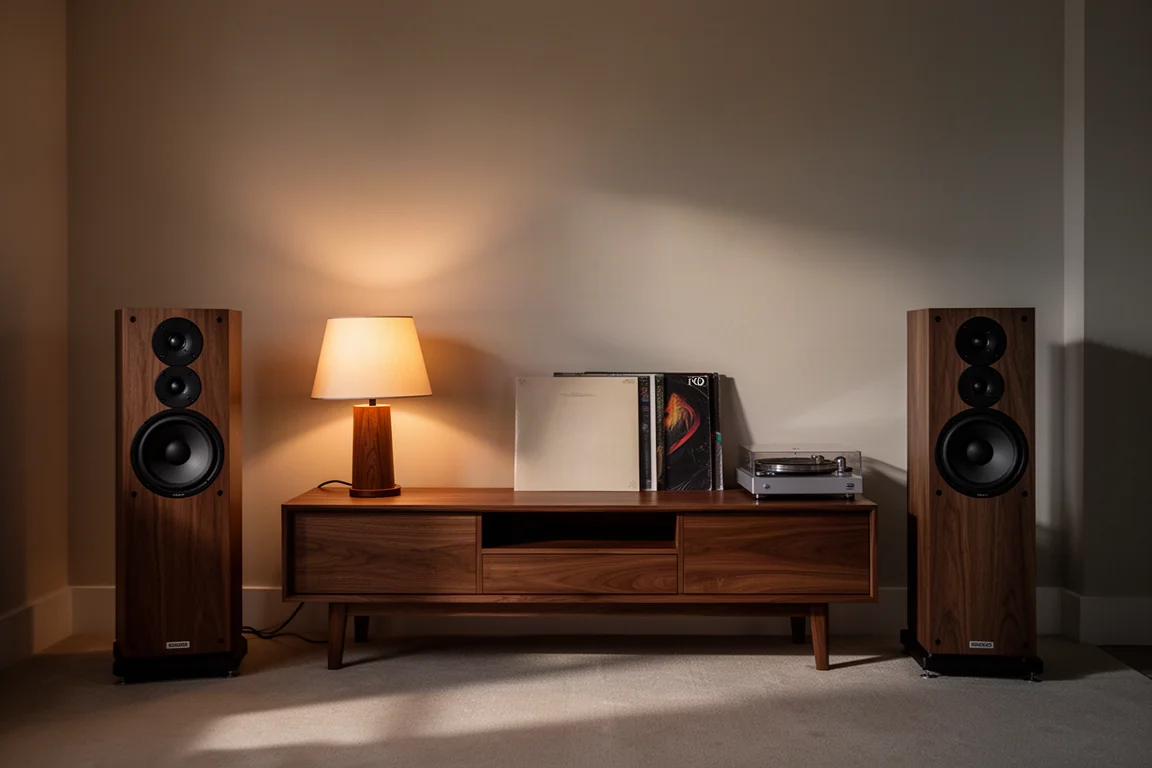
The comparison also opens a broader question that comes up often among listeners: does a three-way speaker automatically beat a two-way speaker? The short answer is that it depends on the performance goals. The longer answer is more interesting, and these two models illustrate the trade-offs clearly.
How Two-Way and Three-Way Designs Differ
The number of ways in a speaker describes how many times the frequency band is divided, and how many sets of drivers handle those divisions. A two-way design splits the spectrum in two: a woofer covers the lower frequencies and a tweeter covers the higher ones. A three-way design adds a dedicated midrange driver, so the tweeter handles only the top end, the midrange driver handles the middle, and the woofer is left to handle bass.
A two-way design does not always mean only two drivers. An MTM layout, for example, uses two mid-bass drivers with a tweeter between them. The defining factor is the number of crossover divisions, not a simple driver count.
Three-way designs carry several theoretical advantages. Because each driver works over a narrower bandwidth, it can be optimised for that range instead of compromising across a wider one. A tweeter that only has to reproduce high frequencies can usually do so more cleanly than one that also has to reach down into the midrange. Distortion tends to be lower as well, since deep frequencies and large excursions are what stress a driver, and a driver that is not asked to reproduce them can handle more power and play louder with less strain. Adding drivers also tends to raise sensitivity. Narrower bandwidths reduce intermodulation distortion, because fewer signals within the same channel can interfere with one another. Directivity matching between drivers is often easier to achieve in a three-way design too.
The trade-offs sit mostly in the crossover. Filters introduce phase and time domain errors, and the more filters a design uses, the more opportunities there are for something to drift slightly. How audible those time domain effects are is a matter of debate, and a well-executed crossover can keep them well under control. Two-way designs also tend to be smaller, lighter, and less expensive.
Yamaha NS-800A: The Balanced Bookshelf
The NS-800A pairs a 1 1/4 inch dome tweeter with a 6.5 inch woofer and crosses them over at 2.6 kHz. Measured on axis, the response is flat and linear across most of the range, with a spike at the very top of the treble that sits high enough in frequency to be effectively inaudible, and where there is very little musical content anyway.
Off axis, the picture is slightly less tidy. A one inch dome tweeter and a 6.5 inch woofer cannot achieve perfect directivity matching without a waveguide or horn, and those solutions bring compromises of their own. The result is a response that dips a little off axis. It is far from a problem, but it is a useful illustration of where a two-way bookshelf design has to work harder.
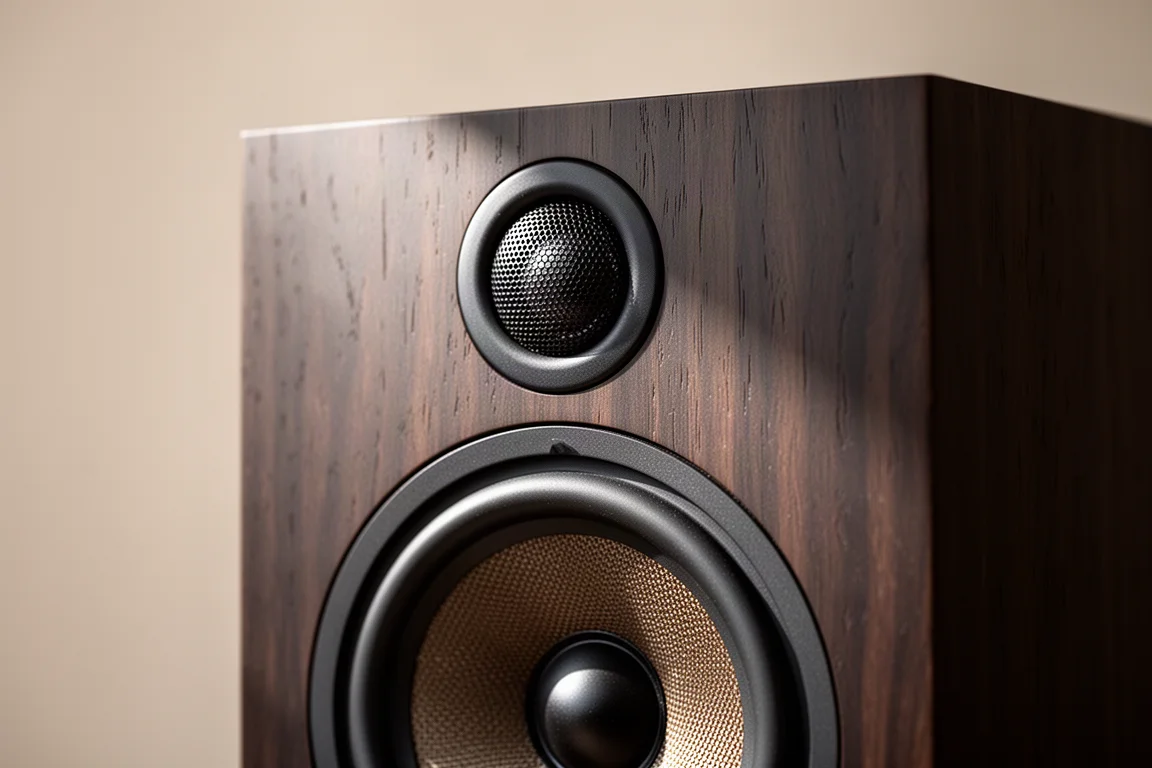
In listening, the NS-800A comes across as balanced and neutral, with a slightly polite character. It works particularly well with material that is already aggressive in the treble, such as rock and electronic music, where it takes a little of the edge off without dulling the presentation. Bass output on its own is respectable for a speaker of this size.
Yamaha NS-2000A: The Lively Tower
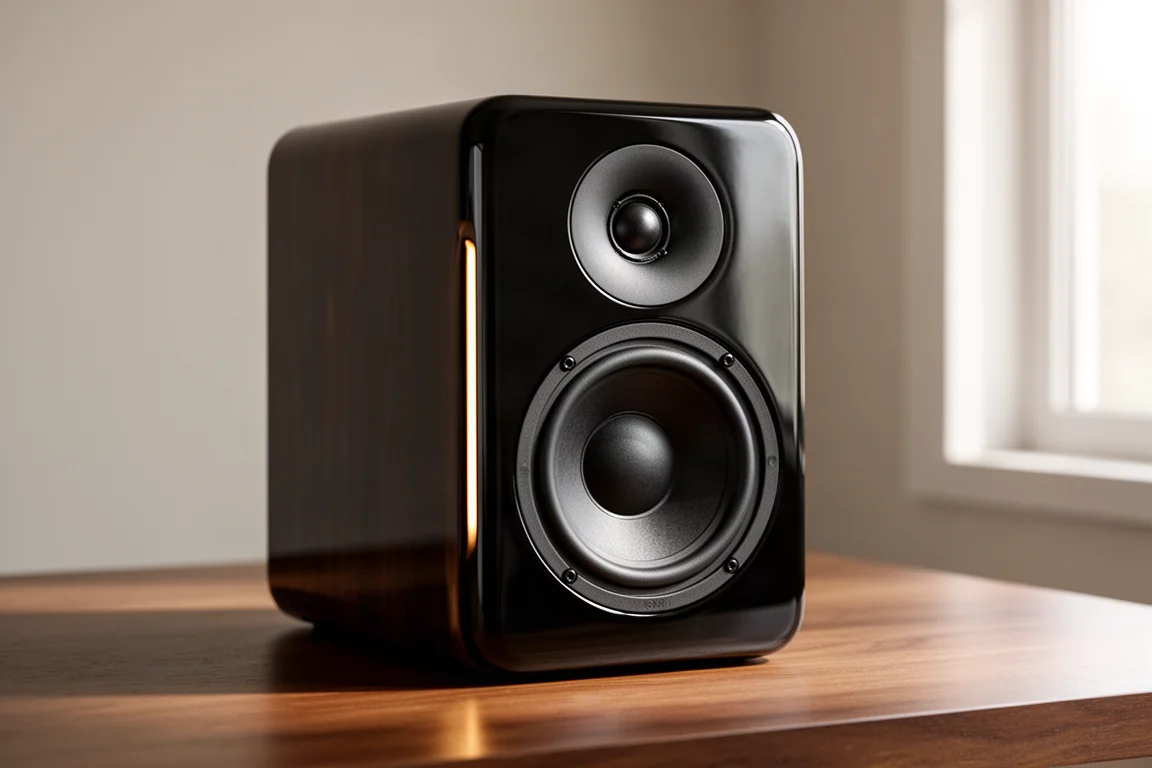
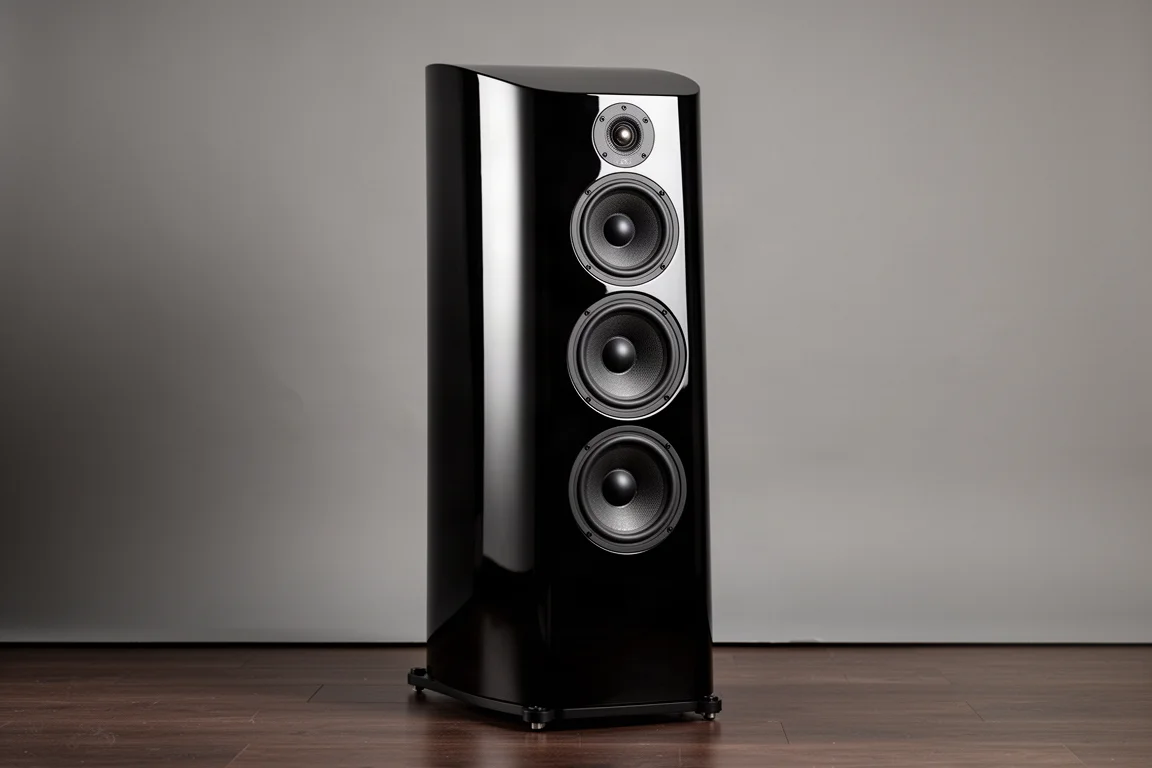
The NS-2000A uses the same tweeter and bass drivers as the bookshelf model but adds a 3.25 inch dome midrange, making it a genuine three-way design. Its crossover points sit at 750 Hz and 3.5 kHz. Those are high crossover frequencies for a three-way speaker, and that matters: the tweeter is relieved of almost all midrange duty, which points to a wider dynamic range and the ability to play louder without strain.
Measured response on axis shows a slightly recessed midrange relative to the bass and treble, giving the speaker a gently scooped character. Off axis, however, the individual responses track each other much more closely than they do on the bookshelf model, which indicates good directivity matching between the drivers. The overall tonal shape stays consistent as you move around the room.
Listening confirms the measurements. The NS-2000A sounds livelier, with more elevated bass and more prominent treble. Female vocals, high woodwinds such as flute and piccolo, and cymbals come across with more detail, and kick drums and electronic bass lines hit with more punch. It is the more exciting of the two speakers, while the NS-800A is the more even-tempered one.
Setup, Placement, and Bass Options
Placement makes an audible difference with both of these speakers, and each responds to a slightly different approach.
The NS-800A benefits from experimentation with toe-in. Because its response is flat on axis, angling the speakers toward the listening position is a reasonable starting point, and small adjustments are worth the effort in most rooms.
The NS-2000A is the easier of the two to place in one respect: it can usually be aimed straight ahead. Its tweeter energy drops off more quickly off axis, so facing the speakers forward tames the top end slightly and produces a more balanced result. The tight correlation between its on-axis and off-axis responses means the tonal balance holds up reasonably well even when the listening position is not perfectly centred.
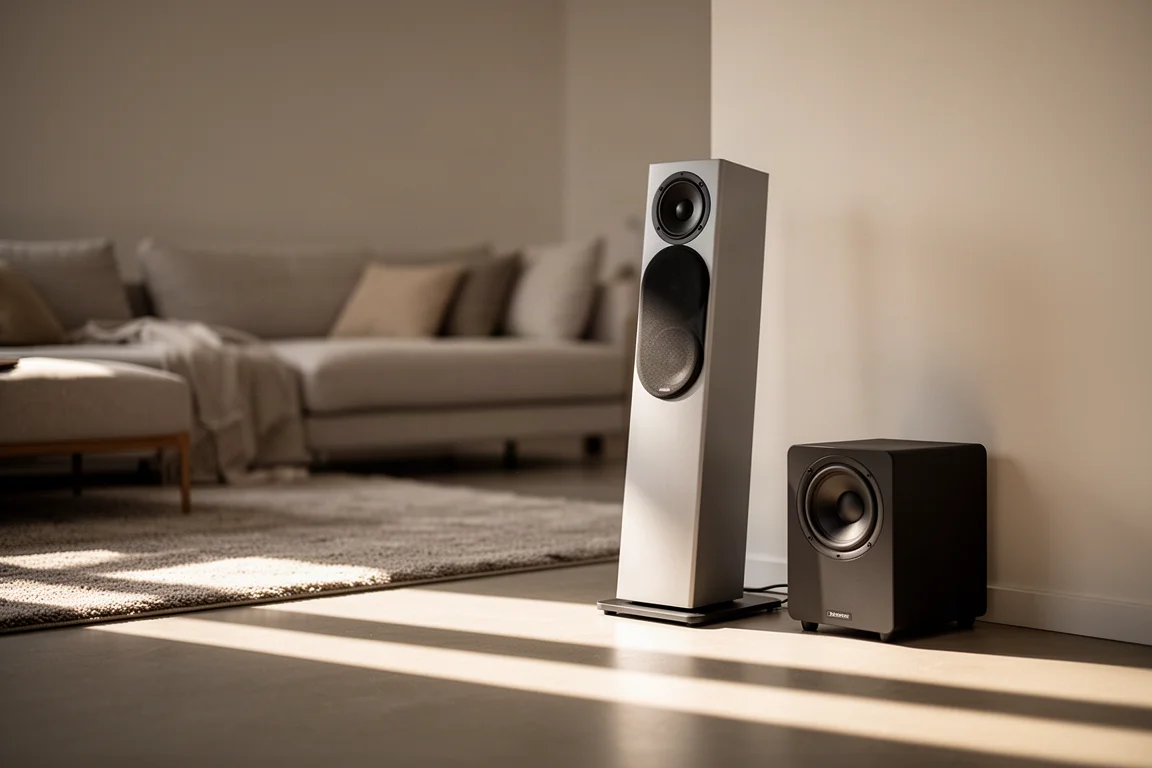
For listeners who want more low-frequency output than a bookshelf speaker can provide, adding powered subwoofers is a practical route. A pair of subwoofers placed toward the front of the room, in the corners or wherever room acoustics favour them, can produce bass that equals or exceeds what the tower delivers on its own. That approach also lets you position the bass sources independently of the main speakers, which is often the deciding factor in a smaller room.
Matching a Speaker to Your Room and Listening Habits
Driver count is a poor shopping criterion on its own. A well-designed two-way can outperform a mediocre three-way, and there are excellent examples of both approaches. The more useful questions are about the room and the listening habits.
Consider how much output you need and how large a speaker the space can accommodate. Consider whether you want an accurate, neutral response or a presentation that leans toward excitement. Consider how the speaker looks, since both of these models are attractively finished and will sit in a living space rather than a dedicated studio.
Then consider bass expectations. If you are hoping for theatrical output levels in the low end, a bookshelf speaker will not deliver it, and a tower may only get partway there. The NS-2000A has the advantage here, with more drivers, a larger cabinet, higher sensitivity, and deeper bass, along with more headroom for dynamic material. It is the more plausible choice for a home theatre role. The NS-800A is better suited to a smaller system, though it holds up well for dynamic range given its size.
Overall Buying Advice
A three-way design can be more capable when the performance goals are ambitious. When the goals are more modest, a three-way layout may offer no real advantage at all, which is why the honest answer to which approach is better is that it depends on what you are trying to achieve.
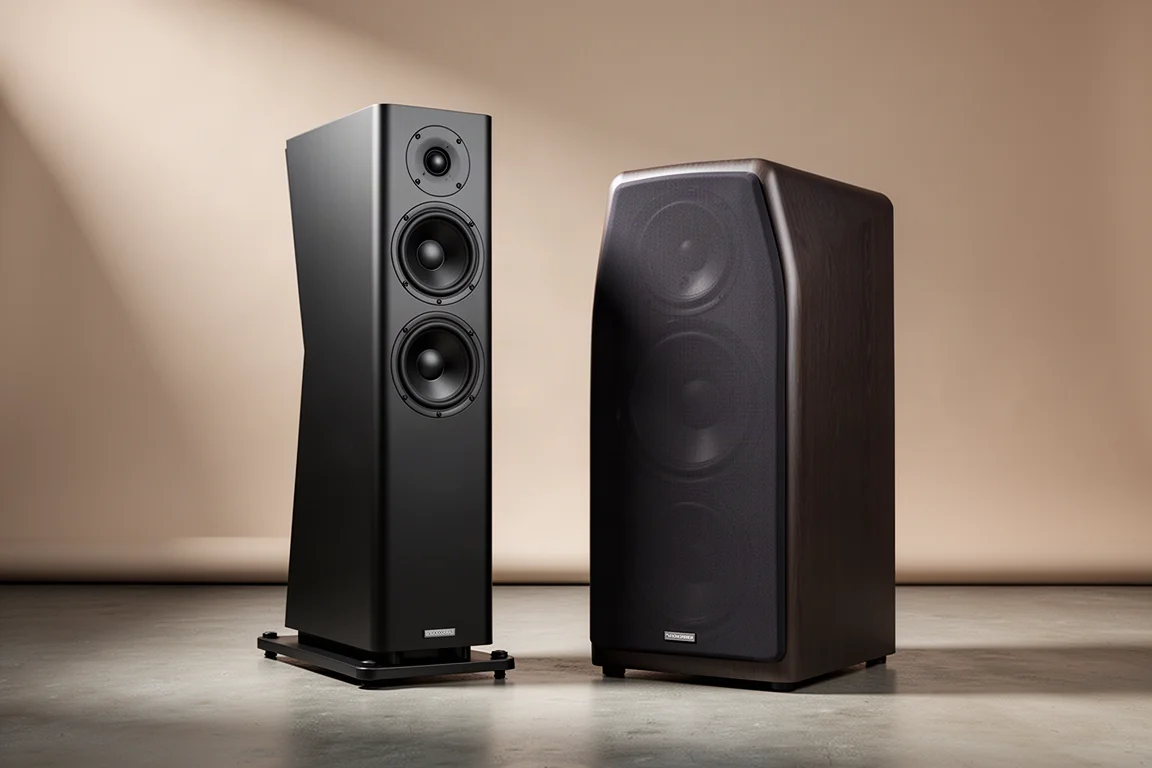
The practical differences between these two speakers are easier to describe than to rank. The NS-800A is compact, easier to move, and easier to integrate into a smaller room, and it can be paired with subwoofers later if you want deeper bass. The NS-2000A offers more sensitivity, deeper bass, greater headroom, and a more energetic presentation out of the box, in exchange for a larger footprint.
Neither speaker is a compromise in build or finish. The decision comes down to the room, the output you need, and the character you prefer: neutral and composed, or lively and forward.
Conclusion
The Yamaha NS-800A and NS-2000A share drivers but not personalities. The bookshelf model is the balanced, understated option that flatters aggressive recordings and fits neatly into smaller spaces. The tower model is the more dynamic performer, with deeper bass, more detail in the upper range, and better consistency off axis.
Both are strong examples of their respective topologies, and neither design approach is inherently superior. Match the speaker to the room and to the way you listen, and either one can be a satisfying long-term choice.
Further reading
Related Reviews
Hi-Fi Speakers
1723 THX Tower vs 1528 Bookshelf: Which Speaker Fits Your Room?
Two speakers at roughly the same price, built very differently. How the 1723 THX tower and the 1528 bookshelf compare on construction, bass, power needs, and sound.
Hi-Fi Speakers
Acoustic Energy AE 300 Review: Deep Bass From a Compact Standmount
A two-way standmount with real wood veneer, surprising low-end weight, and a warm, easygoing character. Here is what to know before buying.
Hi-Fi Speakers
Acoustic Energy AE1 40th Anniversary Review: A Modern Take on a British Classic
A compact standmount that revives a 1980s favorite with all-new parts, a warm mid-centric balance, and a price of £1,499 per pair.