Hi-Fi Speakers
Yamaha NS-2000A Review: A Three-Way Tower That Sounds Like an Instrument
A close look at the Yamaha NS-2000A three-way tower: its driver array, lively in-room character, placement needs, and who should consider it.
Introduction
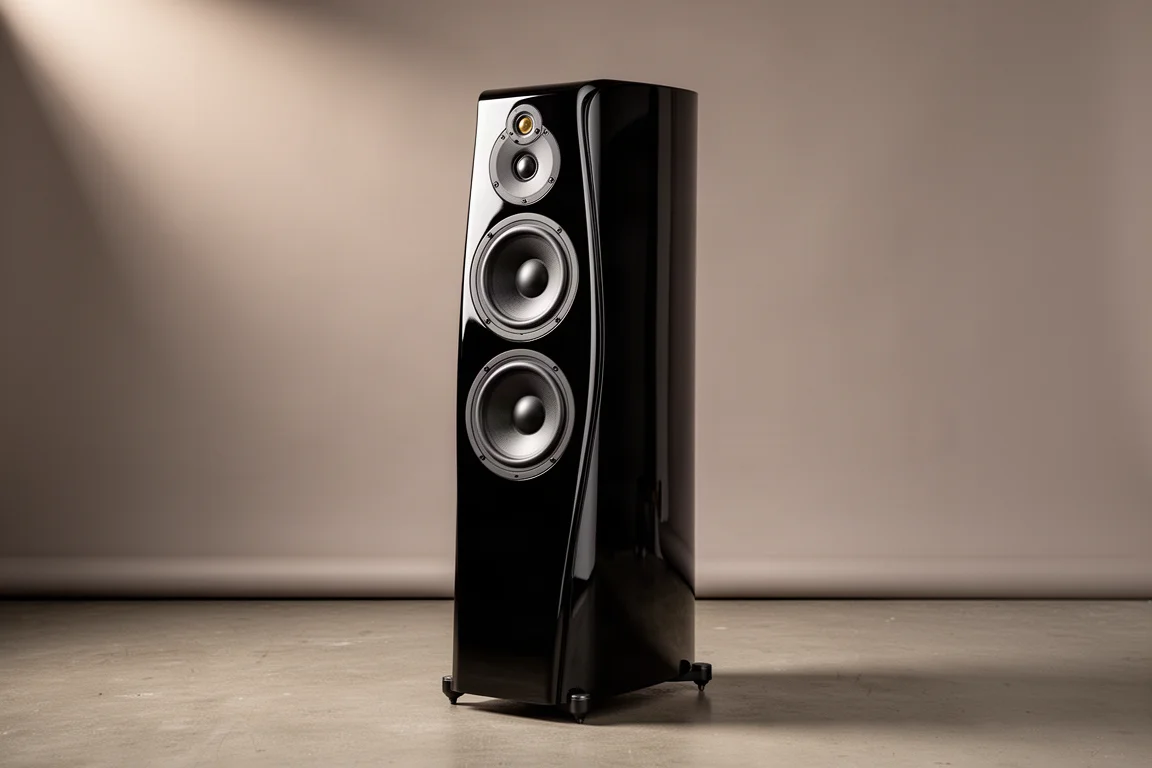
The Yamaha NS-2000A is a three-way floorstanding tower loudspeaker built around a simple idea: a speaker should feel like an instrument in the room rather than a window onto a recording. That is the character it delivers, with a lively, acoustic presentation that leans toward bloom and scale instead of clinical precision.
The driver complement is a pair of 6.5-inch woofers, a 3.25-inch dome midrange driver, and a single 1.25-inch soft dome tweeter. Reported frequency response spans 35 Hz to 65 kHz, nominal impedance is 6 ohms with dips down to 3.2 ohms, and sensitivity is rated at 88 dB, which keeps the tower reasonably easy to drive.
This review covers what the NS-2000A does well, where it asks for care, and who should consider it.
Who This Speaker Is For
The NS-2000A suits listeners who value an in-room, acoustic feel over a strictly analytical one. Its midrange and treble carry a studio-like clarity, but the low end brings a bloom and scale that reads as organic rather than exacting. If you have ever wanted a system that sounds closer to a performance than a playback, this is the argument for it.
It also rewards flexibility. Driven with a wide range of amplifiers, including class A designs and integrated models, the speaker revealed clear differences between the amplifiers feeding it. Any 4-ohm capable amplifier should handle it without trouble.
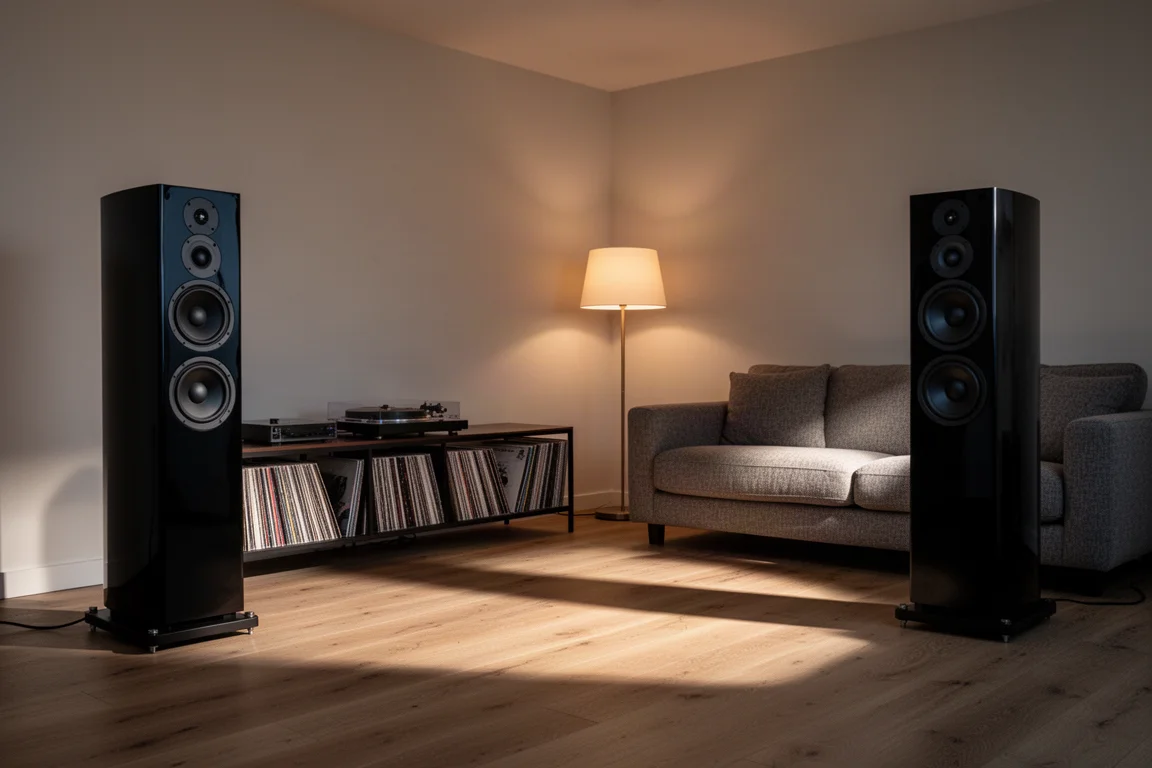
Low-volume listening is a genuine strength here. The NS-2000A stays spacious and intelligible at modest levels, which makes it a strong candidate for listeners who keep music running through the day rather than sitting down for dedicated sessions.
Design and Cabinet Construction
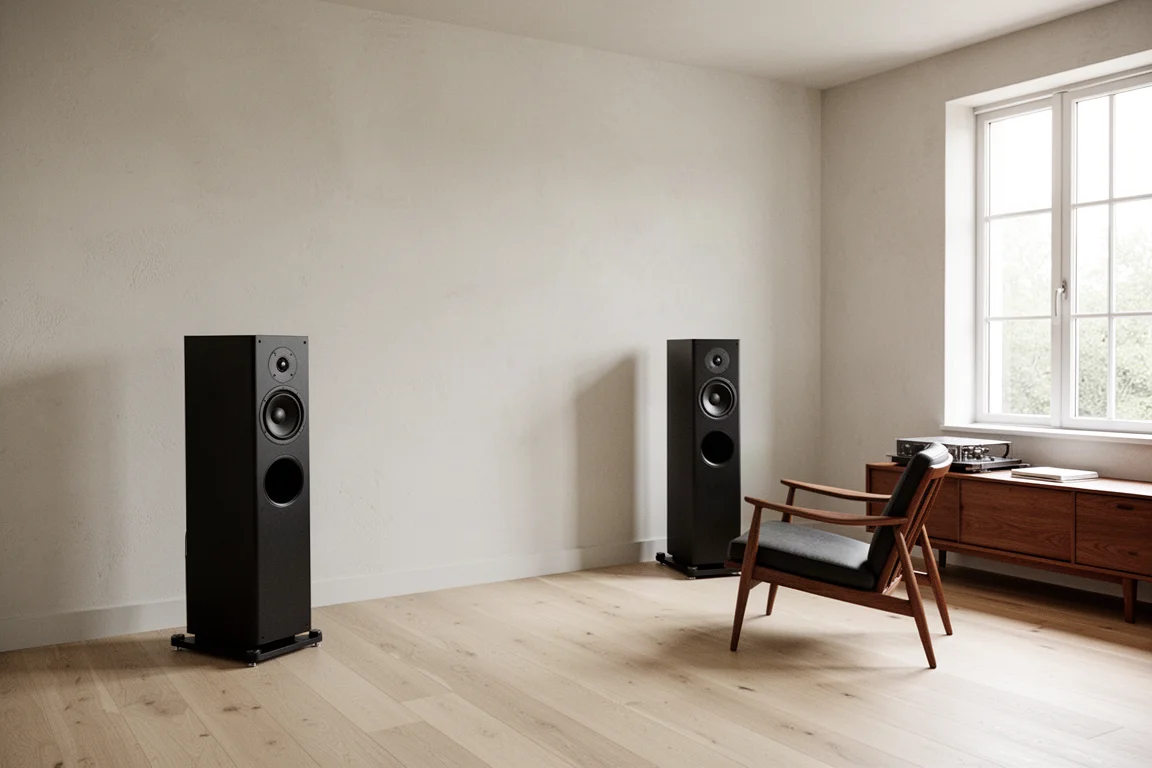
The cabinet is available only in a high gloss piano black finish, and it is a strong match for the design. The subtle curves and waterfall edge are not purely decorative: they play a role in cutting down vibration and cabinet resonance.
Because the NS-2000A is rear ported, it can be sensitive to placement, particularly close to room boundaries. In a typical setup, roughly 2 feet of clearance from the front wall, about 10 feet between the speakers, and a listening position around 11 feet away produced a mostly linear, neutral response.
Main Strengths: Bass and Low Midrange
Bass is impactful rather than forensic. It paints with a broader brush than a more exacting design such as the KEF R11 Meta, and it is less concerned with pinpoint detail than with weight and realism. That trade-off shapes the feel of the speaker: the low end comes across as more organic, and it supplies much of the NS-2000A’s scale.
The cabinet is a little less inert in places, which adds bloom and resonance to the low midrange. That quality stays controlled without being fully removed, and it is the main reason the speaker can sound like a musical instrument in the room, particularly a baby grand piano with the lid open. Piano-led material benefits most.
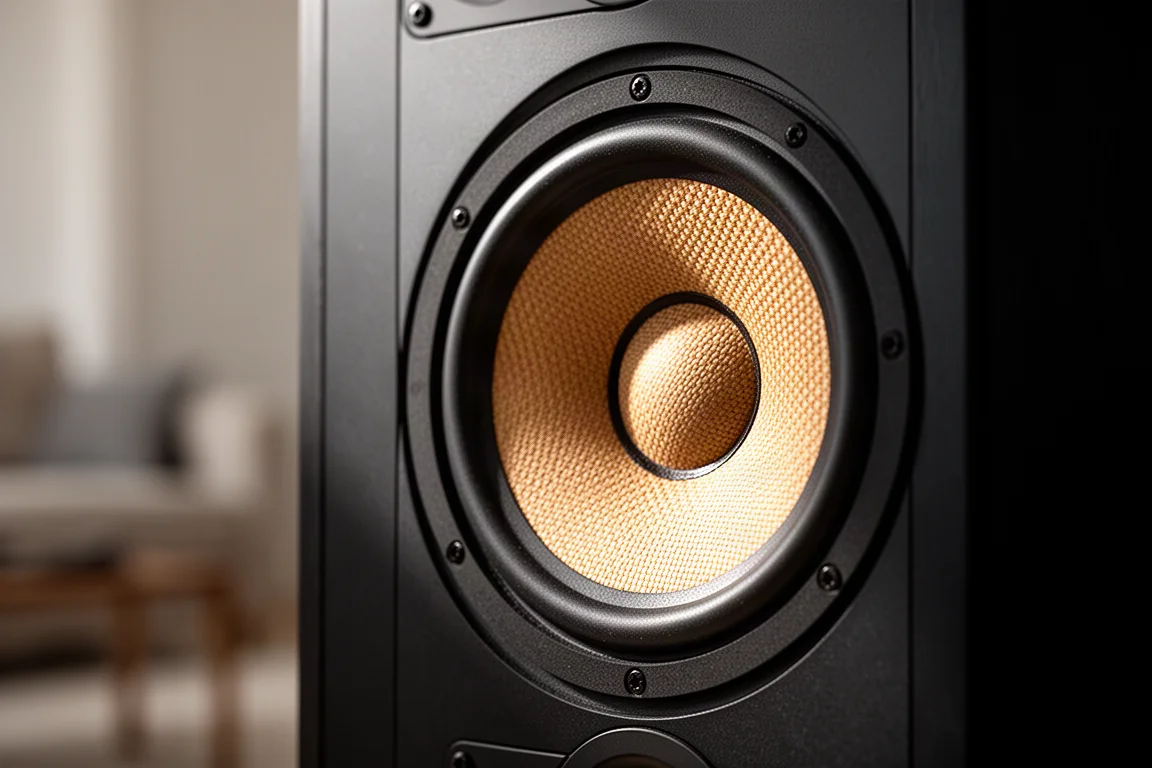
Placement affects this region more than any other. A slight bass boost is likely in most rooms, and pulling the speakers further out from the front wall reduces it to a degree.
Main Strengths: Midrange Clarity and Vocal Presence
Moving up the frequency range, the presentation shifts toward something more studio-like. The in-room presence is still on full display, but the added bloom and resonance are minimized, which gives midrange instruments and vocals noticeably greater focus and clarity.
Female vocals in particular come through with transparency that stands alongside neutral reference designs. This is the part of the sound that will convince listeners who want both warmth and precision from the same speaker.
Main Strengths: Treble Presentation and Listening Comfort
The top end is extended and airy, with a purposeful peak around 15 kHz that adds a sense of texture and detail to almost everything, and it is especially noticeable at lower volumes. The result is a treble that stays natural and organic rather than fatiguing, even with less polished recordings.
It is worth being clear that this is not a neutral top end. It is a deliberate enhancement, and listeners who are unusually sensitive to high frequencies, or who prefer a strictly measurement-flat response, may find it a sticking point. For most listeners, the peak registers as presence rather than a problem.
Soundstage, Dynamics, and Amplifier Pairing
The soundstage is big and boundary defying, with a presentation that favors lifelike scale over an etched, pinpoint image. Dynamically, the NS-2000A is vibrant, though it is not as explosive as larger horn-loaded designs such as the Klipsch Cornwall or La Scala. It sits closer to that family than to more restrained alternatives.
Amplifier pairing is straightforward. The speaker worked well across a wide range of amplifiers and sounded especially well matched with class A designs and integrated amplifiers. Its 88 dB sensitivity and 6-ohm nominal load, dipping to 3.2 ohms, mean a 4-ohm capable amplifier is the main requirement.
Things to Consider Before Buying
Placement matters more than usual. As a rear-ported design, the NS-2000A wants space from the wall behind it, and it will sound fuller near boundaries. A little experimentation will pay off.
The treble peak is intentional and not neutral. If your priority is a flat, uncolored response, this is the detail to weigh first. The bass, similarly, favors realism and scale over the last word in detail. The finish is limited to high gloss piano black, which is striking but leaves no alternative for buyers who prefer wood veneers or matte surfaces.
Buying Advice
Match the NS-2000A with a 4-ohm capable amplifier and give it room to breathe. Around 2 feet from the front wall, roughly 10 feet between the speakers, and a listening seat about 11 feet back is a sensible starting point that can be adjusted from there.
If a more exacting, detail-first presentation is what you are after, the KEF R11 Meta and the Klipsch Cornwall are worth hearing alongside it, and both can save a little if your budget is stretched. The Yamaha plays nicer with a wider range of music, which matters if you listen to whatever comes next rather than a curated set of reference tracks.
Listeners who want a speaker that stays agreeable across rock, rap, techno, and classical will find the NS-2000A comfortable with all of it.
Conclusion
The Yamaha NS-2000A is a three-way tower that sounds more like an instrument than a monitor. Its bass and low midrange bring bloom, scale, and realism, its midrange delivers genuine clarity, and its treble adds texture without becoming fatiguing. The trade-offs are a deliberate treble peak, placement sensitivity from the rear port, and a single high gloss piano black finish.
For listeners who value an in-room, organic presentation and do a lot of low-volume listening, it is an easy speaker to live with. Pair it with an amplifier that can handle a 4-ohm load, give it space, and it will make a wide range of music feel at home.
Product link
View more details for Yamaha NS-2000A
This product is mentioned in the review. Check the specifications, options, and compatibility before buying.
View more details for Yamaha NS-2000AFurther reading
Related Reviews
Hi-Fi Speakers
1723 THX Tower vs 1528 Bookshelf: Which Speaker Fits Your Room?
Two speakers at roughly the same price, built very differently. How the 1723 THX tower and the 1528 bookshelf compare on construction, bass, power needs, and sound.
Hi-Fi Speakers
Acoustic Energy AE 300 Review: Deep Bass From a Compact Standmount
A two-way standmount with real wood veneer, surprising low-end weight, and a warm, easygoing character. Here is what to know before buying.
Hi-Fi Speakers
Acoustic Energy AE1 40th Anniversary Review: A Modern Take on a British Classic
A compact standmount that revives a 1980s favorite with all-new parts, a warm mid-centric balance, and a price of £1,499 per pair.