Turntables
Yamaha GT-5000 Review: A Belt-Drive Turntable Built Around Balance and Mass
A close look at the Yamaha GT-5000, a high-end belt-drive turntable with a balanced output, a straight tonearm, and a heavily damped, suspended chassis.
Introduction
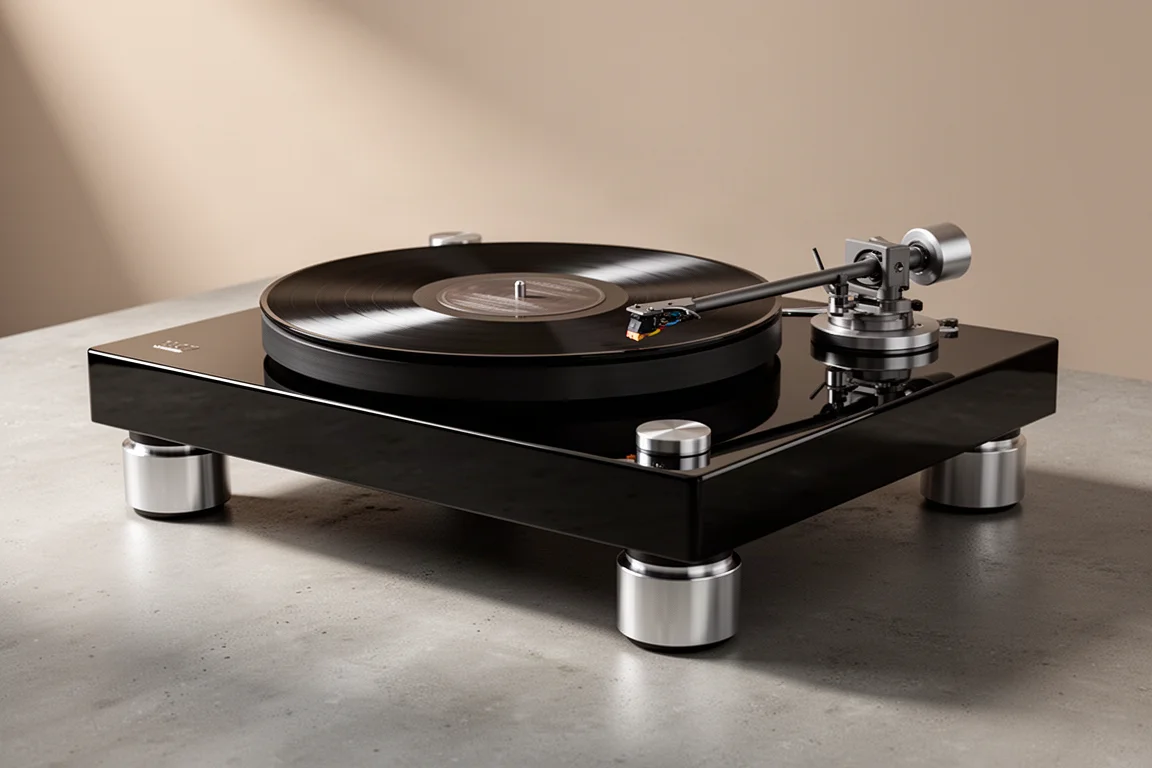
The Yamaha GT-5000 is a turntable that makes an impression before a single note plays. It is large, heavy and imposing, with a lacquer finish in the same family as the finish used on Yamaha’s NS-5000 speakers and on the company’s pianos. It is also a deliberately engineered object rather than a nostalgic one, built around a moving coil cartridge approach, a fully balanced output, a straight tonearm and a suspended, heavily damped chassis.
It is priced at around $8,000, which places it firmly in high-end analog territory. That number makes sense only if the design decisions behind it matter to you, so it is worth understanding what Yamaha actually chose to do here and why.
Who This Turntable Is For
The GT-5000 is aimed at listeners who have already committed to vinyl as a primary source and who own the rest of the chain to support it. Yamaha designed the deck around moving coil cartridges rather than moving magnet designs, and the output is balanced. That points towards a system with a phono stage that offers moving coil gain and, ideally, a balanced input.
It is also a natural fit alongside Yamaha’s own high-end separates. The C-5000 preamplifier, for example, offers impedance selection for moving coil cartridges, which is exactly the kind of flexibility this turntable is designed to work with. Owners building a system around that series will find the GT-5000 slots in without adaptation.

If your setup is built around a moving magnet cartridge and an unbalanced phono input, the GT-5000’s main design advantages are harder to use. This is a turntable for someone who wants a long-term analog front end, not an entry point into vinyl.
Main Strengths: A Fully Balanced Analog Signal Path
Moving coil cartridges produce a very small signal, but the approach offers better response and lower noise than moving magnet types, which is why Yamaha recommends it for this model. The GT-5000 takes that further by keeping the signal balanced from the very first link in the chain.
The leads from the cartridge connect directly to the turntable’s XLR outputs, so the balanced architecture runs from the deck through the preamplifier and the power amplifier to the speakers as a fully differential signal. The stated goal is the lowest possible noise floor and the lowest possible distortion across the whole path, rather than at one isolated stage.
For anyone who has spent time chasing hum and noise in a phono stage, that is a structural decision rather than a marketing line. It also means the turntable’s output is only as good as the input it is connected to.
Main Strengths: Straight Tonearm and Groove Tracking
Most turntables use a curved tonearm. The GT-5000 uses a straight, short arm, which is rare. The reasoning behind it is straightforward: a record groove carries a dynamic, small signal across a very wide frequency range, and the priority is tracing that groove smoothly.
The arm has no anti-skating weight, which keeps the construction simple. Cartridge and arm move together, following the groove rather than fighting it, and the intended result is better tracking of the record and less of the instability that shows up as wow and flutter.

A minimal arm also means fewer interacting adjustments to manage. The emphasis stays on letting the cartridge ride the groove, and the design accepts a simpler mechanical layout in exchange for that behaviour.
Main Strengths: Platter, Suspension, and Cabinet Damping
Mass is central to how the GT-5000 works. The outer platter weighs around five kilograms, and a brass inner platter adds roughly two kilograms more, for a total in the region of seven kilograms. That rotating mass is what keeps speed steady and the record surface stable as the stylus travels through the groove.
The drive itself is a belt system rather than direct drive. The reason given is feedback: a direct-drive motor relies on rotation feedback, and the belt decouples the platter from that loop entirely.
Isolation is handled by large aluminium feet working with a suspension that uses a three-dimensional string construction, so vibration from the environment is addressed across all three axes rather than only vertically. The cabinet is built from high-pressed particle board, chosen for its internal loss. Tap the plinth and it sounds dead, which matters because a cartridge is sensitive to the material’s own resonances. Dense and non-resonant is the objective.
Listening Notes: Stability and Transient Response
With a Sade record, the presentation was full range, with precise imaging on the vocal. The more revealing test was an older Phil Collins record that is not in pristine condition and is slightly warped. On a platter that is not well balanced, that kind of record produces visible woofer movement as wow and flutter and surface irregularities work their way through the system.
Here the platter stayed steady and the low-frequency drivers stayed controlled, with no loss of composure. The transients were the standout: kick drum hits arrived with punch and immediacy, and the overall presentation stayed linear and clean. Some of that character comes from the rest of the system, including the very low noise and high dynamic range of the accompanying amplification, but the turntable’s stability is what allowed that material to come through intact.
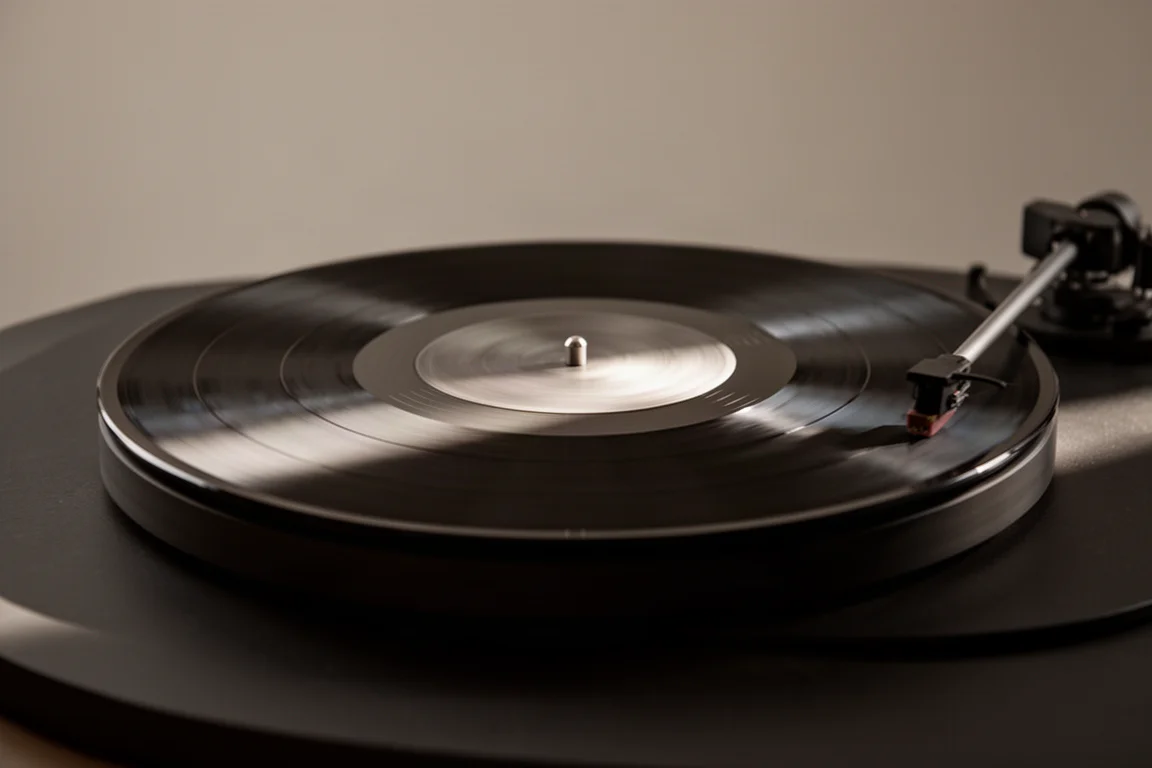
The practical takeaway is that the GT-5000 behaves less like a component that adds a sound of its own and more like one that stays out of the way of the record.
Things to Consider Before Buying
The price is the first consideration. At around $8,000, the GT-5000 is not unreasonable in the context of high-end turntables given the craftsmanship and engineering involved, but it is a serious commitment that should be matched by the rest of the system.
Cartridge and phono stage matter just as much. Because the deck is built around moving coil cartridges and outputs a balanced signal, it needs a phono stage with moving coil gain and, ideally, a balanced input to take full advantage. Without that, you are paying for an architecture you cannot fully use.
Size and weight are worth planning for as well. The turntable is heavy, in the region of 50 to 60 pounds, and it takes up real space, so it needs a solid, level surface with enough room around it for comfortable handling of records and the arm.
Finally, the design choices are deliberate. A belt drive and a straight arm without an anti-skating weight are not the conventional route, and buyers who expect a different architecture should factor that in.
Buying Advice
Match the turntable to the phono stage first. A moving coil stage with a balanced input lets the GT-5000’s differential signal path do what it was designed to do, and it is the single decision that most affects how much of the deck’s potential you actually hear.
Then think about the wider chain. A turntable at this level rewards low-noise, high-dynamic-range amplification, and it will expose weaknesses upstream just as readily as it reveals strengths.
Budget for the cartridge as part of the purchase rather than as an afterthought, since the arm and the signal path are both built around that choice. It is also worth being honest about how you listen: this is a deck for someone who plays records regularly and intends to keep the system for years, not for occasional use.
If that describes you, the combination of mass, damping, isolation and a balanced output is a coherent package rather than a collection of features.
Conclusion
The Yamaha GT-5000 is a high-end turntable with a clear engineering philosophy behind it. It favours a balanced signal path from cartridge to XLR output, a straight short tonearm for smooth groove tracing, a belt drive that avoids rotation feedback, and a heavy platter supported by three-axis isolation and a dense, non-resonant cabinet.
It costs around $8,000, it is large and heavy, and it asks for a moving coil cartridge and a capable phono stage to make sense. For listeners who already own that kind of system and want an analog front end built to last, those are reasonable terms. For everyone else, the honest advice is to build the rest of the chain first and come back to this deck when the system is ready for it.
Product link
View more details for Yamaha GT-5000
This product is mentioned in the review. Check the specifications, options, and compatibility before buying.
View more details for Yamaha GT-5000Further reading
Related Reviews
Turntables
Best Turntables 2026: Seven Standout Picks From Entry Level to Premium
A practical roundup of seven turntables worth considering, from a US-made budget deck to small-batch premium models with a clear upgrade path.
Turntables
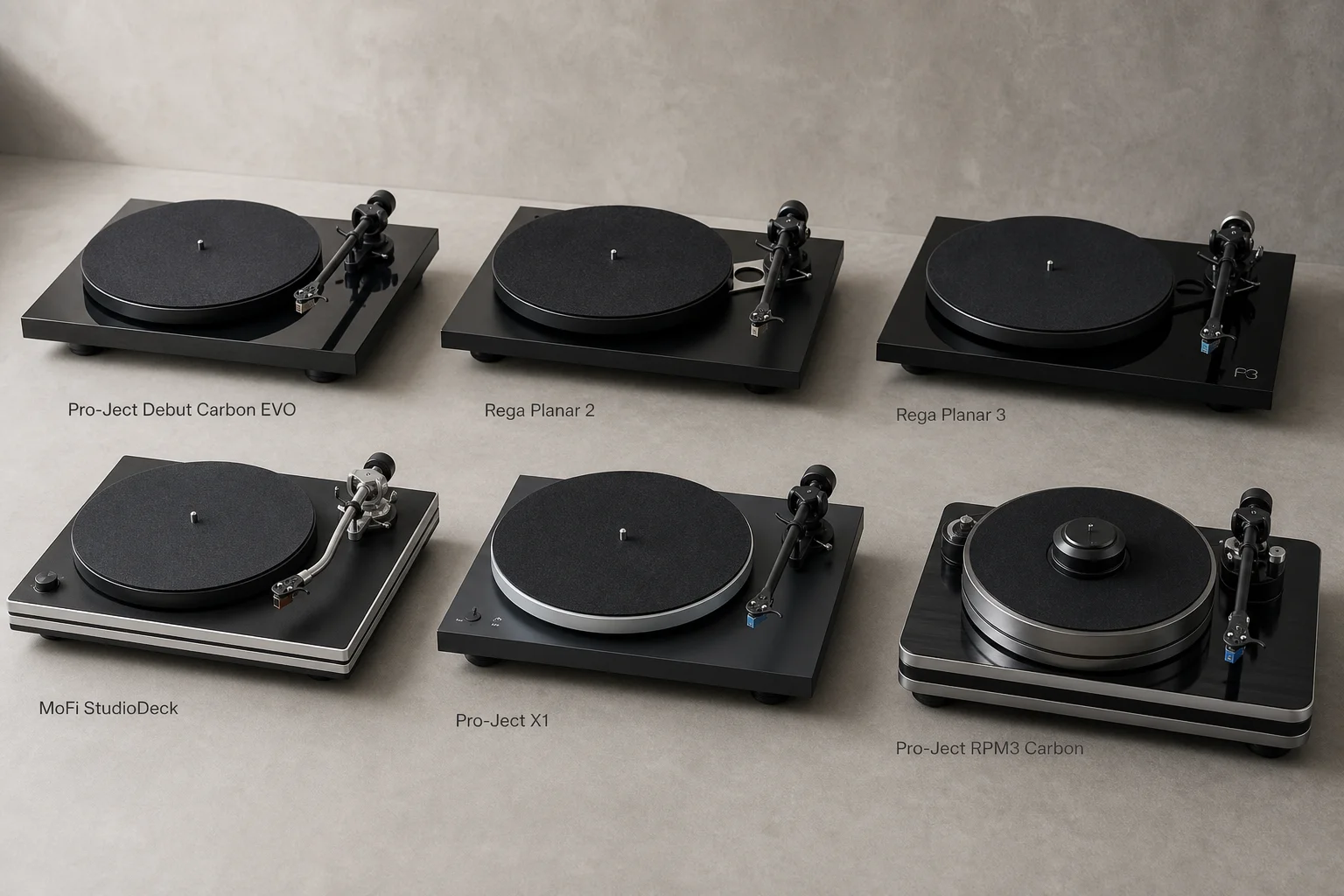
Best Turntables Under $1,000: Five Fully Manual Picks Worth Considering
Five fully manual turntables under $1,000, compared on build quality, cartridges, upgrade potential, and the character of sound each one brings to a system.
Turntables
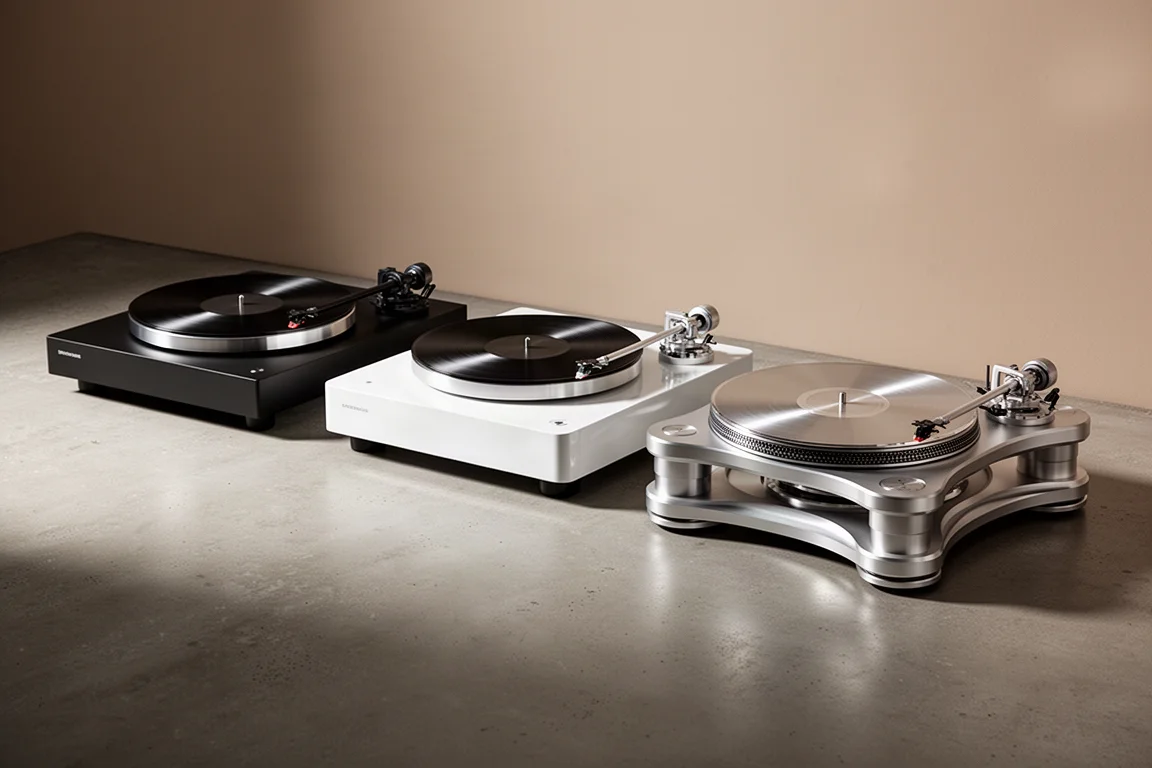
Best Turntables Under $2,000: Six Vinyl Decks Worth Building a System Around
Six turntables under $2,000, from a value-focused belt-drive deck to a fully balanced design, with the strengths and trade-offs that matter before you buy.