Turntables
Best Turntables Under $2,000: Six Vinyl Decks Worth Building a System Around
Six turntables under $2,000, from a value-focused belt-drive deck to a fully balanced design, with the strengths and trade-offs that matter before you buy.
Introduction
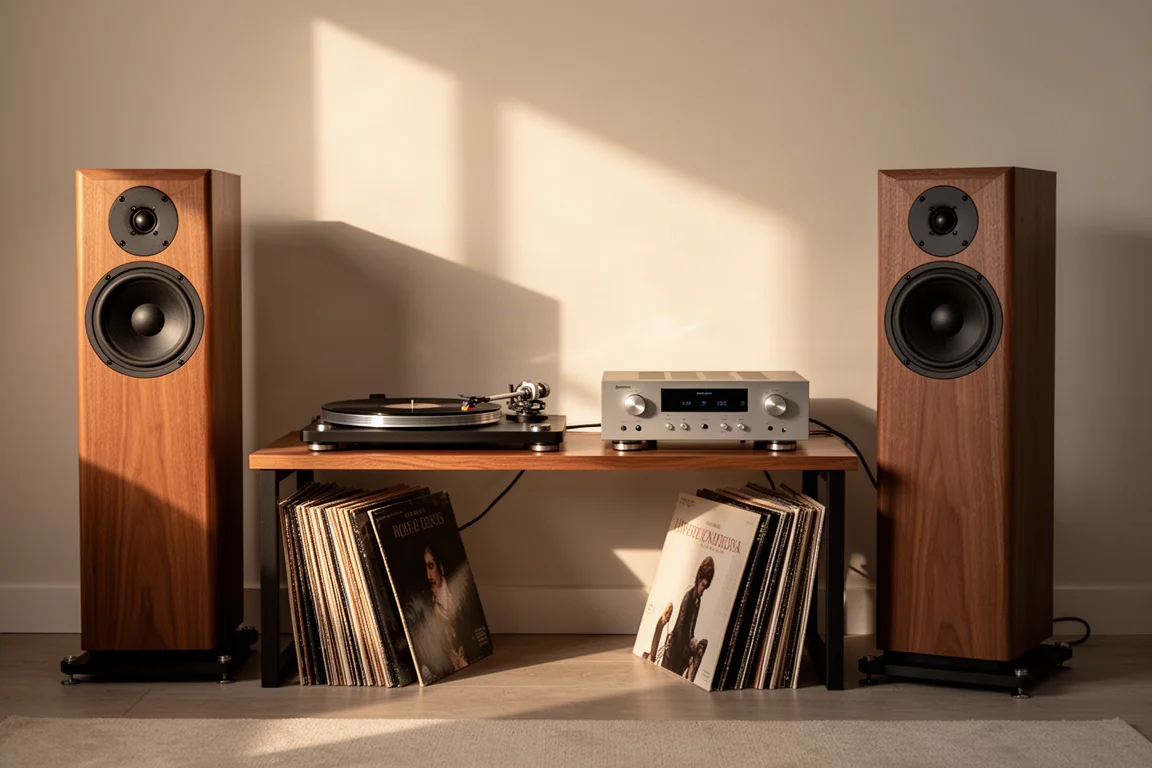
Vinyl playback at this level is where the engineering becomes visible. Above the entry-level decks, the parts that matter are the platter, the bearing and above all the tonearm, and those are exactly the parts that separate the six turntables below.
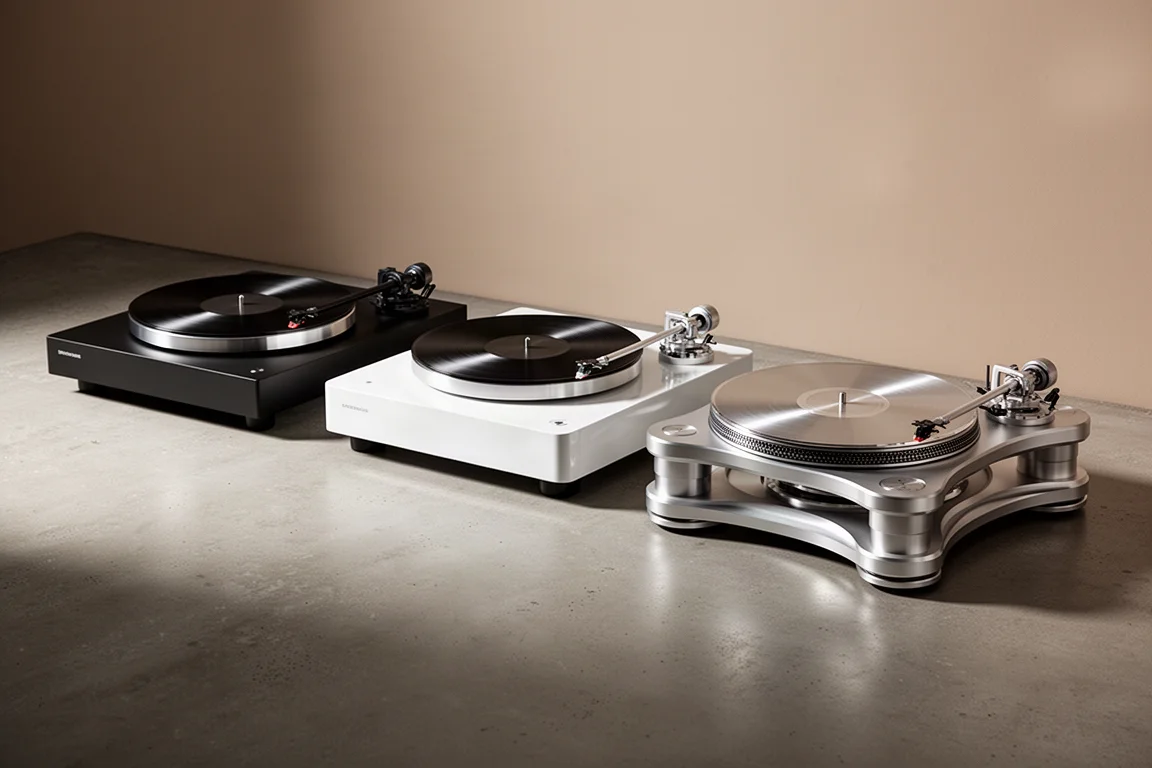
All six sit in a range that tops out just under $2,000. Most are belt-drive designs built around resonance control, one is a direct-drive deck with a touch of automation, and one offers a fully balanced signal path that until recently was reserved for turntables at the far end of the price scale. Each earns its place for a different reason, and each will take good care of a record collection for years.
What to Look For at This Price Point
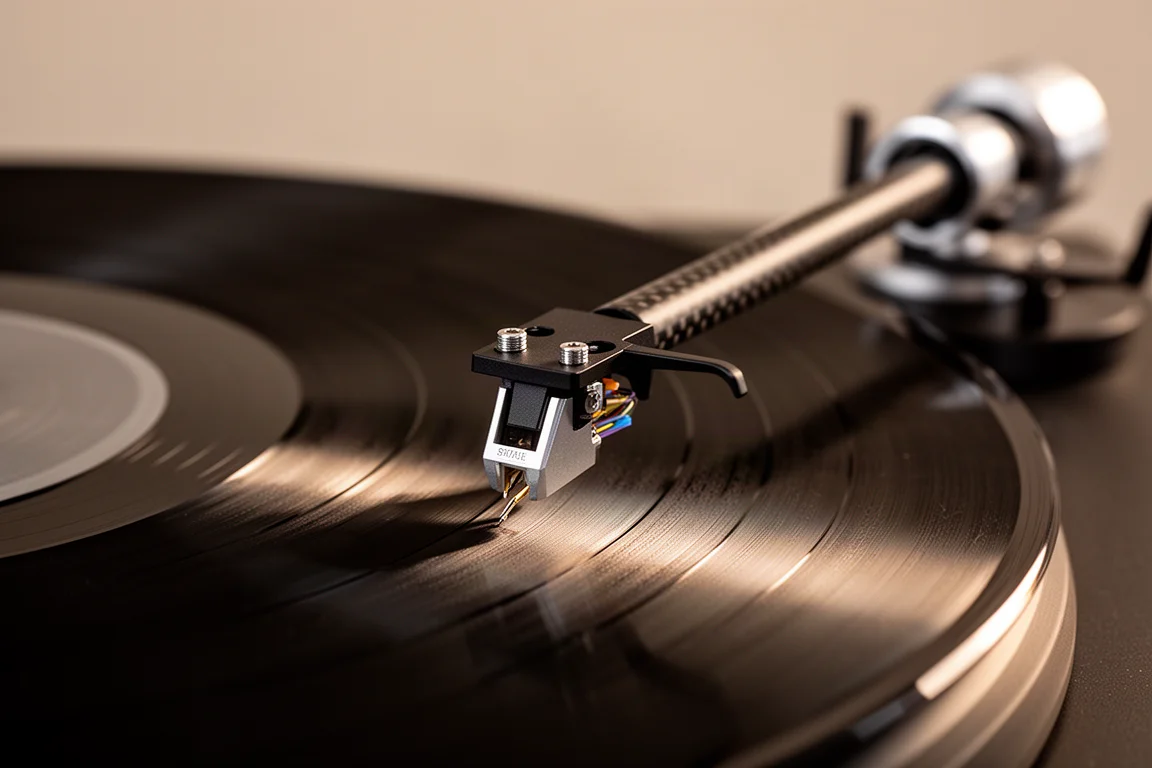
Two components do most of the work at this level. The platter determines how steadily the record turns, and mass concentrated around the perimeter helps the deck hold speed like a flywheel. The tonearm determines how cleanly the stylus tracks, and precision bearings are the expensive part of any serious arm.
Beyond those, look at the cartridge and its upgrade path. Several decks here ship with a cartridge whose stylus can be swapped for a better one, which is the cheapest meaningful upgrade available. Others can be bought without a cartridge at all if you already have one in mind.
Resonance control matters just as much. Isolation feet, damped platters and rigid plinth bracing all reduce the energy that reaches the stylus. A built-in phono preamp is a convenience worth having, particularly when it is matched to the supplied cartridge and can be switched out of the signal path later.
Finally, think about the runway. A turntable is a long-term purchase, and the best decks here can accept a better cartridge, an external power supply or a balanced cable as the rest of your system improves.
Pro-Ject Debut Carbon Evo: The Value Pick
Pro-Ject has been building turntables for decades, and its decks are made and assembled at its own plants in Europe. The original Debut Carbon went on to become one of the bestselling turntables of all time, and the Debut Carbon Evo is a full upgrade of that design rather than a cosmetic refresh.
Much of the Evo’s foundation is shared with the more expensive Debut Pro. The isolation feet, speed control, motor mount and plinth are the same. It also ships with the Sumiko Rainier phono cartridge, which offers a genuinely useful upgrade path because moving up is as simple as fitting a better stylus.
The platter is a 4 lb steel unit with TPE damping, which keeps resonance under control without adding much cost. Taken together, the Evo is one of the best turntable bargains available today, and it is the natural starting point for anyone who wants serious vinyl playback without stretching the budget.
Pro-Ject Debut Pro: The Long-Term Platform
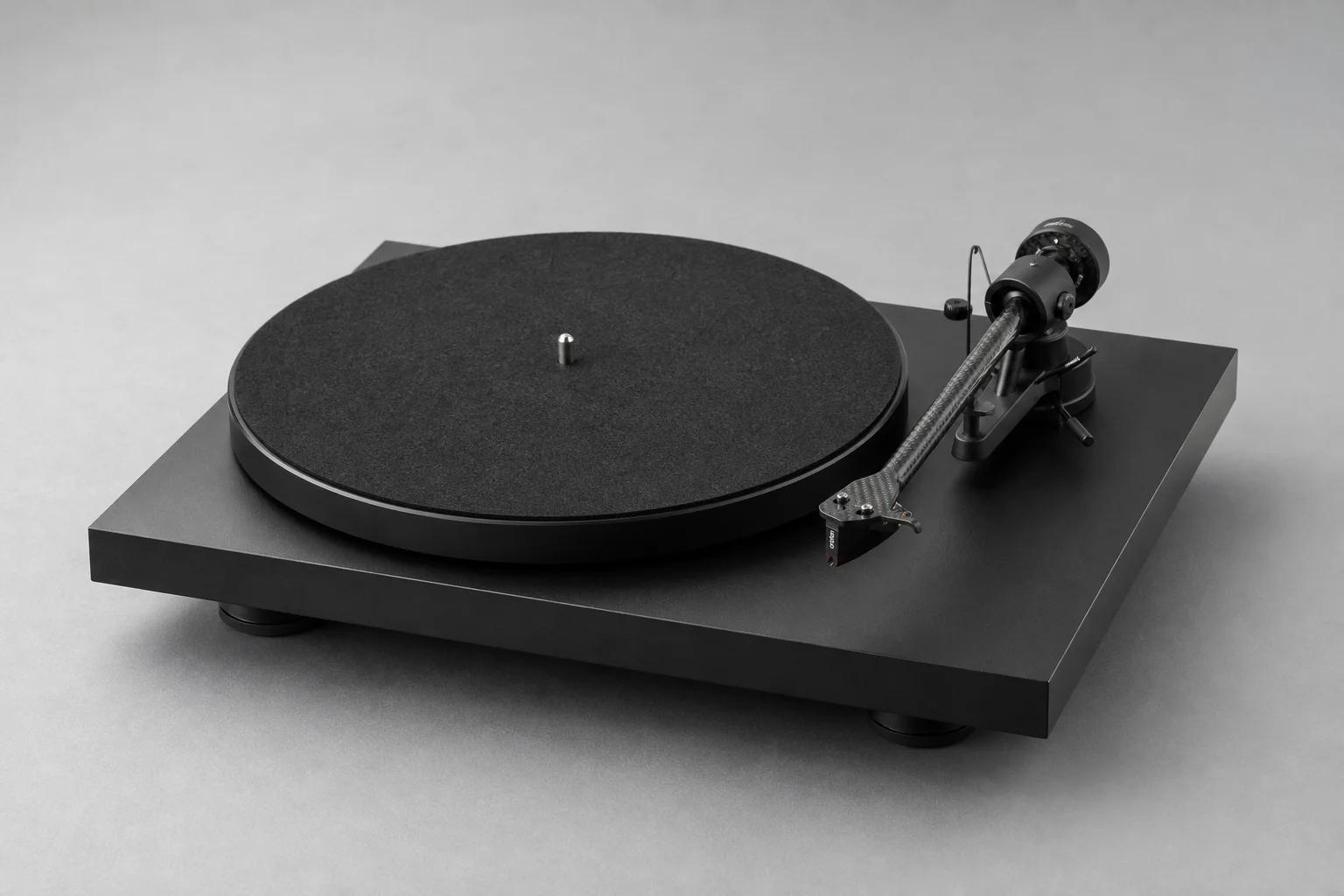
The Debut Pro takes the Evo chassis and upgrades the two aspects that matter most on any turntable: the platter and the tonearm.
The platter is a one-piece aluminium design with the same damping as the Evo, but with more weight concentrated around the perimeter. That extra mass works like a flywheel and helps deliver a more consistent speed. The tonearm is the real headline. Pro-Ject manufactures the bearing assembly from a single block of aluminium on its own CNC machines, which allows extremely tight tolerances, and the fully adjustable arm is aluminium wrapped in carbon fibre.
The practical result is a deck that can stay in a system for decades. The arm is capable of supporting cartridges that cost more than the turntable itself, so the Pro grows with you rather than limiting you.

Where the Evo is the smart buy, the Pro is the one to choose if you would rather upgrade around a fixed platform than replace it. Its superior tonearm and heavier platter put it ahead of the Evo across the board.
Technics SL-1500C: Direct Drive With Auto Lift
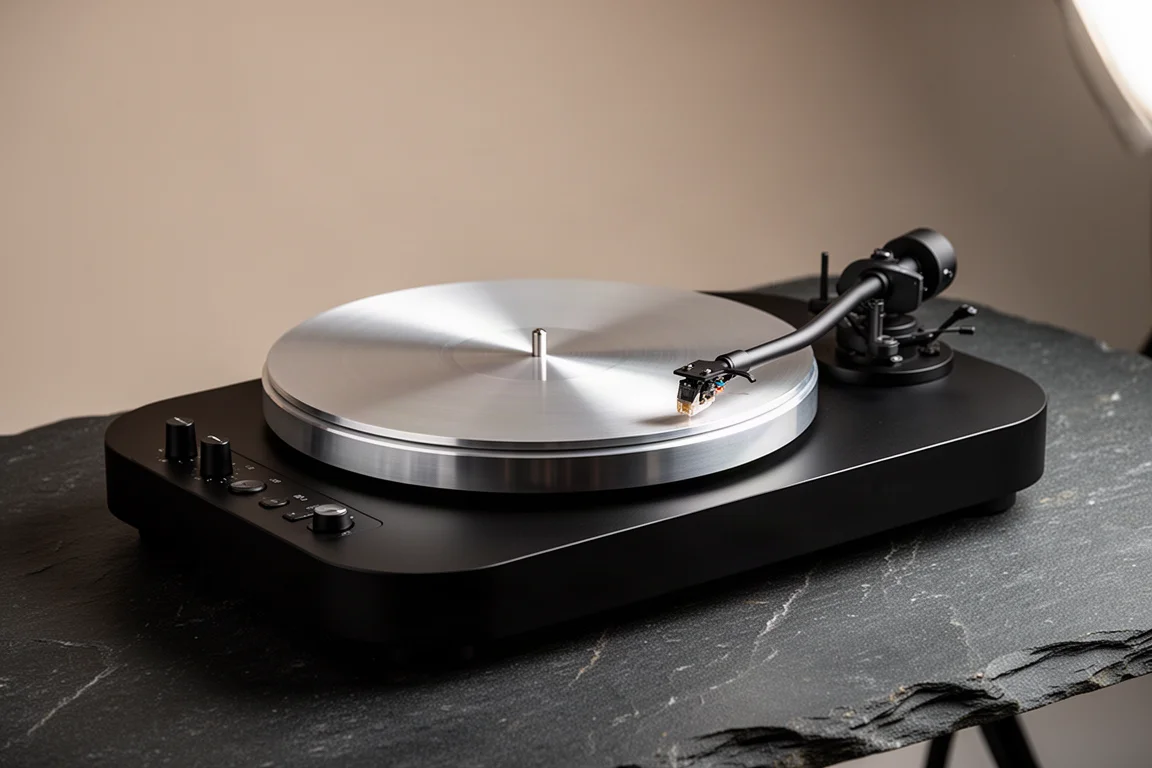
Technics has been building turntables since 1970, and the SL-1200 it introduced in 1972 is still a classic. The SL-1500C draws on that same design heritage.
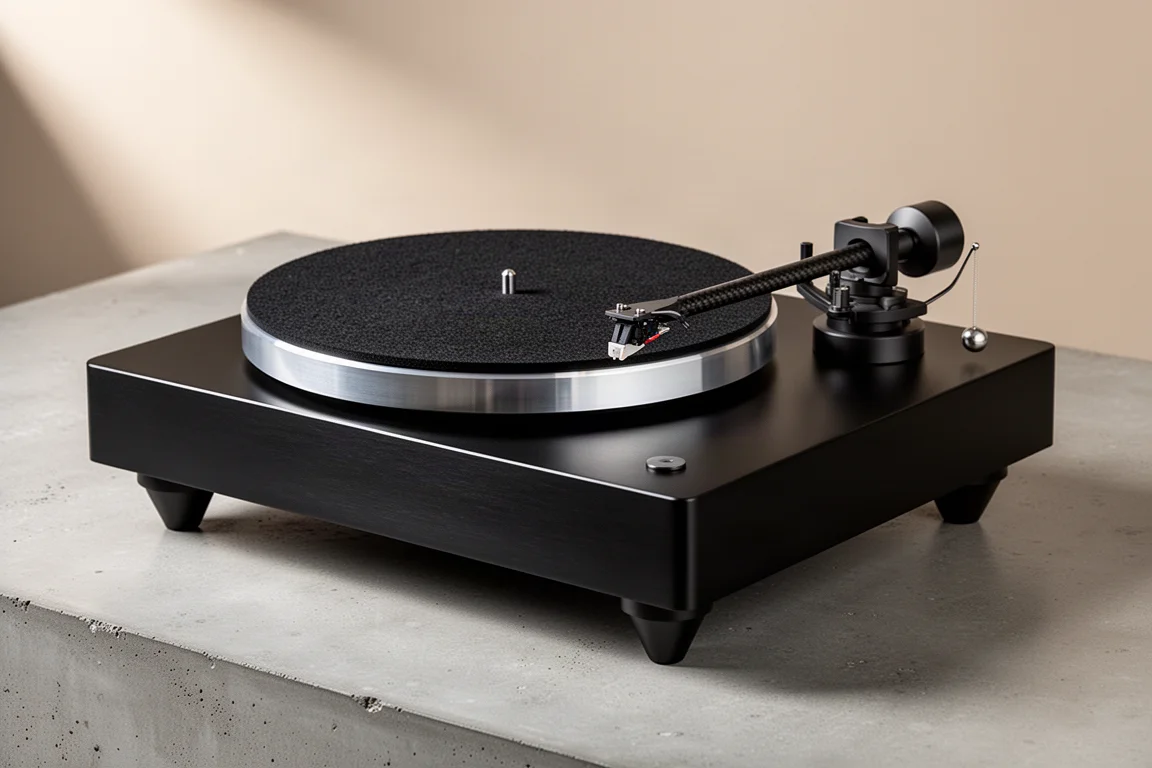
It is a direct-drive deck, which means instant startup with no belt to think about, and its tonearm is first rate and highly adjustable, so a better cartridge can be fitted later without changing the turntable. The supplied Ortofon 2M Red cartridge can be upgraded simply by fitting the Ortofon 2M Blue stylus.
The built-in phono preamp is matched to the Ortofon cartridge, and you can defeat it if you would rather use your own. The standout convenience is the auto lift at the end of a side, a small feature that makes a manual deck much easier to live with day to day.
Rega Planar 3: The British Benchmark
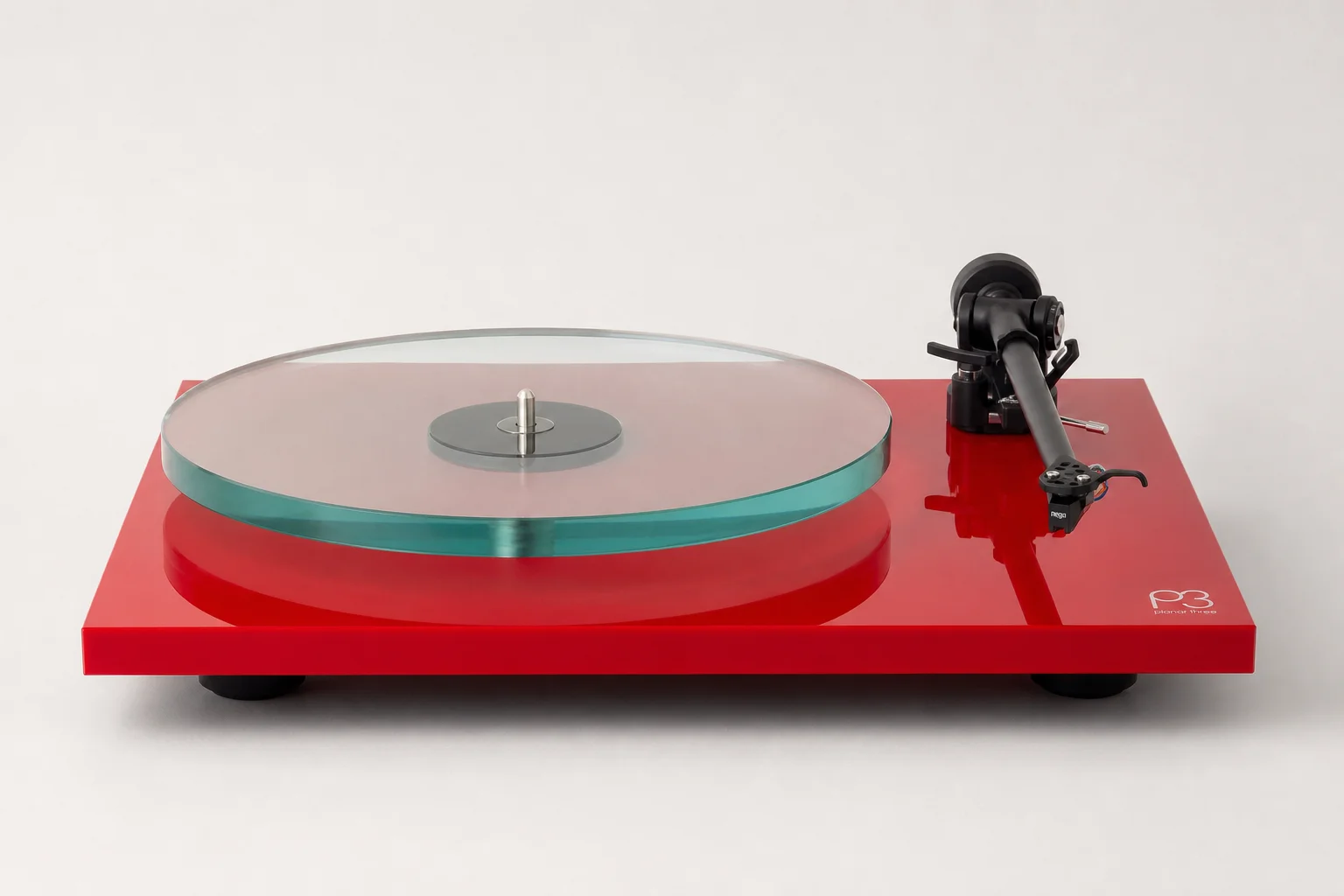
The Planar 3 has been the bestselling turntable in its line since the 2016 Planar range launched, and every Rega turntable is manufactured and assembled at the company’s factory in the UK.
It is available in gloss black, gloss red and gloss white, and it is among the most widely praised turntables in the world. You can buy it without a cartridge or with a Rega cartridge pre-mounted, depending on what suits your system.
The specification is built around rigidity and control. There is a float glass platter and a one-piece RB330 tonearm, and the Planar 3 is the first model in the Planar line to include double bracing, which makes the plinth more rigid and further reduces resonance. It even uses the same motor found in Rega’s higher-end turntables.
The upgrade path is unusually generous. You can add the external power supply used on Rega’s higher-end decks, and the tonearm can support moving coil Rega phono cartridges when you are ready. That combination of sound quality and long-term headroom is why the Planar 3 remains a reference point at this price.
Michell TecnoDec: Engineering as Sculpture
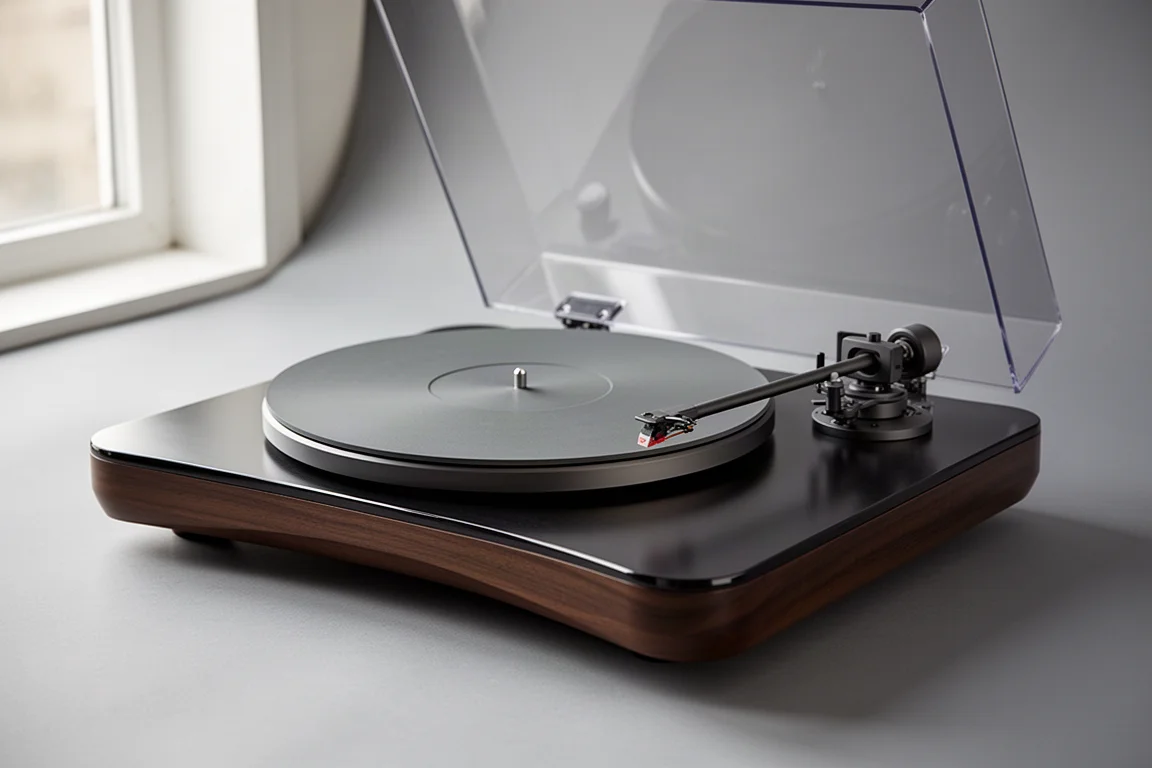
Michell has been making turntables since 1977 and is best known for the GyroDec, introduced in 1982 and still in production today. The TecnoDec is the entry point to that range, but it carries a surprising amount of the same technology, and it is a genuinely beautiful object as well as a capable deck.
The structure that supports the platter and tonearm sits on adjustable feet with a special Sorbothane insert to reduce resonance. The one-piece billet aluminium motor housing is freestanding, with no contact with the table other than the belt.
The platter and bearing are where the TecnoDec gets interesting. It uses the same type of inverted oil-circulating main bearing found in Michell’s best turntables, and an Archimedean screw lubrication system keeps moving oil across the bearing surface. That reduces noise and extends the life of the bearing. The platter itself is damped with a vinyl-like material to control resonances further, and the T2 tonearm is a modified Rega arm with improved internal wiring.
Sonically it behaves like the best British turntables: lively and musically engaging. If you want striking looks alongside serious engineering, this is the one to audition.
Pro-Ject X2B True Balance: A Path Into Balanced Playback
The X2B True Balance is an outstanding turntable straight out of the box, and it also offers an upgrade route that makes complete sense once you follow the reasoning behind it.
Balanced circuitry with balanced cables cancels out any noise other than the actual signal. The positive and negative signals travel out of phase with each other, and when they are put back into phase, noise picked up in the cable or the circuit board is cancelled out. A moving coil cartridge is by nature a balanced device, and its signal sits at an extremely low level, which makes it more susceptible to picking up noise than any other type of audio signal. Until now, only turntables at the very extreme end of the price scale offered the option to run in balanced mode.
Pro-Ject’s answer was to take its well-made X1 and X2 turntables, give them a fully balanced design, and offer its moving coil phono preamps in balanced versions. The result is a noise floor on a good pressing that is far lower than most listeners have experienced.
The deck itself is substantial. The X2 is a 22 lb turntable with a 4.5 lb acrylic platter and a 9 inch carbon fibre tonearm. It runs out of the box with a pre-mounted Sumiko Rainier moving magnet cartridge. When you are ready to move to fully balanced, the fully adjustable tonearm will accept just about any moving coil cartridge on the market, and you then add a Pro-Ject balanced cable and one of the balanced phono preamps.
You can start well under $2,000 with an X2B and take vinyl playback to another level later, which is a rare thing to be able to say at this price.
Buying Advice
Match the turntable to the rest of your system rather than to a specification sheet.
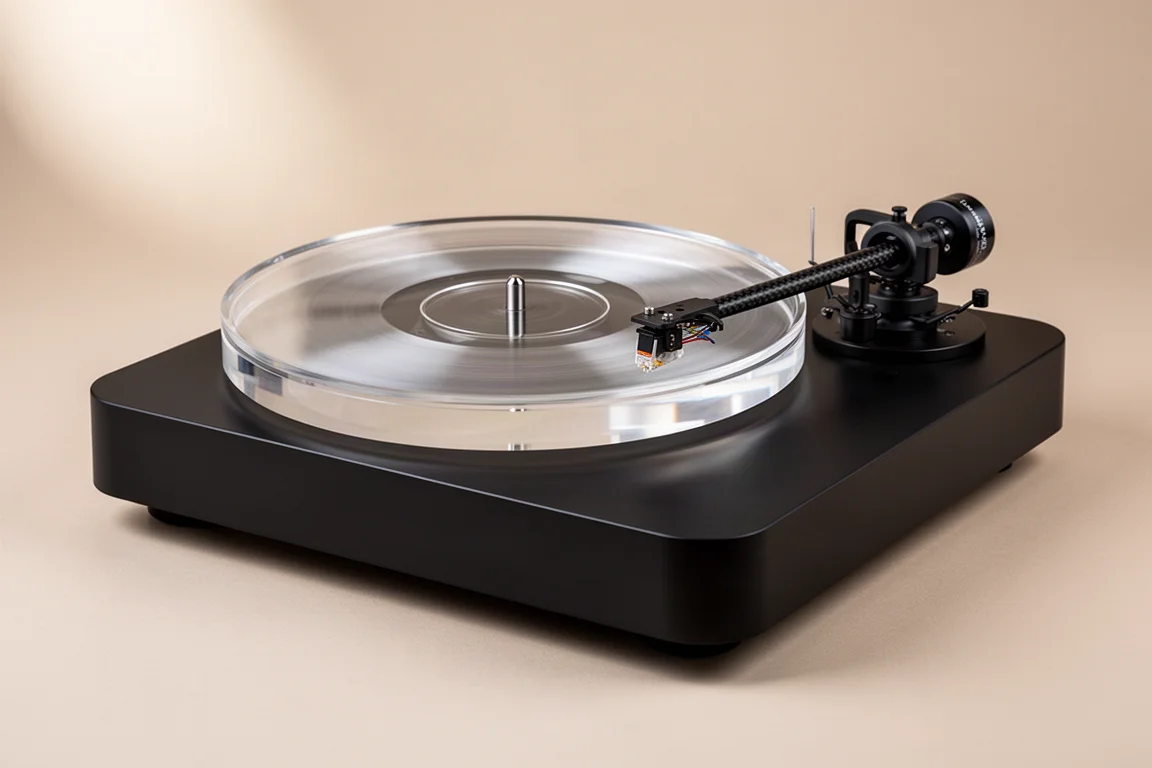
If you are building a first serious vinyl setup, the Debut Carbon Evo delivers the fundamentals for the least money. If you would rather buy once and upgrade around a fixed platform, the Debut Pro and the Rega Planar 3 both offer long upgrade paths, with the Pro leaning on its tonearm and the Planar 3 leaning on rigidity and an external power supply option. The Technics SL-1500C is the pick if you want direct-drive simplicity and the auto lift at the end of a side. The Michell TecnoDec suits listeners who want a distinctive, beautifully engineered deck with a low-noise bearing. And the Pro-Ject X2B is the one to choose if balanced playback is where you want to end up.
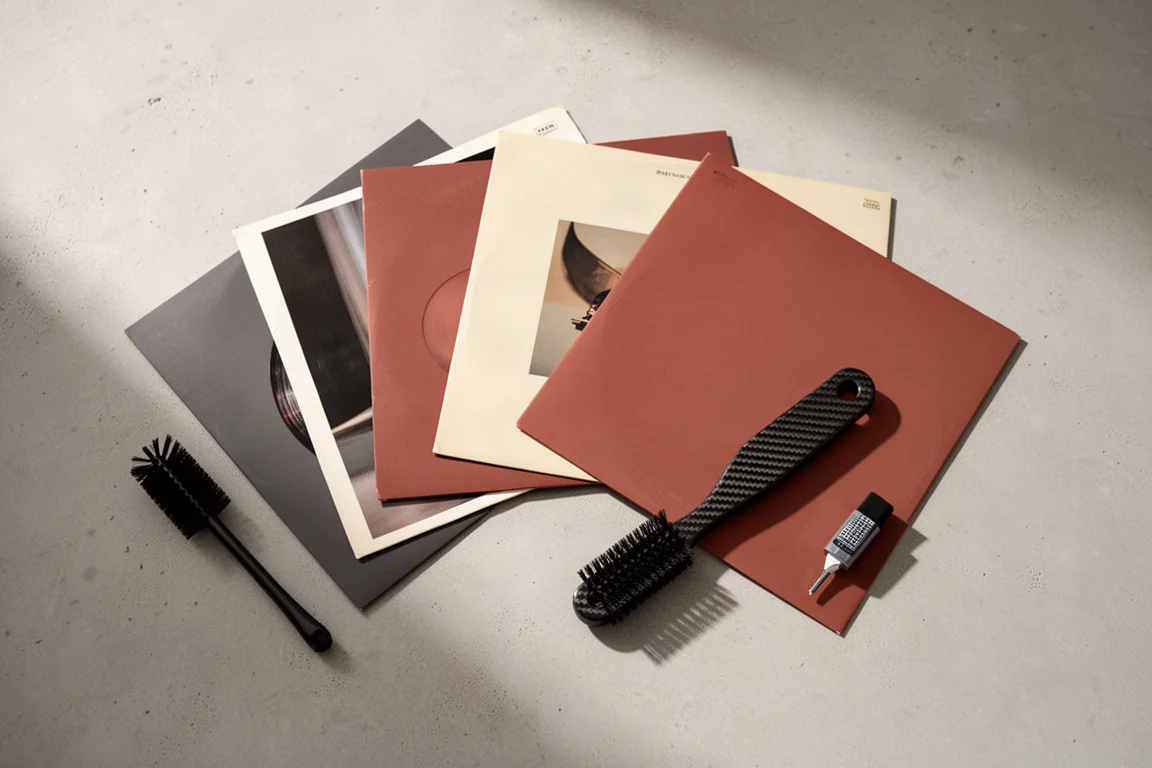
One practical note applies to all six. Budget for a decent phono stage if your deck does not include one, and give the turntable a stable, level surface. Every deck here will look after your records for decades, and with a good audio system each will deliver far better sound than anything below this price range.
Conclusion
The turntables in this group share one quality: they are platforms rather than dead ends. Whether you start with the value-focused Debut Carbon Evo or step straight into the balanced architecture of the X2B True Balance, the platters, bearings and tonearms here are built to keep working for years, and every one of them can be improved as the rest of your system improves.
Further reading
Related Reviews
Turntables
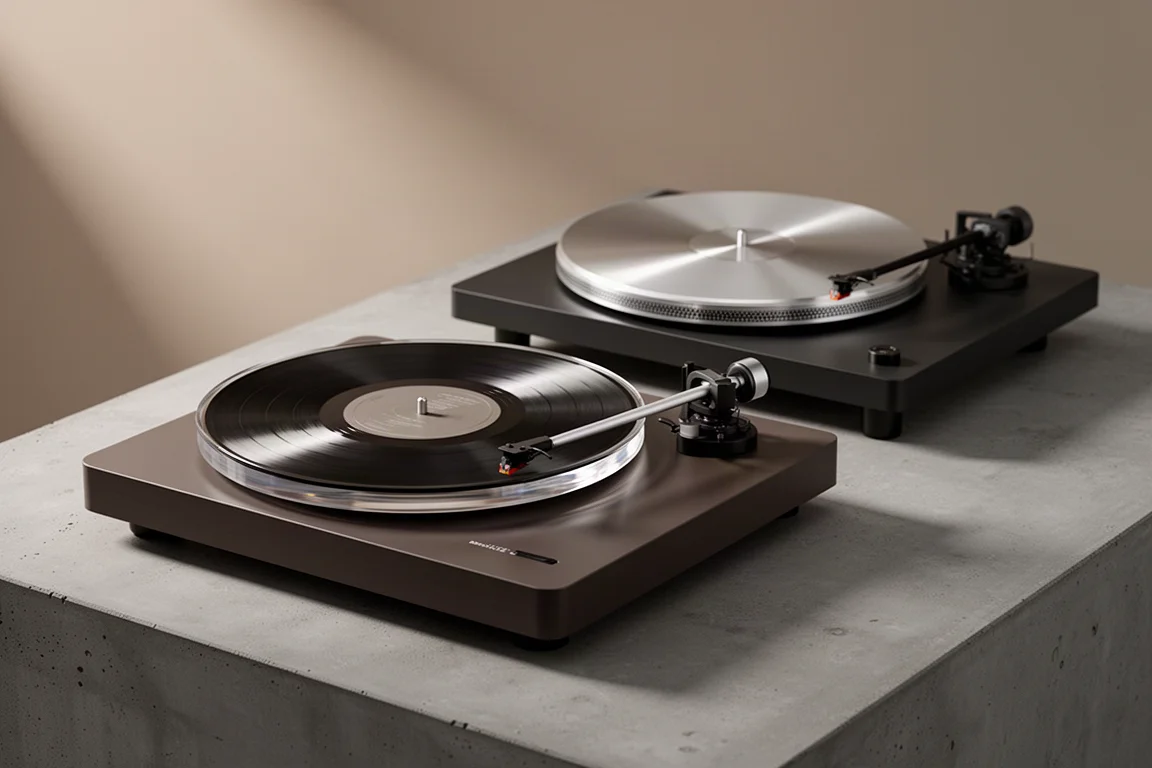
Best Turntables 2026: Seven Standout Picks From Entry Level to Premium
A practical roundup of seven turntables worth considering, from a US-made budget deck to small-batch premium models with a clear upgrade path.
Turntables
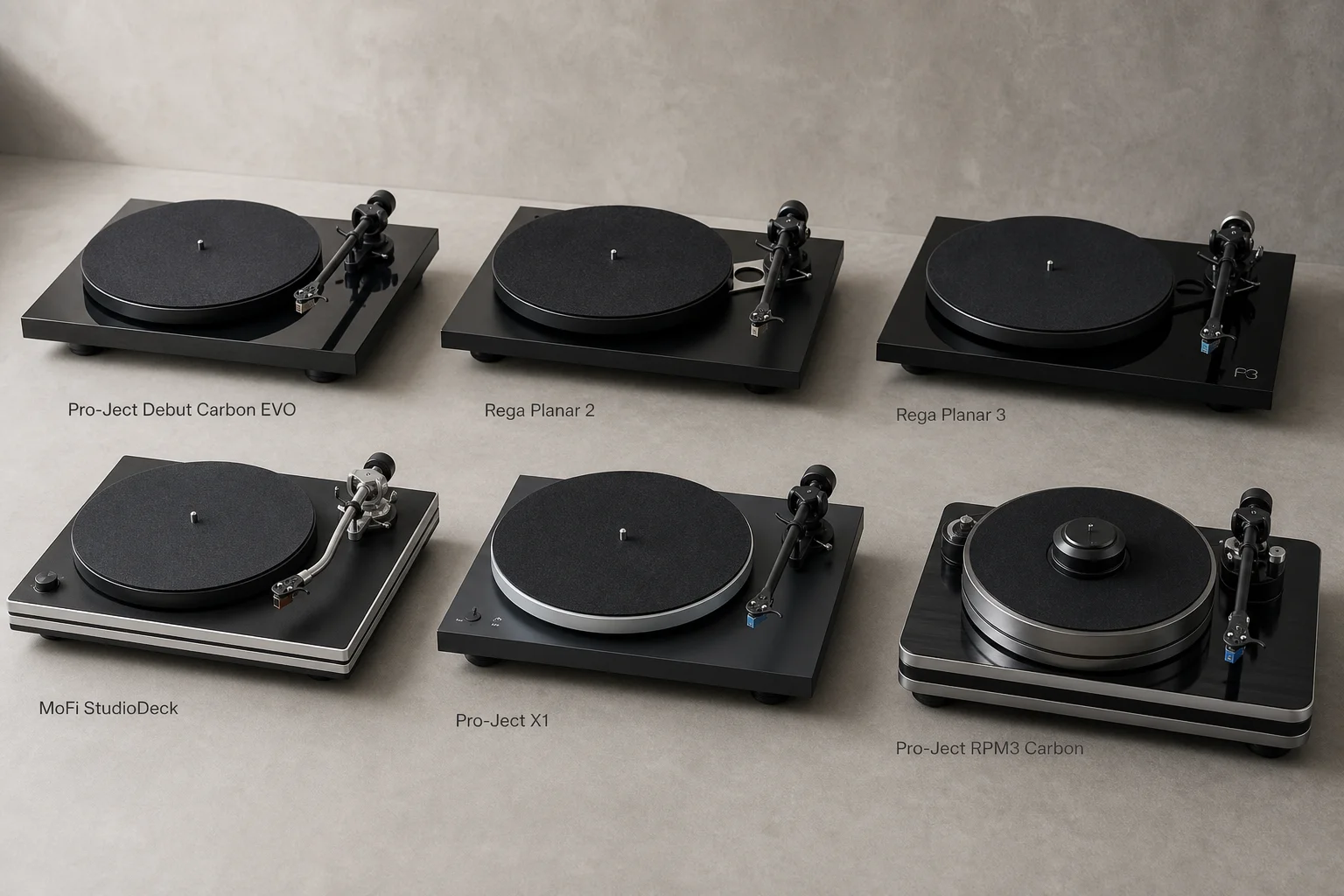
Best Turntables Under $1,000: Five Fully Manual Picks Worth Considering
Five fully manual turntables under $1,000, compared on build quality, cartridges, upgrade potential, and the character of sound each one brings to a system.
Turntables
Best Turntables Under $799: Six Vinyl Players Worth Considering
Six turntables under $799, from a $399 belt-drive value pick to a $799 high-performance deck, with the features that actually matter before you buy.