Turntables
Best Turntables 2026: Seven Standout Picks From Entry Level to Premium
A practical roundup of seven turntables worth considering, from a US-made budget deck to small-batch premium models with a clear upgrade path.
Introduction
Vinyl is no longer a niche curiosity. New vinyl sales passed 1 billion dollars in 2021, and the figures for 2022 came in more than 20 percent higher again, without even counting the much larger used-record market. Millions of people share the hobby, and a good turntable is the piece of equipment that decides how much of that collection you actually hear.
The seven decks below span a wide range, from under 400 dollars to almost 2,000 dollars, and they cover the main decisions a buyer faces: manual versus automated operation, whether a phono preamp is built in, and how much of an upgrade path you want. Each one is built to serve for decades rather than a couple of years.
How These Turntables Were Selected
Build quality comes first. A turntable is a mechanical instrument, and the parts that matter most are the platter, the bearing, the plinth, and the tonearm. The decks here use acrylic or glass platters, damped plinths, and tonearms with precision bearings. Several are made in-house rather than assembled from generic parts.
Speed stability is the second consideration. A platter with real mass and proper damping acts as a flywheel, which keeps pitch steady, and a well-machined bearing keeps that rotation quiet and consistent.
Third is the cartridge and the upgrade path. Every deck here ships with a cartridge worth listening to, but they differ in how far you can take them later: a simple stylus swap on some, a new cartridge on others, and external power supplies or damping upgrades on the more expensive models.
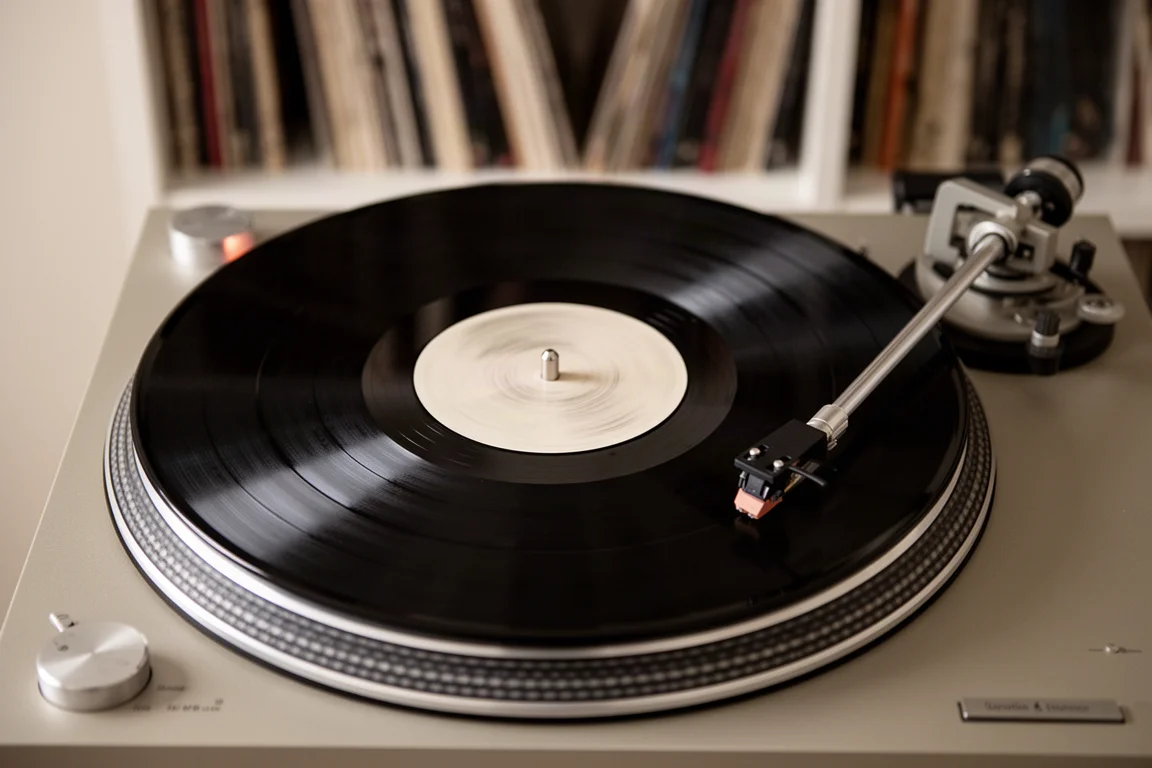
Fourth, practical use. Some listeners want a fully manual deck and enjoy the ritual of cueing a record by hand. Others want push-button speed changes or an arm that lifts itself at the end of a side. Both approaches appear below, and neither is inherently better.
U-Turn Orbit Plus: A Made-in-the-USA Budget Pick
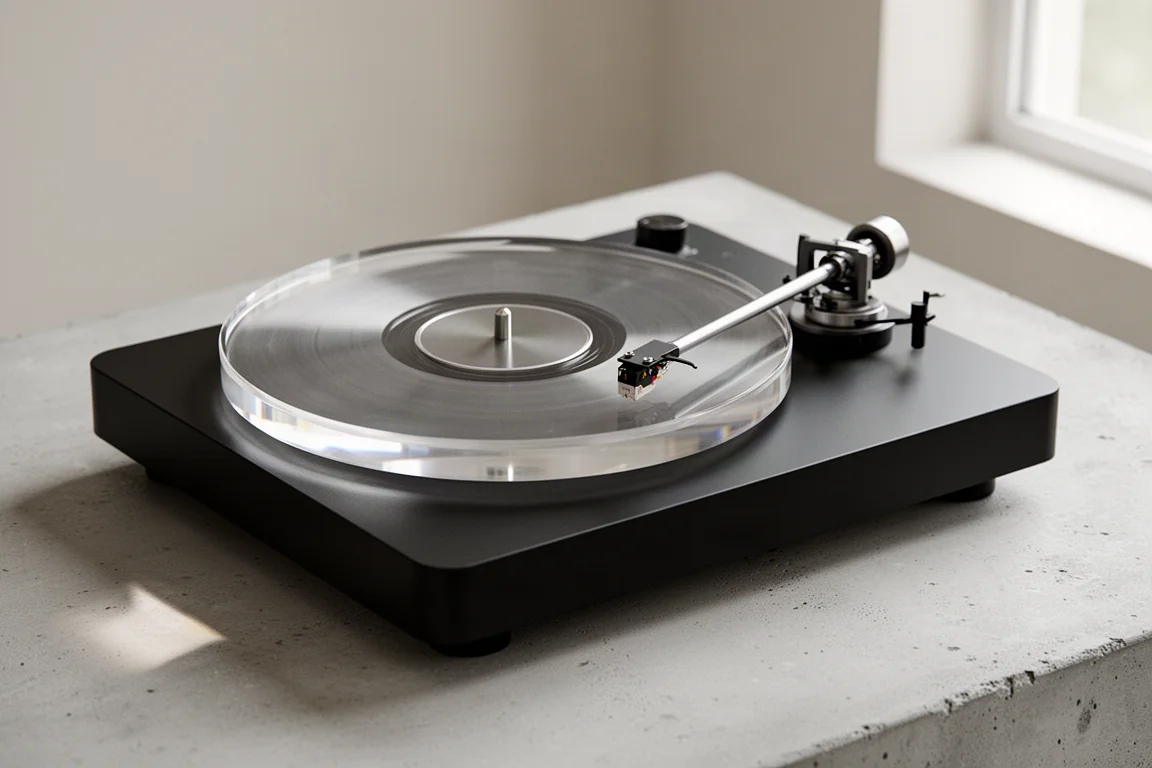
The Orbit Plus is the most affordable deck here, and it is built at U-Turn’s factory in Woburn, Massachusetts, with parts sourced from local vendors. That matters if you like knowing where your money goes.
The Plus version steps up to an acrylic platter, a quality mat, and a bearing designed for speed stability. The gimbal tonearm is well made and includes an adjustable counterweight, and it arrives with a pre-mounted Ortofon OM-5E cartridge. That cartridge is strong value on its own, and the arm is capable enough that you can move to a better cartridge later without replacing the deck.
You can also order the Orbit Plus with U-Turn’s Pluto 2 phono preamp built in, which removes the need for a separate preamp. It comes in several color options to suit the room it will live in. One caveat: there is no cue lever as standard, though it is available as a low-cost optional accessory.
Pro-Ject T1: The Next Step Up
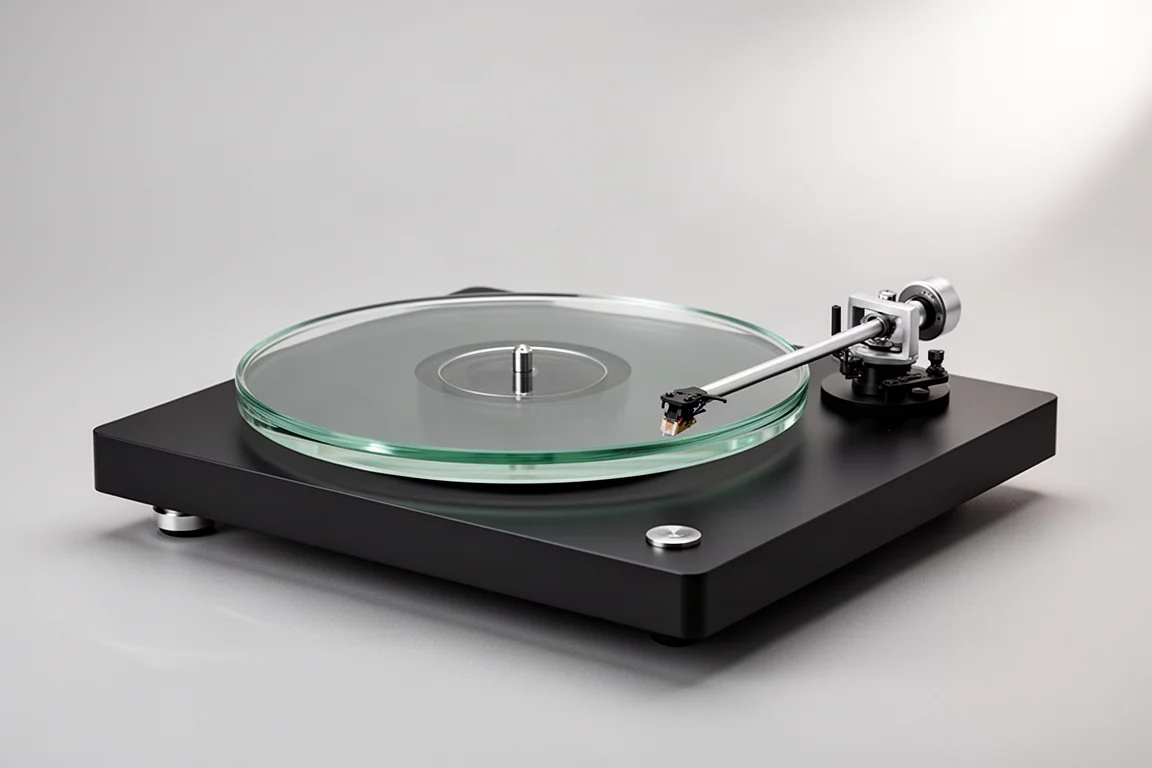
Pro-Ject did a great deal to bring turntables back into mainstream hi-fi with its Debut line, and it manufactures almost everything in-house across factories in Europe, sourcing only the cartridges from Ortofon. The T1 draws on that experience.
The platform uses a redesigned isolation system, plinth, subplatter, and a glass main platter that gives a useful flywheel effect. The tonearm was designed specifically around the Ortofon OM-5E moving magnet cartridge, and it uses some of the best bearings available in this price range. The version with a built-in phono stage is matched to that cartridge, so the pairing is already sorted out for you.
Buyers can choose a model without a preamp, one with a built-in preamp, one with electronic speed control that switches between 33 and 45 at the push of a button, or a Bluetooth version. All of them share the same platform. It is a clear step up from the Orbit Plus for a modest increase in cost.
Pro-Ject Debut Carbon Evo: The Best Value Pick
The Debut Carbon Evo is the evolution of Pro-Ject’s best-selling turntable ever, and it is arguably the strongest value on this list.
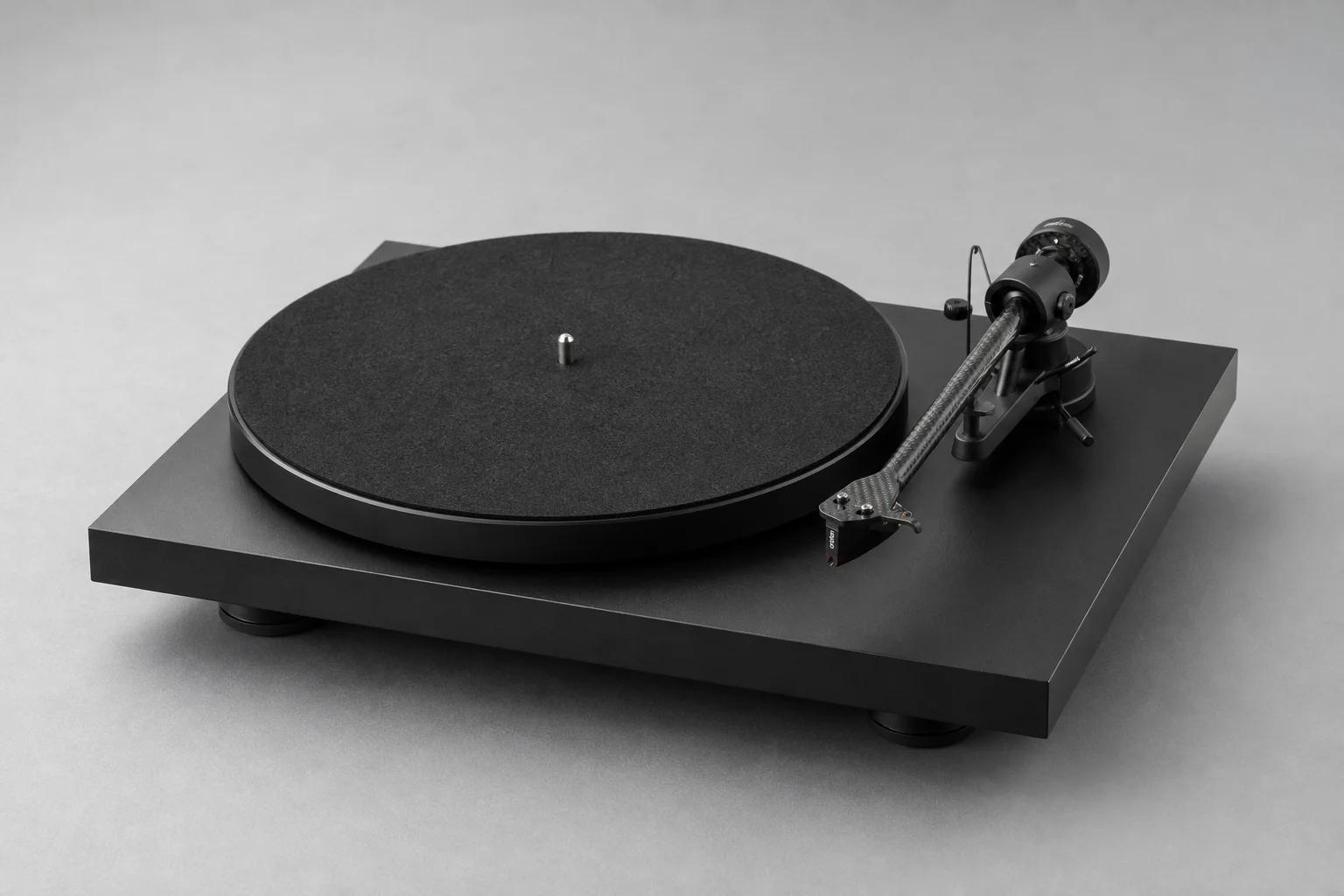
Damping is where it stands out. The feet use thermoplastic elastomers and are adjustable for easy leveling, and a ring of the same material runs around the platter’s perimeter, which damps resonance and adds flywheel mass for better speed stability. The motor mount and platter bearing are equally well executed, and the tonearm runs on precision bearings.
In the US, the Evo ships with a Sumiko Rainier cartridge that tracks well and delivers a neutral sound. You can improve performance considerably by moving up to the next stylus in the range, and Pro-Ject offers a variety of finishes along with factory upgrade options. What wins people over is the warm, musical character: it pulls you further into the record.
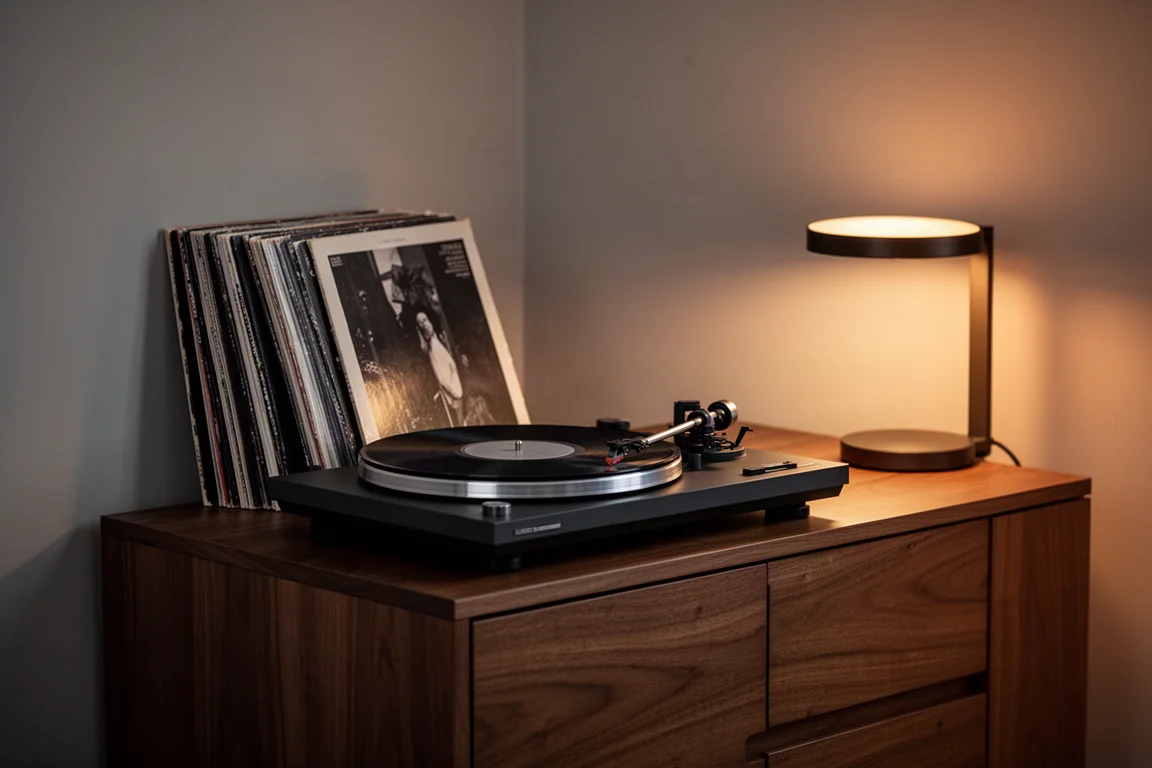
That combination of serious damping, a cartridge worth keeping, and a genuine upgrade path is why the Evo suits both first-time buyers and listeners who plan to grow with their deck.
Rega Planar 2: Decades of Build Quality Below One Thousand Dollars
Rega turntables have a reputation for longevity that is easy to verify: earlier versions of the Planar 2 still arrive for servicing after more than 40 years and keep working.
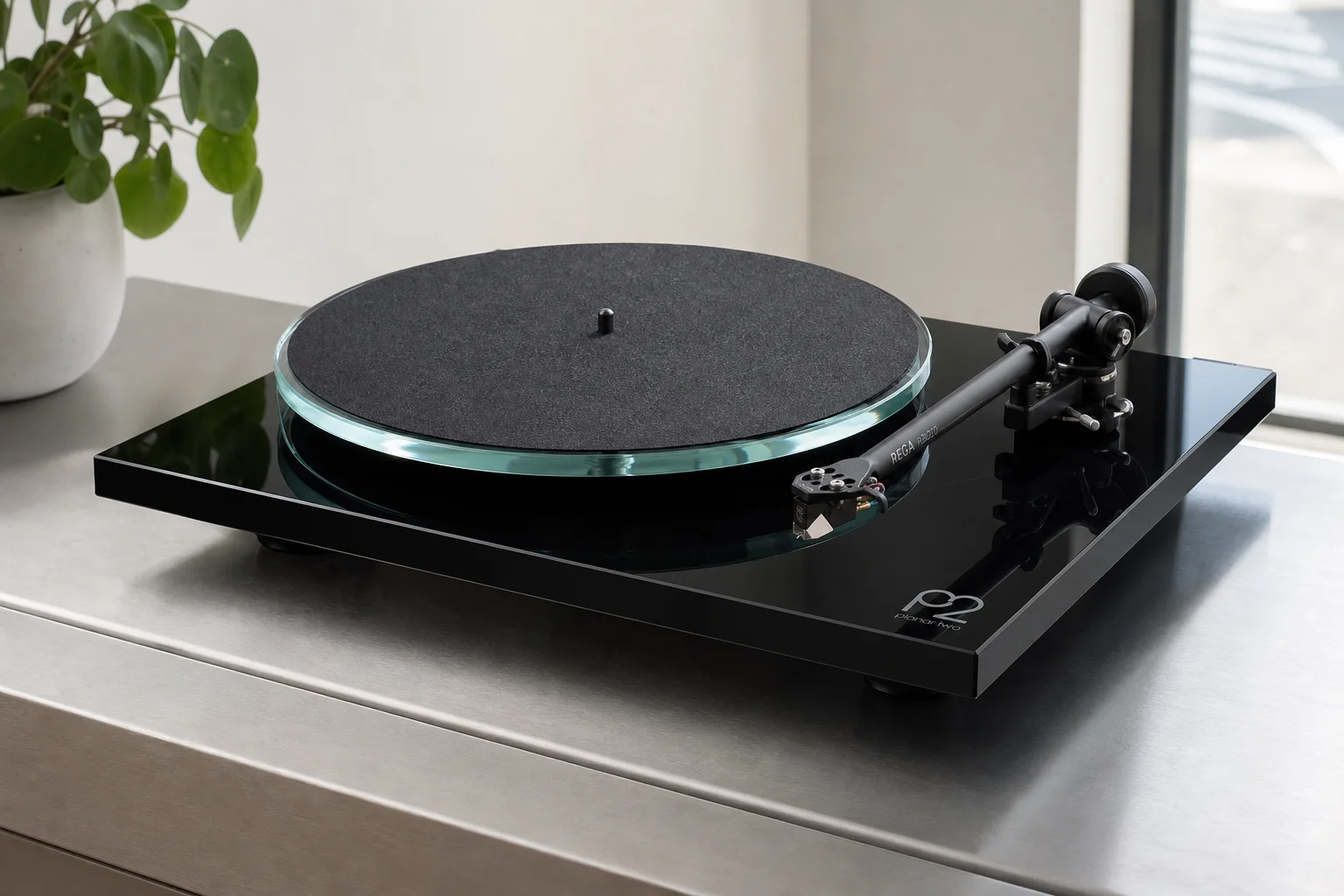
The Planar 2 was designed alongside the Planar 3, Rega’s best-selling model, so it inherits a good deal of the engineering that went into it. You get a one-piece RB220 tonearm mounted on an acrylic laminated plinth, a float glass platter driven by a low-noise 24 volt motor, and a first-rate subplatter and bearing assembly.
For listeners who want to stay comfortably below one thousand dollars while getting the build quality and sound that have kept Rega in the conversation for decades, this is the deck to look at.
Technics SL-1500C: The Automated Option
Technics has been building turntables since 1970, and the SL-1200 introduced in 1972 is still a classic. The SL-1500C is based on that same design.
It is a direct drive deck, which means instant startup with no waiting for the platter to come up to speed. The tonearm is first rate and highly adjustable, so you can fit a better cartridge down the road. The heavy chassis is well damped and the whole unit is built like a tank.
It ships with an Ortofon Red cartridge, and moving to the Ortofon Blue stylus is a straightforward way to upgrade the sound. The built-in phono preamp is matched to the Ortofon and can be switched out of the signal path if you prefer your own.
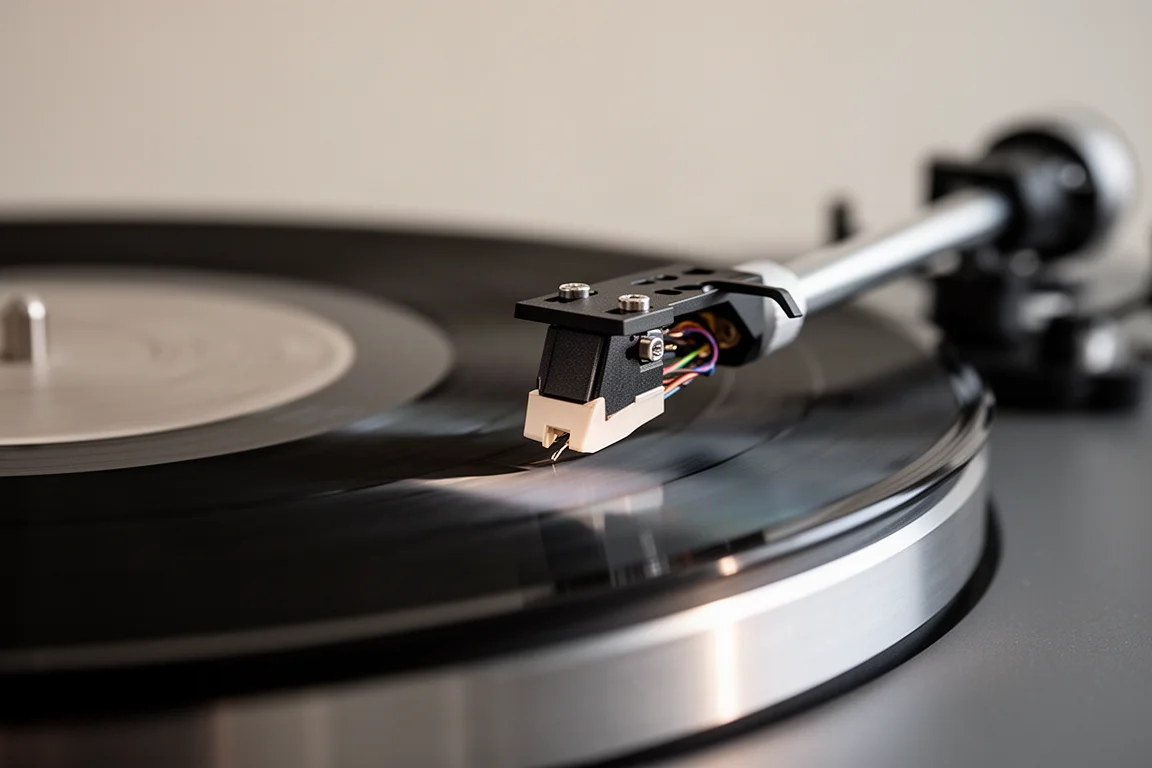
The detail that makes this the pick for anyone who wants more than a manual deck is the auto lift at the end of a side. Direct drive startup, a genuinely adjustable arm, and automatic arm lift make a convincing package.
Rega Planar 3: The Best-Selling Reference
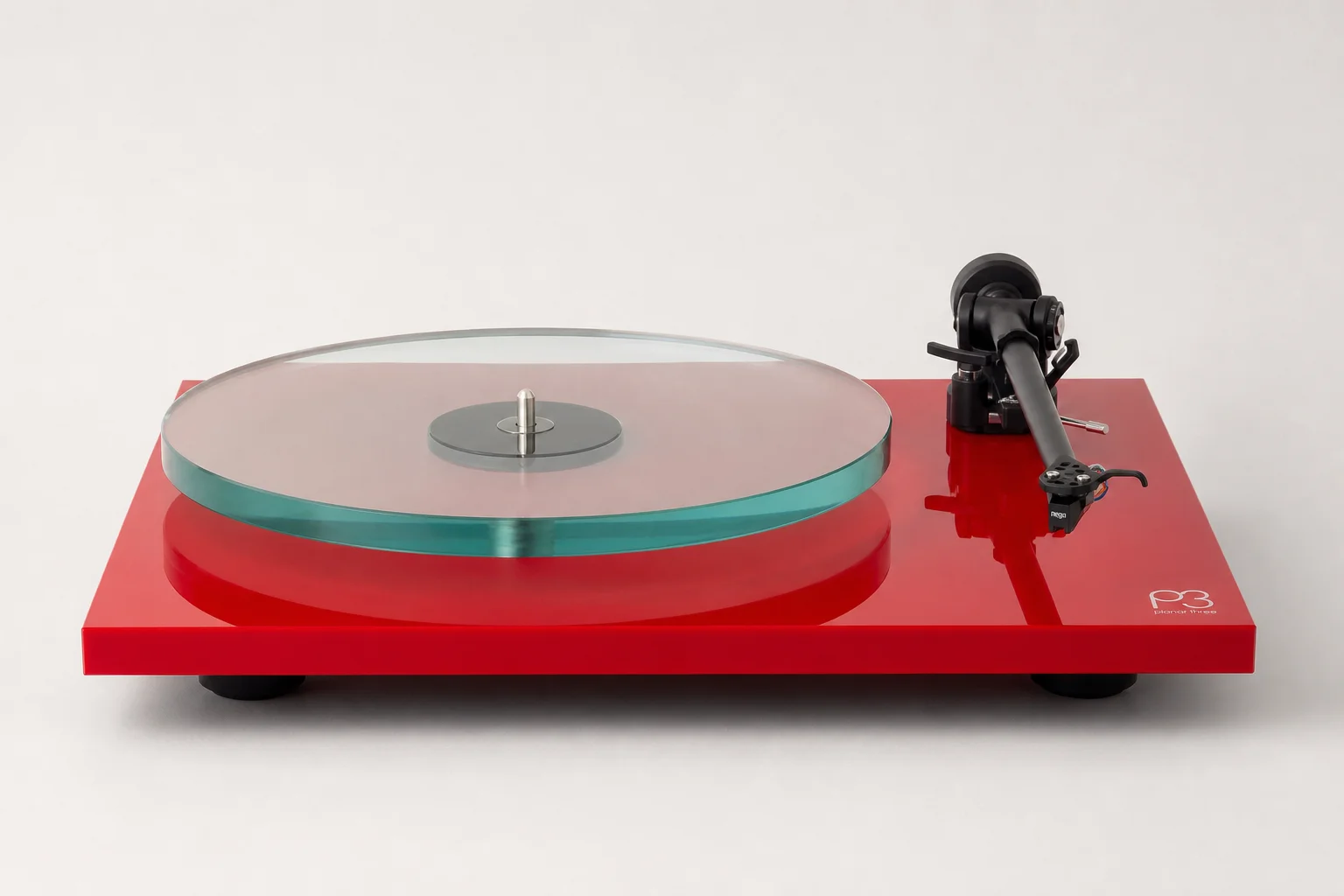
The Planar 3 has been Rega’s best-selling turntable since the 2016 Planar lineup arrived, and it is one of the most widely reviewed and rated decks around. It is available in red, black, and white.
It uses a float glass platter and a one-piece RB330 tonearm. It is also the first model in the Planar range to include double bracing, which makes the deck more rigid and reduces resonance further, and it uses the same motor found in Rega’s higher-end turntables.
You can buy it without a cartridge or with a Rega Elys or Exact pre-mounted. The upgrade path is a big part of the appeal: you can add the external power supply used on the higher-end Rega models, and the tonearm is capable of supporting moving coil cartridges. This is a deck that can stay with you for a long time.
MoFi StudioDeck: Small-Batch Craftsmanship
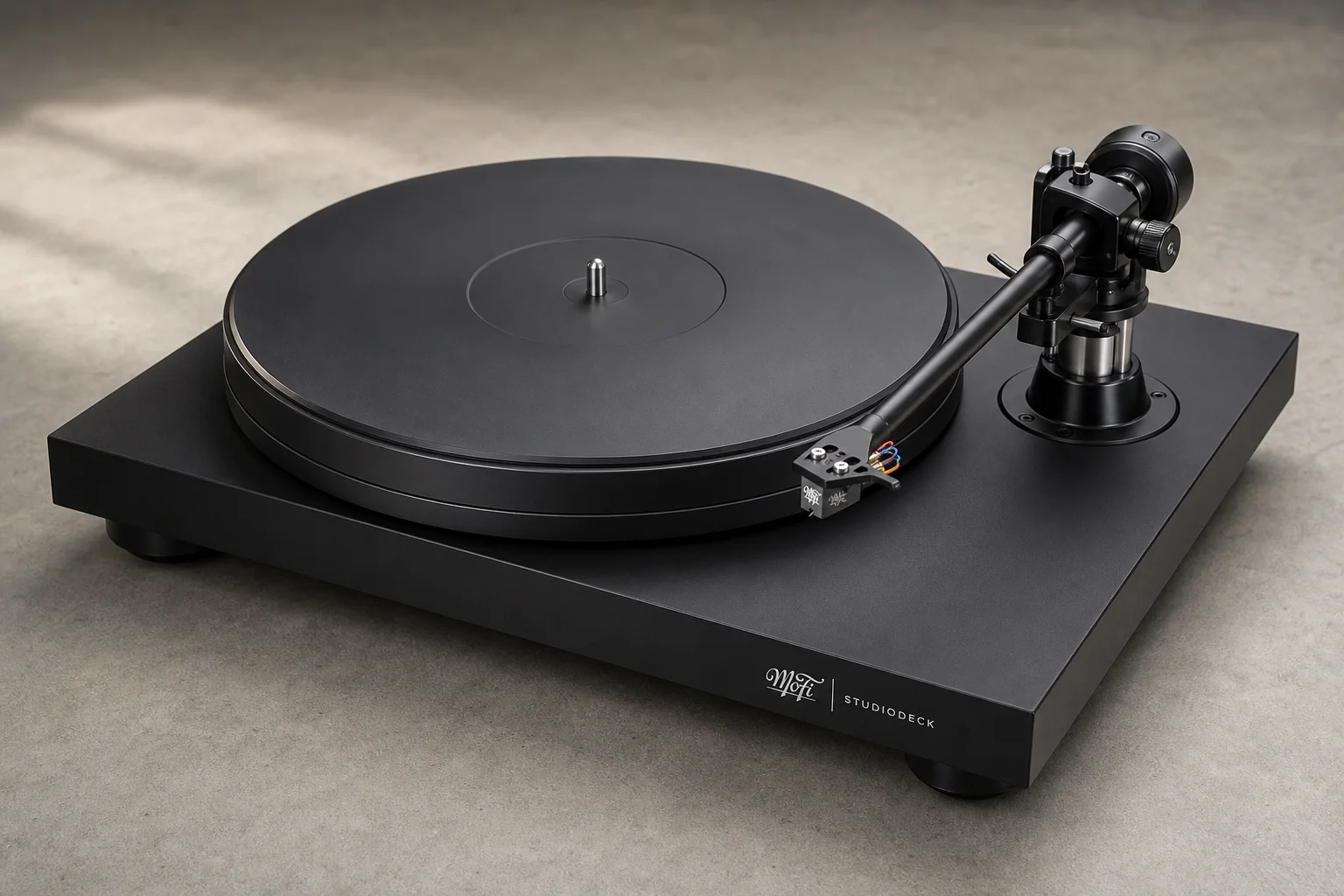
Mobile Fidelity Sound Labs has been in the record business since the 1970s, when it began sourcing master tapes of classic records, cleaning them up, and pressing them to a high standard. Its turntable line was developed with the help of two experienced designers, and the craftsmanship in the StudioDeck is remarkable at its price.
The bearing is a standout: it uses an inverted design normally seen on far more expensive decks, and it supports a platter weighing close to four pounds. Most tonearms in this price range are nine inches, but the StudioDeck uses a fully adjustable 10-inch arm, which improves tracking. The StudioTracker moving magnet cartridge comes pre-mounted and sounds excellent for the money.
Every MoFi turntable is made in small batches in the USA by skilled, meticulous craftspeople. The upgrade path is straightforward too: adding the optional feet and a damping weight moves performance closer to that of more expensive models.
Overall Buying Advice
The right choice depends on what you value most, not on which deck costs the most.
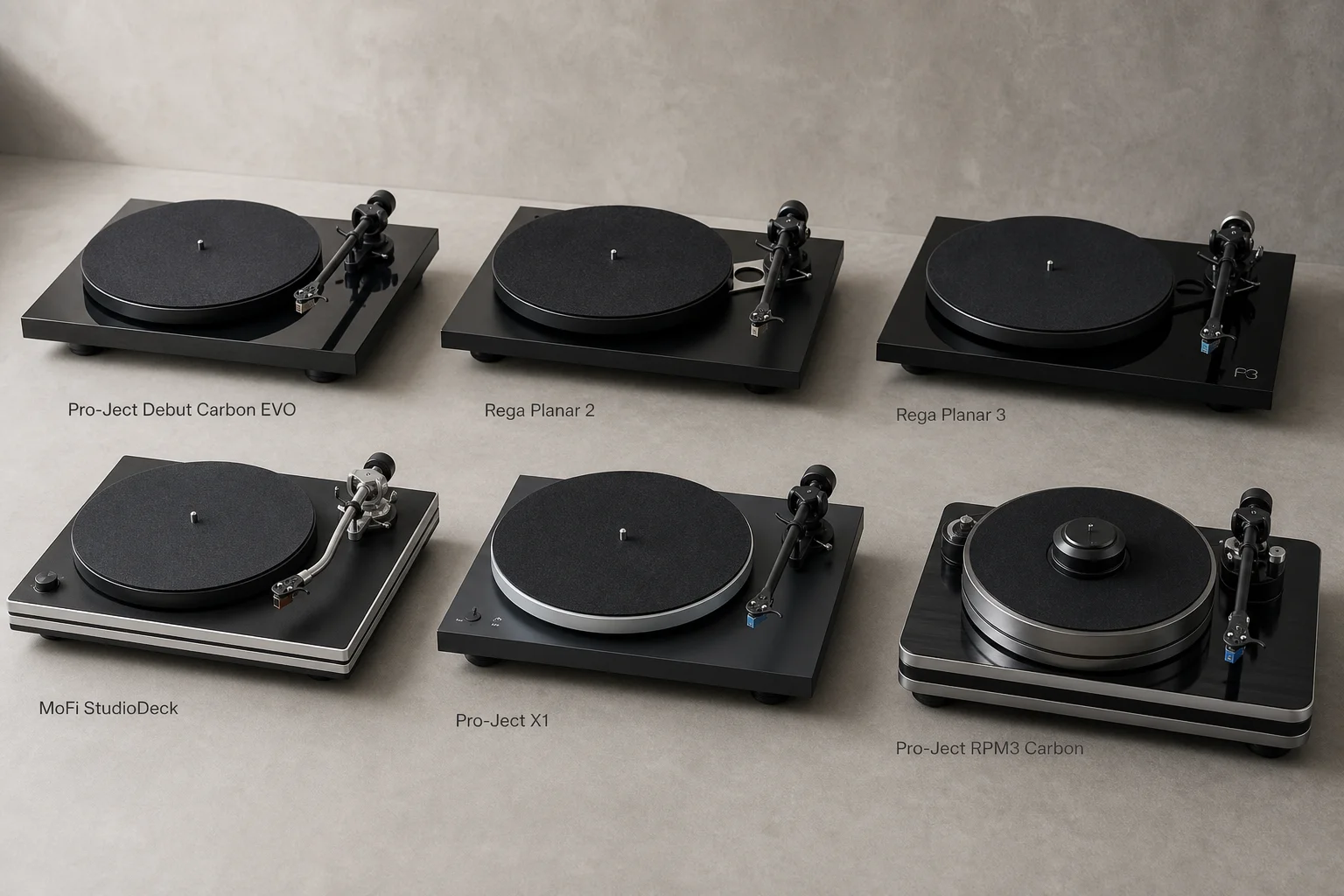
If budget is the deciding factor and you want something built in the USA, the Orbit Plus gets you a solid acrylic platter, a good bearing, and a cartridge worth keeping. If you can stretch a little, the Pro-Ject T1 adds a better tonearm and more configuration options, including a built-in phono stage and Bluetooth.

For the strongest overall value, the Debut Carbon Evo is hard to beat: the damping, the Sumiko Rainier cartridge, and the factory upgrade options add up to a deck that performs well beyond its price.
If longevity and a traditional design matter to you, the Rega Planar 2 delivers decades of proven build quality well below one thousand dollars, while the Planar 3 adds a better arm, double bracing, and the same motor used in Rega’s high-end models.
If convenience is the priority, the Technics SL-1500C is the deck here that offers some degree of automation, with automatic arm lift at the end of a side, plus direct drive startup and a highly adjustable arm. And if you want small-batch American craftsmanship with an inverted bearing and a 10-inch tonearm, the MoFi StudioDeck is the one to audition.
Conclusion
Vinyl keeps growing for good reason: it is a fun, absorbing hobby, and a good turntable is what makes a record collection worth owning. Any of these seven decks will serve you for years, and each one leaves room to upgrade as your interest grows. Match the deck to the way you actually listen, and you will get far more out of every record you bring home.
Further reading
Related Reviews
Turntables
Best Turntables Under $1,000: Five Fully Manual Picks Worth Considering
Five fully manual turntables under $1,000, compared on build quality, cartridges, upgrade potential, and the character of sound each one brings to a system.
Turntables
Best Turntables Under $2,000: Six Vinyl Decks Worth Building a System Around
Six turntables under $2,000, from a value-focused belt-drive deck to a fully balanced design, with the strengths and trade-offs that matter before you buy.
Turntables
Best Turntables Under $799: Six Vinyl Players Worth Considering
Six turntables under $799, from a $399 belt-drive value pick to a $799 high-performance deck, with the features that actually matter before you buy.