Turntables
Best Turntables Under $1,000: Five Fully Manual Picks Worth Considering
Five fully manual turntables under $1,000, compared on build quality, cartridges, upgrade potential, and the character of sound each one brings to a system.
Introduction
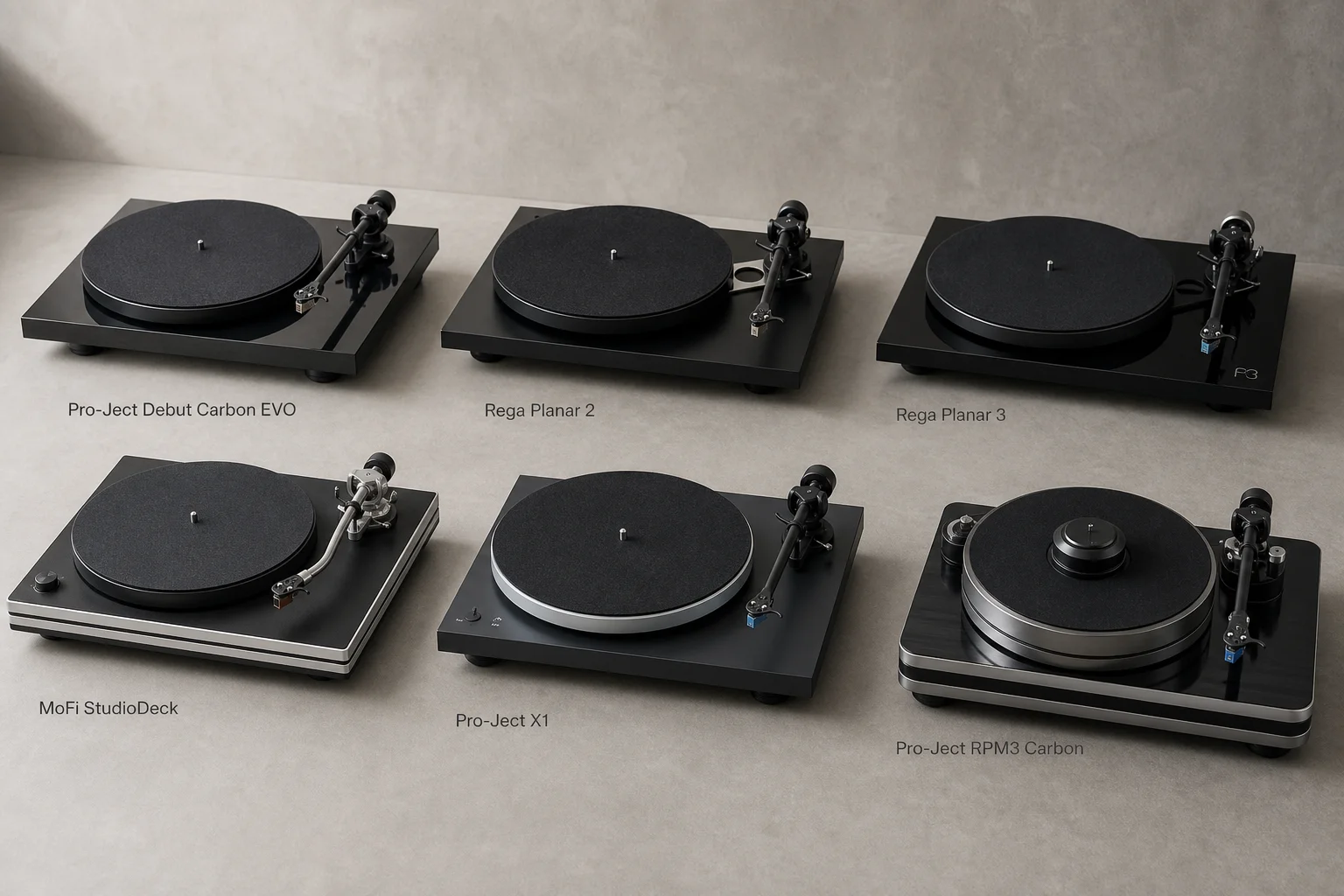
Vinyl has a way of pulling listeners deeper into their music, and the turntable is where that journey begins. At this price point the goal is straightforward: a well-built, fully manual deck with a tonearm and bearing that hold speed steady, and a cartridge that tracks cleanly record after record.

All five turntables in this roundup are fully manual designs, which many vinyl listeners prefer for the directness of the mechanical path and the simplicity of the layout. Every one of them sits under $1,000, and each takes a slightly different route to good sound. Some prioritize ease of setup, others emphasize upgrade potential, and one or two lean on unusual engineering to squeeze more performance out of a modest budget.
Two of the models here can be ordered with a built-in phono preamp, while the others need a separate phono preamp. Upgrade potential is the other thing worth weighing: some of these decks can be improved over time with a better stylus or a different cartridge, and others are best bought once and enjoyed exactly as they arrive.
What to Look For in a Turntable Under $1,000
The first decision is manual versus automatic. Manual operation puts the listener in charge of cueing and speed selection, and it keeps the mechanical path short. All five tables here follow that approach.
Next comes the tonearm and bearing assembly. These are the parts that decide how quietly and consistently a record tracks, and they are also the hardest components to change later. A well-machined arm with precision bearings, paired with a stable platter and a low-noise motor, does more for long-term satisfaction than any single feature on a specification sheet.
The cartridge matters just as much, and it is where many owners eventually spend money. A table that accepts a stylus upgrade or a different cartridge gives a listener somewhere to go as their system improves. A table with a fixed cartridge is a closed loop, which is fine for buyers who want one good decision and no further tinkering.
Finally, consider the plinth, the platter, and the feet. Damping, leveling, and speed stability all show up in the listening rather than on paper, and they are usually the difference between a table that sounds pleasant and one that keeps pulling records off the shelf.
U-Turn Orbit Special: Warm Sound and a Clear Upgrade Path
The U-Turn Orbit Special tends to be the table people comment on first for its looks. The plinth is made from sustainably sourced US flat-cut maple and rift walnut, and the Special versions of the Orbit use the better plinth in the range. The cue mechanism is included, and the package ships with the Ortofon 2M Red phono cartridge.
That cartridge is one of the most popular moving magnet designs ever made, and for good reason. It tracks well and keeps a neutral tonal balance. It also gives the Orbit Special a clear upgrade path, because moving to the stylus for the next model up, the Ortofon 2M Blue, tracks even better and extracts more detail from the groove.
The Orbit Special also benefits from the newer OA tonearm, which brings improved build and tracking ability, along with a new belt and speed control. The combination of the finished plinth and the 2M Red makes it a strong value, and it delivers a warm sound that should serve a listener for a long time.
Rega Planar 1: The Simplest Setup in This Group
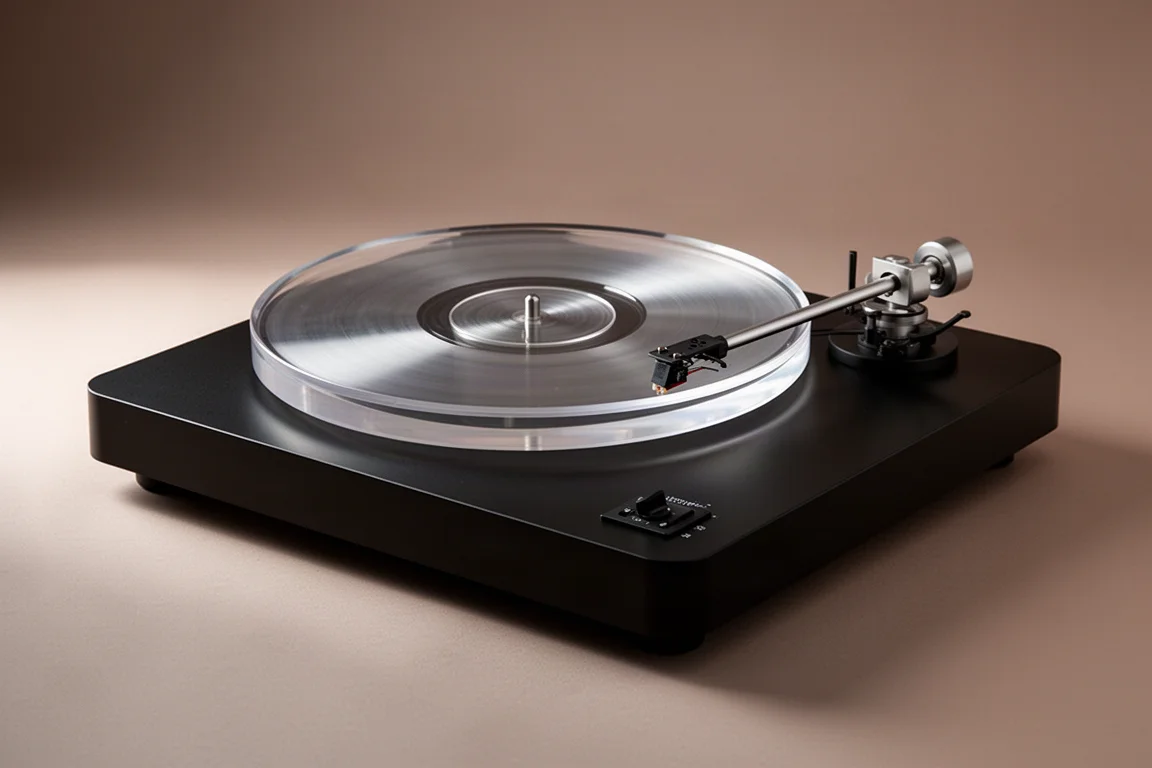
Of everything on this list, the Rega Planar 1 is by far the easiest to set up. Rega builds turntables that cost tens of thousands of dollars and brings decades of engineering experience to the range, and the Planar 1 is the entry point to that approach. It arrives with the Rega Carbon moving magnet cartridge pre-mounted on an RB110 tonearm.

The trade-off is flexibility. The cartridge is not user-changeable and the table does not offer the upgrade paths found elsewhere in the range, so it is a deck to buy and enjoy as it comes rather than modify. Buyers who want a built-in phono preamp can choose the Planar 1 Plus, which is designed around the Carbon cartridge.
For anyone who wants to get into the sound and engineering Rega is known for, the Planar 1 is a very good place to start, and its value is hard to argue with.
Pro-Ject Debut Carbon Evo: Damping, Stability, and Musical Warmth
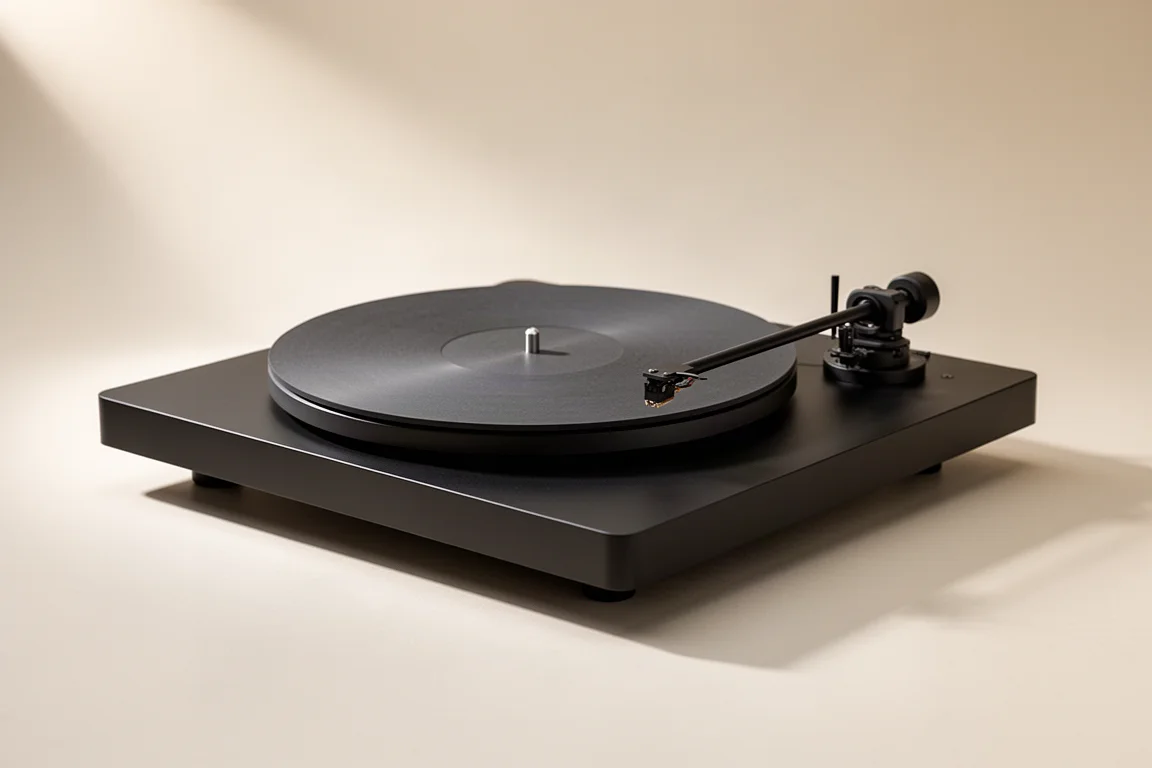
The Debut Carbon, in its various versions, was one of the best-selling turntables ever brought to market, and the Debut Carbon Evo is an evolution of that classic design.
There is a lot to like here. The damping feet use thermoplastic elastomers, or TPE, and they are adjustable, which makes leveling straightforward. The platter carries a ring of TPE around its perimeter that damps resonance and adds a flywheel effect for better speed stability. The motor mount and platter bearing are extremely well put together, and the tonearm is assembled with precision bearings the way a fine watch is assembled.
The US version ships with a Sumiko Rainier moving magnet cartridge that tracks beautifully and keeps a neutral balance. Performance can be improved substantially by moving up to the next stylus in the range, and the table is available in a wide choice of finishes. Project also offers a variety of upgrade options for owners who want to take the Evo further.
What stands out most is the warm, musical sound that draws a listener into the music. The Evo has a way of pulling out one record after another.
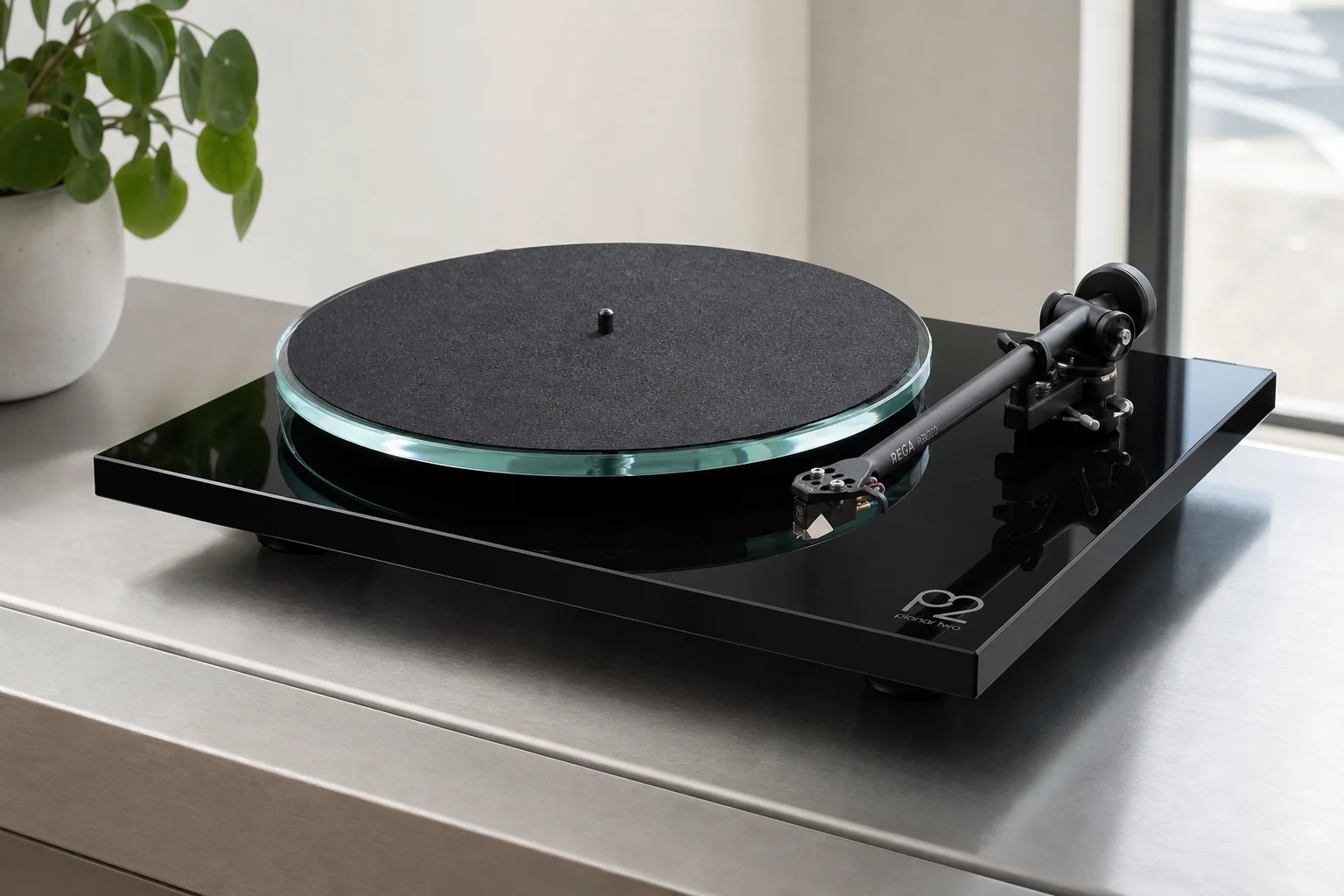
Rega Planar 2: A Serious Step Up in Rega Build Quality
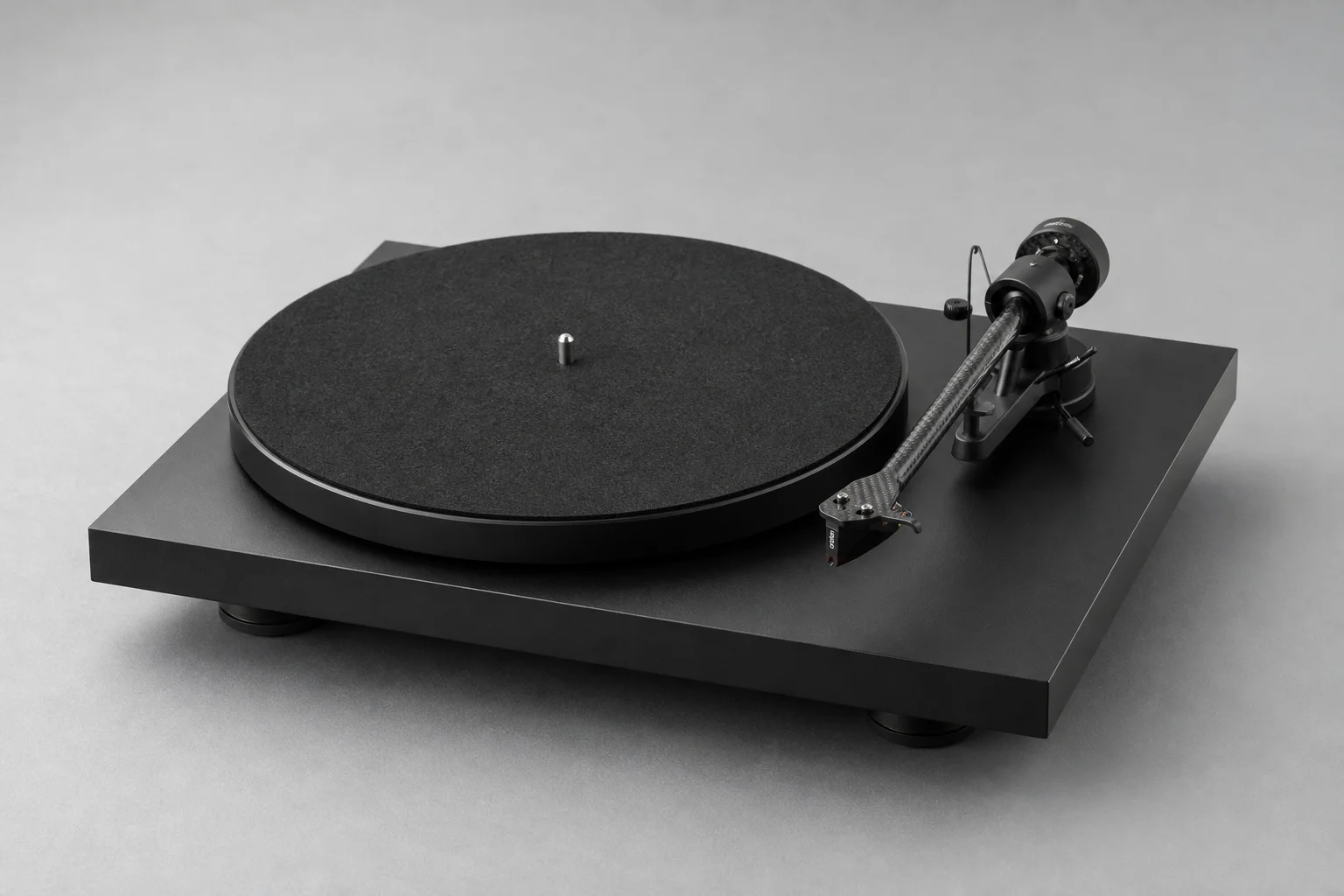
The Rega 2 is a classic, and earlier versions are still in service today. Units more than 40 years old still come in for tune-ups and keep going strong, which says a great deal about how these tables are built.
The Planar 2 was designed alongside the Planar 3 and benefits from much of the research and development that went into it. It uses a one-piece RB220 tonearm mounted on an acrylic laminated plinth, with a float glass platter driven by a low-noise 24 volt motor. The subplatter and its bearing are first rate as well.
Even though it uses the same cartridge as the Planar 1, the Planar 2 is a big step up in sound. For listeners who want to stay well below the $1,000 mark while getting the build quality and the sound Rega is known for, it is a substantial jump over the Planar 1.

The extra investment goes into the parts that matter over the long term: the tonearm, the platter, and the bearing assembly. Those are the components that keep a table sounding composed as a system improves around it.
Pro-Ject RPM 1 Carbon: Unconventional Looks, Serious Engineering
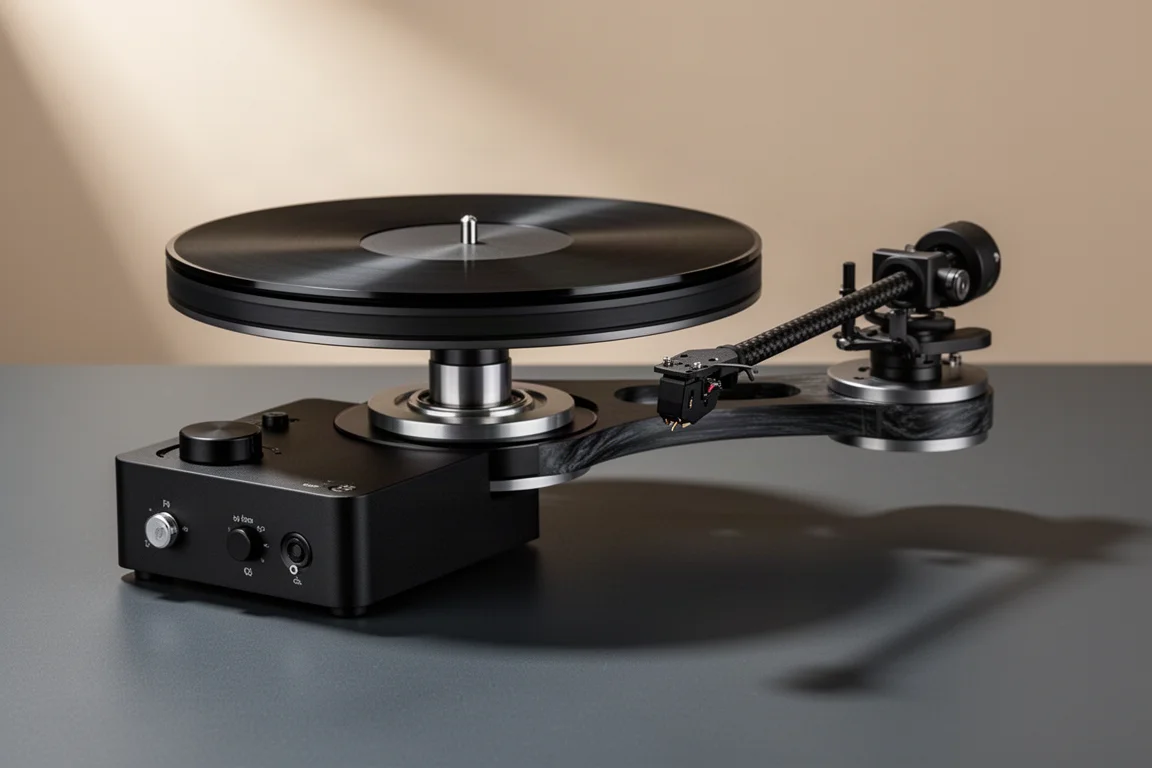
The RPM 1 Carbon looks a little unusual, and that is part of the point. There is no dust cover, and the shape reads more like a spacecraft than a conventional turntable. If that is not a dealbreaker, the sound is remarkable for the money.
The design was built specifically to deliver high quality without compromising sound at a modest price. A low-resonance chassis is combined with an inverted MDF platter bearing and a ceramic ball to minimize noise and reduce rumble, and each platter is individually balanced. An outboard 15 volt AC motor is driven by an ultra-precision AC generator with a DC power supply for enhanced speed stability.
The tonearm is a precision S-shaped design constructed from a combination of carbon, aluminum, and resin, and it arrives with a Sumiko Pearl cartridge pre-mounted. The arm is fully adjustable, so it can handle any cartridge an owner might want to fit later on. The RPM 1 Carbon is not for everyone, but for a listener who wants an amazing sound and a table that raises eyebrows, it deserves a close look.
Which One Should You Choose?
Start with how much setup work you want to do. If the answer is as little as possible, the Rega Planar 1 is the simplest table here by a wide margin, and it still delivers the sound that made the Rega name. It is the lowest-effort route into serious vinyl playback.
If you would rather have a table you can improve over time, the U-Turn Orbit Special is the natural choice. The Ortofon 2M Red gives you a straightforward stylus upgrade, and the finished maple or walnut plinth makes it a piece of furniture as much as a component.

For the most complete all-rounder, the Pro-Ject Debut Carbon Evo is hard to beat. Adjustable damping feet, a damped platter with flywheel behavior, a precision tonearm, and a wide choice of finishes add up to a table that is easy to live with and easy to enjoy.
If Rega build quality is what appeals to you but the Planar 1 feels too limited, the Planar 2 is the logical step. The one-piece RB220 arm, the acrylic laminated plinth, and the float glass platter are a meaningful upgrade, and the 40-year service record of earlier Rega 2s speaks for itself.
And if you want something that looks unlike anything else on the shelf, the Pro-Ject RPM 1 Carbon pairs a low-resonance chassis and a balanced platter with a fully adjustable S-shaped tonearm. Just be prepared to live without a dust cover.
Conclusion
Each of these five turntables earns its place under $1,000 for a different reason. The Rega Planar 1 wins on simplicity and value, the U-Turn Orbit Special on finish and cartridge quality, the Pro-Ject Debut Carbon Evo on all-round engineering and warmth, the Rega Planar 2 on long-term build quality, and the Pro-Ject RPM 1 Carbon on distinctive design and clever isolation. Match the table to the way you actually listen, and any one of them will reward the choice for years.
Further reading
Related Reviews
Turntables
Best Turntables 2026: Seven Standout Picks From Entry Level to Premium
A practical roundup of seven turntables worth considering, from a US-made budget deck to small-batch premium models with a clear upgrade path.
Turntables
Best Turntables Under $2,000: Six Vinyl Decks Worth Building a System Around
Six turntables under $2,000, from a value-focused belt-drive deck to a fully balanced design, with the strengths and trade-offs that matter before you buy.
Turntables
Best Turntables Under $799: Six Vinyl Players Worth Considering
Six turntables under $799, from a $399 belt-drive value pick to a $799 high-performance deck, with the features that actually matter before you buy.