AV Receivers
Yamaha Aventage RX-A8A Review: A Flagship 11.2-Channel Receiver Held Back by Promises
The Yamaha Aventage RX-A8A delivers balanced, detailed sound and deep 11.2-channel configurability, but several headline HDMI 2.1 features are still waiting on firmware.
Introduction
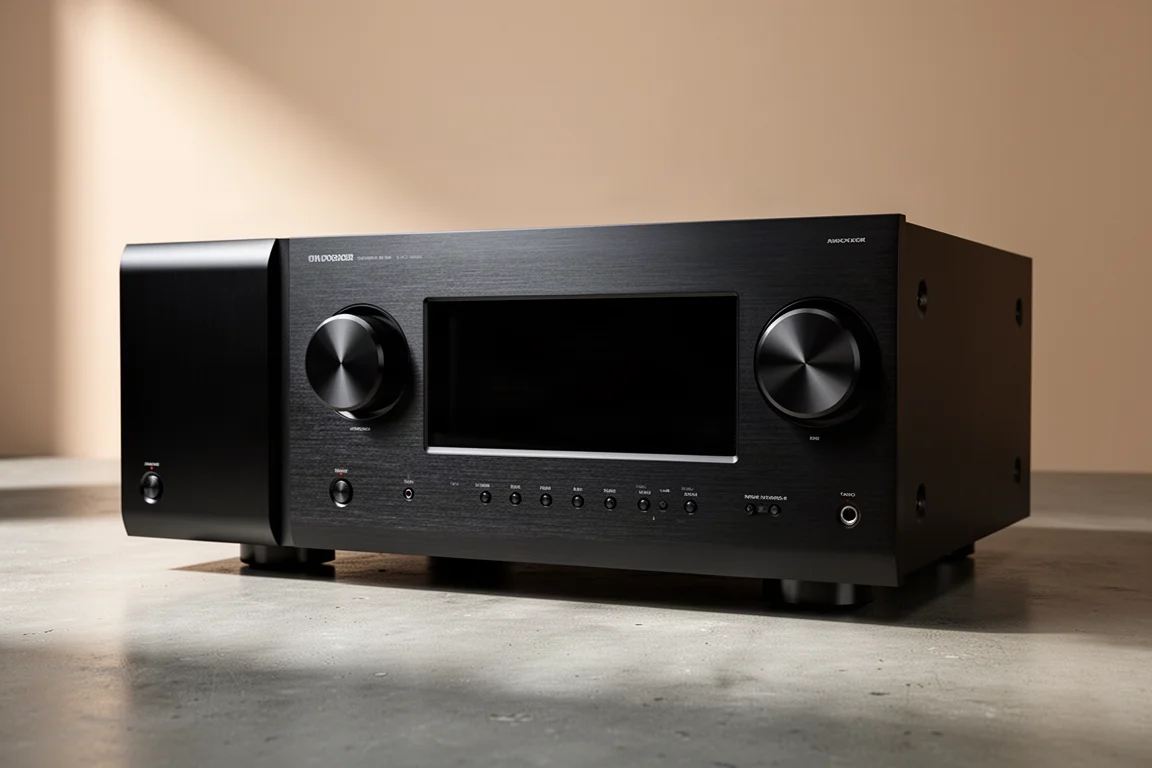
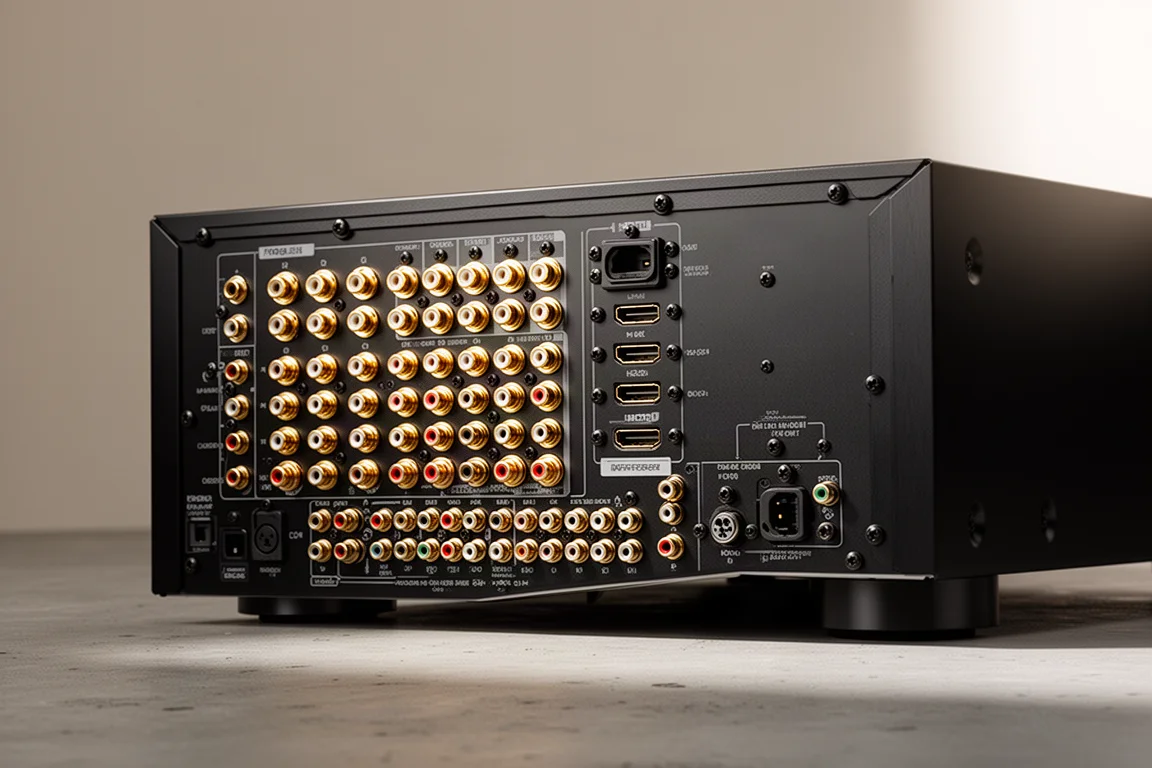
The Yamaha Aventage RX-A8A sits at the top of Yamaha’s receiver range: an 11.2-channel design with Dolby Atmos and DTS:X processing, a power rating of 150 watts per channel with two channels driven, and seven HDMI inputs that Yamaha lists as HDMI 2.1 compliant at up to 40 Gbps. On paper, it is one of the more powerful and better-connected AV receivers you can buy.
What complicates the picture is timing. Several of the features that would justify a flagship price are still pending firmware updates, which means buyers are being asked to pay today for functionality that has not fully arrived. This article covers what the RX-A8A does well right now, what is still missing, and who should feel comfortable buying.
Who This Receiver Is For
The A8A is built for listeners who want to sit in the director’s chair. Its menus are extensively customizable, it offers full preamp outputs for all 11.2 channels, and the subwoofer outputs can be configured independently, so it can serve as the control centre of a large, carefully tuned system. If you enjoy adjusting filters, reassigning inputs, and running calibration more than once, that depth is a genuine asset rather than a chore.
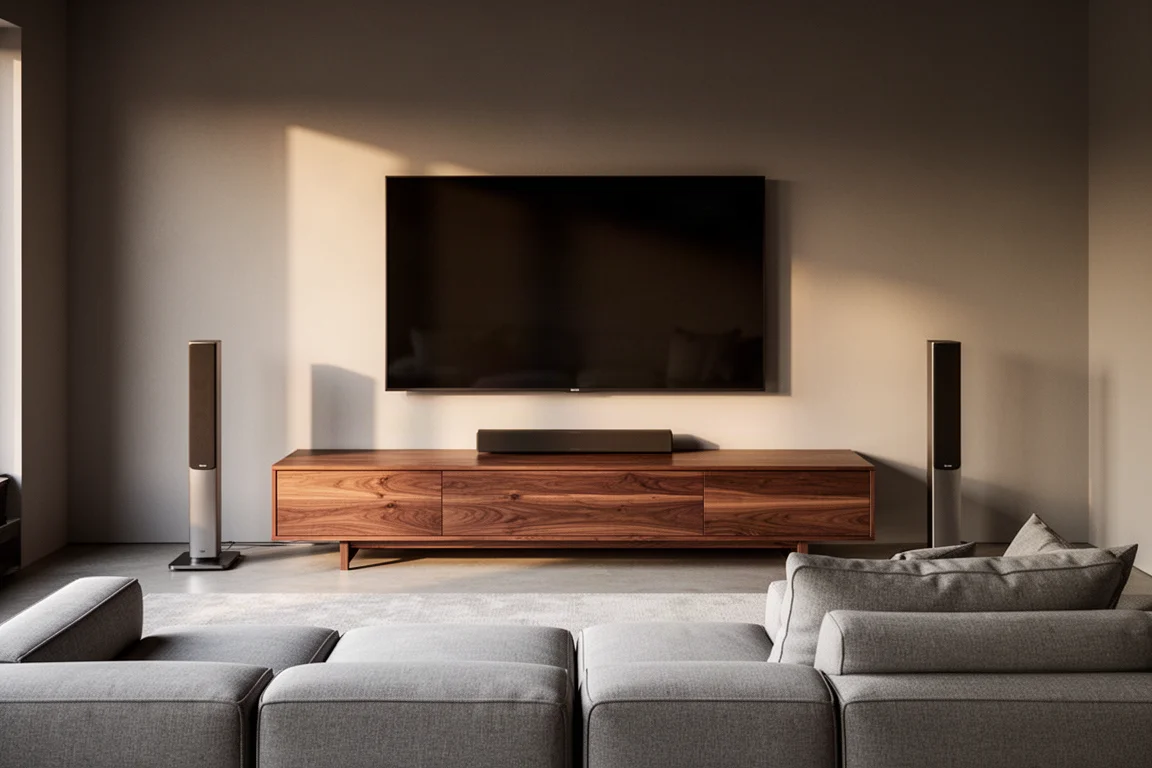
It also suits music listeners as much as movie watchers. A moving magnet phono preamp, a broad set of analog and digital audio inputs, and native streaming support make it a credible hub for a two-channel setup as well as a surround system.
Where it fits less comfortably is with buyers who want a plug-and-play box. The A8A rewards tinkering, and anyone who would rather not open a setup menu at all will find the depth of adjustment more of a project than a feature.
Sound Quality: Balanced, Detailed, and Refined
Across several speaker packages, the A8A’s character comes through as balanced, with solid separation and relative clarity. Driving floorstanding towers full range and without a subwoofer, it kept good control over the woofers and delivered detail and texture through the bass, especially as the sound moved up toward the mid-range. Some competing receivers extract slightly more low-end weight, which can make speakers sound a little richer and warmer, but the difference narrows considerably once a subwoofer is part of the system.
The mid-range is neutral and perhaps ever so slightly lean in weight, yet it stays articulate, which helps instruments and vocals remain intelligible. Listeners who want extra body or presence in vocals may find it a touch reserved, while everyone else will appreciate how easy it is to follow a phrase or a note.
The treble is where this receiver stands apart. High notes are extended with exceptional air and decay, and the presentation never becomes forward or fatiguing. This is one of the A8A’s best attributes, and it sits comfortably alongside what Yamaha’s higher-end integrated amplifiers deliver. The ESS Saber DACs also allow per-input filter adjustments for anyone who wants to fine-tune the top end further.
Soundstaging is close to class leading in definition and separation, presented in a slightly laid back way, with instruments and vocals starting at or just behind the speaker baffles. Dolby Atmos material scales well, overhead effects included, and the receiver breathes extra life into a film’s ambience. Dynamically it is natural rather than explosive, but it keeps a touch more control, which makes large passages feel nuanced rather than blunt.
Setup, Calibration, and Streaming
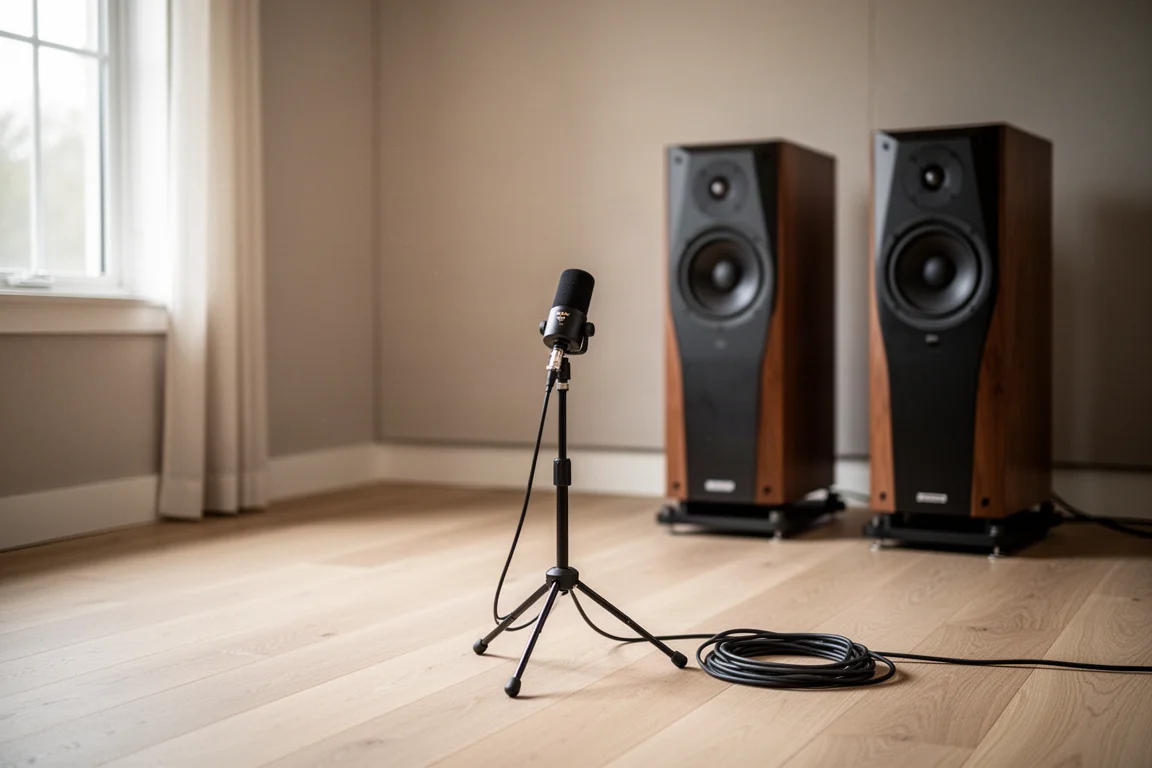
Getting the A8A into a system is straightforward: connect the speakers and sources, then work through the on-screen menus, which are as simple or as complicated as you choose to make them. Room correction is handled by Yamaha’s own YPAO software, and the version here uses better processing and multi-angle measurement than the version found in Yamaha’s entry receivers. Third-party correction such as Dirac is not offered. In practice, YPAO identified the connected speakers and subwoofers reliably, although it repeatedly flagged a phase issue that did not actually exist, and it never specified which speaker was affected.
Streaming is well covered. The A8A supports Spotify natively and adds AirPlay 2, Bluetooth, Wi-Fi, and Ethernet, so it works as a network music player as readily as a surround processor. It is compatible with Amazon Alexa and Google Assistant, and it can be controlled either from the included remote or from the free MusicCast app.
The menus will feel familiar to anyone who has used a recent Yamaha receiver. They are also strikingly similar to those on the far less expensive Yamaha V6A, which is worth knowing before you assume the flagship brings a completely different user experience.
Things to Consider Before Buying
Video is the biggest caveat. The A8A is currently limited to 4K60 on its video inputs and outputs. 8K60 and 4K120 support, along with variable refresh rate, auto low latency mode, and HDR10+, all remain pending firmware updates. Dolby Vision, HDR10, HLG, ARC, and eARC are available now.
For gaming, that limitation is meaningful. A console connected to the A8A cannot deliver 4K120 in HDR, so titles played at 4K60 with HDR are smooth and perfectly acceptable for casual play, but dedicated gamers will find the receiver comes up short compared with hardware that already supports the full feature set.
That leaves buyers weighing a simple question: how much of your budget should rest on features described as coming later? Yamaha has indicated a firmware timeline for these capabilities, but the functionality is not present today, and anyone purchasing now is effectively buying part of the specification on trust.
Build Quality and Value
Styling is a clear step up from Yamaha’s entry receivers, with straighter corners and a larger footprint. Even so, the A8A shares a great deal of tactile hardware with the cheaper Yamaha V6A, which keeps it from feeling as special as its position in the range suggests. Internally the construction is impressive overall, with one exception: on the sample we examined, the right front foot was attached to the chassis with double-stick tape while the other feet were properly screwed in place.
At around $3,000, the value question is unavoidable. Similar levels of performance can be reached for less, and several alternative receivers at lower prices were fully realised products with their advertised functionality already enabled, including the Onkyo RZ50 and the Denon X3700H. Even the far cheaper Yamaha V6A shares the same HDMI video limitations, comparable menu quirks, and similar software behaviour. Sound-wise the A8A is the more refined of the two Yamahas, but once you are absorbed in a scene or a film, the gap is not dramatic.
Living With the A8A Day to Day
Everyday use exposes a few rough edges. Switching between streaming apps or inputs can cause the speakers to audibly pop. The receiver has also been observed power cycling on its own while switched off, even with Bluetooth, Wi-Fi, and remote power-up settings disabled.
The remote is a mixed bag. It feels good in the hand and is better built than most remotes on the market, yet it is close to useless for on-the-fly changes. Raising the dialogue level, which most remotes handle with a single button press, requires opening a pop-up menu and navigating to a sub-menu here. The MusicCast app puts the same adjustments right at your fingertips, which makes it the more practical control option day to day.
Buying Advice
If you want an 11.2-channel Aventage receiver with strong music performance, an effective calibration system, and deep configurability, the A8A delivers on those terms. Its treble performance, channel count, and preamp flexibility are the strongest reasons to choose it, and its menus will reward anyone who enjoys getting the details right.
If what you actually need is the advertised HDMI 2.1 feature set, the calculus changes. Buying now means paying for capabilities that arrive later, and the practical advice is to decide whether 4K120, variable refresh rate, and auto low latency mode genuinely matter for your setup. If they do, waiting, or choosing a fully realised alternative, is the more sensible path. If they do not, the A8A remains a capable high-end receiver for movies and music alike, provided you accept that part of the specification is still in progress.
Conclusion
The Yamaha Aventage RX-A8A is a solid high-end caliber receiver. Its sound is balanced, detailed, and refined, with treble performance on par with what Yamaha’s higher-end integrated amplifiers deliver, and its 11.2-channel processing, full preamp outputs, and independent subwoofer outputs give it real long-term flexibility.
The hesitation is not about sound quality. It is about paying flagship money for a product whose most marketable features remain promises. Buyers who value channel count, music performance, and deep customisation will find plenty to like here. Buyers who need the full HDMI 2.1 toolkit should think carefully about timing before committing.
Product link
View more details for Yamaha Aventage RX-A8A
This product is mentioned in the review. Check the specifications, options, and compatibility before buying.
View more details for Yamaha Aventage RX-A8AFurther reading
Related Reviews
AV Receivers
Anthem MRX 740 8K Review: Composed Home Theater Sound With a Few Rough Edges
A close look at Anthem's mid-tier MRX 740 8K receiver, covering its sound, ARC Genesis room correction, HDMI 2.1 features and the daily quirks worth knowing before you buy.
AV Receivers
Anthem MRX 740 vs MRX 1140: Which AV Receiver Fits Your System?
A measured look at the Anthem MRX 740 and MRX 1140, covering preamp output performance, amplifier behaviour, bass management, and expansion headroom.
AV Receivers
Best AV Receivers for Home Theater: Denon, Onkyo, Marantz and Yamaha Compared
Four home theater receivers compared on features, sound character, setup and value, with clear guidance on which one fits which kind of buyer.