Integrated Amplifiers
Yamaha A-S801 Review: A Modern Integrated Amplifier With a Vintage Soul
A close look at Yamaha's 100-watt integrated amplifier, from its Sabre DAC and variable loudness dial to how near it gets to a classic 1970s sound.
Introduction
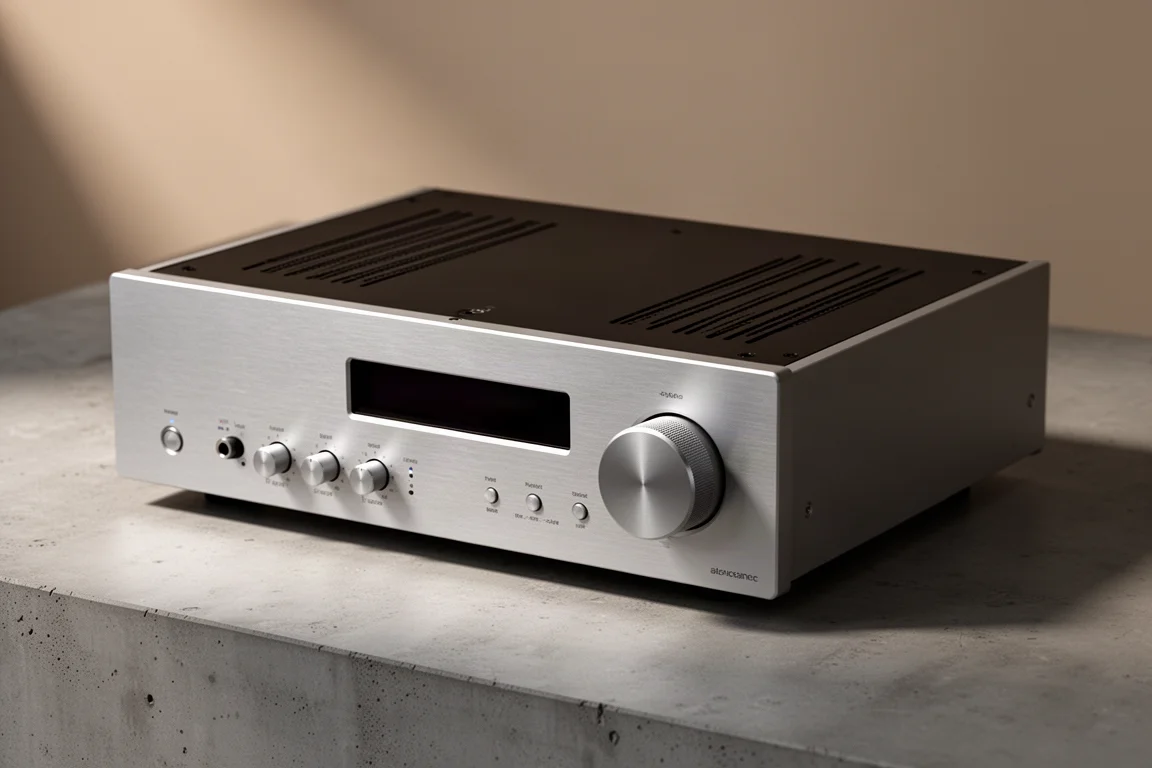
Yamaha has spent decades building two-channel amplifiers, and the A-S801 sits at the top of the company’s current integrated range. It is an integrated amplifier rather than a receiver, which means there is no tuner on board. What you get instead is 100 watts per channel into 8 ohms, a built-in DAC, a phono stage, and a front panel that borrows its proportions and its finish from the amplifiers Yamaha sold in the 1970s.
That combination is what makes it interesting. Listeners who admire the sound of vintage gear often ask whether anything modern can match it, and the A-S801 is a serious attempt at an answer. It also arrives with the inputs, the remote and the everyday usability of a current production component.
Who this product is for
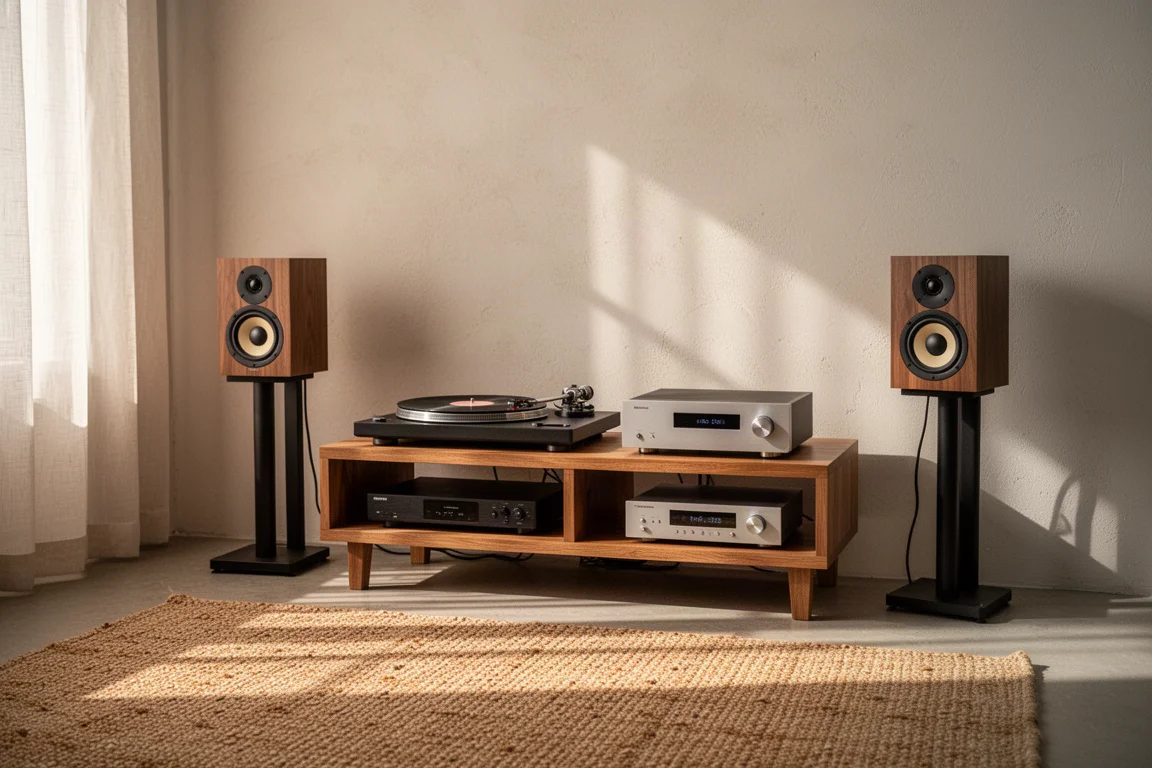
The A-S801 suits anyone who wants a single box to handle a turntable, a CD player, a streamer, a computer and a pair of speakers. Two tape loops, two sets of speaker outputs, coaxial and optical inputs, a full-size USB Type B connection and a USB Type A port cover almost every source you are likely to own. The USB Type A port is a practical detail, because it can charge a phone or a small streamer straight from the amplifier rather than from a separate wall adapter.
It is equally well suited to listeners who like to shape the sound rather than accept it flat. Bass and treble controls, a CD Direct button, a Pure Direct button and a variable loudness dial give you far more ways to tune the presentation than most modern integrated amplifiers at this level. If you have ever wished a current amplifier offered the adjustability of an older one, that is precisely the gap this model is aimed at.
Main strengths
The A-S801 gets the fundamentals right. It is rated at 100 watts per channel into 8 ohms with both channels driven, at 0.019 percent total harmonic distortion. Yamaha also publishes a 6 ohm rating of 120 watts and states that the amplifier is 4 ohm stable, even though no 4 ohm figure is given. At roughly 25 pounds, it also feels substantial when you lift it out of the box, which is a reassuring sign in a category where weight often tracks with the size of the power supply.
Clean, controlled power
With tone controls and loudness bypassed, the A-S801 sounds clear and composed. It leans toward a clean, neutral presentation rather than a thick or overly warm one. Anyone familiar with the Rotel A11 will recognise a similar character, but the Yamaha brings considerably more power and a built-in DAC to the comparison, and it is cleaner than the Emotiva TA1 while being slightly less punchy at the bottom end.
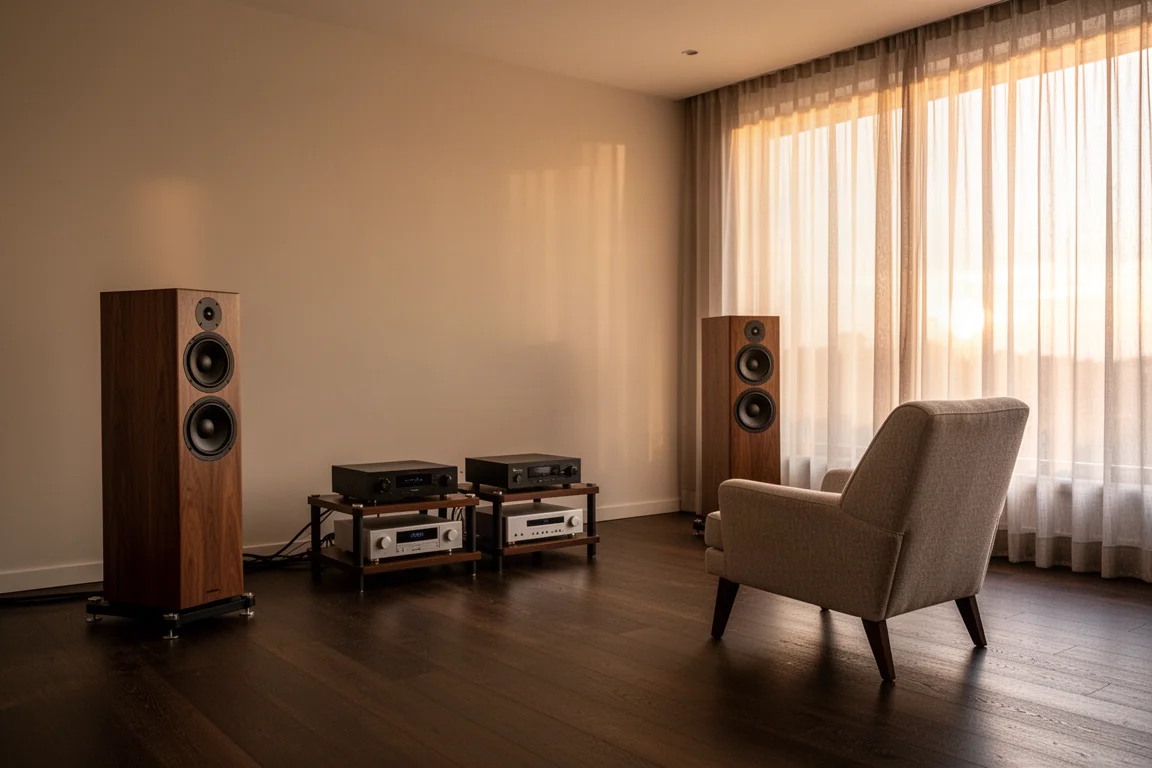
That is where the tone controls and the loudness dial earn their place. With a little adjustment the amplifier can be pushed toward a richer, punchier sound with more weight in the low end, and it can be brought surprisingly close to the character of a well-kept vintage Yamaha. Power delivery is the part of this amplifier that is hardest to argue with. It drove the ELAC Uni-Fi 2.0, the ELAC Uni-Fi Reference, the Klipsch RP-500M and the Polk Reserve 100 without any difficulty, and it should handle most speakers apart from genuinely demanding low-sensitivity designs.
A genuinely useful DAC section
The built-in DAC uses a Sabre ES9010K2M chip. Digital inputs include coaxial, optical, a full-size USB Type B connection for a computer, and a USB Type A port that can power or charge an external device. For a stereo integrated amplifier in this price bracket, that is a generous set of digital connections, and it means a single box can sit at the centre of both an analogue and a digital system.
The USB Type A port deserves a second mention. It lets a small network streamer or a phone run from the amplifier itself, which removes one more wall wart from the rack and keeps the cable run short. Buyers who already own a separate DAC can ignore this section entirely, but for anyone building a system from scratch it removes a component from the shopping list.
Build, layout, and the variable loudness control
Yamaha describes the circuit as using TOP ART, short for Total Pure Audio Reproduction Technology, which pairs a symmetrical circuit layout with anti-resonance construction. The rear panel includes an impedance selector for 4, 6 and 8 ohm speakers, a subwoofer output, and a two-prong IEC connector. It is a tidy, well-organised layout that is easy to work with.
The variable loudness dial is the standout control. Rather than a simple loudness button that is either on or off, it lets you dial in exactly how much low-frequency compensation you want. The intended method is to set the volume where you want it and then adjust level with the loudness control, which progressively shapes the response as you listen more quietly. It takes a little practice, but it is far more useful than a fixed button.
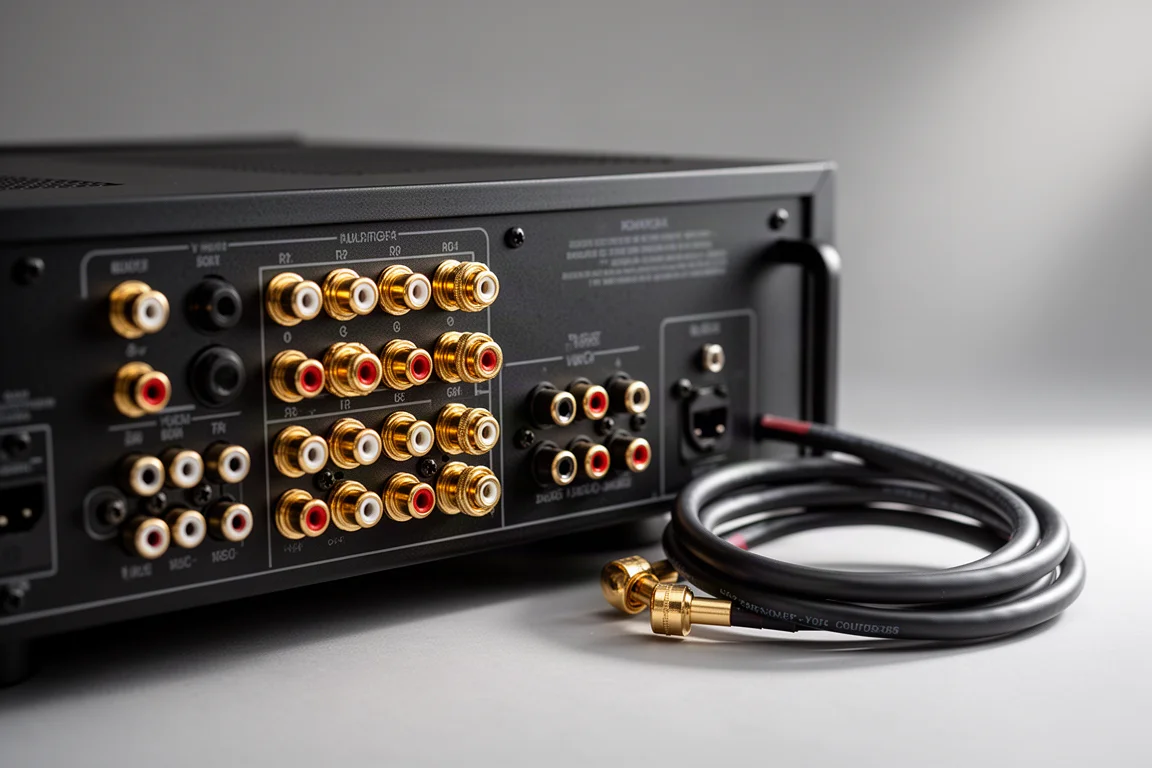
Speaker switching is unusually flexible for a stereo amplifier. There are two sets of speaker outputs, and a By Amp or By Wire mode lets a single pair of speakers run in a bi-amped or bi-wired configuration at the press of a button, a feature that normally appears on home theatre receivers rather than two-channel integrated amplifiers. The supplied remote is also better than the category average, with a solid feel and enough buttons to control a matching CD player.
Things to consider before buying
The phono stage is the weakest part of the package. It works, and the tone controls and loudness dial can help shape the result, but it is not especially dynamic. A dedicated external phono preamp such as the U-Turn Pluto 2 or the iFi Zen Phono, both comfortably under $200, will likely outperform it. If vinyl is your main source, it is worth budgeting for one from the start.
Pure Direct mode shuts down the tone controls and the loudness circuit for the shortest possible signal path. It is the most neutral way to run the amplifier, but it is also the least forgiving, and it removes the controls that make the A-S801 so flexible in the first place. Treat it as an option for critical listening rather than as a default setting.
There is no tuner section, so anyone replacing an older receiver should plan for a separate radio source if they still listen to FM. The front panel controls are also plastic, a detail that occasionally draws criticism, although Yamaha has used plastic knobs and switches on its amplifiers since the generation that followed the vintage models.
It is also worth understanding the range around this model. The A-S701 sits directly below the A-S801 with similar functionality but no DAC and a lower power rating of 85 watts. Below that, the A-S501 and A-S301 use a different internal construction and sit in a more affordable tier. If you already own a good external DAC, that distinction matters more than the feature list suggests.
Buying advice
At $900, the A-S801 is priced fairly for what it includes, particularly if you plan to use the DAC, the tape loops and the speaker switching. The calculation changes if you already own a capable external DAC, because the A-S701 offers much of the same amplifier for less money, minus the DAC and with a lower power rating. Buyers who need only the analogue side of the equation should look closely at that model before committing.
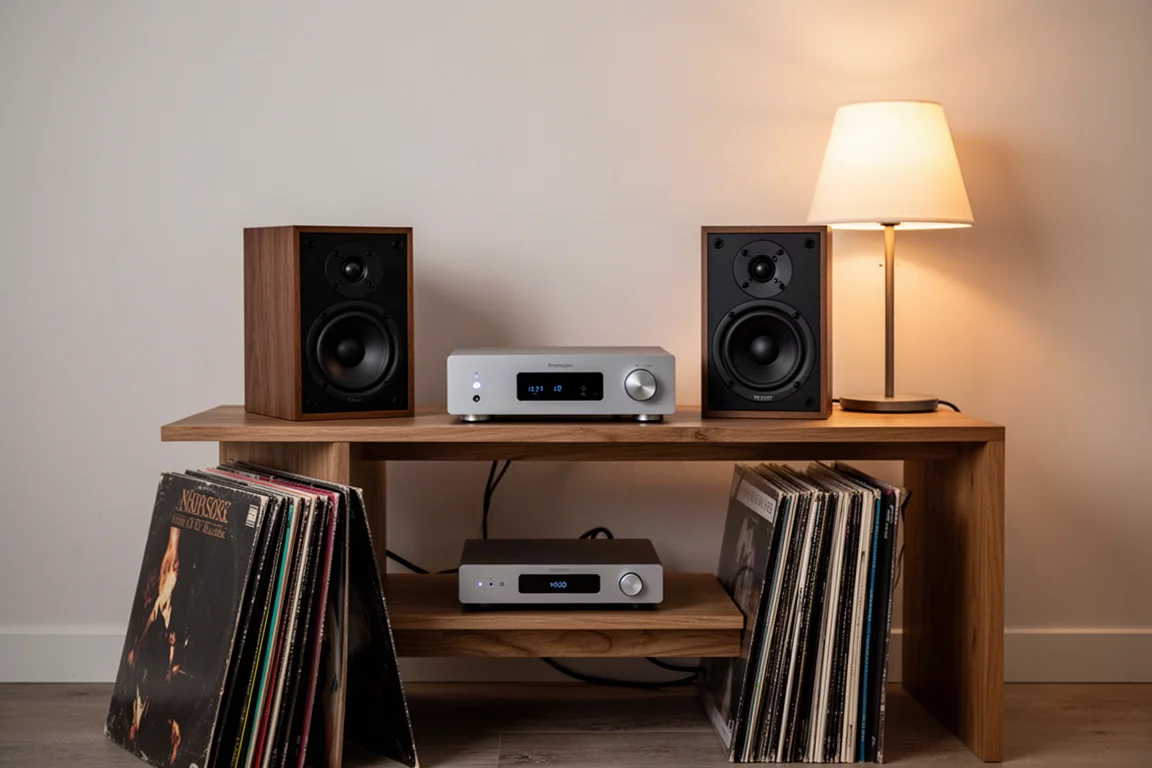
If you want to get close to a vintage sound, be prepared to experiment. The A-S801 does not sound like a 1970s receiver straight out of the box. It sounds cleaner and more neutral than that. The older character comes from the loudness dial and the tone controls, and it takes some listening to find the settings that suit your room and your speakers. Done carefully, it can land closer to a classic Yamaha than you might expect.
For most buyers, the sensible approach is to decide which features you will actually use. If the DAC, the digital inputs and the extra headroom all have a place in your system, the A-S801 justifies its price. If they do not, the tier below will do the same job for less.
Conclusion
The A-S801 is a compelling integrated amplifier. It is clear, powerful, flexible and good looking, and it carries the styling cues of Yamaha’s classic components without the maintenance demands of a fifty-year-old unit. The phono stage is the one area worth improving, and anyone who already owns a DAC may prefer to step down a tier.
For everyone else, this is a strong candidate for a long-term reference amplifier in a two-channel system.
Product link
View more details for Yamaha A-S801
This product is mentioned in the review. Check the specifications, options, and compatibility before buying.
View more details for Yamaha A-S801Further reading
Related Reviews
Integrated Amplifiers
Advance Paris A10 Classic Review: Vintage Looks and a Lively, Punchy Sound
The Advance Paris A10 Classic pairs glowing blue VU meters and a tube stage with one of the widest input sets on any integrated amplifier. Here is what it does well and what to weigh before spending $2,500.
Integrated Amplifiers
Advance Paris A12 Apex Review: A Modern Integrated Amplifier With Vintage Character
A dual mono integrated amplifier with 180 watts per channel, a tube front end, VU meters, and a connectivity list that covers turntables, televisions, computers, and headphones.
Integrated Amplifiers
Advance Paris Nova Range Review: AI130, AI190 and Modular Upgrades
A practical look at the Advance Paris Nova range, including the AI130 and AI190 integrated amplifiers and the modular streaming, Bluetooth and remote accessories that expand them.