Integrated Amplifiers
Advance Paris Nova Range Review: AI130, AI190 and Modular Upgrades
A practical look at the Advance Paris Nova range, including the AI130 and AI190 integrated amplifiers and the modular streaming, Bluetooth and remote accessories that expand them.
Introduction
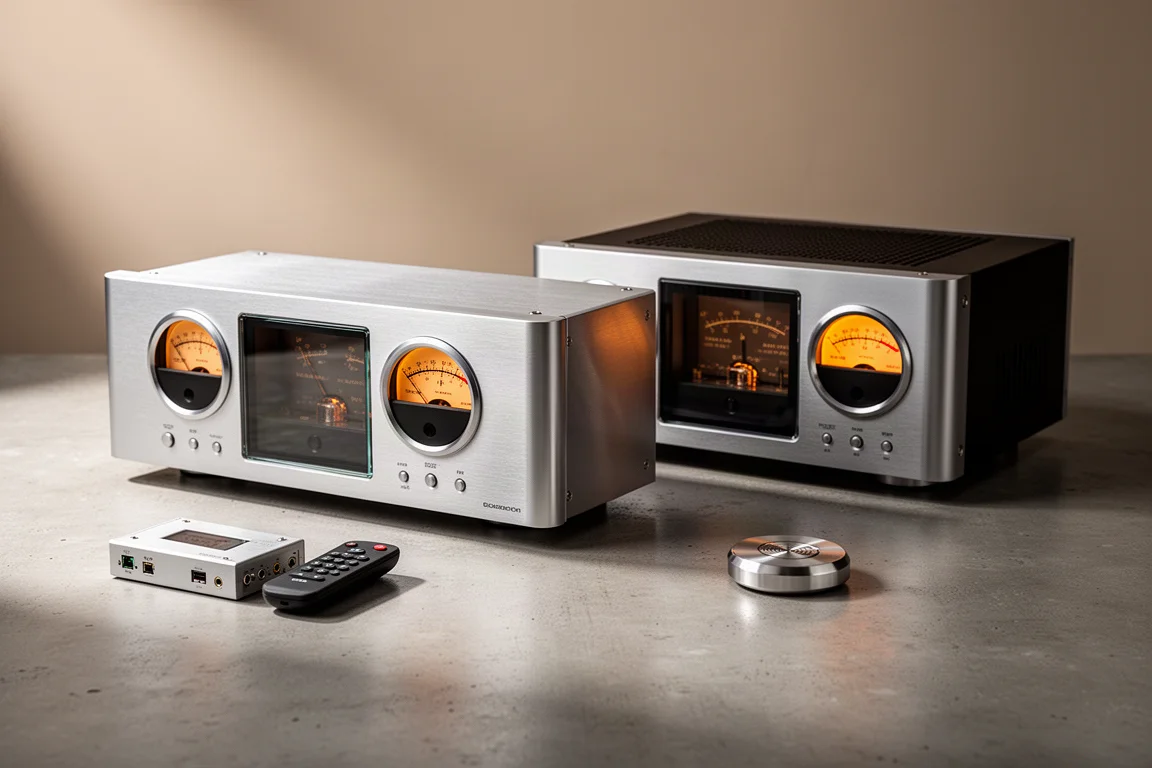
Advance Paris has introduced the Nova range, an ecosystem built around a single idea: buy the amplifier you need today and add capabilities later. The lineup includes two integrated amplifiers, the AI130 and AI190, plus three optional modules that expand the system over time.
Advance Paris is a French brand founded in 1995, originally named Advance Acoustic and focused mainly on speakers. It moved into electronics in the early 2000s, and its first integrated amplifier arrived in 2004, establishing the design language still in use today with VU meters, tube preamps and a hybrid approach to amplification. The company rebranded to Advance Paris in 2013, sells in more than 40 countries, and recently expanded into the US market after three decades in Europe.
What the AI130 and AI190 Share
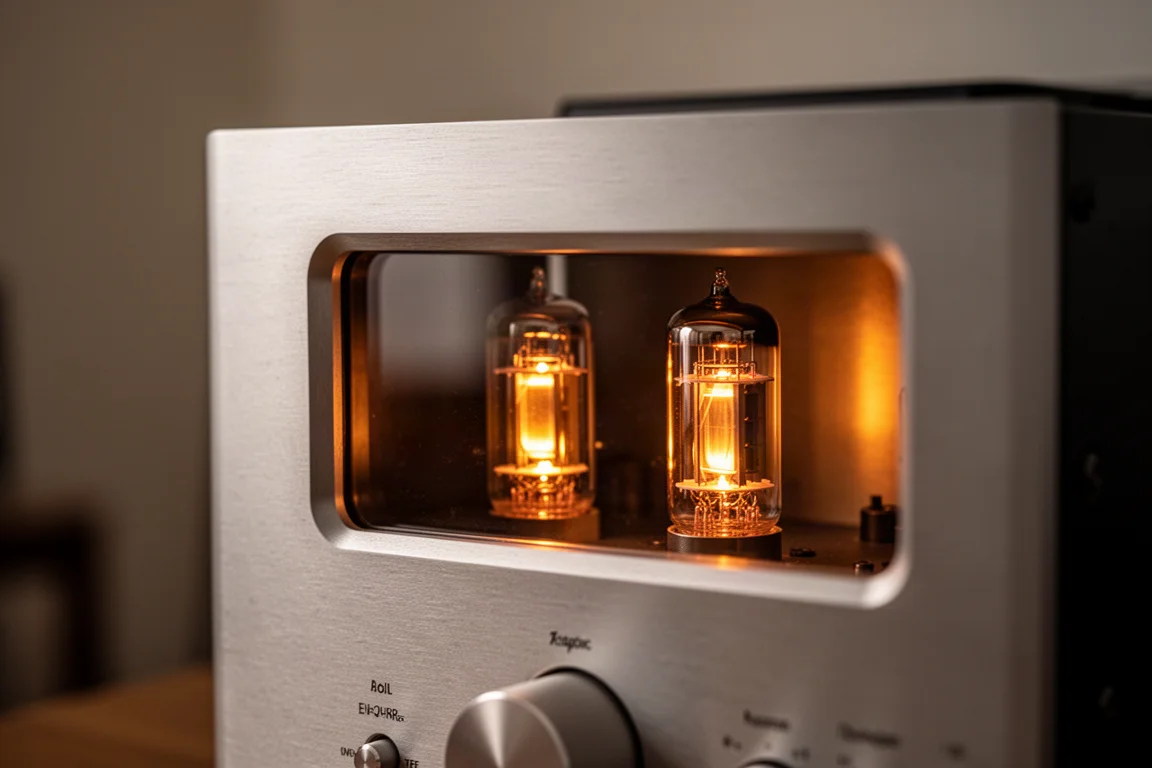
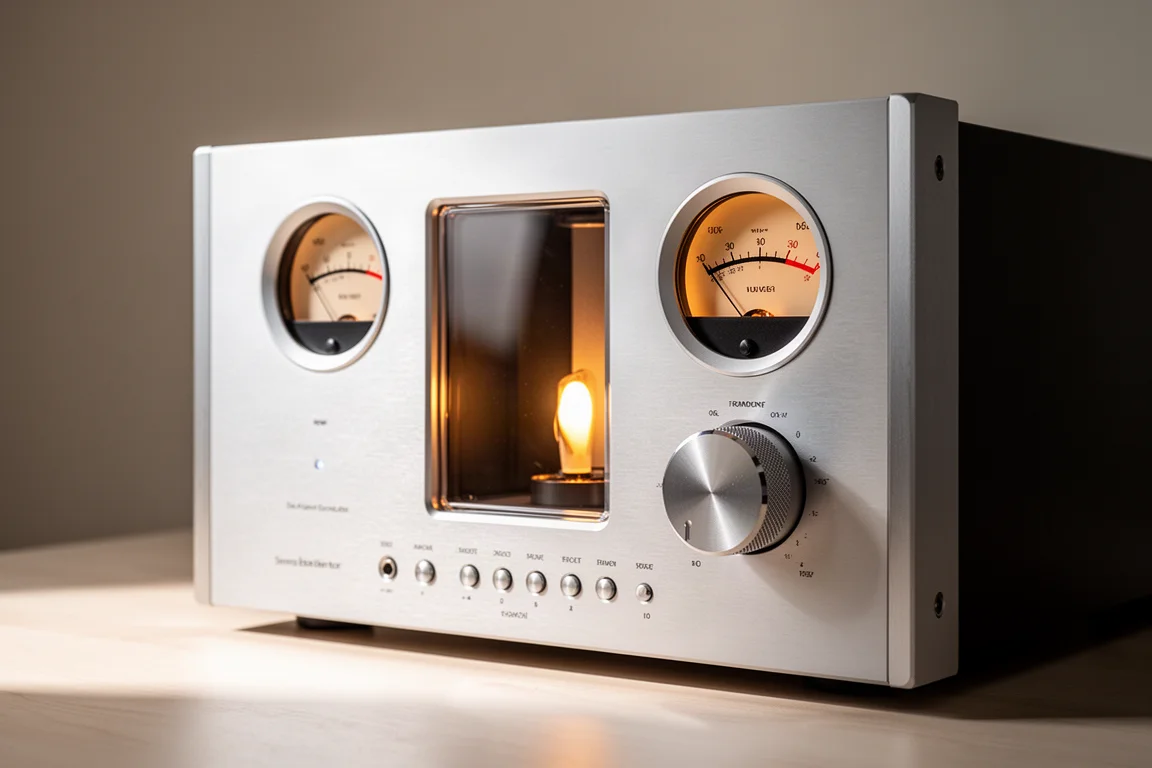
Both amplifiers use a hybrid design: a pair of ECC81 tubes in the preamp stage feeding a class AB solid-state output section. The ECC81 is a dual triode that has been a staple in high-end preamp circuits for decades, and Advance Paris uses a customized version rather than an off-the-shelf part. The tube shapes the signal early in the chain, adding even-order harmonic character, while the solid-state stage handles what actually drives the speaker, with control and headroom.
On the digital side, both amplifiers use an ESS 9017S DAC in quad mode, bridging the chip’s eight channels in pairs to create four higher-performance outputs. Two of those outputs feed the main left and right channels, and two are dedicated line-level subwoofer outputs, each managed independently by a four-channel DSP that handles crossover filtering and RoomEQ per output. Crossover setup for 2.1 or 2.2 configurations happens directly in the amplifier menu without external software. Listeners who want to go further can load custom EQ filter profiles built with RoomEQ Wizard, store up to four presets on a USB stick and switch between them from the remote. Advance Paris is also working on a companion app intended to simplify that process in the future.
Analog inputs include a bypass option that routes the signal straight to the preamp stage, skipping the DSP entirely, which matters if you want a purely analog path through the tubes.
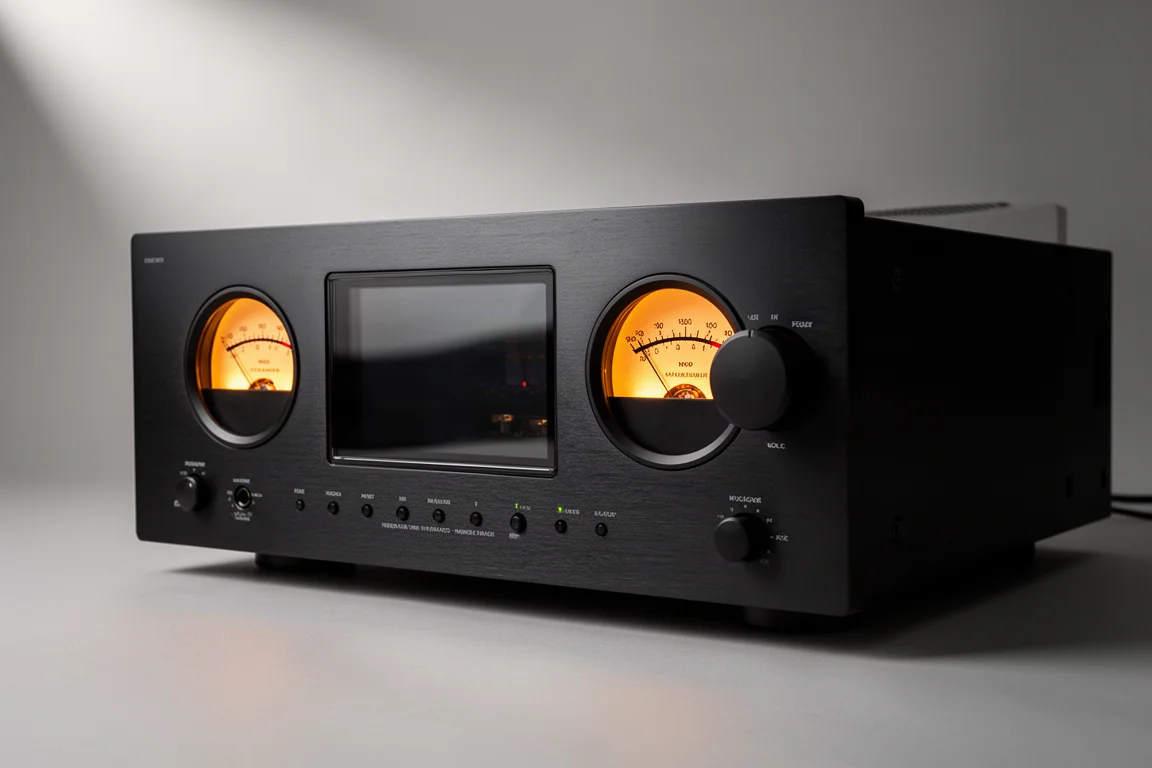
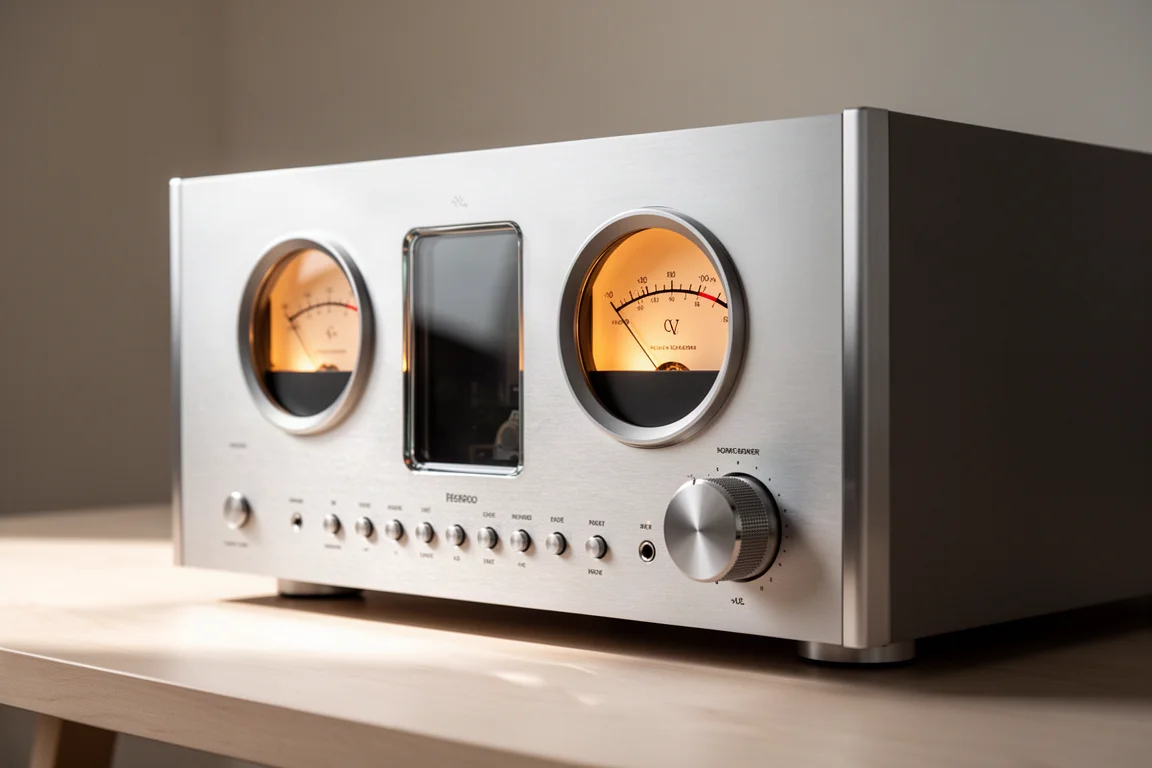
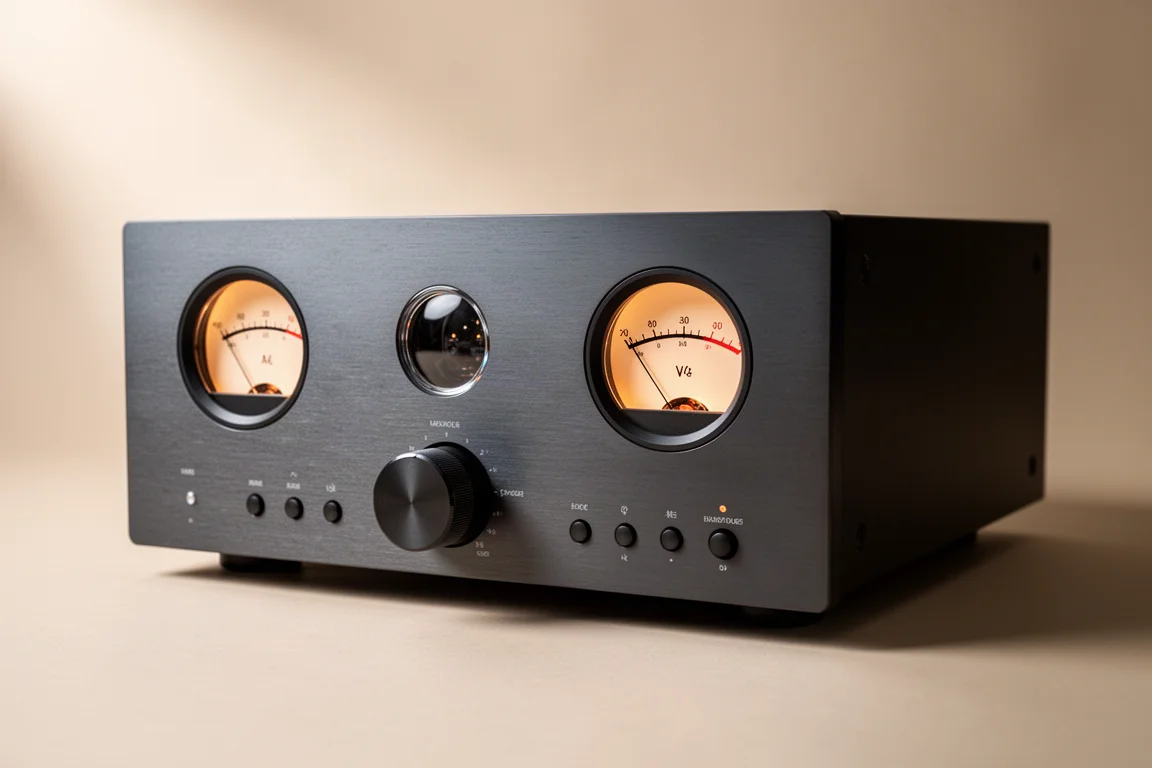
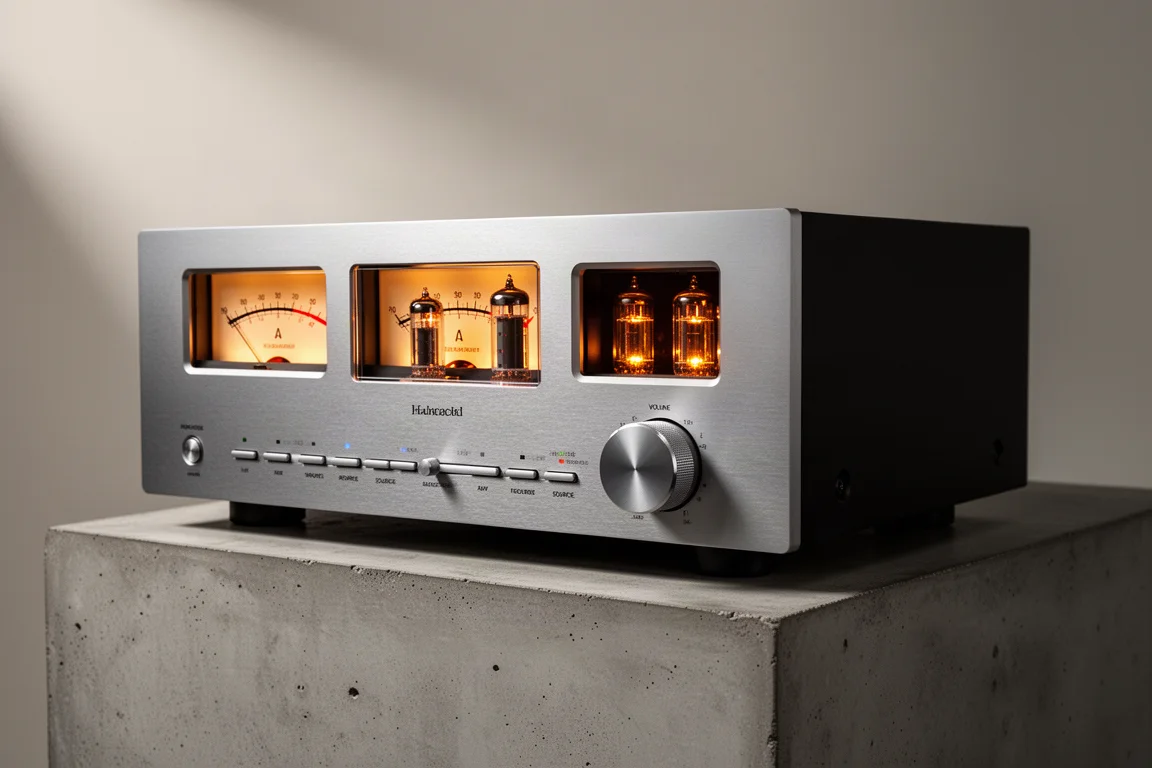
Both models share an 8 mm brushed aluminium faceplate in black or silver, and a volume knob built around an ALPS potentiometer, a component usually found on amplifiers costing considerably more. The front panel pairs two large VU meters, one per channel, with a central glass window showing the ECC81 tubes glowing amber. Backlighting can be switched between blue and white from the menu, and the display and meters dim independently.
Advance Paris AI130
The AI130 delivers 130 watts per channel into 8 ohms from a single toroidal transformer. Analog connectivity covers five RCA inputs, a balanced XLR input, an MM phono stage and a headphone output on the front panel. Digital inputs include optical, coaxial, USB audio with DSD support and HDMI eARC for pulling audio directly from a TV. Two USB A ports handle DSP filter profiles, and a 12 V trigger plus an amp-in input provide home theater bypass for multi-channel integration.
For most two-channel systems, that is a serious amount of headroom. It is the natural starting point for anyone who wants modern digital features and real subwoofer management without paying for hardware they do not need yet.
Advance Paris AI190
The AI190 takes the same foundation into more serious territory, and the key difference is architecture. Where the AI130 runs a single toroidal transformer shared between both channels, the AI190 goes full dual mono with a dedicated transformer for each channel. Keeping left and right on their own supply means the channels do not compete for headroom, which translates into a wider, more stable soundstage and a sense of ease at higher volumes.
Output rises to 190 watts per channel into 8 ohms and 297 watts into 4 ohms, with a signal-to-noise ratio above 105 dB. Connectivity expands in meaningful ways as well: two sets of XLR inputs instead of one, a balanced XLR pre-out alongside the standard RCA pre-out, a phono stage that handles both MM and MC cartridges, and three coaxial inputs. Everything else carries over from the AI130, including the home theater bypass and 12 V trigger.
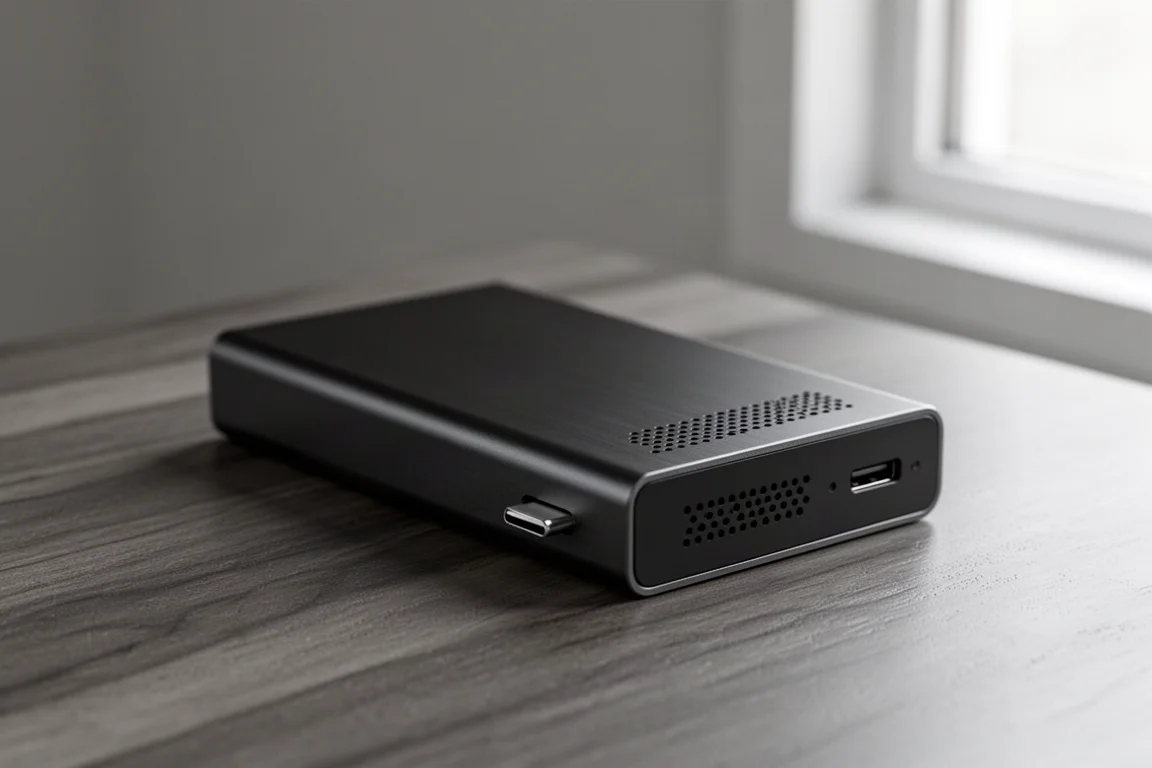
Advance Paris AMTC Streaming Cartridge
The AMTC is how either amplifier becomes a full network player. It supports the major streaming platforms over Ethernet or Wi-Fi with a ceiling of 24-bit / 192 kHz, and it can be installed by the owner. Once docked, the amplifier becomes a streaming integrated in a single box, with no separate streamer on the shelf, no extra power supply and no additional cabling.
The module connects over USB-C, so track metadata appears on the front display automatically, and the amplifier can receive over-the-air firmware updates. It also works as a standalone streamer through its optical output if you want to use it with a different system. Swappable module ecosystems of this kind have existed in the category for years, and this is the first streaming cartridge from Advance Paris.
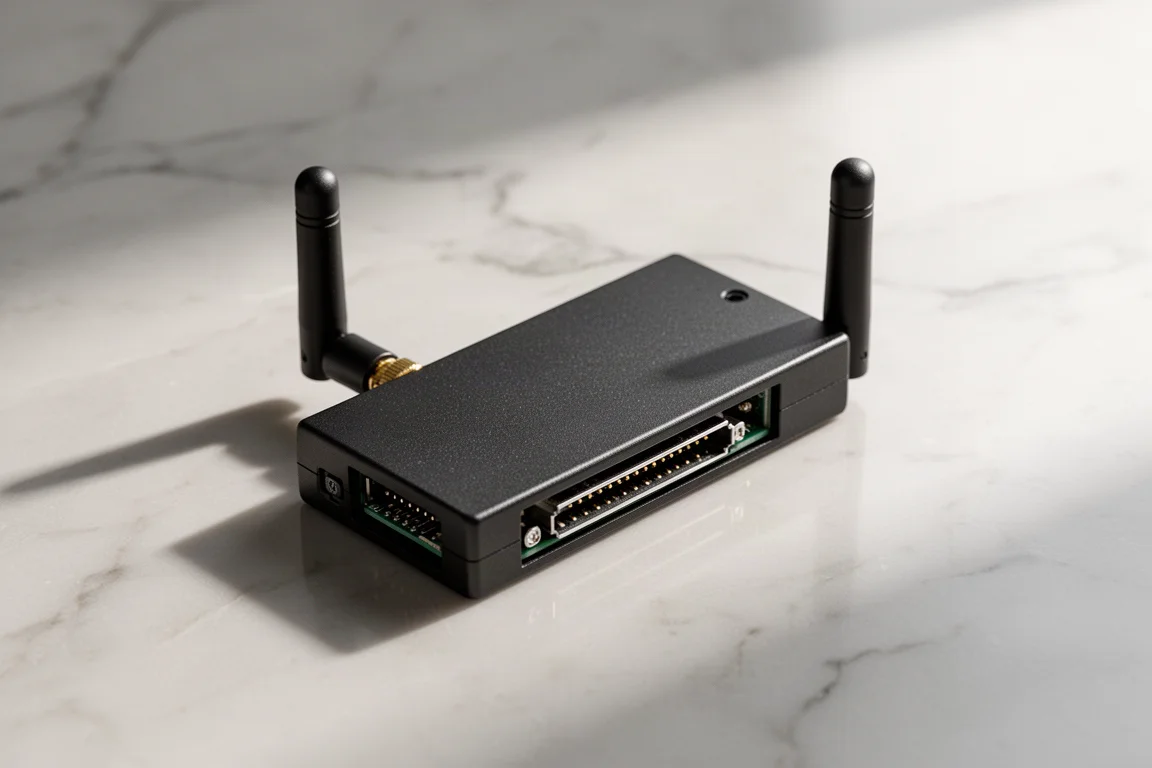
Advance Paris ABTC Bluetooth Module
The ABTC is a Bluetooth 5.4 module that uses its own separate expansion slot on the back of either amplifier. It can stream from a phone to the amplifier or transmit audio out to Bluetooth headphones, which makes it useful for late-night listening or any situation where you want to keep sound contained.
It supports the major aptX codecs, including low latency, which keeps lip sync tight for video use. It does not support LDAC or aptX lossless, so wireless headphones that rely on either will hit a ceiling here.

Because Bluetooth technology moves quickly, that ceiling is not permanent. The module is swappable, and Advance Paris has already moved through three generations of Bluetooth dongles since 2023, so an upgrade means replacing a small module rather than an entire amplifier.
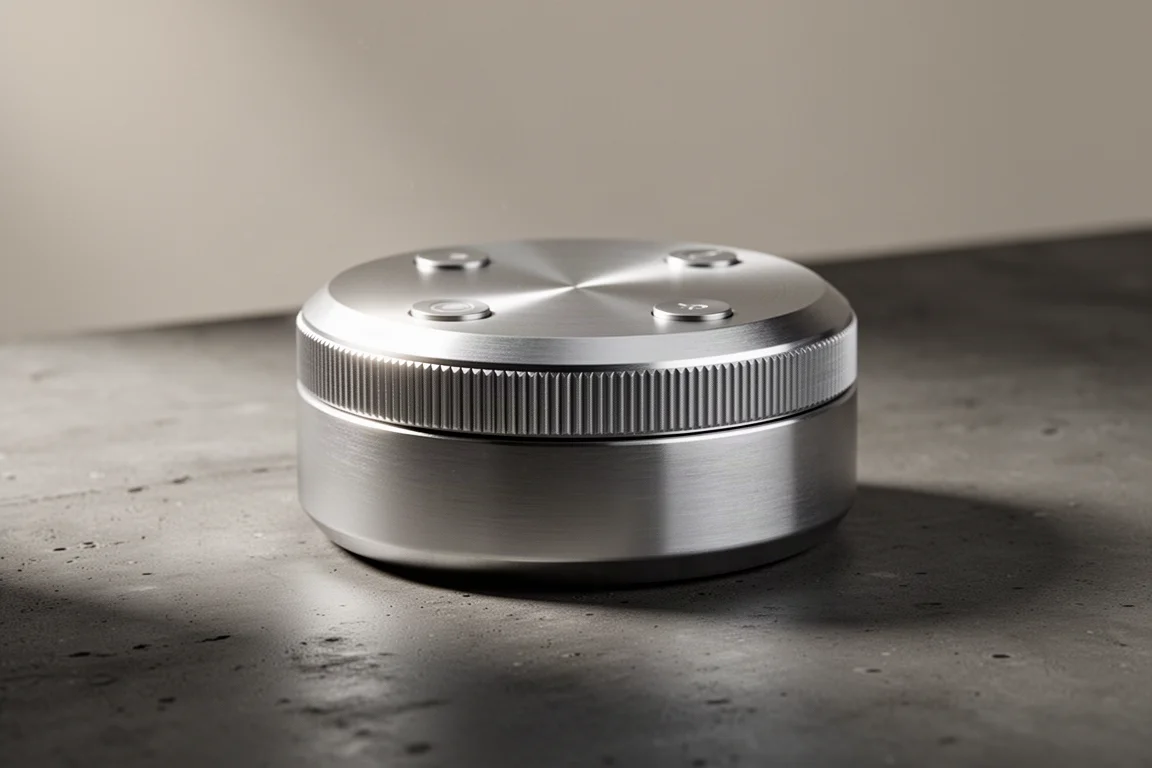
Advance Paris ARTR Rotary Remote
The ARTR is a machined metal puck designed to sit on your listening surface, with a rotating crown for volume and buttons for input selection and power. It is heavy, rechargeable and runs over Bluetooth.
Both amplifiers ship with a standard infrared remote that covers the basics, including bass, treble and balance, so nothing is missing out of the box. The ARTR is a different experience entirely, and it pairs naturally with the Bluetooth module if you are adding one anyway.
Advance Paris Apex A10
The Apex range sits below the Nova range in the lineup and may suit some listeners better. The A10 shares the same hybrid tube architecture, but its analog signal path stays fully analog with no DSP in the chain. A high bias switch raises the class A bias for a slightly warmer, richer character at lower volumes. It comes in at $3,500.
Advance Paris Apex A12
The A12 adds a dual mono design on top of the same hybrid tube architecture, and it also keeps a fully analog signal path with no DSP. The high bias switch is included here as well. It comes in at $5,000. Choosing Apex means giving up the room correction, the modular streaming and Bluetooth slots, and some of the newer connectivity features found on the Nova amplifiers.
How the Nova Range Sounds
The tonal balance leans slightly warm through the midrange, which is what a hybrid design with a tube preamp stage tends to produce, along with a sense of ease and musicality that draws you in rather than asking you to analyze every note. The top end stays open and extended without harshness, and the bass has real weight and control rather than a loose, bloated low end.
At higher volumes the AI190 stays composed. Dynamic peaks pass through without compression or congestion, helped by the dedicated supply for each channel, and the amplifier never feels like it is straining. At lower listening levels the midrange keeps a natural, unhurried quality that makes vocals and acoustic instruments sound believable, and the soundstage offers good width and depth without feeling artificially exaggerated.
The AI130 shares the same tonal character, the same DAC and the same DSP flexibility. The difference you notice is headroom and scale. With a single transformer shared between channels it does not have quite the same ease on demanding material at high volume, though for most systems and most listening situations that will never be an issue. If you run difficult speakers in a larger room and listen loud, the dual mono AI190 provides a meaningful cushion the AI130 does not have.
Buying Advice
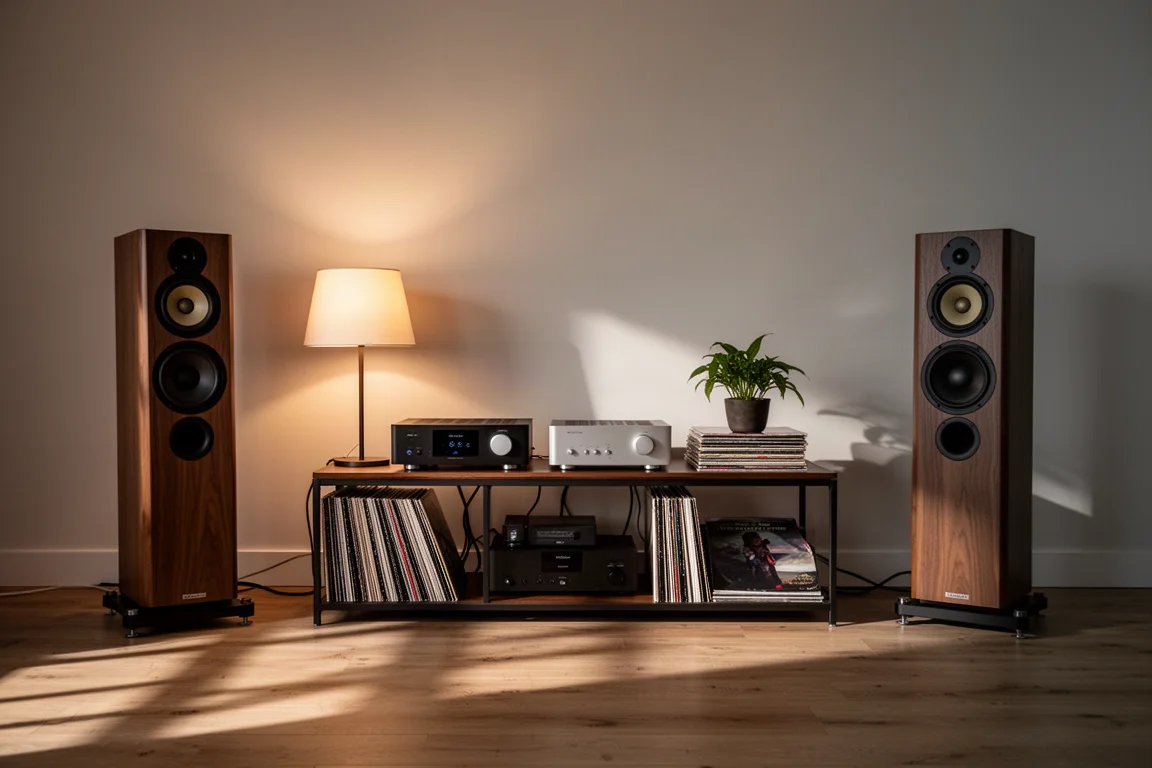
The AI130 starts at $6,500 and is the right choice for someone building a serious two-channel system who wants modern digital connectivity, real subwoofer management and a clear path to adding streaming or wireless capability later without paying for hardware they do not need right away.
The AI190 comes in at $8,000 and adds more power, balanced inputs and outputs, and a phono stage that will not limit cartridge options. It is built for systems that already operate at a higher level or are clearly headed there. Going all in on the AI190 with all three accessories lands just under $9,500.
The amplifiers are available now, and the accessories were slated to follow in July 2026. Either way, the idea behind the Nova range is consistent: build the system you need today and expand it when your needs change.
Conclusion
The Nova range is built around a sensible purchasing idea at this price level. Start with the amplifier that fits your system, then add streaming, Bluetooth or the rotary remote when the need actually appears. The AI130 covers most two-channel systems with modern digital inputs and genuine bass management, while the AI190 adds dual mono power, balanced connections and a more capable phono stage for systems that need the extra headroom. The Apex A10 and A12 remain a reasonable alternative for listeners who prefer a fully analog signal path without DSP, streaming slots or room correction.
Further reading
Related Reviews
Integrated Amplifiers
Advance Paris A10 Classic Review: Vintage Looks and a Lively, Punchy Sound
The Advance Paris A10 Classic pairs glowing blue VU meters and a tube stage with one of the widest input sets on any integrated amplifier. Here is what it does well and what to weigh before spending $2,500.
Integrated Amplifiers
Advance Paris A12 Apex Review: A Modern Integrated Amplifier With Vintage Character
A dual mono integrated amplifier with 180 watts per channel, a tube front end, VU meters, and a connectivity list that covers turntables, televisions, computers, and headphones.
Integrated Amplifiers
Advance Paris X-i75 Review: An Integrated Amplifier With Character and Connections
A detailed look at the Advance Paris X-i75, an integrated amplifier with a class A bias option, a broad set of inputs and outputs, and a look that stands apart.