Integrated Amplifiers
Advance Paris A12 Apex Review: A Modern Integrated Amplifier With Vintage Character
A dual mono integrated amplifier with 180 watts per channel, a tube front end, VU meters, and a connectivity list that covers turntables, televisions, computers, and headphones.
Introduction
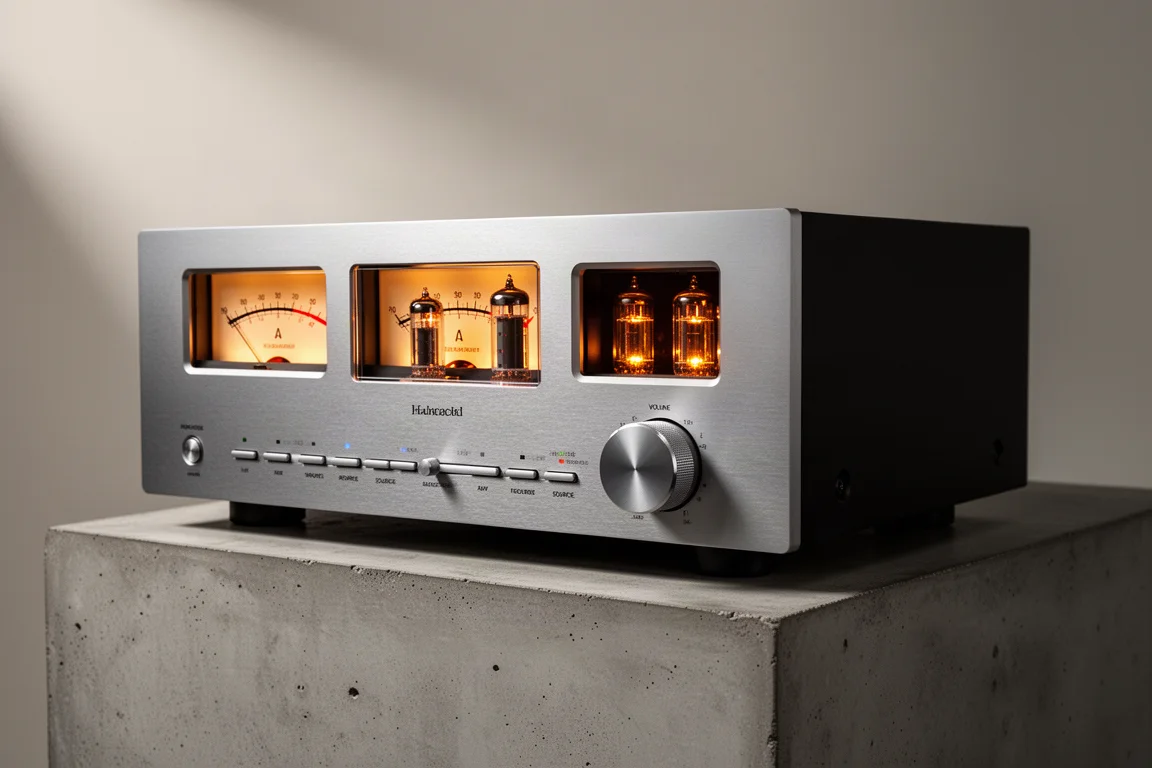
The Advance Paris A12 Apex is an integrated amplifier that looks like a piece of classic high-end audio and behaves like a modern digital hub. Behind the brushed front panel and the illuminated VU meters sit a dual mono power supply, a tube front end, and a specification sheet that reads more like a flagship than a value proposition: 180 watts per channel into 8 ohms and 272 watts per channel into 4 ohms.
The brand behind it has an unusual history. Advance Paris started in Paris in 1995 as Advance Acoustic, building loudspeakers. Electronics followed in 2002, the first integrated amplifier arrived in 2004, and the company went international in 2005 before adopting the Advance Paris name in 2013. The stated mission has barely changed in 25 years: build components that look beautiful, sound convincing, and land at a price that feels like high value rather than a stretch.
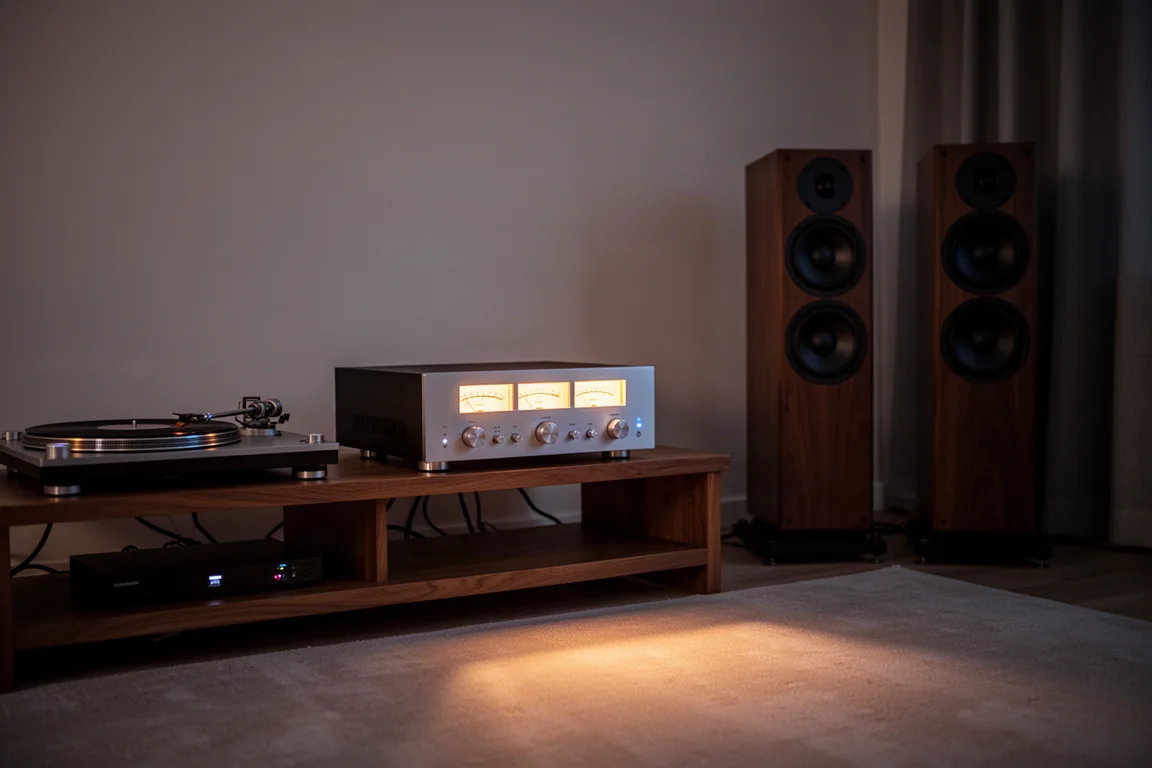
That combination of looks and price is what makes the A12 Apex interesting. It sits above the more affordable A10 Classic in the lineup, adding more power and a dual mono topology, and it carries a design language that invites comparison with amplifiers costing several times as much. The question worth answering is whether the specification and the feature set justify the step up, and on paper they make a strong case.
Who This Amplifier Is For
The A12 Apex is aimed at listeners who want one component to handle everything in a system rather than a chain of separate boxes. A turntable, a television, a computer, a disc player, and a pair of headphones can all connect to it directly, which keeps a rack simple and short.
It also suits buyers who treat the look of their system as part of the experience. The VU meters, the visible tubes, and the classic proportions are deliberate design choices, and they matter to listeners who enjoy watching a system as much as hearing it.
Finally, with 272 watts per channel into 4 ohms, it has enough headroom for a broad range of speakers, including models that ask a lot from an amplifier.
Main Strengths: Design and Build
The front panel is the centrepiece. Two large analogue VU meters sit behind a brushed metal face, and a small window reveals the tubes glowing in the front end. It is a layout that borrows from classic high-end amplifiers, and the effect is a component that reads as considerably more expensive than its position in the market suggests.
Inside, the A12 Apex uses a dual mono design with two toroidal transformers, which means each channel has its own power supply rather than sharing one. That approach typically translates into better channel separation and steadier delivery under demanding loads, and it is one of the clearest differences between this model and the more affordable A10 Classic.
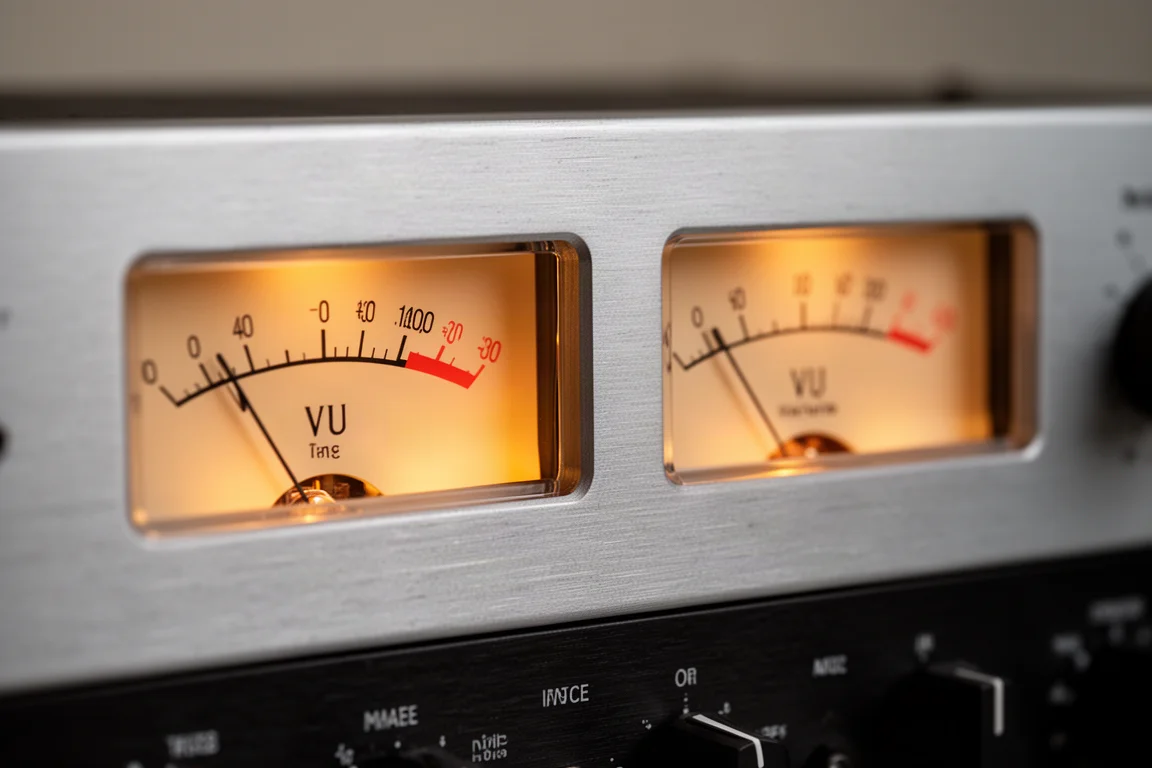
Build quality follows the same logic. The amplifier is a substantial piece of equipment with a control layout that keeps the essential functions on the front panel and leaves the extensive connectivity for the rear, which makes everyday use straightforward once the system is wired.
Main Strengths: Power and Sound
Power output is the headline number. The A12 Apex delivers 180 watts per channel into 8 ohms and 272 watts per channel into 4 ohms, and it uses a class A bias that contributes to a smooth, sweet character rather than a clinical one.
A high bias switch lets owners trade a little efficiency for a slightly smoother presentation. The change is subtle rather than dramatic, but it is a genuine option for listeners who want the last bit of refinement and do not mind leaving the switch engaged.
The tube front end is the other half of the sound signature. Tubes at the input stage contribute to the smooth, sweet character of the presentation, while the output stage provides the current needed to control demanding speakers. The result is a hybrid approach that many listeners find easier to live with over long sessions than a purely solid state design.
Main Strengths: Connectivity and Versatility
This is where the A12 Apex separates itself from simpler integrated amplifiers. Digital inputs include three optical connections, three coaxial connections, an AES/EBU input, and HDMI ARC, which lets a television switch the amplifier on along with the TV.
Analogue options are just as broad: five unbalanced stereo RCA inputs, two balanced XLR inputs, and a phono stage that supports both moving magnet and moving coil cartridges with selectable capacitance for cartridges that need careful loading. There is also a USB type B input for a computer, a balanced XLR output and a single-ended RCA output for adding an external amplifier, two subwoofer outputs that can be combined or assigned to individual channels, and a fixed line output for recording.
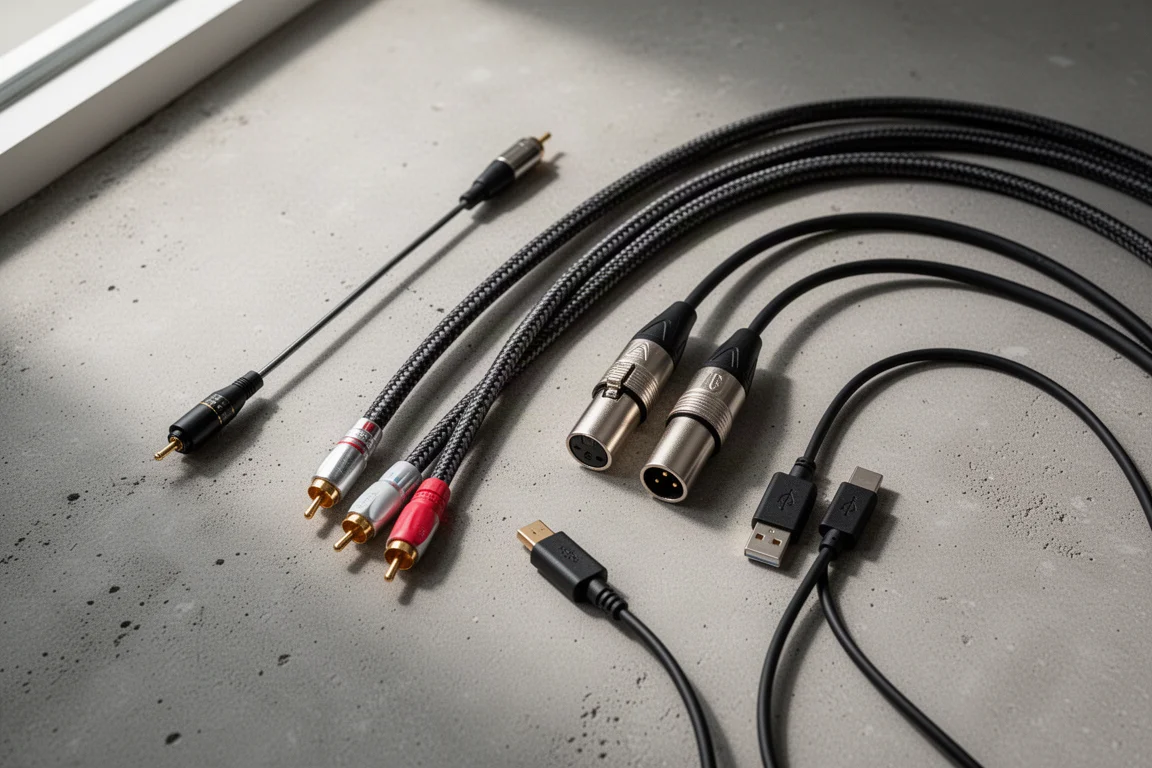
Headphone listeners are covered too, with both a quarter-inch and a 3.5 mm jack on the front panel. Very few integrated amplifiers at this level offer this combination of digital, analogue, phono, and headphone connectivity in a single chassis, and it is the strongest argument for choosing the A12 Apex over a simpler alternative.
Things to Consider Before Buying
The high bias switch is worth understanding before purchase. It changes the character of the sound only slightly, so buyers expecting a dramatic transformation between the two settings may be disappointed.
The A12 Apex also sits above the brand’s more affordable models, including the A10 Classic, which shares the same visual family and much of the same usability at a lower price. Buyers who do not need the extra power, the dual mono power supply, or the full set of inputs can spend less and still get the Advance Paris character.
Finally, the retro styling is a statement rather than a neutral choice. The meters and the tube window are what make the amplifier distinctive, and they will not suit every room or every listener’s taste.
Buying Advice
The A12 Apex makes the most sense for a listener building a system around several sources at once, especially a turntable and a television. In that setup, the built-in phono stage and HDMI ARC remove the need for extra boxes, and the amplifier becomes the centre of the system rather than one part of it.
For buyers who mainly stream or play digital files and do not need balanced inputs, a phono stage, or subwoofer outputs, the more affordable A10 Classic covers much of the same ground. The step up to the A12 Apex is about headroom, channel separation, and the freedom to connect almost anything without adding another component.
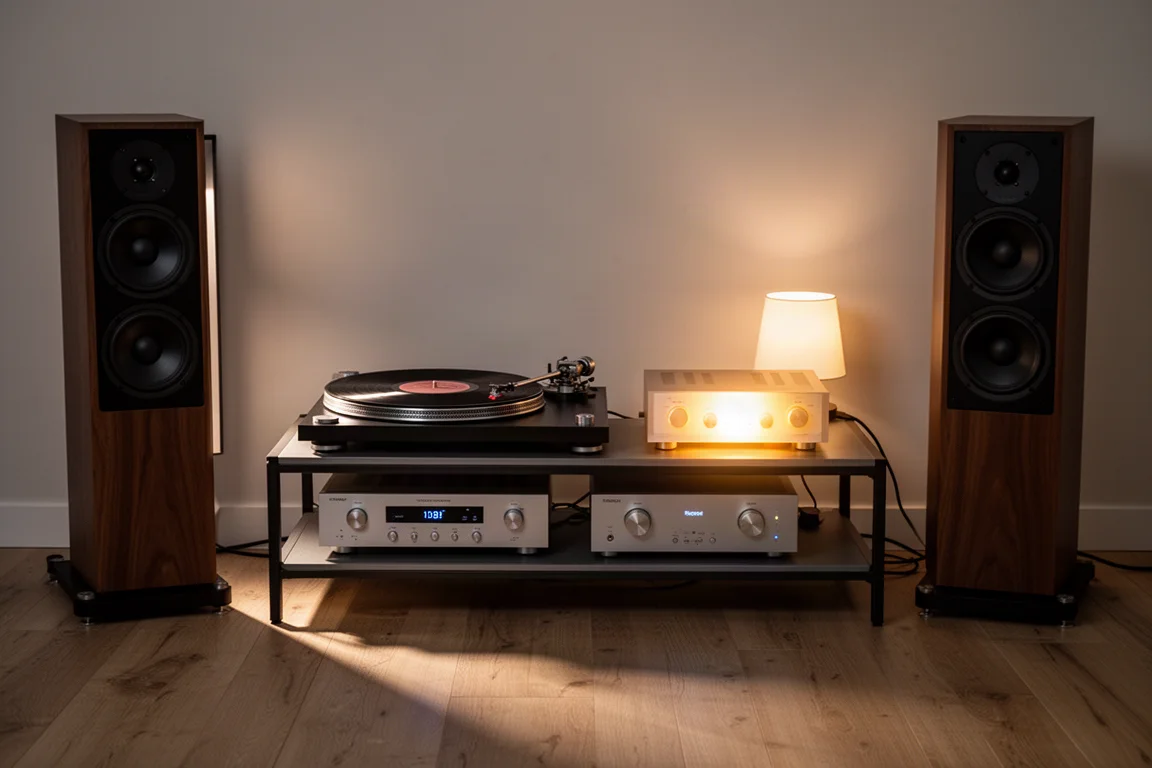
It is also worth considering the amplifier as a long-term purchase rather than a stopgap. The feature set covers source types that have been standard for decades alongside modern digital connections, so it is unlikely to be outgrown quickly. Matching it with speakers that suit a warm, smooth presentation will get the most from the design.
Conclusion
The Advance Paris A12 Apex is a rare combination: a visually distinctive amplifier with genuine high-end ambitions and a feature list that covers nearly every source a modern listener owns. Its 180 watts per channel output, dual mono power supply, tube front end, and comprehensive connectivity make it a credible centrepiece for a serious system.
The trade-offs are modest and specific. The high bias switch is a subtle refinement rather than a transformation, the price sits above the brand’s entry models, and the retro look is a deliberate statement. For listeners who want one beautifully made box to run a turntable, a television, a computer, and a pair of headphones, those are easy points to accept.
Product link
View more details for Advance Paris A12 Apex
This product is mentioned in the review. Check the specifications, options, and compatibility before buying.
View more details for Advance Paris A12 ApexFurther reading
Related Reviews
Integrated Amplifiers
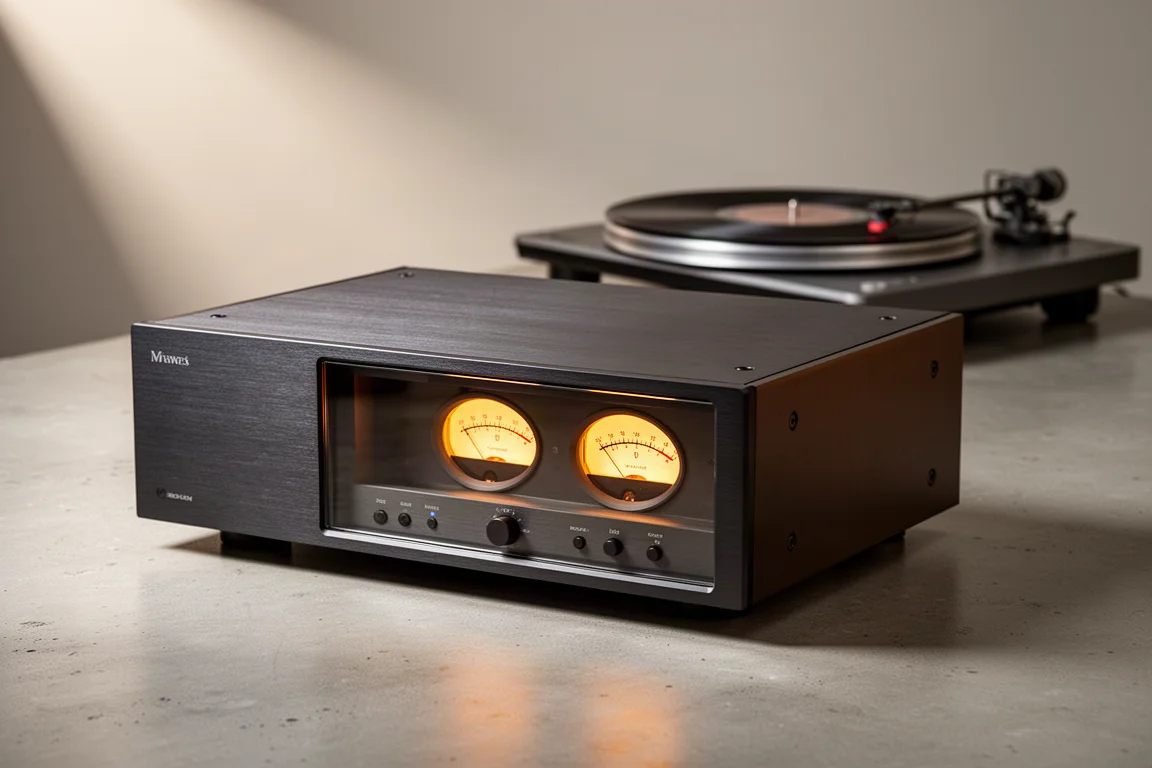
Advance Paris A10 Classic Review: Vintage Looks and a Lively, Punchy Sound
The Advance Paris A10 Classic pairs glowing blue VU meters and a tube stage with one of the widest input sets on any integrated amplifier. Here is what it does well and what to weigh before spending $2,500.
Integrated Amplifiers
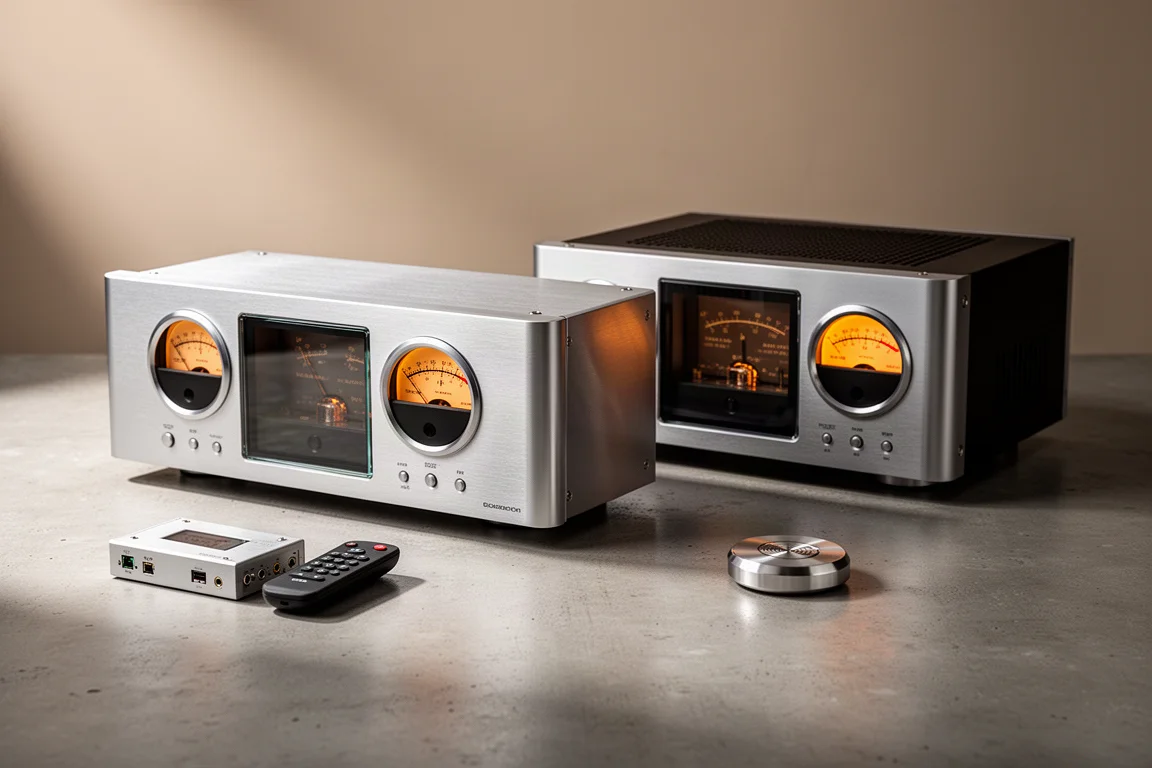
Advance Paris Nova Range Review: AI130, AI190 and Modular Upgrades
A practical look at the Advance Paris Nova range, including the AI130 and AI190 integrated amplifiers and the modular streaming, Bluetooth and remote accessories that expand them.
Integrated Amplifiers
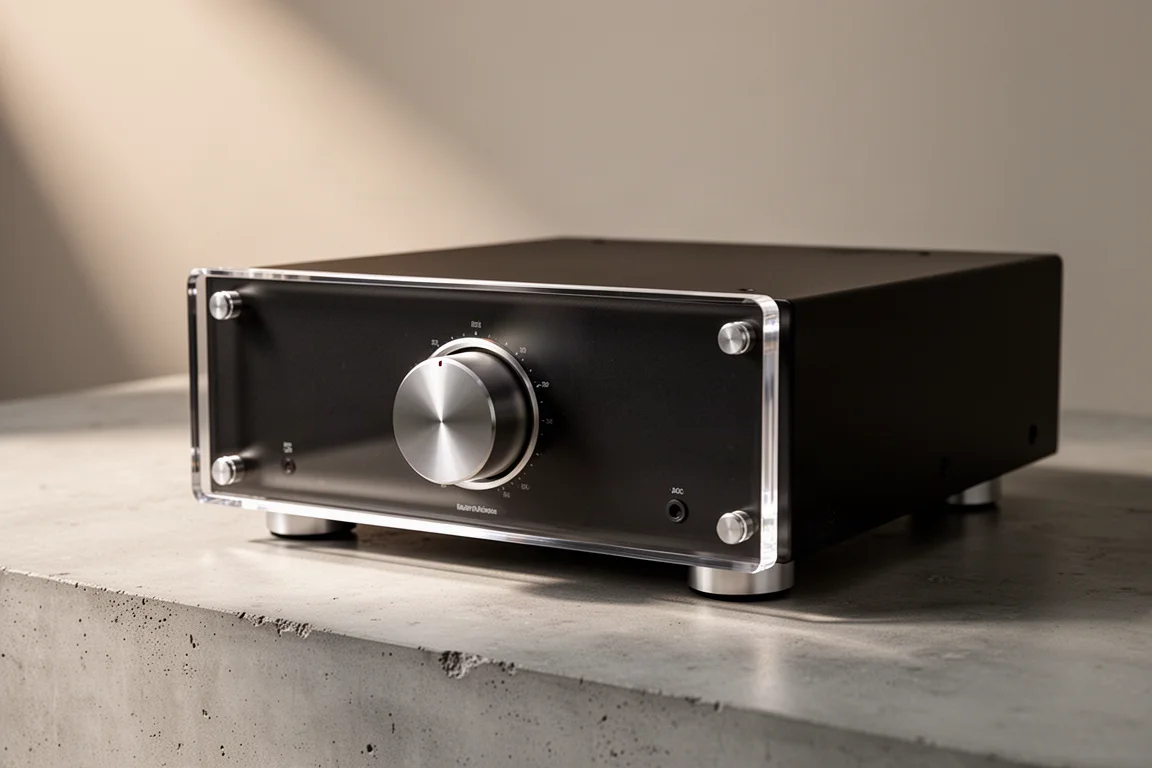
Advance Paris X-i75 Review: An Integrated Amplifier With Character and Connections
A detailed look at the Advance Paris X-i75, an integrated amplifier with a class A bias option, a broad set of inputs and outputs, and a look that stands apart.