Integrated Amplifiers
Advance Paris A10 Classic Review: Vintage Looks and a Lively, Punchy Sound
The Advance Paris A10 Classic pairs glowing blue VU meters and a tube stage with one of the widest input sets on any integrated amplifier. Here is what it does well and what to weigh before spending $2,500.
Introduction
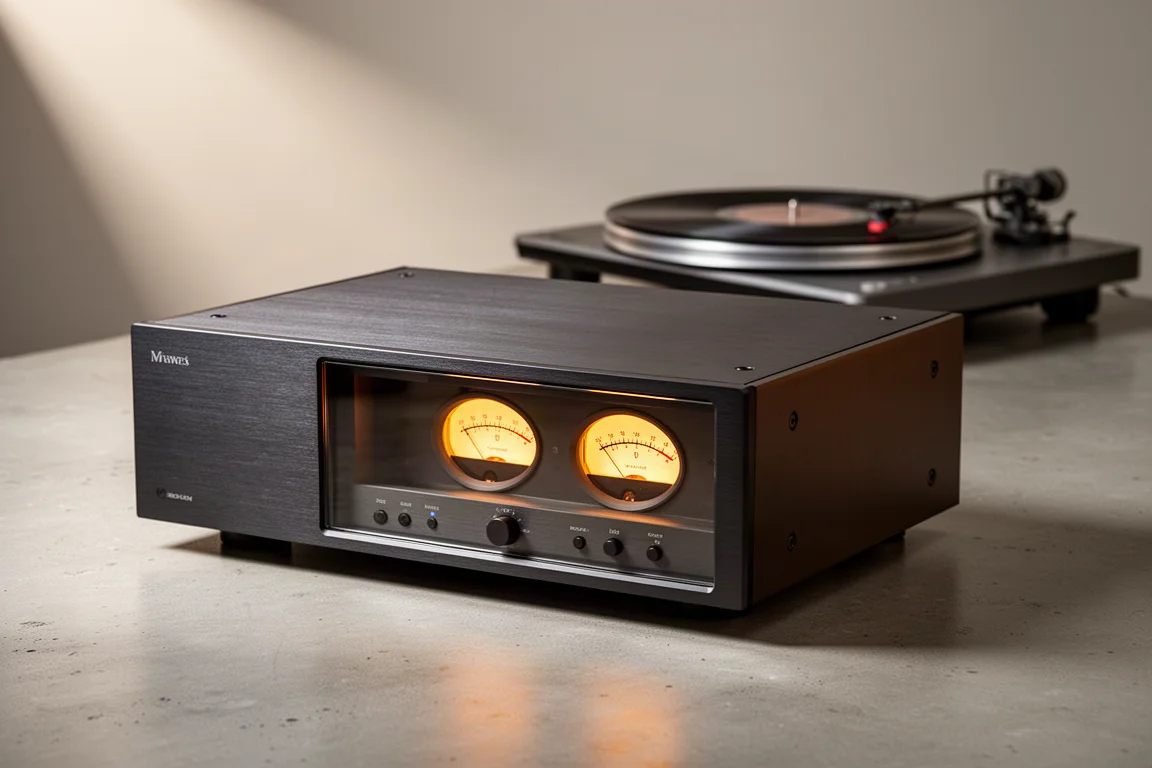
The Advance Paris A10 Classic is a stereo integrated amplifier priced at $2,500, and it makes no attempt to hide its influences. Two round blue VU meters glow across the front panel, the chassis is wide and substantial, and the overall silhouette lands somewhere between a 1970s receiver and a modern high-end component. It is not a copy of anything, but the resemblance to classic American meter-and-tube amplifiers is impossible to miss, and for many buyers that will be the first reason to stop and look.
Behind the retro face sits a hybrid design. The solid-state output stage is rated at 2 x 130 watts RMS into 8 ohms and 2 x 190 watts RMS into 4 ohms, and a tube stage adds its own character to the signal. The back panel carries one of the widest connection sets you will find on an integrated amplifier at any price, which matters more than any single number on a specification sheet.
Who this product is for
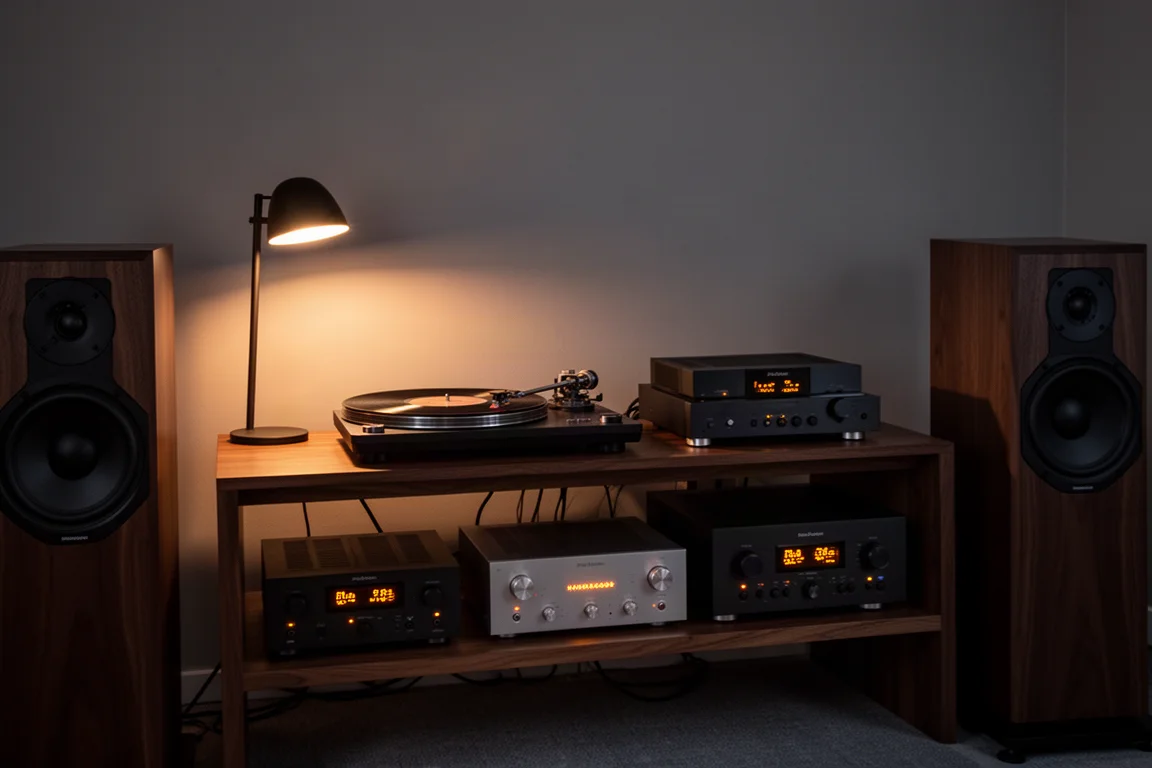
This amplifier suits listeners who want one box to run an entire two-channel system. A turntable, a CD player, a streamer, a television, headphones and two pairs of speakers can all connect at the same time, which removes a lot of the cable clutter and box count that usually comes with a serious hi-fi setup.
It also suits anyone who finds many audiophile amplifiers too lean. The A10 Classic is voiced to be lively and energetic rather than tonally thin, so it works well with speakers that benefit from drive and weight behind them. At $2,500 it is a considered purchase rather than an impulse buy, and buyers who care as much about how a system looks as how it sounds will get more from it than most.
If you mainly stream from a phone through a single pair of small speakers, this is more amplifier than the job requires. It makes the most sense in a system that will actually use its inputs.
Main strengths
The first thing that stands out is how much energy the amplifier brings. Bass has genuine weight and drive, the midrange and treble stay neutral rather than warmed up, and the top end carries sparkle and clarity without turning harsh. The presentation is punchy and dynamic, with a large soundstage and excellent separation between instruments. It sits closer in spirit to a well-kept 1970s amplifier than to the lean, polite sound some modern designs chase, while staying cleaner than those older machines.
Power helps here. With 130 watts into 8 ohms and 190 watts into 4 ohms, the A10 Classic drove a range of standmount and floorstanding speakers without strain, and its current delivery moves woofer cones convincingly even at low listening levels. That last point matters more than headline wattage: an amplifier with real current on tap tends to sound composed at the quiet end of the volume dial, not only when it is pushed.
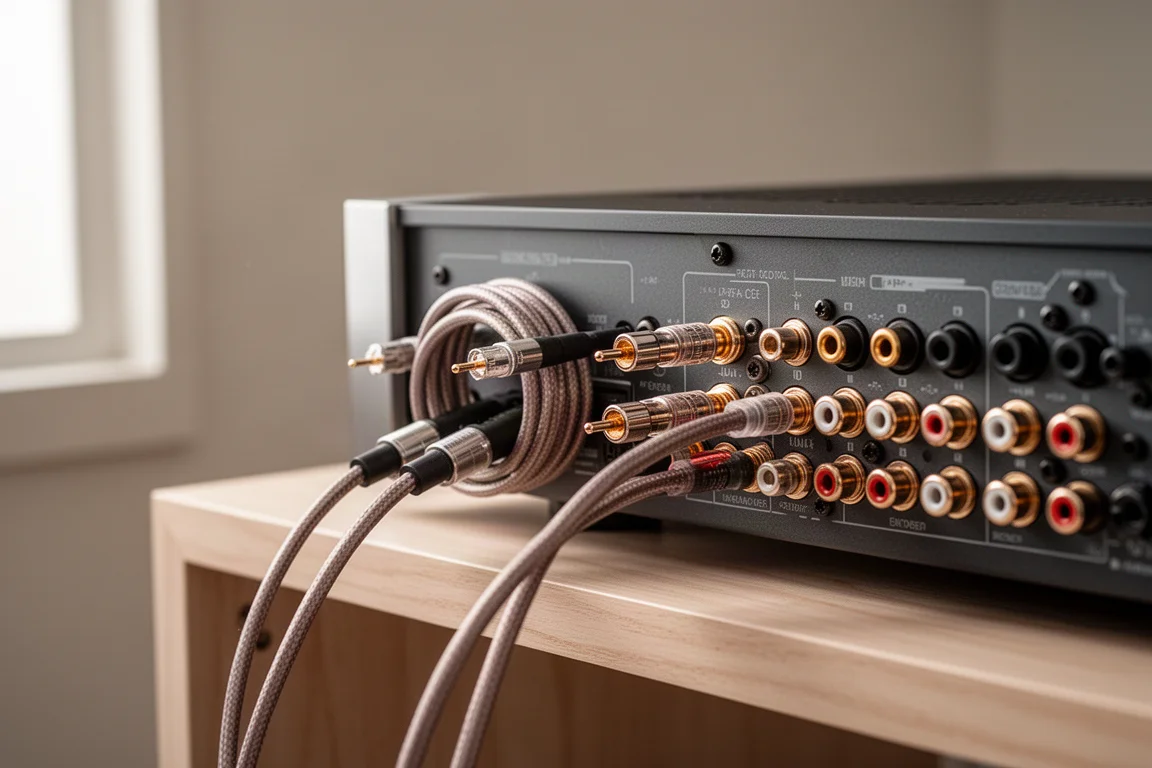
The input set is the other headline. Digital connections include an HDMI input plus an HDMI ARC input, three optical inputs, one coaxial input, a USB input and a wireless digital module, alongside a 5V USB output that can power a small streamer directly from the amplifier. Analog connections cover four line-level inputs, a CD input, a phono input and a balanced input, with preamp out, amp in and record out available as well.
Two subwoofer outputs include adjustable crossover control, so the amplifier can manage bass for a pair of subwoofers rather than simply passing them a full-range signal. Four sets of binding posts let A and B speaker pairs run at the same time, with an impedance range of 8 to 16 ohms when all four are connected, and there is a class A bias switch on the back. The tube stage, meanwhile, is genuinely enjoyable. It shapes much of the amplifier’s character, and there is no obvious reason to go looking for replacement tubes.
Things to consider before buying
The remote control is the most obvious compromise. It covers the essentials, including bass and treble, left and right balance, a tone bypass that hands the signal a more direct path, dimming and loudness, but the handset itself does not feel as substantial as the amplifier it controls. Since part of the appeal here is the way the unit looks and feels in a room, that gap is worth knowing about in advance.
The internal DAC is a previous-generation design, and it is the part most likely to be improved by an outboard unit. A dedicated external DAC with a newer converter chip and upgraded op-amps delivered a step up in refinement in a direct comparison. That said, the internal DAC is far from a weak point: listening through it never felt like a compromise, and the amplifier stayed engaging across long sessions.
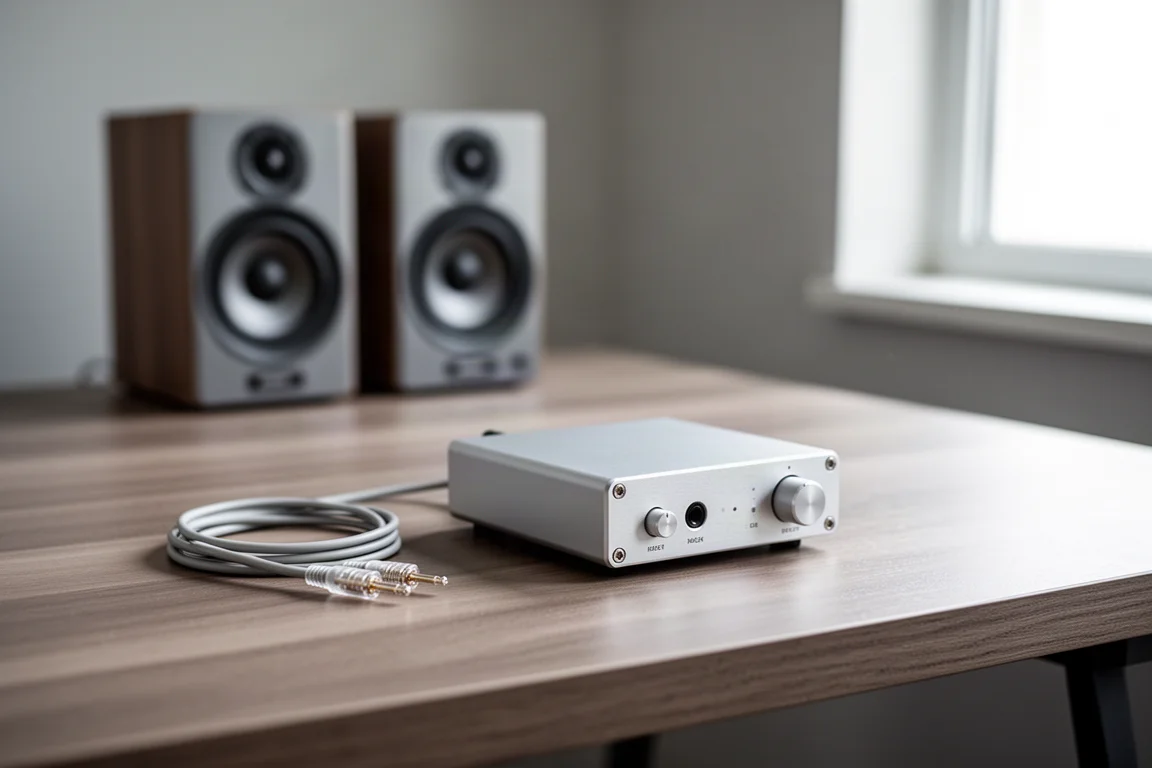
The internal phono stage follows a similar pattern. It is perfectly usable, but a dedicated phono preamplifier at around the $500 mark produced a slightly bigger presentation and a touch more weight at the bottom end. Buyers with a serious turntable and a good cartridge may want to budget for an outboard stage, while everyone else can comfortably start with what is built in.
Buying advice
The case for the A10 Classic rests on three things: a lively, punchy sound that keeps listeners involved, a connection set few integrated amplifiers can match, and styling that earns its place in a living room. If you want a single component to anchor a system built around a turntable, a television and a pair of speakers, this is a strong candidate.
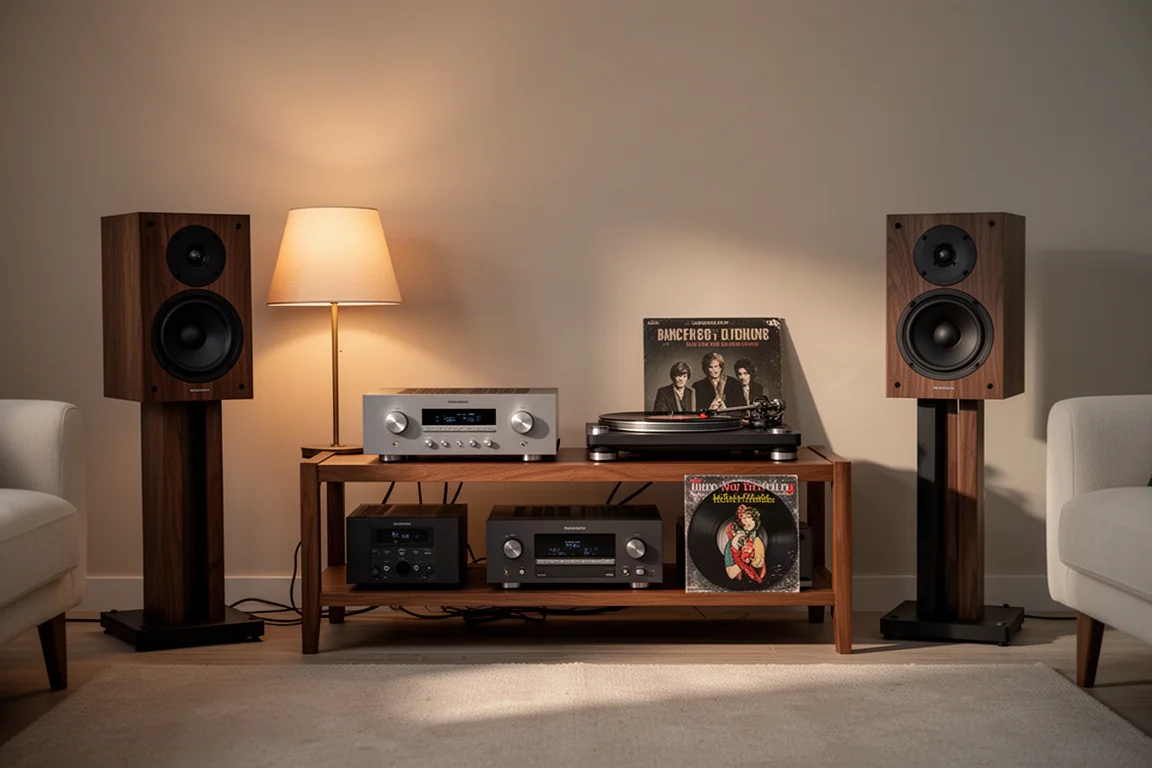
It is also a flexible platform to grow with. Because the amplifier offers a preamp output and an amp input, a separate power amplifier or a different preamplifier can be added later without replacing the whole unit. The subwoofer outputs with adjustable crossover make it straightforward to add low-end reinforcement, and the tone bypass gives a clean, direct signal path whenever the tone controls are not needed.
Where it makes less sense is at the entry level. $2,500 is real money, and buyers working to a tighter budget can build a satisfying system for considerably less. The A10 Classic is best understood as a long-term centerpiece rather than a starter amplifier, and the flexibility on offer is what justifies the outlay over time.
Conclusion
The Advance Paris A10 Classic is not the last word in measured neutrality, and its remote plus its built-in digital and phono stages leave a little room on the table. What it offers instead is character: glowing meters, a tube stage, an unusually broad range of inputs and a sound that is lively, dynamic and hard to walk away from. For listeners who want a single, handsome, versatile amplifier to build a system around, it deserves a place on the shortlist.
Product link
View more details for Advance Paris A10 Classic
This product is mentioned in the review. Check the specifications, options, and compatibility before buying.
View more details for Advance Paris A10 ClassicFurther reading
Related Reviews
Integrated Amplifiers
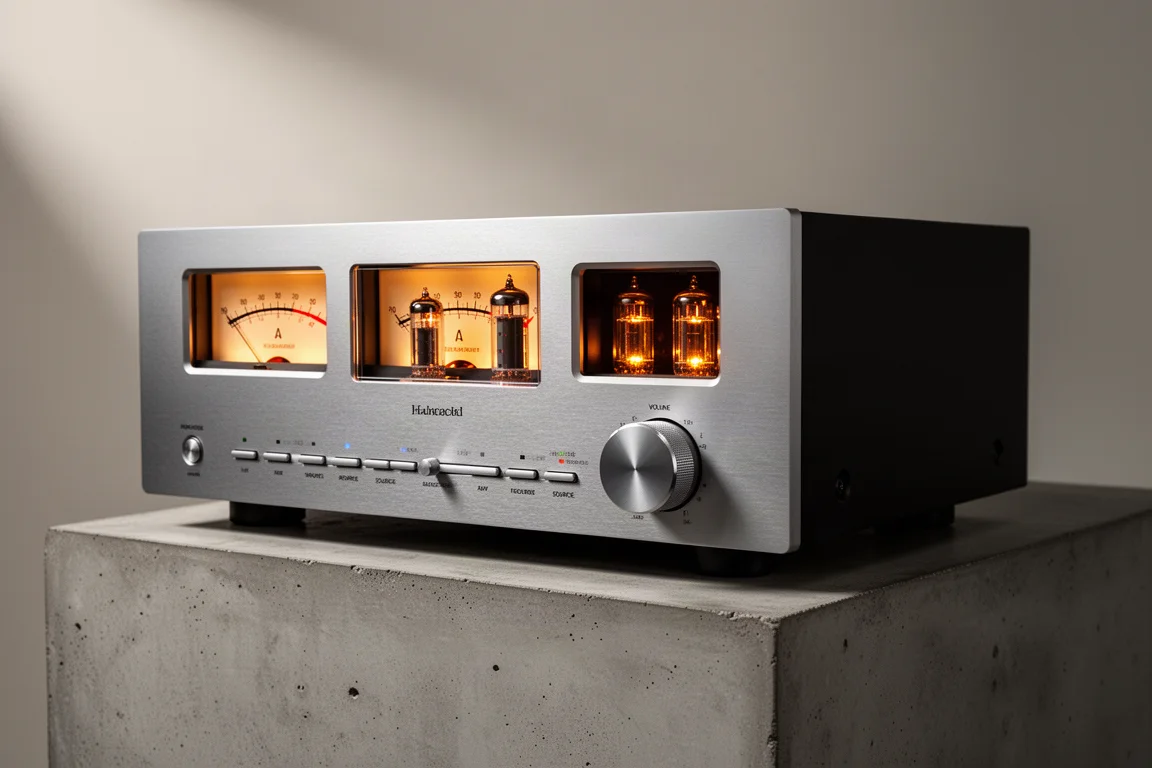
Advance Paris A12 Apex Review: A Modern Integrated Amplifier With Vintage Character
A dual mono integrated amplifier with 180 watts per channel, a tube front end, VU meters, and a connectivity list that covers turntables, televisions, computers, and headphones.
Integrated Amplifiers
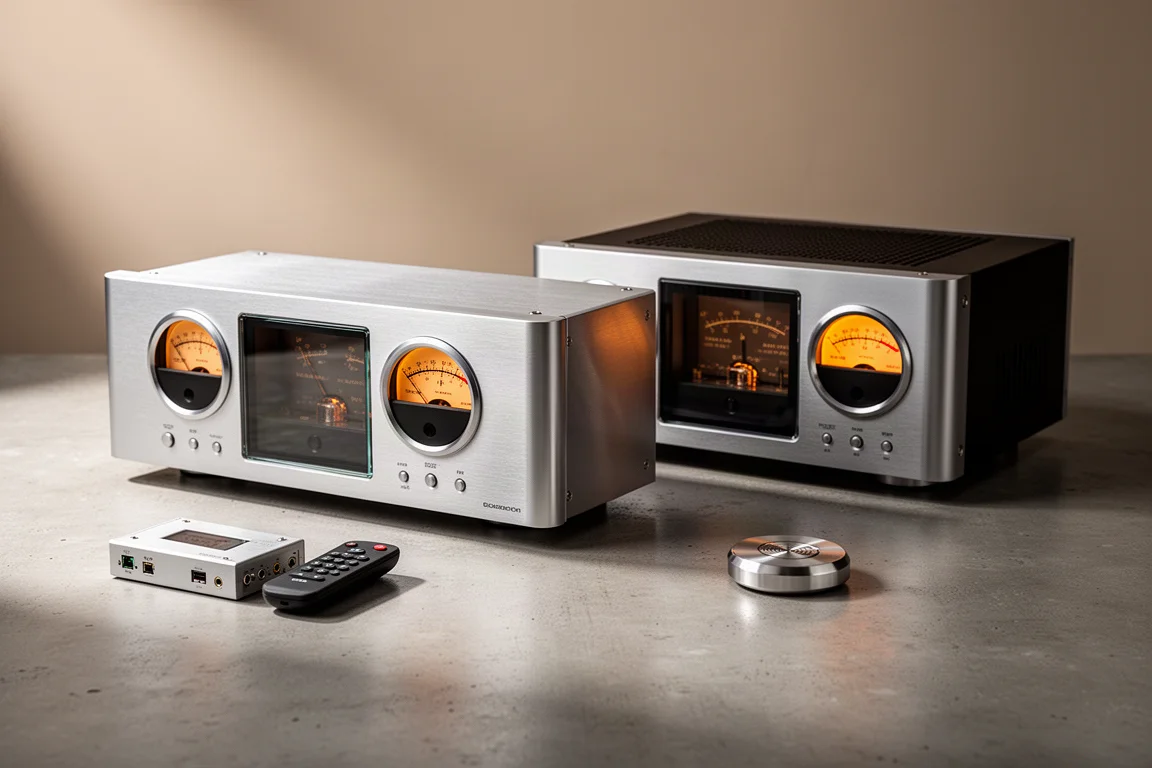
Advance Paris Nova Range Review: AI130, AI190 and Modular Upgrades
A practical look at the Advance Paris Nova range, including the AI130 and AI190 integrated amplifiers and the modular streaming, Bluetooth and remote accessories that expand them.
Integrated Amplifiers
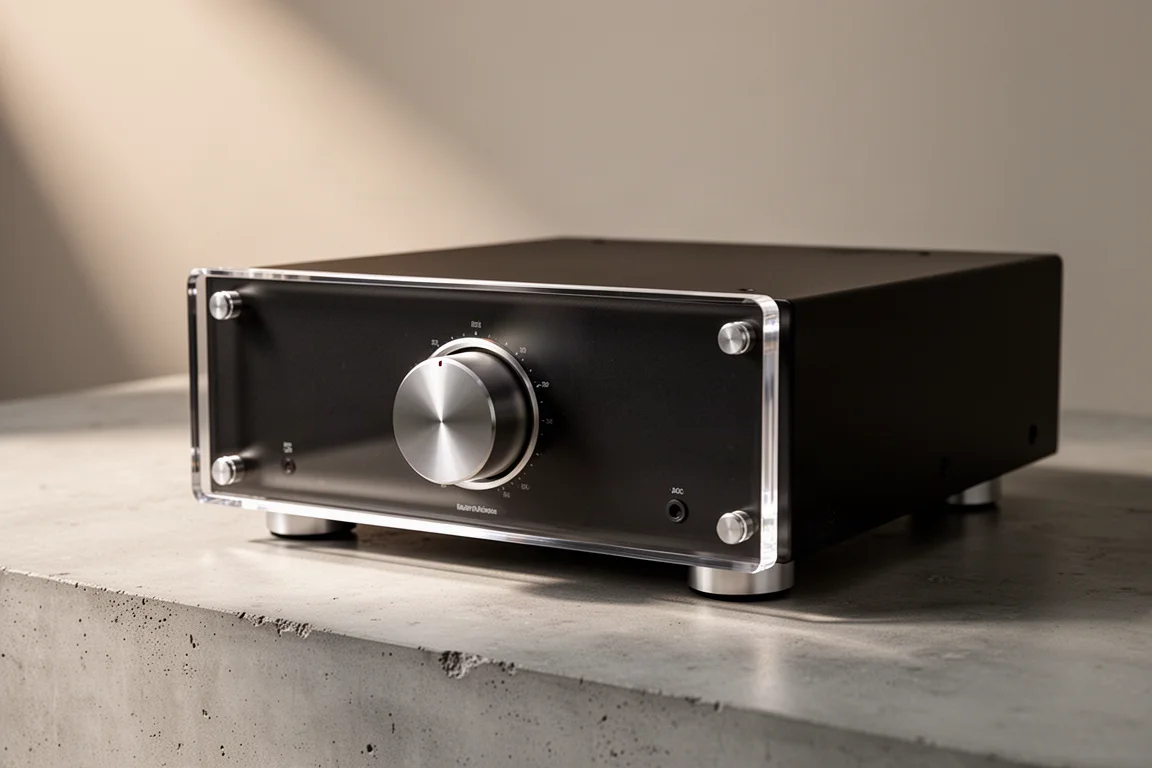
Advance Paris X-i75 Review: An Integrated Amplifier With Character and Connections
A detailed look at the Advance Paris X-i75, an integrated amplifier with a class A bias option, a broad set of inputs and outputs, and a look that stands apart.