Integrated Amplifiers
Yamaha A-S301 Review: A $350 Integrated Amplifier With Phono and DAC
A practical look at the Yamaha A-S301 integrated amplifier, covering its phono stage, built-in DAC, tone and loudness controls, and where it makes sense to buy.
Introduction
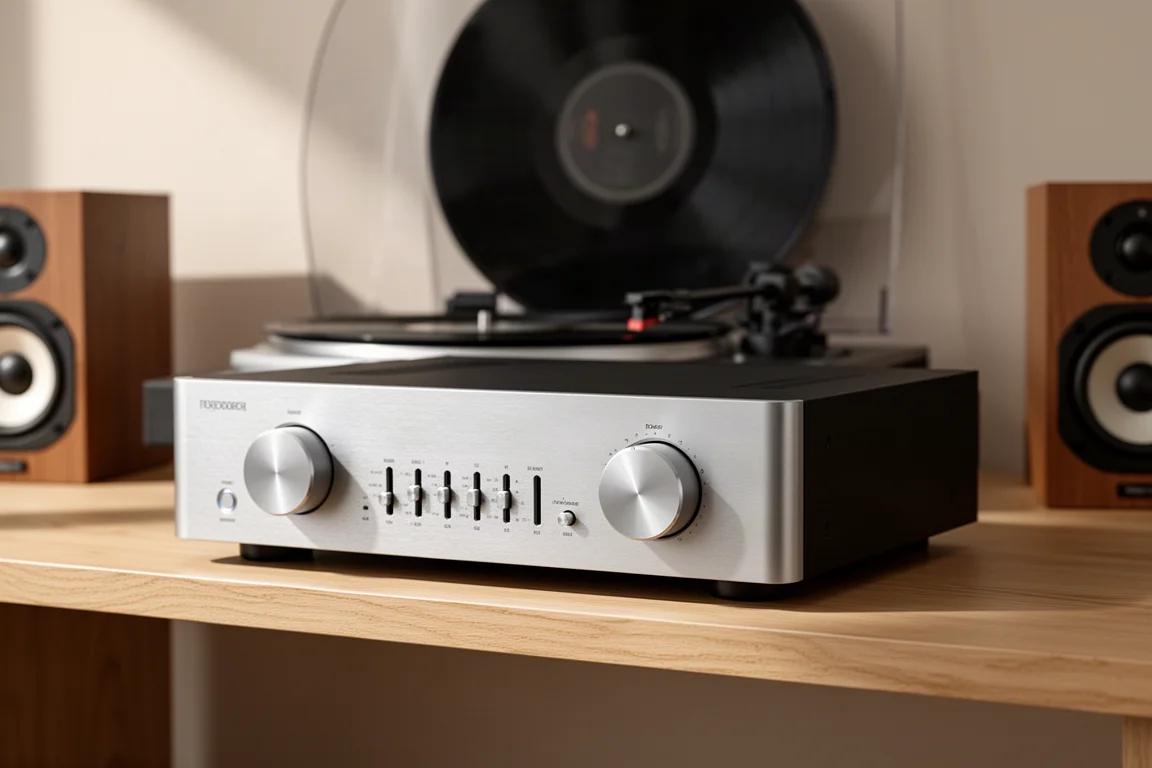
A fully featured integrated amplifier does not have to cost a thousand dollars or more. The Yamaha A-S301 brings a moving magnet phono stage, a built-in DAC, tone controls, and a variable loudness dial together in a single chassis for around $350, and that combination is genuinely rare at this price.
That makes it worth a closer look for anyone building a two-channel system around a turntable, a streamer, or both. This guide covers what the A-S301 does well, the compromises it makes, and how it stacks up against a classic Yamaha receiver from the 1970s.
Who This Amplifier Is For
The A-S301 is aimed at listeners who want one box to handle everything. Turntable owners get a phono input that does not require a separate preamp. Digital listeners get optical and coaxial inputs for a streamer or a disc player. Anyone who wants to fine-tune the sound can do so with tone controls and a loudness dial rather than hunting for a different amplifier.
With 60 watts per channel, it should be plenty for most speakers and most rooms. A simple pairing with a compact network streamer turns it into a complete streaming amplifier for roughly four hundred dollars in total.
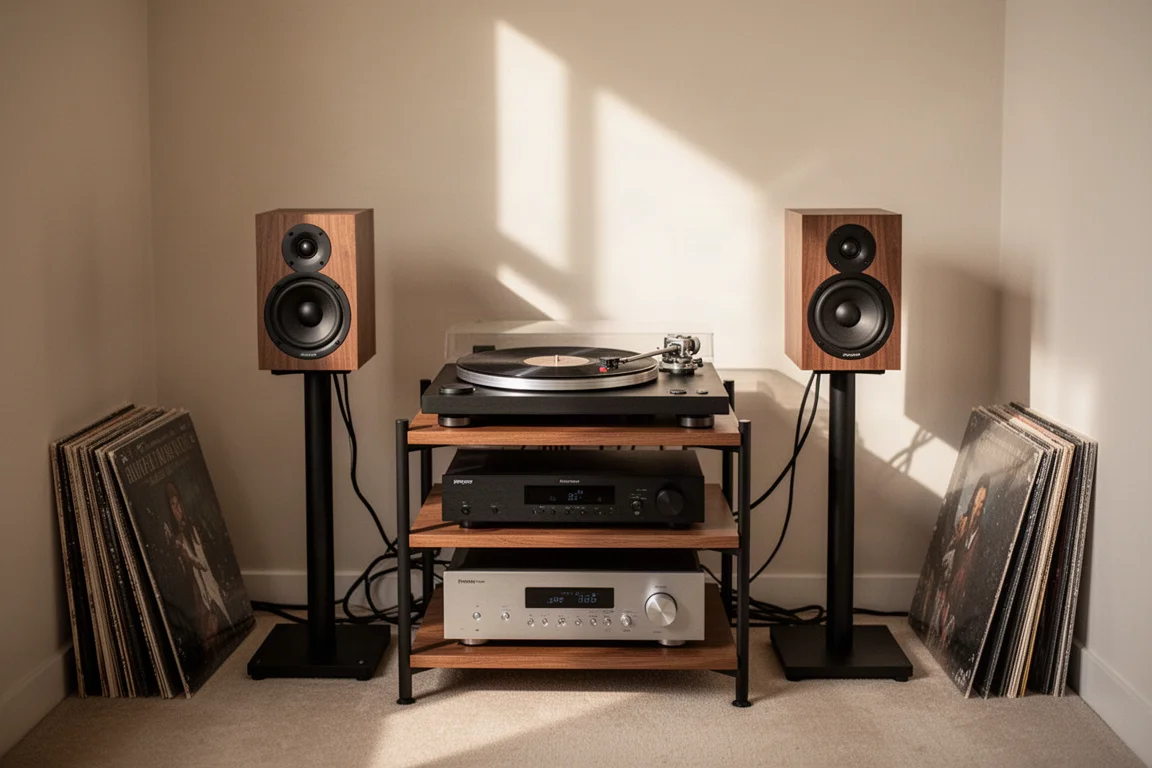
It also suits a second system, a desk setup, or a first step into separate components. Because the controls are so flexible, the amplifier can be tuned toward a warmer or leaner presentation instead of locking the listener into one fixed voicing.
Main Strengths
The strongest argument for the A-S301 is versatility. It offers five analog inputs in total: three unlabeled line inputs, a CD input, and a tuner input, plus a phono stage and two digital inputs. Two of those inputs include record outputs, which means a cassette deck or a recording-capable CD player can be wired through the amplifier.
Speaker flexibility is unusual at this price as well. There are two sets of binding posts, so listeners can run speaker A, speaker B, or both together, and switch the speakers off entirely when listening on headphones.
The remote control covers volume, input switching, and muting, and the mute function fades the volume down gradually rather than cutting it abruptly. The volume potentiometer is motorized, so it moves in response to the remote. A pure direct mode bypasses the tone and loudness circuits for the shortest signal path.
Inputs, Connectivity, and Control
Across the front panel there is a push-button power switch, an infrared receiver for the remote, a headphone jack, and speaker selection buttons for A, B, or A plus B. The tone controls are arranged vertically, with bass, treble, and balance, followed by the loudness dial and the input selector. The power button in particular echoes the design of older Yamaha receivers.
On the back, the phono input sits at the top left, with the CD and line inputs below it. The digital section accepts optical and coaxial connections through a 24-bit/192 kHz DAC, which covers the vast majority of music libraries. There is also a subwoofer output, an auto standby switch, and an impedance selector for different speaker loads, including four ohm speakers and paired eight ohm sets.
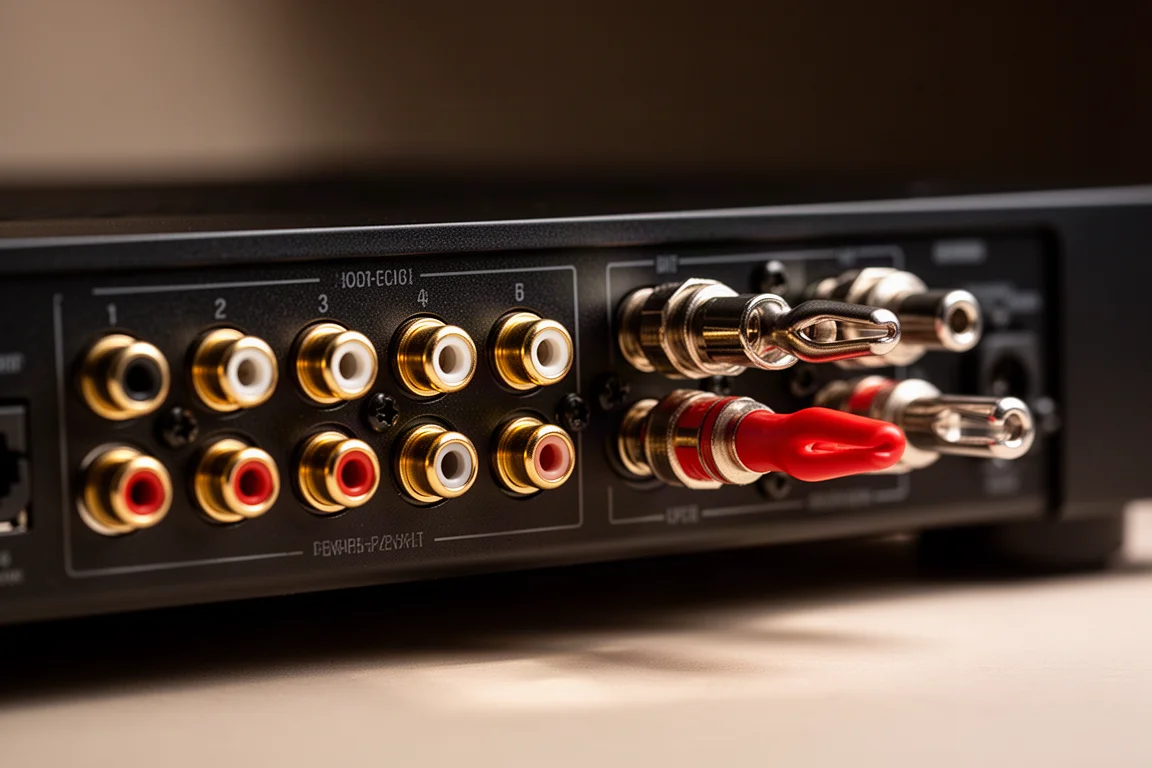
The power cord is permanently attached rather than detachable, and the front-panel buttons and sliders are made of plastic rather than metal. They look good and they work, but they are the clearest reminder of the price point.
The variable loudness control is the standout feature here. Instead of a simple on or off loudness button, it is a dial that lets the listener tune the amount of compensation applied at lower volumes. The manual suggests setting the main volume to the loudest level you would comfortably listen at, then using the loudness dial to control the level from there.
How It Sounds
In pure direct mode the amplifier is very clean, with a slight emphasis through the upper midrange and into the treble. That gives it a detailed but somewhat lean character, and it does not hit as hard in the bass as some competing designs.
The good news is that the sound is easy to shape. A practical starting point is to set the loudness dial around halfway to sixty percent and then pull the bass and treble back slightly, with a little more reduction on the bass than the treble. The exact settings will depend on listening level and distance from the speakers. The tone controls behave as shelf controls, lifting or lowering a broad range of frequencies rather than targeting a narrow band.
The headphone output works well, the internal DAC is the same type used in the Emotiva TA1 and TA2, and the phono stage is clean with moving magnet cartridges. Soundstaging is tidy rather than expansive, so listeners who want a large, immersive presentation may prefer a different design.
What to Consider Before Buying
The upper midrange emphasis is the main thing to plan around. Without the tone controls and the variable loudness dial, that forward character would be harder to live with, so anyone who prefers to leave tone controls bypassed should listen carefully first.
The phono stage is moving magnet only, which rules out low-output moving coil cartridges without a step-up device. The subwoofer output sums the two channels and does not appear to include its own filter. The power cord cannot be replaced or upgraded. And while 60 watts is enough for most setups, difficult speaker loads will want more.
Compared with some class AB competitors, the A-S301 does not deliver the same weight in the bass. It is closer in character to a refined class D design, but with a fuller midrange and bottom end than that comparison might suggest.
How It Compares to Vintage Yamaha Gear
Older Yamaha receivers remain popular for a reason, and a 1974 model like the CR-800 shows where the modern amplifier differs. The vintage unit has noticeably better control of the bass, a less harsh top end, and a more spacious presentation overall.
The A-S301 does not match that character. What it offers instead is modern convenience: digital inputs, a remote control, a headphone output, and no concerns about aging capacitors, humming, or hiss. For listeners who want the vintage sound without the maintenance risk, the older design still has appeal. For everyone else, the A-S301 is the more practical choice.
Buying Advice
At around $350 the A-S301 is an outstanding value, and open-box examples have been listed near $300. Buyers who want a single amplifier for a turntable, a streamer, and a pair of speakers will find very little at this price that covers the same ground.
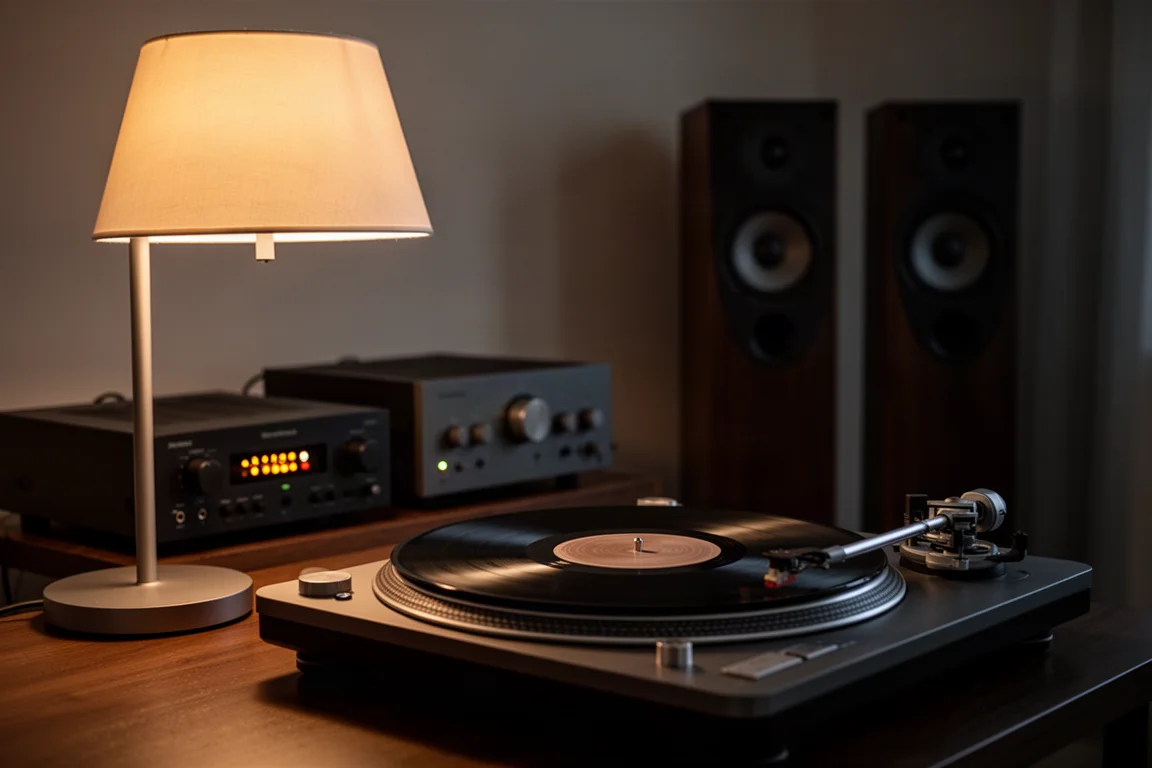
It is worth noting that this amplifier sits at the bottom of a wider Yamaha line that extends from around $350 up to several thousand dollars. Listeners who need more power, more inputs, or a larger presentation can move up the range later without changing brands or approach.
The clearest way to decide is to think about priorities. If adjustability, input count, and value matter most, the A-S301 is an easy recommendation. If maximum bass authority or a spacious, tube-like soundstage is the goal, other designs will suit better.
Conclusion
The Yamaha A-S301 packs a phono stage, a DAC, two sets of speaker outputs, tone controls, and a variable loudness dial into a single $350 chassis. Its sound leans slightly forward at the top, but the controls make that easy to manage, and the result is an amplifier that can be tuned to taste rather than accepted as is. For most listeners building a simple two-channel system, that combination of flexibility and price is difficult to beat.
Product link
View more details for Yamaha A-S301
This product is mentioned in the review. Check the specifications, options, and compatibility before buying.
View more details for Yamaha A-S301Further reading
Related Reviews
Integrated Amplifiers
Advance Paris A10 Classic Review: Vintage Looks and a Lively, Punchy Sound
The Advance Paris A10 Classic pairs glowing blue VU meters and a tube stage with one of the widest input sets on any integrated amplifier. Here is what it does well and what to weigh before spending $2,500.
Integrated Amplifiers
Advance Paris A12 Apex Review: A Modern Integrated Amplifier With Vintage Character
A dual mono integrated amplifier with 180 watts per channel, a tube front end, VU meters, and a connectivity list that covers turntables, televisions, computers, and headphones.
Integrated Amplifiers
Advance Paris Nova Range Review: AI130, AI190 and Modular Upgrades
A practical look at the Advance Paris Nova range, including the AI130 and AI190 integrated amplifiers and the modular streaming, Bluetooth and remote accessories that expand them.