Hi-Fi Audio
Yamaha 2000 Series Buying Guide: R-N2000A Network Receiver and NS-2000 Speakers
A practical look at Yamaha's 2000 series, covering the R-N2000A network receiver and the NS-2000 floorstanding speakers and how they work together as a two-channel system.
Introduction
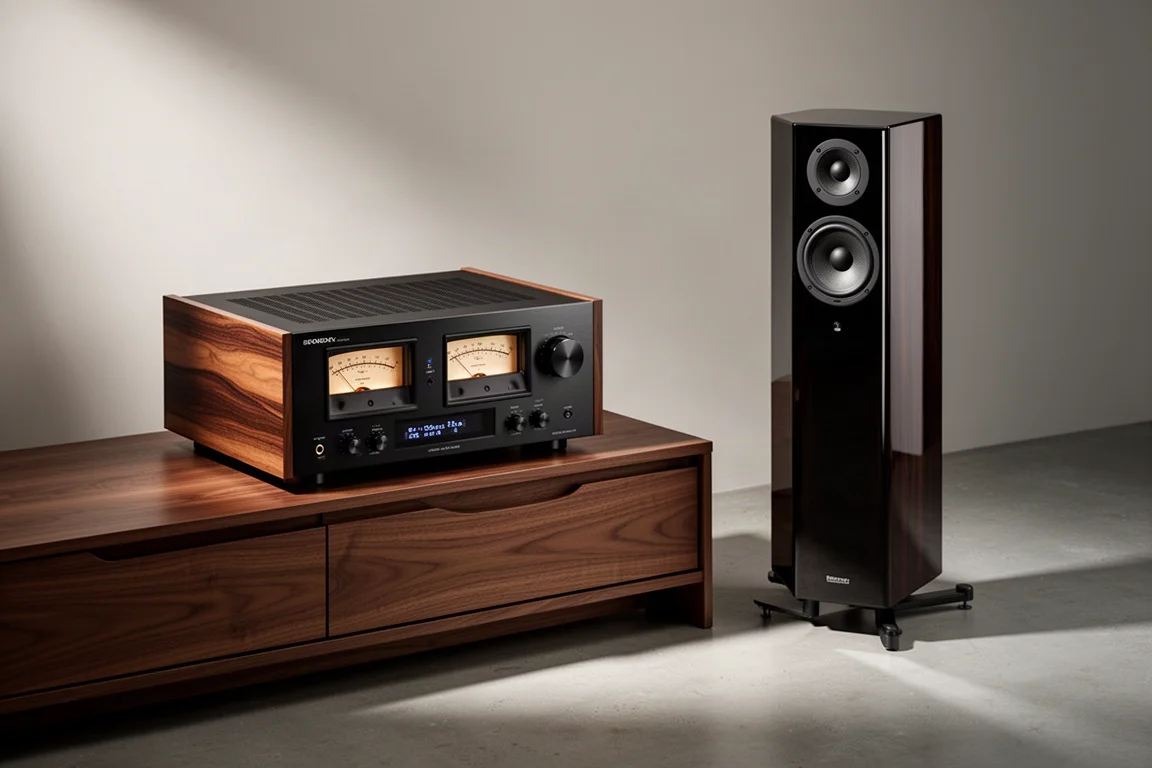
The Yamaha 2000 series is a two-channel system built around a network receiver and a pair of floorstanding speakers. The R-N2000A brings the company’s flagship amplifier thinking into a streaming-friendly stereo receiver, while the NS-2000 is a slim three-way tower designed to sit at a similar price point. Together they form a self-contained setup for listeners who want high-resolution music, network convenience, and a simple signal path.
What the Yamaha 2000 Series Brings to a Two-Channel System
Yamaha’s naming is straightforward here. R stands for receiver, N stands for network, and 2000 identifies the series. That matters, because the R-N2000A is not a stripped-down integrated amplifier with a network card bolted on. It inherits engineering developed for the flagship 5000 series, which launched globally in 2019 after roughly eight years of development. The idea behind a flagship project is that the research, the amplifier design, the chassis layout, and the construction techniques eventually move down the range.
That trickle-down is already visible in the AS series integrated amplifiers introduced in 2020 and 2021, where amplifier architecture related to a much more expensive power amplifier found its way into far more affordable components. The 2000 series takes the same philosophy and adds networking, which is what most listeners actually want when they sit down to listen.
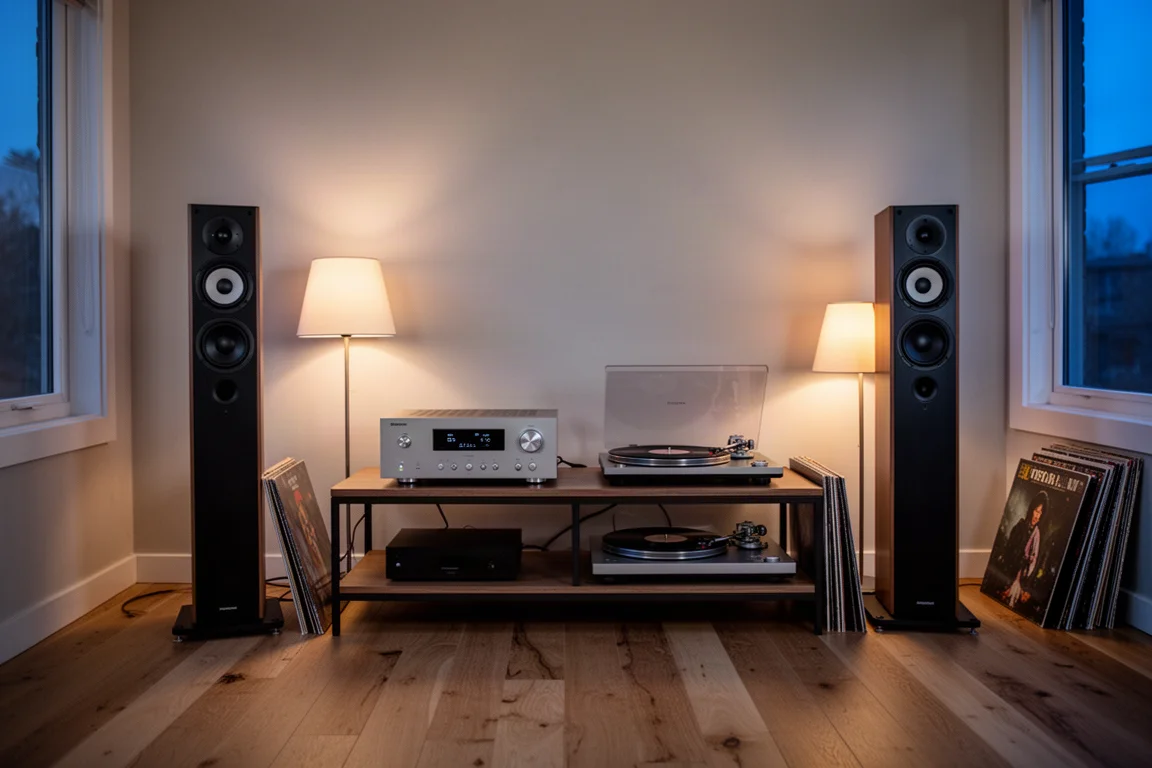
The result is a system that covers analog and digital sources in one place. You can play records, stream from a phone, or feed audio in from a television without adding extra boxes. For a two-channel setup, that combination of simplicity and capability is the main argument.
Yamaha R-N2000A Network Receiver: Amplifier and Build
The core of the R-N2000A is a floating, balanced amplifier design that is fully differential from input to output. Yamaha has patented this approach, and it belongs to the same amplifier architecture family used higher up the range.
Power is rated at 90 watts per channel with both channels driven, a figure that tends to be conservative in Yamaha’s hi-fi products. The chassis is built around stability: a large toroidal transformer mounted to a brass plate on its own bracket, amplifier blocks fixed to substantial external heat sinks, and internal bracing that stiffens the whole structure. The unit weighs roughly 50 pounds, which is more than many multichannel receivers, and that mass comes from the transformer, the heat sinks, and the chassis rather than from anything decorative.
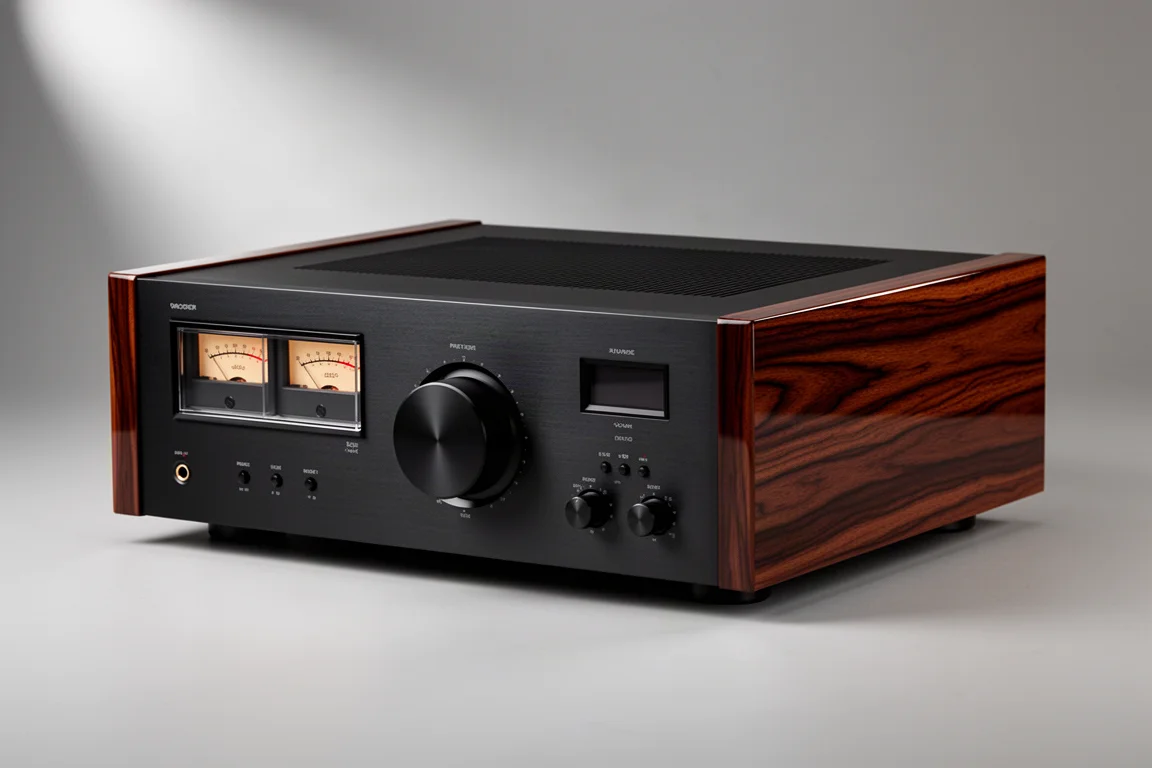
Because the chassis is already so rigid, there is no fifth foot on this design. Yamaha’s multichannel receivers use one, but here the bracketing and the transformer mounting already do the work. The side panels are wood with a piano finish, matching the treatment used on the 5000 series components and the NS-5000 speakers.
Yamaha R-N2000A: Streaming, DACs, and Connectivity
Digital conversion is handled by ESS Sabre DAC chips in the 9026 family, which puts pro-grade conversion inside a stereo receiver. That allows the R-N2000A to work with high-resolution formats and native DSD playback.
A USB DAC input is included, and it is more than a convenience port. When a computer connects over USB, the receiver takes control of the clock and pulls data from the drive as needed, keeping playback in sync with the receiver’s internal clock. A large external drive full of music can be connected directly, with the front display used to browse and manage what is playing.
HDMI ARC is part of the package as well. Connect a streaming box to the television and run the television’s HDMI output into the receiver, and the audio from video services arrives through the same two-channel system. MusicCast networking adds app-based control and access to streaming services, so phone-based listening and local library playback live in the same interface.
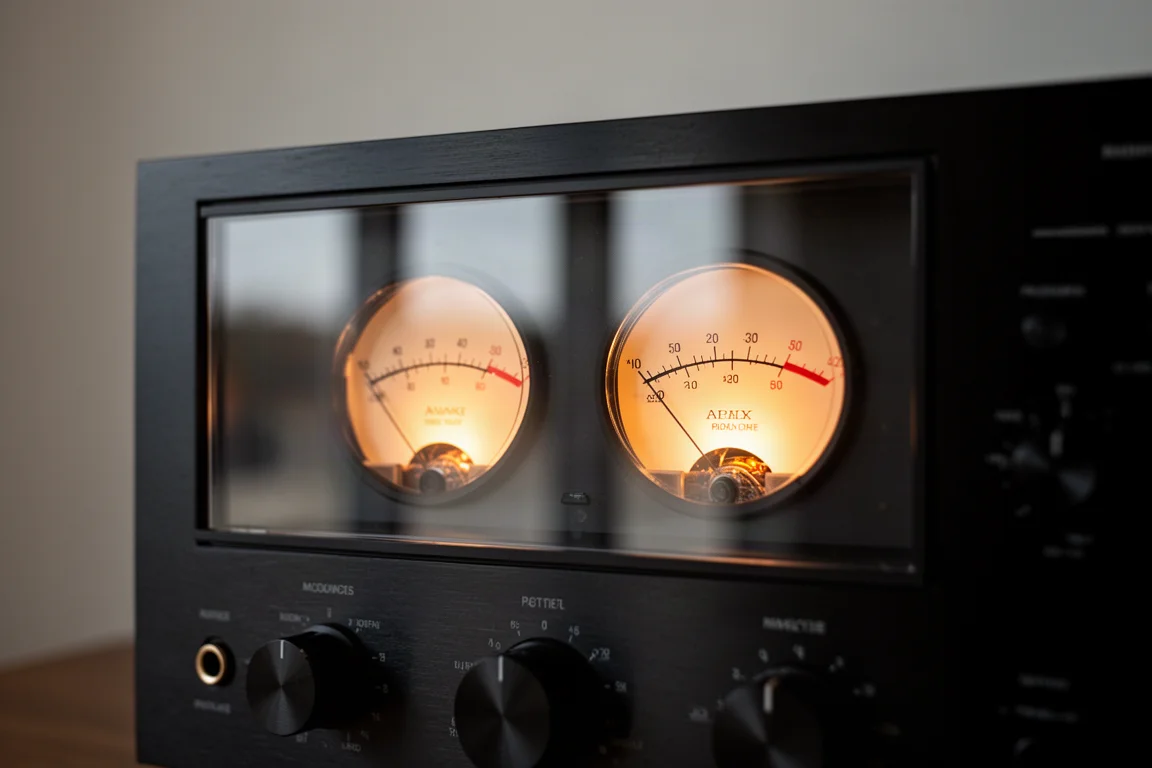
On the front panel, a clear OLED display shows the active source and settings, and it can be dimmed so it does not distract. The analog level meters sit behind glass in the center, sized similarly to the meters used on the CR-2020 from 1978.
Room correction arrives in a two-channel form of YPAO. Reflected sound control addresses early reflections from walls and furniture that can muddy bass and smear detail. YPAO Volume re-equalizes automatically as the volume drops, so the full frequency range stays audible at low levels, based on the room measurement. A continuously variable loudness control is also included, the same concept Yamaha introduced roughly 45 years ago. The intended use is specific: set your normal listening level, adjust bass and treble to taste, then use the loudness control to keep a similar perceived balance when you turn the volume down. It is a genuinely useful feature for background music during a conversation.
Yamaha NS-2000 Floorstanding Speakers: Drivers and Cabinet
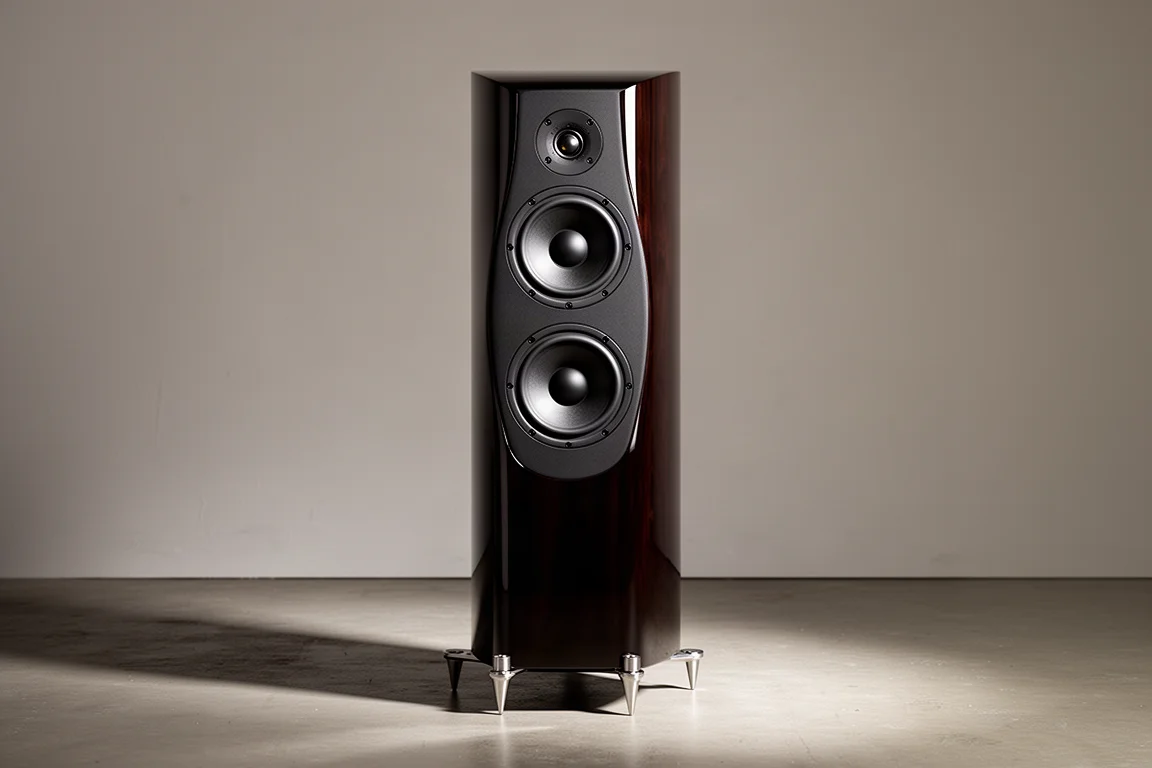
The NS-2000 is a true three-way tower with two bass drivers, a dome mid-range, and a 3/4-inch dome tweeter, the same tweeter size used on the NS-5000. The smaller dome hands off to a mid-range with wider dispersion, which helps directivity through the crossover region.
Driver material is where the design gets interesting. Yamaha developed a composite that combines ZYLON with spruce, using the same spruce stock that goes into its grand piano soundboards and handmade acoustic guitars. In the 5000 series, ZYLON features in a set of speakers that sits far higher in the range, and scaling that performance down into a smaller, more affordable tower was the real challenge.
The result is a slim floorstander with a modern, contoured look that reads differently from traditional Yamaha speaker design. The proportions are tall enough to suit seating that sits a little higher, a deliberate choice for markets where chairs tend to be taller.
Yamaha NS-2000: Setup, Finish, and Room Integration
Setup is straightforward. The speakers ship with the outriggers already installed, which saves time and fuss on delivery day. Both flat feet for hardwood floors and brass spikes are included, so you can choose the interface that suits the room.
The NS-2000 is not bi-ampable and runs single-wire. It is rear-ported with the port at the bottom of the cabinet, which gives some flexibility in placement while still rewarding a little distance from the wall behind it.
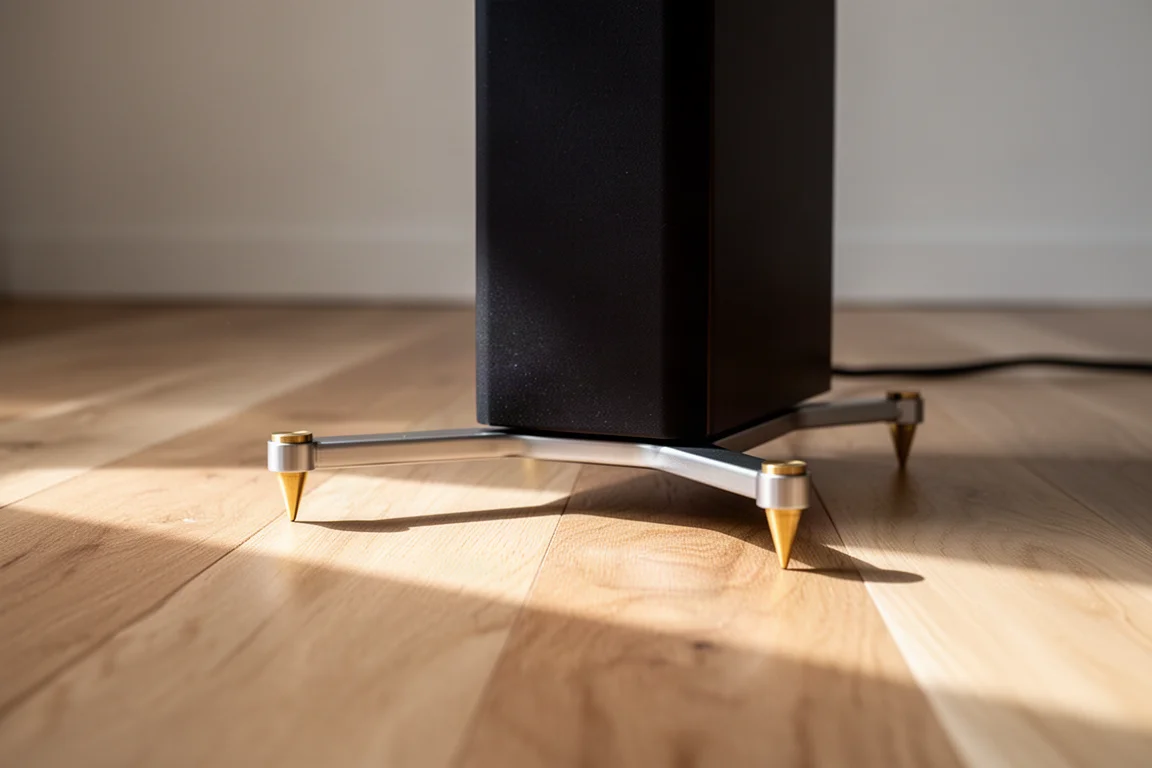
The finish ties the system together. The piano-finish wood matches the receiver’s side panels and the 5000 series family, and a cabinet this slim tends to settle into a living room more easily than a large, boxy tower.
Each speaker is priced at around $4,000. Paired with the receiver, a complete two-channel system lands near $12,000.
Living With the 2000 Series Day to Day
The appeal of this pairing is that it needs nothing else. MusicCast handles streaming and app control, the USB DAC input covers a local library, HDMI ARC brings in television audio, and the analog inputs take care of a turntable or another line-level source.
The front-panel meters and the dimmable display keep the interface readable without being intrusive, and the loudness control makes low-volume listening practical rather than a compromise. For a household where music plays in the background as often as it plays at full attention, that combination matters more than a long feature list.
Buying Advice: Matching the Components
These two products are designed to sit at the same price point, and the pairing is the point. The receiver supplies the amplifier architecture, the conversion, and the streaming, while the speakers handle the acoustic end with driver technology borrowed from a much more expensive range.
Before buying, think about the room. The R-N2000A’s YPAO features help with early reflections and low-volume balance, but they work best when the speakers have a sensible starting position. The NS-2000’s bottom-mounted rear port means placement closer to a wall is possible, though a little breathing room will help the low end.
Also weigh how you listen. If most of your music arrives through a phone or a streaming service, the network features earn their keep immediately. If you keep a large local library, the USB DAC input is the more valuable piece. If the system will double as television audio, HDMI ARC is the feature that makes that painless.
Budget-wise, the receiver sits at around $4,000 and the speakers at around $4,000 each. That puts a complete system near $12,000, which is a serious sum but a coherent one: two towers and a receiver that cover the whole chain without add-ons.
Conclusion
The Yamaha 2000 series is a two-channel system for listeners who want high-resolution playback, streaming convenience, and a simple signal path in one place. The R-N2000A carries amplifier and conversion technology developed for a flagship range, and the NS-2000 brings a composite driver design and a slim, modern cabinet to the same price point. Bought together, they cover analog, digital, and network sources without extra hardware.
Further reading
Related Reviews
Hi-Fi Audio
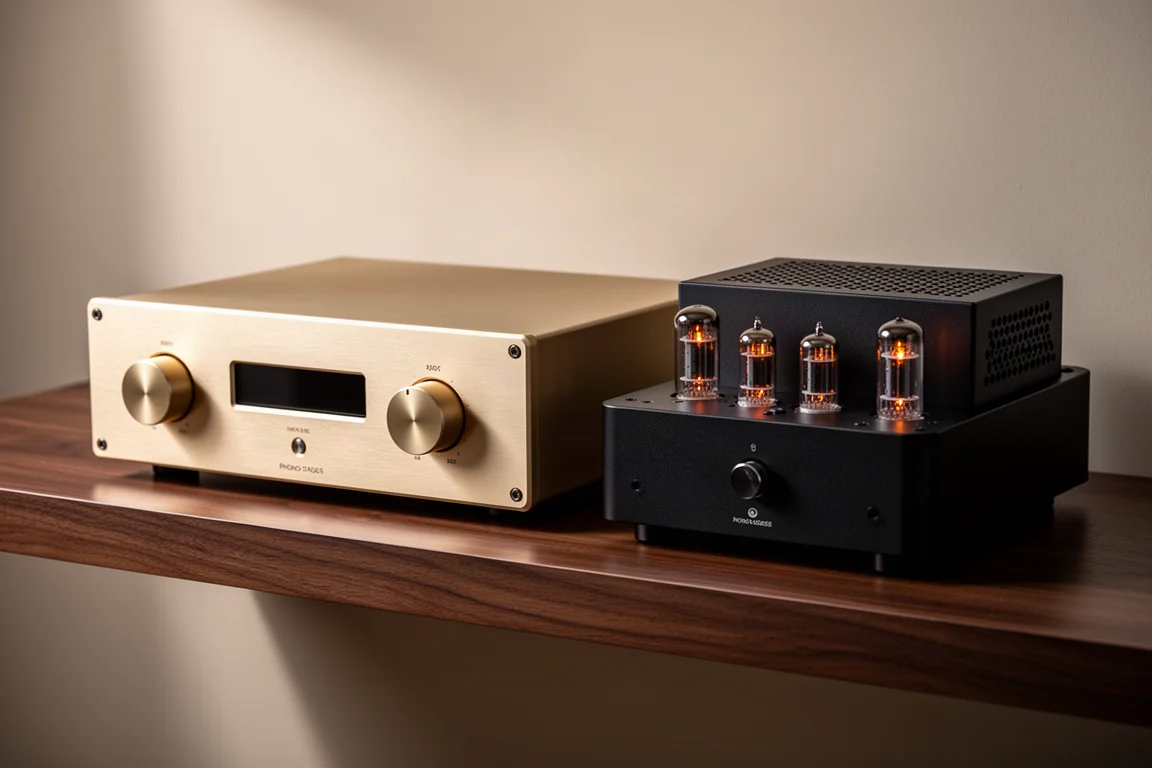
Accuphase C-57 vs Allnic H-7000V: Two High-End Phono Stages Compared
A fully balanced solid-state phono stage with a pitch-black noise floor meets a tube design built for well-loved records. Here is how to choose between them.
Hi-Fi Audio
Active vs Passive Hi-Fi: Five Components for a Modern System
Five components that define modern active and passive hi-fi systems, with the strengths, trade-offs and setup details worth weighing before you buy.
Hi-Fi Audio
Advance Paris A10 Apex Review: A Hybrid Integrated Amplifier That Covers a Lot of Ground
A French hybrid integrated amplifier with a class A tube preamp stage, analogue power meters, and an internal DAC and phono stage good enough to make extra boxes unnecessary.