Hi-Fi Audio
Accuphase C-57 vs Allnic H-7000V: Two High-End Phono Stages Compared
A fully balanced solid-state phono stage with a pitch-black noise floor meets a tube design built for well-loved records. Here is how to choose between them.
Introduction
A phono stage is the first decision an analog system makes about a record. It sets how much of the groove you hear and how that information is presented, and two high-end designs handle that job in nearly opposite ways.
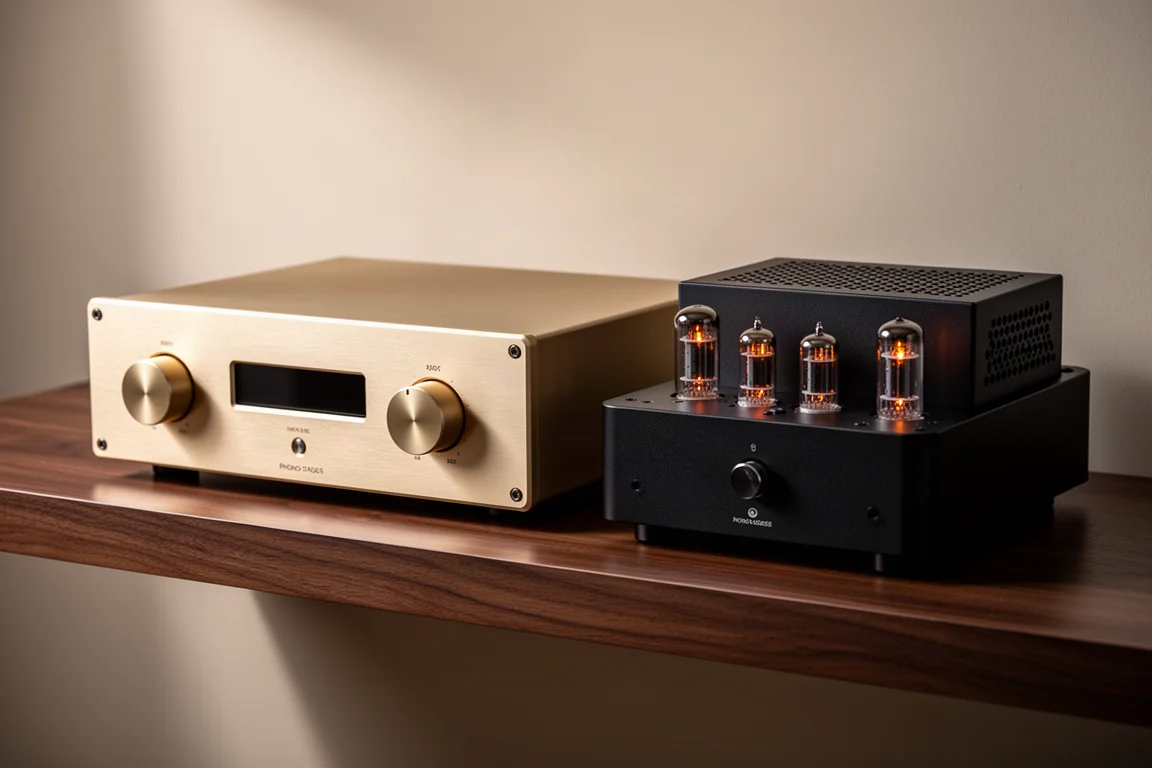
The Accuphase C-57 is a fully balanced, dual mono solid-state phono stage built around an extremely low noise floor and a very high level of resolution. The Allnic H-7000V is a tube phono stage that has served as the heart of one analog system for three years, and it is valued less for what it measures than for how it makes a record feel.
Both spent time in the same system, with the same records, across roughly a month of listening. The outcome is not a simple ranking, and that is exactly what makes this comparison useful.
How These Two Phono Stages Differ
The C-57 and the H-7000V approach the same task from opposite directions.
Accuphase builds the C-57 as a fully balanced dual mono design, with a separate signal path for the left and right channels. The company’s ANC circuit is engineered to pull noise down to a level that is rare in a phono stage. The result is a presentation built on silence, separation and detail: instruments occupy clearly defined positions, and the space around them stays dark.
The Allnic takes the tube route. Tubes bring a different set of priorities to the same signal, most visibly a three-dimensional sense of instruments in a room, an open and holographic stage, and the small textural cues around a voice that make a performance feel physical rather than reproduced.
Neither approach is a compromise in the abstract. What changes is which recordings each one flatters, and that is where the buying decision actually lives.
Accuphase C-57: A Fully Balanced Solid-State Phono Stage
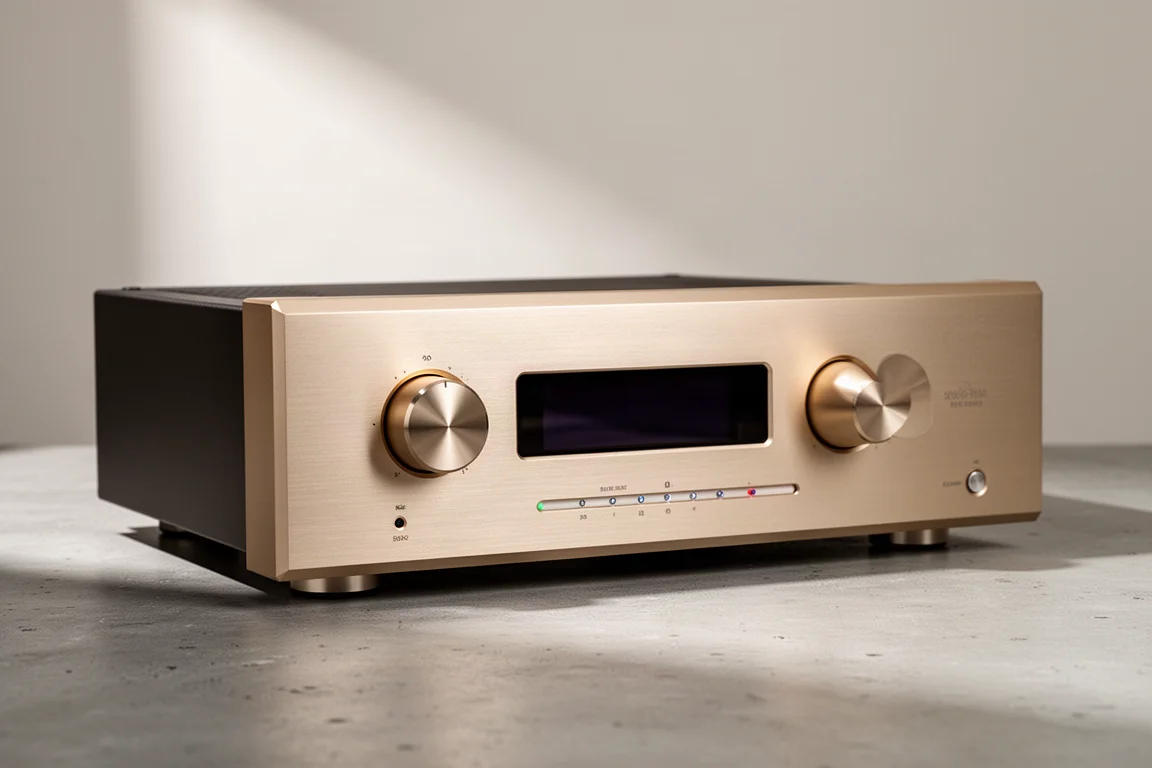
The first impression of the C-57 is physical rather than sonic. Every control has weight and damping, the kind of machine precision that much of the industry has moved away from. That impression extends to the company behind it: Accuphase still services forty-year-old units with the original engineers, the same people who built them, now older and still at the bench.
The technical story is what makes the C-57 so persuasive on a first listen. Because the signal path is fully balanced and dual mono, channel separation is exceptionally strong, and the ANC circuit pushes the noise floor lower than most listeners expect from a phono stage. Drop the needle and the space between instruments is not merely quiet, it is black. Notes start and stop as separate events instead of blurring together.
The C-57 sits at around $15,000.
What the Accuphase C-57 Reveals in Familiar Recordings
On well-mastered pressings, the C-57 does things that are hard to argue with. Imaging tightens, instruments separate further, and bass notes gain an outline that was not obvious before. Cymbal strikes arrive as discrete events with black space between them. The presentation is effortless from top to bottom, and the air around instruments, a quality that solid-state phono stages often struggle to convey, is present in abundance.
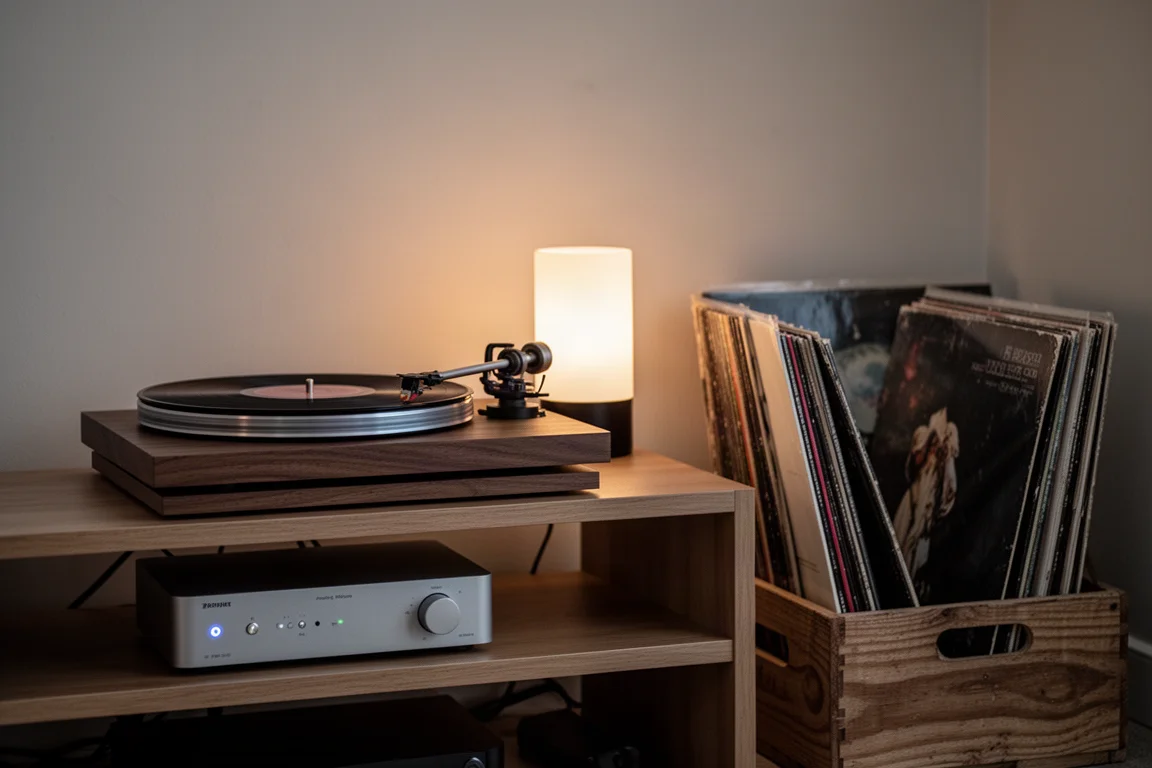
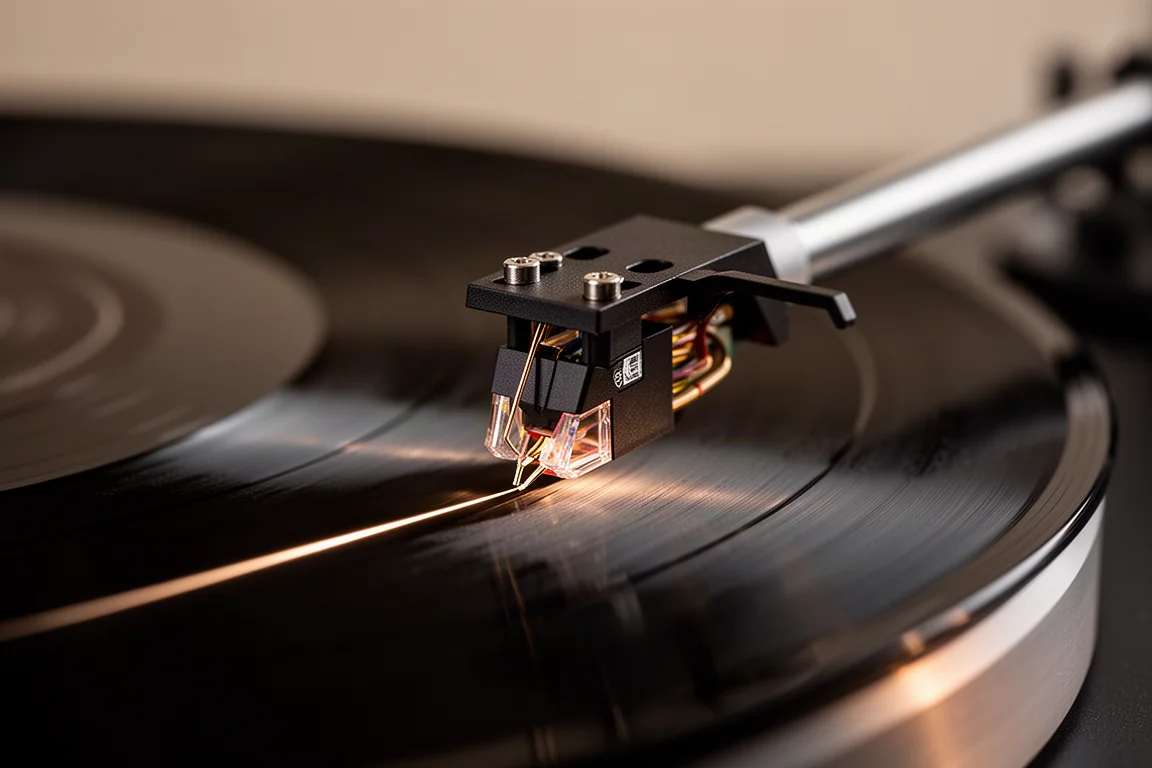
The design also passes the system-matching test cleanly. With an Etsuro Urushi Cobalt Blue cartridge on a Pure Fidelity Symphony turntable and an Origami PU-8 tonearm, the C-57 and the Allnic both worked well, with different flavors but no mismatch. The C-57 was also used alongside an Accuphase E-700 integrated amplifier, a pairing that felt unusually coherent.
Across a large collection of familiar audiophile pressings, the C-57 behaved as a resolution instrument: more detail, more separation, more definition, and more quiet between the notes. On that material alone, the case for it is easy to make.
Allnic H-7000V: The Tube Phono Stage That Stayed in the Rack
The H-7000V has been the foundation of the analog setup for three years, and it was the first component in that system where the urge to upgrade simply stopped. That is a meaningful thing for a phono stage to achieve.
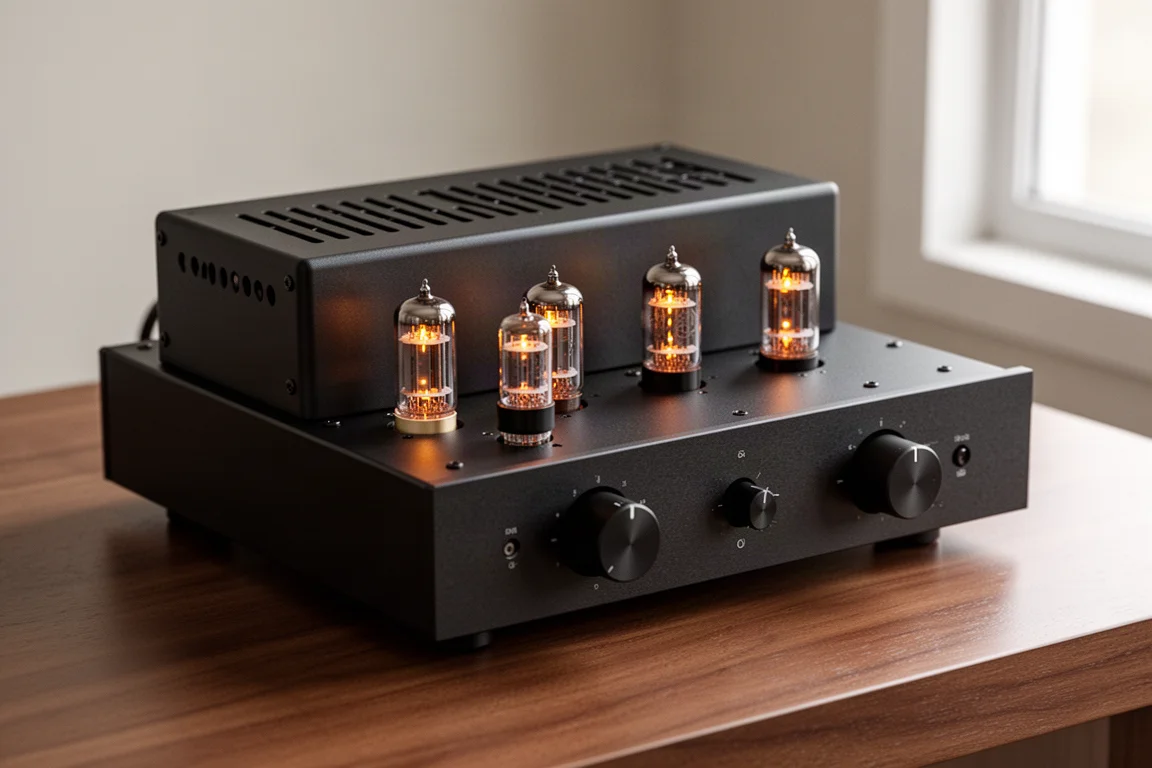
Its strengths are the classic tube strengths, executed well. Instruments are portrayed with a natural, open, holographic quality, as though they were placed in the room rather than between the speakers. Vocals carry breath and body. The mid-range is generous, and the stage opens up in a way that keeps a performance whole rather than dissecting it.
Where the Allnic H-7000V Still Wins
The difference between these two phono stages becomes obvious on records that are not audiophile pressings.
Many collections contain records that were never mastered especially well, pressed on vinyl of uneven quality, and played far more often than a collector would admit. Surface noise, pressing flaws and mastering compromises are part of those records, and no cleaning machine removes them. These are also frequently the records that matter most: the ones inherited from family, played in kitchens and cars, kept when little else was.
The C-57 handled those records exactly as designed, by telling the truth. Every mastering flaw and every trace of surface noise was drawn out and presented without softening. The H-7000V did something different with the same grooves. The same flaws were still audible, but they sat inside the music rather than on top of it. The mid-range filled the room, the soundstage opened, and the performance came back together as a song rather than a forensic report.

That is not a case for one design being better than the other in absolute terms. It is a reminder that a phono stage is judged by the records a listener actually plays, not by the ones that show it off best.
Matching a Phono Stage to Your Record Collection
The practical question is what sits on your shelves.
If the collection is dominated by clean, well-mastered pressings and the goal is the last word in separation, quiet and detail, the C-57 is built precisely for that material. Its lower noise floor and stronger channel separation are real advantages, and they are audible.
If a significant part of the collection consists of older, well-loved records with imperfect pressings and audible wear, the tube character of the H-7000V will often be the more rewarding choice, because it keeps the noise and the music in the same frame.
Buying Advice: Which Phono Stage Fits Your System
New gear is almost always technically better. Noise floors drop, resolution climbs, and the spec sheet makes a strong argument on its own. That is precisely why the decision is easy to get wrong: measuring better and being better for a specific system and a specific collection are not the same thing.
The question worth asking before any purchase is simpler than a specification. Does this component make me want to listen more? If the answer is already yes with the phono stage in the rack, a change needs a better justification than a lower noise figure.
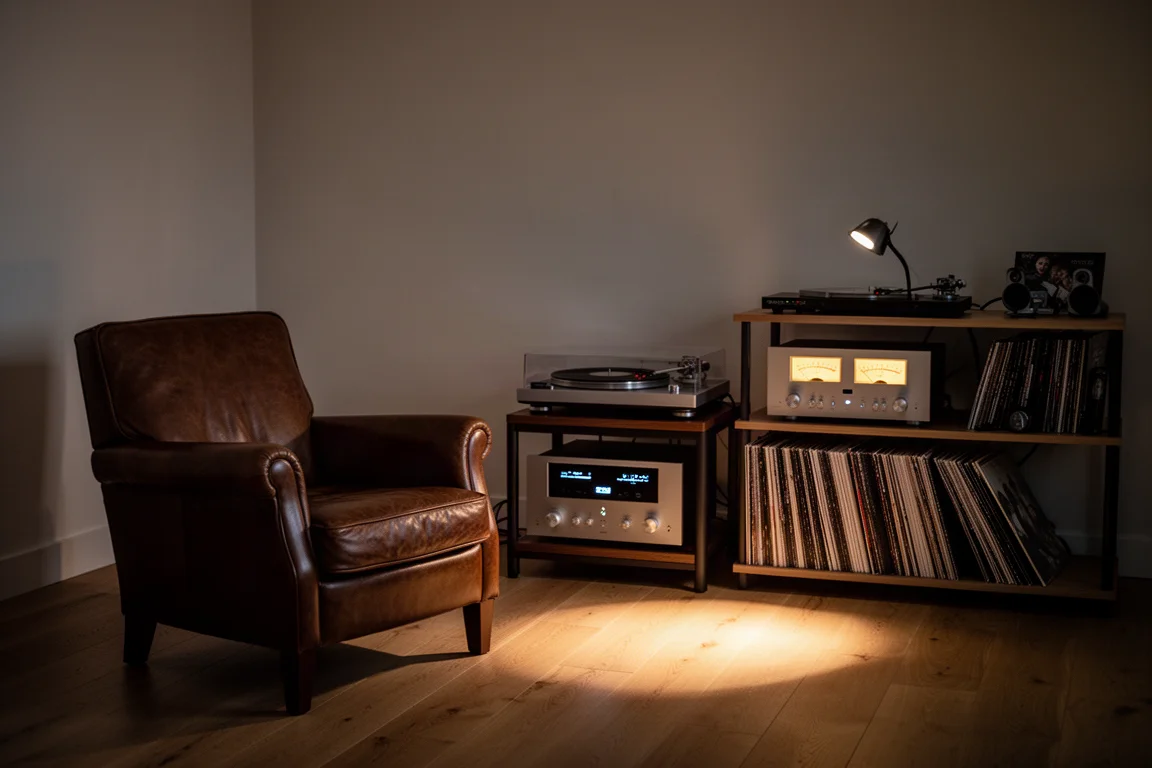
Both of these phono stages are serious pieces of engineering, and each one is the right answer in the right system. The C-57 rewards clean pressings and a listener who wants maximum resolution. The H-7000V rewards a collection built on records that have been loved for decades.
Conclusion
The Accuphase C-57 and the Allnic H-7000V are both excellent phono stages, and the choice between them comes down to the records they will be asked to play. A fully balanced solid-state design with an exceptionally low noise floor is the more revealing option for well-mastered vinyl. A tube design that keeps surface noise and mastering flaws inside the music is the more satisfying option for older, well-worn records.
Buy the one that matches the collection, not the one that wins the spec sheet.
Further reading
Related Reviews
Hi-Fi Audio
Active vs Passive Hi-Fi: Five Components for a Modern System
Five components that define modern active and passive hi-fi systems, with the strengths, trade-offs and setup details worth weighing before you buy.
Hi-Fi Audio
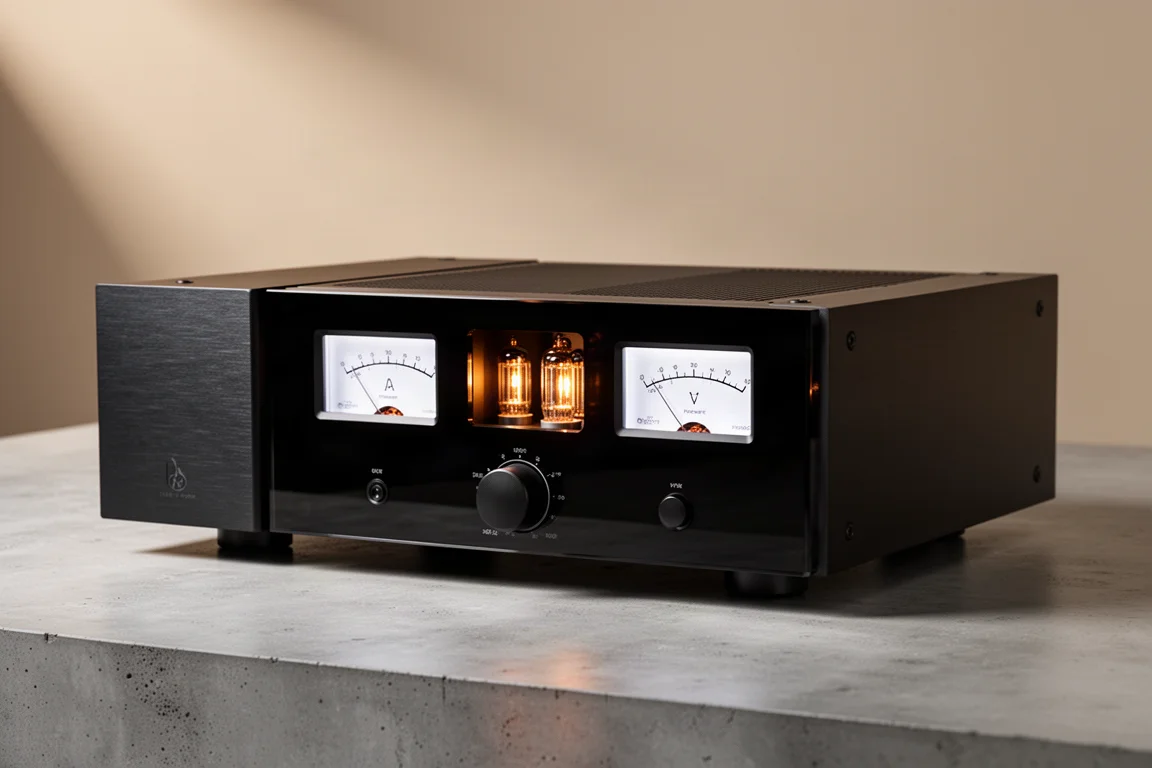
Advance Paris A10 Apex Review: A Hybrid Integrated Amplifier That Covers a Lot of Ground
A French hybrid integrated amplifier with a class A tube preamp stage, analogue power meters, and an internal DAC and phono stage good enough to make extra boxes unnecessary.
Hi-Fi Audio
Affordable Hi-Fi Gear Worth Buying: Standout Components That Punch Above Their Price
A roundup of affordable speakers, amplifiers, DACs, and sources that deliver performance well beyond their price point.