Sleeping Pads
Therm-a-Rest XTherm NXT vs Nemo Tensor Extreme Conditions: Best Sleeping Pads for Extreme Cold
A field comparison of two premium cold weather sleeping pads, covering warmth, comfort, durability, and which conditions suit each one.
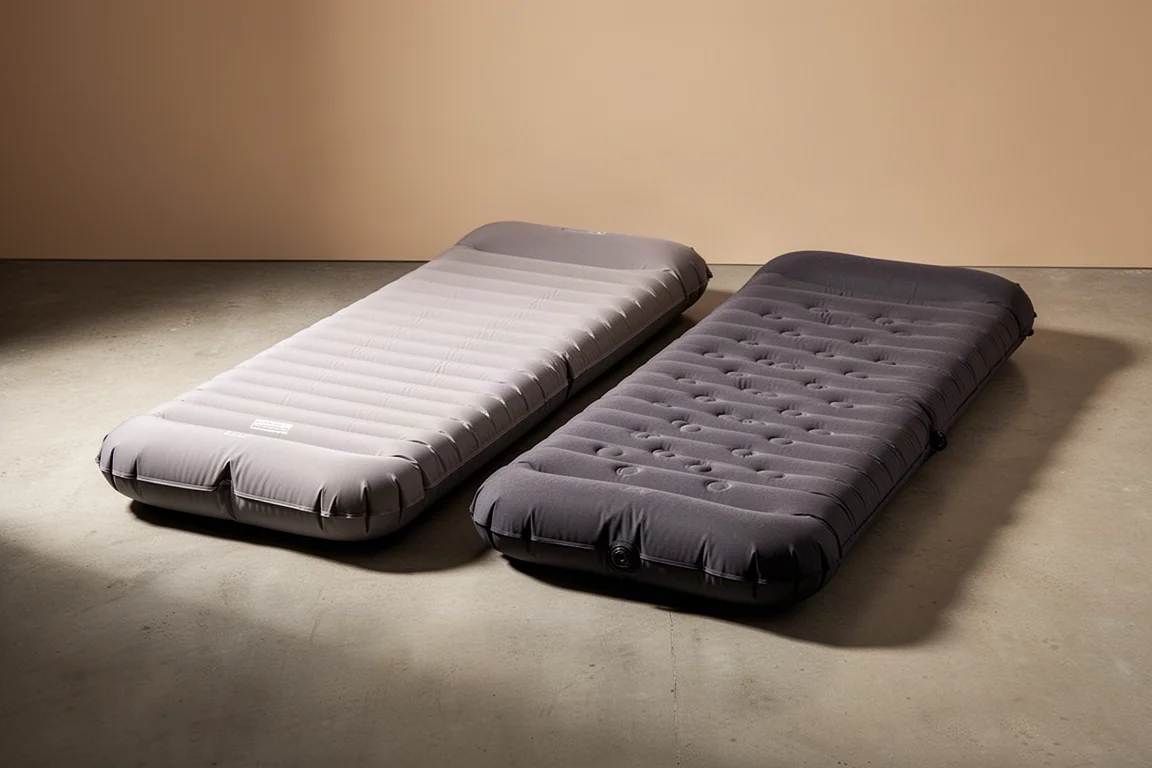
Introduction
Staying warm in extreme cold comes down to a few gear decisions, and the sleeping pad is one of the most consequential. Two pads sit at the top of that conversation: the Therm-a-Rest XTherm NXT and the Nemo Tensor Extreme Conditions. They cost the same, weigh within a few grams of each other, and both carry a lifetime warranty, yet they behave quite differently once temperatures drop. We spent months using both, from -20°C down to -50°C, to understand where each pad earns its place in a winter pack. This comparison looks at durability, comfort, and warmth, along with the price and ease of use details that matter at the trailhead.
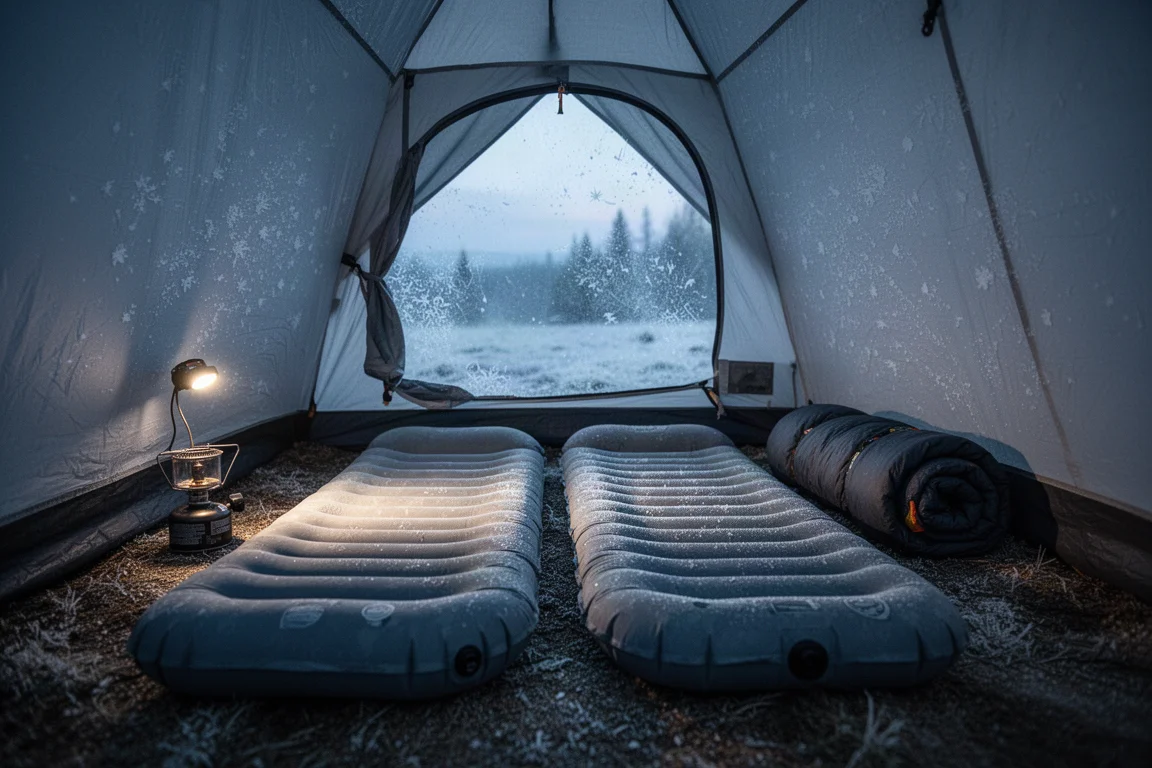
The short version is that one pad is the more reliable choice in extreme cold, and the other is the more comfortable choice for the temperatures most winter campers actually camp in.
What to Look For in a Cold Weather Sleeping Pad
R-value is the laboratory measure used to assess how warm a sleeping pad will be, and it is a useful starting point for narrowing down options. It does not, however, capture how a pad performs once you push temperature limits in the field. Thickness and baffle pattern matter too, since they shape how a pad feels under a side sleeper and how much air can move around inside it. Fabric denier on the top and bottom surfaces, valve design, weight, and inflation method round out the picture.
Both pads here are inflatable and use air for structure, but they rely on different insulation technologies, different baffling systems, and different shell materials, which is where the real differences begin.
Therm-a-Rest XTherm NXT: Reliability in Extreme Cold
The XTherm NXT carries an R-value of 7.3. It reaches that figure with two systems working together: ThermaCapture technology, a reflective film that limits radiative heat loss, and the Triangular Core Matrix baffling, which reduces convective heat loss by restricting how much air can move around inside the pad. The pad is 3 inches thick with horizontal baffles, and the large rectangular version weighs 680 g and costs $270. The shell uses a 30-denier fabric on top with a heavier denier base, which points to better abrasion and puncture resistance than a lighter build. The valve is durable and replaceable, so a failure can be fixed rather than ending the pad’s working life.
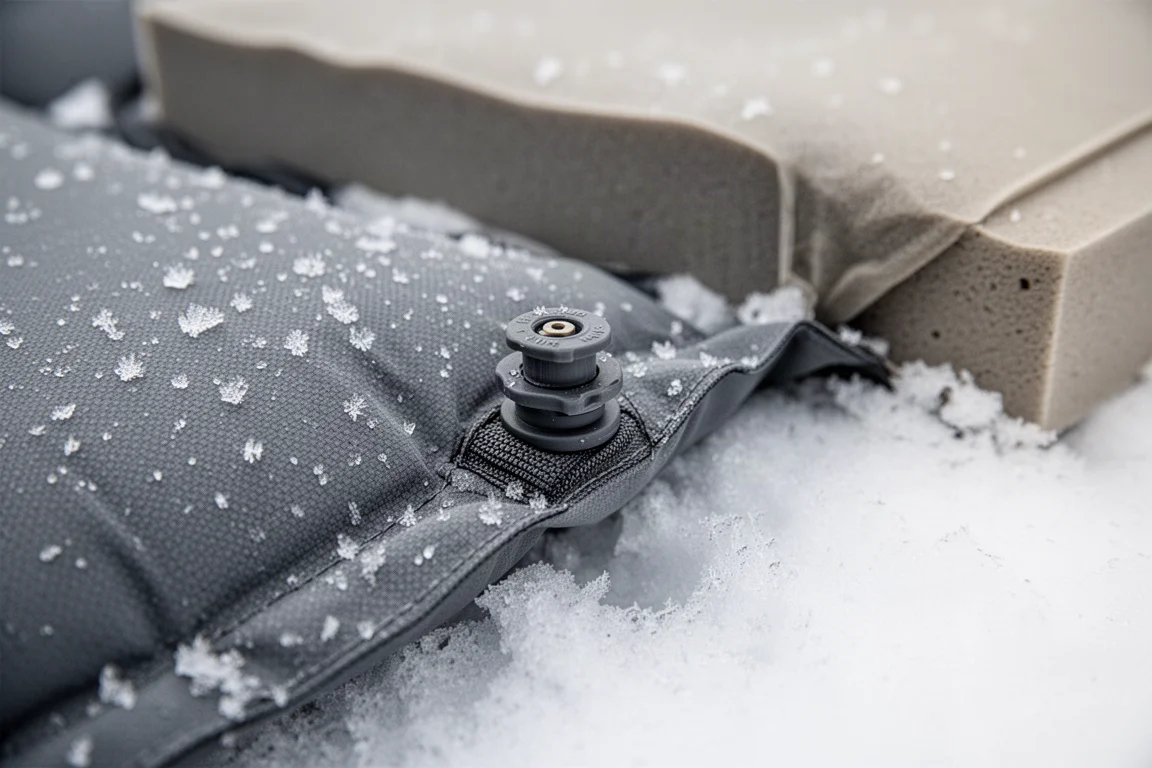
In the field, the XTherm NXT has been used on its own down to -40°C and with a foam pad underneath down to -50°C, and it stayed warm at both. For side sleepers, horizontal baffles are the least comfortable pattern, and this pad can lead to arm numbness and a fair amount of position shifting through the night. A bulky sleeping bag underneath does offset some of that. The Mylar insulation also makes the pad a little crinkly, though not enough to disturb sleep.
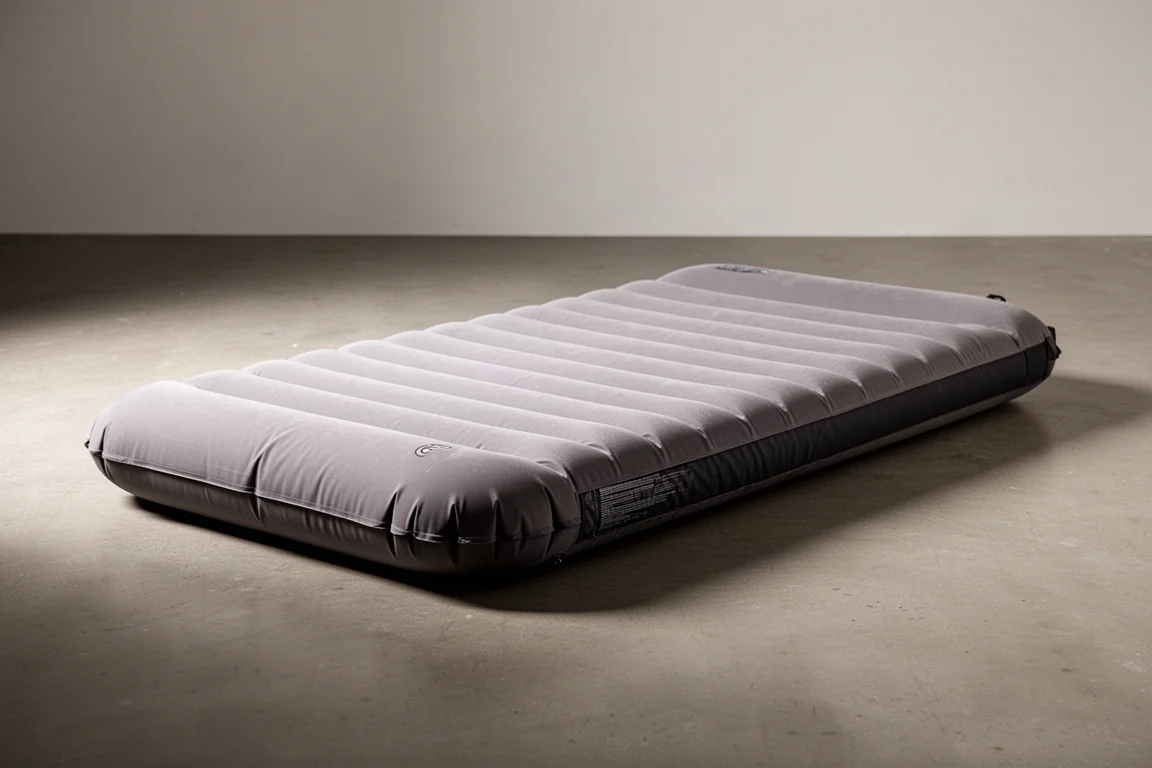
Nemo Tensor Extreme Conditions: Comfort First
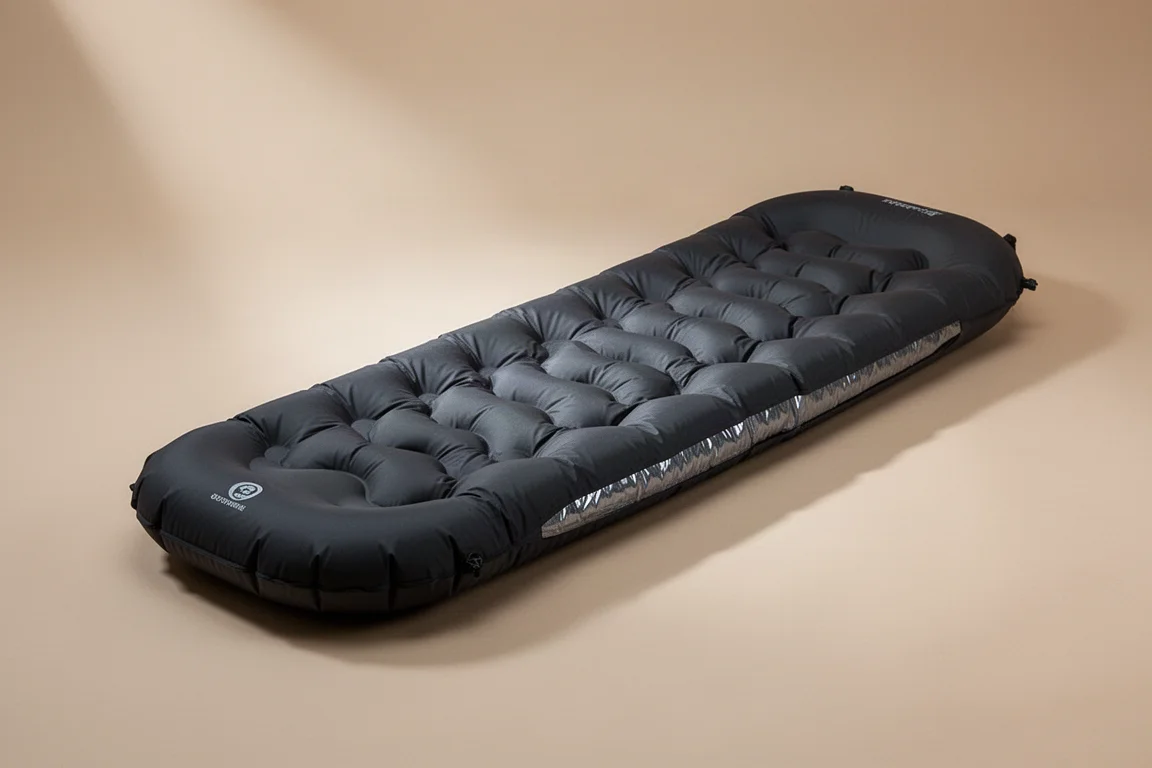
The Tensor Extreme Conditions has the higher R-value of the two at 8.5, achieved with four layers of Mylar film suspended inside the pad on trusses developed for this model. It does not have a convective heat loss mechanism comparable to the Triangular Core Matrix. What it does have is comfort: 3.5 inches of thickness, which gives enough room to fine tune firmness by adjusting how much air sits inside, and a modified horizontal baffle system. The welds that connect the top of the pad to the bottom create small dimples that relieve pressure, which is noticeable when lying on your side.
The shell is 20-denier on top and 40-denier on the bottom, the large wide version weighs 662 g and costs $270, and the pad is noticeably quieter than the XTherm NXT. Inflation is easier as well, thanks to the valve system and the included inflation bag. One caveat on the valve: if it fails, replacement likely means sending the pad in. It is also worth remembering that letting air out to soften the pad reduces warmth along with firmness.
Warmth in the Field: How the Two Pads Compare
Field time with the Tensor Extreme Conditions started at -20°C and moved up through -25°C and -30°C, and the pad was warm at those temperatures. Below -30°C, issues appeared, which was surprising given the higher R-value. Two explanations seem plausible. First, on a large pad there is a thin layer of air above the top Mylar film, and if that layer is in contact with the surrounding air it can create a convective channel for heat to escape. In the XTherm NXT, the Triangular Core Matrix isolates the air more effectively, leaving fewer pathways for warm air to move. Second, the suspended Mylar film may be sticking to itself, which would reduce how well it blocks radiative heat loss.
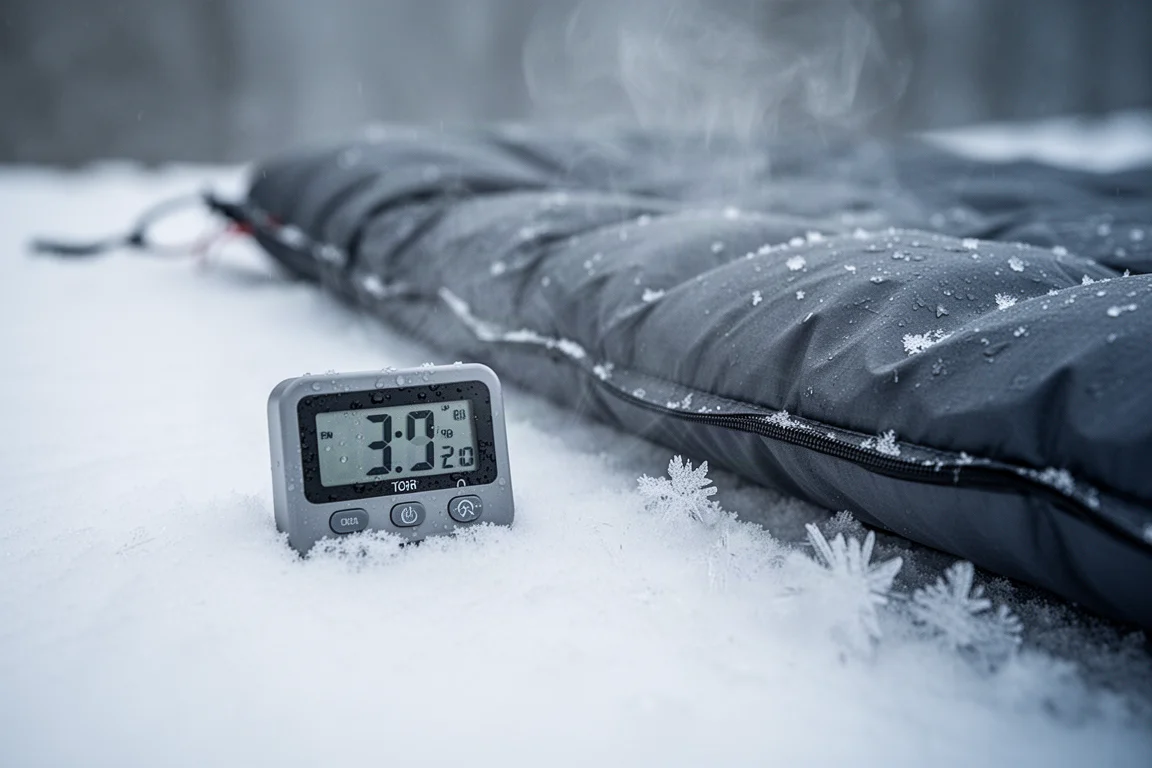
What emerged in testing is that shaking the Tensor Extreme Conditions before bed appeared to lead to warmer nights down to about -30°C, while skipping that step produced cold nights at -20°C. Whether the film is genuinely sticking together remains unconfirmed. This is also a good illustration of the limits of R-value testing: it gives a solid baseline for a search, but it does not capture the nuance of how a pad behaves in the field, and that nuance matters once you push temperature limits. If you like the Tensor Extreme Conditions and want to take it colder, a smaller mummy shaped regular version has less surface area than the large wide version, which may reduce the influence of that upper air layer and sleep warmer.
Durability and Long Term Ownership
Durability is where the two pads diverge in construction. Both use nylon shell fabrics, but the XTherm NXT’s 30-denier top and heavier denier base suggest an edge in abrasion and puncture resistance over the Tensor’s 20-denier top and 40-denier bottom. Baffling construction matters too. The Triangular Core Matrix is a long established system with a strong record, while the Tensor uses welds connecting the top of the pad to the bottom. Earlier Nemo Tensor pads have seen weld point leaks in the field, including a slow leak that left a pad nearly flat by the middle of the night, and the welds on the Tensor Extreme Conditions look like an evolution of that design rather than a complete change. So far, many nights on the Tensor Extreme Conditions have passed without any issue.
Valves are part of the durability conversation as well. The XTherm NXT valve is replaceable, while the Tensor Extreme Conditions valve would likely need to go back for service. Both brands back their pads with lifetime warranties, which is genuinely valuable, but a warranty does not help when a pad fails on a trip in -40°C weather.
Buying Advice: Choosing Between the Two
The decision comes down to the temperatures you actually camp in. For trips that regularly drop below -30°C, the XTherm NXT is the more reliable and warmer option, and that reliability is the reason it goes out on most cold trips. It is also the pad to choose if you want a replaceable valve and a construction that favors puncture resistance.
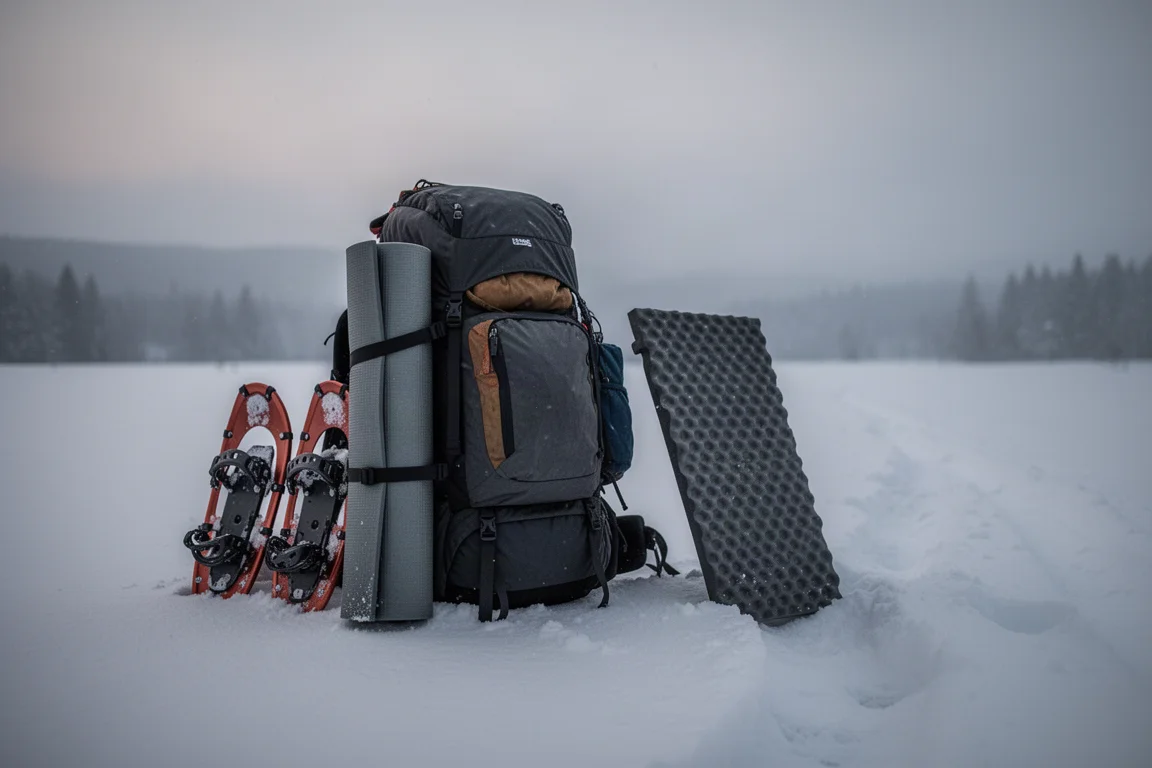
For camping mostly between -10°C and -25°C, the Tensor Extreme Conditions is the more comfortable and more usable pad, with its extra thickness, pressure relieving dimples, quieter surface, and easier inflation. If you want to stretch it into colder conditions, consider the smaller mummy shaped version, and give the pad a shake before you inflate it. Both pads cost $270 and weigh within roughly 20 g of each other, so the choice is not about value. It is about warmth and reliability versus comfort.
Conclusion
Both of these pads are strong options for cold weather camping, and neither is a compromise on quality. The XTherm NXT is the pad to trust when temperatures head toward -40°C, and the Tensor Extreme Conditions is the pad to enjoy when the forecast sits between -10°C and -25°C. Match the pad to the conditions you camp in most often, and you will sleep warm either way.
Further reading
Related Reviews
Sleeping Pads
Best Backpacking Sleeping Pads 2026: Nine Pads Rated on Price, Comfort, Warmth, and Weight
Nine backpacking sleeping pads compared on price, comfort, warmth, and weight, from a $65 summer pad to a year-round option rated at R-7.3.
Sleeping Pads
Best Backpacking Sleeping Pads: Comfort, Warmth, and Weight Compared
A practical comparison of the Nemo Quasar 3D, Therm-a-Rest NeoAir XTherm Max, and Big Agnes Rapide SL for backpackers choosing between comfort, warmth, and packed weight.
Sleeping Pads
Best Backpacking Sleeping Pads: Ultralight, Winter, Comfort and Budget Picks
A practical roundup of the sleeping pads that stand out for ultralight weight, winter warmth, pressure relief and value, plus three popular pads that fell short.