Home Theater Speakers
XSG LCR7 Review: A Sealed MTM Speaker Built for Home Theater
A compact, sealed left-center-right speaker with furniture-grade cabinet work, natural midrange, and a clear need for a subwoofer.
Introduction
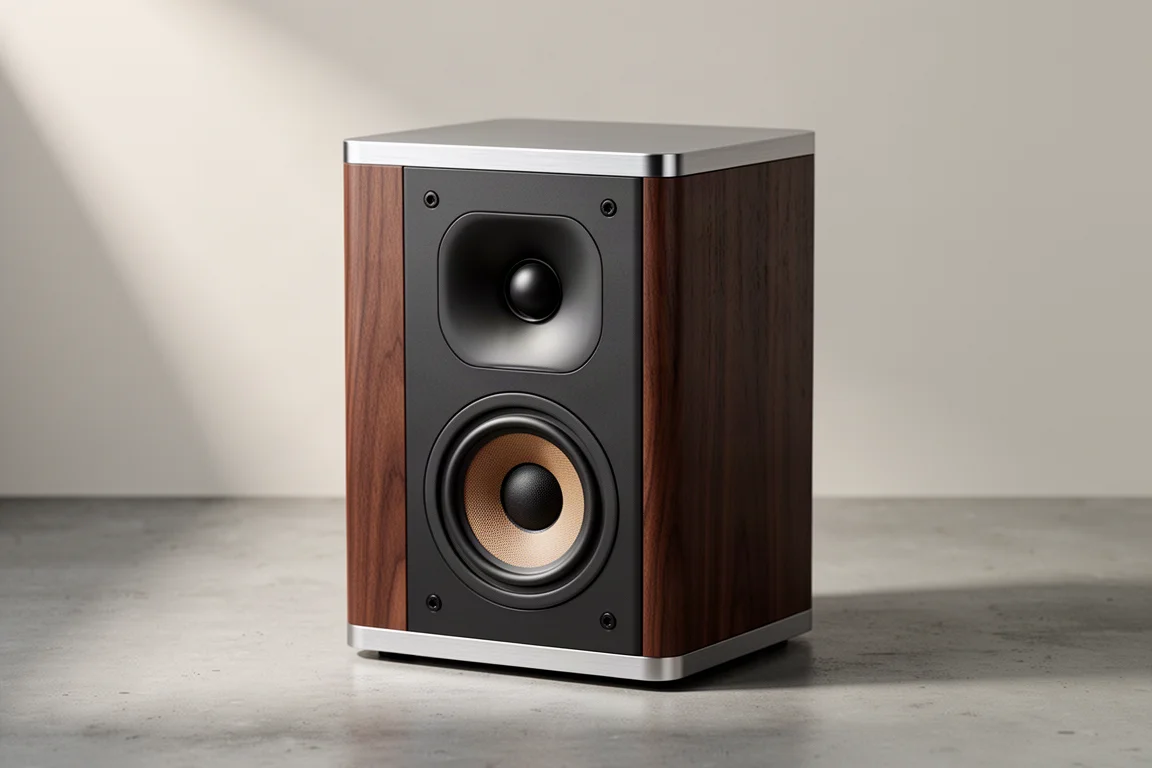
The XSG LCR7 is a compact, sealed, three-driver speaker built mainly for left, center, and right duty in a home theater system, and it arrives with cabinet work that looks considerably more expensive than its asking price suggests. At $259 per speaker, most options in this bracket use vinyl wrap, a rear port, and a generic driver set. The LCR7 takes a different route: an MTM driver layout, a sealed enclosure with no port on any surface, and a finish that feels like furniture-grade veneer capped with brushed metal on the top and bottom panels.
Two of them make a convincing stereo pair. Three of them build a complete left, center, right front stage, which is exactly what the model name implies.
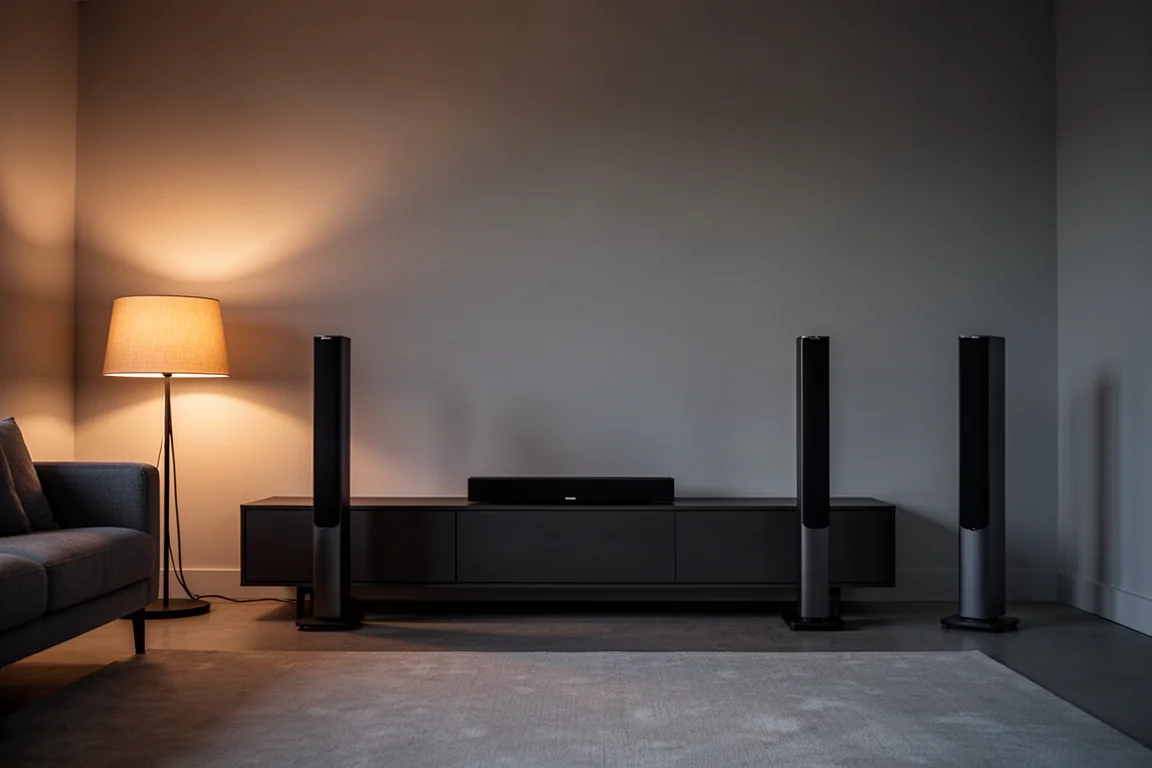
The driver layout is the classic MTM arrangement, also known as a D’Appolito array: a tweeter placed between two identical midbass drivers. That geometry is common in center channels because it helps keep dialogue anchored to the middle of the screen, and it is the reason the LCR7 is intended to be used standing upright rather than laid on its side.
Who This Speaker Is For
This is a speaker for listeners building a movie-first system who already plan to run a subwoofer. The sealed cabinet is rated down to 80 Hz, so the LCR7 is not designed to carry low bass on its own. Pair it with a competent sub and it becomes a very well-behaved front stage for television, films, and streaming.
It also suits buyers who care about how a speaker is made. The cabinet, grille, and finish are the standouts here, and they hold up against far more expensive designs. Stereo-only listeners who want full-range sound from two boxes without a subwoofer should look at a larger floorstanding option instead.
Because the speaker is meant to sit vertically, it needs a little room around it. Plan on stands or a shelf that puts the tweeter at seated ear height, and give the cabinets space to breathe rather than wedging them into a tight media unit.
Build Quality and Cabinet Design
The hardware is straightforward and sensibly chosen: two 5.25-inch paper cone woofers and a 1-inch soft dome tweeter. The tweeter sits in a shallow waveguide with small cutouts at its edges, which appears to be there to help the dome mate cleanly with the midbass drivers and to limit the interference that can smear response through the crossover region.
The cabinet itself is the headline. The veneer shows no visible seams, and the top and bottom panels use a brushed metal finish that gives the speaker a solid, deliberate feel. The included grille is unusually well made, the kind of accessory that usually only shows up on much pricier designs.
The speakers are made in China and assembled in the United States, in Massachusetts. The design comes from a team responsible for more than a decade of award-winning Snell Acoustics speakers between 1995 and 2010, which explains the conservative, engineering-led approach to the cabinet and driver layout.
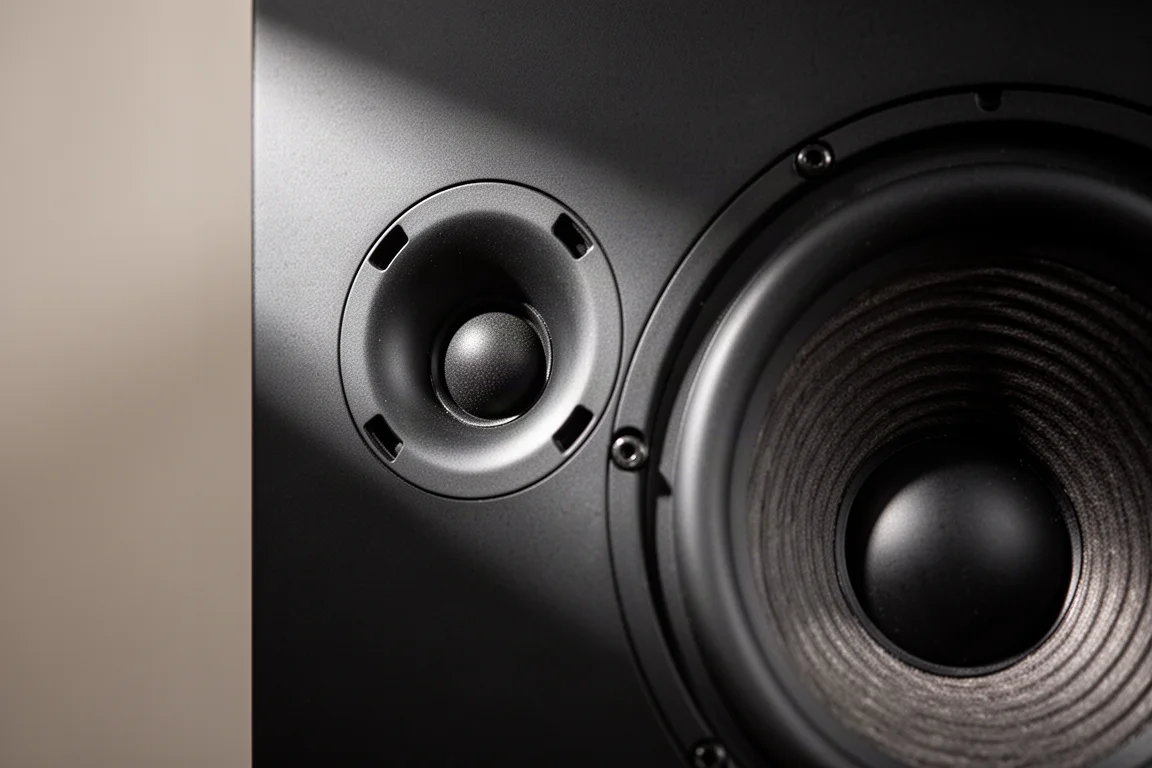
There is no port anywhere on the enclosure. That is a deliberate design decision rather than an oversight, and it shapes how the speaker sounds.
Sound Performance
Bass from the two 5.25-inch paper cone woofers is clean and quick, with the crisp character that a sealed cabinet tends to deliver. There is no sloppiness or smearing in the low end. The published rating stops at 80 Hz, though in listening the speaker gives the impression of reaching a little lower than that number suggests. Either way, the sensible move is to cross it over at 80 Hz or slightly above, around 90 Hz, and let a subwoofer handle everything beneath.
The midrange is natural and articulate, with vocals sitting slightly forward of the rest of the mix. For home theater that is usually a benefit, since dialogue stays intelligible without cranking the volume. The trade-off is that voices can occasionally feel separated from the surrounding mix, which depends heavily on how a given soundtrack was produced.
Treble is unfussy. It is not boosted, not sharp, and not sibilant, and decay is respectable. Taken together, the tonal character is close to an ELAC UniFi 2.0, with the LCR7 coming across as easier to drive. The two are in a similar price neighbourhood, but the XSG cabinet and finish are on another level.
Dispersion and Placement
Horizontal dispersion is generous. The sweet spot is wide, lateral imaging is strong, and a phantom center built from just a left and right pair held up convincingly, which is a good sign for anyone running a two-speaker setup before adding a dedicated center.
Vertically, the story is different. Move your head above the tweeter axis and the top-end presence drops away quickly, taking voices from clean and detailed to noticeably dull. That is a characteristic of the driver layout rather than a fault, and the fix is simple: keep the tweeters at ear level and keep the cabinets upright. Placed that way, the speaker is remarkably well behaved.
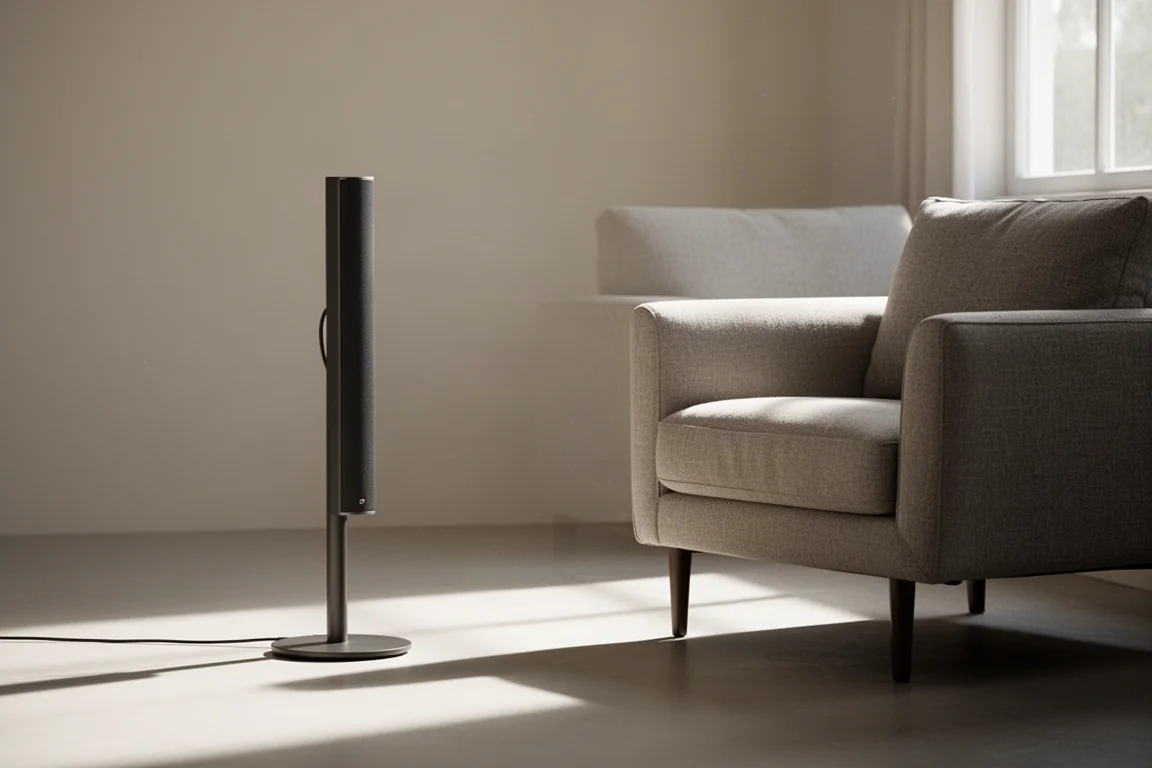
If you plan to lay these horizontally or mount them high on a wall, the vertical rolloff will work against you.
Things to Consider Before Buying
- A subwoofer is effectively required. With a rated low end of 80 Hz, the LCR7 will not carry a movie soundtrack on its own, and the cleanest results come from crossing over at 80 Hz or 90 Hz.
- Vertical placement matters. Tweeters belong at ear level, and the cabinets should stand upright rather than lie on their sides.
- Budget for the whole front stage. At $259 each, a stereo pair comes to roughly $518, and a full left, center, right setup costs more again.
- The sealed cabinet trades deep bass extension for speed and accuracy. If maximum low-end output from the main speakers is your priority, this is not that design.
- Room and furniture planning is worth doing up front, since the speakers need stands or a shelf that positions them properly.
Buying Advice
At $259 per speaker, the LCR7 is priced sensibly for what it delivers. The cabinet, veneer work, metal accents, and grille quality are the sort of thing you normally associate with premium brands, and the sound is linear, clean, and well suited to dialogue-heavy content. Buyers who already own a subwoofer and want a front stage that disappears into the room will get a lot of value here.
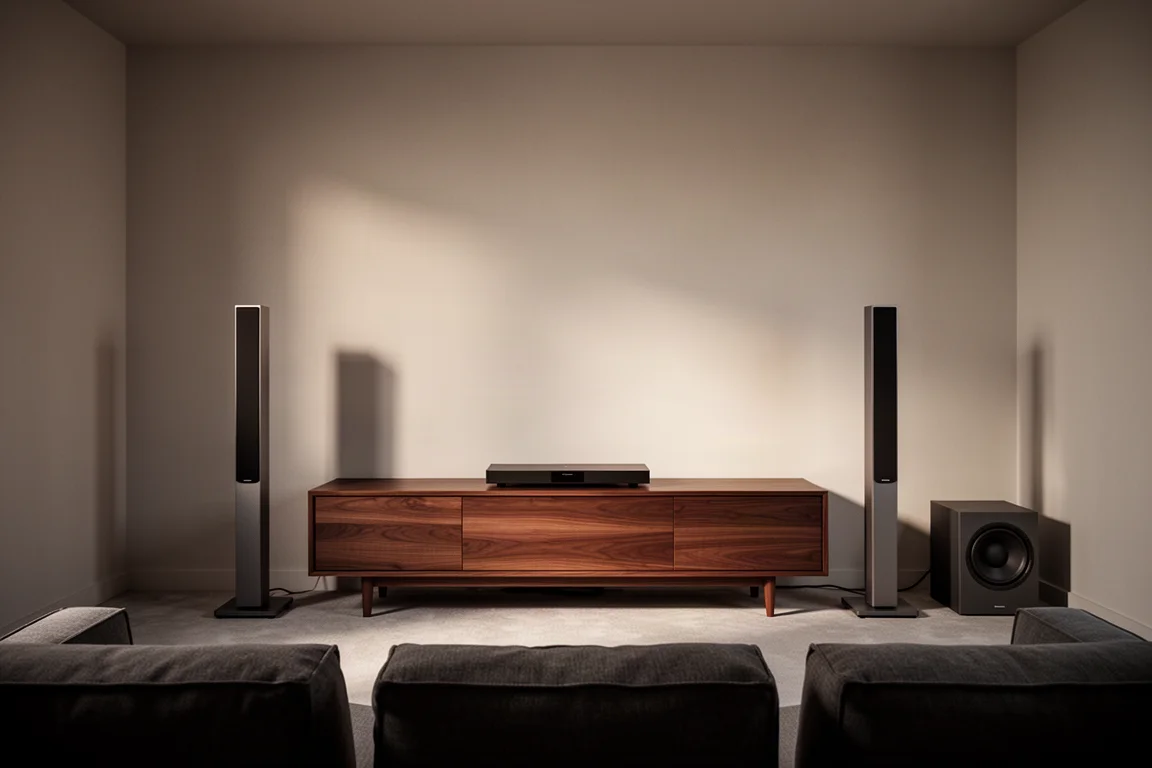
The strongest case for the LCR7 is a home theater build where the speakers handle everything above 80 Hz and the subwoofer handles the rest. In that configuration the speaker has no obvious weakness, and its looks and construction make it easy to live with for years. For pure two-channel music listening without a sub, expectations should be set accordingly.
Conclusion
The XSG LCR7 is a home theater speaker first and foremost, and it succeeds at that job. Its sealed MTM cabinet is fast and clean, the midrange keeps dialogue clear, the treble stays natural, and the build quality is exceptional for the price. Add a subwoofer, place the tweeters at ear level, and it becomes a front stage that simply does its job without drawing attention to itself.
Product link
View more details for XSG LCR7
This product is mentioned in the review. Check the specifications, options, and compatibility before buying.
View more details for XSG LCR7Further reading
Related Reviews
Home Theater Speakers
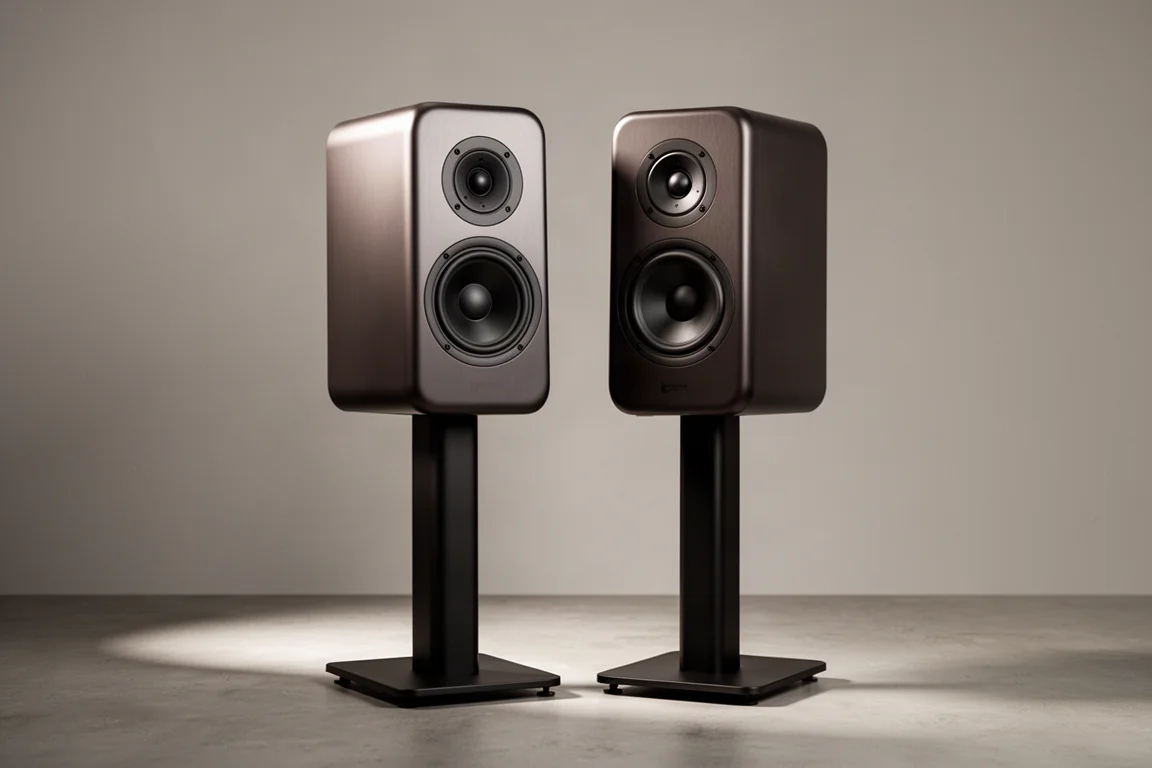
Arendal 1723 THX S Monitor vs 1723 THX Monitor: Which Two-Way Monitor Fits Your Room?
A practical comparison of the Arendal 1723 THX S Monitor and the larger 1723 THX Monitor, covering driver size, sensitivity, bass extension, and room fit.
Home Theater Speakers
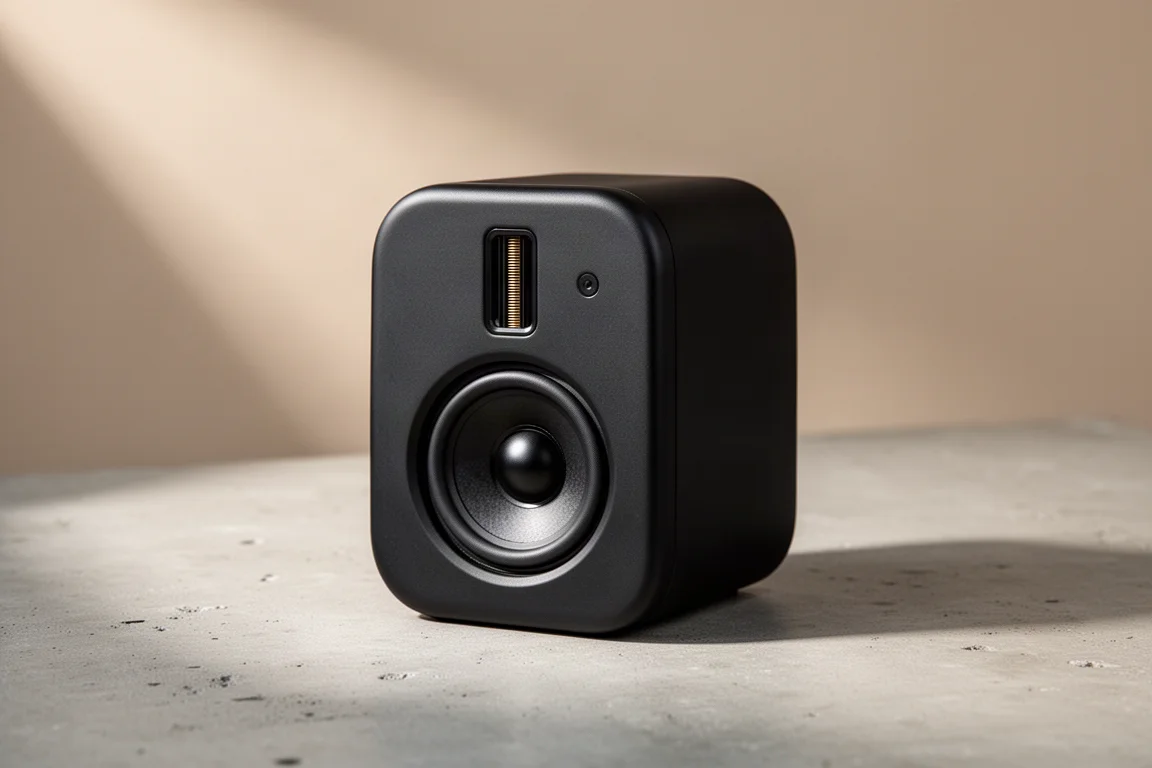
Emotiva A1 Review: A Small Speaker With Serious Surround Flexibility
A sealed two-way speaker built for Dolby Atmos, surround, and compact desktop duty at $179. Here is what it does well and what to check before buying.
Home Theater Speakers
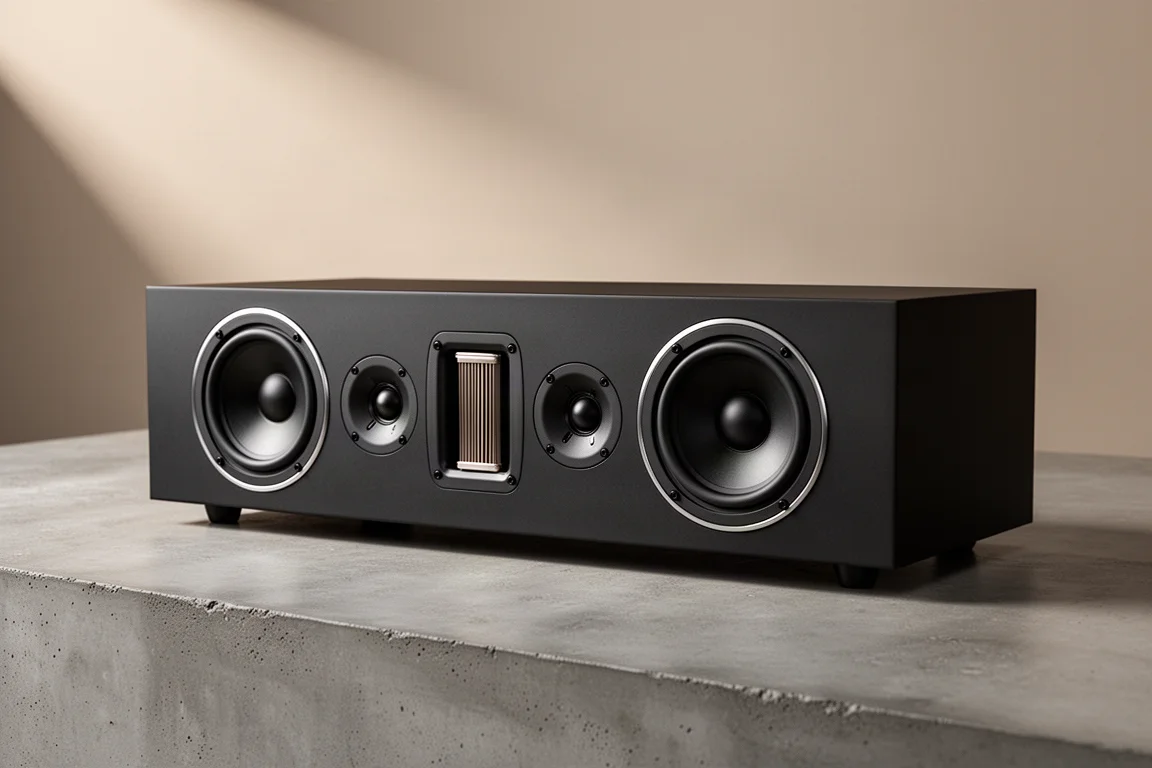
Emotiva C2+ Review: High Output Center Channel With a Narrow Sweet Spot
The Emotiva C2+ delivers serious output, deep bass for its size and high sensitivity, but its widely spaced midrange drivers create a horizontal sweet spot that rewards centered seating.