Home Theater Speakers
Emotiva A1 Review: A Small Speaker With Serious Surround Flexibility
A sealed two-way speaker built for Dolby Atmos, surround, and compact desktop duty at $179. Here is what it does well and what to check before buying.
Introduction
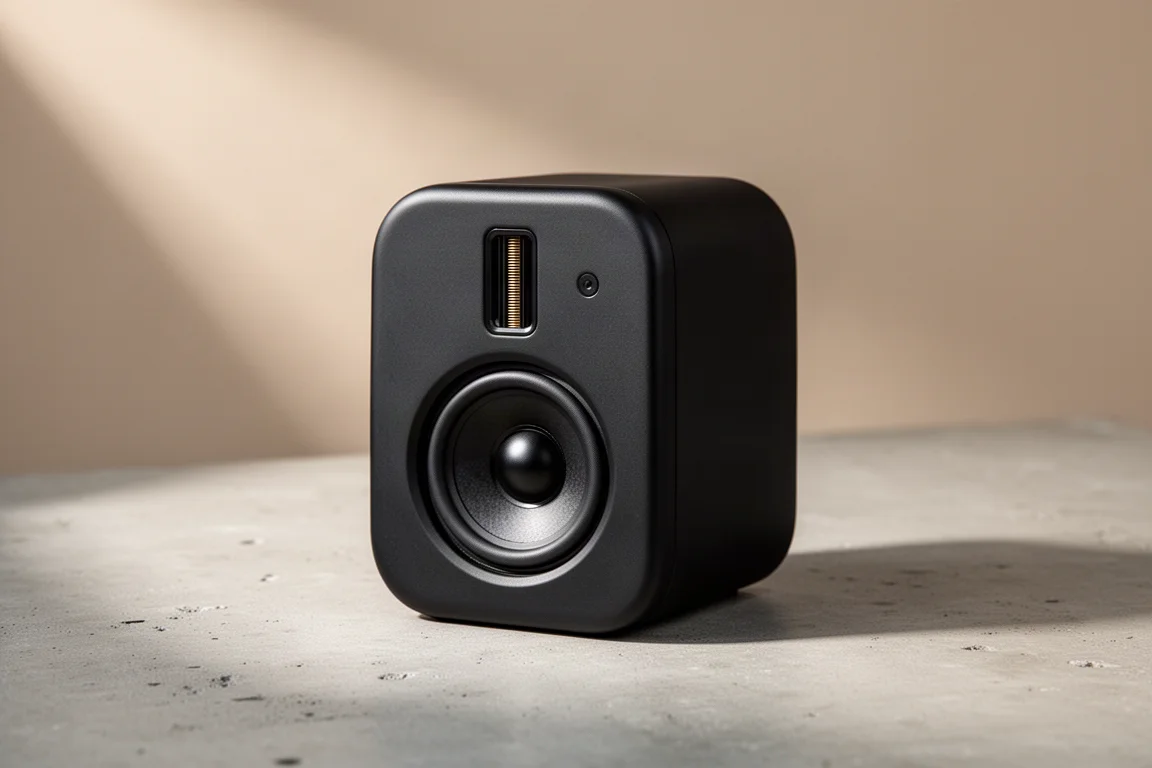
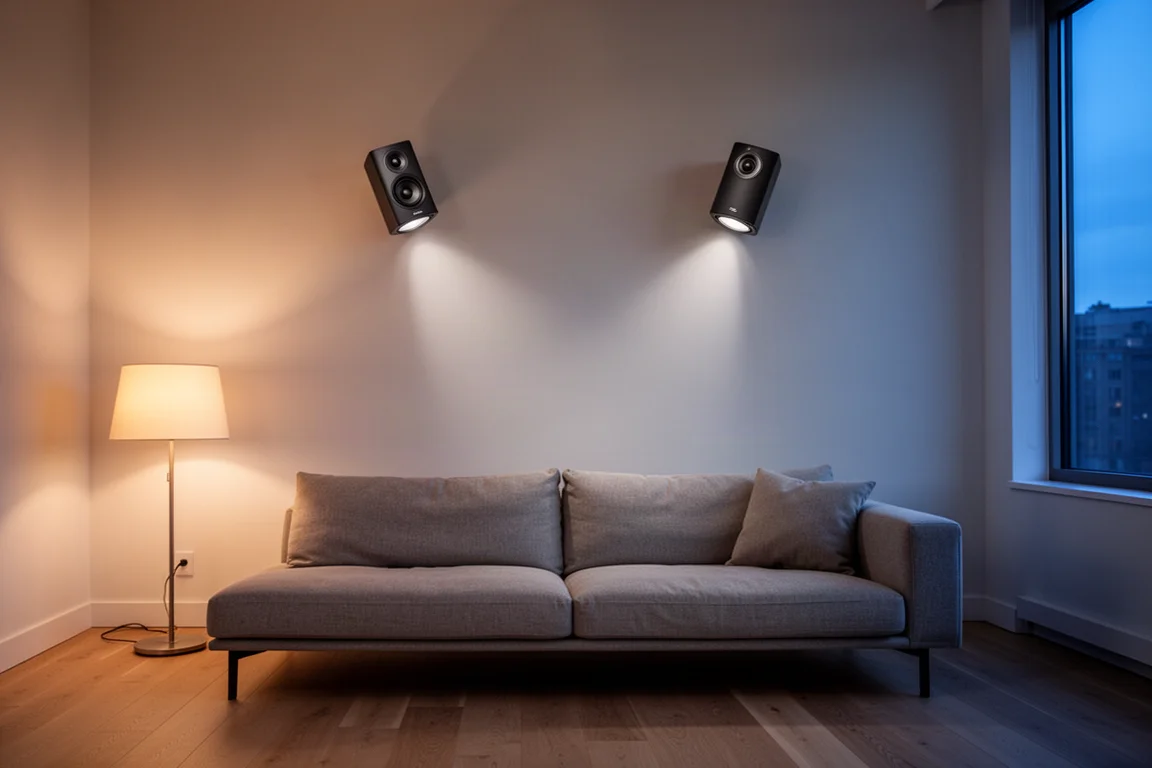
The Emotiva A1 does not fit neatly into one category, and that is exactly what makes it interesting. It is a small, sealed, two-way speaker that can be mounted on a wall as a surround, angled upward on top of a tower as a Dolby Atmos height module, placed horizontally as a center channel, or set on a desk as part of a compact two-channel system.
Emotiva originally listed the A1 at $299 and has since moved it to $179. At that price it sits below several single-driver Atmos modules from other brands, while offering a two-way design and a ribbon tweeter.
Who the Emotiva A1 Is For
The clearest fit is a multichannel system. If you need height speakers, wall-mounted surrounds, or a compact center channel, the A1 solves that problem without eating into your budget or your room.
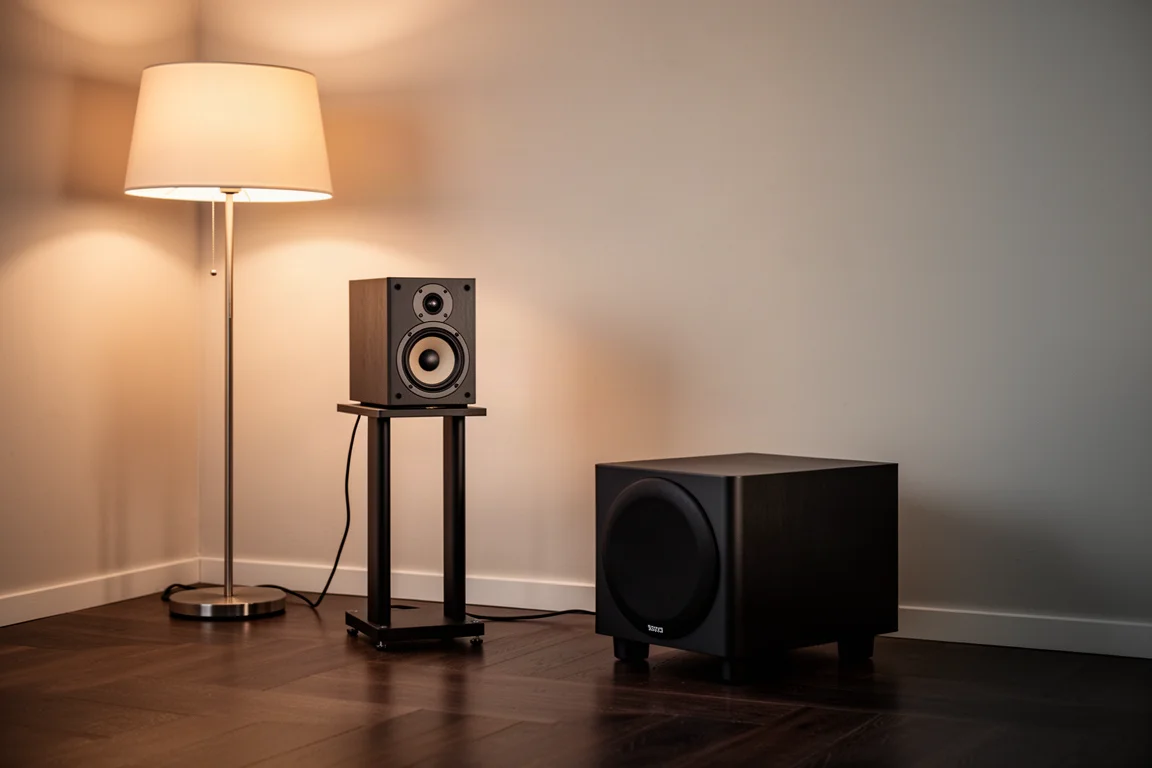
A second group should pay attention: desktop listeners who already own a subwoofer. The A1 is not a full-range speaker and was never designed to be one, but paired with a subwoofer it can work as a compact nearfield option.
The one thing to be clear about is that the A1 is not a drop-in replacement for a standard bookshelf speaker in a two-channel system without a subwoofer. It is a specialist that happens to be useful in several different roles.
Main Strengths
The A1 carries what is recognisable as an Emotiva house sound: a clean midrange, detailed and airy highs, and clarity that comes from the drivers rather than from boosted treble. Compared with the larger Emotiva B2 Plus, which has a warmer and more relaxed midrange, the A1 sounds cooler simply because it has less low-end weight behind it. Within Emotiva’s own range it lands closer to a slimmer, leaner version of the B1 Plus.
Midrange clarity is strong enough that the A1 works well as a center channel. Dialogue-focused duties suit it, and the ribbon tweeter delivers a level of detail that is uncommon at this price.
Two magnetic grilles are included: a flat one and a contoured one that is intended to help with directivity. The rear panel also has a small toggle for reflective Dolby duty, which adds roughly 3 dB around 7,000 Hz when the speaker is used as an upward-firing Atmos module.
Design, Mounting, and Connections
The cabinet measures about 10 inches high, 6 inches wide, and 5 inches deep at its thickest point. It is an MDF enclosure with a sealed design, and it feels solid for its size.
Mounting is straightforward. There are two keyhole recesses on the back, and a keyhole mount and screws are included, so a screwdriver is enough. Foam bumpers are also supplied and are worth fitting whether the speaker is wall-mounted or sitting on a surface, since they keep the cabinet from vibrating against a hard wall. Take care when tightening: the cabinet is MDF, and over-torquing a screw will strip the material.
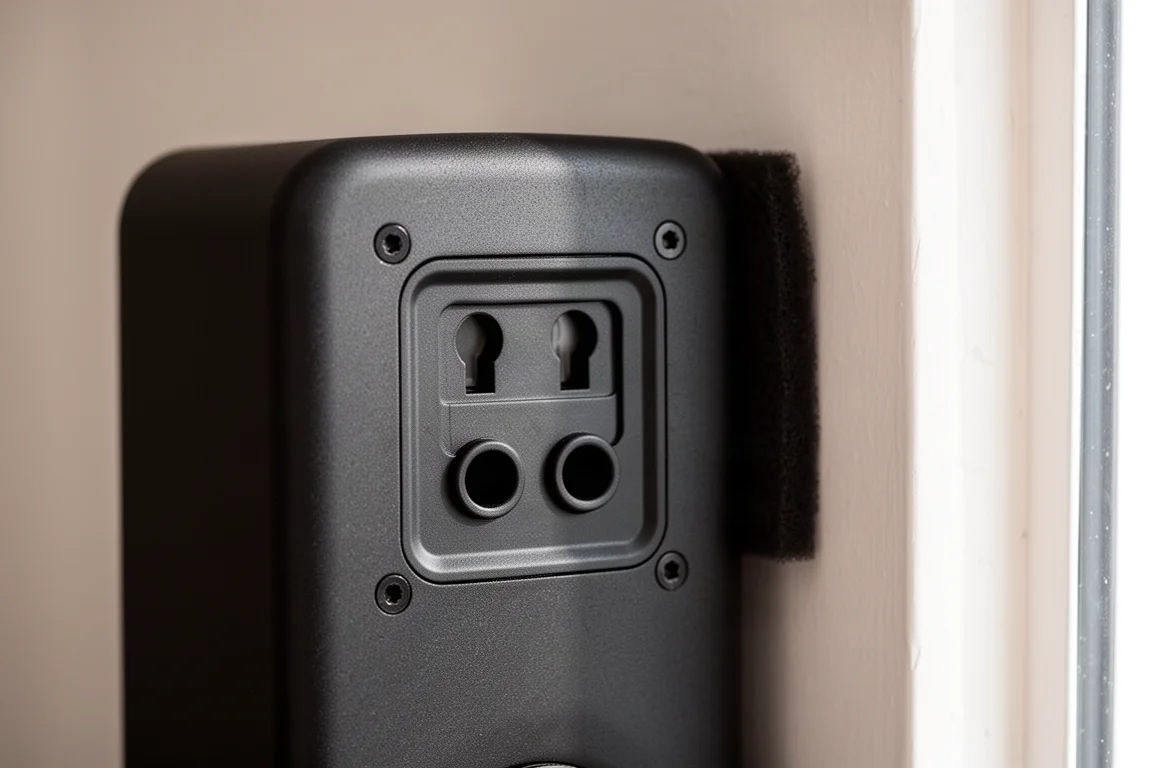
The connection points are the one area that will frustrate some buyers. The binding posts are not designed for standard banana plugs, so terminated cables with thicker plugs may not seat as securely as expected. Bare wire works well, and slim banana plugs can be pushed into the side openings, but thicker plugs are a compromise.
How the A1 Compares With Other Dolby Atmos Speakers
Price is where the A1 makes its strongest argument. The Polk Monitor XT90, a single-driver upward-firing module, lists at $199. The Sony SSCSE, a single 4-inch driver Atmos module, lists at $198, while a two-way Sony alternative has sold for around $90 during promotions. The A1 comes in at $179 with two drivers and a ribbon tweeter.
The comparison is not about brand prestige, it is about what you get for the money in a role where many buyers are adding four speakers at once. When height and surround channels are the goal, cost per speaker matters, and the A1 keeps the total lower while still delivering the clarity expected of a proper two-way design.
Things to Consider Before Buying
Low-frequency output is limited. The A1 is sealed and rated down to 75 Hz, so it will not produce much bass on its own. It does dig deeper than some small satellite two-way speakers, but for two-channel listening a subwoofer is effectively mandatory.
Sensitivity is rated at 85 dB, which means the A1 needs a bit of power to come alive. It is also a 4-ohm design, so check that your amplifier is comfortable driving that load, especially if you plan to run several of them.
The binding posts and the limited bass are the two practical trade-offs. Neither is a dealbreaker in a surround or Atmos role, but both matter if you intend to use the A1 as a primary stereo speaker.
For most buyers considering the A1 as an Atmos or surround speaker, these limits rarely come into play. Height and surround channels carry far less low-frequency information than a main channel does.
Setup and Amplification Notes
If you plan to use the A1 in a two-channel desktop or nearfield system, aim for an amplifier rated at 50 watts or more and make sure a subwoofer output is available. That combination gets the most out of the speaker without asking it to do something it was not built for.
The rear toggle is worth experimenting with. When the A1 is used as an upward-firing reflective Atmos speaker, engaging it adds roughly 3 dB around 7,000 Hz, which helps compensate for the way ceiling reflections behave. Leaving it in that position is a reasonable default.
Grille choice is a matter of taste and room. Running without a grille gives the most open presentation, while the contoured grille slightly flattens the response and can help with directivity in a reflective setup. In a room with high ceilings, the extra ambience the A1 produces is noticeable and the effect is convincing.
Buying Advice
At $179, the A1 is an easy recommendation for anyone assembling a surround or Dolby Atmos system. The two-way design, ribbon tweeter, and mounting flexibility put it ahead of several single-driver modules that cost the same or more.
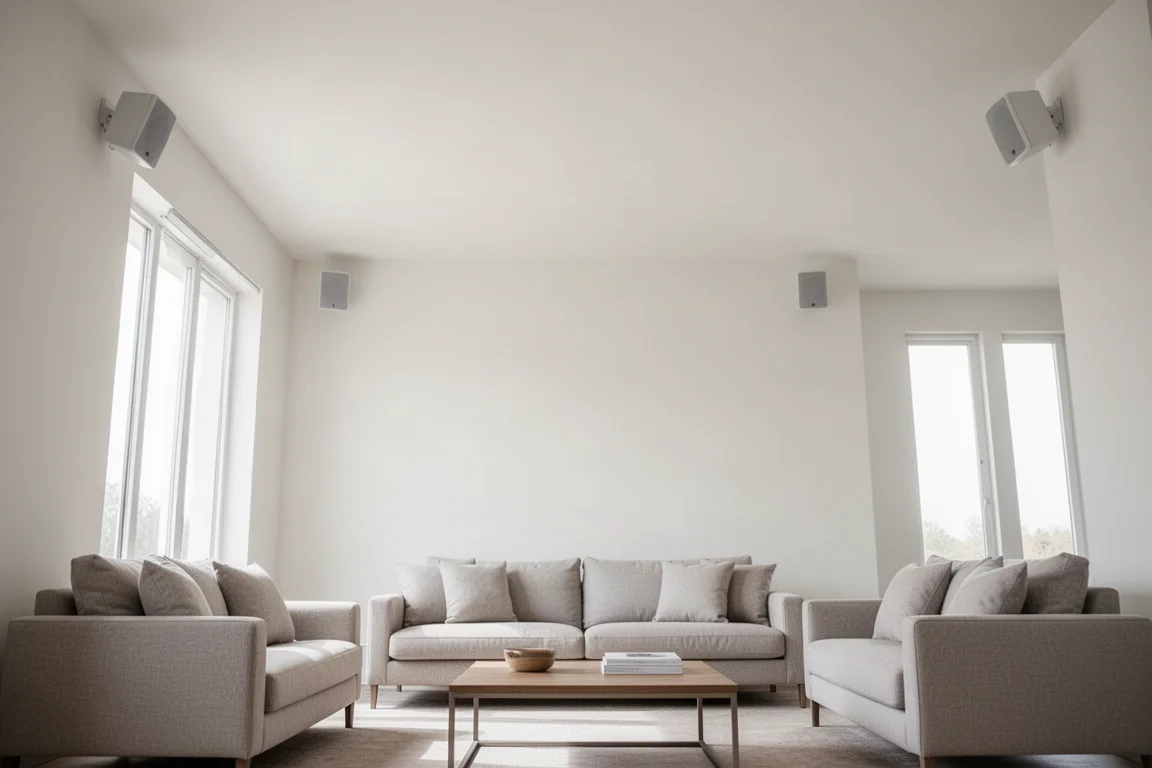
If you are building a full multichannel setup, budget for a subwoofer and an amplifier that can drive a 4-ohm load. Buyers who already own both will find the A1 slots into almost any role they need, whether that is a pair of height speakers, a set of wall-mounted surrounds, a center channel, or a compact desk system.
Conclusion
The Emotiva A1 is a small speaker with an unusually wide range of uses. It will not replace a full-range bookshelf speaker on its own, but as a surround, height, Atmos, or center channel speaker at $179, it is one of the more flexible options available. Add a subwoofer and enough amplifier power, and it does exactly what it was designed to do.
Product link
View more details for Emotiva A1
This product is mentioned in the review. Check the specifications, options, and compatibility before buying.
View more details for Emotiva A1Further reading
Related Reviews
Home Theater Speakers
Arendal 1723 THX S Monitor vs 1723 THX Monitor: Which Two-Way Monitor Fits Your Room?
A practical comparison of the Arendal 1723 THX S Monitor and the larger 1723 THX Monitor, covering driver size, sensitivity, bass extension, and room fit.
Home Theater Speakers
Emotiva C2+ Review: High Output Center Channel With a Narrow Sweet Spot
The Emotiva C2+ delivers serious output, deep bass for its size and high sensitivity, but its widely spaced midrange drivers create a horizontal sweet spot that rewards centered seating.
Home Theater Speakers
Focal Kanta No.3, Kanta Center and Sub 1000F: A Three-Piece Home Theater System
A close look at the Focal Kanta No.3 tower, Kanta Center and Sub 1000F subwoofer, with listening notes, clear strengths, and the trade-offs to weigh before buying.