Home Theater Speakers
Arendal 1723 THX S Monitor vs 1723 THX Monitor: Which Two-Way Monitor Fits Your Room?
A practical comparison of the Arendal 1723 THX S Monitor and the larger 1723 THX Monitor, covering driver size, sensitivity, bass extension, and room fit.
Introduction
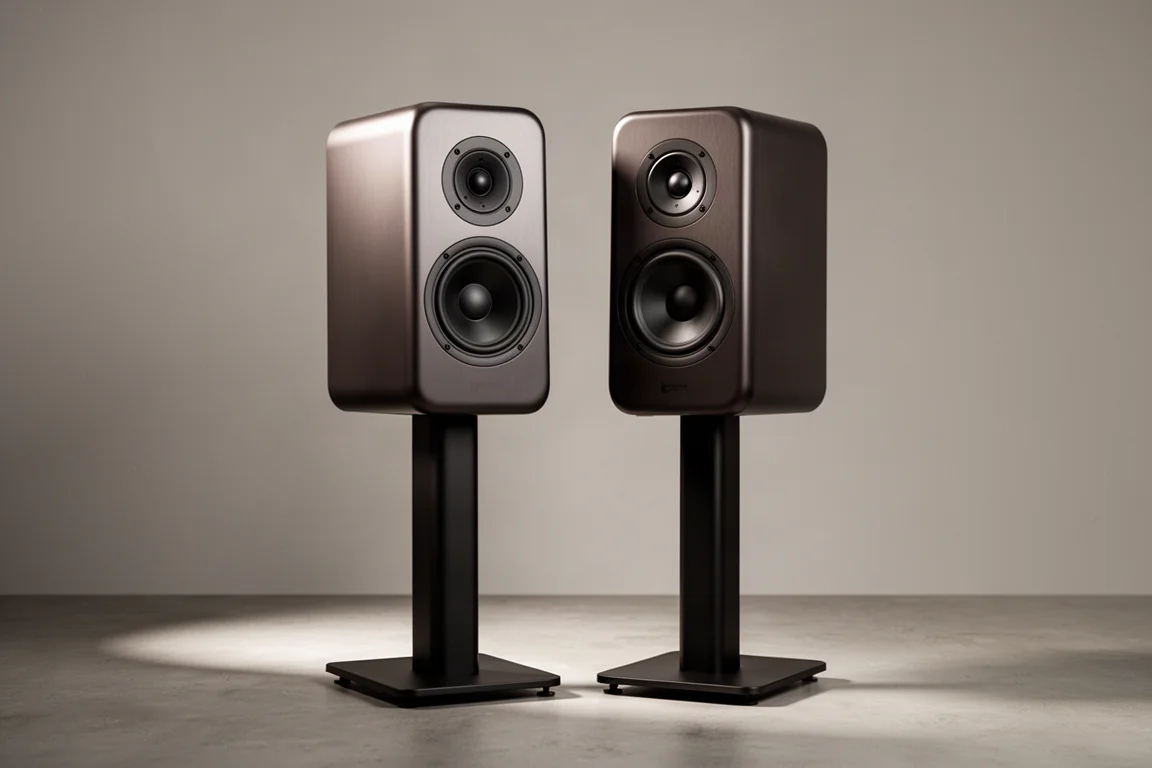
Choosing between two monitors from the same family usually comes down to output, low-frequency extension, and room size rather than outright quality. The Arendal 1723 THX S Monitor and the larger Arendal 1723 THX Monitor share the same two-way architecture, the same 1.5 kHz crossover point, and the same flexibility to run either ported or sealed. The differences show up in driver size, sensitivity, bass reach, and the way each cabinet behaves once it is standing in a real room.
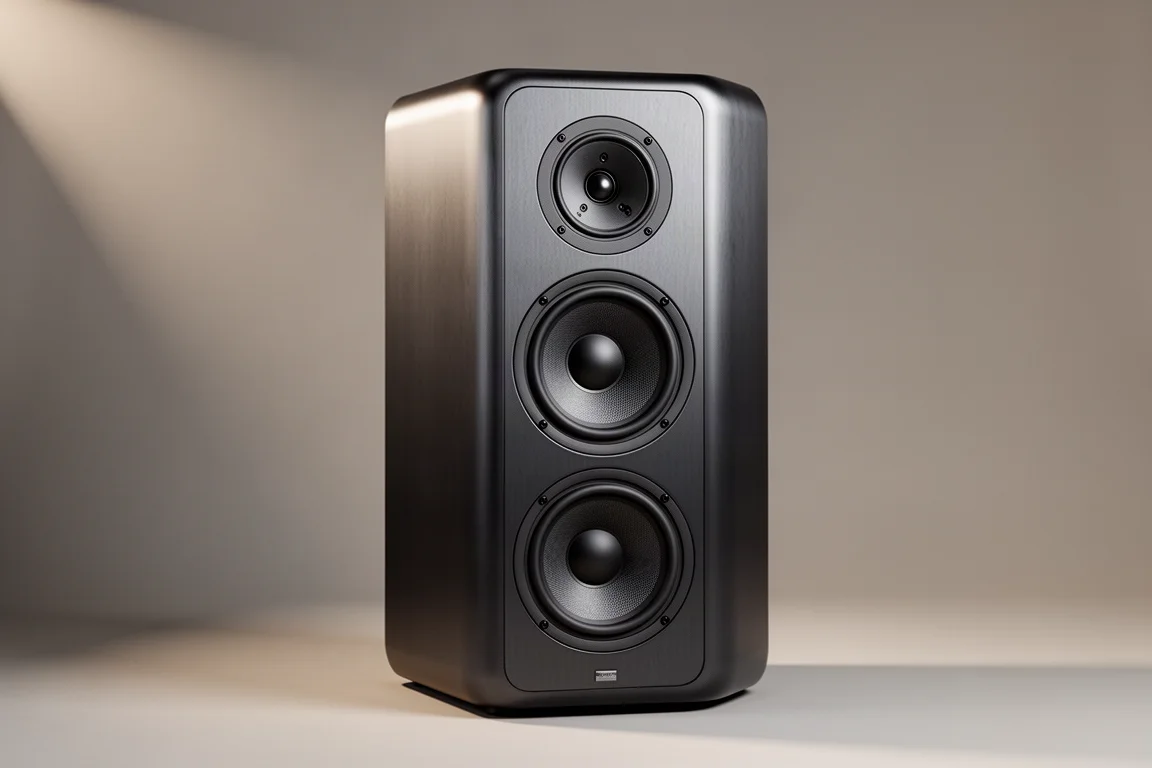
For clarity, S means the smaller cabinet in this comparison. It uses two 6.5-inch midwoofers. The model without the suffix is the larger one, with two 8-inch woofers. Both are substantial speakers rather than compact desktop designs, and both are intended to be paired with a subwoofer in a home theater or multi-channel setup.
This comparison covers what the two models share, where they diverge, and how to decide which one belongs in your room.
How the 1723 THX S and the 1723 THX Monitor Differ
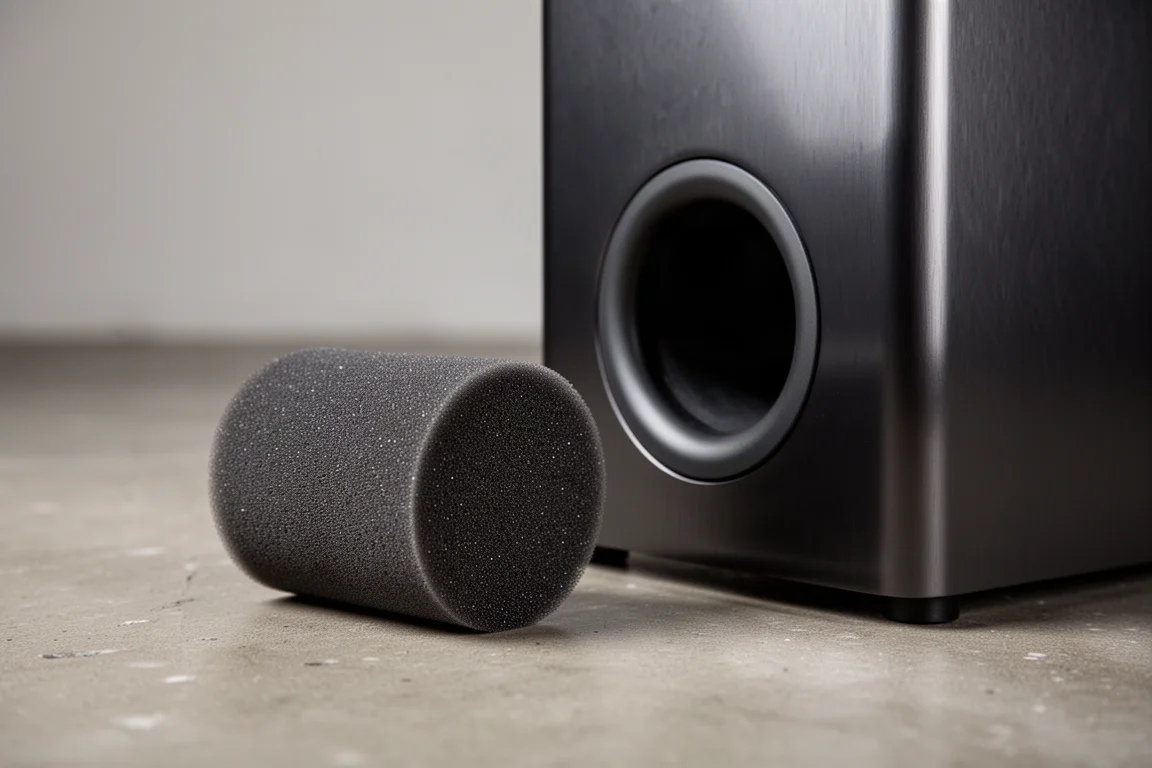
Both speakers are two-way designs with a 1.5 kHz crossover, and both can be switched between ported and sealed operation using a foam insert for each port. The practical difference between the two configurations is smaller than you might expect, so the choice between sealed and ported is more about placement than about a dramatic change in character.
The driver arrays are where the two models separate. The 1723 THX S Monitor pairs two 6.5-inch midwoofers, while the 1723 THX Monitor uses two 8-inch woofers. The smaller model runs about 2 dB lower in sensitivity and does not extend as low, and it is roughly 17 lbs lighter, which matters once it is sitting on a stand.
Price is part of the picture as well. The 1723 THX S Monitor is around $2,000 per pair, and the 1723 THX Monitor is around $2,500 per pair.
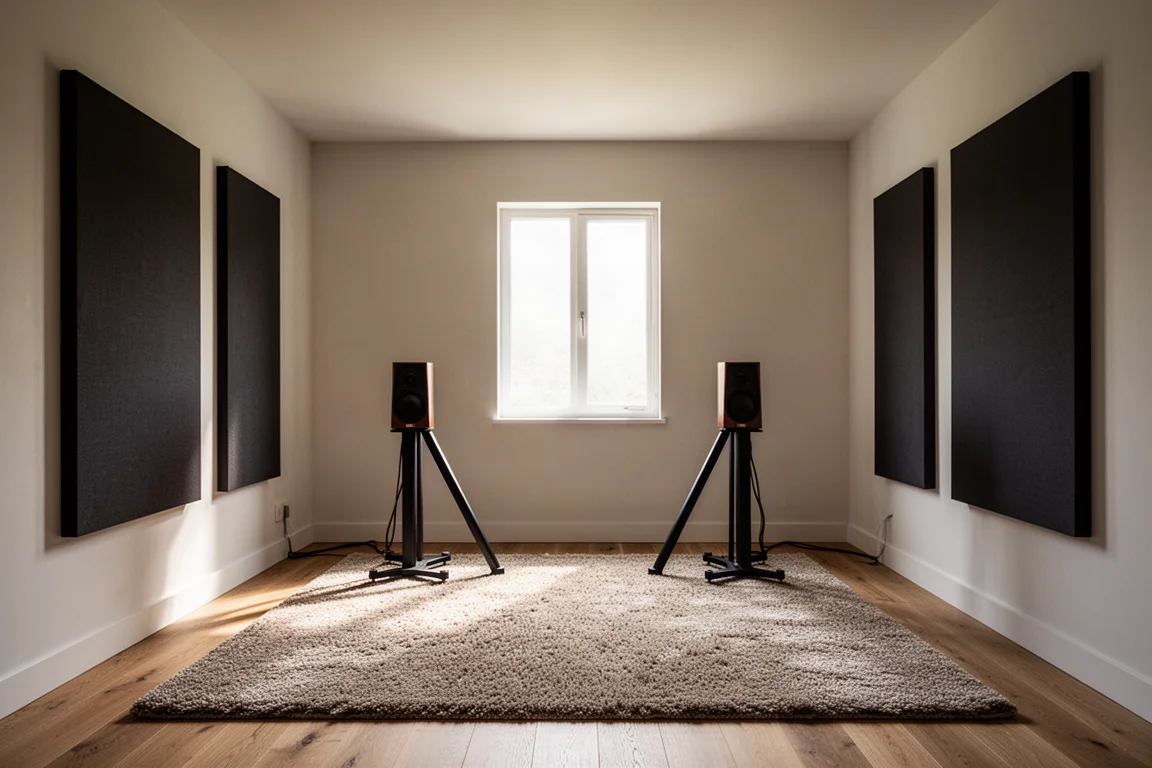
One thing to keep in mind is physical presence. Neither speaker is small, and the larger model’s extra height and weight make topple risk a genuine consideration if you mount it on a stand. That is true of most bookshelf designs, but it becomes more relevant as the cabinet grows.
Arendal 1723 THX S Monitor: The Smoother, Lighter Option
The 1723 THX S Monitor measures about 2.3 to 3.3 dB of on-axis linearity, which is a strong result, and its early reflection directivity is smooth enough that it responds well to equalization. F3 sits at 75 Hz and F10 at 32 Hz. In sealed mode the low end rolls off a little more quickly, which opens up the option of placing the speaker close to a wall and using boundary gain to fill in the bottom octave.
Tonally, there is a dip in the upper midrange that trims a little presence and sparkle, most noticeably on brass instruments. In room, the estimated response shows a mild scoop through the midrange with a slight lift in the high frequencies, and the overall character comes across as smoother than the larger model. That smoothness is the main reason to choose it in a room without sidewall treatment.
Distortion at 96 dB is very clean, and compression behavior is strong. The only note worth flagging is a small dip in compression around the crossover region that measures roughly half a decibel, which is unlikely to be audible in practice.
Arendal 1723 THX Monitor: More Output, Deeper Bass
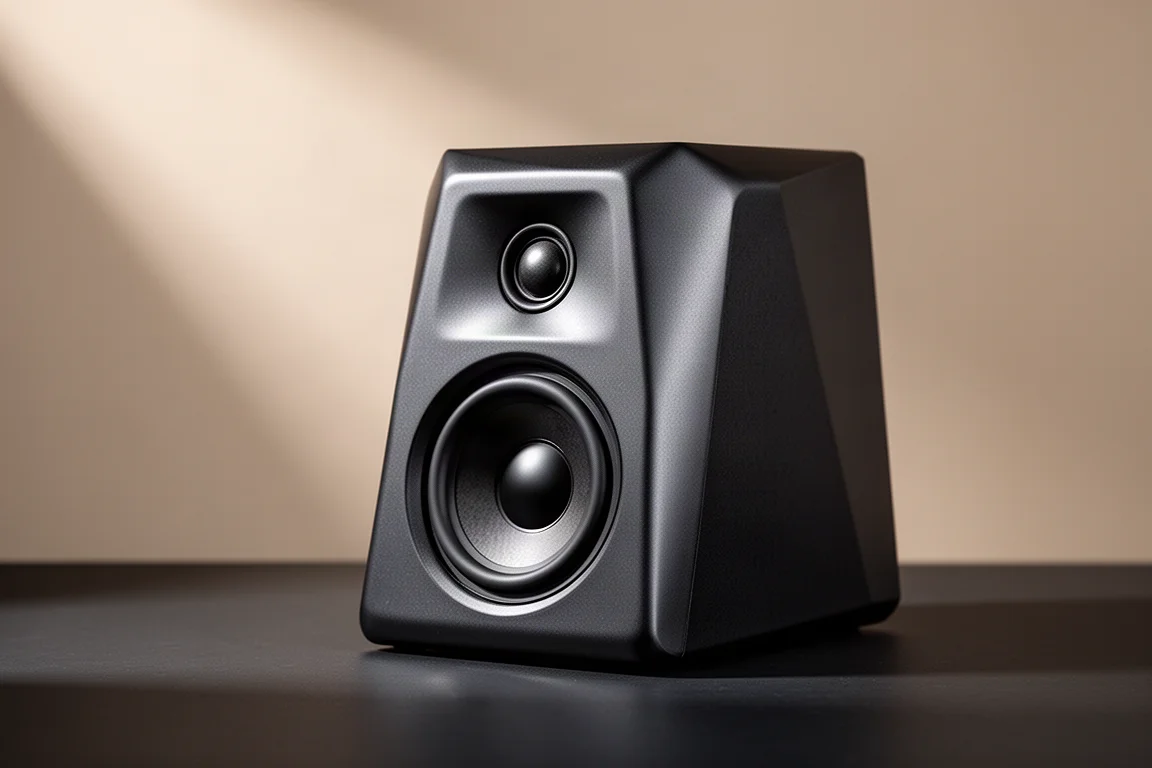
The larger 1723 THX Monitor runs about 2 dB higher in sensitivity and measures a little smoother on axis, but it takes a different tonal path. There is a mild dip through part of the midrange that can make some vocals sound slightly subdued compared with the smaller model, and the estimated in-room response shows higher high-frequency content, which can read as brighter in a reflective room.
Bass is where the larger cabinet makes its case. F3 is a little lower than on the S, and there is a lift in the region around 80 to 100 Hz that adds thump to music. That lift is native to the speaker, so it can be equalized down if you prefer a flatter balance, but on its own it gives the larger model a weightier low end.
Two measurement details are worth knowing. There is an on-axis dip near 12 kHz that smooths out off axis, which points to a diffraction effect rather than a driver problem. The vertical data also shows a bit more off-axis energy than the smaller model, most likely from lobing between the 8-inch woofers at the 1.5 kHz crossover. Neither is a deal breaker, but both are worth understanding before you commit.
Listening Window, Directivity, and Room Treatment
Horizontally, both speakers radiate at roughly plus or minus 45 to 50 degrees depending on frequency. That is narrower than the plus or minus 60 to 70 degrees some listeners prefer for more room involvement, and wider than the roughly 30 degrees that suits very lively rooms with glass and hard floors. Preference matters here, but the number tells you what to expect before the speakers arrive.
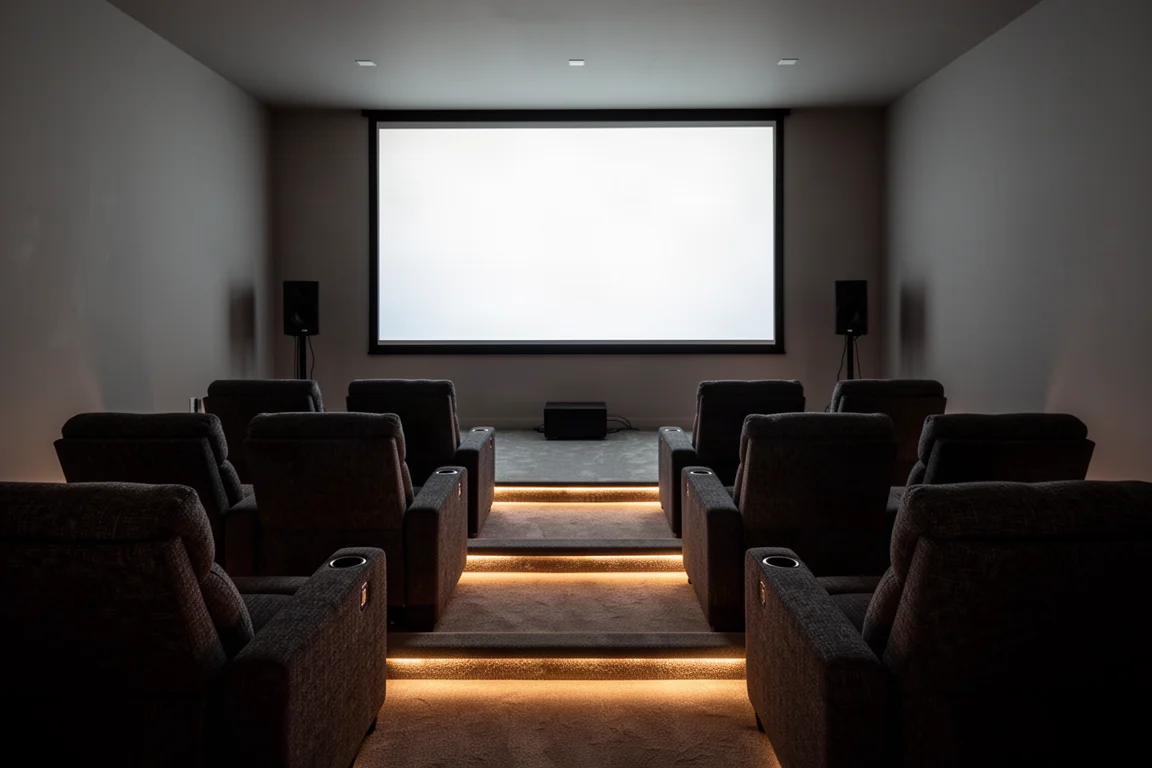
The vertical window is the more important constraint. From about 200 Hz to 2 kHz, you are fine within roughly 10 degrees of the tweeter axis. Beyond 10 degrees the response begins to drop, and at 20 or 30 degrees above the tweeter line the difference becomes substantial. In a multi-row home theater, that means the front row can be aimed at ear level, but the second and third rows will hear a noticeably different balance.
Because early reflection directivity is smooth on both models, equalization works well and you can shape tonality to taste. In a room without sidewall treatment, the smaller 1723 THX S Monitor is the safer choice, since the larger model’s treble lift is more likely to draw attention to reflections.
Distortion, Compression, and Long-Term Confidence
Both models post very good distortion and compression numbers. Harmonic distortion at 96 dB is clean on both, and multi-tone distortion looks solid with a rise in one shared region. Compression behavior is a consistent strength across this lineup.
On the smaller model, the low-frequency data suggests protecting the speaker from playing below about 50 Hz, which is straightforward with a subwoofer in the chain. On the larger model, the low-frequency rise seen in the compression test is mostly second-order harmonic distortion rather than a compression problem. Second-order artifacts sit close to the fundamental, so they are less likely to be audible than third or fourth order distortion would be.
In practical terms, both speakers stay comfortable at high output within their limits, and neither shows behavior that would push you toward a different design. The measurements support long-term confidence rather than raising red flags.
Sensitivity, Output, and Subwoofer Crossover Choices
The 2 dB sensitivity gap and the difference in low-frequency extension matter most when you decide where to cross over to a subwoofer. If you want to cross below 80 Hz, the larger 1723 THX Monitor has the advantage. If you are comfortable crossing at 80 to 100 Hz, the smaller model can play with a wider dynamic range because the subwoofer is handling the hardest work.
Listening distance and playback level matter just as much. A room where you sit more than 3 to 4 meters from the speakers and want higher levels favors the larger cabinet. A closer seating position at moderate levels is a natural fit for the S.
Which Monitor Should You Buy?
If you have a larger room, sit more than 3 to 4 meters away, and want the option of a subwoofer crossover below 80 Hz, the Arendal 1723 THX Monitor is the right pick. Its extra sensitivity, lower F3, and added bass weight around 80 to 100 Hz are exactly what that scenario calls for. The brighter in-room treble is manageable with equalization or room treatment, and both speakers take EQ well.
If you do not need high playback levels, sit closer, or are happy crossing over at 80 to 100 Hz, the Arendal 1723 THX S Monitor is the better value. It is smoother in room, lighter on a stand, and about $500 cheaper per pair. In a room without sidewall treatment, it is also the safer tonal match.
Either way, the shared design gives you flexibility: ported or sealed operation, a predictable listening window, and clean distortion behavior. If budget and space allow and you want maximum output plus low-end weight, the larger model earns its price. If your room and seating arrangement are more modest, the S delivers most of the experience for less.
Conclusion
Both monitors come from the same well-executed family, so the decision is about matching the speaker to your room rather than choosing between good and bad. The 1723 THX Monitor brings higher sensitivity, deeper extension, and more bass thump for larger spaces and longer listening distances. The 1723 THX S Monitor brings a smoother in-room balance, lighter cabinets, and a lower price for rooms that do not demand maximum output.
If you know your seating distance, your subwoofer crossover target, and how much treatment your room has, the choice becomes straightforward. Buy the larger model when you need output and extension. Buy the S when you want the smoother presentation and a lower total cost.
Further reading
Related Reviews
Home Theater Speakers
Emotiva A1 Review: A Small Speaker With Serious Surround Flexibility
A sealed two-way speaker built for Dolby Atmos, surround, and compact desktop duty at $179. Here is what it does well and what to check before buying.
Home Theater Speakers
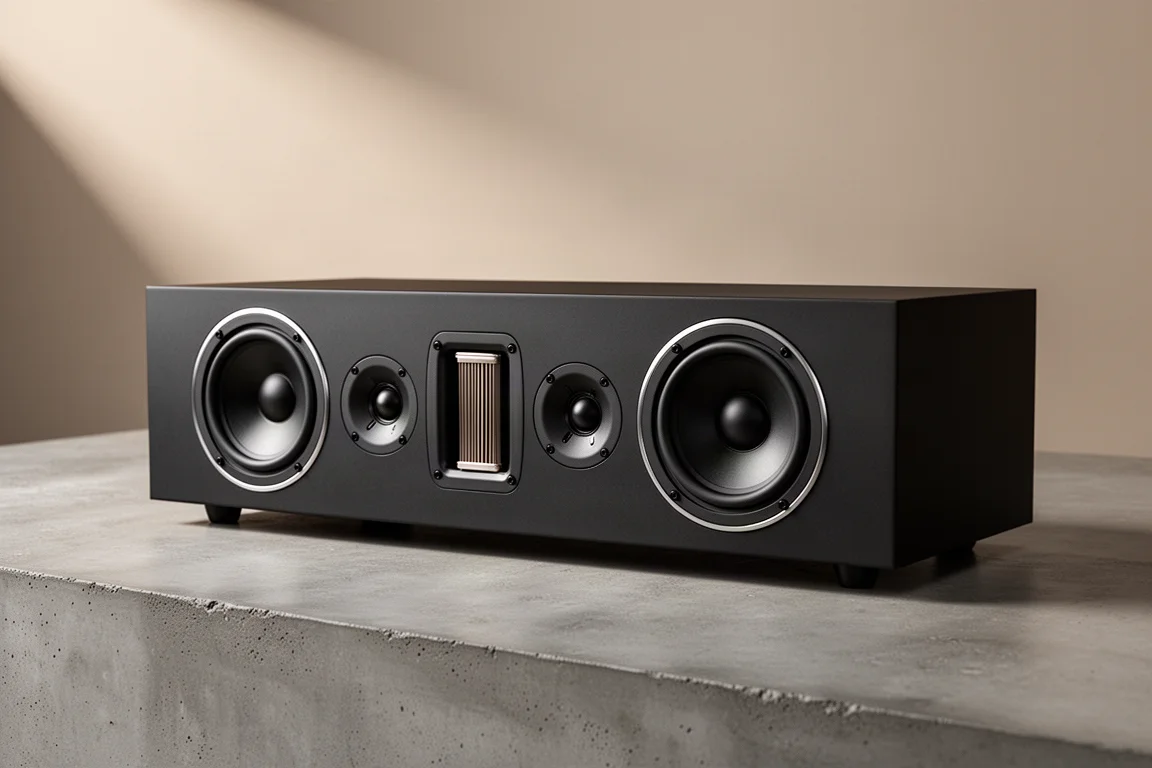
Emotiva C2+ Review: High Output Center Channel With a Narrow Sweet Spot
The Emotiva C2+ delivers serious output, deep bass for its size and high sensitivity, but its widely spaced midrange drivers create a horizontal sweet spot that rewards centered seating.
Home Theater Speakers
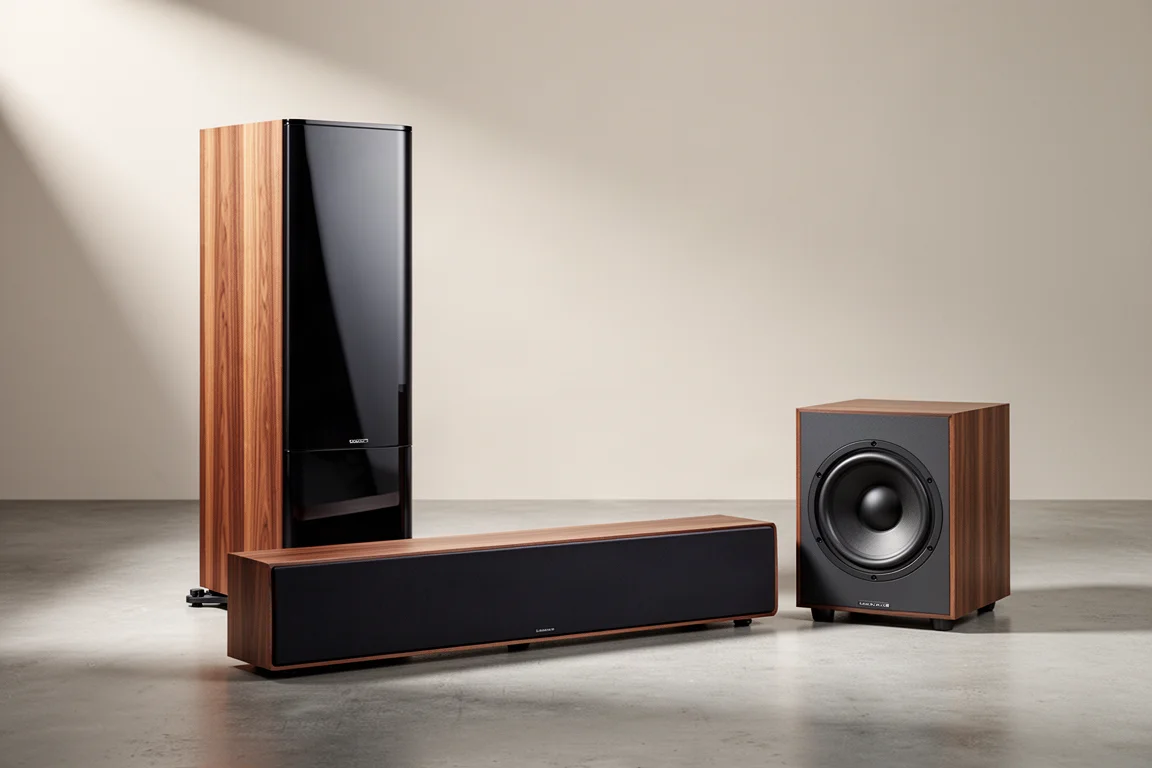
Focal Kanta No.3, Kanta Center and Sub 1000F: A Three-Piece Home Theater System
A close look at the Focal Kanta No.3 tower, Kanta Center and Sub 1000F subwoofer, with listening notes, clear strengths, and the trade-offs to weigh before buying.