Hi-Fi Audio
xDuoo MU-603 vs iFi ZEN Blue: Which Bluetooth Receiver Fits Your Stereo?
A practical comparison of two compact Bluetooth receivers: codec support, outputs, tube character, and which one suits a vintage or modern stereo system.
Introduction
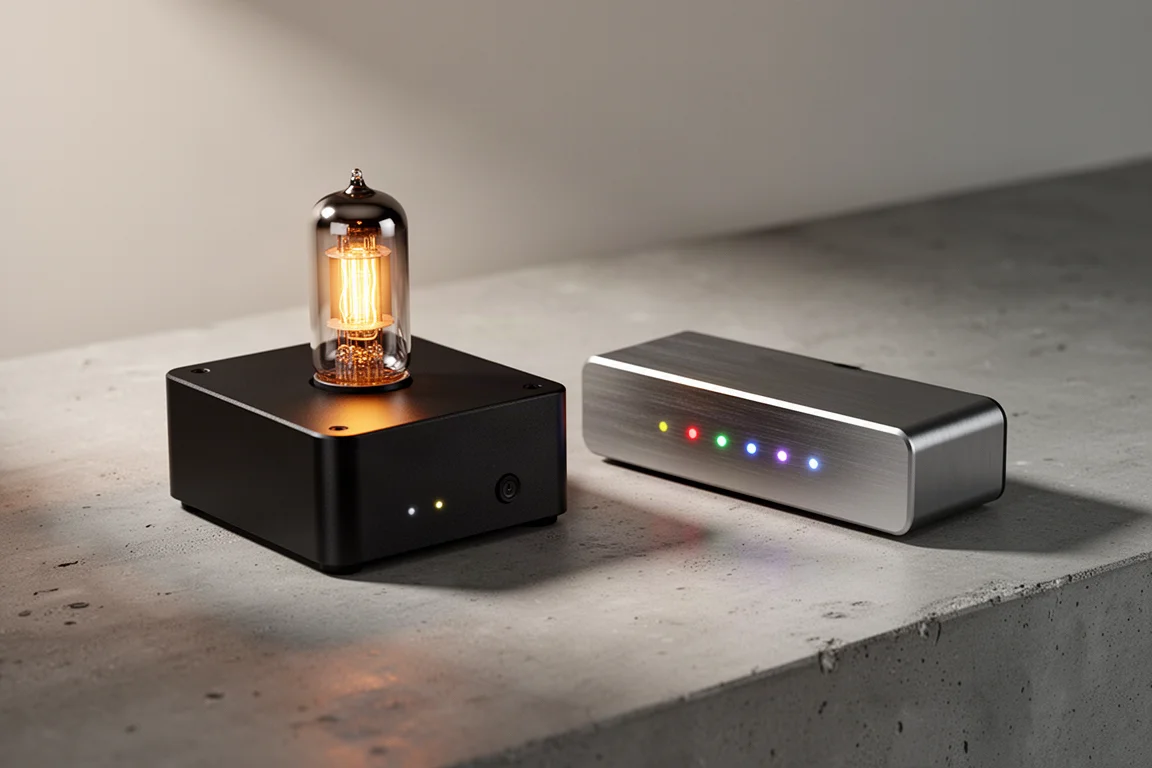
Getting Bluetooth audio into a proper stereo usually means placing one small box between your phone and your amplifier. The xDuoo MU-603 and the iFi ZEN Blue both do that job, and they take noticeably different routes to get there. The MU-603 costs $119 and puts a vacuum tube in the signal path. The ZEN Blue, now in its second version, runs about $190 and focuses on codec range and connection flexibility.
This comparison looks at what each receiver handles, how they were set up, and which one makes more sense depending on the system you already own.
How These Two Receivers Compare
Both are Bluetooth receivers in the simplest sense: they accept a wireless signal from a phone or tablet and pass analogue audio to a stereo receiver, an integrated amplifier, or powered speakers. Neither one is a streamer, and neither one stores music.
The codec lists overlap heavily. Both handle SBC, AAC, aptX, and aptX HD. The ZEN Blue adds LDAC on top of that list. The MU-603 adds a 12AU7 tube to its output stage.
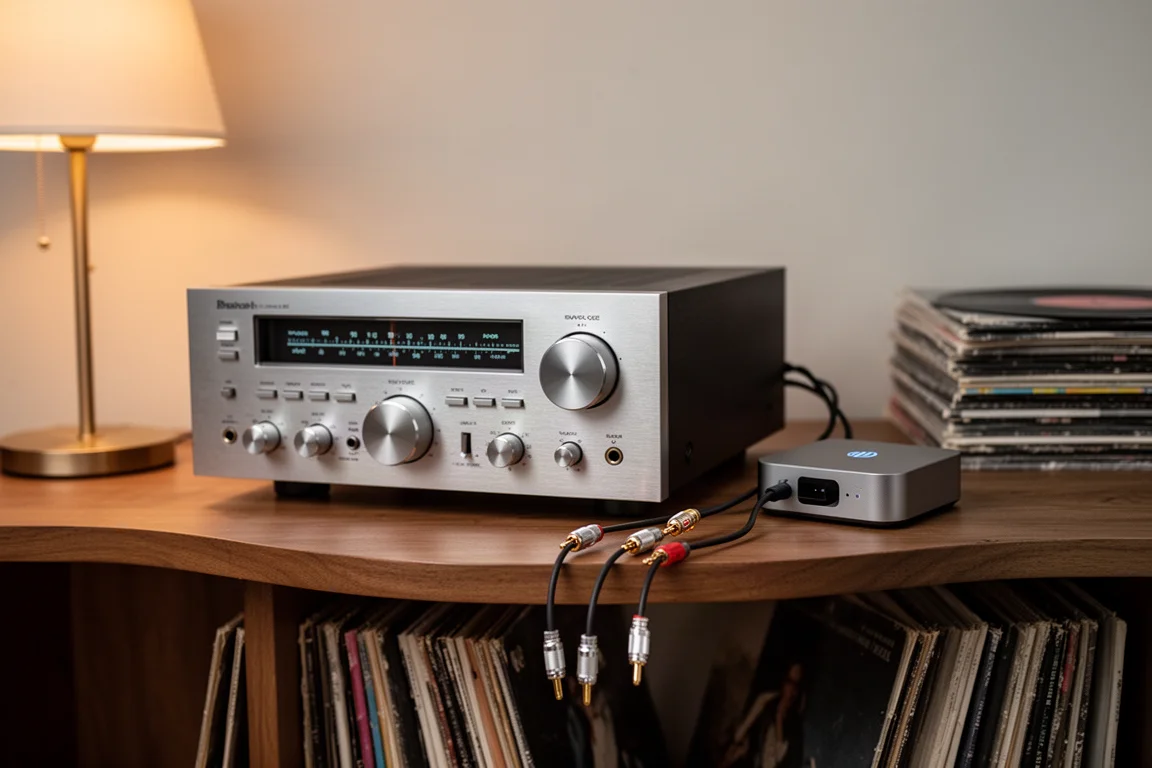
Both were run through an Akitika preamplifier and power amplifier pair, the PT-102 and GT-102, driving Klipsch RP-500M speakers, with both an iPhone and an Android phone used as sources.
The difference in price is roughly $70, and the difference in approach is larger than that number suggests.
Codec Support and What It Means for Sound
Codecs are how Bluetooth packages data on one end and unpacks it on the other. SBC is the baseline that essentially every device supports. AAC is the format Apple devices lean on. aptX and aptX HD are common on Android hardware. LDAC is a Sony-developed codec that has been made broadly available on Android.
Codec choice turned out to matter more than expected. Running AAC, the top end felt thinner and the overall presentation sounded smaller. Switching to aptX HD on the MU-603 or LDAC on the ZEN Blue improved things quickly and noticeably. Against a dedicated streamer there was still a small gap, but after a song or two the music was just as enjoyable through either receiver on its better codec.
The practical takeaway: the codec your phone supports sets the ceiling, so it is worth checking that detail before choosing between these two.
xDuoo MU-603: Tube Character at a Lower Price
At $119, the MU-603 is a Bluetooth receiver and nothing else. There is no digital output, so what comes out of its analogue connections is what you get.
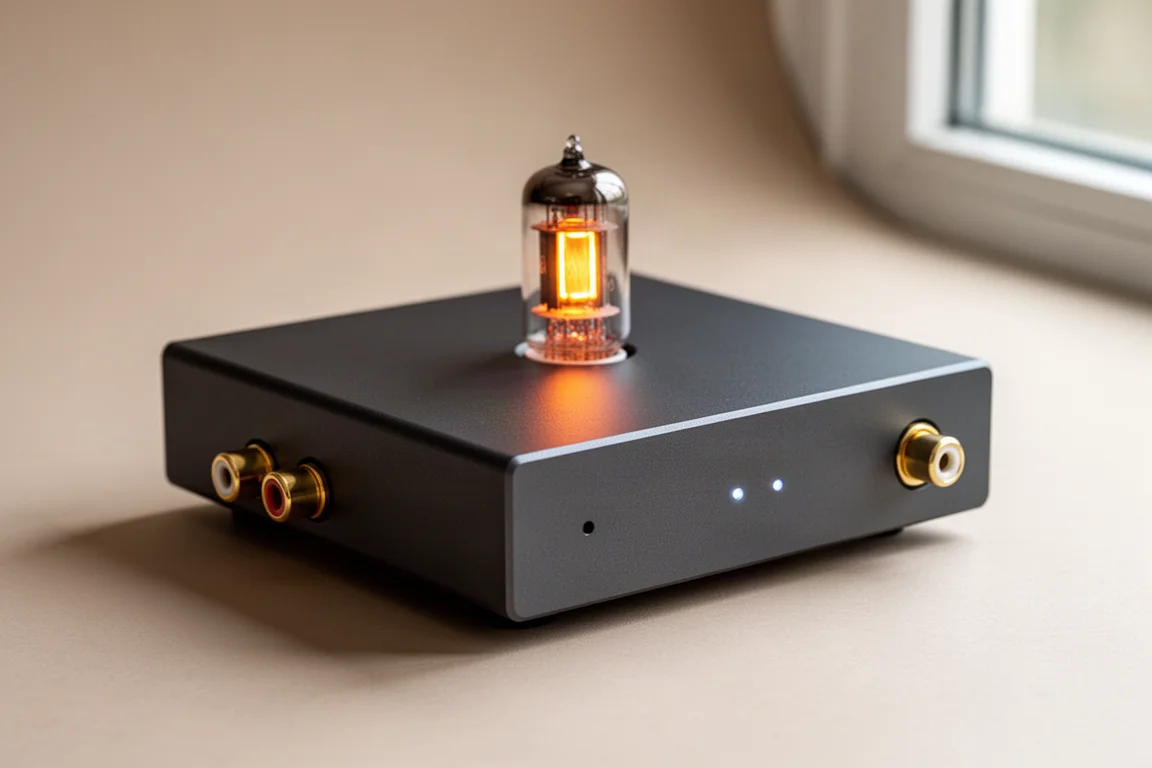
The headline feature is the 12AU7 tube in the output stage. It is replaceable, and replacements are widely available from a range of sellers, including Parts Express, generally in the $15 to $20 range depending on the tube you choose. Two RCA outputs let you feed more than one device at once, whether that is a receiver, a set of powered speakers, or anything else with an RCA input.
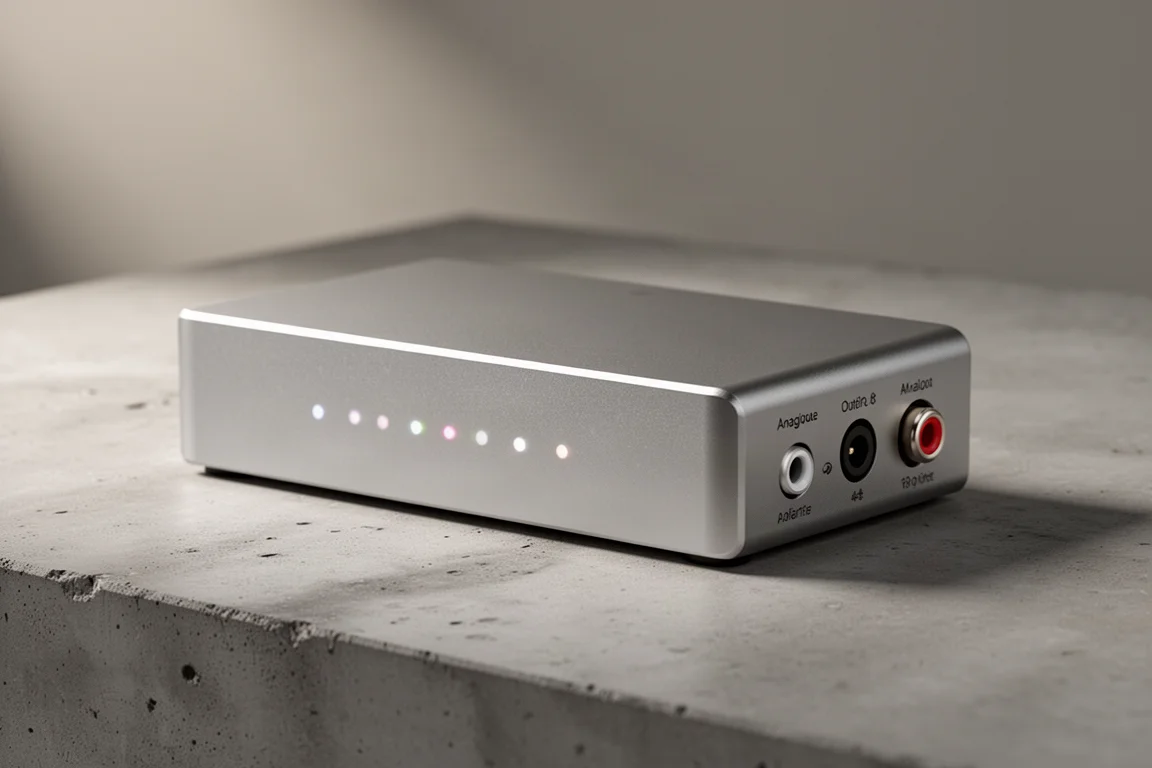
The front panel is deliberately plain. One LED shows power, and a second shows connection status: green means aptX HD, and no light means another codec is in use.
With the stock tube, the MU-603 produced a larger presentation than the ZEN Blue, with a wider soundstage and stronger imaging. It gives up some detail retrieval compared with the ZEN Blue’s internal DAC, and it cannot be routed into an external DAC at all.
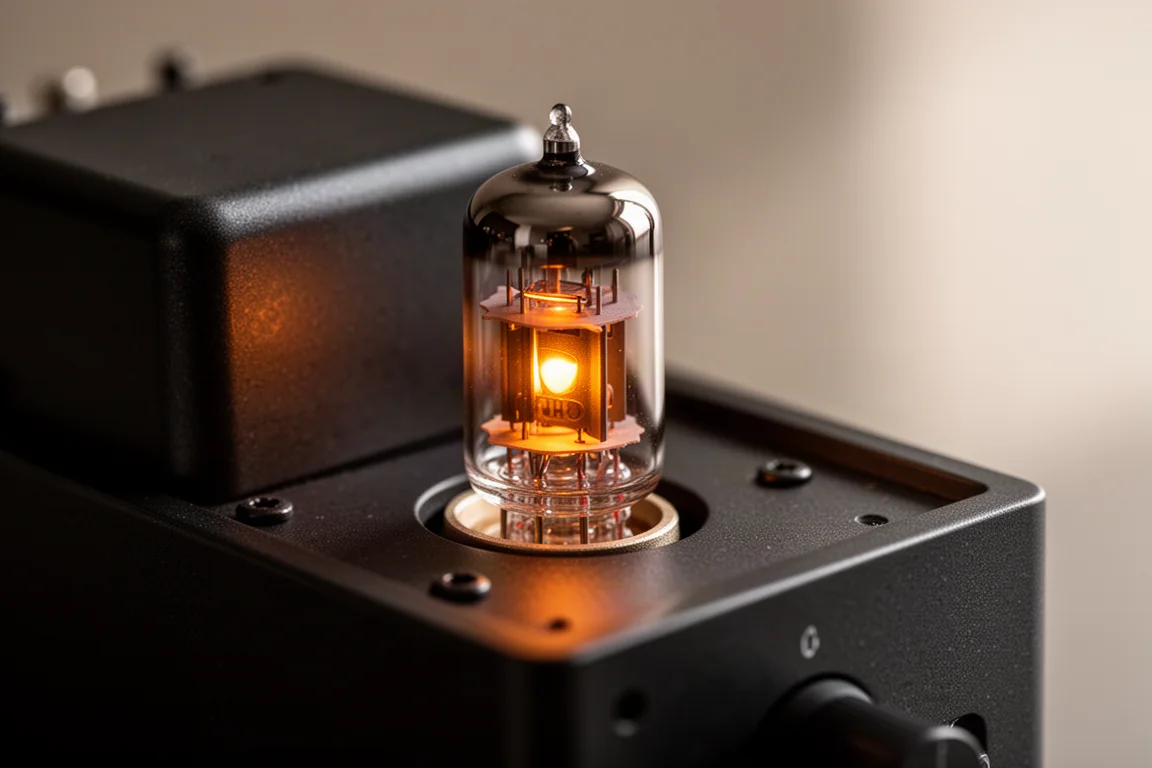
For anyone who likes the idea of tuning the sound later, the tube is the upgrade path. Swapping it changes the character of the output rather than the digital side of the chain, which is a different route to the same goal as adding an outboard DAC.
Controls, Indicators, and Everyday Use
The ZEN Blue communicates more. Its front panel uses a series of lights and colour combinations to indicate which codec is active and what bitrate is running, which is genuinely useful when you want to confirm whether a phone has negotiated aptX HD or LDAC. The MU-603 keeps it to two LEDs, which is easier to read at a glance but tells you far less about what is happening under the hood.
iFi ZEN Blue: More Codecs and More Outputs
The ZEN Blue is now in its second version and runs around $190. It handles everything the MU-603 does, plus LDAC, which gives it the widest codec support of the two.
Its real advantage is flexibility at the back. There is a digital output that can feed a separate DAC, and there are balanced outputs for systems that can accept them. The internal DAC is a little more detailed than the MU-603’s analogue output, which shows up in fine texture and low-level information.
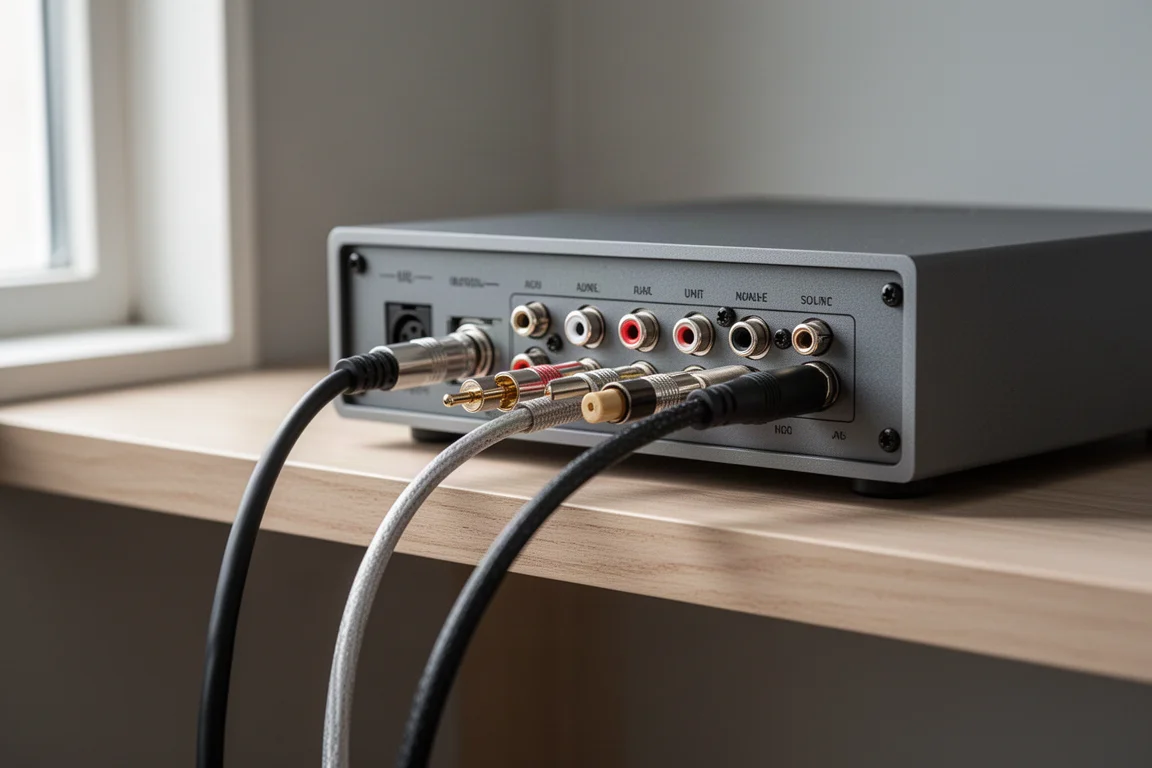
That combination makes the ZEN Blue the more expandable of the two: you can start with its analogue outputs and later move to a dedicated DAC without replacing the receiver itself.
Listening Notes: Where the Differences Show Up
On pure technical grounds, the ZEN Blue comes out ahead. It retrieves more detail, and its digital output opens up options the MU-603 simply does not have.
The MU-603 still made a strong case for itself. Its tube stage produced a bigger, more engaging presentation, and that was enough to keep it in the system despite the lower detail retrieval. Both receivers sounded good; they just sounded different, and the codec in use changed the result as much as the hardware did.
Buying Advice: Matching the Receiver to Your System
Choose the iFi ZEN Blue if codec coverage is the priority, if you want LDAC, or if you plan to feed a separate DAC or use balanced connections. It is the more technically capable unit and the more expandable one.
Choose the xDuoo MU-603 if you want to spend less, prefer a larger and more forward presentation, and like the idea of swapping tubes to adjust the sound. It only needs an analogue input on the other end, which makes it an easy fit for older receivers and simple powered speaker setups.
Either way, check which codecs your phone supports first. The gap between AAC and aptX HD or LDAC was clear enough during testing to be worth planning around.
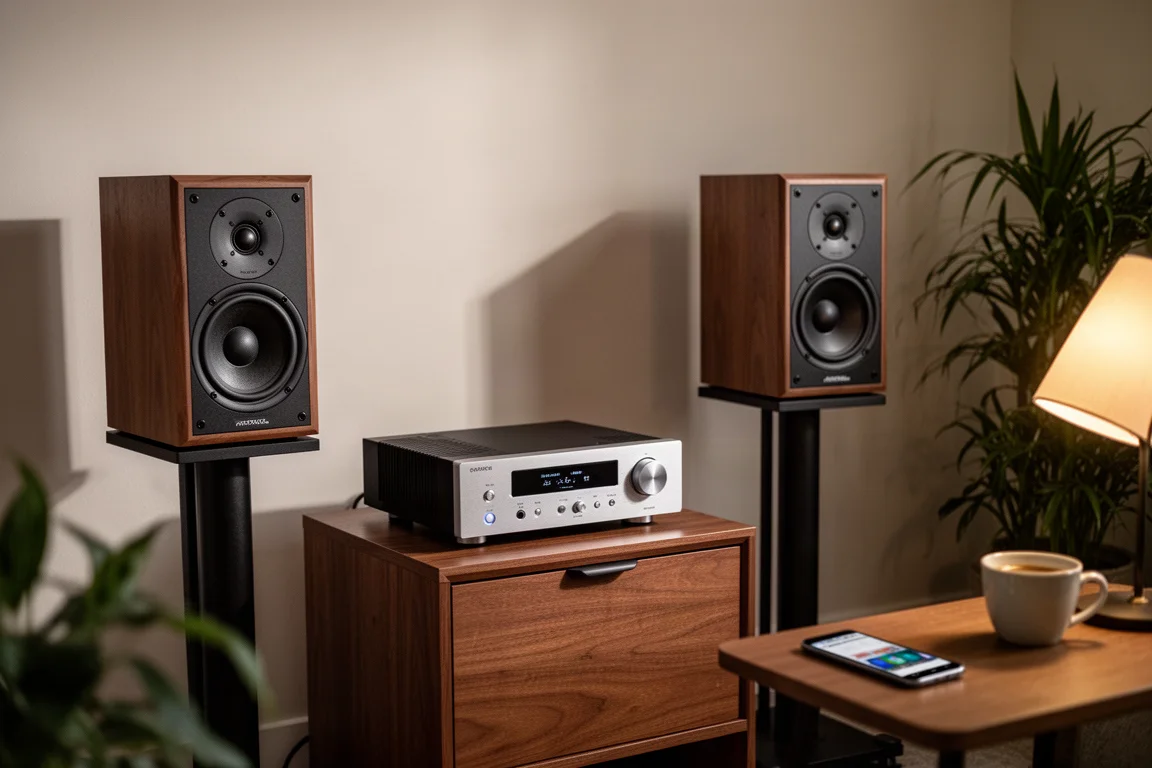
One more practical point: neither receiver replaces a dedicated streamer, so if maximum fidelity is the goal, a streaming setup remains the reference. For everyday listening, both of these get close enough that the difference stops mattering after a track or two.
Conclusion
At $119, the MU-603 is the one that stayed in the system. It is not the more technically accomplished receiver, but its tube stage presents music in a way that is easy to enjoy, and the tube itself can be changed later. The ZEN Blue remains the stronger all-rounder on paper and in detail retrieval, with LDAC, a digital output, and balanced connections for listeners who want them. Match the choice to your phone, your amplifier inputs, and how much you want to tinker.
Further reading
Related Reviews
Hi-Fi Audio
Accuphase C-57 vs Allnic H-7000V: Two High-End Phono Stages Compared
A fully balanced solid-state phono stage with a pitch-black noise floor meets a tube design built for well-loved records. Here is how to choose between them.
Hi-Fi Audio
Active vs Passive Hi-Fi: Five Components for a Modern System
Five components that define modern active and passive hi-fi systems, with the strengths, trade-offs and setup details worth weighing before you buy.
Hi-Fi Audio
Advance Paris A10 Apex Review: A Hybrid Integrated Amplifier That Covers a Lot of Ground
A French hybrid integrated amplifier with a class A tube preamp stage, analogue power meters, and an internal DAC and phono stage good enough to make extra boxes unnecessary.