Gravel Tires
XC Mountain Bike Tires for Gravel: Are Wider Tires Actually Faster?
Elite gravel racers are moving to wider, cross-country style rubber. Here is what the argument rests on, what it costs you, and three tires worth comparing.
Introduction
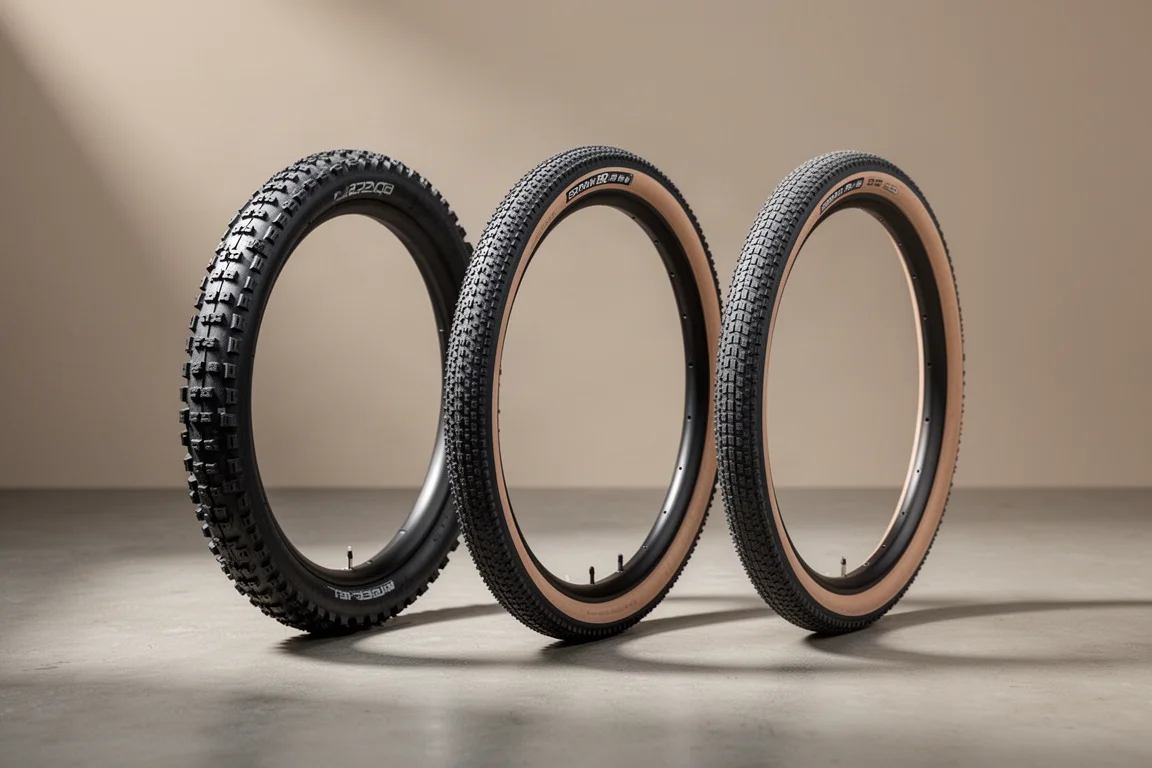
Gravel racing is in the middle of a tire argument that looks a lot like the one road riders had about width a few seasons ago. A growing number of elite gravel racers have been moving away from dedicated gravel tires and fitting wider rubber designed for cross-country mountain biking instead.
The claim behind the shift is straightforward: many lightweight cross-country tires roll faster over rough, loose ground than gravel tires do, even though they weigh more and are widely assumed to be less aerodynamic. The look has become a talking point at some of the season’s biggest gravel races. Below is what actually underpins the trend, where it falls apart, and three tires that represent the different sides of the decision.
Why Wider Tires Are Trending in Gravel Racing
The argument is about air volume as much as it is about tread. A wider tire with a larger air chamber can be built with a thinner casing and a shallower tread without taking on the same puncture risk, and a more supple casing deforms around surface irregularities rather than deflecting off them. Less deflection means less rolling resistance on rough ground, which is exactly where gravel races are won and lost.
Comparative testing of rolling resistance and aerodynamic drag put a 2.2 inch cross-country tire up against gravel tires in 35, 45 and 50 mm widths. On paved surfaces the mountain bike option was at a clear disadvantage. On a simulated cobbled surface, which is a far better stand-in for real off-road conditions, the same tire showed a significant advantage.
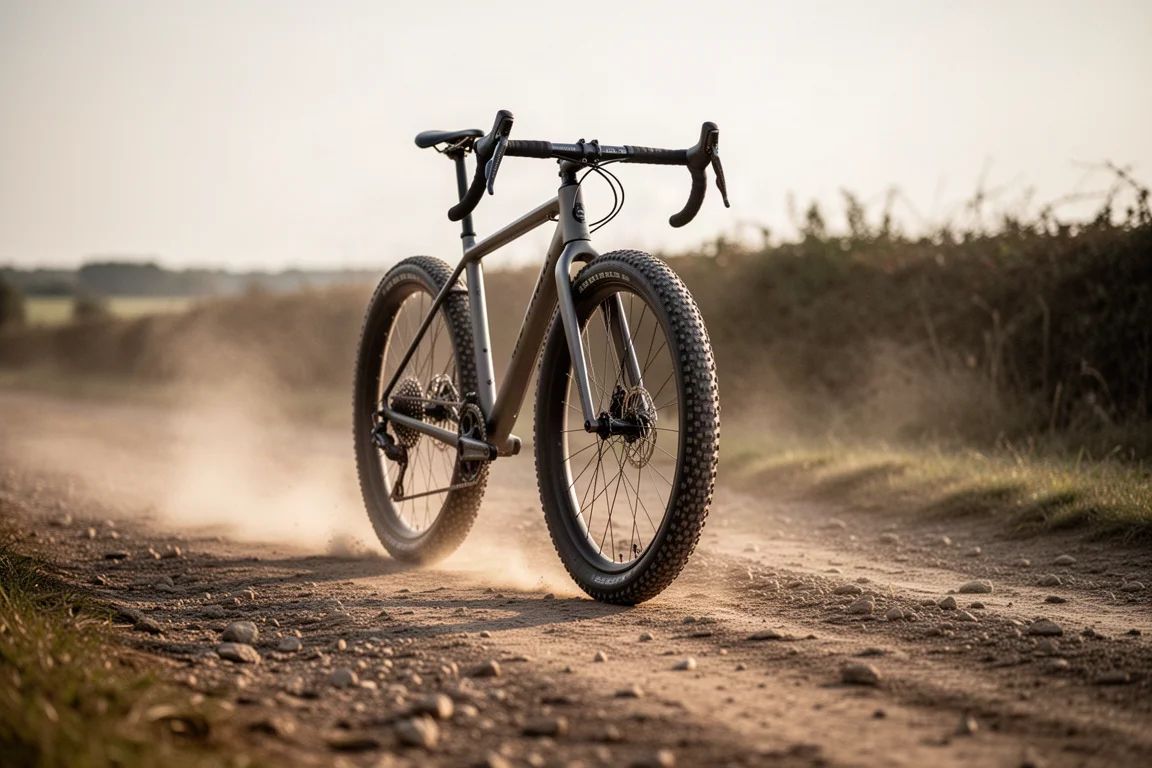
The aerodynamic assumption also came under pressure. In that same testing, wider did not automatically mean slower: the 2.2 inch cross-country tire measured better aerodynamically than the 50 mm gravel tire it was compared against. Where the cross-country tire does concede ground is on tarmac, and it is heavier, though the weight penalty was described as having only a marginal effect on performance next to the gains on rough surfaces.
That combination is why the setup has moved from curiosity to a genuine race-day choice on courses that are almost entirely off-road.
What Riders Give Up With Wider Rubber
Not everyone is convinced, and the counterargument is simple: weight matters more than the volume advantage suggests. Uphill testing that pitted mountain bike tires against 40 mm gravel tires found the wider option at a significant disadvantage on long off-road climbs. That test only went uphill, so it isolates weight rather than overall ride performance, but climbing is where decisive moves are made and where riders get dropped from the lead group, which is precisely the moment a setup choice is judged.
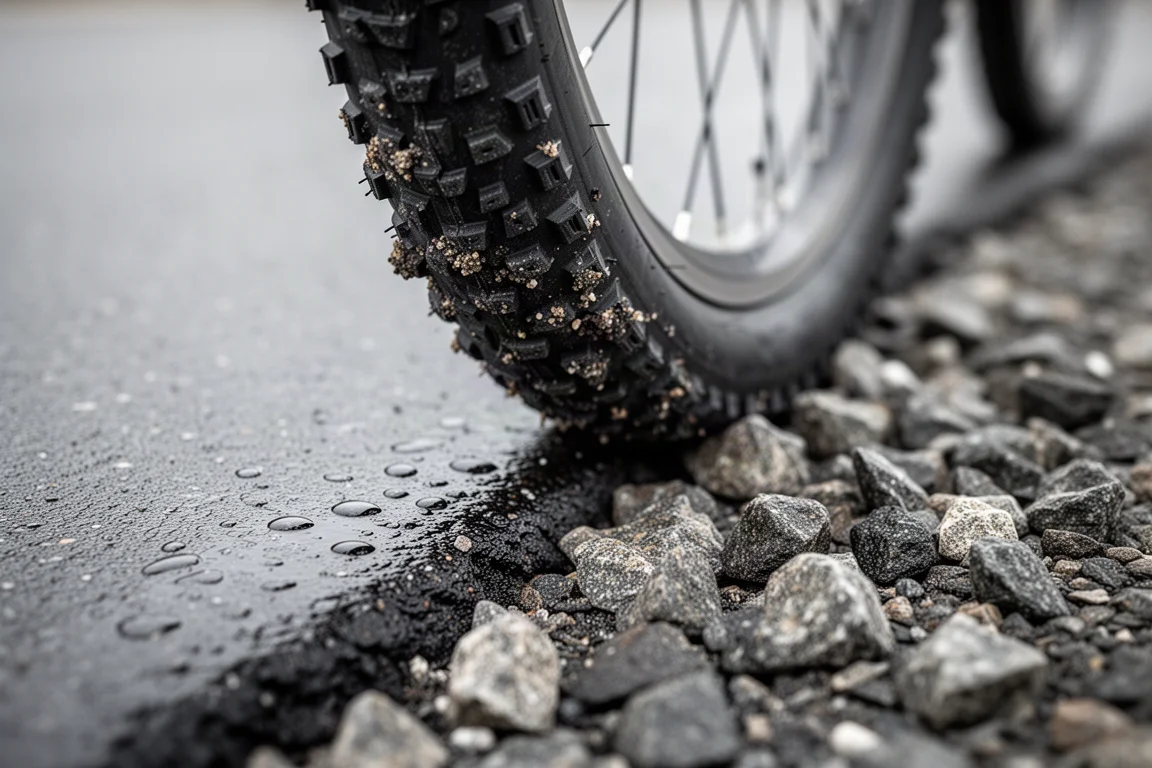
There is a practical split here between racing and everything else. For riders who are not fighting for position, the extra comfort, grip and potentially better puncture protection of a larger tire are likely to make riding more enjoyable regardless of what the stopwatch says. For elite racers, the question is narrower and the answer depends on the course.
The fair conclusion is that there is no universal winner. Optimising one aspect of tire performance always trades against another, and the right answer shifts with the surface mix of the event you are preparing for.
Continental Race King: The XC Mountain Bike Option
The 2.2 inch Race King is the tire at the centre of the wider-is-faster argument, and it is the clearest example of what a cross-country mountain bike tire brings to a gravel bike. Its volume allows a thin, flexible casing that conforms to loose gravel and chunky surfaces instead of skittering across them, and in drag testing it held its own against narrower gravel rubber.
It is the natural choice for events where the vast majority of the course is off-road, such as the long, rough gravel races that have driven the trend. What it gives away is measured on tarmac and on long climbs, so it rewards riders who are honest about the terrain they actually ride rather than the terrain they wish they rode.
Pirelli Cinturato Gravel H: The Gravel-Specific Benchmark
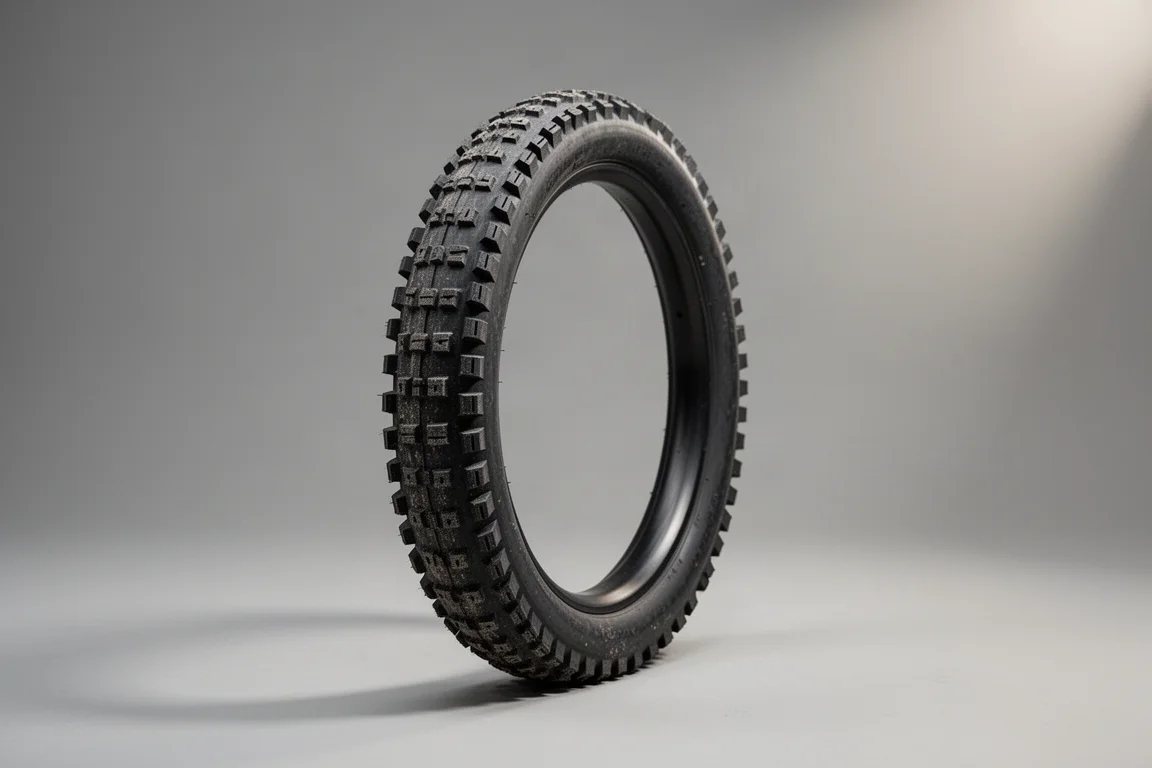
The Cinturato Gravel H appears in 35, 45 and 50 mm widths and represents the more traditional approach: a tire designed from the outset for gravel riding, with a casing, tread pattern and compound tuned for mixed surfaces rather than cross-country racing. It was the reference point in the comparison that started the wider-tire debate, and it shows the advantage a gravel tire retains on sealed surfaces.
It is also worth being precise about what it is not. There are faster rolling gravel tires than the Cinturato Gravel H, so it is best understood as a benchmark for balance rather than an outright speed pick. If your riding mixes tarmac, smooth gravel and rough grit in roughly equal measure, a format like this is the conservative, dependable choice.
Vittoria Mezcal: Wider Rubber in Real Race Setups
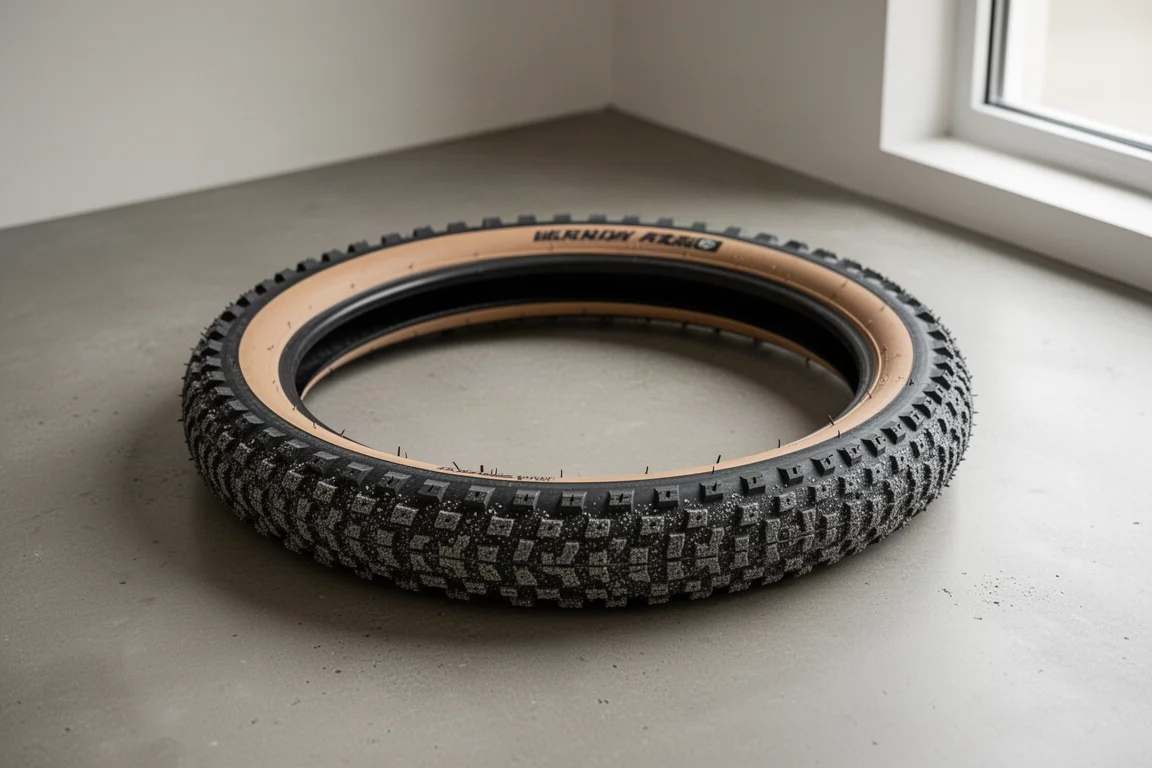
The Mezcal shows how racers are hedging. It has been run at 42 and 44 mm front and rear for a mixed-surface gravel race, and in a previous muddy edition of a long gravel event a 2.1 inch version was paired with a 44 mm gravel tire at the rear to make the most of the frame clearance available.
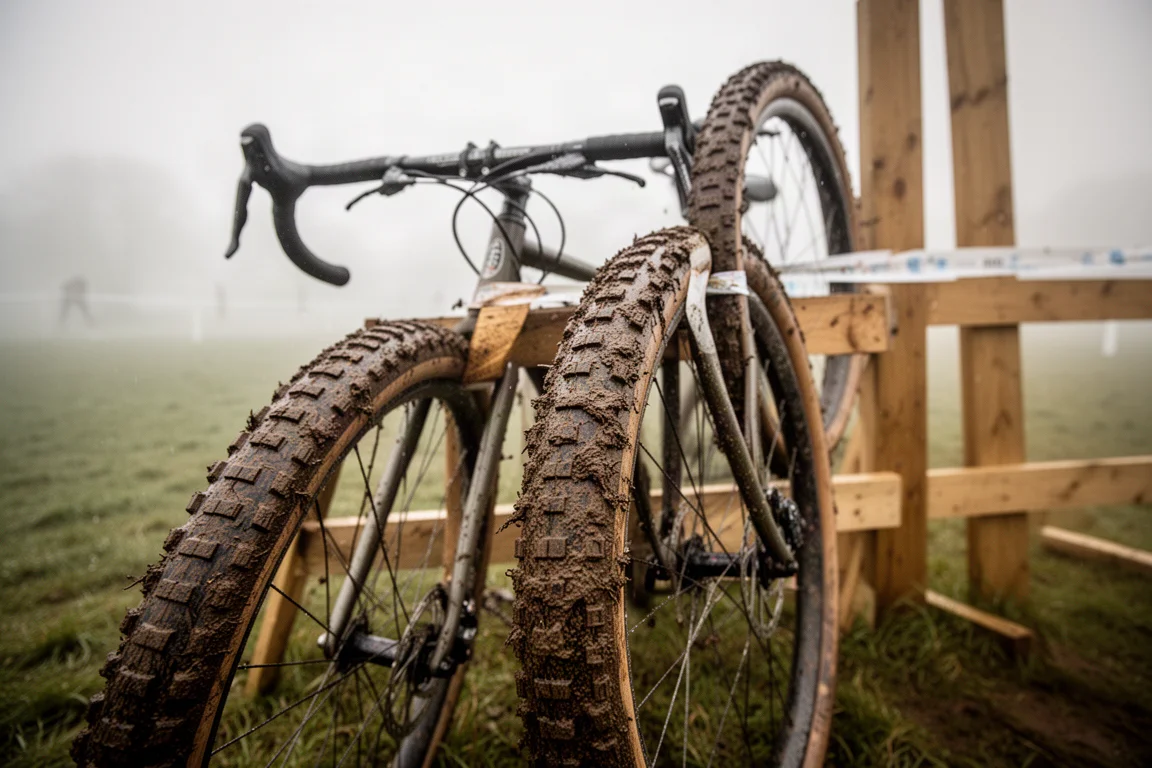
That mixed front-and-rear approach is the pragmatic middle path. It captures some of the volume and conformity benefits of a wider tire while keeping the rear of the bike closer to gravel-tire behaviour, where weight and rolling resistance on climbs are felt most sharply.
Buying Advice: Matching Tires to Your Terrain
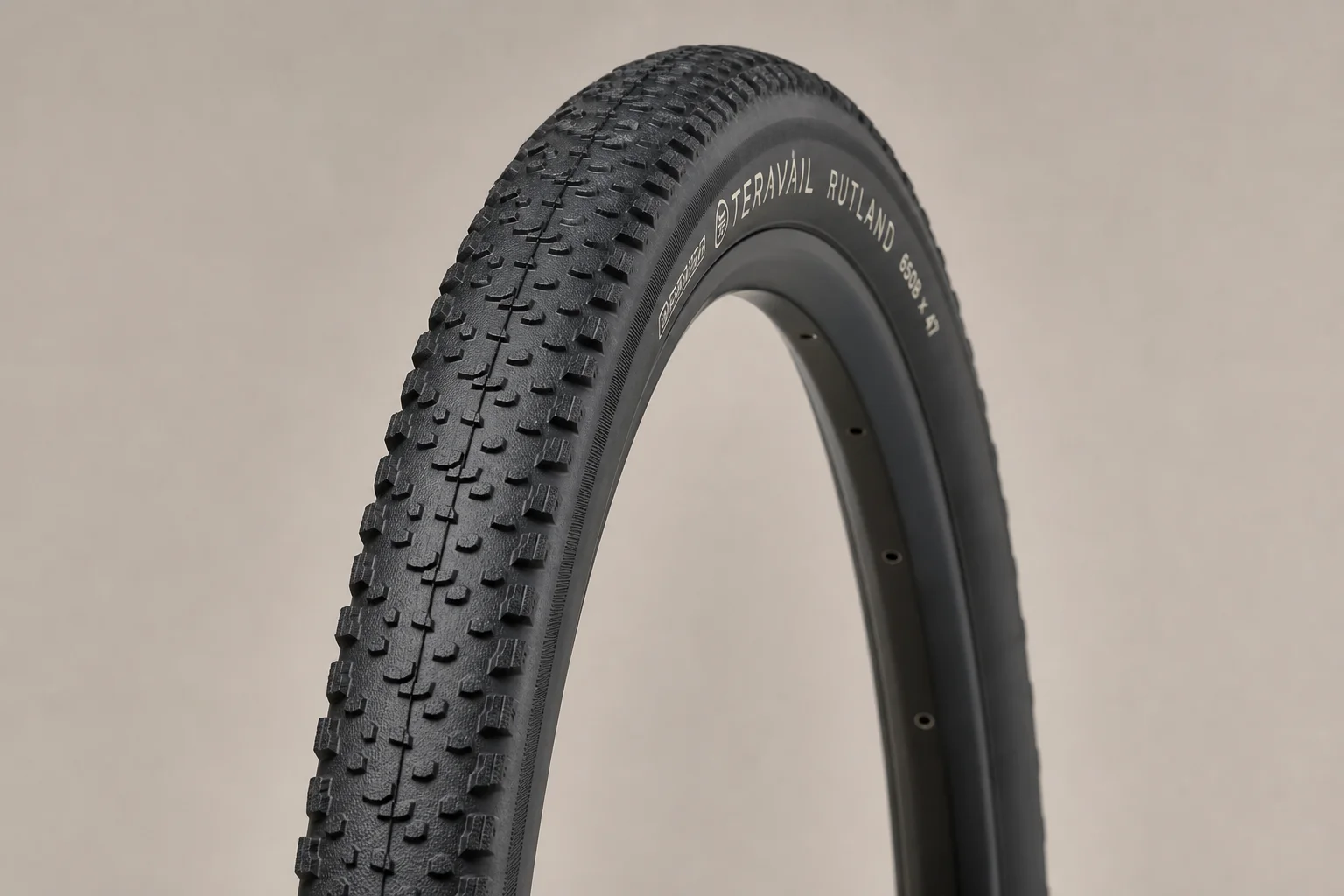
The most useful development for everyday riders is that you may no longer need to leave the gravel tire category to get the volume. Where the fastest gravel tires once topped out around 40 or 45 mm, many are now offered up to 50 or even 55 mm, roughly 2 mm narrower than a 2.25 inch cross-country tire. Because those tires keep tread patterns, casings and compounds optimised for gravel rather than cross-country mountain biking, they should offer a better balance across the varied terrain a typical gravel ride covers.
For events with a more even split between sealed and unsealed surfaces, a lightweight gravel tire around 45 mm is a sensible middle ground that avoids the worst compromises at either extreme. And if you are simply buying tires for your own riding, 45 mm is a comfortable, capable width that most riders find noticeably more enjoyable than narrower options.
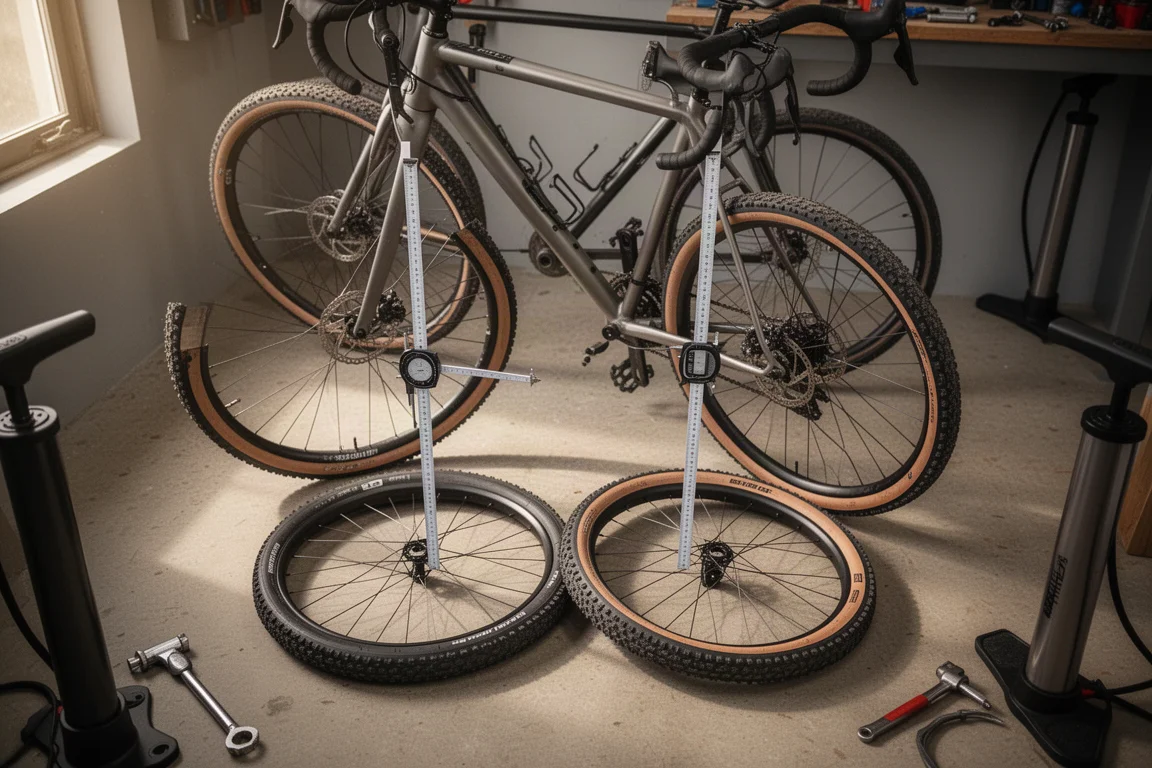
The practical blocker is clearance. Many gravel bikes currently in use cannot accept tires this large, and that frame limit, rather than tire availability, is what keeps riders on narrower rubber. Weight is the other factor worth keeping in proportion: unless your riding is built around gravel hill climbs, optimising your setup around grams alone rarely pays off, and being marginally more aerodynamic is no consolation if you are losing watts to rolling resistance on rough roads because you do not have enough tire volume.
Conclusion
Cross-country mountain bike tires are not the automatic future of gravel, but gravel tires built in similar sizes very likely are. The trend has pushed the whole category wider, and the newest ultra-wide gravel tires give riders most of the volume advantage without asking them to accept a tread and casing designed for mountain bike racing. Choose for the surface mix you actually ride, check your frame clearance first, and treat weight as one input among several rather than the deciding one.
Further reading
Related Reviews
Gravel Tires
Best Gravel Tires: 11 Top Picks for Every Riding Style
A practical roundup of 11 gravel tires, from fast race-day rubber to mud-shedding all-rounders and rock-ready treads, with the trade-offs that matter.
Gravel Tires
Pirelli Cinturato M Review: How Much Does Gravel Tire Width Really Matter?
A practical look at the Pirelli Cinturato M in 40mm, 45mm, and 50mm widths, and what the differences mean for speed, grip, comfort, and frame fit.
Gravel Tires
Pirelli Cinturato M Review: Choosing the Right Gravel Tire Width
A close look at the Pirelli Cinturato M in 40, 45 and 50 mm, and what real-world testing suggests about gravel tire width, speed, comfort and frame clearance.