Gravel Tires
Pirelli Cinturato M Review: Choosing the Right Gravel Tire Width
A close look at the Pirelli Cinturato M in 40, 45 and 50 mm, and what real-world testing suggests about gravel tire width, speed, comfort and frame clearance.
Introduction
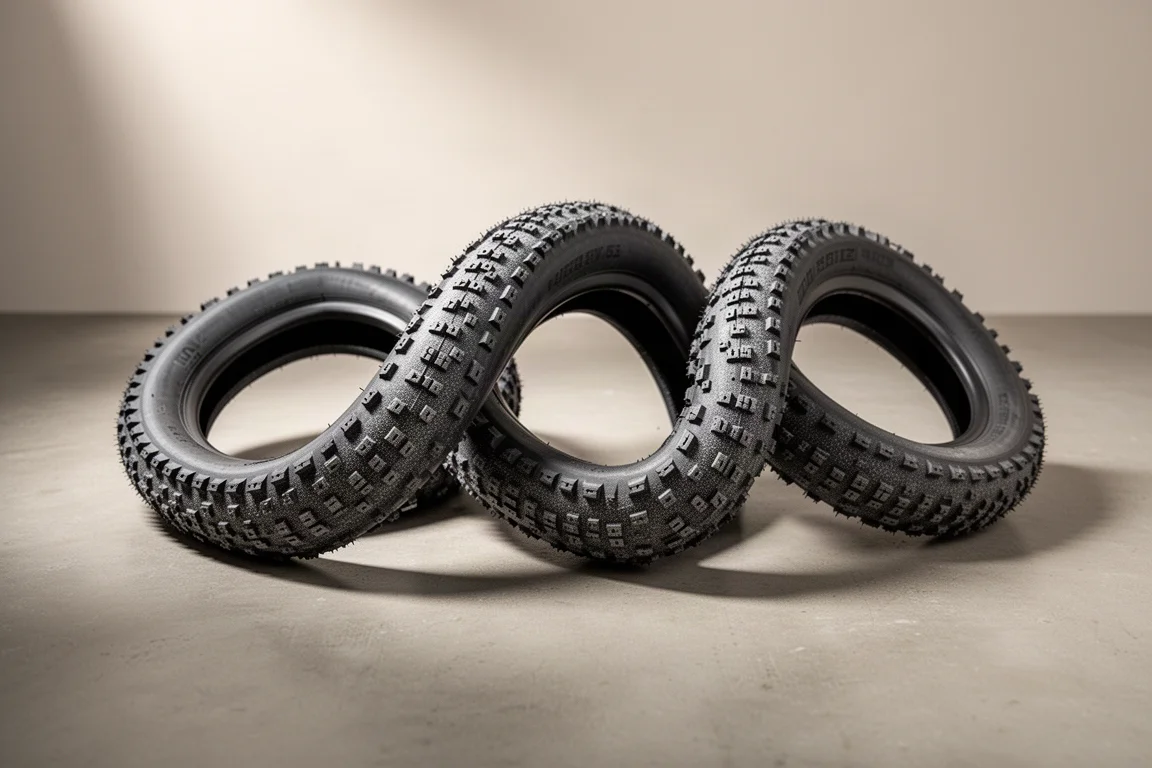
Gravel tire width is one of the most argued-about numbers in cycling. Forty millimetres was the default for years, forty-five has quietly become the new standard on complete bikes, and fifty is increasingly common on the front row of serious gravel races. To find out whether any of that shows up on a stopwatch, the Pirelli Cinturato M was ridden in all three widths on the same wheels, at the same power, on the same gravel track.
Three pairs of Cinturato M tires were mounted to three identical wheelsets with a 23 mm internal rim width, and ridden out and back at roughly 300 watts of normalized power. Width was the only variable: 40 mm, 45 mm and 50 mm. The surface was classic gravel, loose enough that a road bike would struggle but not the chunky, rock-strewn terrain that punishes narrow tires outright.

The headline result is how little separated the three widths. Every setup finished within roughly 1 km/h of the others, and the fastest width was not even the same for both riders. That is worth knowing before spending money on a wider tire in the hope of a free speed gain.
Who the Pirelli Cinturato M Is For
The Cinturato M is the more aggressive tread option in Pirelli’s gravel range. Its knobs are intended for dirt, dust and mud rather than hardpack and tarmac, so it suits riders whose routes regularly include loose corners, wet lanes and unmaintained farm tracks.
That grip comes at a cost. In lab testing, moving from Pirelli’s less aggressive gravel tread to the Cinturato M adds roughly 2 watts per tire. If your riding is mostly smooth, dry gravel, that trade is harder to justify. If your riding regularly turns loose or greasy, the extra bite is the whole point.
It is also a tire for riders who are still deciding on width. Because it comes in 40, 45 and 50 mm, the same tread can be run narrow for a faster feel or wide for comfort and control, provided the frame can take it.
Main Strengths
Consistent Speed Across Widths
The most useful finding is how tight the numbers were. One rider averaged 27.2 km/h on the 40 mm setup at 303 watts of normalized power, 28.3 km/h on the 45 mm at the same power, and 27.7 km/h and 27.8 km/h across two runs on the 50 mm. The other rider recorded the 40 mm as fastest, followed by the 50 mm, with the 45 mm slowest.
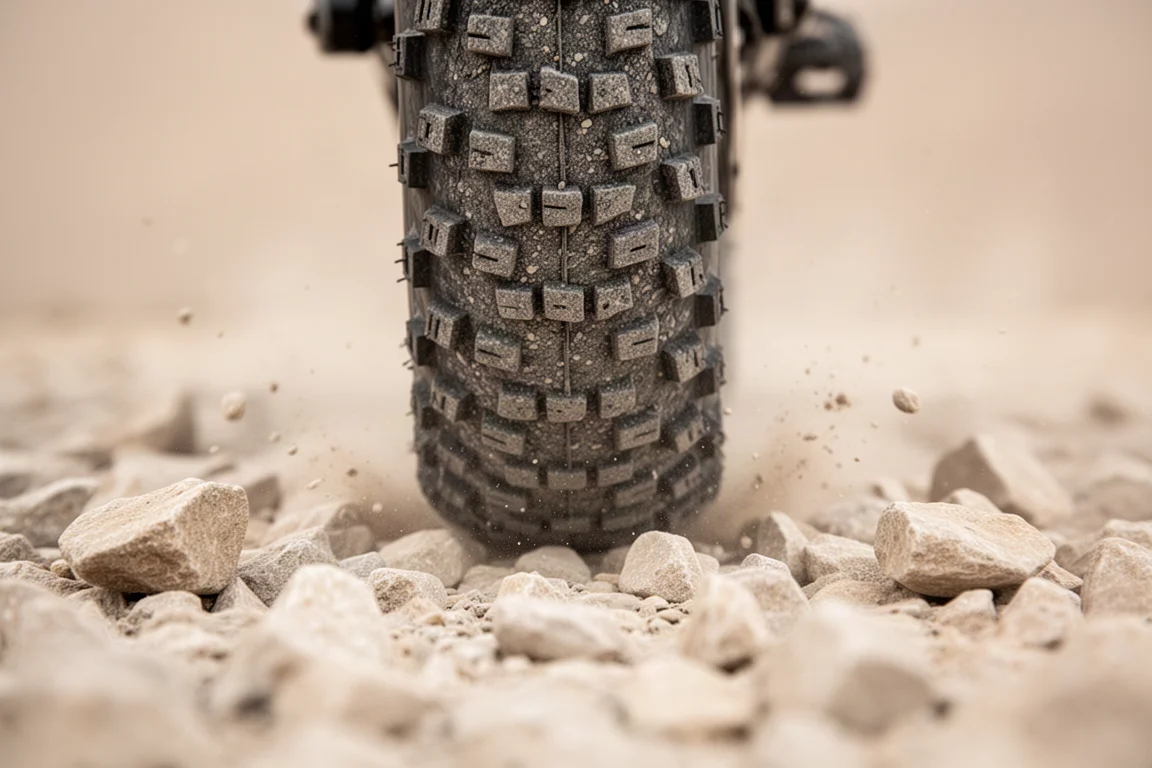
Both sets of results sit within about 1 km/h, which is well inside the noise you would expect from outdoor gravel testing. Pressures were set per width using a tire pressure calculator, with roughly 10 psi separating the narrowest and widest setups. The practical takeaway is that no width was dramatically slower, and the differences were small enough to be swamped by rider position, line choice and how fresh the legs were.
Comfort and Control on Rough Surfaces
Where the wider options clearly earned their place was in how they felt and how they behaved. The 50 mm did not feel sluggish. It felt smooth, and the bike still rode like a gravel bike rather than a wallowing compromise. The 40 mm felt quick and raw, but it also transmitted far more of the surface through the bike, which forced more line changes and more obstacle avoidance.
The real advantages of wider rubber are not in the stopwatch. They are in braking grip, holding a line through loose corners, puncture resistance, and comfort that lets you keep pushing hard later in a long ride. On rough surfaces, arriving at the end of a ride less beaten up is worth more than a fraction of a km/h.
Things to Consider Before Buying
Frame Clearance Limits Your Options
Not every gravel bike can fit 45 mm tires, and fewer still can fit 50 mm. Most complete gravel bikes ship with 45 mm and treat that as the ceiling, so the widest Cinturato M is not automatically available to you.
That is partly an engineering problem rather than a marketing one. Building a frame that clears 50 mm tires while still running a double chainring means longer chainstays and longer forks, which changes handling characteristics. It is a genuine puzzle, and it explains why many brands stay narrower and tune those bikes to feel sharp and road-like instead.
Rim Width, Rider Weight and Pressure
The test wheels had a 23 mm internal rim width. Rim width matters a great deal for how a gravel tire actually behaves, so a wider rim would change the shape of the contact patch and could shift the results. Tire width and rim width are best treated as a pair rather than two separate decisions.
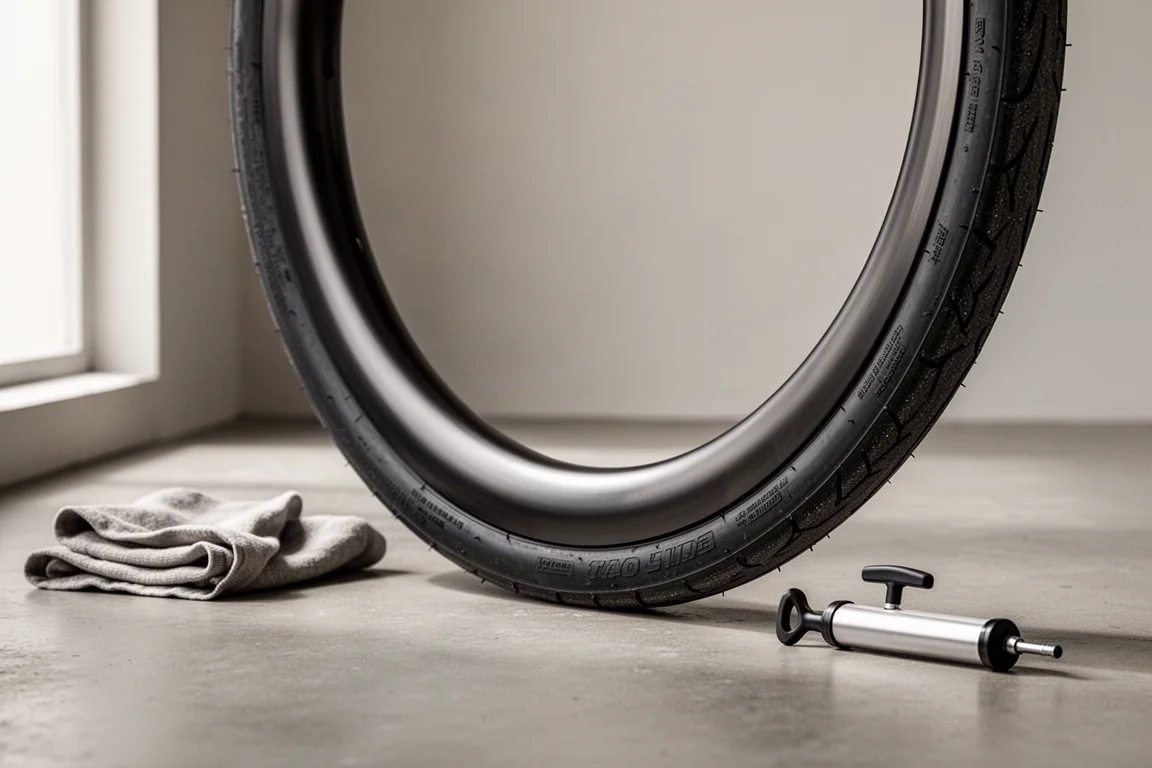
Rider weight matters too. Heavier riders generally benefit from more volume, while lighter riders may find 40 mm gives them everything they need. Pressure is the other half of the equation, and the right number changes with every width and every surface.
Buying Advice
If you want one safe answer, 45 mm is the sensible default. It is the widest size most gravel frames accept, it is what many complete bikes come with, and in this test it was never far from the front. Riders who are light, ride smoother gravel, or simply like a sharper feel can stay on 40 mm with confidence.

If your frame clears 50 mm and your riding regularly heads onto loose, rough or muddy surfaces, the wider option is easy to recommend for the control and comfort it adds. Just do not buy it expecting a measurable speed gain, because across these three widths there was not one.
Conclusion
The Pirelli Cinturato M makes a strong case for itself as a treaded gravel tire that stays composed across widths. The interesting part is not the tire’s grip but what the width comparison showed: 40, 45 and 50 mm all delivered broadly similar speed at the same power, and the differences sat inside the margin of error of an outdoor test.
Choose 45 mm if you want the middle ground and your frame allows it, step up to 50 mm for rough and muddy terrain where control matters more than a stopwatch, and stay on 40 mm if you are light, your gravel is smooth, or your frame leaves no choice. Whatever you pick, width is unlikely to be the thing holding you back.
Product link
View more details for Pirelli Cinturato M
This product is mentioned in the review. Check the specifications, options, and compatibility before buying.
View more details for Pirelli Cinturato MFurther reading
Related Reviews
Gravel Tires
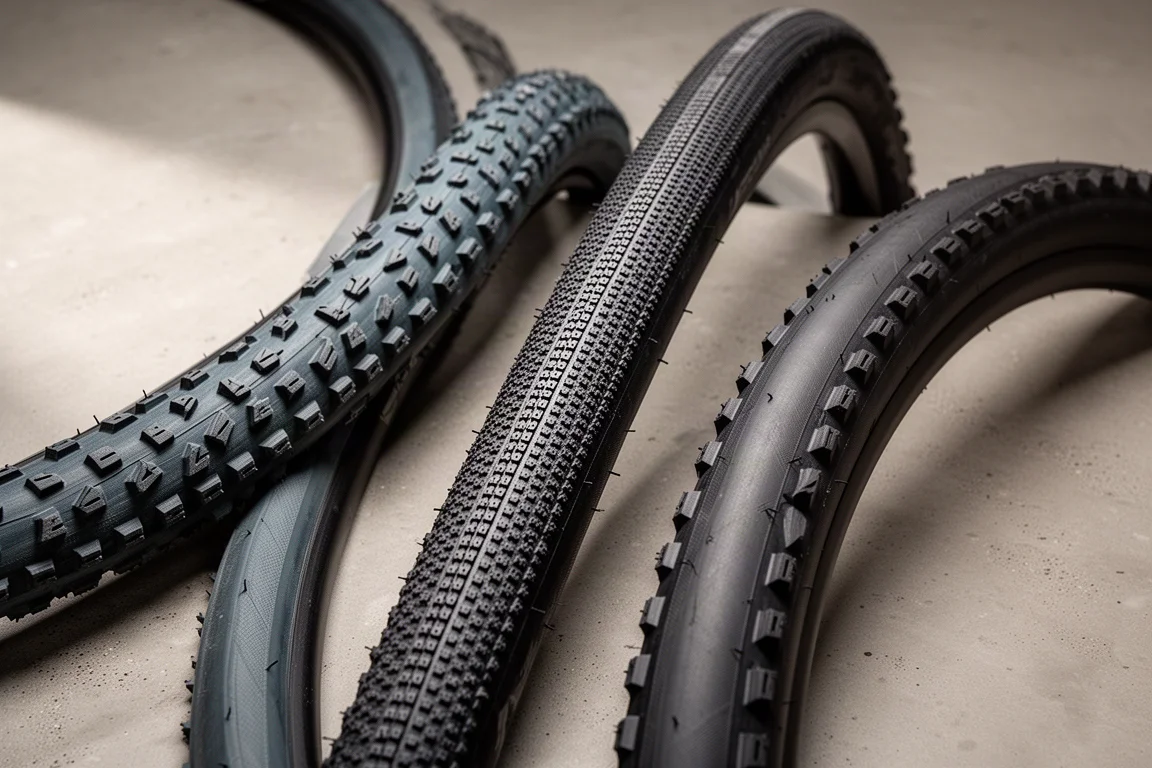
Best Gravel Tires: 11 Top Picks for Every Riding Style
A practical roundup of 11 gravel tires, from fast race-day rubber to mud-shedding all-rounders and rock-ready treads, with the trade-offs that matter.
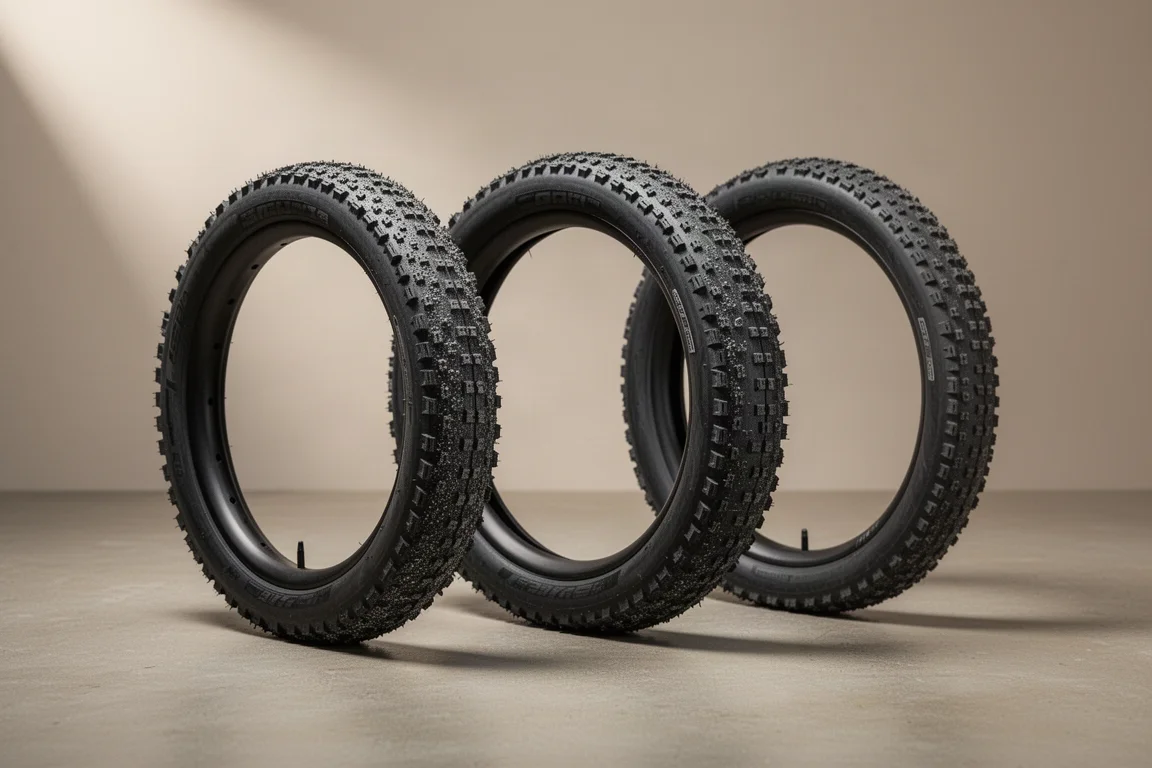
Gravel Tires
Pirelli Cinturato M Review: How Much Does Gravel Tire Width Really Matter?
A practical look at the Pirelli Cinturato M in 40mm, 45mm, and 50mm widths, and what the differences mean for speed, grip, comfort, and frame fit.
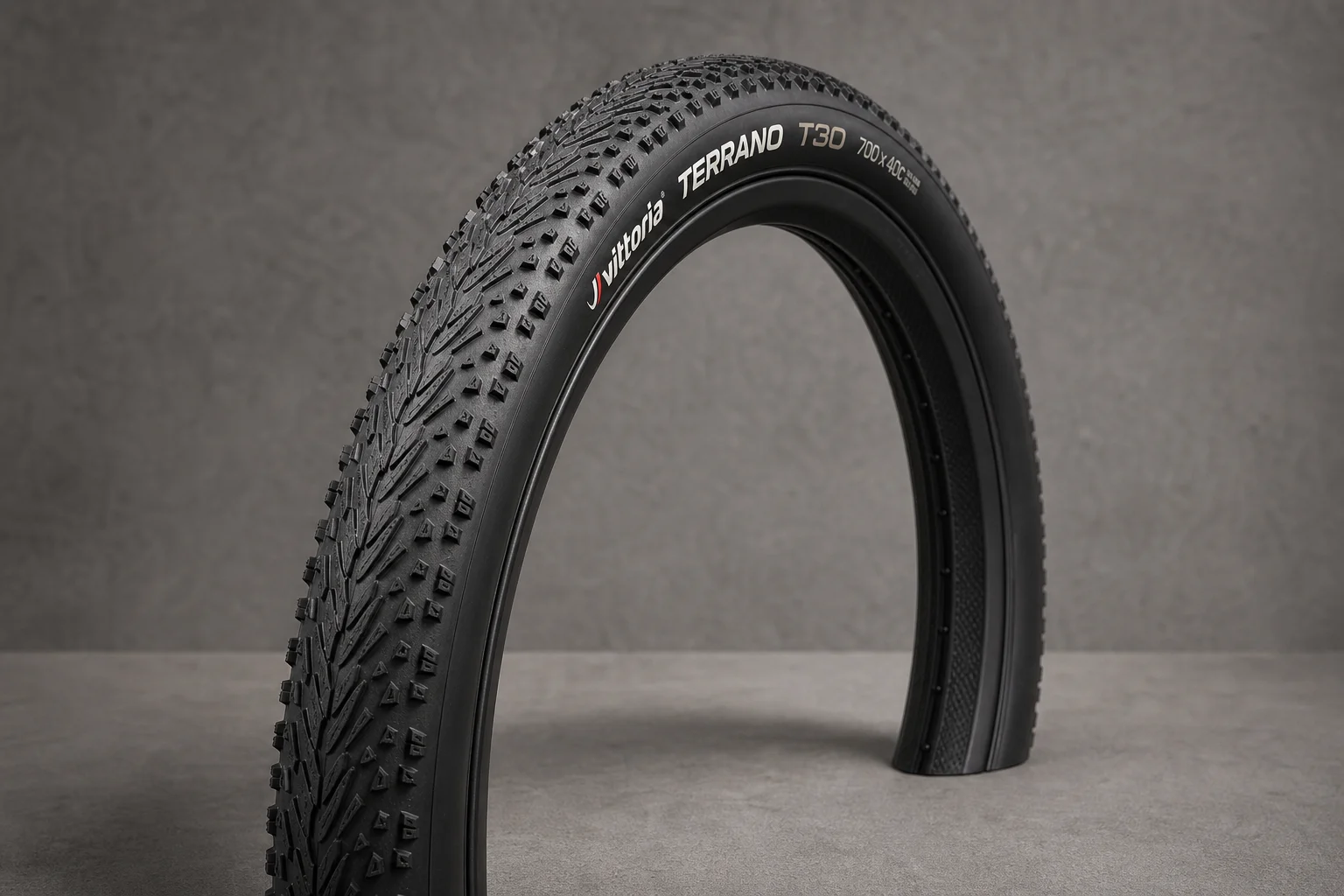
Gravel Tires
Victoria Terrano T30 Gravel Tire Review: Built for Durability-Focused Riders
Victoria's new Terrano T30 gravel tire is designed for fine gravel and loose surfaces. It is a strong option for riders who care most about durability and air retention.