Gravel Tires
Best Gravel Tires: 11 Top Picks for Every Riding Style
A practical roundup of 11 gravel tires, from fast race-day rubber to mud-shedding all-rounders and rock-ready treads, with the trade-offs that matter.
Introduction
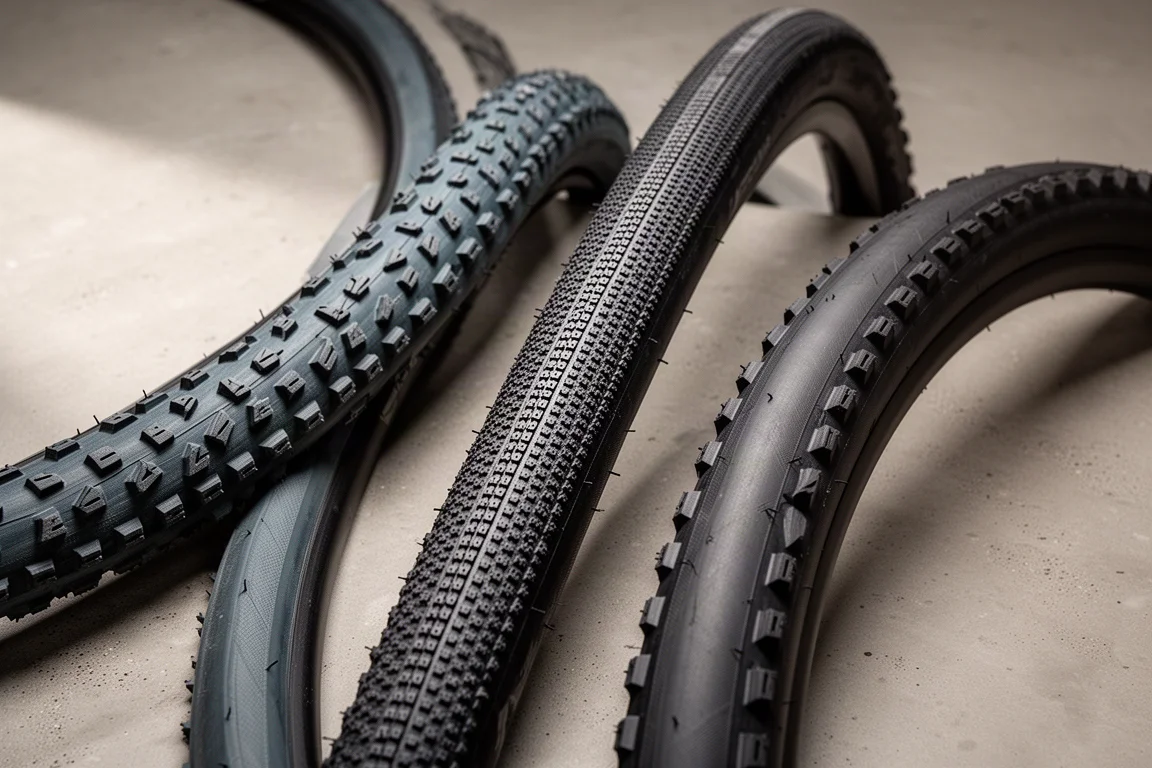
Gravel is a broad church, and the tires that suit it are just as varied. A racer chasing straight-line speed wants something very different from a rider loading up for a multi-day bikepacking trip, and the tread that clears mud in a wet winter is rarely the tread that rolls fastest on dry hardpack.
This roundup covers eleven gravel tires worth knowing, starting with eight all-round options that have earned a firm recommendation, followed by three more that still deserve a place on a shortlist. None of them is a universal answer, which is exactly the point. Matching the tire to the terrain you actually ride is where the real gains sit.
How to Choose a Gravel Tire
Start with your riding and terrain expectations. Gravel covers everything from race-paced efforts to multi-day bikepacking where the emphasis is on drinking in the view rather than suffering in a pack. Riders chasing the least rolling resistance possible will usually opt for a more supple tire, while bikepackers tend to go wider for comfort and look for greater puncture protection for long days in the saddle.
Tread pattern is the next decision. If you often ride on smooth surfaces, a low-profile tread can be enough. If you ride more aggressive terrain or spend time in mud, look for pronounced tread and larger shoulder knobs. Think carefully about where you ride and the conditions you are most likely to meet.
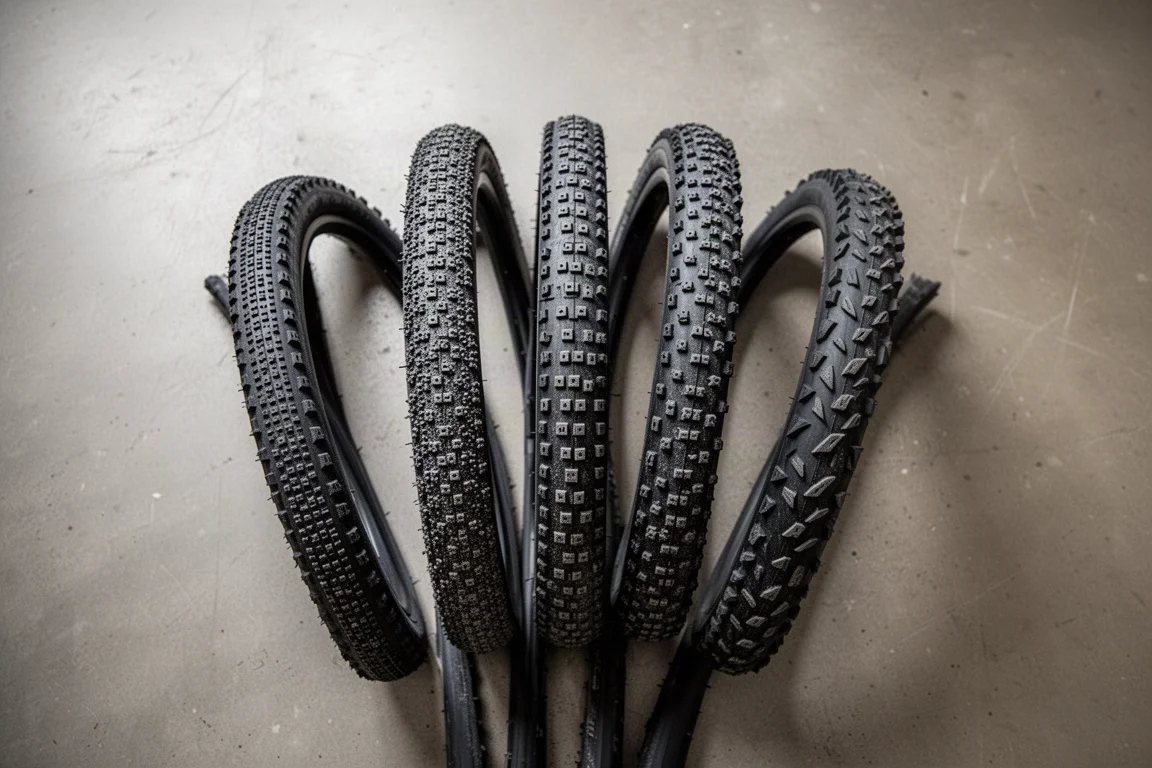
Wheel size matters too. Gravel bikes use either 700c or 650b wheels, so be sure to pick the right size. Smaller 650b wheels will usually leave more room for wider tires, but always check your frame’s tire clearance before committing.
Finally, there is the balancing act between casing type, puncture protection and TPI, which stands for threads per inch. A more supple tire with a lighter casing will usually roll faster but offers less puncture protection, while a heavier casing adds durability at the cost of rolling resistance. Higher TPI generally means a more supple tire: look for roughly 120 to 320 if outright speed is the priority, and around 60 if you want something stronger but marginally slower.
Pirelli Cinturato Gravel M
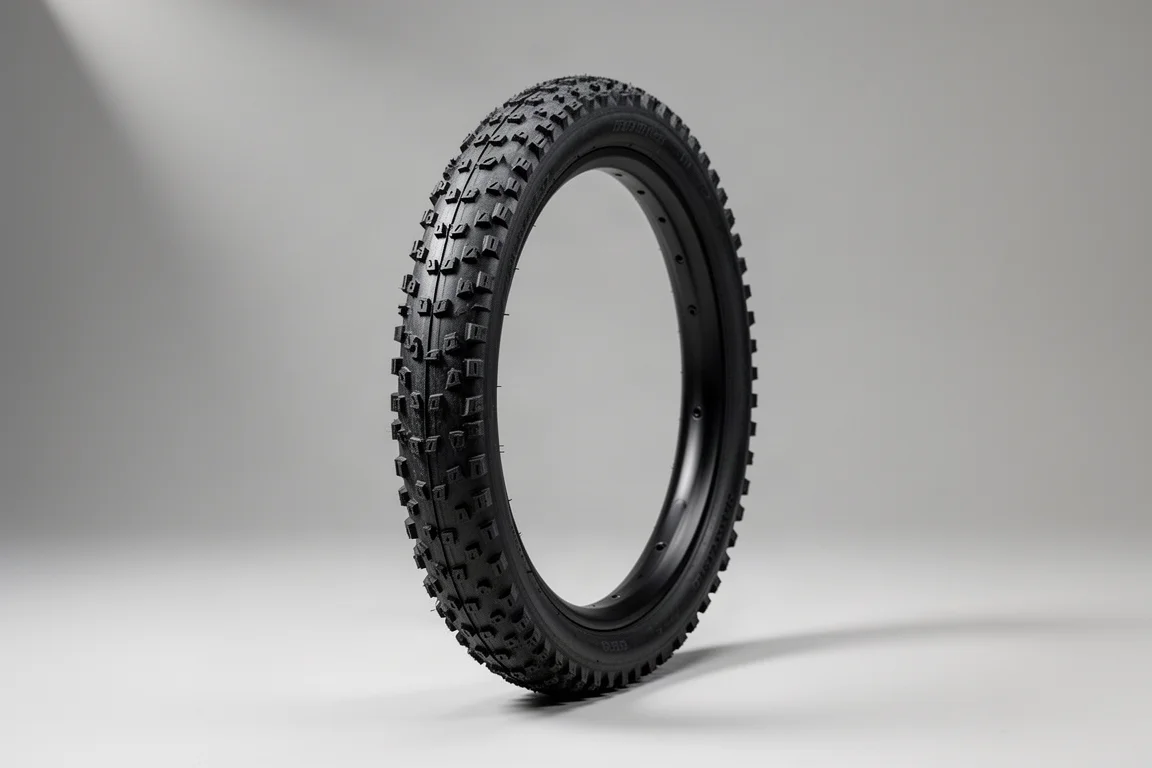
Pirelli has been making tires for a long time, and its move into dedicated bicycle rubber has produced one of the strongest all-round gravel tires available. The Cinturato Gravel M uses an aggressive tread with widely spaced angular knobs and a smoother central line, which delivers a good balance of rolling resistance on smoother surfaces with grip and mud shedding when the trails get tough.
The sturdy reinforced sidewall helps the tire maintain rigidity at lower pressures, which avoids squirmy sensations and reduces the risk of rim damage. With five widths spanning 700c and 650b, plus black or tan sidewall options, there is a version to suit most riders and most frames.
The only real complaint is that they can be tricky to seat tubeless during setup. Beyond that, the grippy compound, strong puncture resistance and sturdy, confidence-inspiring ride make this one of the best gravel tires around.
Bontrager GR1 Team Issue
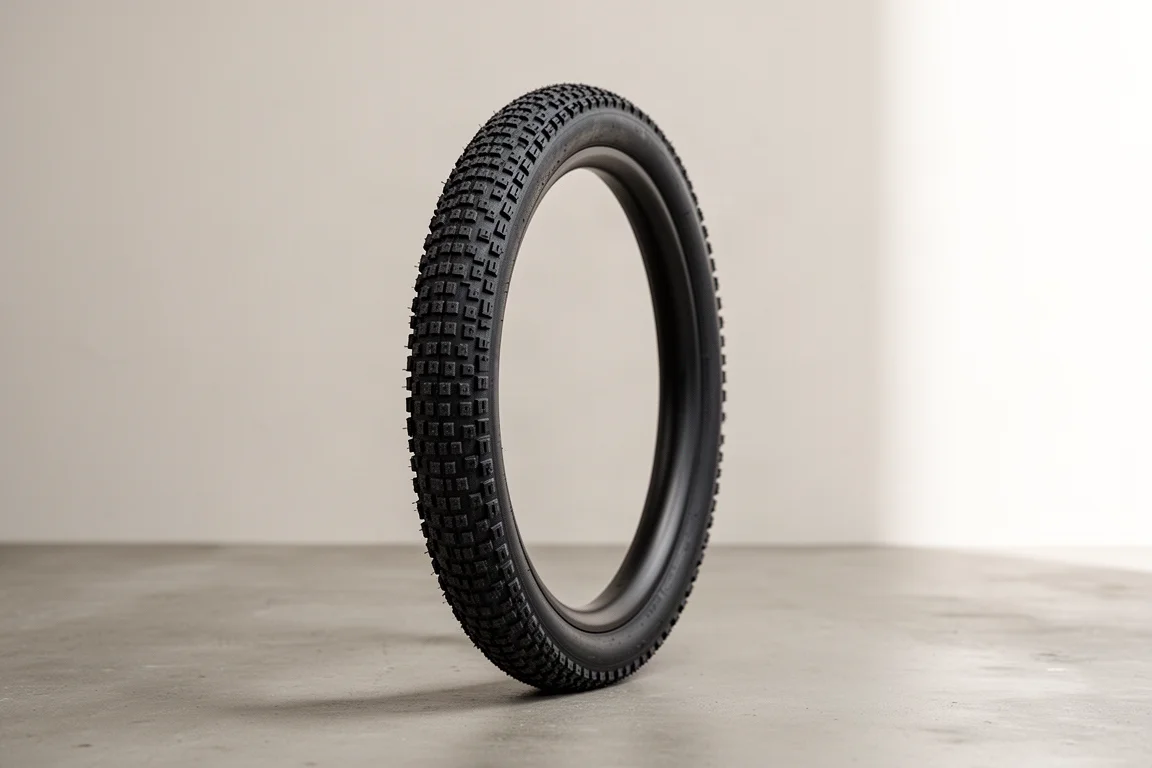
If your favourite flavour of gravel involves loose, dry conditions with a little wet but absolutely no mud, the GR1 Team Issue is worth a close look. The tightly packed, low-profile block tread rolls well in the dry, and the 120 TPI casing includes lightweight nylon inserts for extra sidewall protection.
Setup is a genuine strength here. These tires seated tubeless easily on the wheels used during testing, which is not something that can be said for every gravel tire on the market. Once inflated, the fairly rounded shape gives wonderfully consistent handling with predictable transitions from upright to any cornering angle.
They also roll nicely on tarmac, which makes them a decent multi-use option for riders who split their time between road and dirt. The clear trade-off is performance in mud and wet conditions, where they fall behind more aggressive treads.
Continental Terra Speed
Another tire built for dry and fast conditions, the Terra Speed uses shallow lugs to unlock speed even on tarmac roads. The trade-off is less grip compared with several other tires in this roundup, though they still hold up on damp trails. They would not be a first choice for cutting through deep mud.
Durability has been solid. Across two sets and more than 3,500 kilometres, only one puncture was recorded. Riders who do a lot of tarmac riding between gravel excursions should note that you will get around 2,500 kilometres out of the rear before it needs replacing. That is not a deal breaker, but it is worth planning for.
The headline strengths are outright speed for fast-paced rides and dependable reliability. The limitations are mud performance and a limited range of wider sizes.
Maxxis Rambler
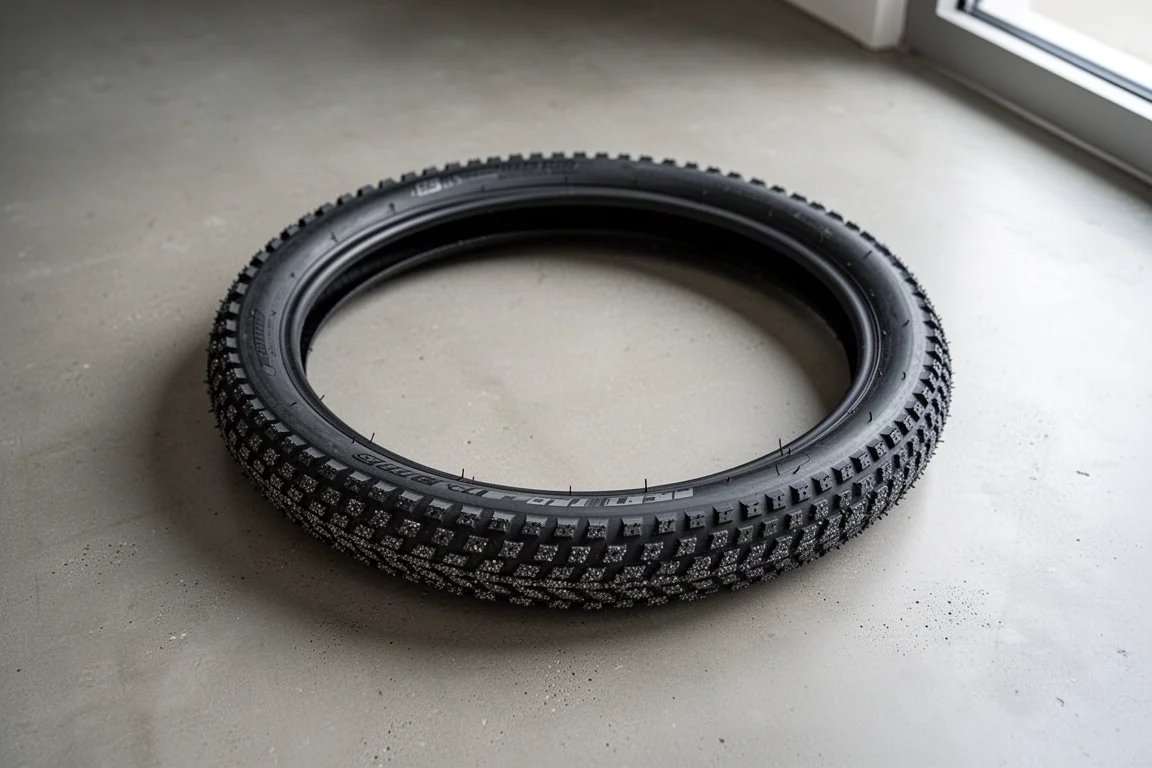
The Rambler was Maxxis’s first foray into gravel tires, and the brand got it right immediately. The tire is quick, with low-profile blocks packed tightly down the centre and larger shoulder knobs for cornering. At 375 grams it is also a fair bit lighter than many of its competitors.
Puncture protection comes from the 120 TPI EXO casing, a construction well known from the brand’s mountain bike range, where it does an excellent job of protecting sidewalls. That makes the Rambler a confident recommendation for rough or cut-up surfaces.
It is best suited to smoother dirt or gravel. Like many tires here, it is not at its best in mud.
Schwalbe G-One R
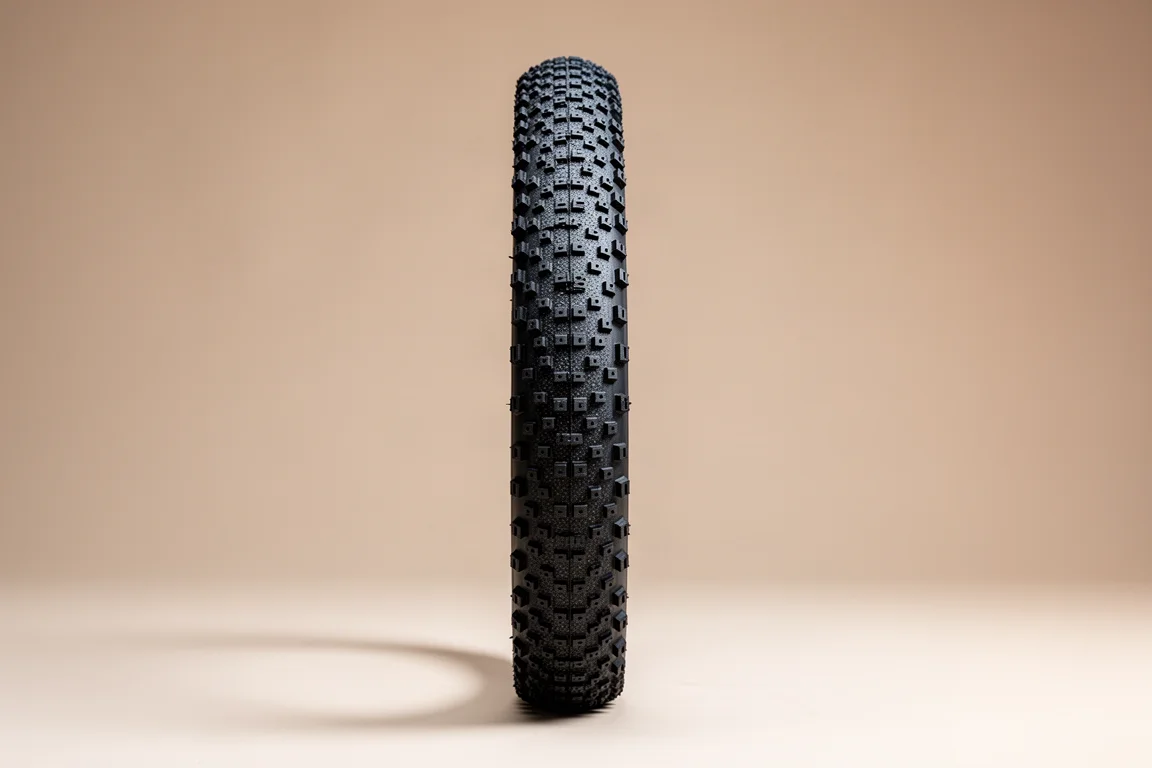
Racers looking for one of the fastest gravel tires around should put the G-One R high on the list. It features a dense, fine tread pattern with closely spaced knobs and no defined shoulder, which puts its straight-line speed up with the best. It is also supple enough to provide a measure of comfort.
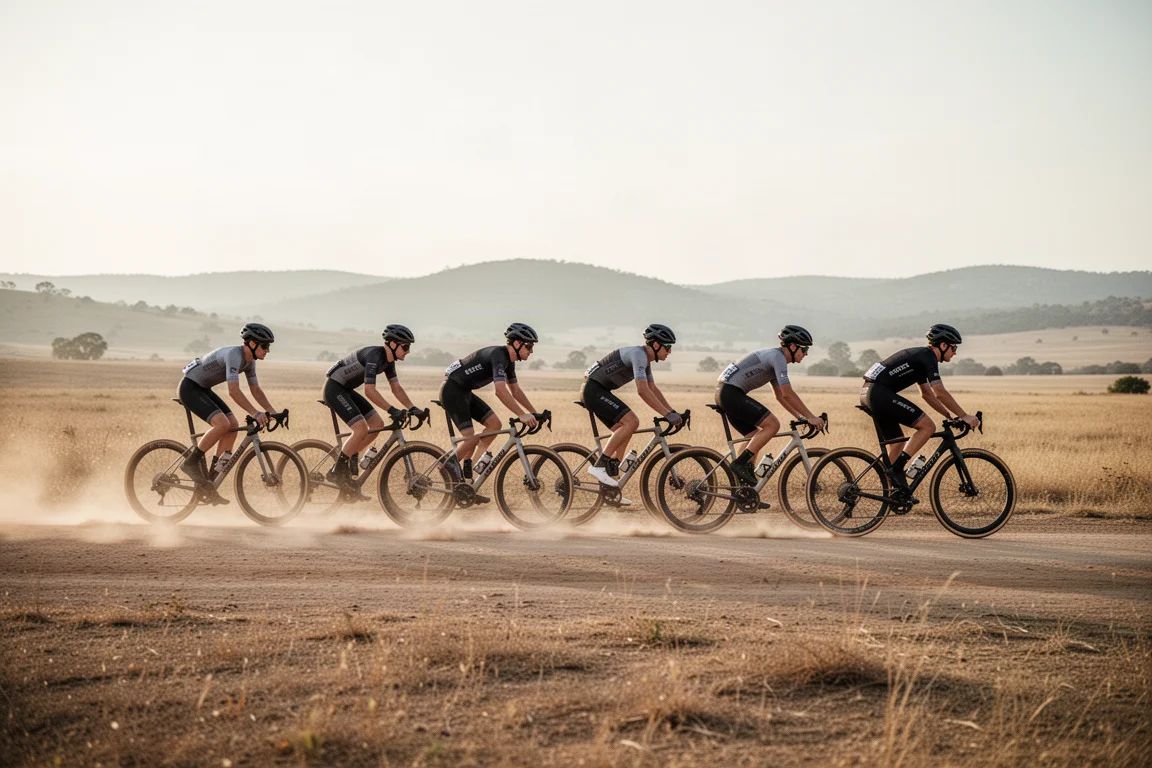
As you would expect, the fine tread and lack of pronounced shoulder knobs mean it is not great on wet or technical terrain. The Super Race carcass offers decent puncture protection, but riders planning bikepacking or multi-day epics should look for something more robust.
The G-One R is easy to fit, which is a real plus on race day. It is not the toughest tire here, it is not the best in mud, and it is significantly pricier than other gravel tires, so it makes most sense as a dedicated fast option.
Teravail Rutland Light and Supple
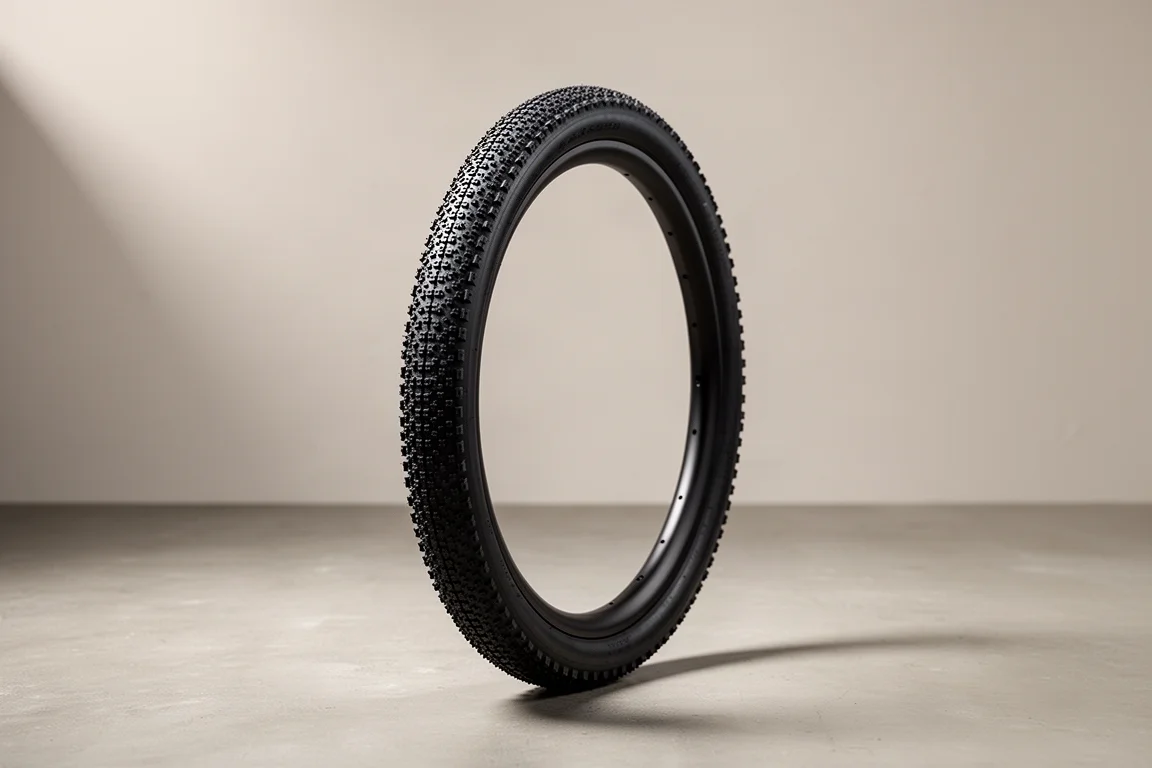
The Rutland Light and Supple is one of the easiest tires to set up tubeless in this entire roundup. It inflated with a regular track pump, which is impressive given that many tires demand a compressed air canister or a dedicated high-volume pump.
It is designed as a four-season all-rounder, with widely spaced transition lugs on the sides to aid mud shedding and add grip in the wet. It does not look as aggressive as some dedicated winter tires, yet it genuinely delivers in properly wet or muddy conditions.
For its balance of grip and speed, it stands out as one of the most complete tires here. Riders who want a single tire that handles everything well will find a lot to like.
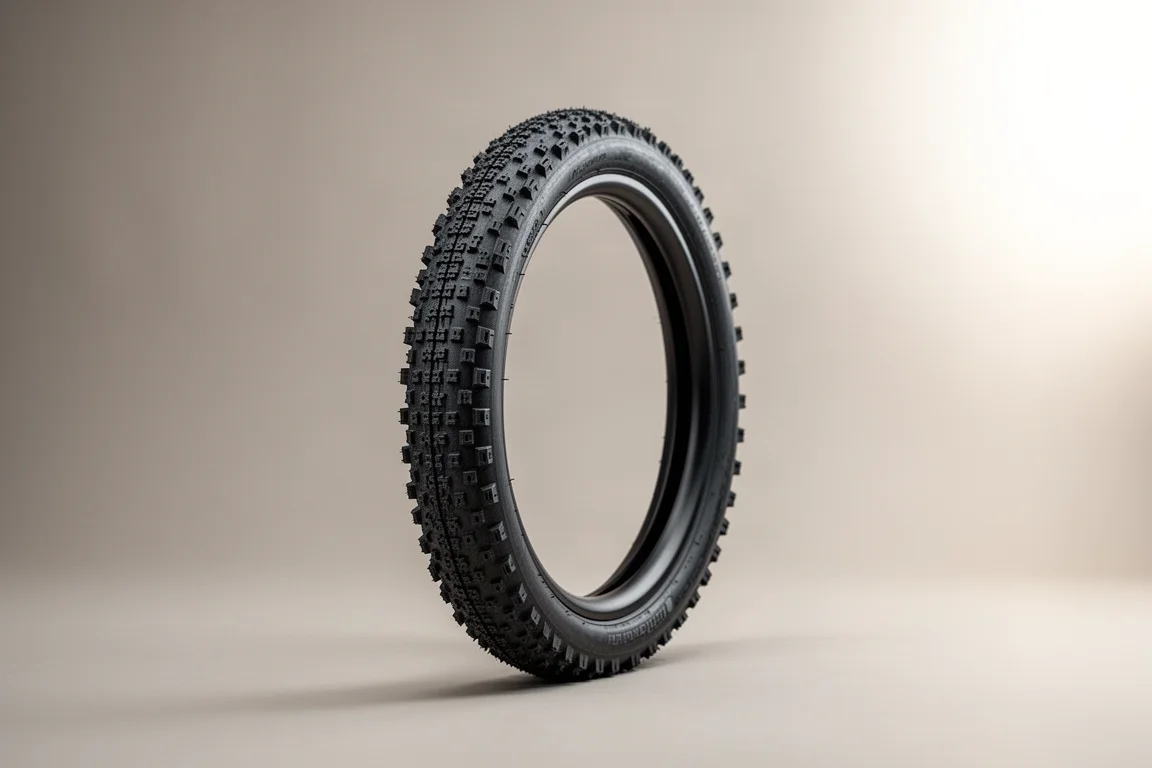
Vittoria Terreno Dry
Vittoria makes some of the fastest road tires around, and its gravel offering carries that reputation forward. The Terreno Dry generates speed incredibly well, thanks to a semi-slick tread down the middle paired with larger shoulder knobs that help it hold its own in wet conditions.
Deep mud will still be too much for it, but on surfaces like wet roots it delivers a surprising amount of grip. The caveat concerns the lightweight TLR casing, which proved susceptible to damage during testing. Riders who prioritise durability should look at the TNT version instead, which uses a reinforced sidewall and tread for far better puncture protection on gravel.
Speed and grip, including in the wet, make this one of the best gravel tires on the market. Just choose the casing that matches your priorities.
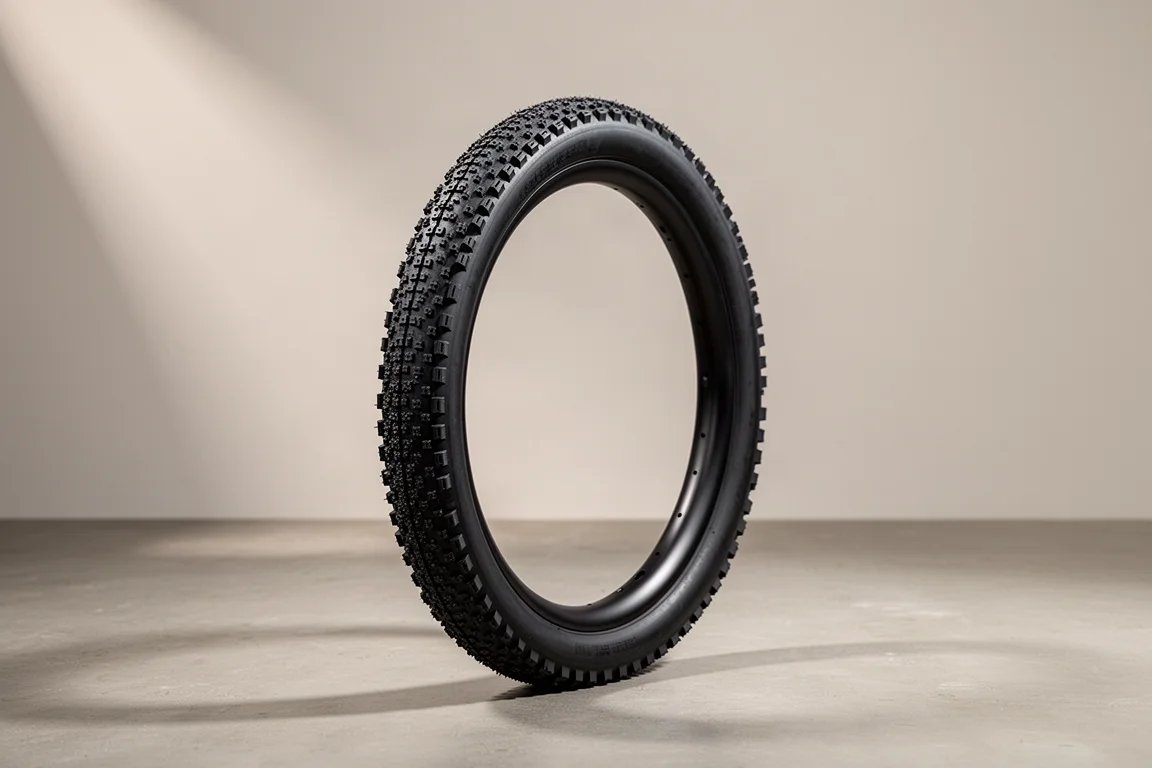
WTB Resolute
Most tires in this roundup chase speed and work best in dry, less technical conditions. The Resolute sits at the other end of the spectrum, built for rowdier, more technical off-road riding.
The tread features smallish square knobs tightly spaced down the centre, which become more widely set toward the outside for bite in tricky terrain and plenty of confidence when you lean the bike over in corners.
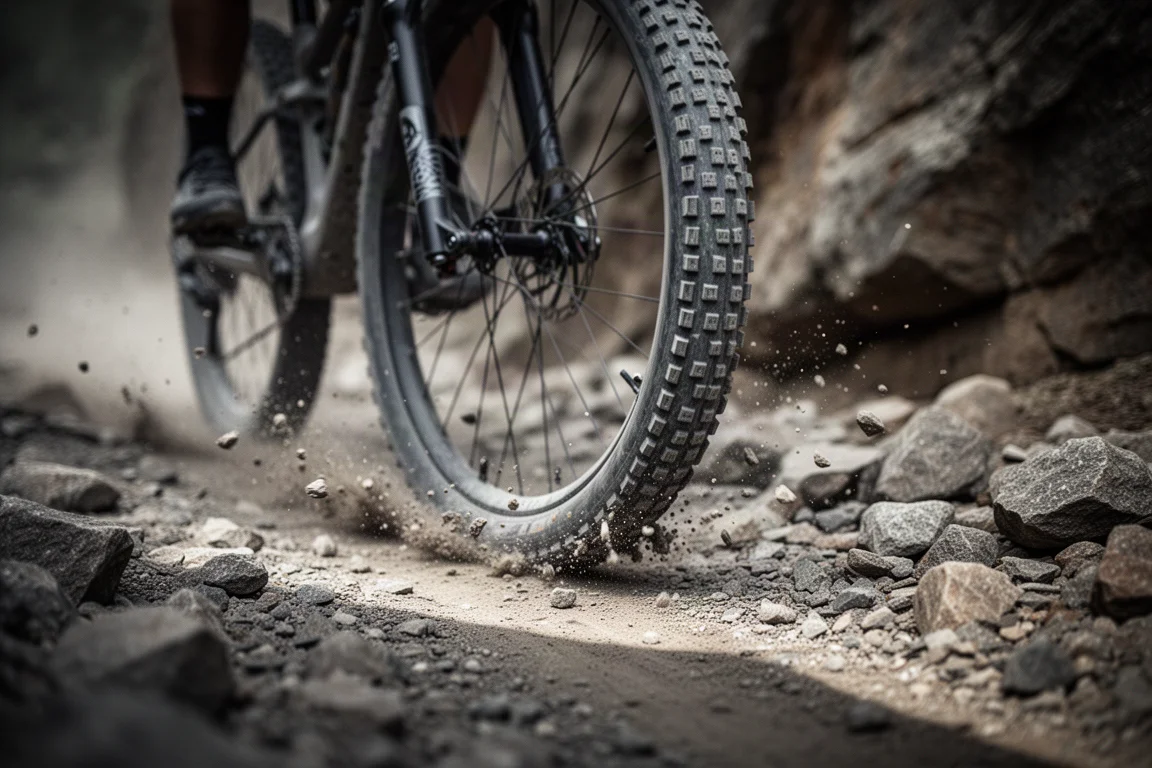
As you would expect, that capability comes with a cost on tarmac. The Resolute feels a fair bit draggier than the faster tires here, so it is not ideal for road riding. That is the compromise that comes with excellent off-road grip and strong performance on rocky terrain, and for technical riders it is a trade worth making.
Three More Options Worth Considering
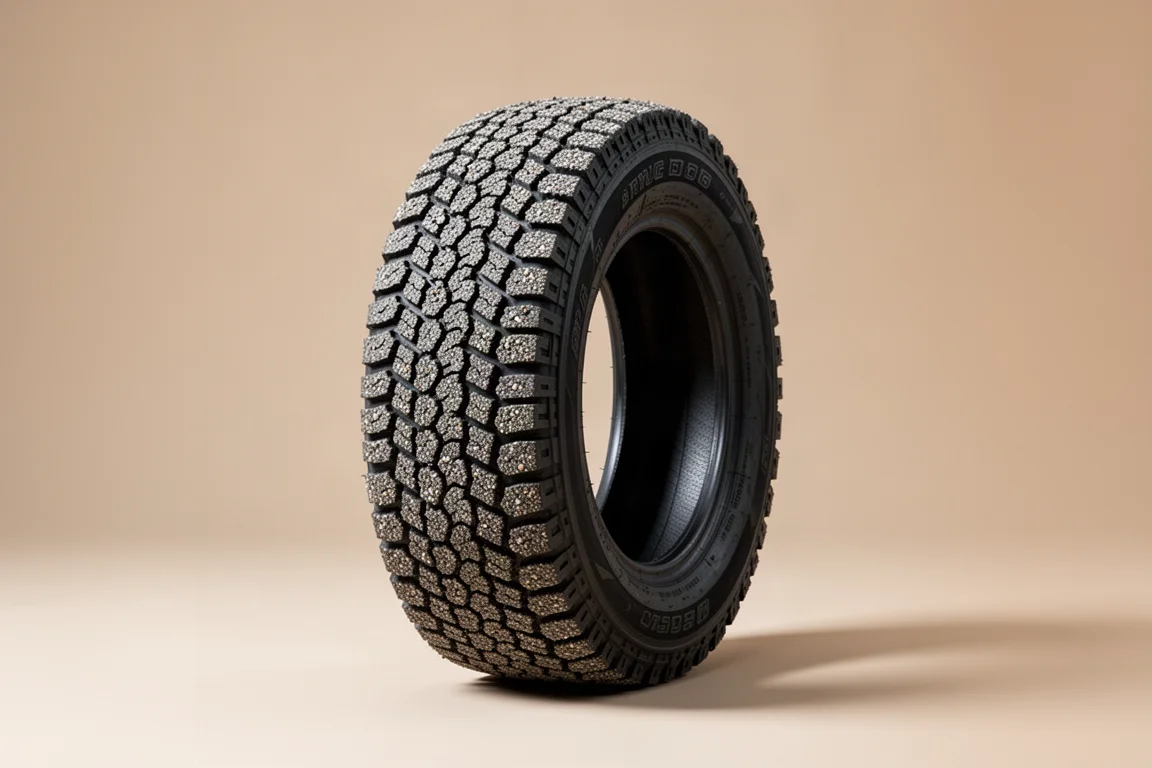
The eight tires above are the strongest all-round picks, but three more deserve a place on your shortlist depending on how and where you ride.
Panaracer GravelKing SK3
If you want something a little racier, the GravelKing SK3 is a versatile all-rounder aimed at smoother trails and pavement. It feels comfortable and speedy, although cornering ability did not fully convince. A sensible choice for riders who spend most of their time on easier surfaces.
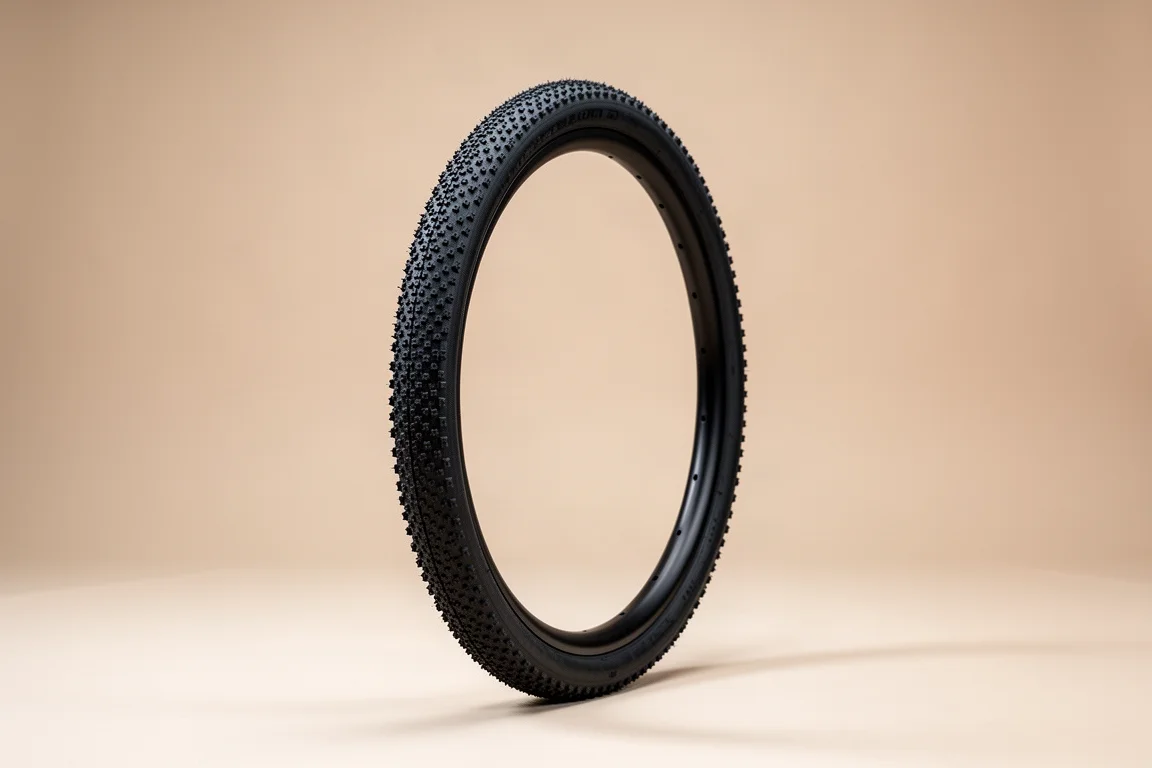
WTB Nano
Riders in rocky landscapes should take note of the Nano. It impressed with how it handled rockier terrain, and it has been raced across Iceland without any podium ambitions, purely as a test of composure, where it seriously impressed. The tread pattern is repurposed from mountain bike designs, so off-road performance is particularly good. The trade-off is that it is not the quickest option on tarmac.
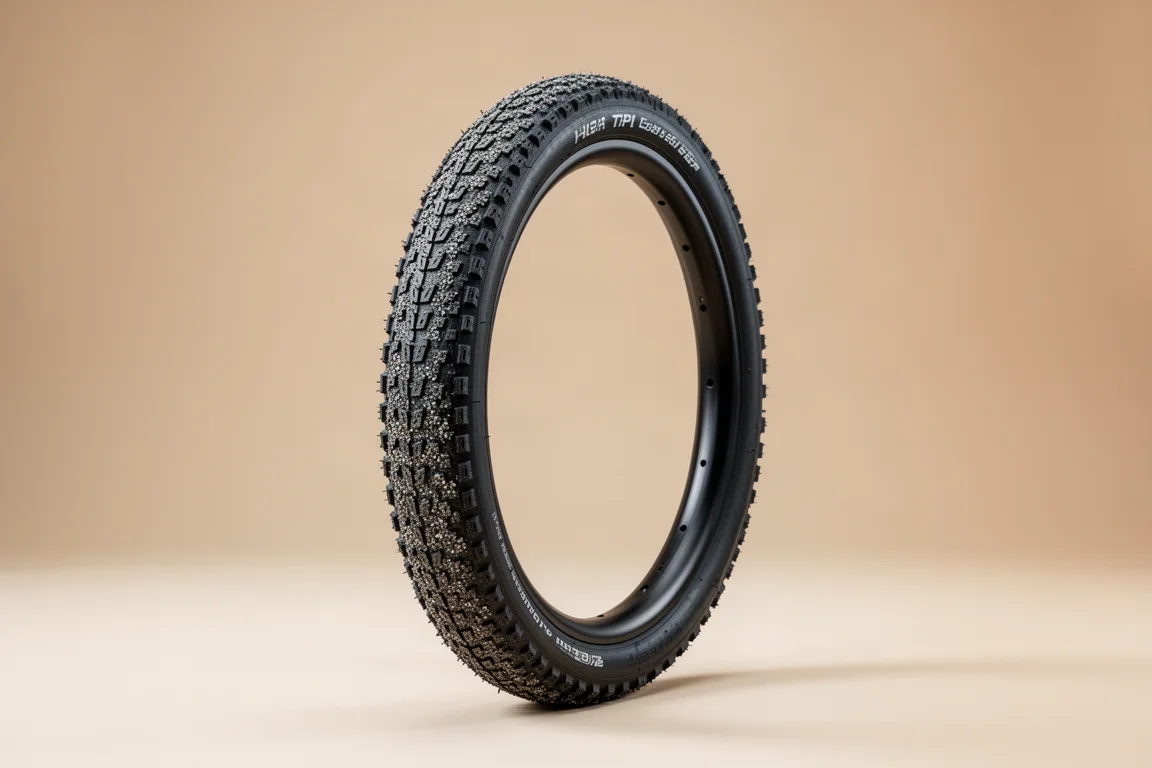
Schwalbe G-One Bite
The G-One Bite is a great all-round tire, built to handle muddier, wetter terrain, and it has proven hard to overwhelm over a year of riding on a gravel bike. The caveat is that it can feel sluggish on smoother gravel, so it suits riders whose routes lean toward the rougher end of the spectrum.
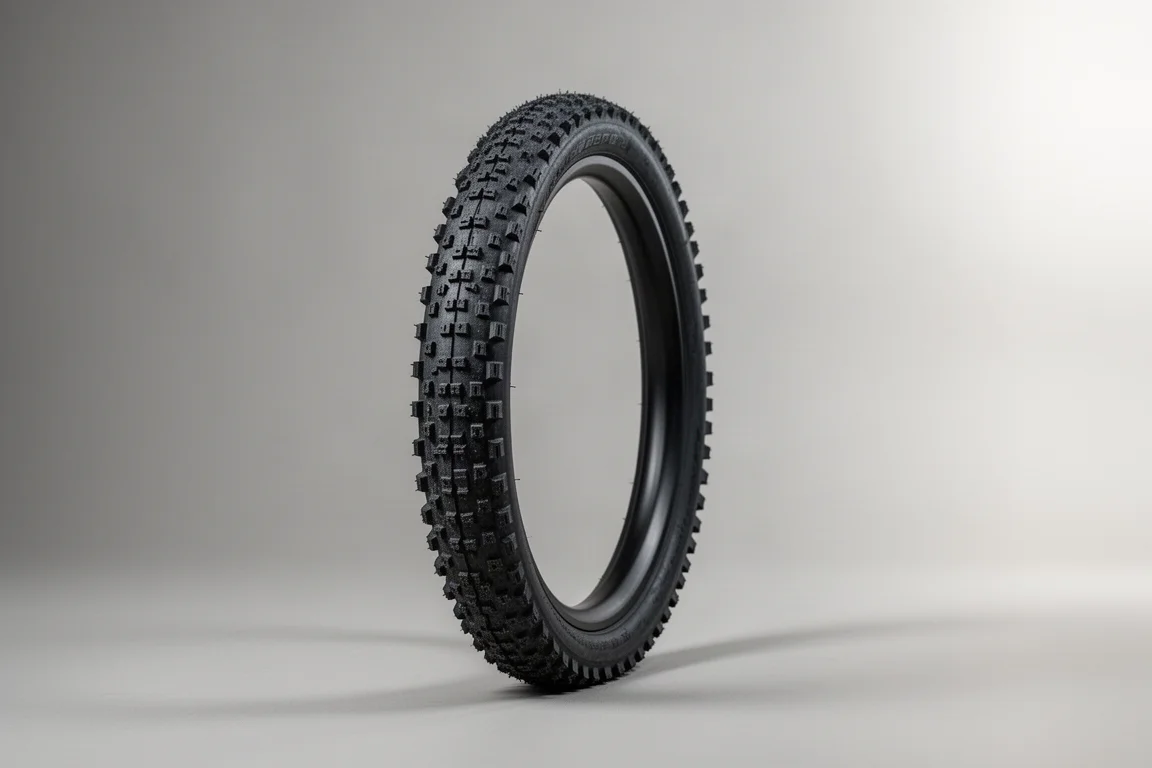
Overall Buying Advice
There is no single best gravel tire, only the one that matches your terrain and your priorities. If outright speed matters most, the Schwalbe G-One R, Vittoria Terreno Dry and Continental Terra Speed are the picks to weigh against each other, with the G-One R the sharpest of the three for racing and the Terreno Dry the more versatile in wet conditions.
If you want one tire to handle a wide range of conditions without fuss, the Pirelli Cinturato Gravel M and the Teravail Rutland Light and Supple are the most complete all-rounders here, and the Rutland’s easy tubeless setup is a genuine practical advantage.
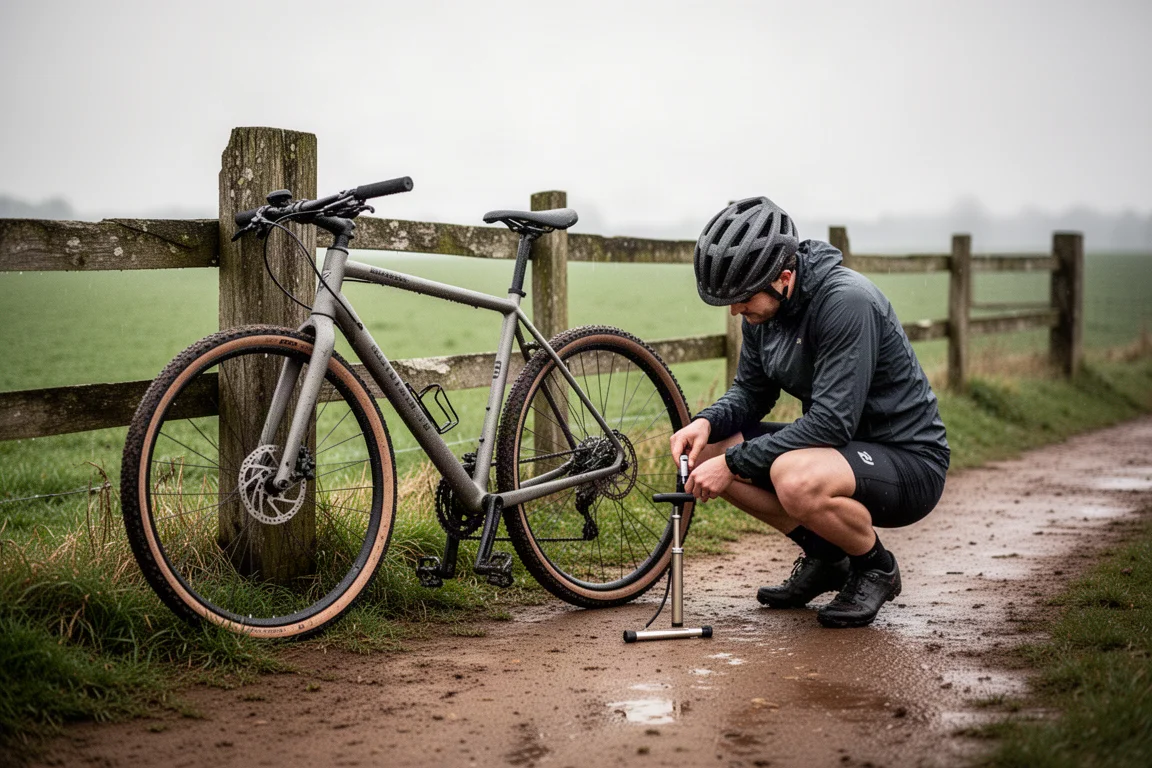
Riders who spend their time on technical trails, rock and mud should lean toward the WTB Resolute, WTB Nano or Schwalbe G-One Bite, accepting a little extra drag on tarmac in exchange for grip where it counts. Bikepackers and multi-day riders should prioritise a robust casing and wider sizes over the lightest, fastest construction.
Two practical points apply regardless of which tire you choose. Check your frame’s tire clearance before buying, especially if you are considering a wider size or a 650b setup. And budget for the fact that gravel tires are consumables, not lifetime purchases, so a slightly tougher casing often costs less over several seasons than a fast one you replace more often.
Conclusion
The gravel tire market rewards a little homework. Decide where you actually ride, how much mud and rock you genuinely encounter, and whether you value speed or durability more, and the right choice usually becomes obvious.
Any of the tires here will serve a rider well when matched to the right conditions. The fastest options reward dry, fast courses, the all-rounders cover the widest range, and the aggressive treads pay you back on the rough stuff. Pick for your terrain first, and the rest tends to fall into place.
Further reading
Related Reviews
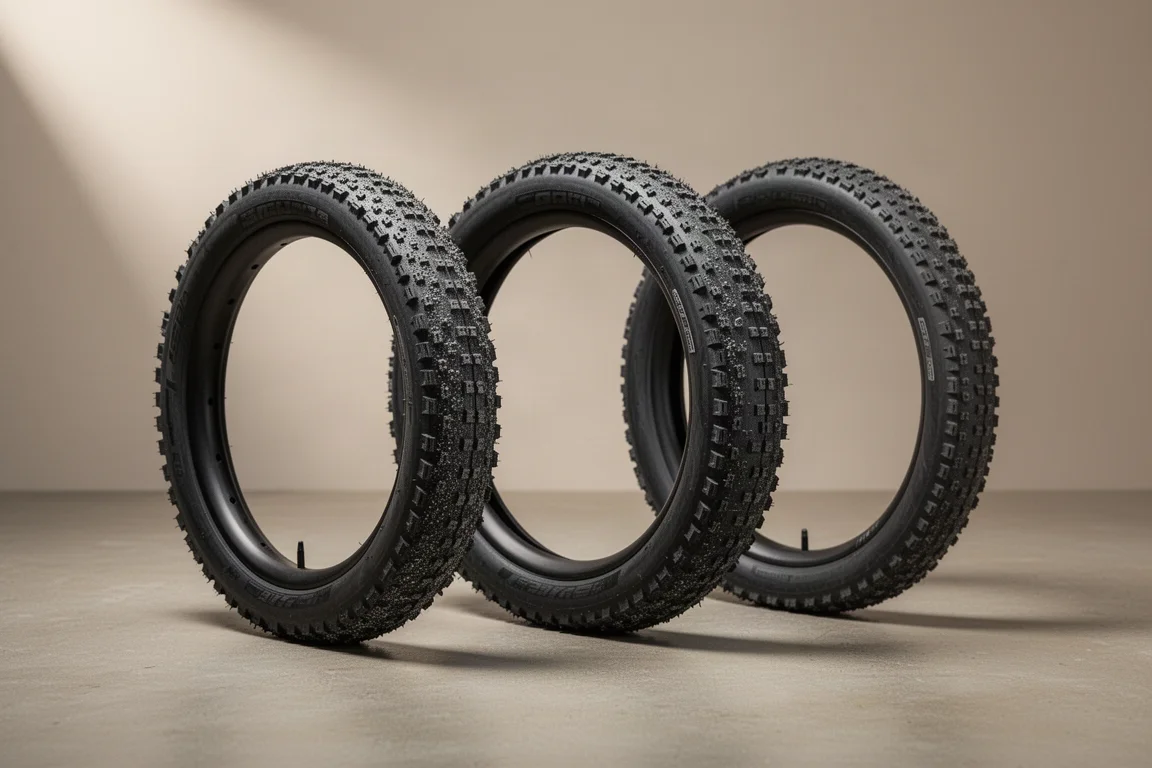
Gravel Tires
Pirelli Cinturato M Review: How Much Does Gravel Tire Width Really Matter?
A practical look at the Pirelli Cinturato M in 40mm, 45mm, and 50mm widths, and what the differences mean for speed, grip, comfort, and frame fit.
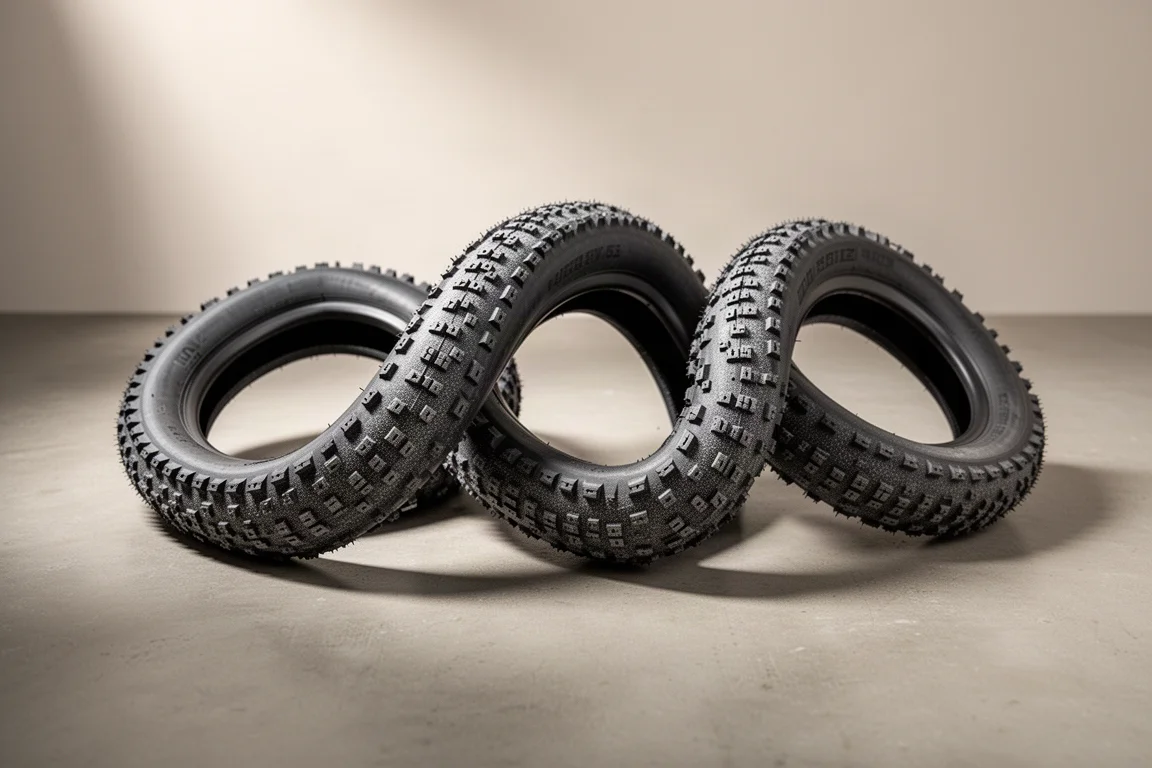
Gravel Tires
Pirelli Cinturato M Review: Choosing the Right Gravel Tire Width
A close look at the Pirelli Cinturato M in 40, 45 and 50 mm, and what real-world testing suggests about gravel tire width, speed, comfort and frame clearance.
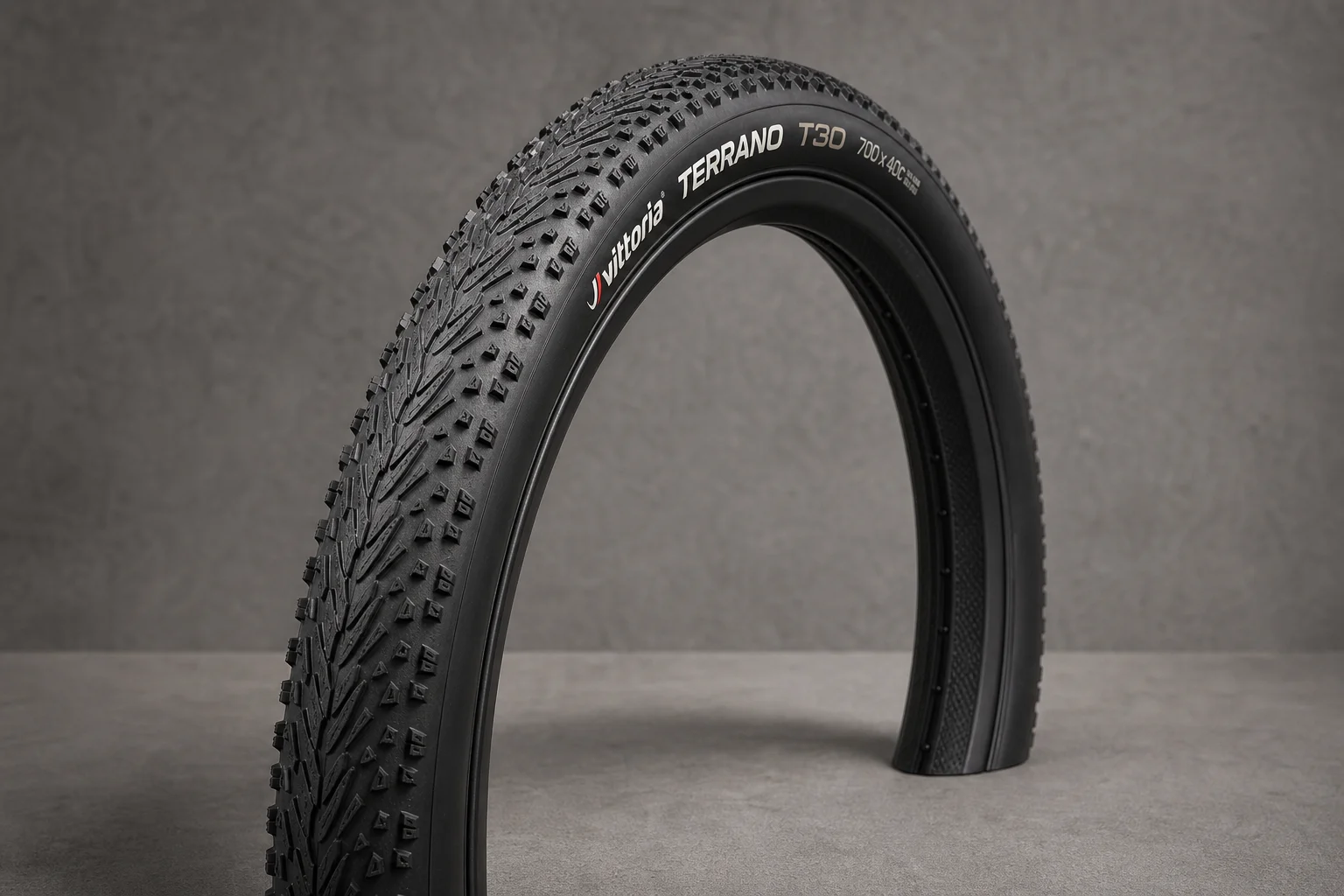
Gravel Tires
Victoria Terrano T30 Gravel Tire Review: Built for Durability-Focused Riders
Victoria's new Terrano T30 gravel tire is designed for fine gravel and loose surfaces. It is a strong option for riders who care most about durability and air retention.