Gravel Tires
Pirelli Cinturato M Review: How Much Does Gravel Tire Width Really Matter?
A practical look at the Pirelli Cinturato M in 40mm, 45mm, and 50mm widths, and what the differences mean for speed, grip, comfort, and frame fit.
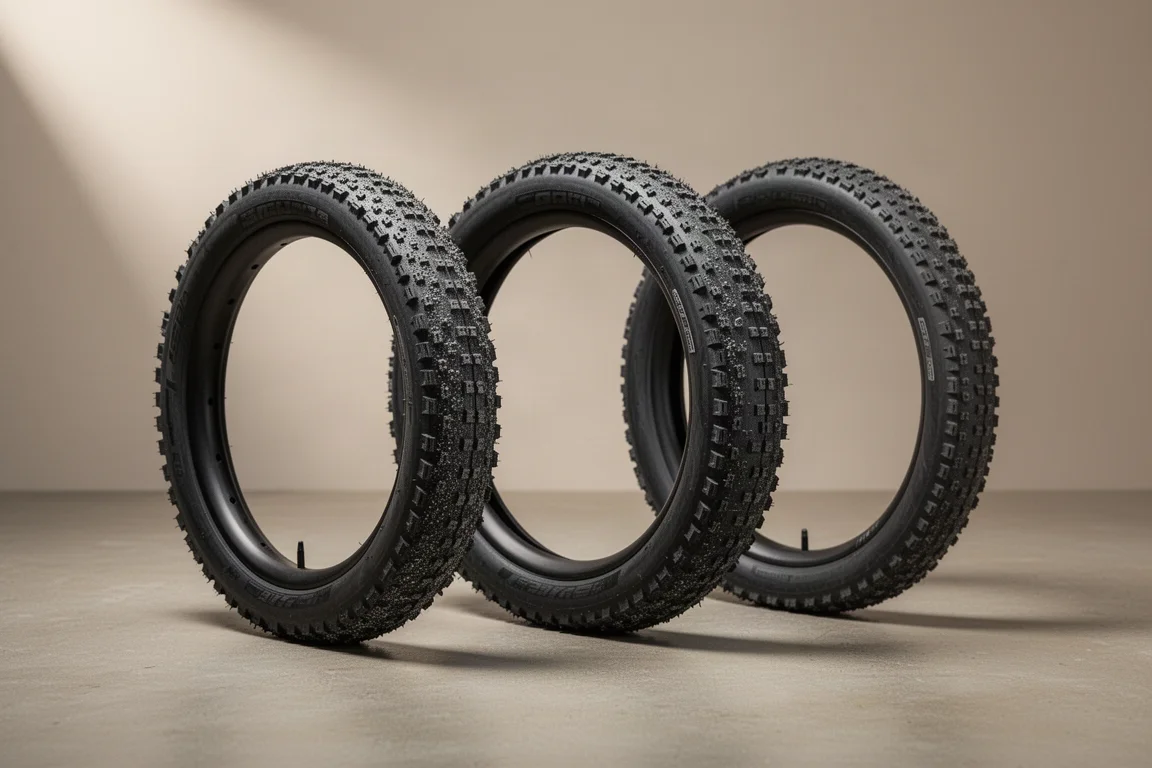
Introduction
Gravel tire width has become one of the most debated numbers in cycling. A decade ago the assumption was that narrow rubber was faster everywhere. Today the opposite is broadly accepted: wider tires can roll well at the same pressure while absorbing more of the vibration that would otherwise slow a rider down.
That raises an obvious question for anyone shopping for a gravel tire. If wider is faster on tarmac and more comfortable on dirt, why not simply fit the widest tire the frame will accept? A back-to-back comparison of the Pirelli Cinturato M in 40mm, 45mm, and 50mm on identical wheels and the same gravel track offers a useful answer, and it is more nuanced than the headline trend suggests.
What the Cinturato M Is Designed For
The Cinturato M is a treaded gravel tire, and that tread is the reason it exists. On loose dirt, dust, and mud, the knobs provide the grip needed to pedal, brake, and steer with confidence. The trade-off is that the same tread adds rolling resistance, and lab data comparing the Cinturato M with a smoother-tread Cinturato in the same family puts the cost at roughly 2 watts per tire.
That figure matters when choosing a width. More volume does not automatically mean more tread, but the two often arrive together, and a wider tire turns over more rubber with every pedal stroke.
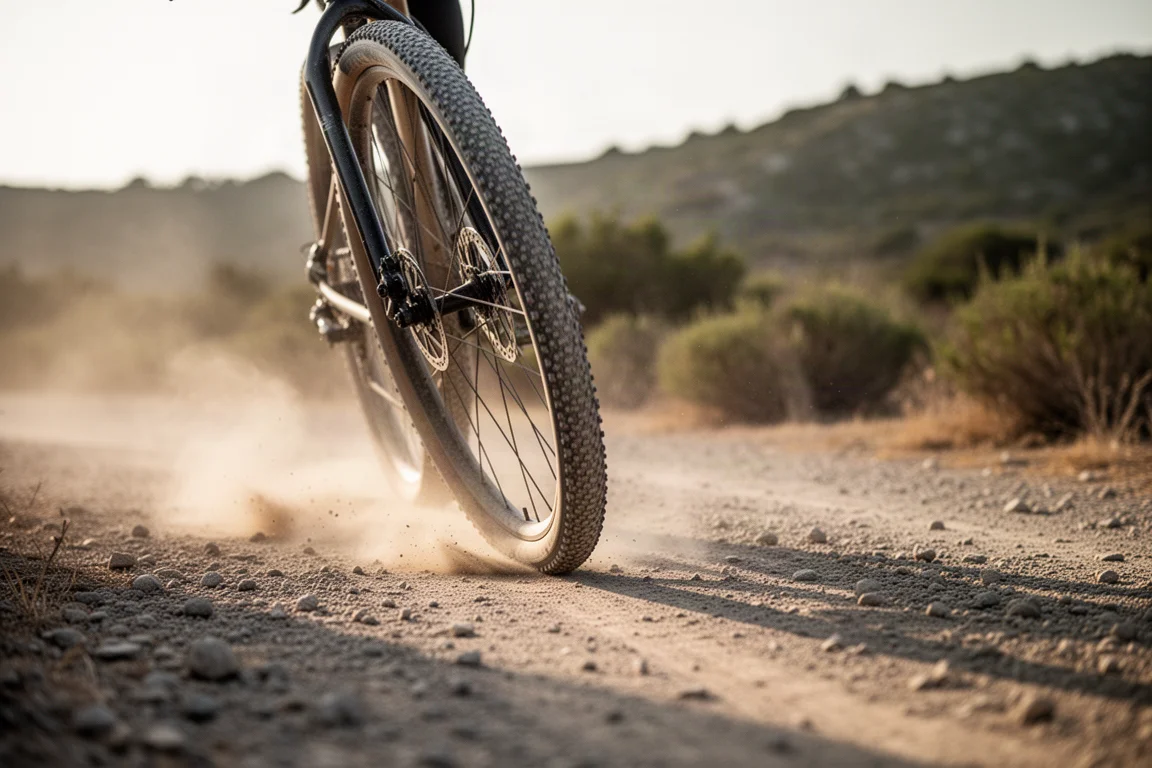
In practice the Cinturato M is aimed at riders whose gravel includes genuine dirt rather than graded fire roads alone. If most of your riding happens on hardpack and tarmac, a less aggressive tread will be quicker. If your routes include mud, loose gravel, or long stretches of rough track, the grip on offer is worth the small rolling-resistance penalty.
How the Width Test Was Set Up
Three pairs of Cinturato M tires were mounted on three sets of identical wheels, a Vision Triax AGX with a 23mm internal rim width. Everything else about the setups matched: the same frame model, the same gearing, the same rider position. The only variable was tire width, at 40mm, 45mm, and 50mm.
Tire pressure was set separately for each width using a tire pressure calculator rather than a single number applied across the board. That matters, because the recommended pressures varied considerably between sizes, with roughly 10 psi separating the narrowest and widest setups.
Each width was then ridden out and back on the same mixed gravel track at a target of about 300 watts normalized power, so that measured effort rather than perception would decide the result. The track was not exceptionally chunky, but it was rough enough that a road bike would have been the wrong tool.
What the Stopwatch Showed
The results were closer than the debate around tire width would suggest. On the first set of runs, the 45mm tire was fastest at 28.3 km/h average, the 50mm came in at 27.7 km/h, and the 40mm was slowest at 27.2 km/h, all at around 303 watts normalized. A second run on the 50mm returned 27.8 km/h at 301 watts, confirming that the middle placing was repeatable.
The second rider’s data pointed in a different direction. For that rider the 40mm was fastest, the 50mm came next, and the 45mm was slowest. Taken together, the entire spread across all three widths came to about 1 km/h, which sits well inside the noise created by line choice, surface variation, and outdoor conditions.
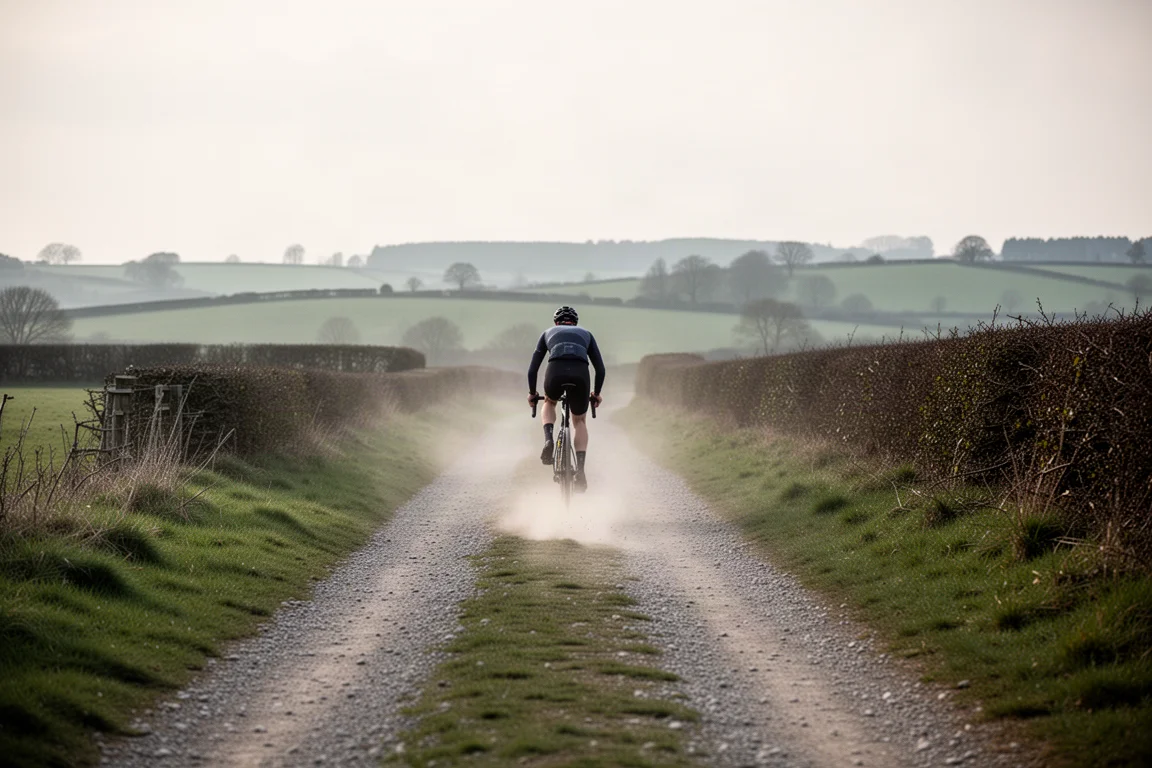
The reasonable conclusion is not that width is irrelevant, but that between 40mm and 50mm on mixed gravel the difference is small enough that it should not be the deciding factor. What the runs did show clearly is that a wider tire is not holding a rider back in the way many people assume.
Main Strengths: Grip, Comfort, and Control
Where the Cinturato M separates itself from a narrower or smoother tire is in everything that happens outside the stopwatch. The 40mm felt fast and raw, demanding more deliberate line choice and more attention to obstacles. The 50mm felt smooth and composed, and notably it still felt like a gravel bike rather than something sluggish or vague.
That composure translates into real advantages over a long ride. A wider, treaded tire brakes later and harder, takes rock strikes with less risk of a puncture, and keeps the bike more settled when the surface deteriorates. Comfort is part of the same equation: a rider who is not being shaken apart is a rider who can still put power down in the final hour, which often matters more than a marginal difference in rolling speed.
Things to Consider Before Buying
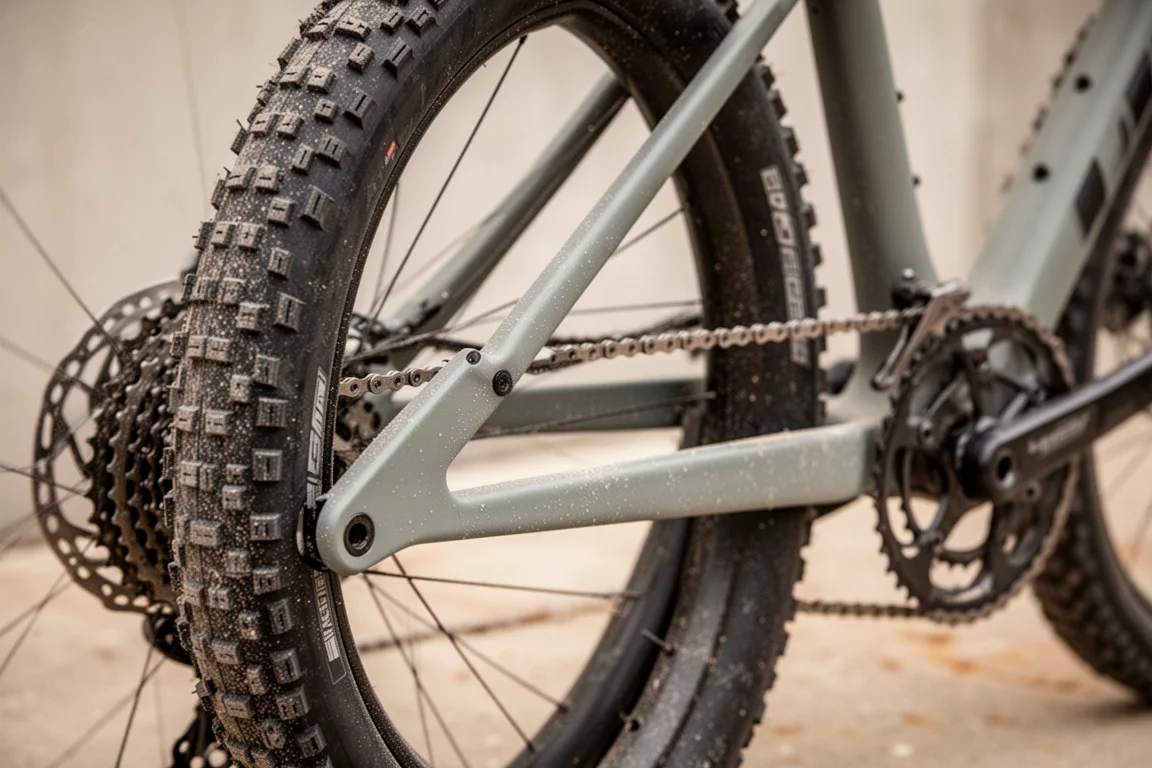
The first constraint is frame clearance, and it is stricter than many riders expect. Not every gravel bike will accept a 50mm tire, and a significant number will not accept a 45mm tire either. Most gravel bikes are supplied with 45mm rubber, and for many models 45mm is the practical ceiling.
That is partly a design decision rather than an oversight. Building a frame that clears 50mm tires while keeping a double chainring, sensible chainstay lengths, and predictable handling is a genuine engineering puzzle, and manufacturers often prefer the narrower option because it delivers the road-like feel many buyers are looking for.
Rim width also changes the equation. The wheels used in this comparison had a 23mm internal width, and a wider rim would alter the tire’s profile and therefore its behaviour on the trail.
Rider weight matters as well. Heavier riders benefit more from additional volume, while lighter riders may find that a 40mm tire provides all the insurance they need when hammering into rough sections.
Buying Advice: Choosing Your Width
Start with what the frame will actually accept, then match the width to the terrain you ride most often. A 45mm Cinturato M is a sensible default for mixed gravel: it carries noticeably more volume than a 40mm without the clearance demands of a 50mm, and in this comparison it produced the fastest run of the day.
Choose 50mm if your frame clears it and your riding regularly includes rough, rocky, or loose surfaces, or if you are a heavier rider looking for maximum control and puncture protection. Choose 40mm if you are light, ride smoother gravel and hardpack, or simply have no room for more. None of these choices will make you dramatically slower, and the wider options bring genuine gains in comfort and confidence.
Where Gravel Tire Width Is Heading
Racing is already ahead of the bikes most riders own. Among the fastest gravel racers, 50mm has become a common choice, and some events have been ridden on tires as wide as 60mm. A 45mm still appears when conditions are fast and dry in midsummer, but the overall direction is unmistakably wider.
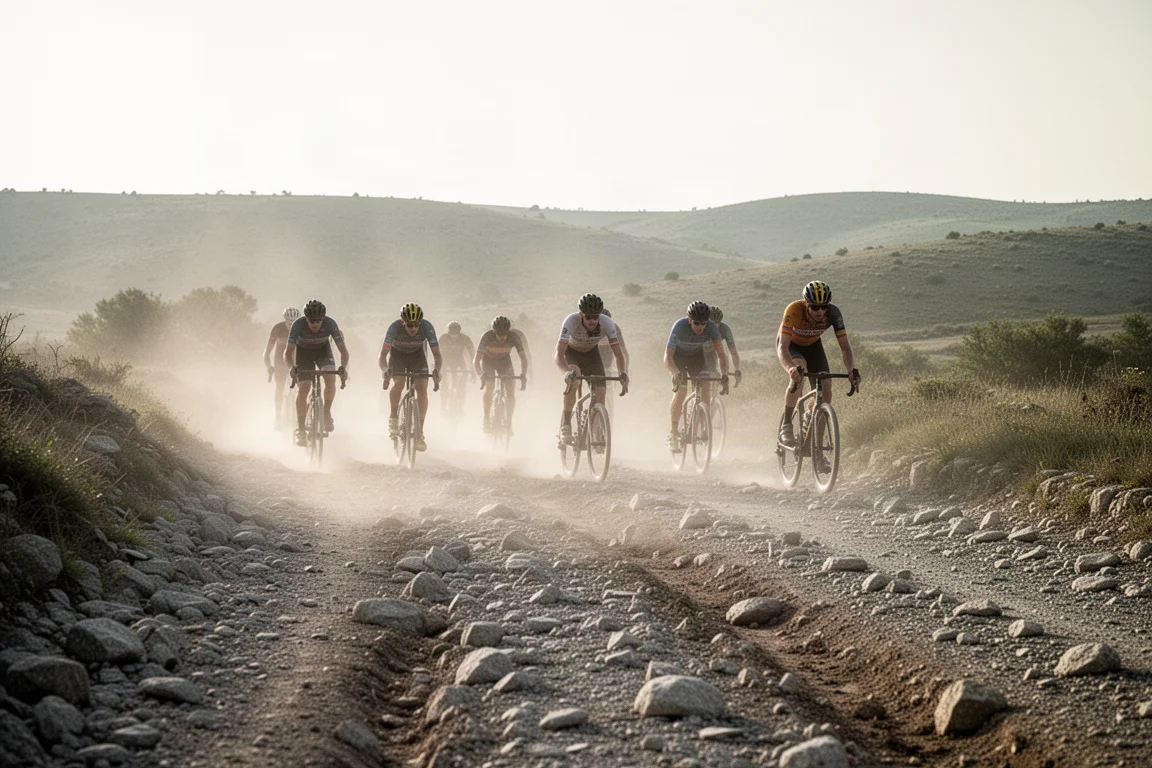
That trend will take time to reach production frames, because clearance is limited by frame design rather than by tire availability. For now, the practical takeaway from this comparison is that a wider Cinturato M is a safe and comfortable choice where the frame allows it, and that a narrower one is unlikely to cost you meaningful speed.
Conclusion
The Pirelli Cinturato M delivers grip and composure on real gravel, and the width you choose matters less for outright speed than the trend suggests. Across 40mm, 45mm, and 50mm, the difference in average speed came to roughly 1 km/h, while the differences in comfort, control, and puncture resistance were far more noticeable. Pick the widest version your frame accepts if your riding is rough, and a 45mm if you want the middle ground.
Product link
View more details for Pirelli Cinturato M
This product is mentioned in the review. Check the specifications, options, and compatibility before buying.
View more details for Pirelli Cinturato MFurther reading
Related Reviews
Gravel Tires
Best Gravel Tires: 11 Top Picks for Every Riding Style
A practical roundup of 11 gravel tires, from fast race-day rubber to mud-shedding all-rounders and rock-ready treads, with the trade-offs that matter.
Gravel Tires
Pirelli Cinturato M Review: Choosing the Right Gravel Tire Width
A close look at the Pirelli Cinturato M in 40, 45 and 50 mm, and what real-world testing suggests about gravel tire width, speed, comfort and frame clearance.
Gravel Tires
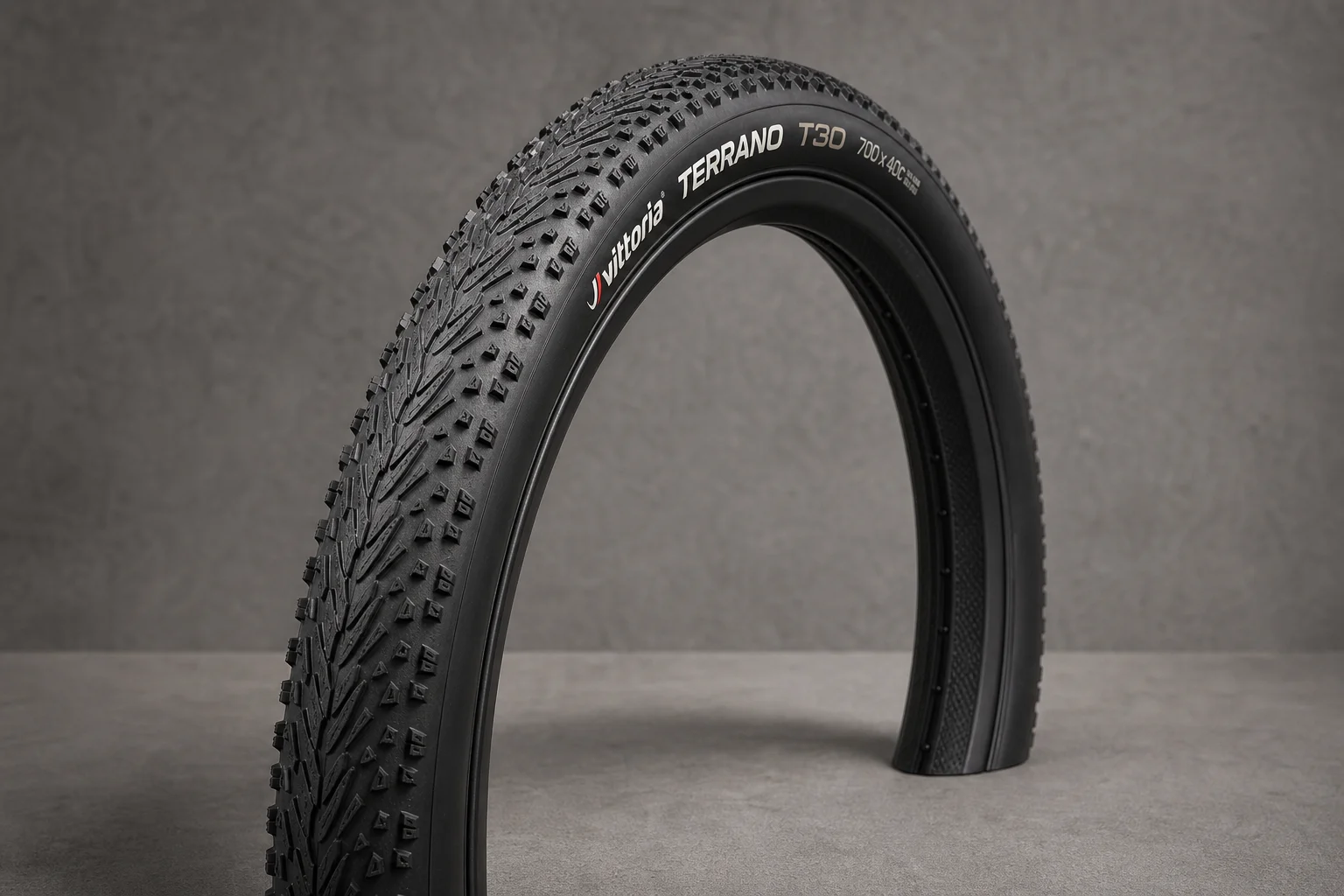
Victoria Terrano T30 Gravel Tire Review: Built for Durability-Focused Riders
Victoria's new Terrano T30 gravel tire is designed for fine gravel and loose surfaces. It is a strong option for riders who care most about durability and air retention.