Gravel Tires
WTB Vulpine and Vulpine S Review: A 45mm Gravel Tire Pair Built for Speed
WTB widens the Vulpine to 45mm and adds the faster rolling Vulpine S. A look at grip, rolling speed, casing, durability, and tubeless setup after 100 miles of gravel.
Introduction
Gravel tire choice has rarely been harder. The category has expanded far beyond what was available a decade ago, and most riders are chasing the same near impossible combination: a tire that rolls fast yet still grips, stays light yet survives rough terrain, and mounts to a tubeless rim without a fight.
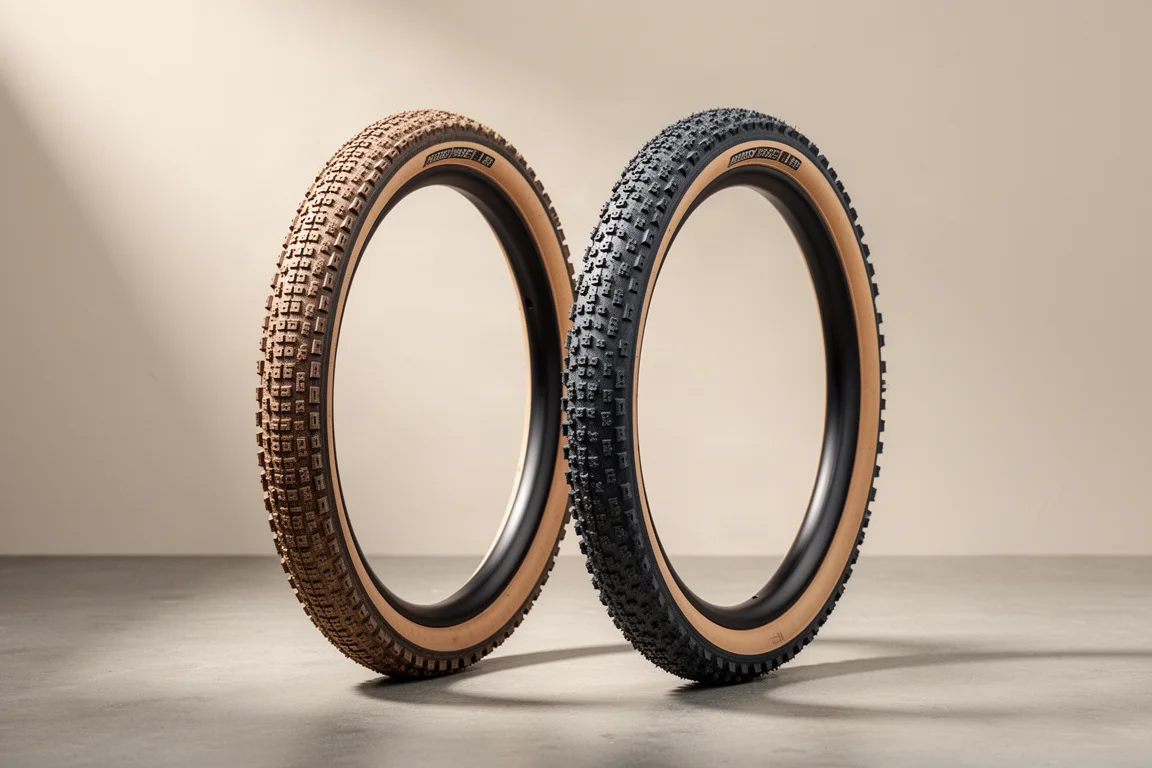
WTB has added two new tires to its gravel range. The Vulpine returns in a wider 45mm size, and it is joined by the new Vulpine S, a faster rolling variant with a smooth centre section. Used together they form a mullet style pairing: more bite at the front for cornering predictability, less rolling resistance at the rear for speed.
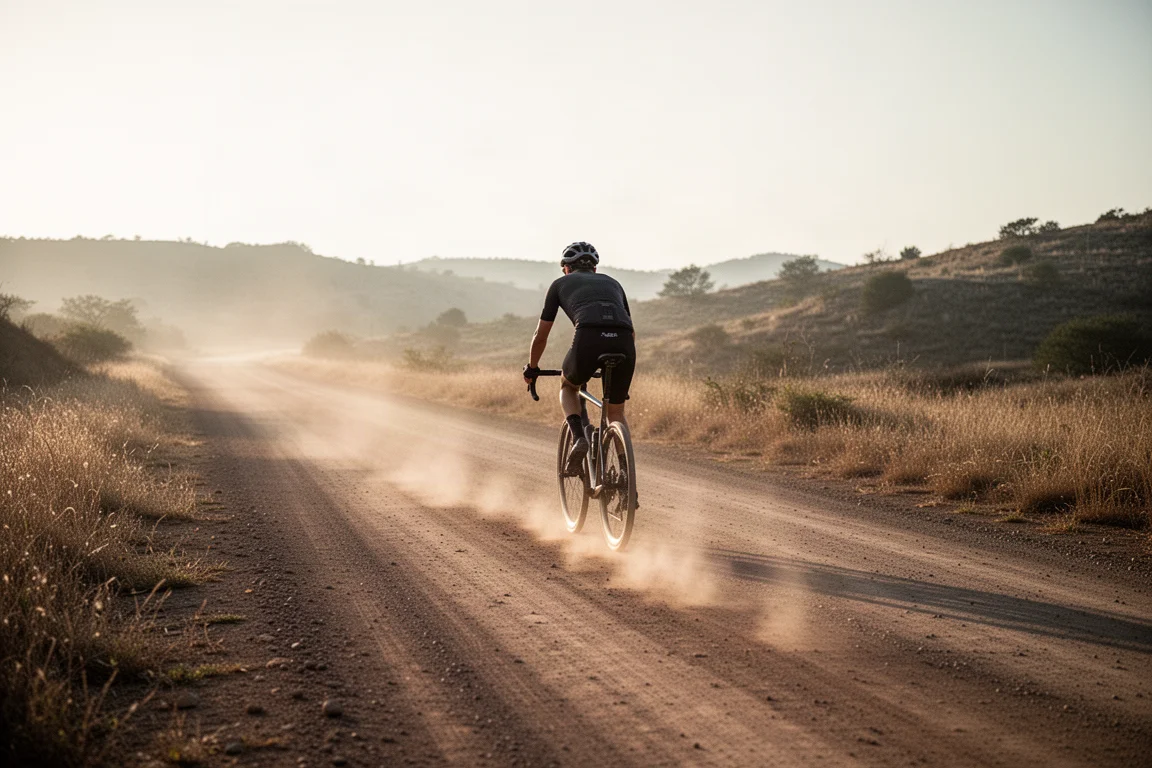
Both tires were ridden over a 100 mile gravel event that mixed long, fast, flowing gravel sections with tighter and more technical singletrack. This is what stood out.
What Is New in the WTB Vulpine Range
The Vulpine was introduced around three years ago as a race focused gravel tire, originally in a 36mm width. A 40mm version followed and became a common fitment on new bikes. The new 45mm size is the headline change, and for riders who prefer wider rubber it is a welcome one. The extra volume brings more cushioning, comfort, and traction, and the wider option has not come with an obvious penalty in speed or weight for the type of riding these tires are built for.
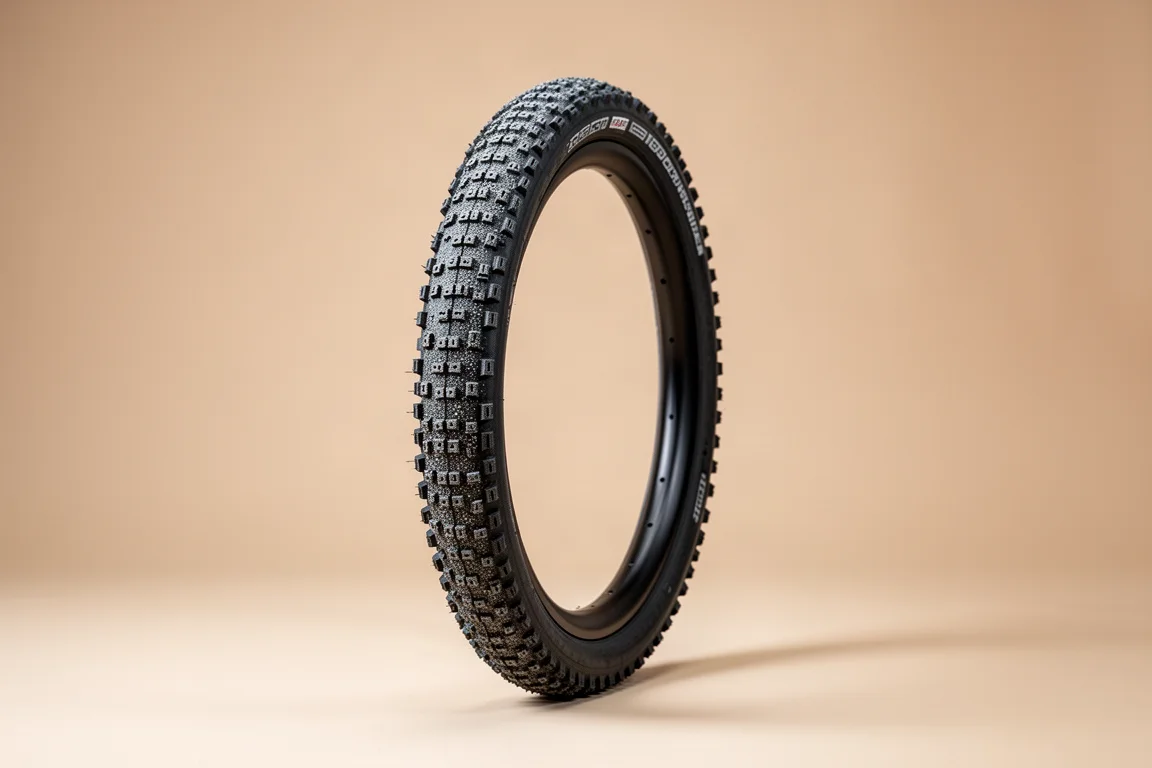
The Vulpine S is the second new addition. Its name points towards speed, and its centre section is slick, a design that will look familiar to anyone who has used a slick centre gravel tire such as the Specialized Pathfinder. That smooth strip makes the tire quick on tarmac and hard packed gravel, with a lighter tread for very light dirt. From the centre outwards, the shoulder tread carries the same pattern as the standard Vulpine, so cornering support is preserved. Both tires share the same 45mm width, which makes pairing them straightforward.
WTB Vulpine 45: The Grip Focused Front Tire
Up front, the Vulpine is the traction half of the pairing. The shoulder tread provides the bite that matters when a corner tightens or when the surface turns loose and loose over hard. On technical, wooded singletrack, the front tire delivered the grip and cornering confidence expected from a treaded gravel tire, and the 45mm volume helps it hold a line at lower pressures.
That volume is central to the appeal. Wider tires allow lower pressures, and lower pressures bring a larger contact patch, more comfort, and more control without the harshness of a narrower tire pumped hard. For riders who value front end security above all else, the standard Vulpine is the more sensible choice of the two.
WTB Vulpine S 45: The Faster Rolling Rear Tire
At the rear, the Vulpine S trades some tread for speed. The slick centre section rolls quickly on tarmac, hard packed gravel, and light dirt, and over the long, fast gravel sections of a 100 mile event it gave a clear sense of speed and low rolling resistance. That is exactly what a rear tire is asked to do in a mullet setup, where the front handles grip and the rear handles momentum.
The shoulder tread still offers support for cornering, so the trade off is not as stark as the slick centre might suggest. Riders who spend most of their time on fast, dry surfaces will likely find the rear tire the more impressive of the two, and it is the one most likely to appeal to riders who want a quick tire without giving up the reassurance of shoulder knobs.
Casing, Puncture Protection, and Tubeless Setup
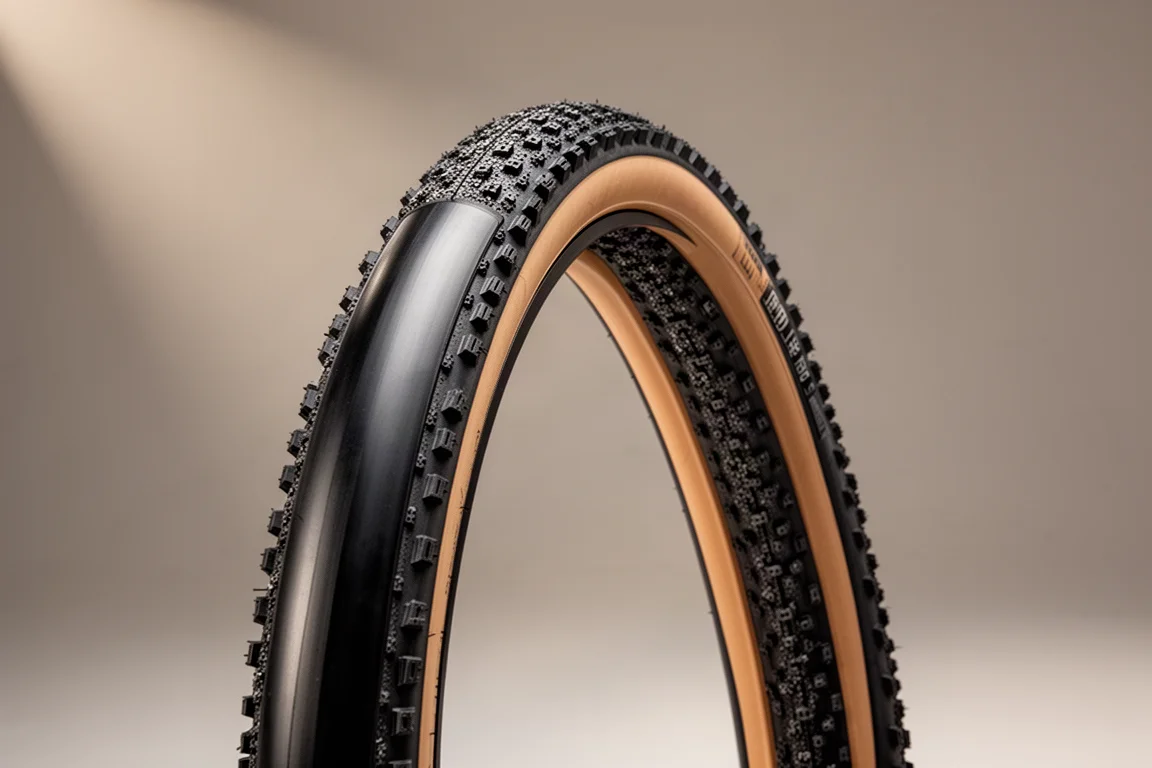
Both tires use a new casing design. WTB introduced its SG2 casing with puncture protection roughly two years ago, and the new version moves to a 120 TPI SG construction. The protective layer now sits on the sidewalls rather than across the entire tread area. The goal is sidewall resilience against off road abuse while improving suppleness compared with the previous design.
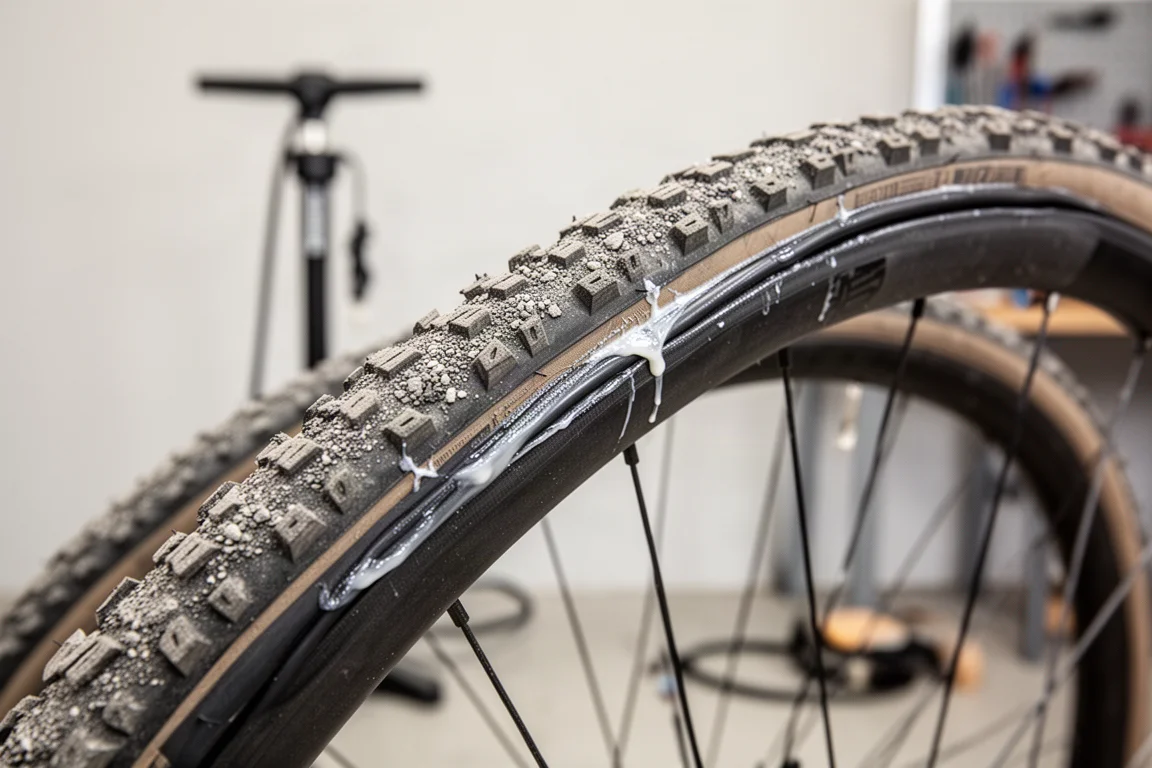
Tubeless setup was refreshingly simple. The tires were mounted using a track pump with a tubeless inflator chamber charged to around 140 PSI, and both tires seated onto the rim with a few audible snaps. No special tricks were needed. Air retention has also been excellent, with no meaningful pressure loss after several days of standing in a garage.
Ride Quality and Speed on Mixed Surfaces
Ride quality is very good relative to other 45mm gravel tires. Judging suppleness accurately is difficult, and the claimed improvement in compliance is hard to verify precisely, but the tires did not feel harsh or wooden over rough surfaces. Combined with the wide 25mm internal rims used during testing, the 45mm tires were run at pressures of roughly 22 to 25 PSI at the front, a very low setting that the casing handled well.
On faster surfaces, the pairing worked as intended. The slick centred rear tire carried speed across hard packed gravel and pavement, while the treaded front tire kept the bike predictable when the surface deteriorated.
Durability and Real World Testing
Gravel tires take a beating, and this pair was no exception. The 100 mile event included rocky, technical trails and several hard rim impacts that produced the familiar clang of metal meeting rock. Despite that, there were no punctures, no slashes or marks on the sidewalls, and the tread remained in good shape. The rims came through intact as well.
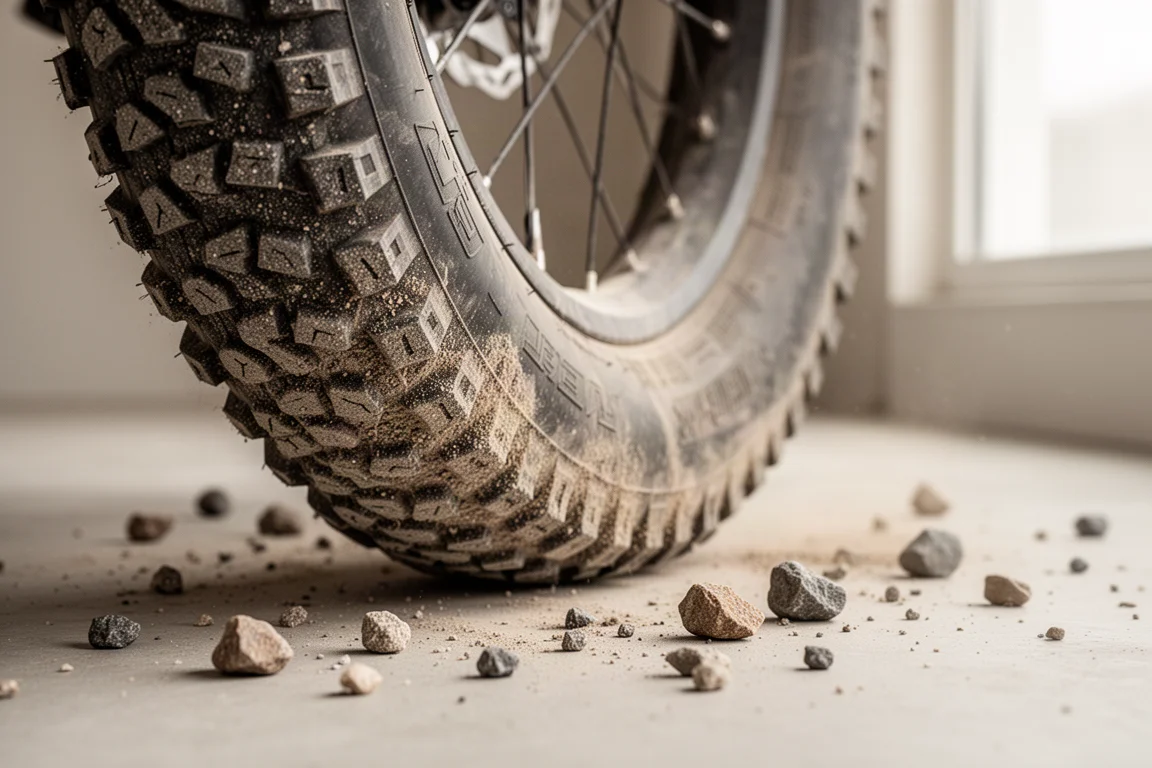
That is a strong first impression, but it is only a first impression. Durability is best judged over months rather than a single event, and a longer term verdict will depend on how the casing and tread hold up through a full season of riding. Riders who want certainty before buying should treat the early signs as encouraging rather than conclusive.
Who These Tires Suit Best
These tires make the most sense for riders whose local terrain is fast and mostly dry. Hard packed gravel, flowing dirt roads, and stretches of tarmac are the natural home of both models, and that is where the combination of a 45mm width and a fast rolling profile pays off most clearly.
Riders who spend their time in deep mud, wet roots, or consistently loose and technical conditions should look at a more aggressively treaded option. The Vulpine and Vulpine S are built around speed and dry condition grip, and that focus defines both their strengths and their limits.
Overall Buying Advice
If a fast rolling, generous 45mm gravel tire for hard packed surfaces and dry conditions is what you are after, this pairing deserves serious consideration. Both tires are reasonably light for their width, easy to mount tubeless, and reassuringly tough in the short term, and they compare well with other high speed gravel tires that have impressed in recent years.
The sensible way to buy is to think about the surface you actually ride. A treaded Vulpine at the front and a slick centred Vulpine S at the rear is a versatile combination for mixed fast gravel. Riders who want maximum speed on tarmac and hardpack can run the S at both ends, while riders who want more cornering bite everywhere can run the standard Vulpine front and rear. Prices vary between retailers, so it is worth comparing before ordering.
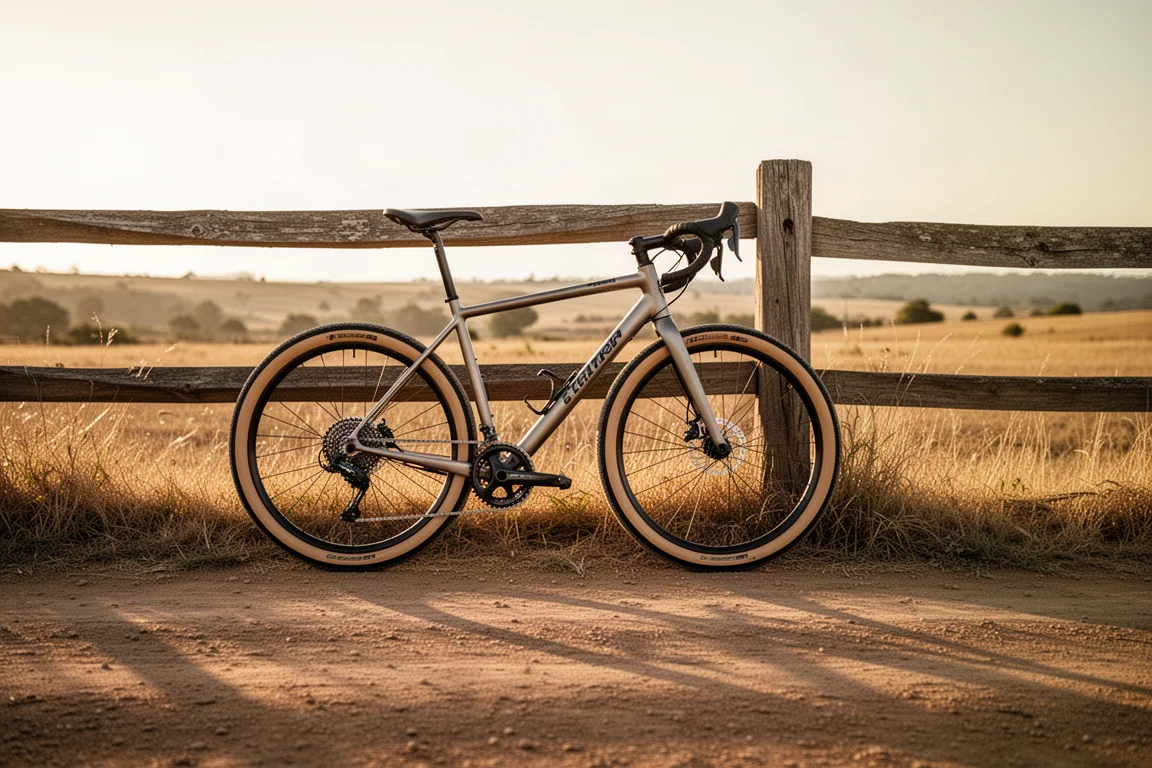
If you already run a wide gravel setup with generous internal rim width, these tires slot in without any drama, and the tubeless installation alone removes a common source of frustration. For riders stepping up from a narrower tire, the 45mm option is the more comfortable and more capable choice, with little obvious cost in speed.
Conclusion
WTB’s wider Vulpine and the new Vulpine S form a genuinely useful pair. The 45mm width adds comfort and traction, the new casing brings sidewall protection without obvious harshness, and tubeless setup is as simple as it should be. Over 100 miles of mixed gravel they proved fast, grippy in dry conditions, and free of punctures. Long term durability remains the open question, but the first impressions are strong, and for riders who want speed on hard packed surfaces, these tires are well worth a closer look.
Further reading
Related Reviews
Gravel Tires
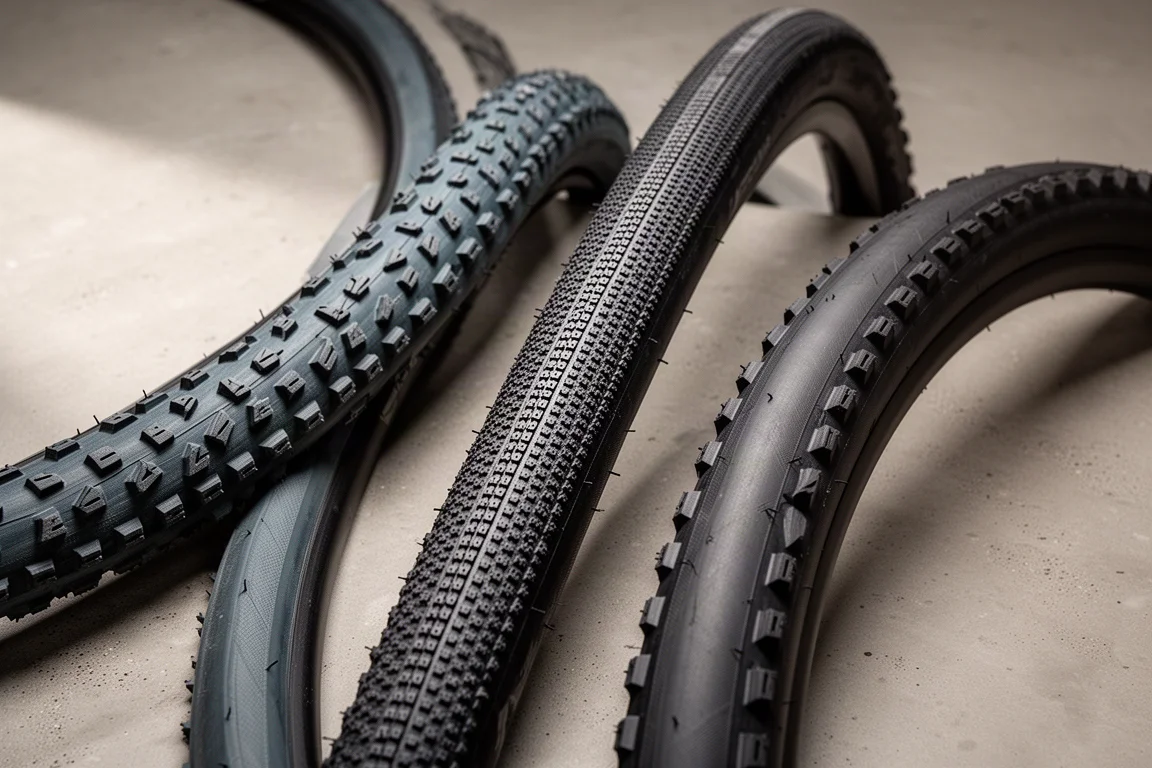
Best Gravel Tires: 11 Top Picks for Every Riding Style
A practical roundup of 11 gravel tires, from fast race-day rubber to mud-shedding all-rounders and rock-ready treads, with the trade-offs that matter.
Gravel Tires
Pirelli Cinturato M Review: How Much Does Gravel Tire Width Really Matter?
A practical look at the Pirelli Cinturato M in 40mm, 45mm, and 50mm widths, and what the differences mean for speed, grip, comfort, and frame fit.
Gravel Tires
Pirelli Cinturato M Review: Choosing the Right Gravel Tire Width
A close look at the Pirelli Cinturato M in 40, 45 and 50 mm, and what real-world testing suggests about gravel tire width, speed, comfort and frame clearance.