Gravel Bike Tires
WTB Vulpine and Vulpine S: 45 mm Gravel Tires Tested Over 100 Miles
WTB expands its Vulpine line with a 45 mm treaded front tire and the new semi-slick Vulpine S, a fast-rolling pairing built for dry gravel.
Introduction
Gravel tire choice has never been wider, and that is not always a good thing. Most riders are chasing the same brief: a tire that rolls fast yet grips, stays light yet survives rough terrain, and still mounts without a fight.
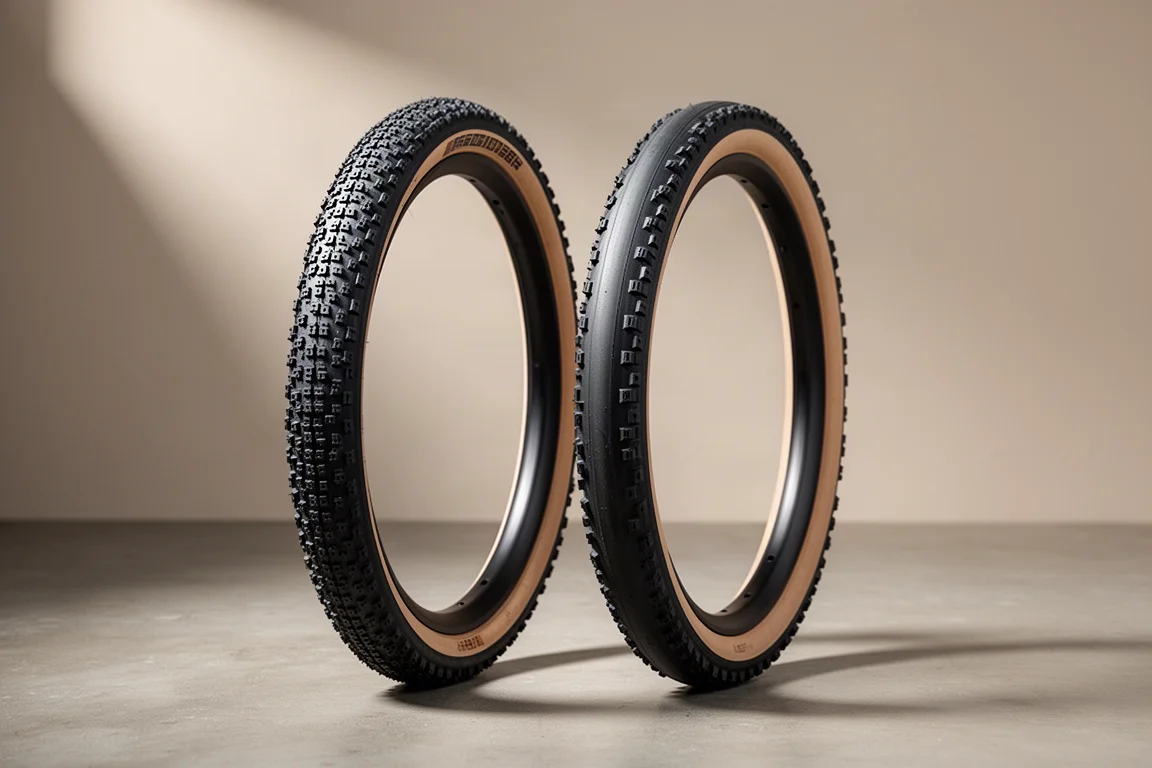
WTB, the US tire brand, has expanded its Vulpine line to answer exactly that. The range now includes a 45 mm Vulpine and the new Vulpine S, a semi-slick design aimed at speed on hard surfaces. Both were ridden over a 100-mile gravel event to see how they behave in real conditions.
How These Tires Were Tested
The test loop was a 100-mile gravel event that mixed long, fast, flowing gravel roads with tighter, technical wooded singletrack. The tires were mounted on a lightweight gravel bike with wide internal rim widths, a solid foundation for a 45 mm tire, and run at low pressures.
The two tires were paired in a mullet setup: a treaded Vulpine up front for cornering grip and predictability, and the semi-slick Vulpine S at the rear for lower rolling resistance. Conditions were mostly dry, which is where this pairing is designed to perform.
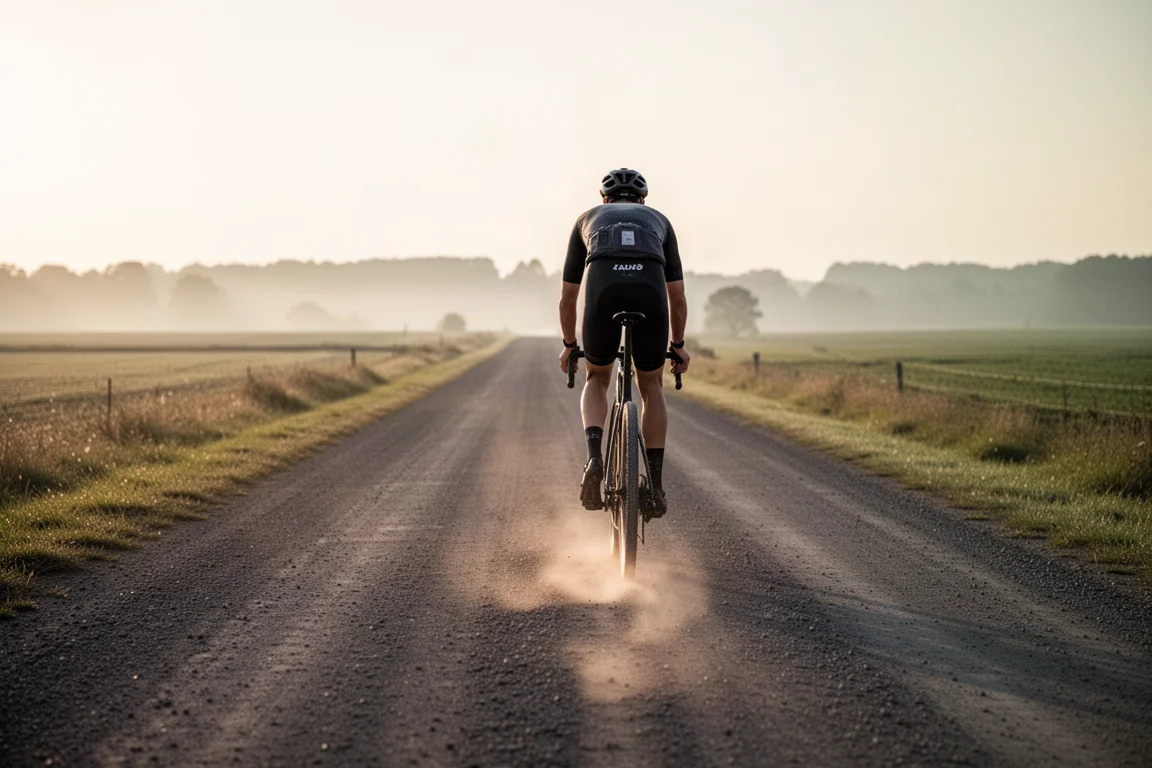
The rear tire gave a strong sense of speed across the fast gravel sections, while the front tire supplied the bite needed once the course turned into loose, rooty singletrack. That division of labour is the core idea behind running the two models together rather than matching a pair.
WTB Vulpine: Grip and Cornering Confidence Up Front
The Vulpine started life as a race-focused gravel tire in a 36 mm width, then gained a popular 40 mm option. The new 45 mm version is the headline change, and for riders who prefer a wider tire it is a welcome one. The extra volume brings cushioning, comfort and traction without an obvious penalty in speed or weight.
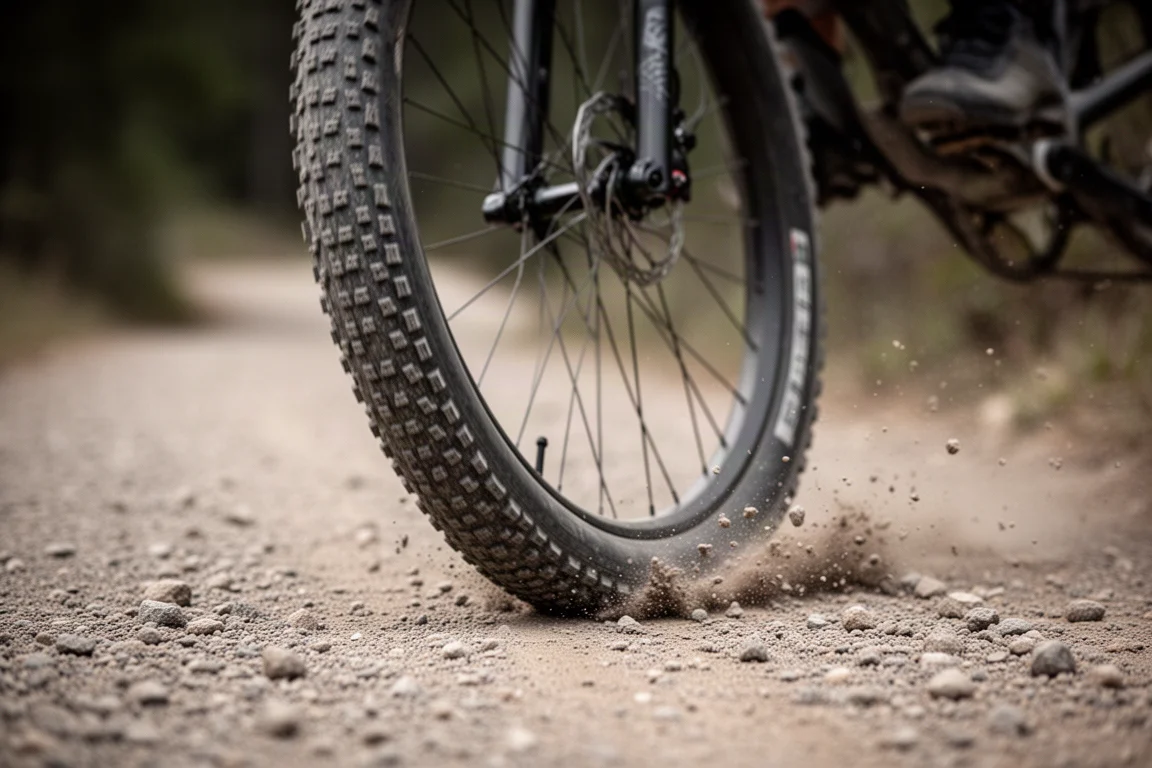
That width also makes the front tire a natural match for technical terrain. Through the wooded sections of the course, the shoulder tread delivered the front-end grip and cornering bite that keeps a rider committed to a line instead of braking early. For anyone whose routes regularly include loose or rooty ground, it is the more confidence-inspiring half of the pairing.
WTB Vulpine S: A Faster-Rolling Rear Tire
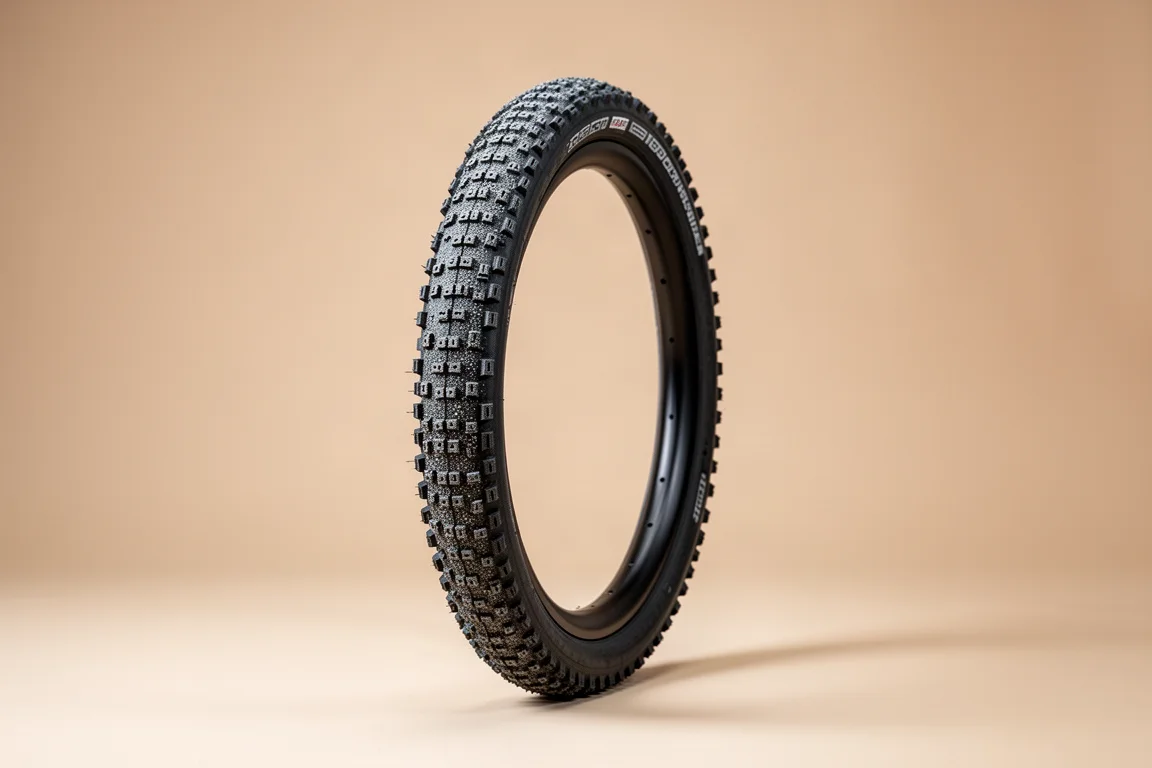
The Vulpine S is the new semi-slick option, with a smooth center section that rolls quickly on tarmac, hard-packed gravel and very light dirt. From the center outwards it carries the same tread pattern as the Vulpine, so cornering grip is still there once the tire is leaned over. It also shares the same 45 mm width.
That combination makes it a sensible rear tire for riders who spend most of their time on fast, dry surfaces but still want shoulder tread as insurance in corners. On the fast gravel stretches of the event, the rear tire contributed a clear sense of speed and low rolling resistance, which is exactly what a semi-slick rear is meant to do.
Casing, Installation, and Air Retention
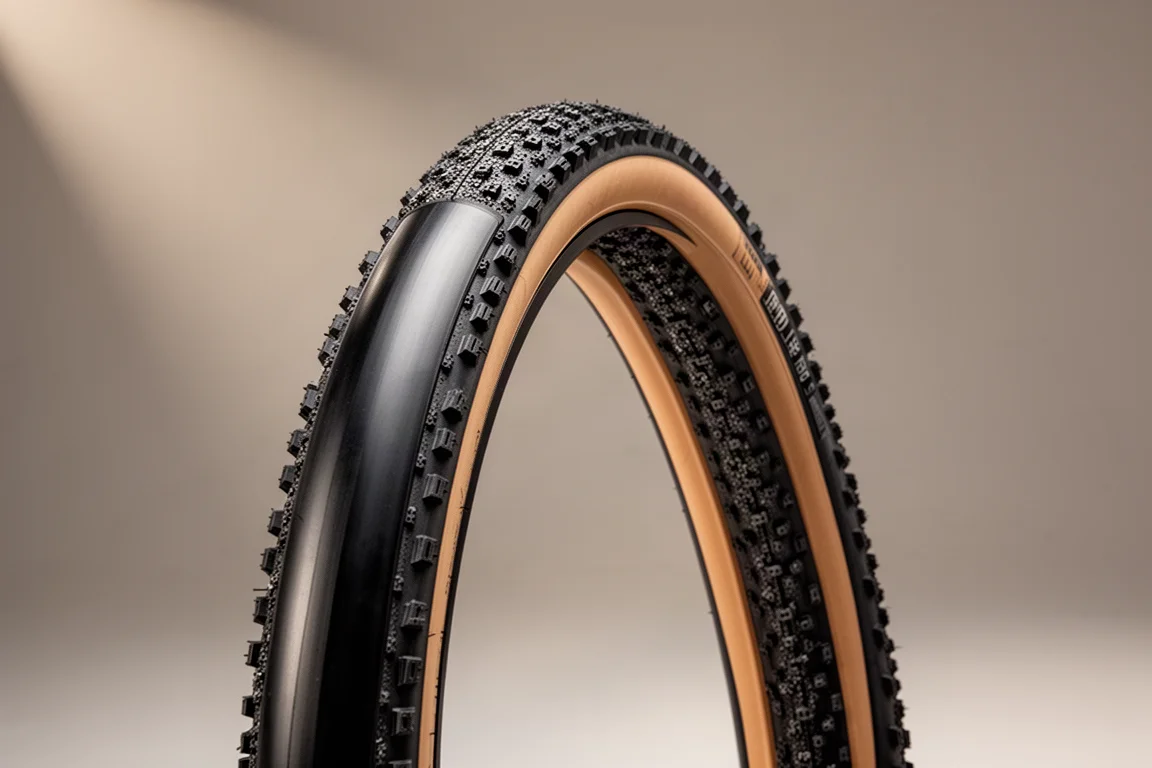
Both tires use a new 120 TPI SG casing. SG stands for sidewall guard, and the protection is concentrated on the sidewalls rather than spread across the entire tread. WTB states that this approach improves suppleness compared with the earlier SG2 casing, which carried puncture protection more broadly. In practice, ride quality felt very good for a 45 mm tire on these wheels, though suppleness is a difficult quality to judge objectively.
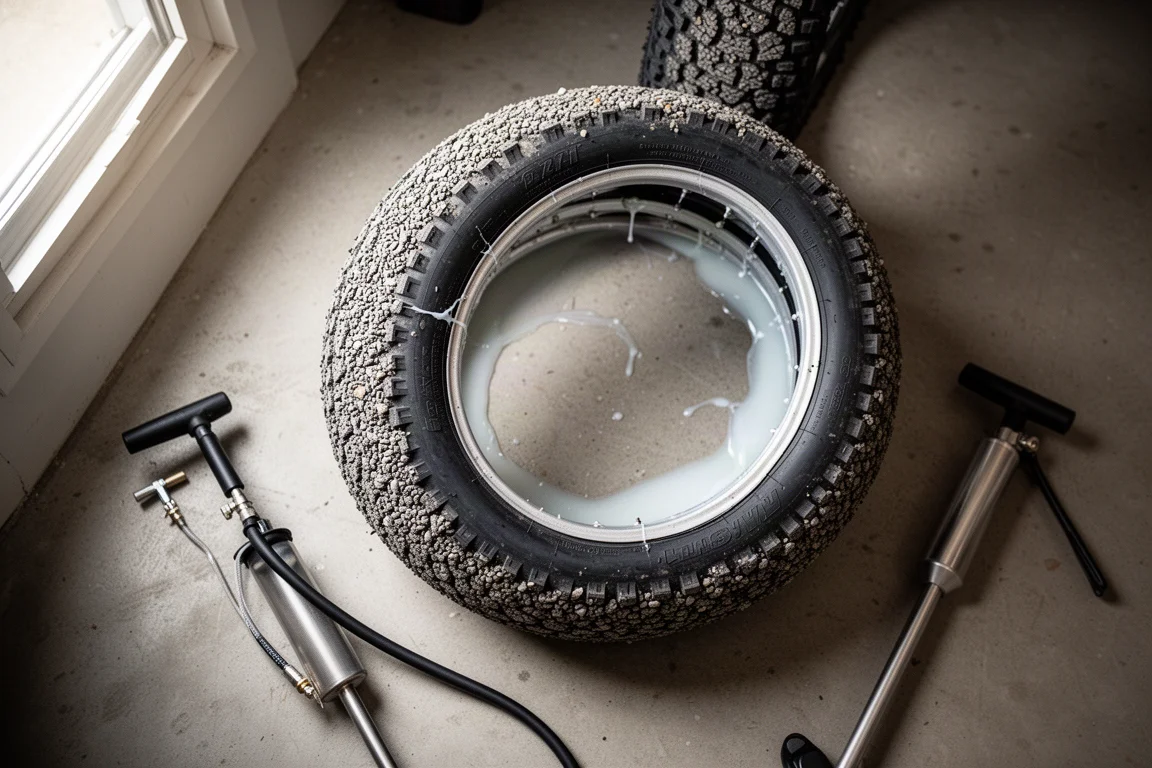
Tubeless installation was straightforward. With a track pump and an inflator chamber charged to 140 PSI, the tires seated onto the rims with a few sharp snaps and needed no unusual tricks. Air retention has also been excellent, with no meaningful pressure loss after several days standing in a garage.
Durability over a single demanding ride looks promising. The course included repeated rim impacts on rocks, and the tires finished with no punctures, no sidewall slashes and no visible tread damage. That is a first impression rather than a long-term verdict, and more miles will be needed to confirm how the casing and tread wear across a full season.
Overall Buying Advice
If your riding is mostly fast, dry gravel, hard-packed dirt and the occasional stretch of pavement, this pair makes a strong case. The 45 mm width adds comfort and control without making the bike feel sluggish, and the semi-slick rear keeps rolling resistance low where it matters most.
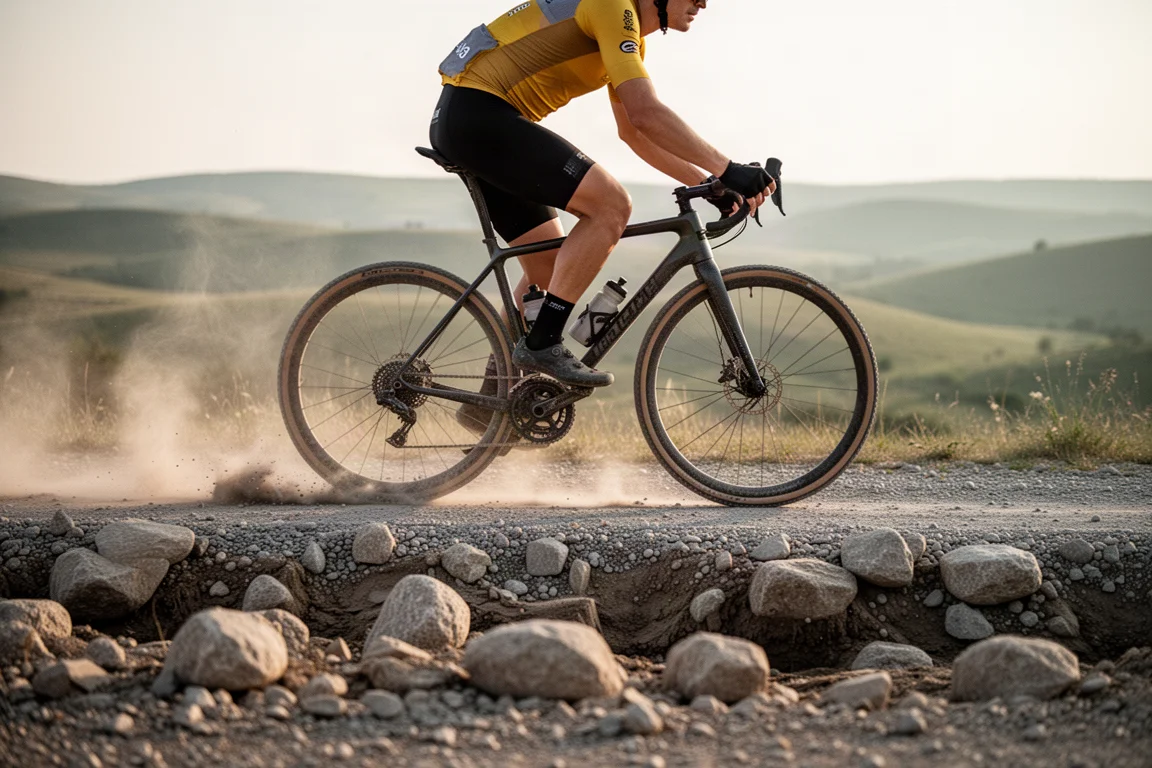
The Vulpine S in particular should appeal to riders who have been drawn to semi-slick gravel tires for their speed on hard surfaces but still want shoulder tread for cornering confidence. The treaded Vulpine up front is the better pick for anyone whose routes include looser or more technical terrain, and it can also be run on its own as a front and rear pair.
Neither tire is positioned as a budget option, though they are not priced at the top of the market either. Retailer pricing varies, so it is worth comparing a few sellers before committing.
Conclusion
The Vulpine and Vulpine S make a coherent pair for high-speed gravel riding in dry conditions. The new 45 mm width, the straightforward tubeless setup and the strong air retention all count in their favour, and the mixed tread strategy covers fast roads and technical singletrack without forcing an obvious compromise. Riders who want a fast, comfortable and versatile gravel setup should put them on the shortlist, with the caveat that long-term durability still needs more miles to prove.
Further reading
Related Reviews
Gravel Bike Tires
Continental Race King 2.2 Review: Mountain Bike Tires on a Gravel Bike
A 55mm knobby tire on a gravel frame delivers real traction and confidence on loose terrain, but frame clearance, toe overlap, and surface choice decide whether it makes sense.
Gravel Bike Tires
Continental Race King 2.2 Review: Wide Tires on a Gravel Bike
A 2.2 inch Continental Race King fitted to a gravel bike adds real grip and descending confidence, with weight and clearance trade-offs to weigh first.
Gravel Bike Tires
Hutchinson Caracal Gravel Tires Review: Speed, Grip, and Where Each Model Fits
A close look at the Hutchinson Caracal Race TLR and the tougher Caracal TLR, covering rolling resistance, real-world grip, and how to choose between them.