Gravel Bike Tires
Hutchinson Caracal Gravel Tires Review: Speed, Grip, and Where Each Model Fits
A close look at the Hutchinson Caracal Race TLR and the tougher Caracal TLR, covering rolling resistance, real-world grip, and how to choose between them.
Introduction
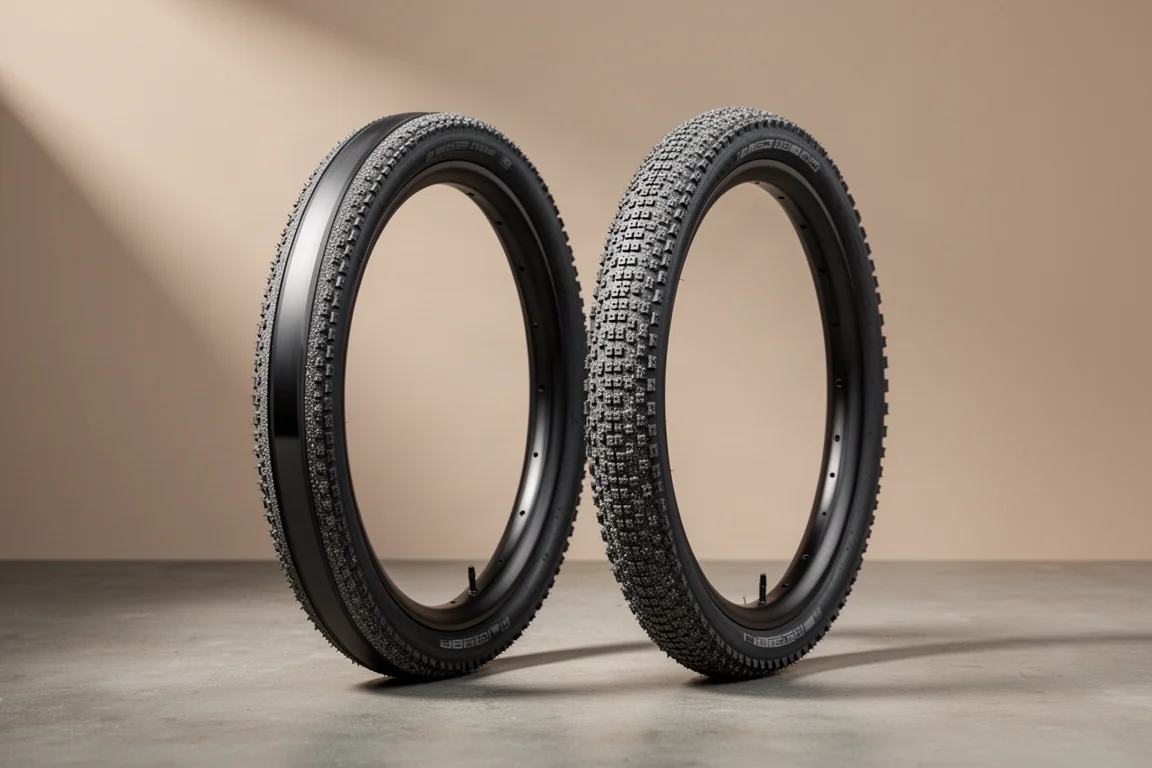
Shopping for road bike tires is a straightforward exercise. Check the rolling resistance rankings, pick a fast model, find a good price, and click buy. Gravel tires are a different proposition. The fastest options near the top of most test tables often look like oversized road tires, which raises an obvious question: will they actually grip once the surface turns loose? The Hutchinson Caracal Race TLR is one of the clearest answers to that question, and its tougher sibling, the Caracal TLR, shows what you give up when you ask a gravel tire for more durability.
Why Gravel Tires Are Harder to Choose Than Road Tires
Most all-round racing tires from the major brands are close enough in puncture resistance, grip, and weight that it is genuinely difficult to make a serious mistake. Gravel is not like that, because the word covers everything from smooth hardpack and broken tarmac to wet, loose, and rocky trails. A tire that feels superb on a fast mixed-surface loop can feel completely out of its depth on a muddy climb, and a tire built for mud will feel slow and draggy across the tarmac that makes up much of many riders’ routes.
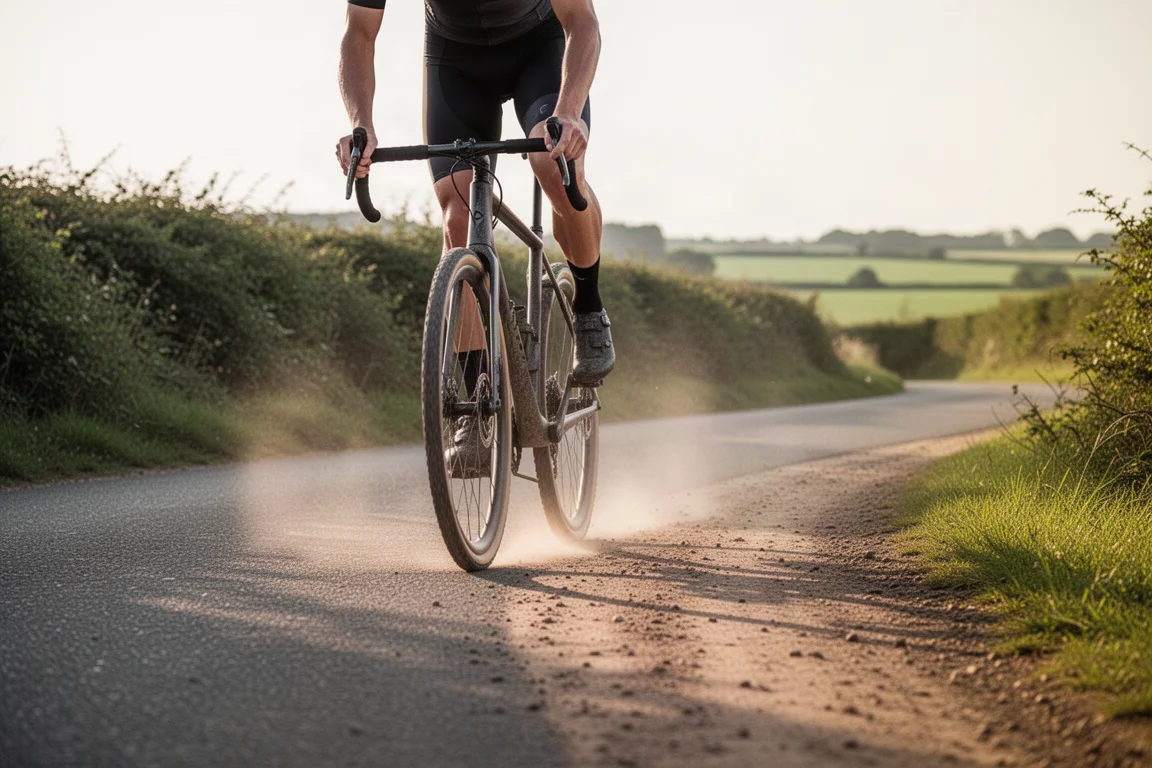
That spread of conditions means ranking tables only tell part of the story. A tire can be genuinely fast and still be the wrong choice for the riding you do most weeks.
Hutchinson Caracal Race TLR: Speed Without the Road Tire Compromise
The Caracal Race TLR is priced at £54.99 per tire and is listed as the fourth fastest tire in its category in independent rolling resistance testing. Look closer at the three tires ahead of it and the picture changes, because those are slicks rather than true gravel tires. Among gravel tires with at least 1 mm of tread on the shoulders, the Caracal Race TLR is the most efficient option tested.
On the road it does not feel far off a proper road tire, which is unusual for gravel rubber. The lab data supports the sensation, placing it ahead of a 38 mm fully slick road racing tire. It still floats over broken tarmac and hardpack dirt roads where a narrow road tire would be uncomfortable and slow. At around 470 g each, it adds meaningful weight compared with the 28 mm or 30 mm tires most road riders run, and that will cost a fraction of speed on climbs. That is the price of more volume, more grip, and lower rolling resistance off road. A 45 mm version has been announced with availability from June, which matters because the 40 mm versions are starting to feel narrow by modern gravel standards.
Hutchinson Caracal TLR: The Tougher, Slower Sibling
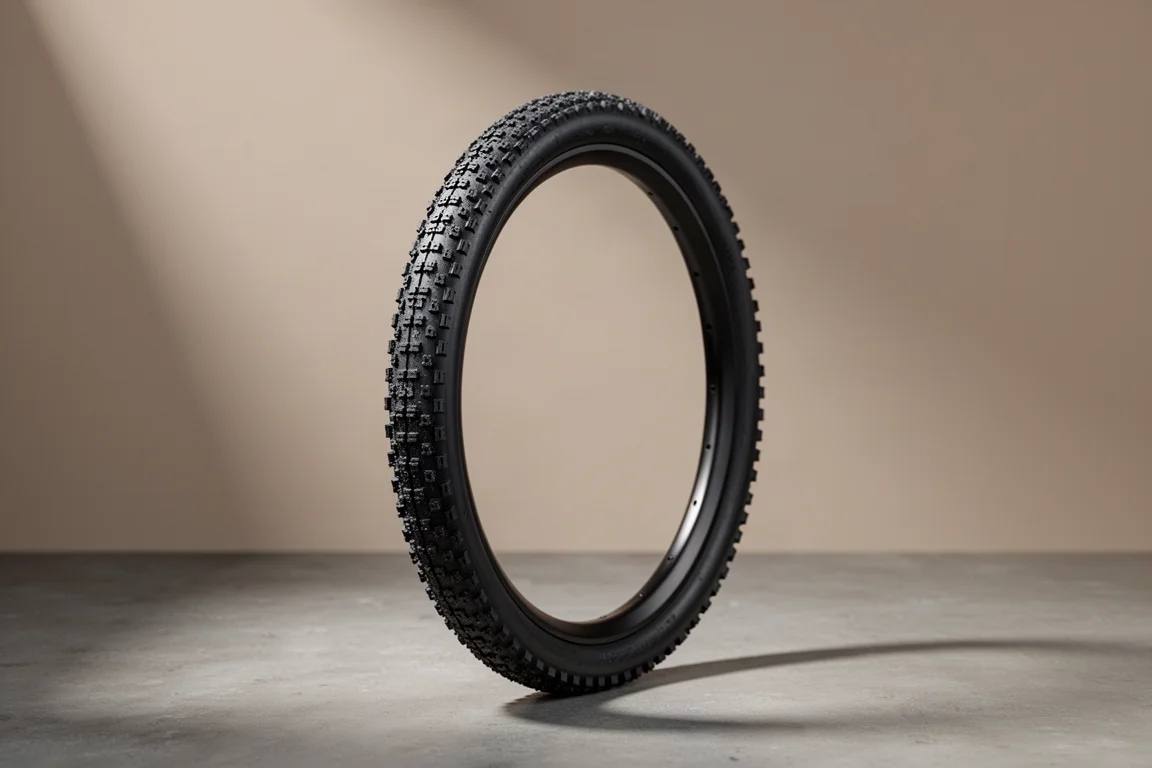
The Caracal TLR approaches the same job from the durability side. It is the tougher of the two models and noticeably slower, which makes it the more sensible fit for riders who expect rougher, rockier surfaces or who simply want more margin against damage. The trade-off is easy to understand: extra resilience costs efficiency, and that penalty shows up on every tarmac section of a route.
For riders who would rather not think about their tires mid-ride, that exchange can be worth making. For riders chasing the fastest possible setup on dry, mixed routes, the Race TLR remains the sharper tool.
Rolling Resistance and Weight in Practice
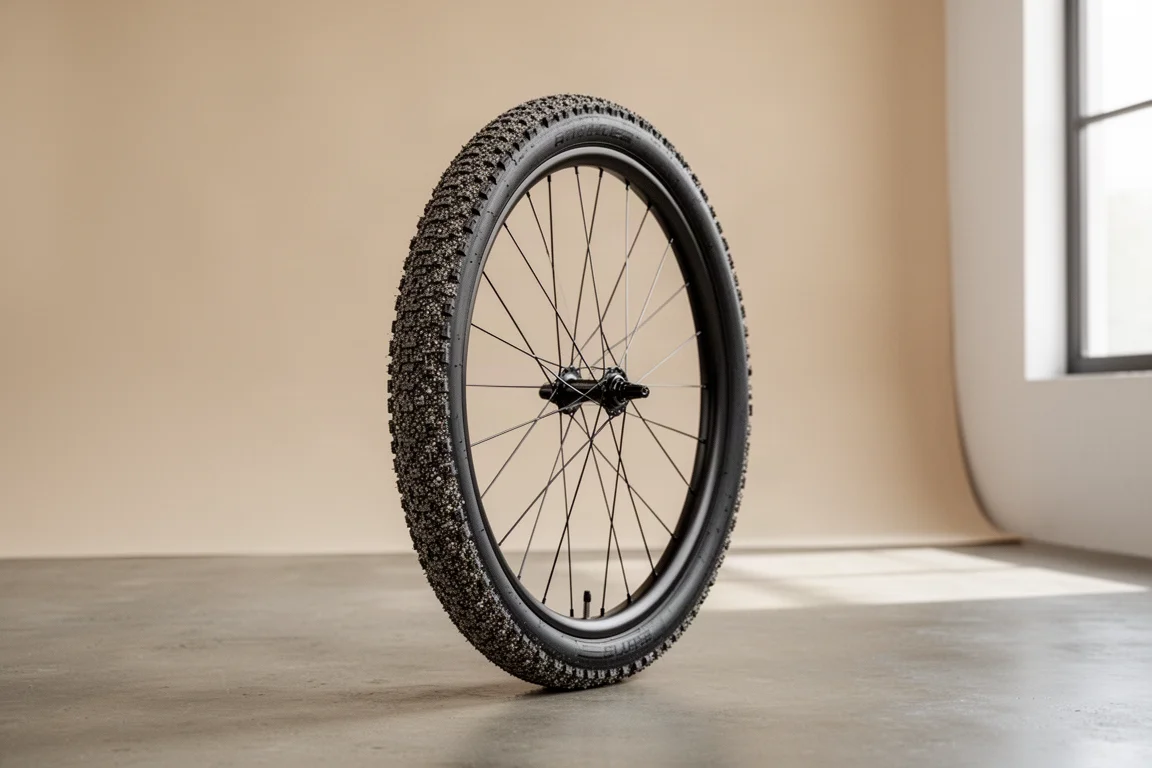
Where most gravel tires feel draggy on tarmac, particularly for riders coming from a road bike with fast racing tires, the Caracal Race TLR keeps much of that road feel intact. The efficiency advantage is the headline, and it is measurable rather than imagined.
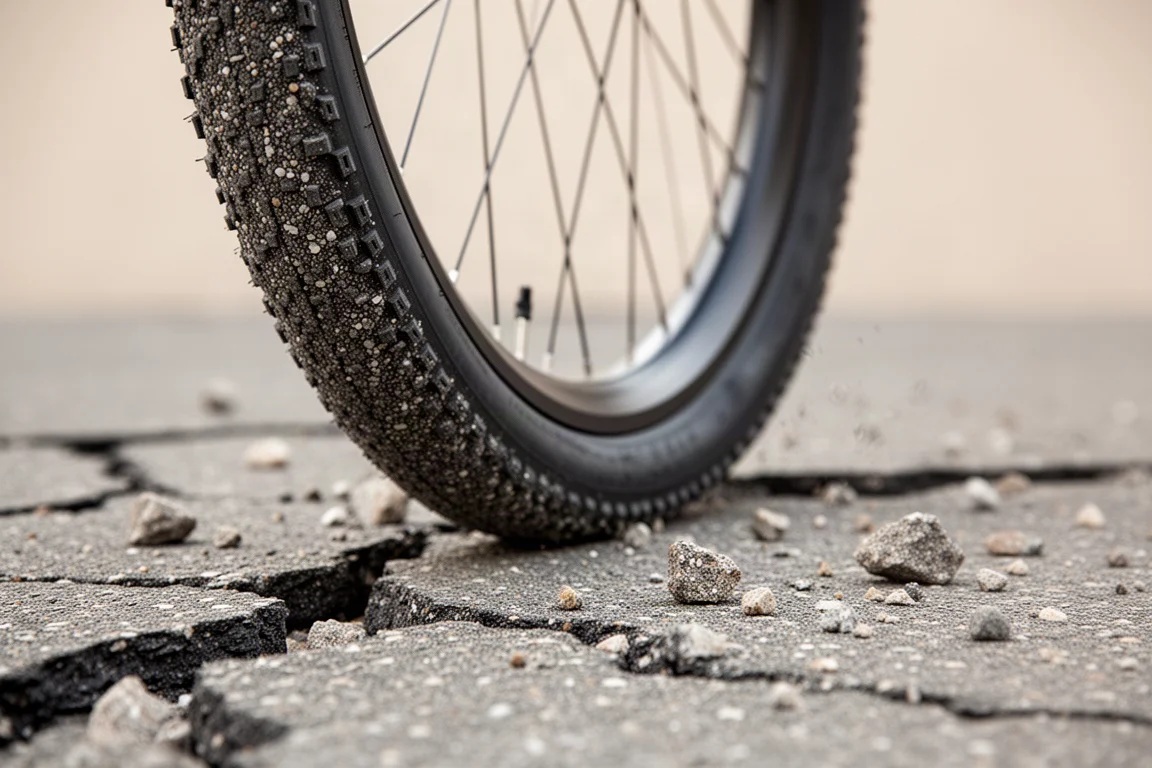
Weight is the other half of the equation. At roughly 470 g per tire, the Caracal Race TLR adds a decent chunk of rotating mass compared with the 28 mm or 30 mm tires common on road bikes. The result is a fractionally slower climb, which is simply part of the deal when moving to bigger tires for more grip and lower off-road rolling resistance.
Grip and Puncture Resistance in Real Conditions
This is where the Caracal Race TLR asks riders to be honest about their terrain. The slick central section and minimal shoulder tread that make it so fast on tarmac are exactly what limit it once conditions turn loose, wet, or muddy. In those situations the tire does not bite into the trail, and grip runs out quickly.
Puncture resistance sits at the racy end of the spectrum, so riders should not expect miracles from either model. Running tire inserts is a sensible precaution against pinch flats, and treating the tires well goes a long way toward keeping them reliable over a full season.
Matching Tires to Your Terrain
Route composition matters more than any single number. Where a typical ride is at least half tarmac, with the remainder made up of farm tracks and byways that are often dry, slower and grippier tires can feel like a penalty for the majority of the ride. For that kind of riding, a fast tire with light tread is the more sensible setup.
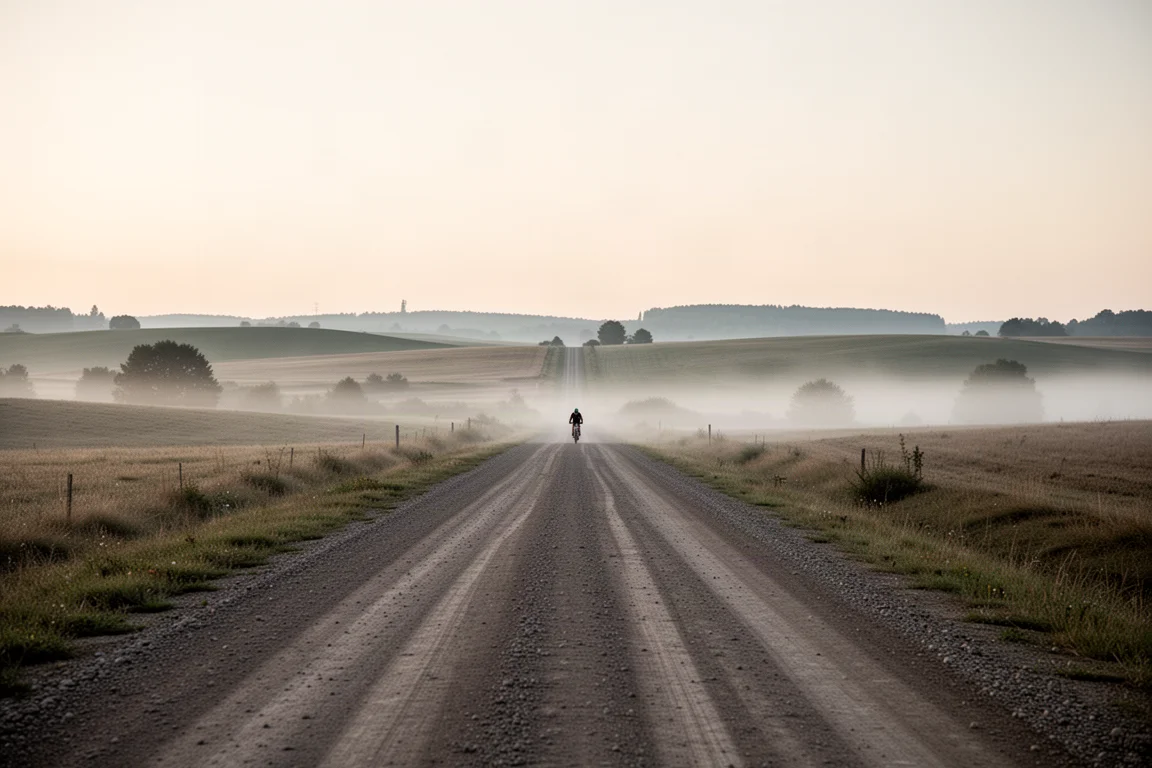
At the opposite end of the scale, a race that is almost entirely off road is unlikely to be served well by something that is essentially an oversized road tire. For terrain like that, fast cross-country mountain bike tires become a realistic option, assuming the frame has the clearance for them. Thinner casings on those tires can keep rolling resistance low while adding volume and grip that a gravel race tire cannot match.
There is no single gravel tire that does everything well the way a premium road racing tire can. Narrower tires with less tread tend to be faster on tarmac because they are lighter and more aerodynamic, while bigger tires can be faster off road because they absorb trail imperfections more effectively. Optimizing a setup properly means changing tires when routes change substantially, or accepting a compromise somewhere.
Sizing, Terrain, and Tire Volume
The 40 mm versions covered here are starting to feel narrow by modern gravel standards, and the announced 45 mm option should suit riders who want more volume without moving all the way to a mountain bike tire.
Tire volume is worth thinking about carefully. More volume generally means more material and more weight, so the decision should be driven by the surfaces a rider actually spends time on rather than by category trends.
Buying Advice
The Caracal Race TLR makes the most sense for riders whose routes are mostly dry and lean heavily on tarmac, hardpack, and broken surfaces. It delivers road-like speed with enough tread to handle light gravel, and for that mix it is a genuinely strong choice.
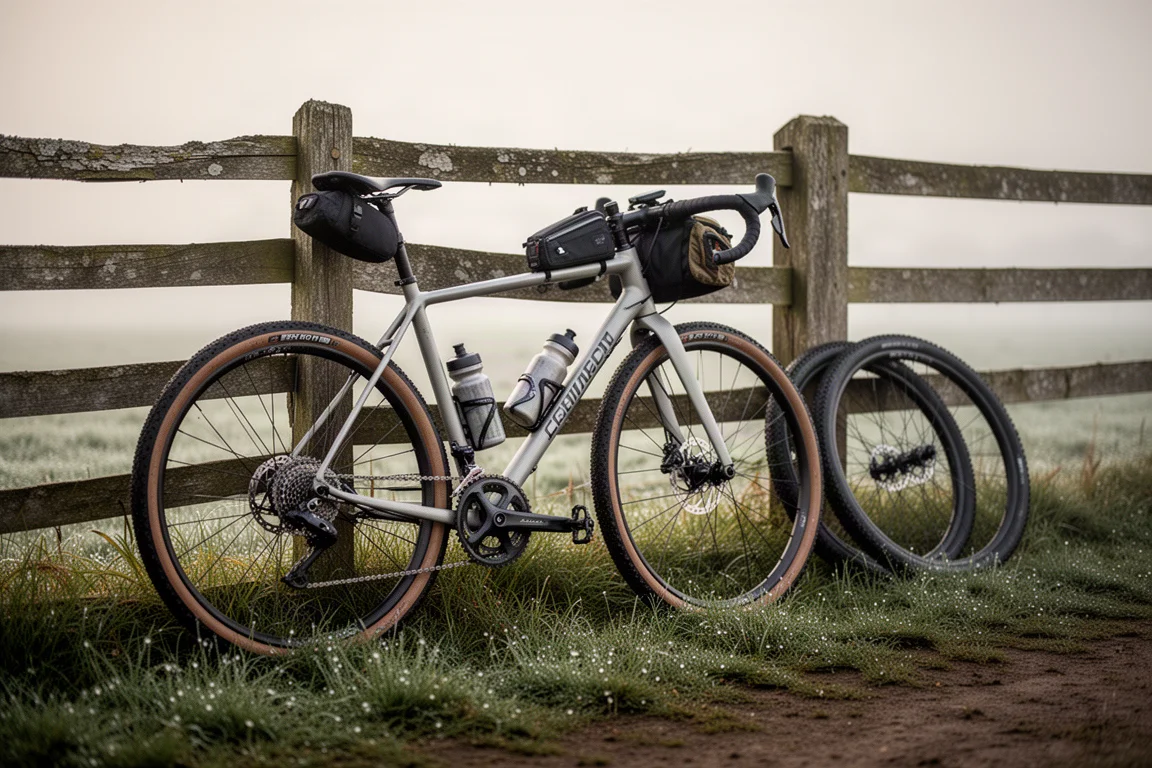
The Caracal TLR is the better pick when durability matters more than outright pace, particularly on rockier terrain or for riders who would rather not think about their tires on every ride.
Riders who spend most of their time on wet, loose, or muddy trails should look beyond this family altogether and consider more aggressive tread or a wider, higher-volume option.
Conclusion
Both tires are fast, and the Caracal Race TLR in particular delivers a level of efficiency that is rare in a tire with real shoulder tread. The decision comes down to terrain. Dry, mixed-surface routes reward the Race TLR, rougher conditions favor the tougher Caracal TLR, and genuinely muddy or loose trails call for something with more bite.
Further reading
Related Reviews
Gravel Bike Tires
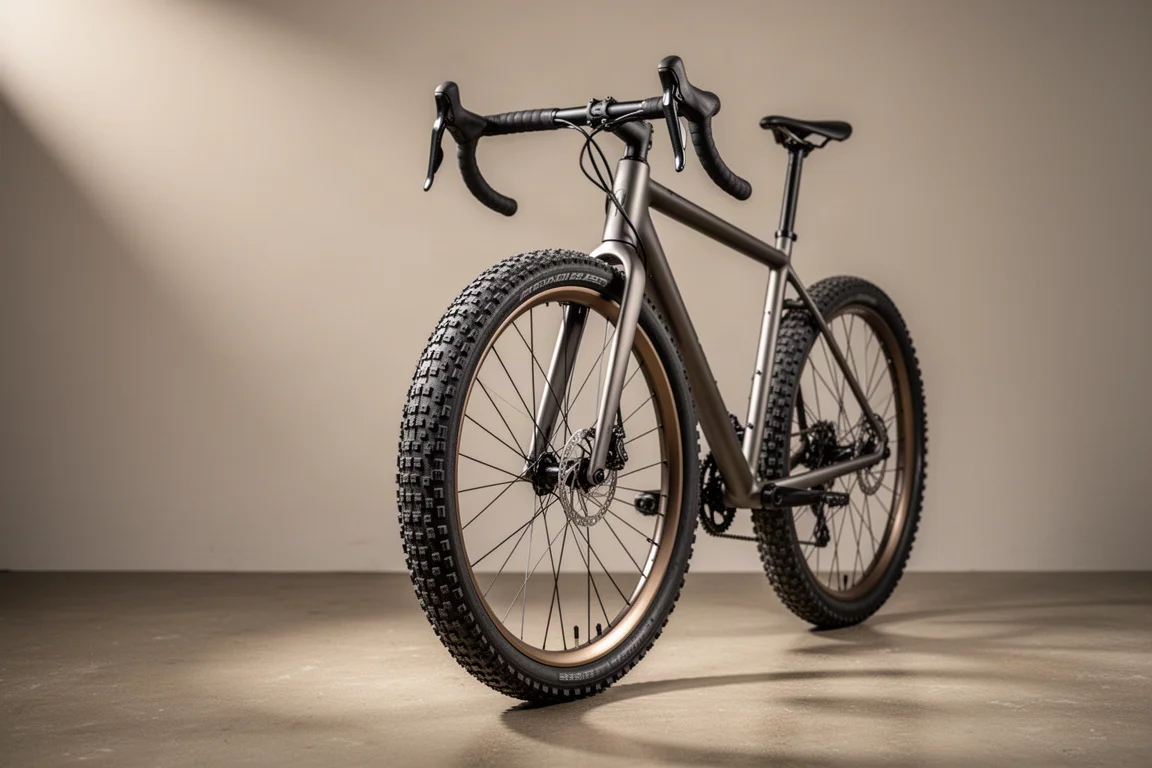
Continental Race King 2.2 Review: Mountain Bike Tires on a Gravel Bike
A 55mm knobby tire on a gravel frame delivers real traction and confidence on loose terrain, but frame clearance, toe overlap, and surface choice decide whether it makes sense.
Gravel Bike Tires
Continental Race King 2.2 Review: Wide Tires on a Gravel Bike
A 2.2 inch Continental Race King fitted to a gravel bike adds real grip and descending confidence, with weight and clearance trade-offs to weigh first.
Gravel Bike Tires
Hutchinson Caracal Race TLR Review: Fast Gravel Speed With a Dry-Weather Focus
A fast-rolling gravel tire with a slick centre and light shoulder tread, plus the grip and volume trade-offs to weigh before you buy.