Gravel Bike Tires
Continental Race King 2.2 Review: Mountain Bike Tires on a Gravel Bike
A 55mm knobby tire on a gravel frame delivers real traction and confidence on loose terrain, but frame clearance, toe overlap, and surface choice decide whether it makes sense.
Introduction
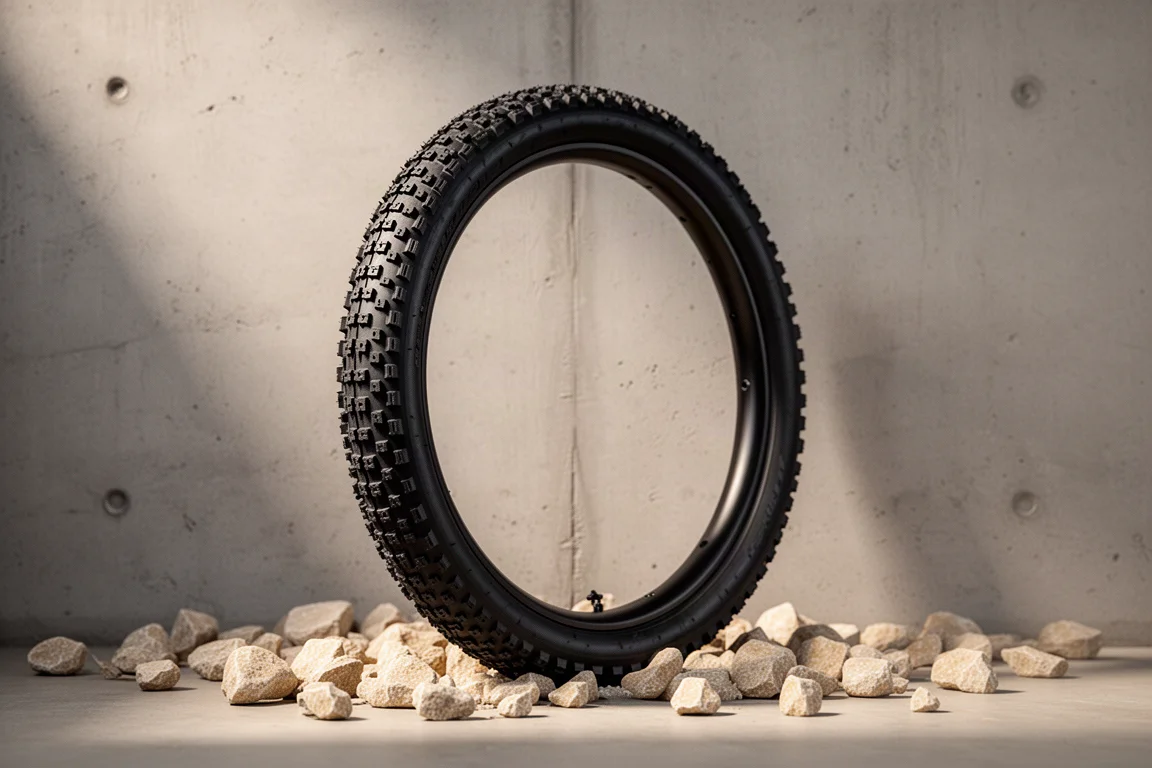
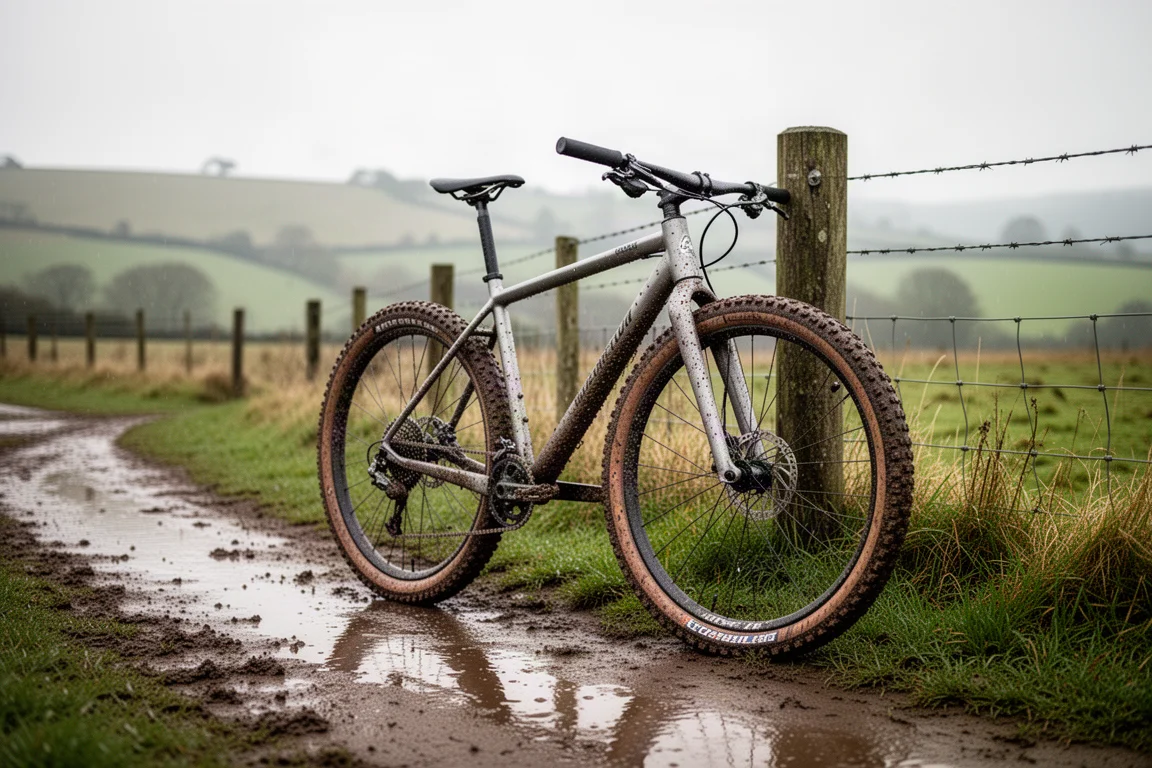
Wide tires on gravel bikes have moved from curiosity to common sight. Where 45mm used to count as wide, 50mm rubber now turns up regularly at the front of major gravel races, and plenty of riders are going further still by fitting genuine mountain bike tires to their drop-bar bikes. The Continental Race King is a 2.2 inch (roughly 55mm) knobby tire, and this test put it on a gravel frame with clearance for 57mm tires, leaving a small amount of room to spare.
The appeal is straightforward on paper. More volume means more grip on loose and rocky surfaces, and more cushioning when the trail turns rough. The catch is that wider, heavier tires are also the classic shorthand for slower, so the real question is whether the traction and rolling behaviour make up for what is lost elsewhere.
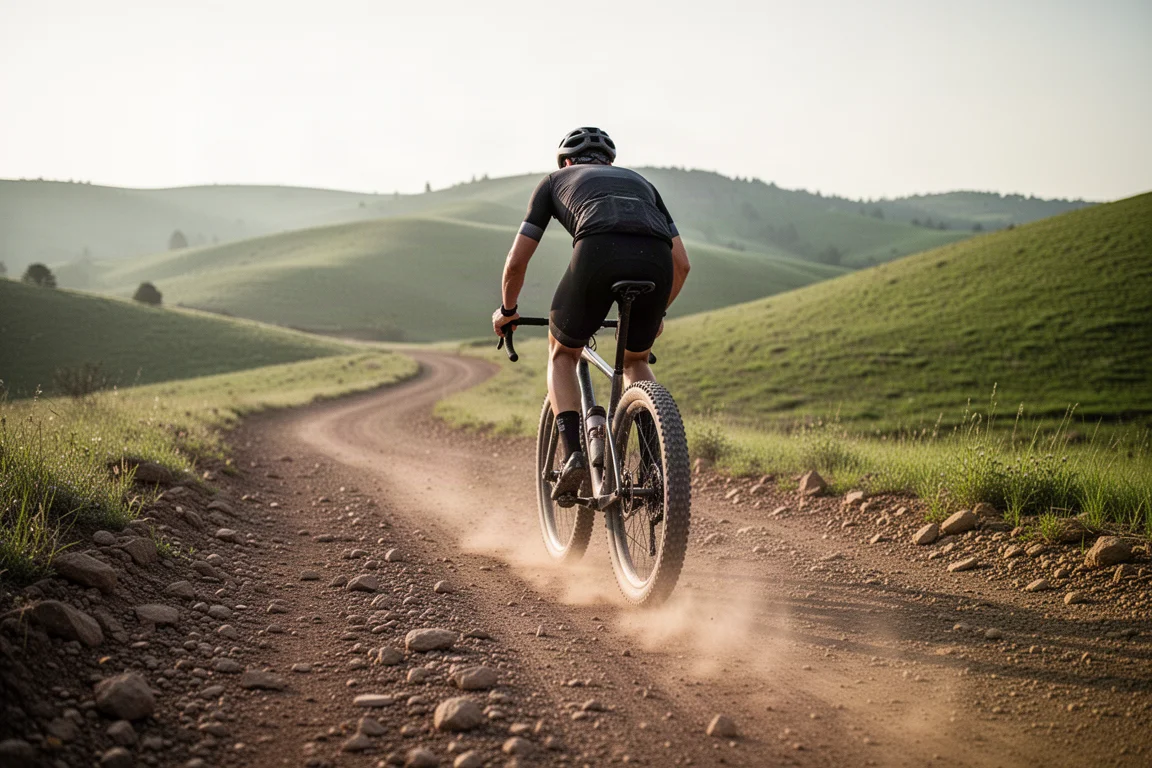
What follows covers where a tire this wide genuinely helps, where it asks the rider to accept compromises, and how to decide whether a 55mm tire belongs on a gravel bike or whether a different bike is the better answer.
Who These Tires Are For
The Race King makes most sense for riders whose frames clear at least 55mm at the rear and who spend a meaningful share of their riding on rocky fire roads, loose climbs, and technical descents. On that kind of terrain the extra volume changes what the bike can do, and riders who have been avoiding certain lines or slowing down for embedded rock will notice the difference quickly.
It is a less obvious choice for anyone whose off-road riding is mostly light towpaths, canal paths, and smooth hardpack. A 45mm gravel tire covers that ground comfortably, and there is no real benefit to carrying the extra width. Riders who mostly want to ride road to reach their trails are in a similar position: a narrower tire keeps the tarmac sections feeling quick and the bike lighter overall.
There is also a category question worth asking honestly. If the riding on offer is genuinely mountain-bike terrain rather than gravel with rough patches, a hardtail mountain bike may simply be the more capable tool, even if it feels draggier on the road.
Main Strengths
The clearest strength is confidence. On rocky, loose surfaces the wide Race King changes how much of the trail a rider is willing to ride at full pace, because the front wheel stops being something to protect and starts being something to trust. Tread blocks bite into gravel and embedded rock rather than skittering over the top of it.
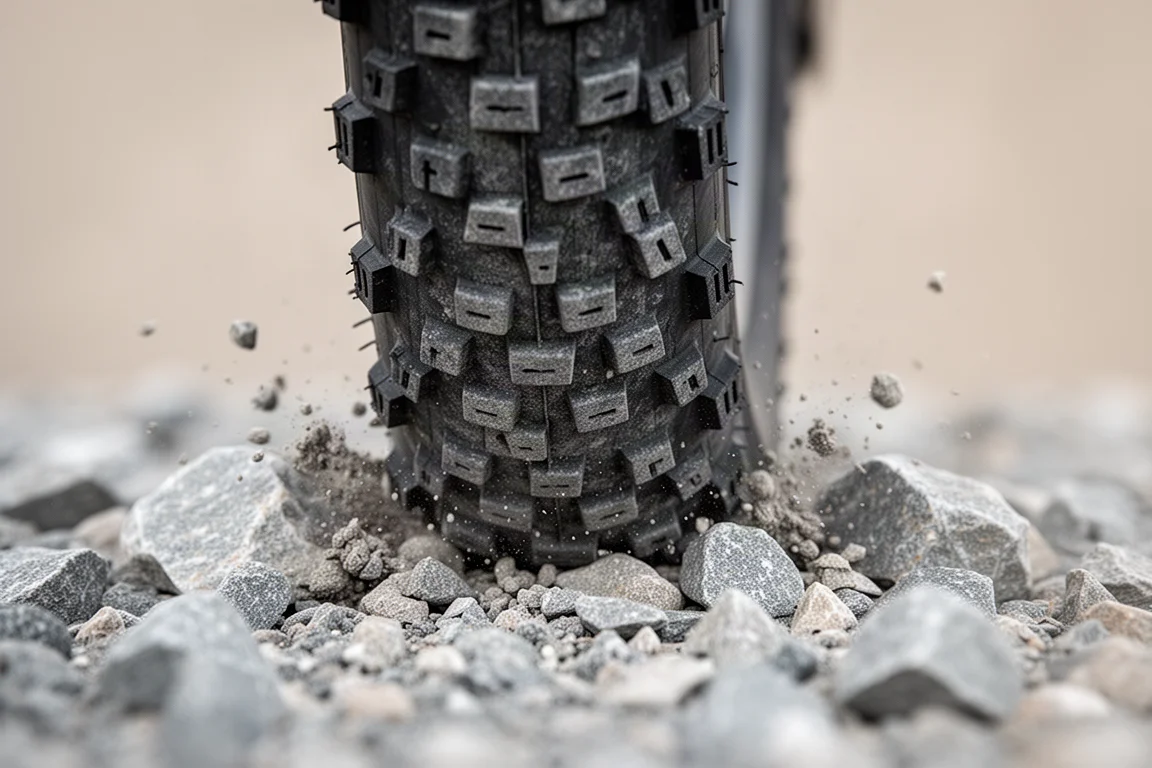
That extra grip shows up most on technical sections and loose climbs, where the tire finds traction that narrower rubber struggles to hold. On descents the difference is as much psychological as physical: line choice becomes less critical, and riders spend less time scanning for the smoothest option and more time carrying speed.
The other practical gain is comfort and control on rough fire roads. Wide tires absorb chatter that would otherwise move the bike around underneath the rider, so long stretches of rocky track stay manageable instead of becoming a fight.
Traction and Confidence on Technical Terrain
Once the surface is loose, wide knobby tires simply ask for less caution. Rock that would be a deliberate avoid on a 38mm or 40mm tire, and a manageable bump on a 45mm, becomes something a 55mm tire rolls over without much thought. The wider the tire, the more of the trail stays rideable without losing speed or slipping off the edge of a stone.
That said, the width only pays off when the terrain rewards grip. On a route that mixes short technical stages with long, fast, open stages, the balance of the day decides whether the extra volume is an advantage or just extra weight to drag along.
Rolling Resistance and Road Manners
The surprise in this category is how well a knobby 2.2 inch tire rolls on tarmac. Wide, lightly treaded tires with a fast centre line keep road sections feeling far less sluggish than their appearance suggests, and the Race King holds that reputation in practice.
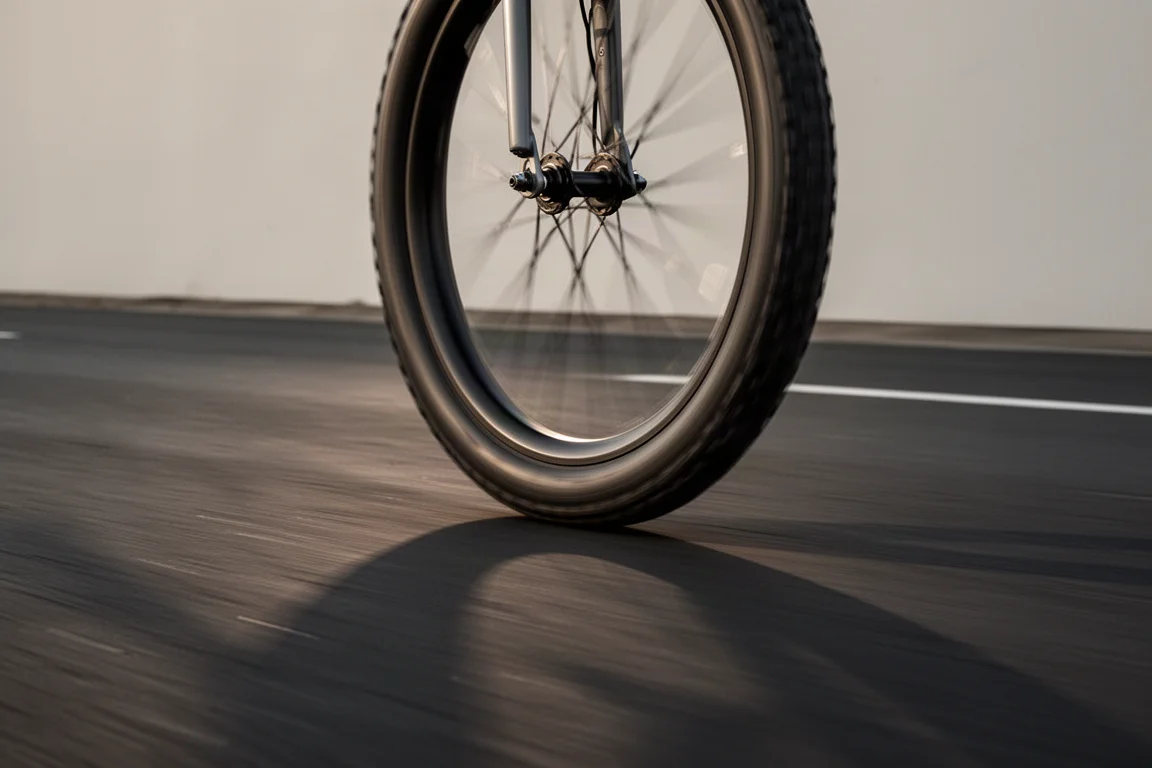
The caution is that a test confined almost entirely to fire roads and rocky trail, at speeds that stayed below roughly 25 kph, tells you very little about aerodynamic drag at pace. A wider tire cannot realistically be more aerodynamic than a narrower one, so any advantage has to come from rolling resistance, grip, and the rider’s ability to keep momentum over rough ground. On a route with a genuine mix of long fast stages and technical stages, that trade-off is exactly what determines the right tire.
Things to Consider Before Buying
Frame clearance comes first. Many gravel frames simply will not accept a 55mm tire, which settles the question immediately. Clearance at the rear is usually the tighter constraint, and mud or wet gravel reduces usable space further, so measuring before buying is worth the effort.
Toe overlap is the second practical issue. On a frame fitted with a tire this wide, a rider whose cleats sit well back can catch the front tire with a foot at low speed, which is exactly when technical maneuvering matters most. It is annoying rather than dangerous, but it is a real cost of going this wide, and one that a slightly narrower 50mm or 2.1 inch tire may remove entirely while keeping most of the traction benefit.
Weight and sidewall durability are the other traditional trade-offs. Wider tires normally add weight, and designs that avoid the weight penalty often do so with lighter sidewalls that are more vulnerable to cuts on sharp rock.
A final practical note: these tires are directional. The rotation arrow on the sidewall needs checking before mounting, because fitting one backwards at the end of a long evening is an easy mistake to make and an unnecessary one.
Buying Advice
The honest guidance here is terrain-dependent rather than tire-dependent. For light towpaths and smooth trails, a 45mm tire remains the fit-and-forget choice and there is no reason to go wider. For riders who want to travel as fast as possible across a wide range of gravel surfaces, fitting as wide as the frame allows is the sensible default, with the Race King a legitimate option at 2.2 inches.
For anyone in between, a 50mm or 2.1 inch tire is the pragmatic middle ground. It keeps most of the grip and cushioning that makes rough gravel enjoyable, trims the weight, and often eliminates toe overlap on frames that were not designed around mountain bike volume.
Budget for clearance as well as rubber. Frame designers have been moving toward wider clearances on gravel bikes, including race-oriented models, but a large number of existing bikes remain capped well below 55mm. Checking that first avoids buying tires that never get fitted.
Conclusion
Wide gravel tires have done enough to be treated as a genuine option rather than a gimmick. The Race King delivers clear gains in grip, confidence, and comfort on rocky and loose terrain, and it rolls better on tarmac than its size suggests. The compromises are real too: clearance limits, additional weight, and toe overlap on some setups.
The deciding factor is the surface a rider actually spends time on. Light trails point to a 45mm tire. Rough, technical gravel with fast open sections points to going as wide as the frame permits. And riding that is properly mountain-bike territory may point somewhere else entirely, to a hardtail rather than a drop-bar bike on mountain bike tires.
Product link
View more details for Continental Race King
This product is mentioned in the review. Check the specifications, options, and compatibility before buying.
View more details for Continental Race KingFurther reading
Related Reviews
Gravel Bike Tires
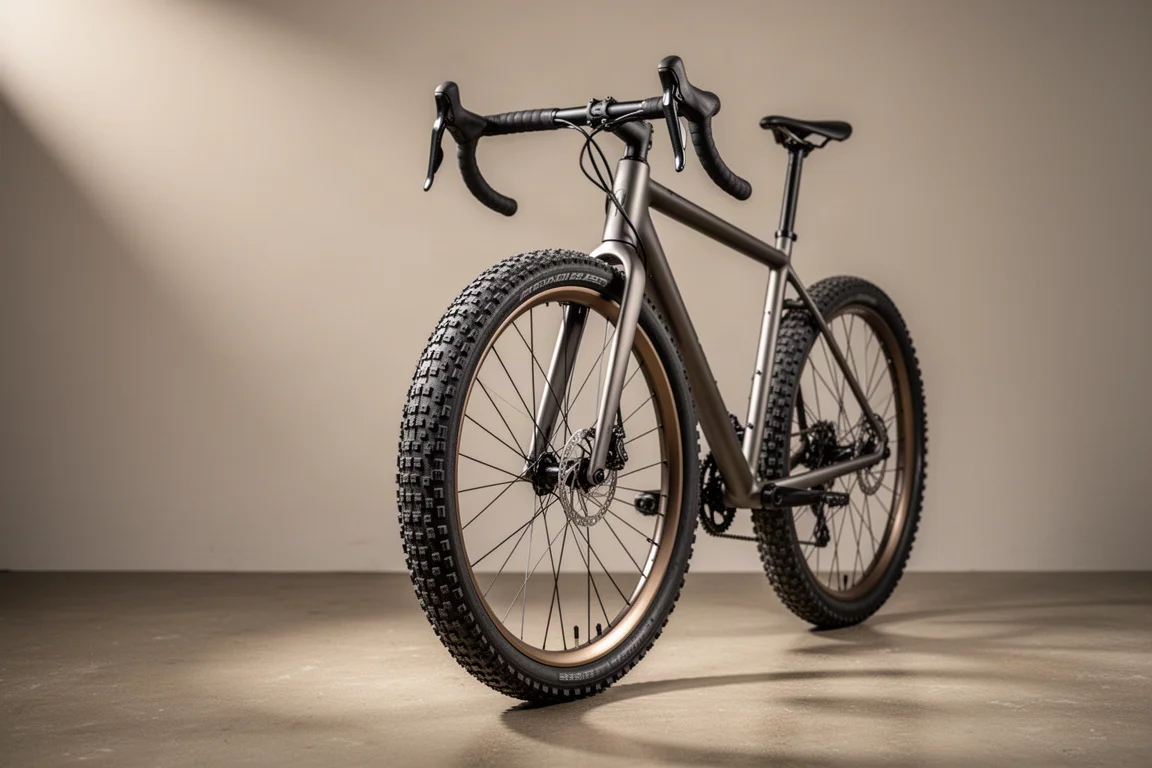
Continental Race King 2.2 Review: Wide Tires on a Gravel Bike
A 2.2 inch Continental Race King fitted to a gravel bike adds real grip and descending confidence, with weight and clearance trade-offs to weigh first.
Gravel Bike Tires
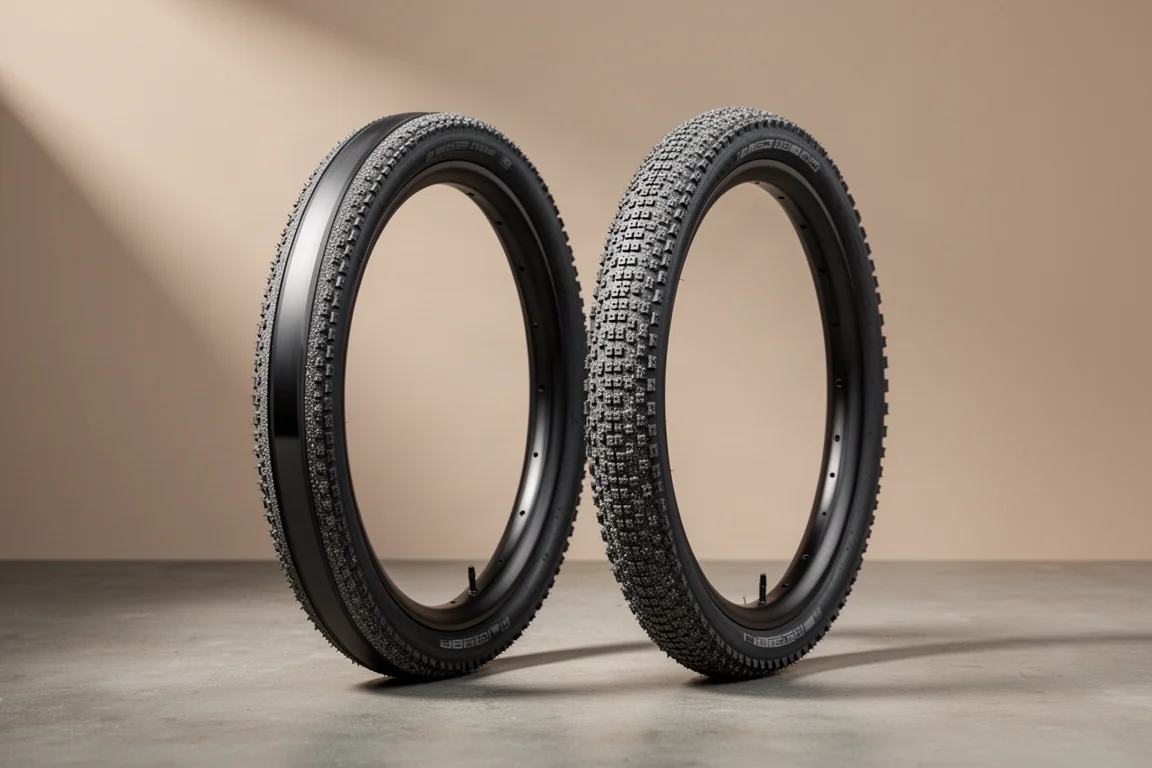
Hutchinson Caracal Gravel Tires Review: Speed, Grip, and Where Each Model Fits
A close look at the Hutchinson Caracal Race TLR and the tougher Caracal TLR, covering rolling resistance, real-world grip, and how to choose between them.
Gravel Bike Tires
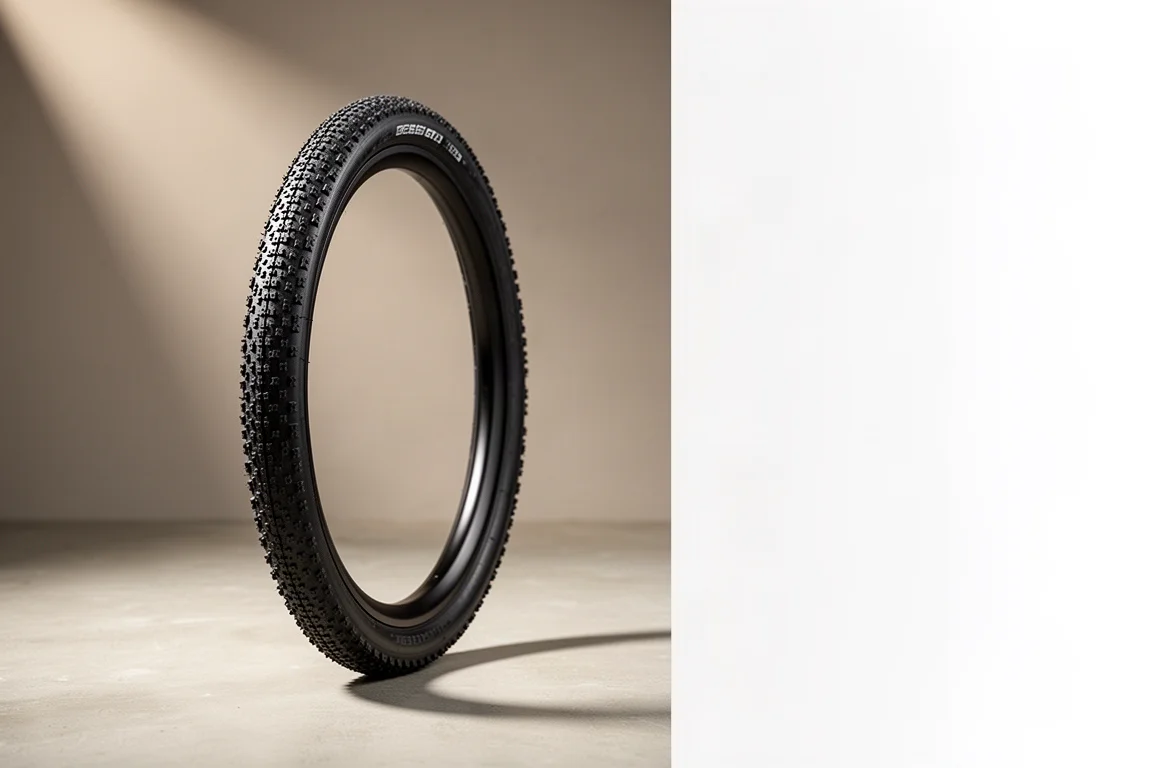
Hutchinson Caracal Race TLR Review: Fast Gravel Speed With a Dry-Weather Focus
A fast-rolling gravel tire with a slick centre and light shoulder tread, plus the grip and volume trade-offs to weigh before you buy.