Gravel Tires
WTB Gravel Tires Compared: Byway, Resolute, Vulpine, Sendero, Ranger and Nano
A practical guide to the WTB gravel tire range, covering tread patterns, casing construction, width and how to match a tire to the terrain you actually ride.
Introduction
Choosing a gravel tire can feel like a bigger decision than it should be. Widths, tread patterns, casing counts and wheel sizes all interact, and the tire is the only part of the bike in contact with the ground.
It is also common for a new gravel bike to arrive with a modest set of tires, because brands can save money in that area. Changing tires is one of the most noticeable upgrades you can make, and off road the difference between one tire and another is easier to feel than almost any other component.
Gravel riding covers a wide range of surfaces. In some regions it means miles of hard packed dirt roads that roll almost like pavement. Elsewhere it means rougher, more adventurous tracks with embedded rocks, loose gravel, and occasional stretches of mountain bike singletrack. Matching the tire to the surface you actually ride is the most effective way to add confidence and comfort, and sometimes to ride faster.
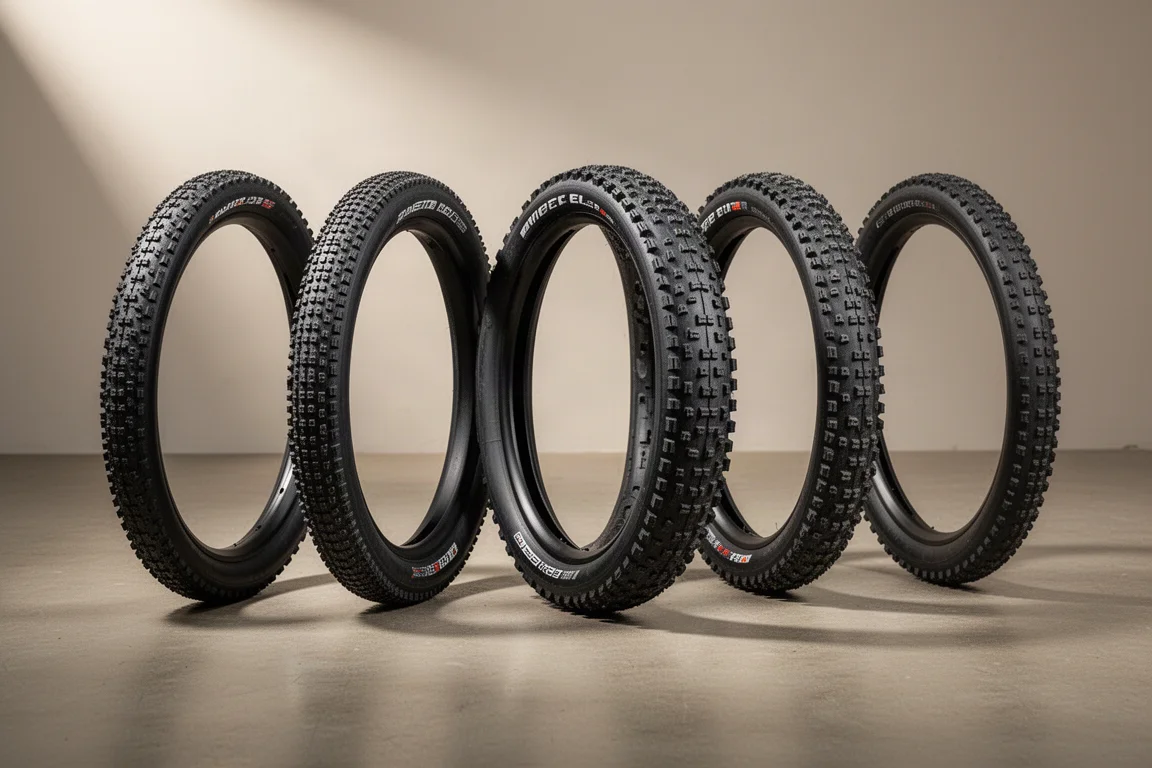
WTB covers those conditions with a range that runs from a nearly slick tread to a high volume option measuring 2.25 inches. This guide walks through the details worth understanding, then places each model where it makes the most sense.
What to Consider Before Choosing Gravel Tires
For off road riding, the question of tubeless or clincher is largely settled. Tubeless replaces the inner tube with liquid sealant, which protects against thorn punctures, allows lower tire pressures, and reduces the risk of pinch punctures. Almost all gravel tires are tubeless compatible, but it is worth confirming both the tire and the wheel before buying. Setting up tubeless does call for a few specific tools, though the process has become easier over time.
Tire width and the volume that comes with it make a large difference to how a bike rides. Options run from narrow 35mm tires all the way through to mountain bike widths measured in inches, and your frame and fork will usually set the limit on how wide you can go.
Wider tires allow lower pressures, which increases the contact patch with the dirt. That boosts grip, improves comfort, and makes rougher surfaces far more pleasant to ride. For many riders, that added confidence translates into a faster ride overall, even where rolling resistance rises slightly. Grip, comfort and performance on chunky gravel often matter more than saving a few seconds.
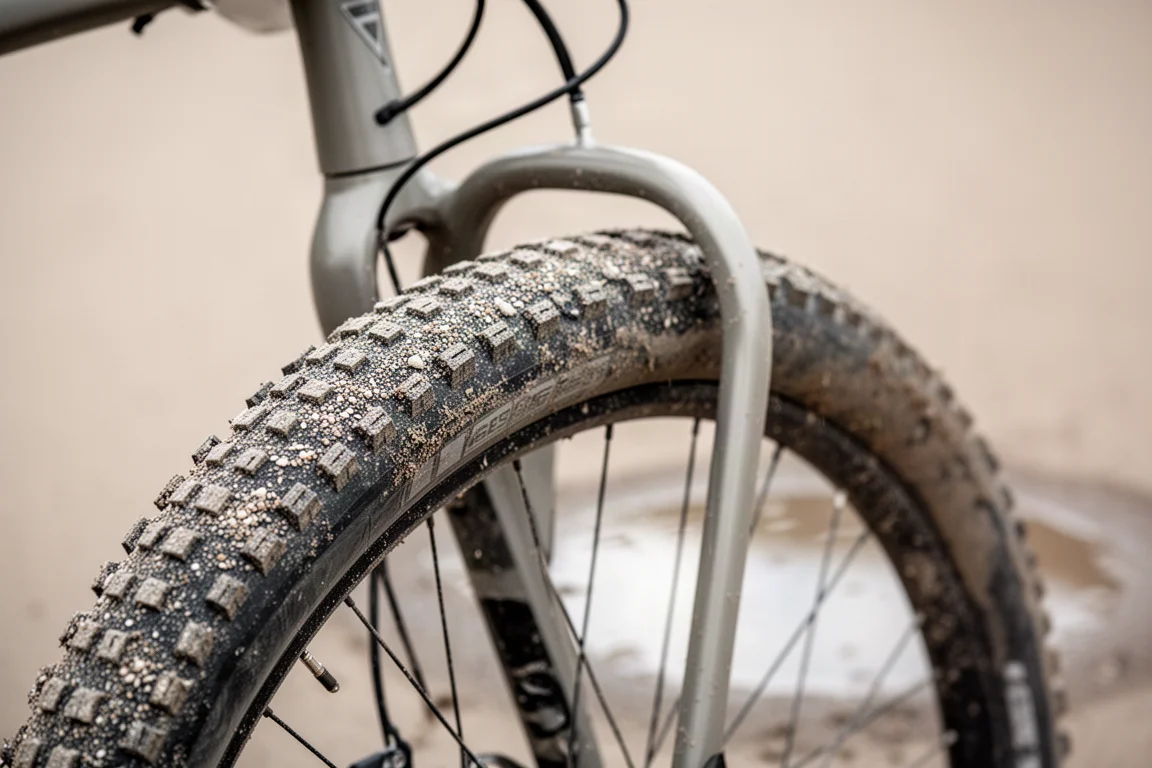
Rim width also affects the finished size. On a modern gravel rim with around 23mm internal width, a tire will usually sit a little wider than the figure printed on its sidewall. Whatever you fit, leave enough room between the tire and the frame for mud and debris. The official minimum clearance is six millimeters, and pushing past that in search of maximum width risks damaging your frame or fork.
If you want to maximize tire size in a tight frame, a 650b wheelset is a useful option because its smaller rim diameter leaves more space. Before switching from 700c, check that your bike is compatible with both wheel sizes. In general, 700c wheelsets suit riders who prioritize efficiency over longer rides or who ride mostly on roads and smoother gravel tracks, while 650b opens up more scope for width and volume and is excellent for softening the roughest terrain.
Tread Patterns, Casings and Tire Inserts
Tread pattern is where the biggest differences show up. A slick tire with very little tread, especially through the central section, is best suited to bone dry conditions and hard packed ground. It is also the fastest rolling option for smooth gravel and tarmac. If you corner on loose gravel or dusty surfaces, more shoulder knobs help the tire dig in and produce grip.
An intermediate pattern, with a tightly spaced central tread and larger knobs at the sides, gives a mix of fast rolling and grip in wet or loose conditions. That combination is exactly what makes all rounder tires such a popular choice.
For racing, a tire with tightly spaced central knobs keeps rolling resistance lower. At the other end of the scale, wet weather tires use tall, widely spaced knobs that bite into soft dirt and clear mud rather than clogging up. The trade off is usually a little extra rolling resistance.
Casing construction has a surprisingly large effect on comfort, grip and rolling resistance. The number to look for is TPI, or threads per inch, which measures how many nylon or cotton threads you would find in a square inch of casing. As a rule, a higher thread count makes a more supple tire that deforms more easily over small imperfections, which increases grip and comfort. The trade off is that high TPI casings, around 120 TPI, can be a little more prone to punctures, because lower TPI casings generally use bigger and stronger threads. That is why a puncture protection layer under the tread is worth looking for when you upgrade.
Tire inserts are easy to overlook because they sit hidden inside the tire. They are essentially pieces of foam running the full circumference of the rim, and they bring two practical benefits. First, they let you run lower pressures while still protecting the rim from root and rock impacts, which is useful in poor conditions or on loose surfaces. Second, they help with bead retention, reducing the air burps that can happen when you load a tire hard through a corner, and allowing you to roll safely to a stop if you puncture.
WTB Byway
The Byway is the slick option in the range. It carries very little tread, particularly through the central section, which makes it best suited to bone dry conditions and hard packed ground. On smooth gravel and tarmac it is the fastest rolling choice here.
The shoulder knobs still do some work when the surface turns loose or dusty, which helps when you are cornering on gravel rather than rolling in a straight line. Riders who mix road miles with fast, dry gravel are the natural audience.
WTB Resolute
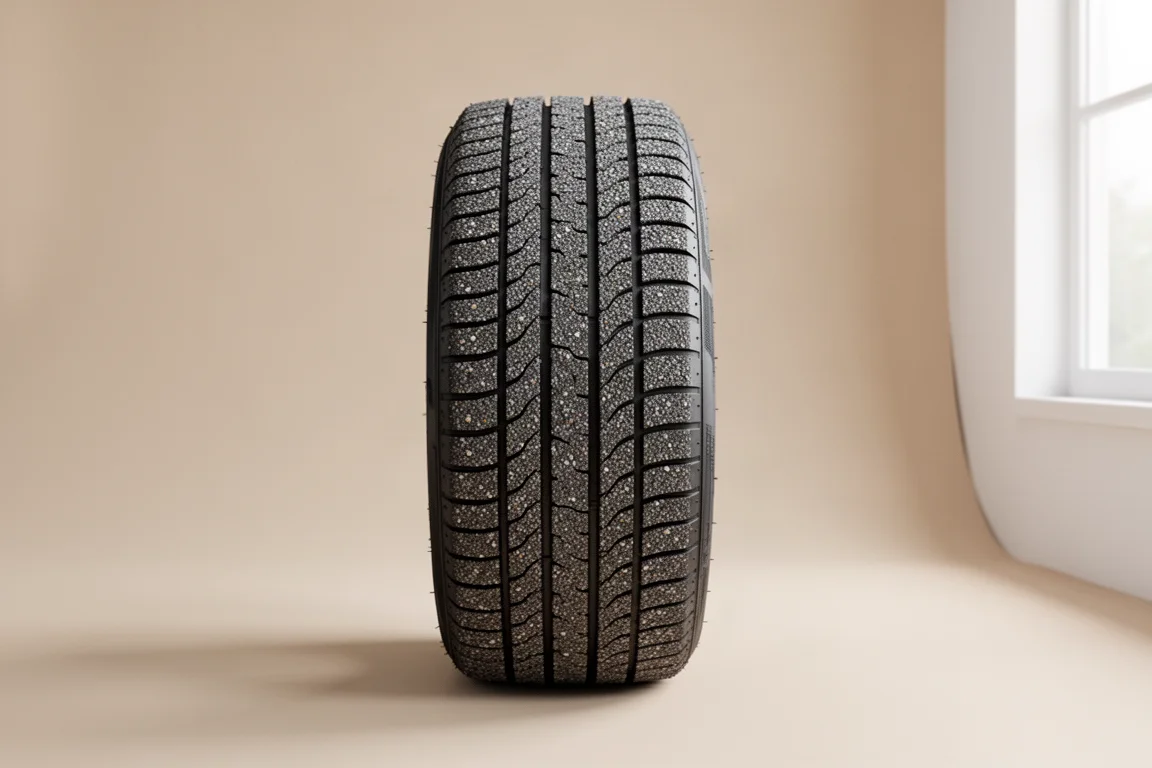
The Resolute uses an intermediate pattern: a tightly spaced central tread with larger knobs at the side. That layout delivers a good mix of fast rolling and grip in wet or loose conditions, which is why all rounder tires of this type are so widely used.
If you want one set of tires for the majority of the year, an intermediate tread is the sensible starting point.

It handles a broad range of surfaces without asking you to change wheels, and it keeps enough grip for the days when the ground is softer than expected.
WTB Vulpine
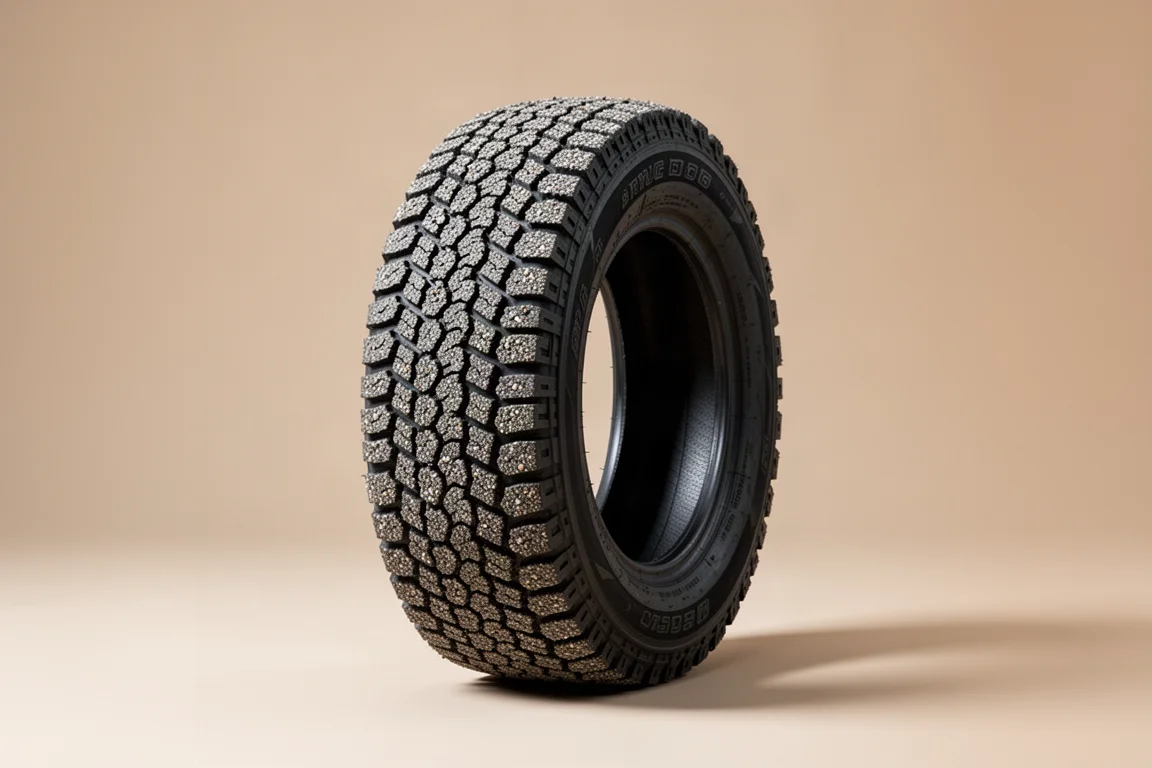
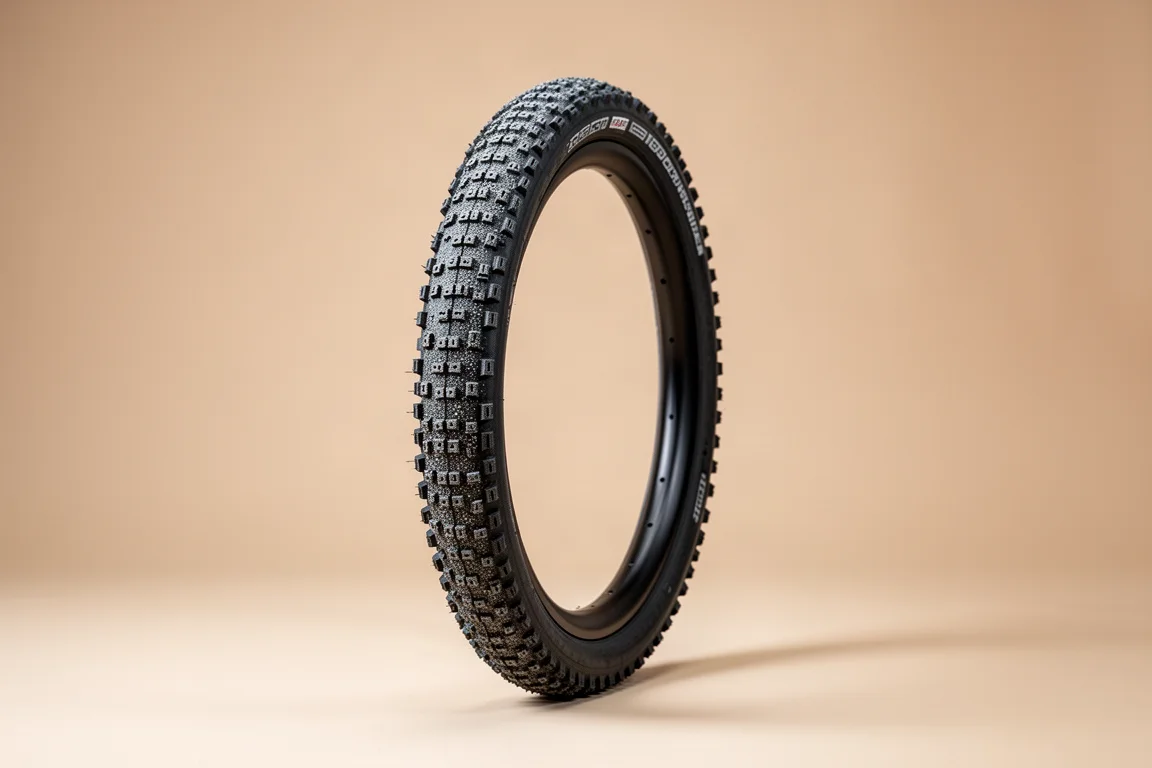
The Vulpine is aimed at racing. Its central knobs are tightly spaced to keep rolling resistance low, which matters when seconds count and the surface is fast.
WTB Sendero
Sendero means trail, and this is the wet weather tire in the line up. It uses tall, widely spaced knobs designed to bite down into soft dirt and produce as much traction as possible. The wide spacing also lets the tire clear mud instead of clogging up.
The trade off for that extra traction is a bit more rolling resistance. If you ride regularly in the wet, that is usually a worthwhile exchange for the added control.
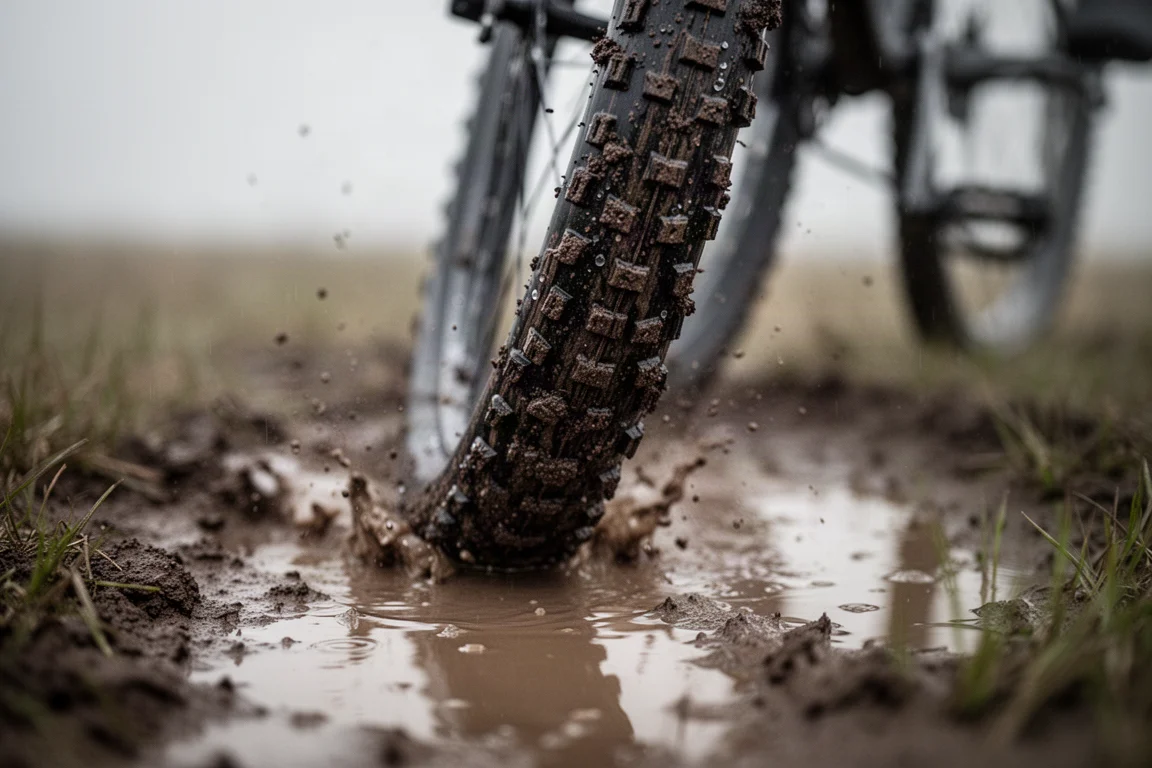
A tire like this makes most sense as part of a small quiver rather than as your only set, ready to go on when the weather turns.
WTB Ranger
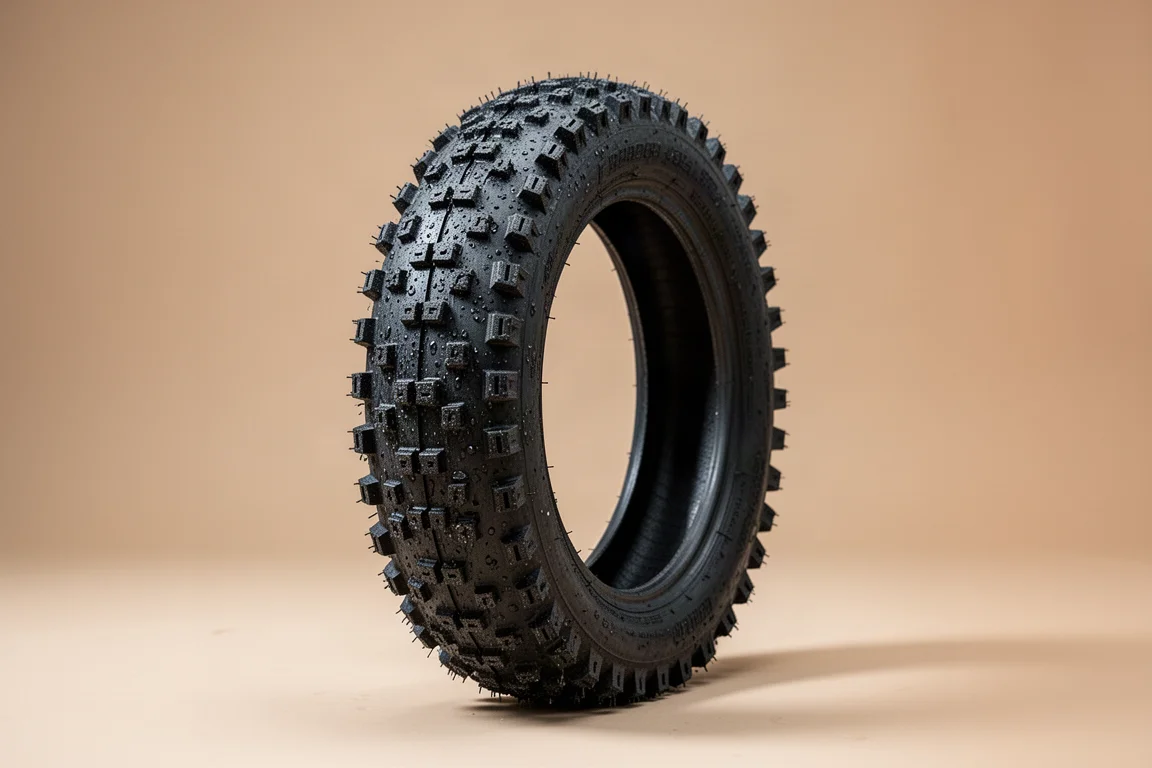
The Ranger is a high volume option at 2.25 inches, often chosen for use on 650b wheels. That extra volume provides cushioning on the roughest trails, and it pairs naturally with the lower pressures that wider tires allow.
The main thing to check is clearance. A tire this wide needs enough room in the frame and fork, including space for mud and debris.
WTB Nano
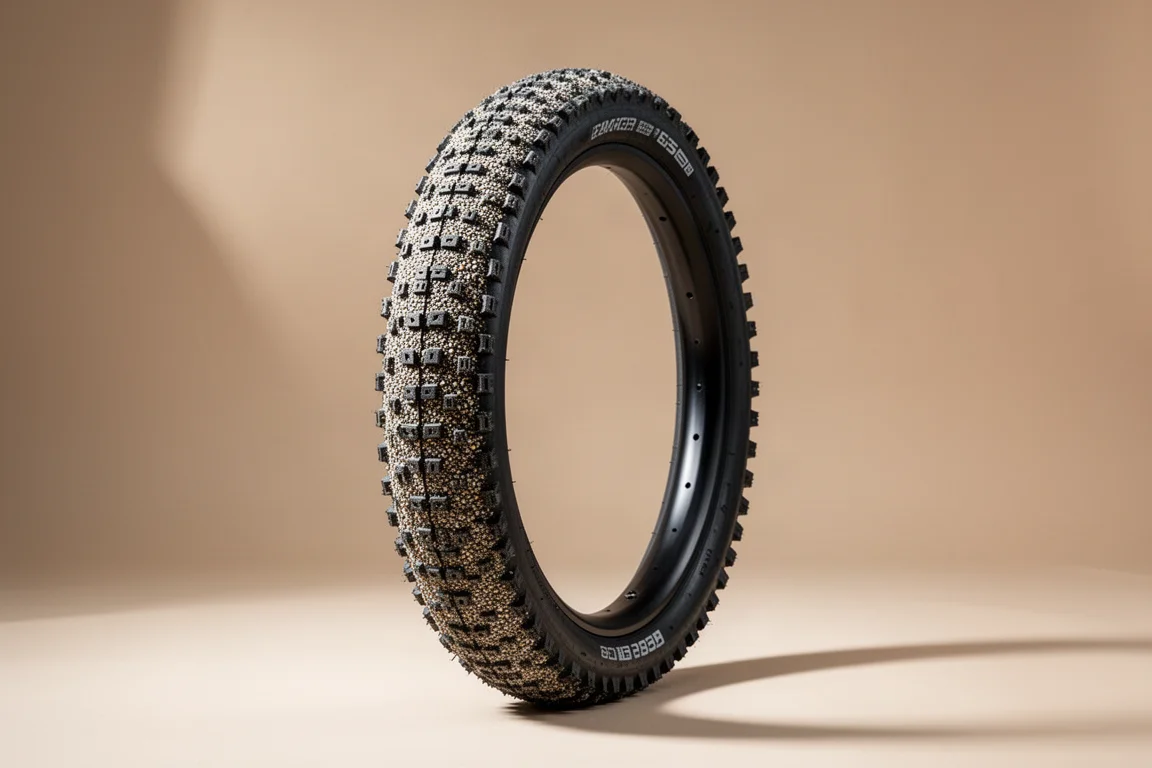
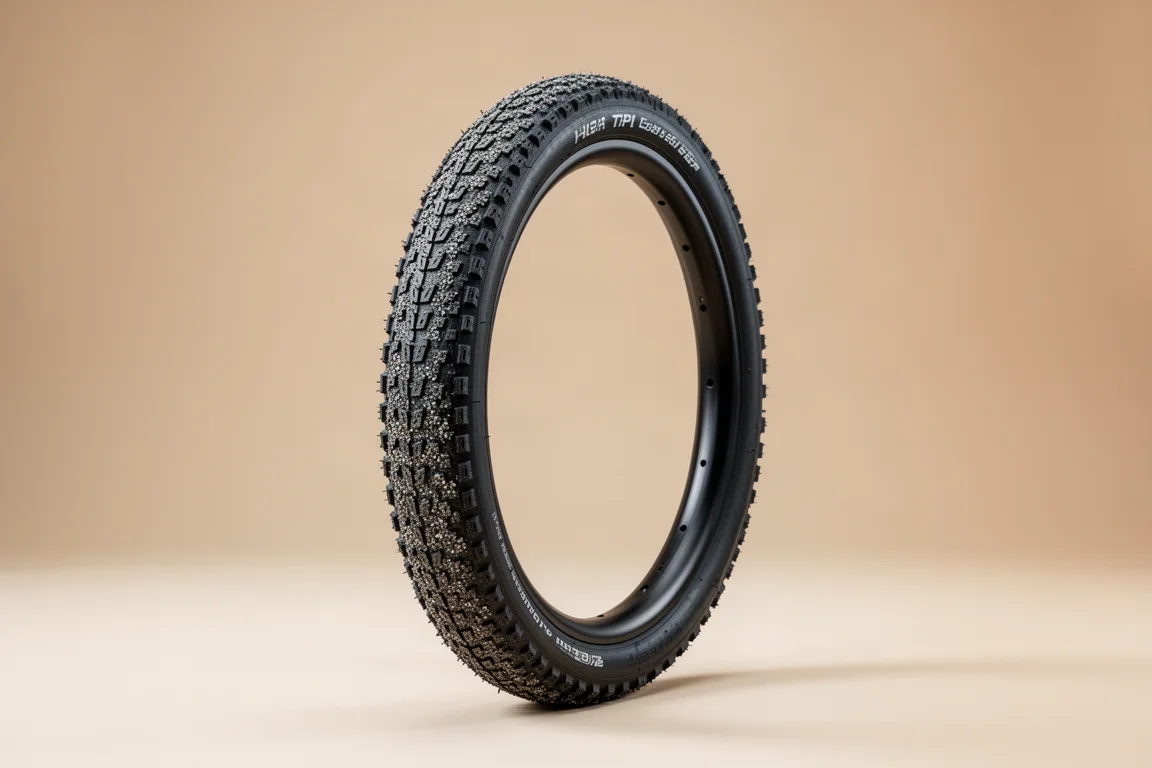
The Nano is built around a high TPI casing, which gives the supple feel that improves grip and comfort over small bumps. WTB adds a puncture protection layer under the tread on these high TPI tires, which is exactly the kind of feature worth seeking out when you upgrade from a basic original equipment tire.
Overall Buying Advice
Tires can be expensive, and investing in a good set is worthwhile. That said, building separate sets for dry, intermediate and wet conditions can mean spending more time swapping tires than actually riding.
A practical approach is to run an intermediate tread for the majority of the year, then switch in a full mud tire when the rain arrives. That gives you a strong setup for the widest range of conditions without buying everything at once.
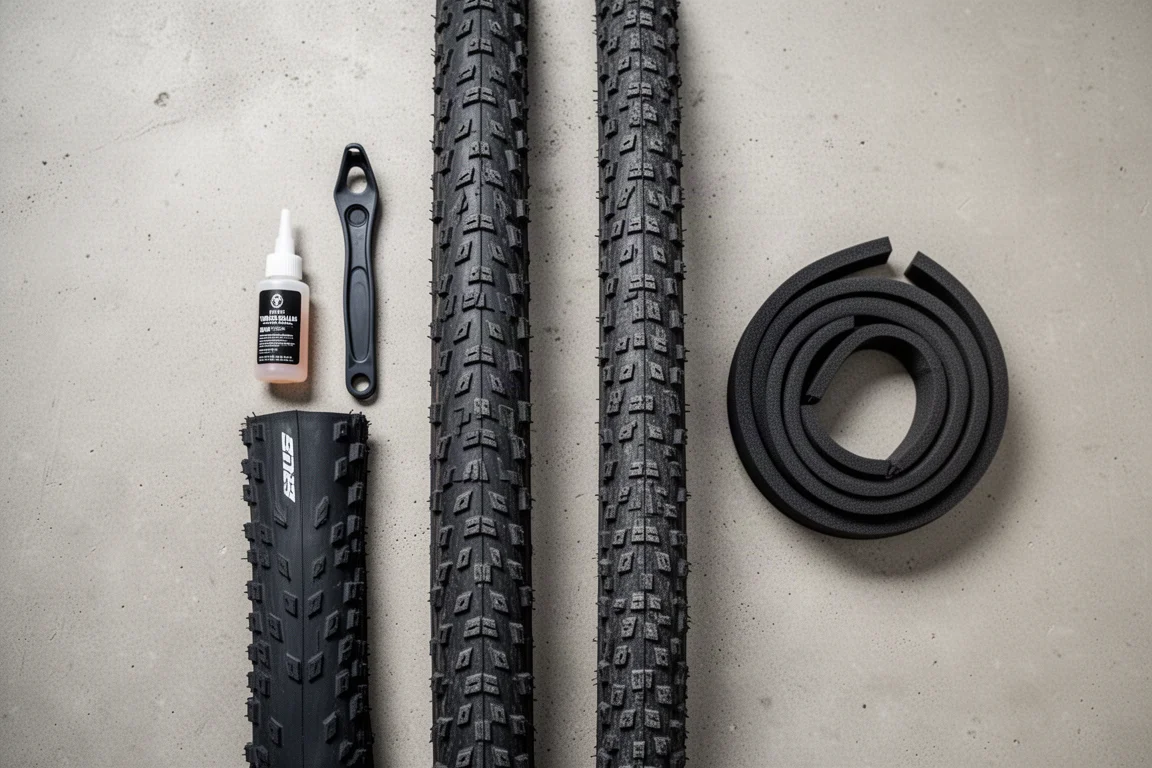
If you are buying your first set, two points matter most. Go tubeless if you have not already, because it plays a large role in how the bike rides. Then be careful about going too wide, since your frame and fork set the real limit.
Beyond those, tread pattern, casing construction and inserts are the details that let you tune the setup to the conditions you meet most often.
Conclusion
The right gravel tire comes down to the surfaces you ride most. A slick such as the Byway suits dry, hard packed ground and mixed tarmac. An intermediate tire such as the Resolute covers the widest range of conditions. The Vulpine trims rolling resistance for racing, the Sendero adds traction for wet weather, the Ranger brings volume for rough trails, and the Nano pairs a supple casing with puncture protection. Start with tubeless, respect your frame clearance, and match the tread to your terrain.
Further reading
Related Reviews
Gravel Tires
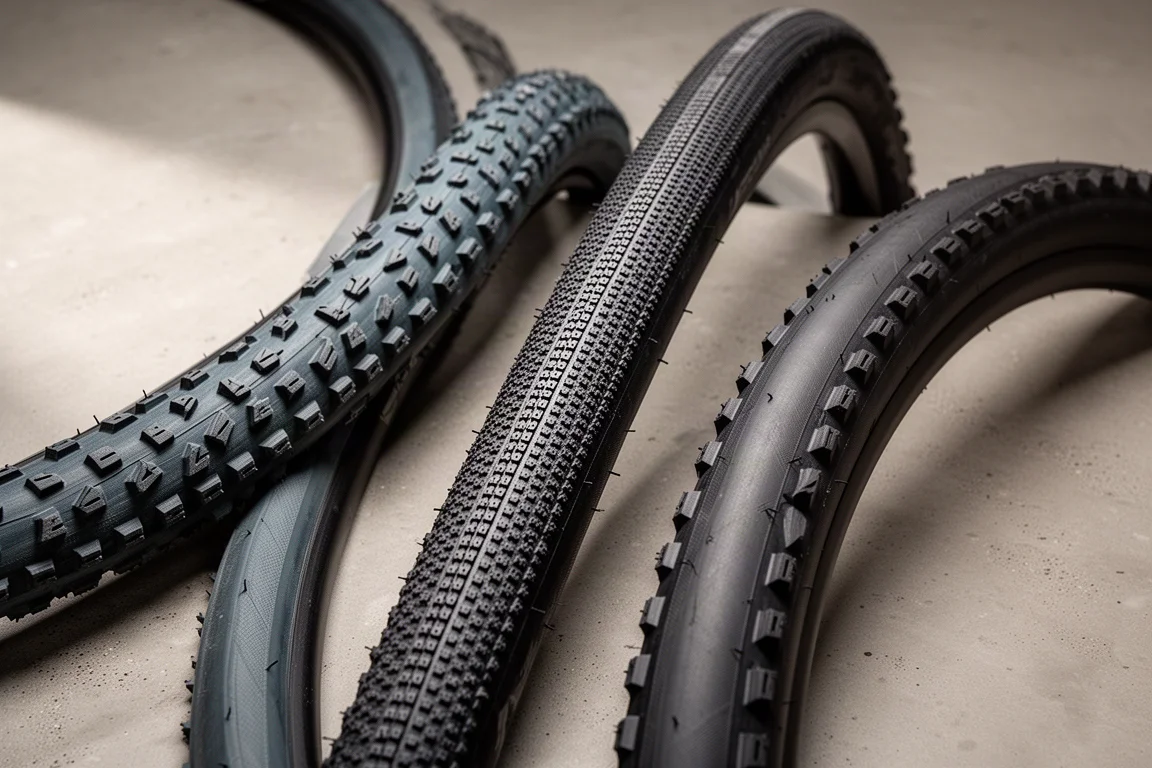
Best Gravel Tires: 11 Top Picks for Every Riding Style
A practical roundup of 11 gravel tires, from fast race-day rubber to mud-shedding all-rounders and rock-ready treads, with the trade-offs that matter.
Gravel Tires
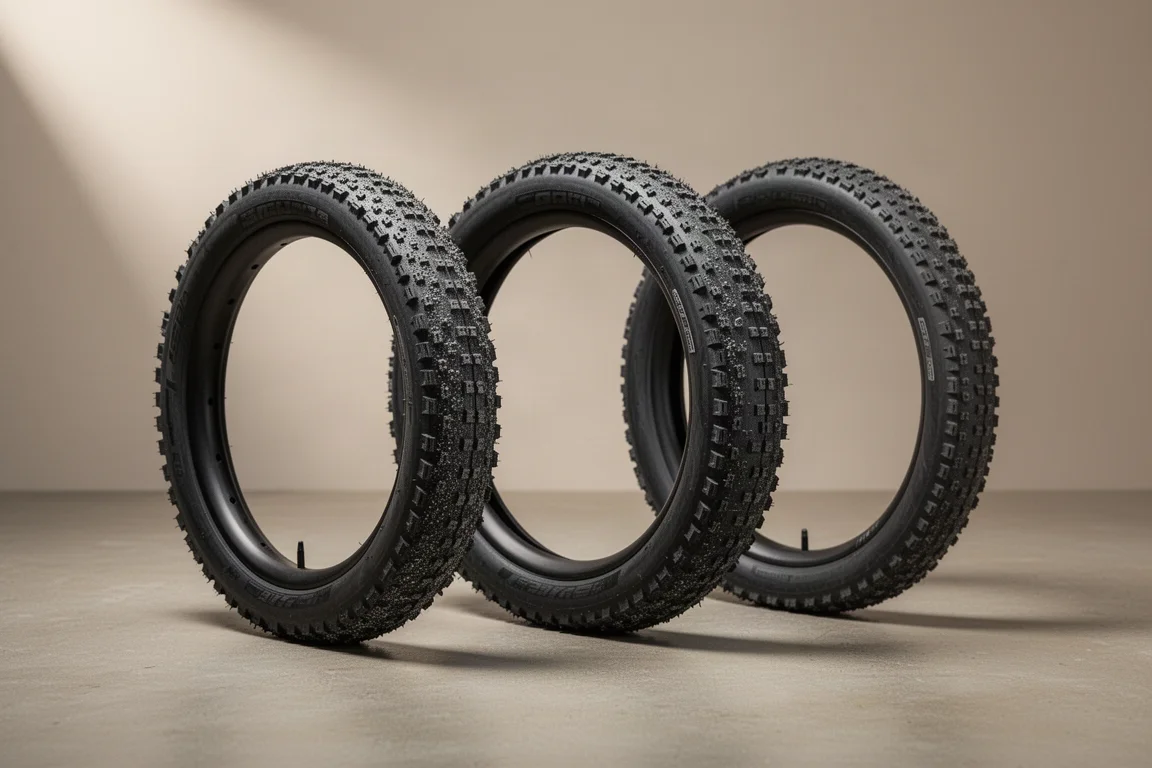
Pirelli Cinturato M Review: How Much Does Gravel Tire Width Really Matter?
A practical look at the Pirelli Cinturato M in 40mm, 45mm, and 50mm widths, and what the differences mean for speed, grip, comfort, and frame fit.
Gravel Tires
Pirelli Cinturato M Review: Choosing the Right Gravel Tire Width
A close look at the Pirelli Cinturato M in 40, 45 and 50 mm, and what real-world testing suggests about gravel tire width, speed, comfort and frame clearance.