Gravel Tires
WTB Gravel Tires Compared: Ranger, Byway, Resolute, Vulpine, Sendero, and Nano
A practical guide to WTB's gravel tire range, covering tread patterns, casing options, and the best use cases for each model.
Introduction
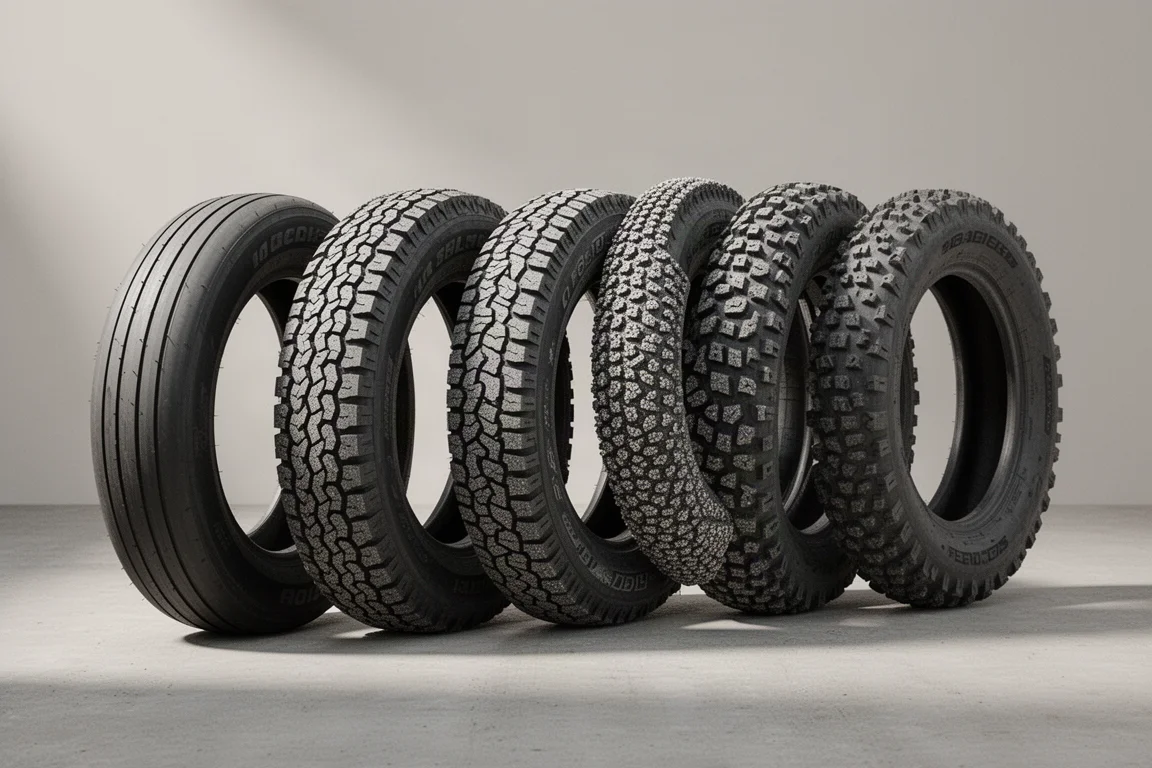
Gravel riding covers a broad range of terrain, from smooth hard pack to rocky trails and muddy tracks. The right tire can transform your confidence, comfort, and speed. With so many widths, tread patterns, and casing options, choosing can seem daunting. WTB offers a range of gravel tires designed for different conditions. This guide walks through the key considerations and then examines six WTB models: Ranger, Byway, Resolute, Vulpine, Sendero, and Nano.
Key Considerations for Gravel Tires
Before diving into specific tires, it’s worth understanding the main factors. Tubeless setup is now standard for off-road riding: replacing inner tubes with sealant reduces pinch flats and allows lower pressures for better traction. Almost all gravel tires are tubeless compatible, but always check that your wheels are too.
Width and volume make a huge difference. Narrow 35mm tires suit smoother routes, while wider tires up to 2.25 inches provide more cushioning and grip on rough trails. Your frame and fork clearance will limit how wide you can go. A minimum of six millimeters clearance is recommended to avoid debris and mud rubbing. Switching to 650b wheels can allow wider tires on frames with tight clearance.
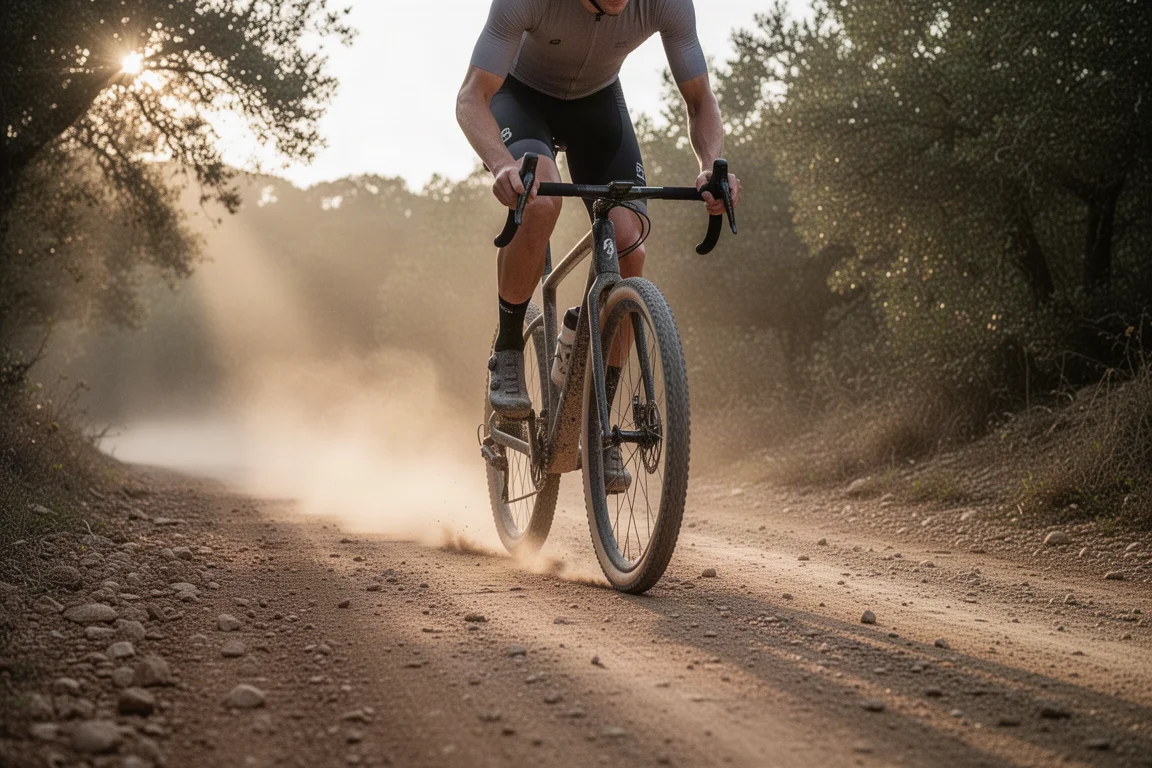
Tread pattern is another key choice. Slick or minimal-tread tires roll fast on hard pack and tarmac but offer less grip in loose or wet conditions. Intermediate treads balance speed and traction. Aggressive, widely spaced knobs excel in mud and wet weather but increase rolling resistance. Casing construction, measured in TPI (threads per inch), affects suppleness and puncture resistance. Higher TPI casings are more supple and comfortable but can be more puncture-prone; many include a protective layer. Finally, tire inserts are foam pieces that sit inside the tire, allowing lower pressures, protecting rims, and helping bead retention.
WTB Byway: Fast Rolling for Dry Conditions
The WTB Byway features a slick, minimal tread, especially in the central section. It is best suited to bone-dry conditions and hard pack ground. On smooth gravel and tarmac, it delivers very low rolling resistance. However, if you often corner on loose gravel or dusty surfaces, you may want more shoulder knobs for grip. The Byway is an excellent choice for riders who prioritize speed on dry, smooth surfaces and mixed surface rides where tarmac is common.
WTB Vulpine: Low Rolling Resistance for Racing
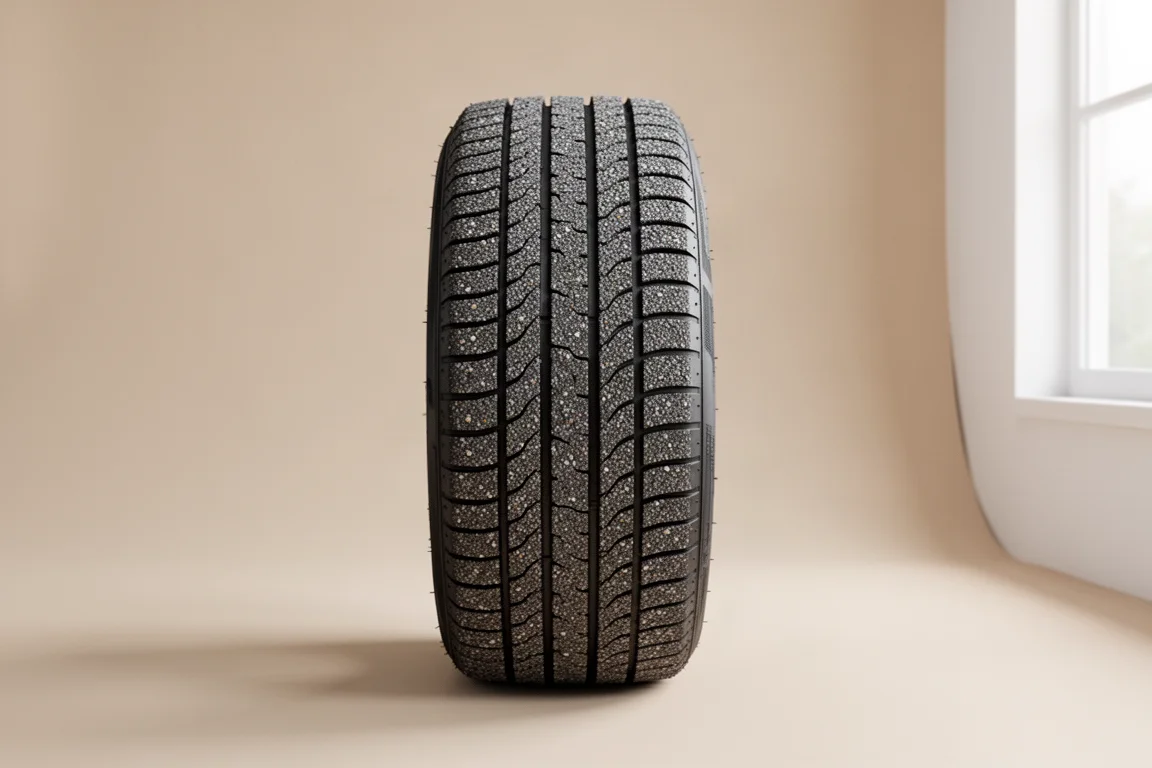
For racing and fast-paced gravel rides, the WTB Vulpine uses tightly spaced central knobs to minimize rolling resistance. This design helps maintain speed on smooth gravel and race courses. The trade-off is less grip in wet or loose conditions compared to more aggressive treads. If your riding consists of a lot of racing or fast training on relatively smooth terrain, the Vulpine is a strong contender.
WTB Resolute: Versatile All-Rounder
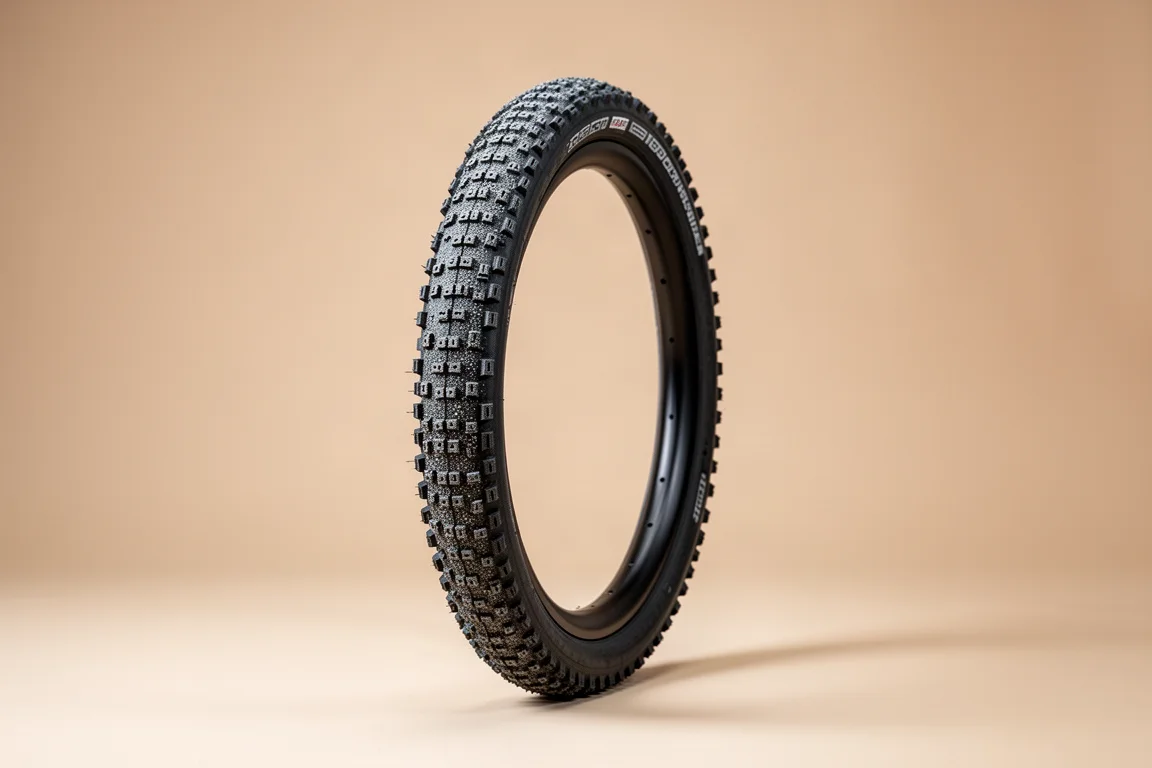
The WTB Resolute has an intermediate tread pattern: a tightly spaced central section for fast rolling, paired with larger side knobs for grip in wet or loose conditions. This combination makes it a versatile all-rounder that performs well across a wide range of conditions. It is a popular choice for riders who want one tire that can handle everything from hard pack to light mud.
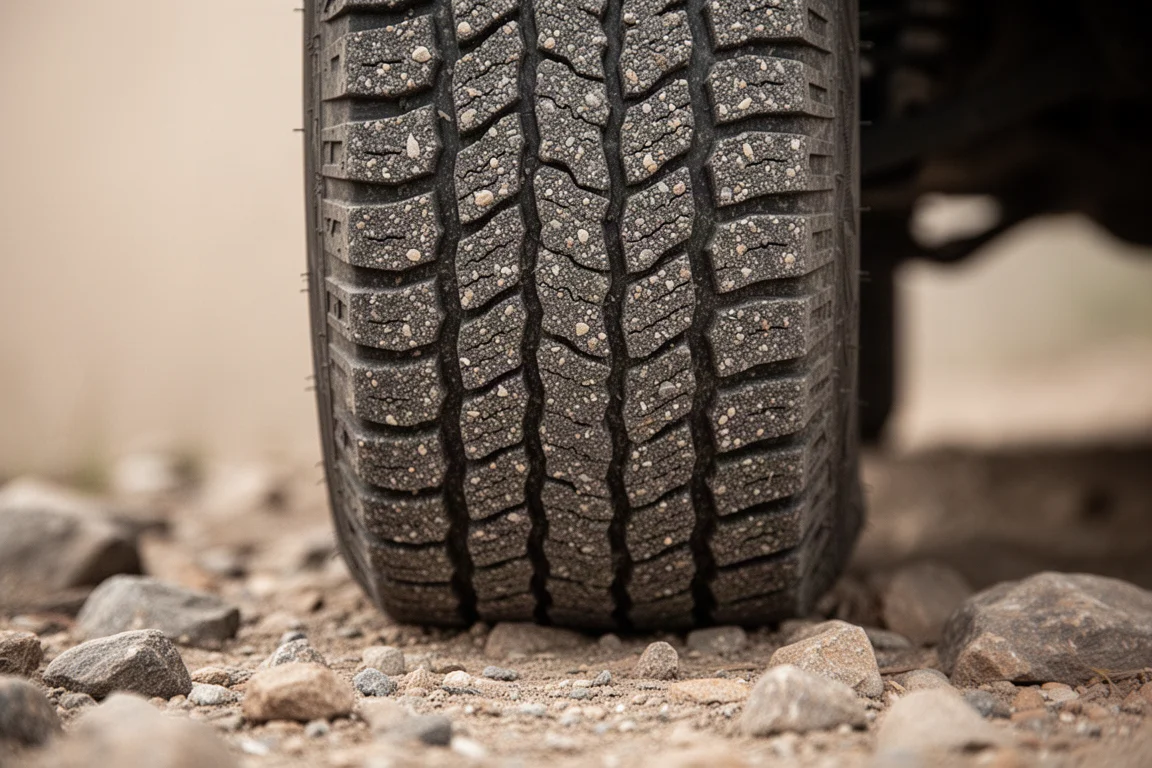
This tire is a great option for those who don’t want to swap tires frequently.
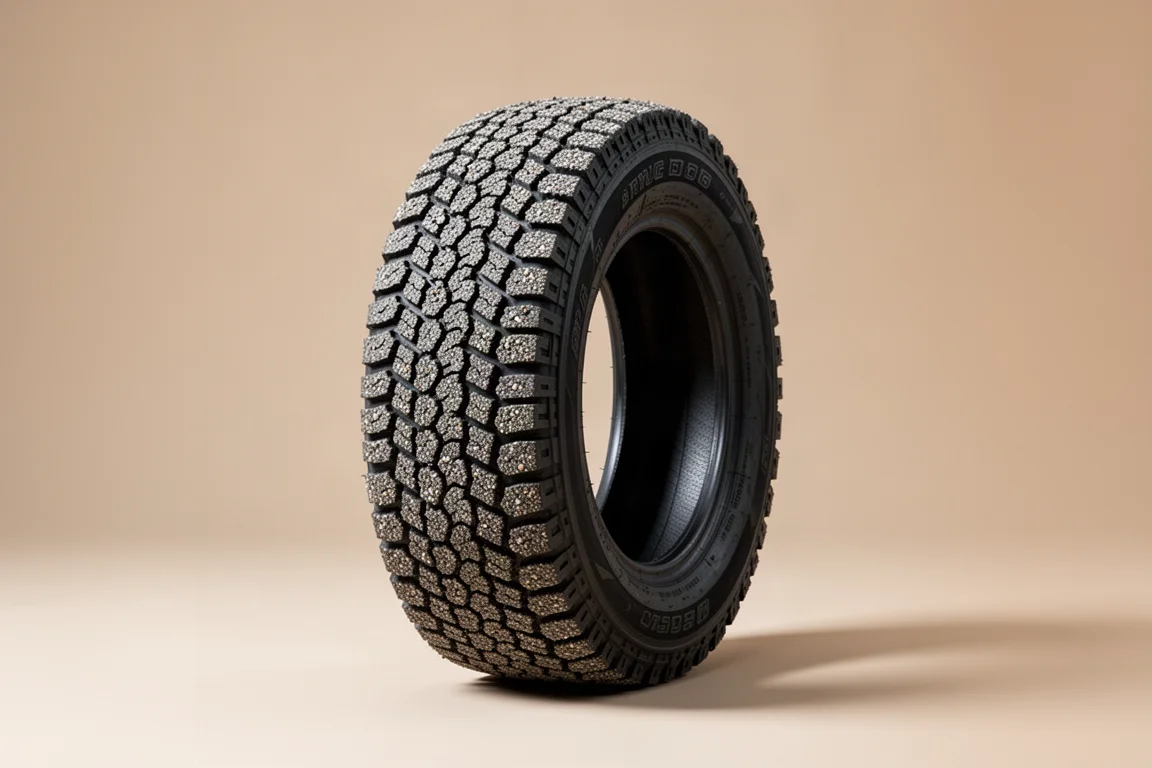
WTB Sendero: Wet Weather Traction
When the trails turn muddy and wet, the WTB Sendero comes into its own. It features tall, widely spaced knobs that bite into the dirt for maximum traction, while the wide spacing clears mud to prevent clogging. The trade-off is increased rolling resistance. If you regularly ride in wet conditions, the Sendero offers excellent control even if it sacrifices some speed.
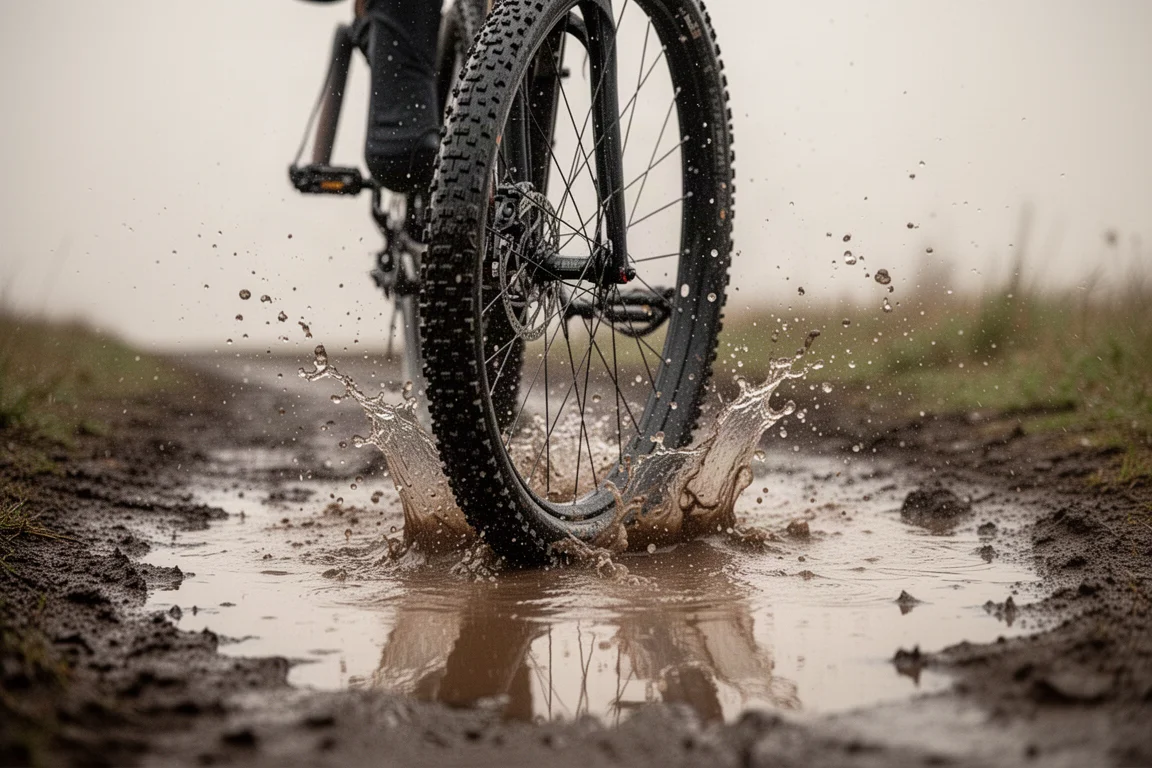
For riders who face persistent wet weather, this tire can be a game-changer for confidence.
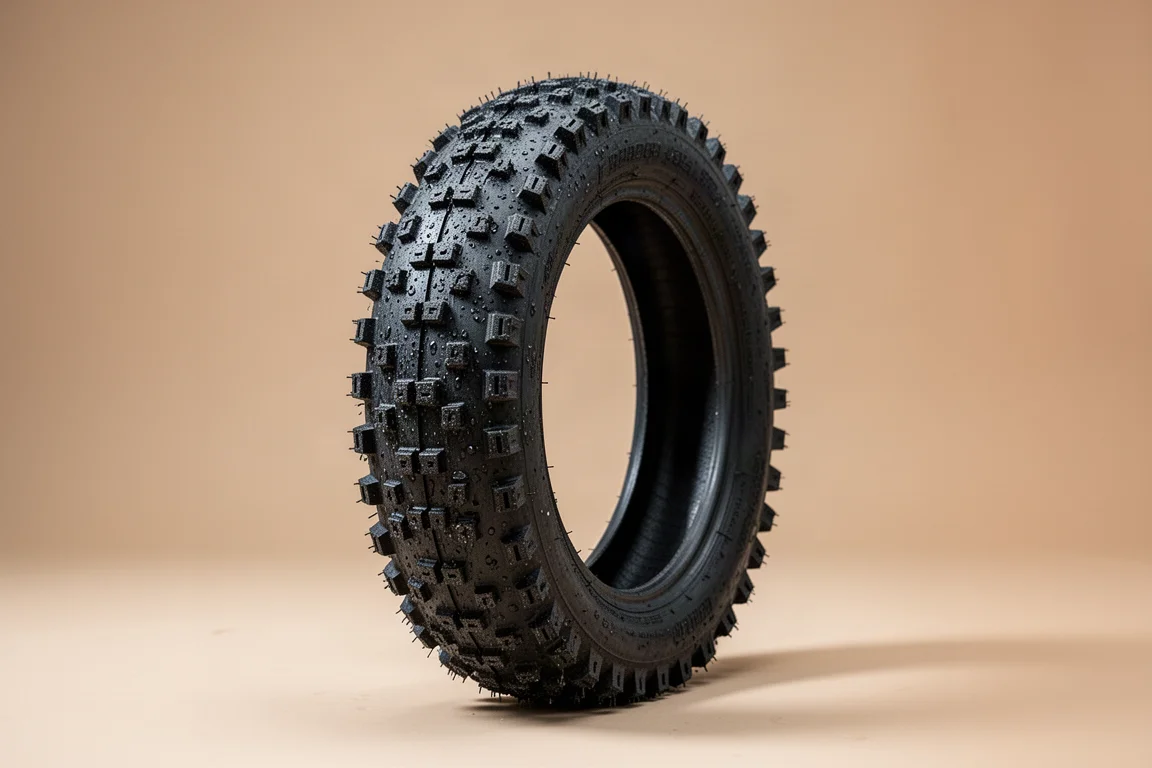
WTB Ranger: Wide Cushioning for Rough Trails
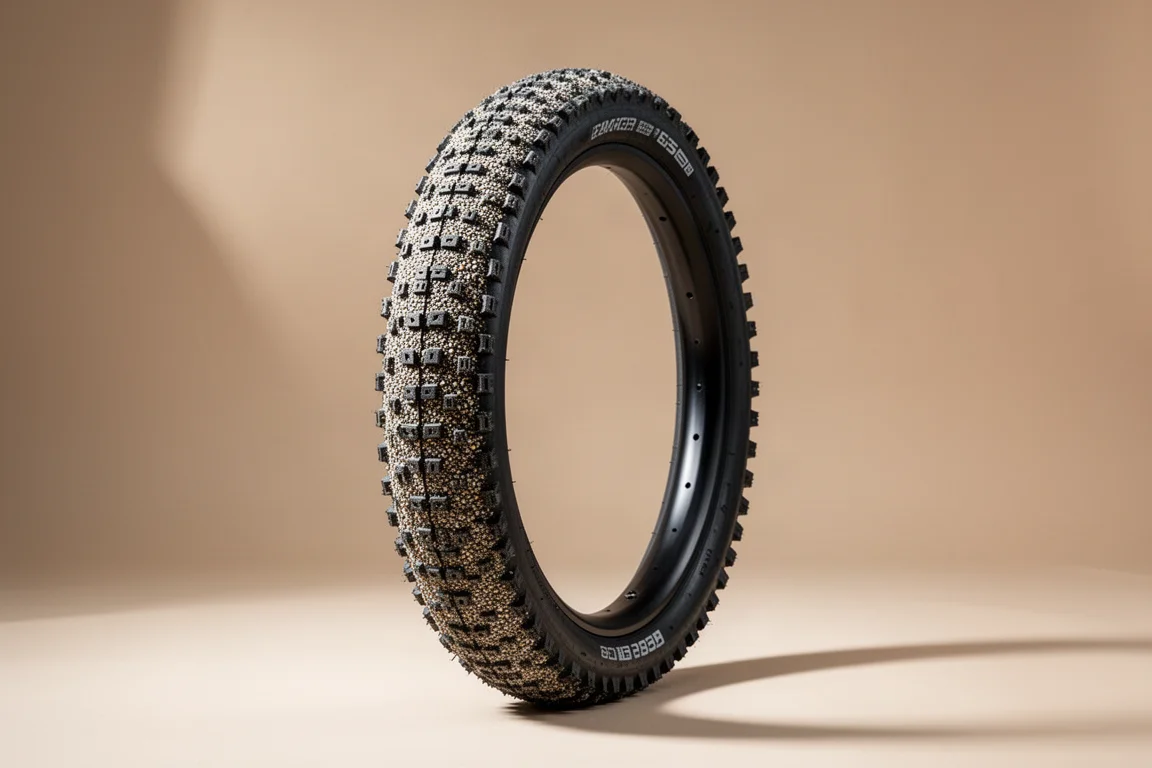
The WTB Ranger is a wide tire at 2.25 inches, typically used on 650b wheels. It provides extra cushioning on the roughest trails, making rough surfaces more pleasant to ride. The wider profile allows lower tire pressures, increasing the contact patch for better grip and comfort. Just make sure your frame and fork have enough clearance, and consider that wider tires can increase rolling resistance on smoother surfaces.
WTB Nano: High TPI Casing with Puncture Protection
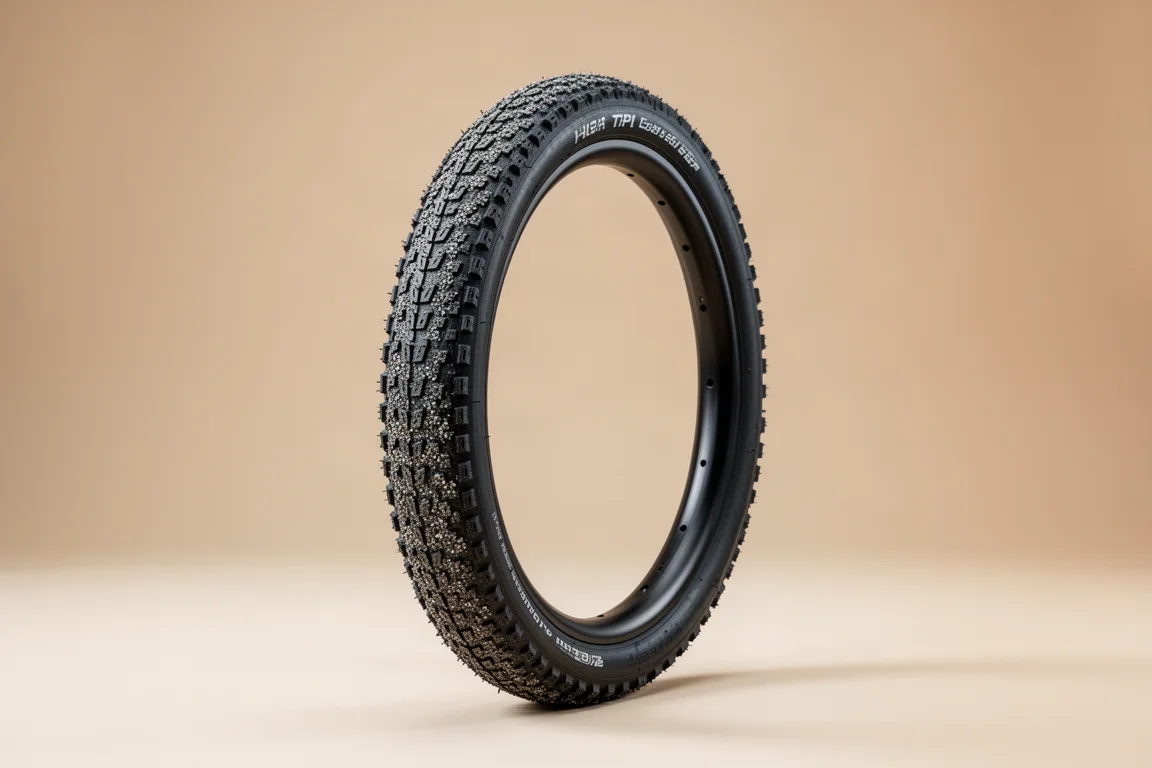
The WTB Nano is a high TPI tire that uses a puncture protection layer under the tread. High TPI casings are more supple, which improves grip and comfort as the tire deforms over small imperfections. The added protection layer helps address the increased puncture risk that can come with high TPI designs. This makes the Nano a good choice for riders who want a comfortable, fast-feeling tire with added durability for mixed-surface adventures.
Overall Buying Advice
Choosing the right gravel tire comes down to matching the tread and casing to your typical riding conditions. If you haven’t switched to tubeless, it’s a worthwhile upgrade for off-road riding. Be mindful of width: your frame and fork clearance will dictate how wide you can go. For most riders, an intermediate tread like the Resolute offers a great balance for year-round use. If you race, the Vulpine’s low rolling resistance is appealing. For wet weather, the Sendero provides essential traction. The Byway excels on dry, smooth surfaces, while the Ranger adds cushioning for rough trails. The Nano brings high TPI suppleness with puncture protection.
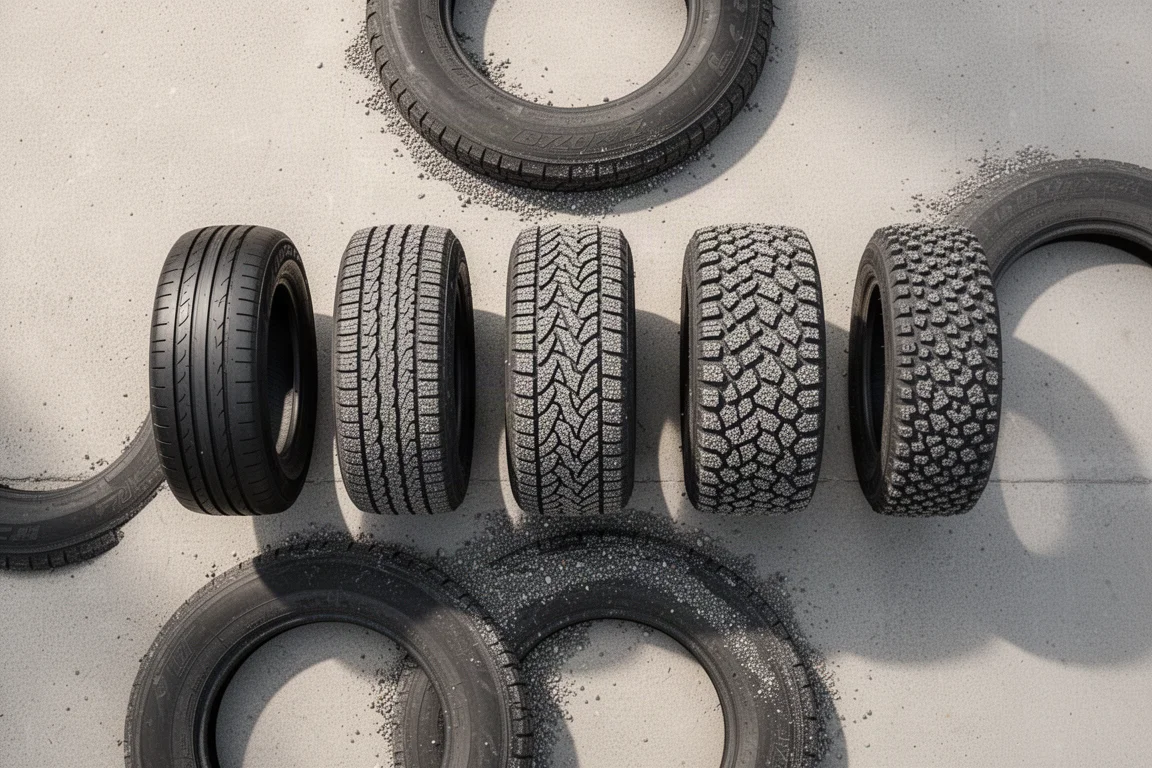
Having a second set of tires for specific conditions can be useful, but many riders find that one versatile tire covers most of their needs. Tire inserts are a smart addition if you want to run lower pressures and protect your rims.
Conclusion
WTB’s gravel tire range offers options for nearly every condition and riding style. By understanding tubeless setup, width, tread pattern, and casing, you can choose a tire that boosts your confidence and enjoyment on the bike. Whether you prioritize speed, comfort, or grip, there is a WTB model suited to your needs.
Further reading
Related Reviews
Gravel Tires
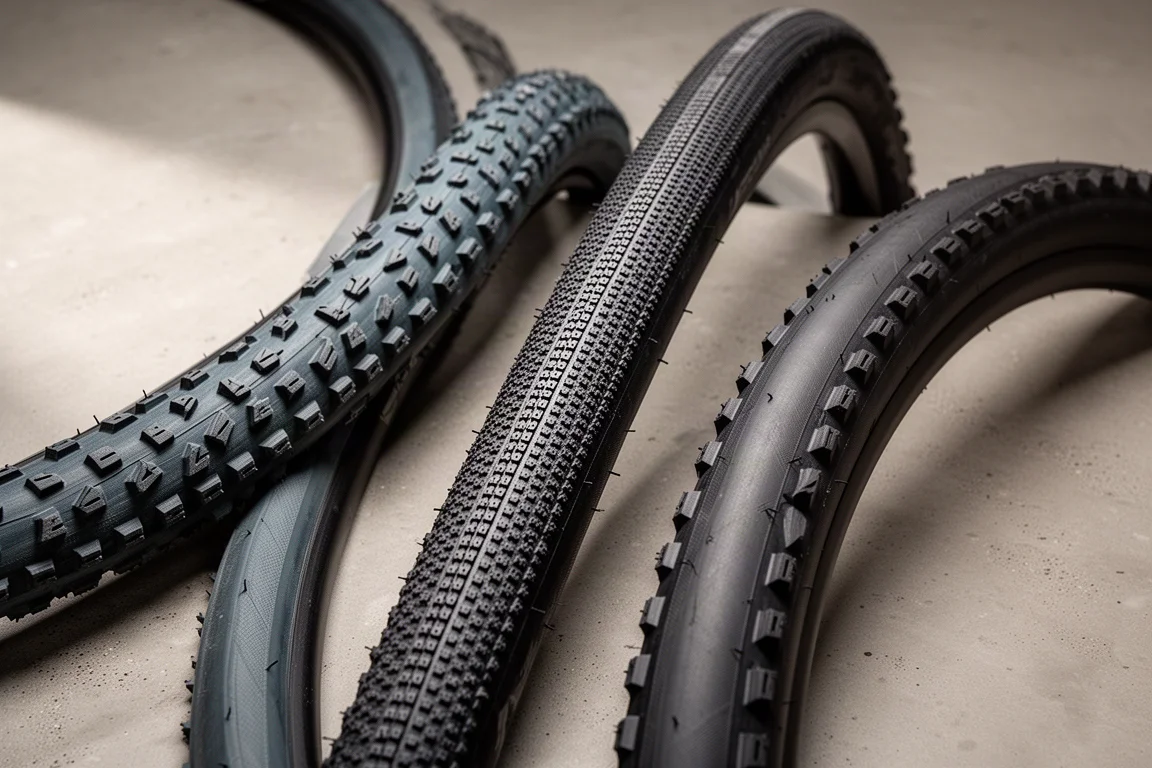
Best Gravel Tires: 11 Top Picks for Every Riding Style
A practical roundup of 11 gravel tires, from fast race-day rubber to mud-shedding all-rounders and rock-ready treads, with the trade-offs that matter.
Gravel Tires
Pirelli Cinturato M Review: How Much Does Gravel Tire Width Really Matter?
A practical look at the Pirelli Cinturato M in 40mm, 45mm, and 50mm widths, and what the differences mean for speed, grip, comfort, and frame fit.
Gravel Tires
Pirelli Cinturato M Review: Choosing the Right Gravel Tire Width
A close look at the Pirelli Cinturato M in 40, 45 and 50 mm, and what real-world testing suggests about gravel tire width, speed, comfort and frame clearance.