Gravel Tires
WTB Aero Gravel Tires Compared: Byway RS50, Course 52 and Macro 54
WTB's new gravel range spans 50mm to 54mm with sidewall vortex generators, a new 120 TPI casing and claimed drag savings. Here is how the three models differ and who each one suits.
Introduction
Gravel tires have been getting wider for years, and the reason is straightforward. More volume can bring more comfort and more grip, and on rough surfaces it can even lower rolling resistance. The obvious trade-off is aerodynamics. A wide, round tire profile is not a shape that slips through the air, and on a fast gravel bike the tire can account for a meaningful share of total drag.
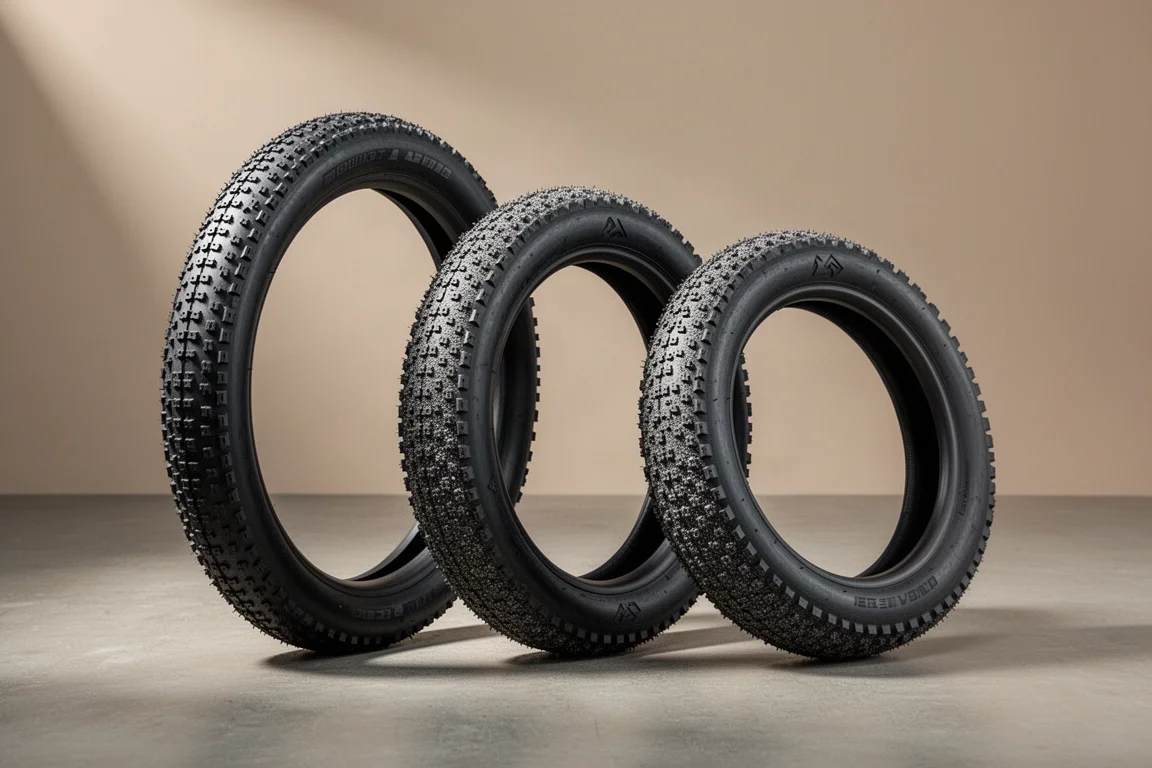
WTB’s new range attacks that problem directly. Three tires arrive at once, the Byway RS50, the Course 52 and the Macro 54, spanning 50mm to 54mm and carrying small raised features on their sidewalls that WTB calls vortex generators and trip strips. WTB claims these details can save as much as 13.8 watts at 40 km/h compared with an otherwise identical tire without them.
This guide covers what the three models share, where they differ, and which one is likely to suit your riding.
Why Aero Now Matters for Gravel
Shape matters more than frontal area alone. A round object placed in the wind creates dramatically more drag than a shaped one, and the gap is large enough that a thin round cable running perpendicular to the airflow can produce as much drag per unit length as a much thicker, carefully shaped head tube. That is the problem a wide gravel tire presents: it is wide, round, and difficult to reshape.
A tire cannot be turned into an aerofoil, so the gains have to come from small changes. WTB’s approach is to leave the tread alone, because tread is where grip and rolling resistance are decided, and instead work on the sidewall area. The raised features there are designed to manage airflow around the tire and wheel, delaying airflow separation and reducing the low pressure wake behind the tire. The same principle has been applied to frames, wheels and skin suits for years, but it is unusual to see it applied to a 54mm gravel tire.

The features are small and easy to miss, and WTB says they were positioned on the sidewall so that they work across a range of sensible gravel rim widths rather than only one.
Shared Casing, Compound and Rim Fit
All three tires use a new 120 TPI casing with SG2 puncture protection running bead to bead, along with an updated dual DNA rubber compound. That compound puts faster rolling rubber through the center of the tread and softer, higher grip rubber toward the shoulders, so straight-line speed and cornering grip are handled separately.
The tires are designed around modern wide gravel rims, covering internal widths from 25mm to 32mm and optimized around a 28mm internal width. The thinking is that the extra volume provides support and stability at lower pressures while still holding the tire shape WTB wants for its aero features to work properly.
The development work behind the range was simulation-heavy. WTB ran fluid dynamics simulations with meshes far larger than the cycling industry norm, then used thousands of lower cost simulation runs to refine the design. WTB also says the aero features were tested with the tire dirty, covered in mud and dust, which matters for a tire that spends its life off pavement.
WTB Byway RS50: Built for Speed
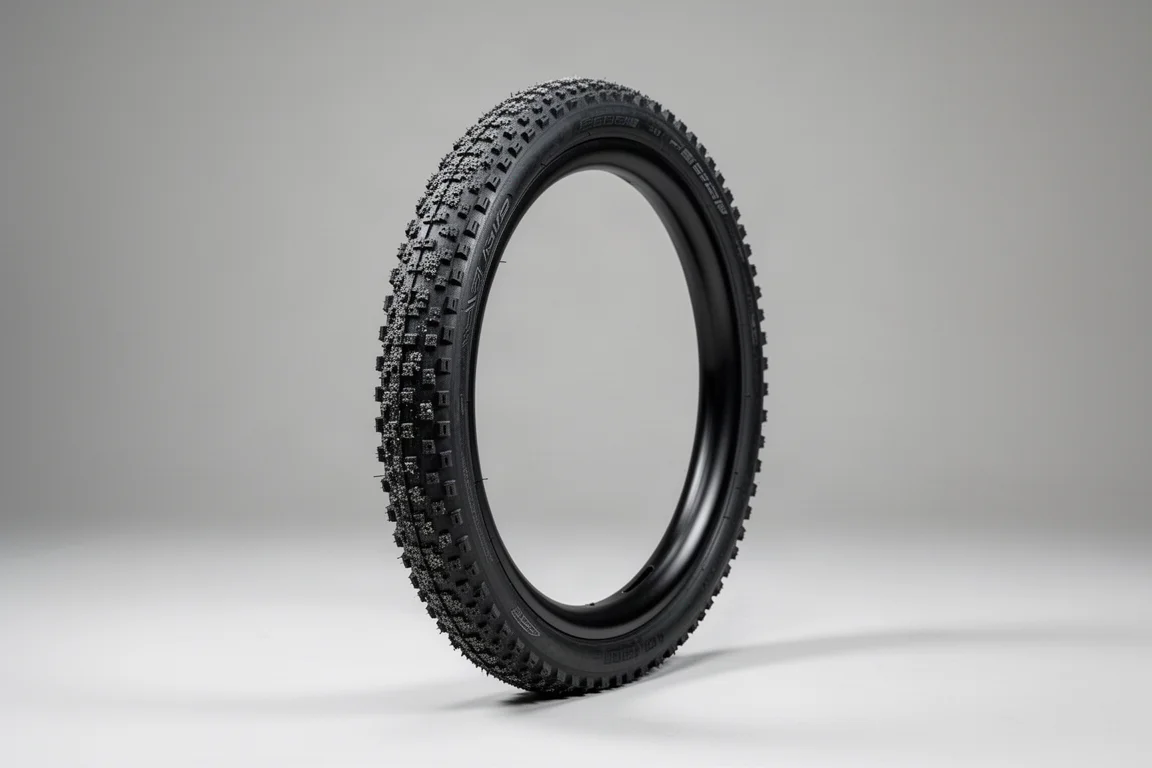
The Byway RS50 is the fastest tire in the range. It measures 50mm wide and carries a claimed weight of 620 grams, making it the lightest of the three. Its tread is an almost slick center section with small shoulder knobs, a combination aimed at fast hardpack, smoother gravel and racing.

For riders chasing speed on champagne gravel and dry dirt roads, the near-slick center should roll quickly while the shoulder knobs still offer something to lean on through corners. It is the narrowest option here, and WTB positions it as the race-oriented choice in the line.
WTB Course 52: The Everyday All-Rounder
The Course 52 sits in the middle of the range at 52mm wide with a claimed weight of 635 grams. It offers more tread and more grip than the Byway RS50 while still being designed to roll quickly, which makes it the tire to fit and forget when you would rather not think about conditions before every ride.
If your riding mixes smooth hardpack, chunky gravel and the occasional rougher section, this is the model that asks the fewest questions of you. The extra width over the Byway RS50 adds volume and a little more tread without stepping up to the rolling characteristics of the widest tire in the range.
WTB Macro 54: Grip for Rougher Gravel
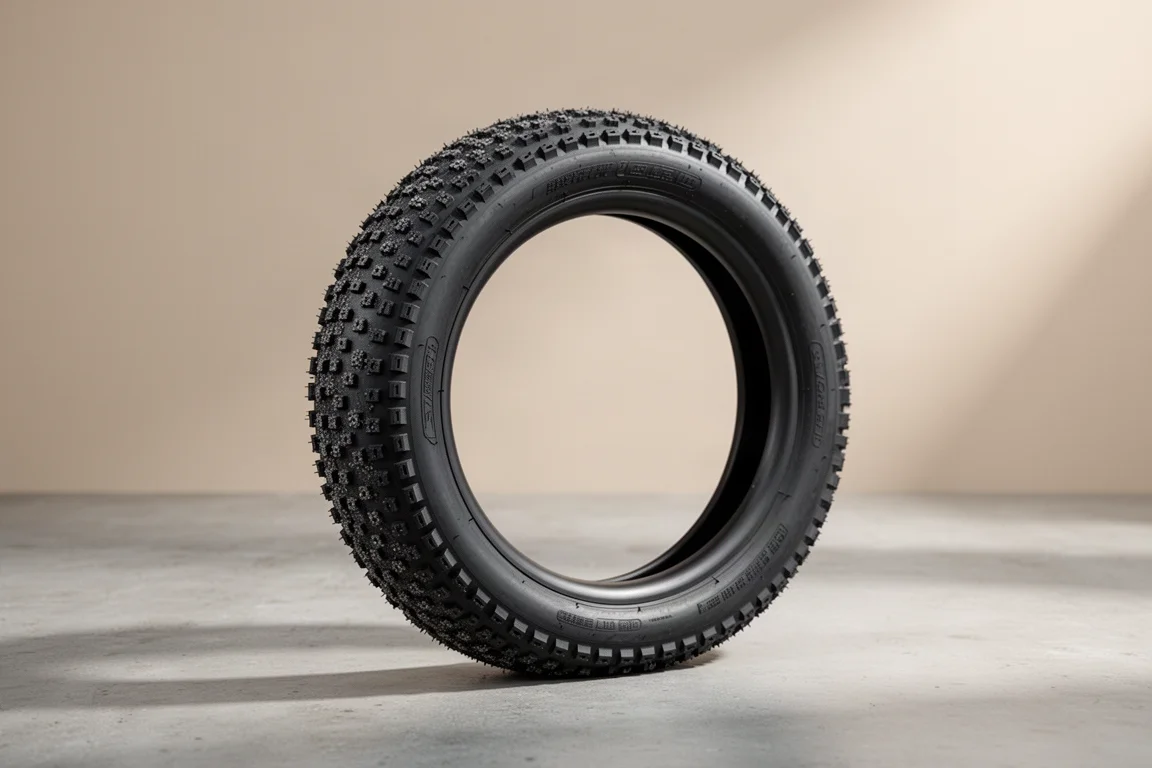
The Macro 54 is the widest tire in the new line at 54mm, with a claimed weight of 640 grams. Its knobs are more widely spaced than those on the other two, and that tread design makes it the option for rougher, looser and more technical gravel, where outright grip matters more than pure rolling speed.

The claimed weight is still modest for a tire this size, so riders who need traction on loose climbs and confidence through rocky sections are not giving up much on efficiency. It is the model to choose when the terrain, rather than the clock, sets your pace.
What the Aero Claims Mean in Practice
WTB’s figures compare each tire with an otherwise identical tire that lacks the aero features. The claimed savings are 5.8 watts at 30 km/h, 9.3 watts at 35 km/h and 13.8 watts at 40 km/h. Those numbers come from the manufacturer, and verifying them independently would require wind tunnel or drum testing, so treat them as claims rather than settled fact.
Even so, the 30 km/h figure is the interesting one. That is a realistic speed for many riders who enjoy gravel for fun and adventure rather than pure racing, and a saving of that size at that speed would be meaningful for anyone who spends long days on fast surfaces.
Buying Advice: Matching the Tire to Your Riding
All three tires share the same casing, the same dual DNA compound and the same sidewall aero features, so tread pattern and width are the real decision points. That makes the choice simpler than the spec sheets suggest.

Choose the Byway RS50 if speed is the priority and your riding is mostly hardpack, smoother gravel and race efforts. Choose the Course 52 if you want one tire that handles most conditions without a second thought. Choose the Macro 54 if your routes include loose, rocky or technical gravel and you would rather have grip on demand.
One practical note applies to all three: they are designed around gravel rims with internal widths of 25mm to 32mm and optimized around 28mm, so matching the tire to your wheels matters for both tire shape and the way the aero features perform.
Conclusion
The move toward wider gravel tires has been underway for a while, and WTB’s new range shows what happens when a brand decides that wide does not have to mean slow. Three tires, three tread patterns, one shared aero concept, and a set of manufacturer claims that put real numbers on the idea of an aerodynamic gravel tire. Riders who want speed on hardpack have the Byway RS50, riders who want one tire for everything have the Course 52, and riders who want grip on the roughest surfaces have the Macro 54.
Further reading
Related Reviews
Gravel Tires
Best Gravel Tires: 11 Top Picks for Every Riding Style
A practical roundup of 11 gravel tires, from fast race-day rubber to mud-shedding all-rounders and rock-ready treads, with the trade-offs that matter.
Gravel Tires
Pirelli Cinturato M Review: How Much Does Gravel Tire Width Really Matter?
A practical look at the Pirelli Cinturato M in 40mm, 45mm, and 50mm widths, and what the differences mean for speed, grip, comfort, and frame fit.
Gravel Tires
Pirelli Cinturato M Review: Choosing the Right Gravel Tire Width
A close look at the Pirelli Cinturato M in 40, 45 and 50 mm, and what real-world testing suggests about gravel tire width, speed, comfort and frame clearance.