Gravel Tires
WTB Aero Gravel Tires: Byway RS50, Coarse 52, and Macro 54 Compared
WTB's new 50mm to 54mm gravel tires add sidewall aero features, a new casing, and three distinct tread options for fast gravel, all-round riding, and technical terrain.
Introduction
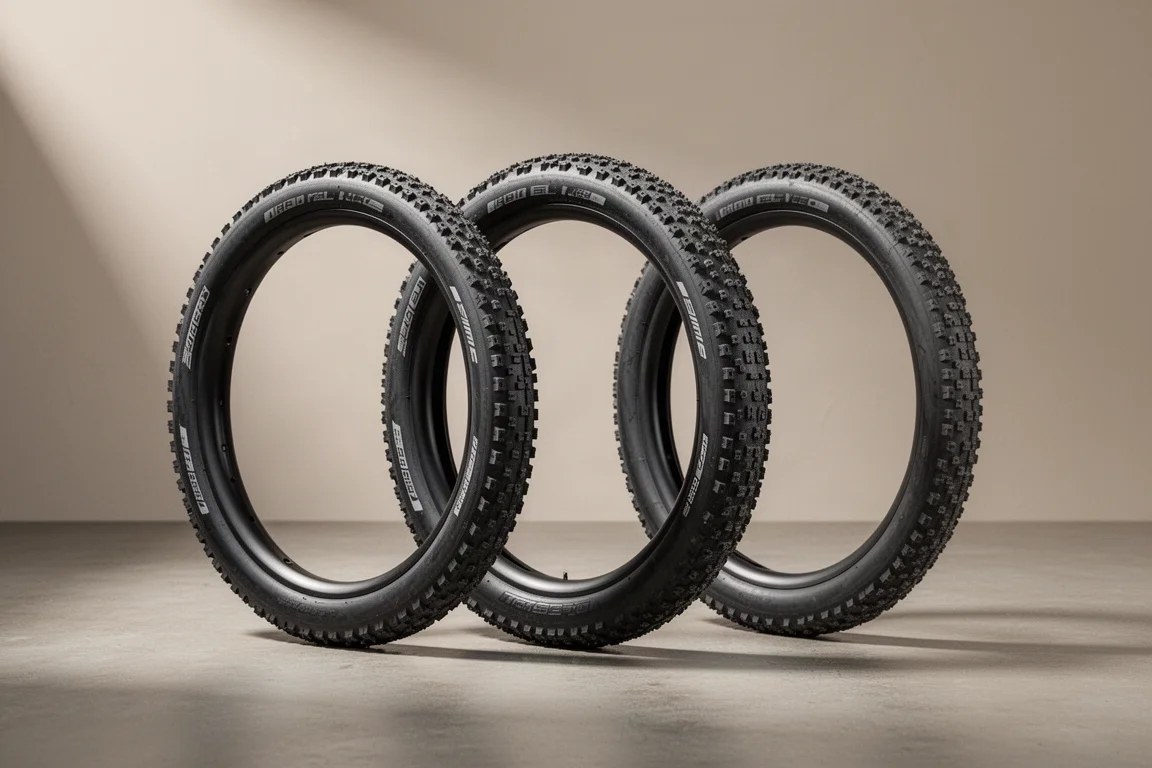
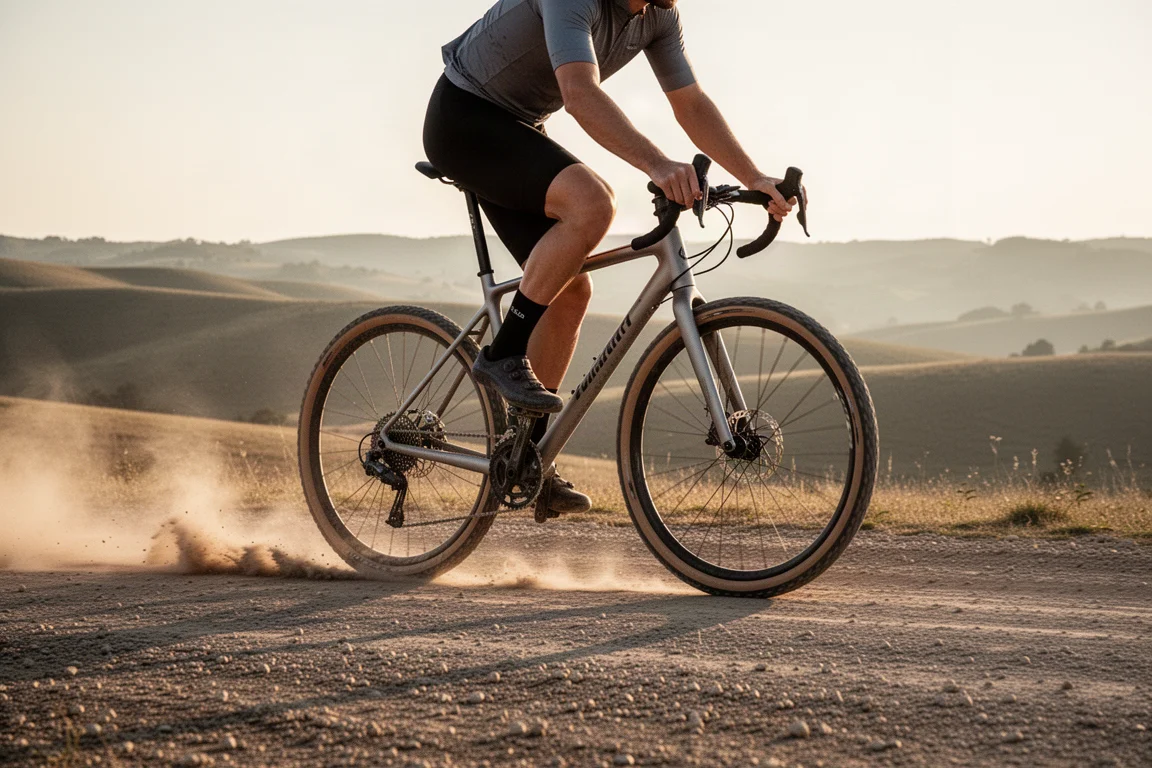
Gravel tires have been getting wider, and for good reason: more volume can deliver more comfort, more grip, and on rough surfaces potentially lower rolling resistance as well. The obvious trade-off has always been aerodynamics. WTB’s new range addresses that head-on with three tires spanning 50mm to 54mm, each built around small raised features on the sidewalls that the company calls vortex generators and trip strips.
WTB claims these details can save as much as 13.8 watts at 40 km/h compared with an otherwise identical tire without the aero features. That is a substantial figure, and it is worth treating the way you would treat any manufacturer number until independent testing is available.
The three tires are the Byway RS50, the Coarse 52, and the Macro 54. The numbers indicate width, and they also say something about where gravel equipment is heading.
Why Aerodynamics Now Matter on Wide Gravel Tires
Frontal area matters, but shape matters more. A round, blunt object sitting perpendicular to the wind produces far more drag than a well-shaped airfoil, and a tire is essentially a round object. That is why a wide tire can carry a surprising amount of drag even when the rest of the bike is optimized.
The design logic behind this range is straightforward. Rather than reshaping the tread, which has to deliver grip, the aerodynamic work happens on the sidewall, where rolling resistance and traction matter far less. The tire was developed alongside an aero-focused bike brand, and the features were also tested when covered in dirt and mud, which matters for a tire that will spend most of its life off pavement.
WTB Byway RS50: The Fast Option
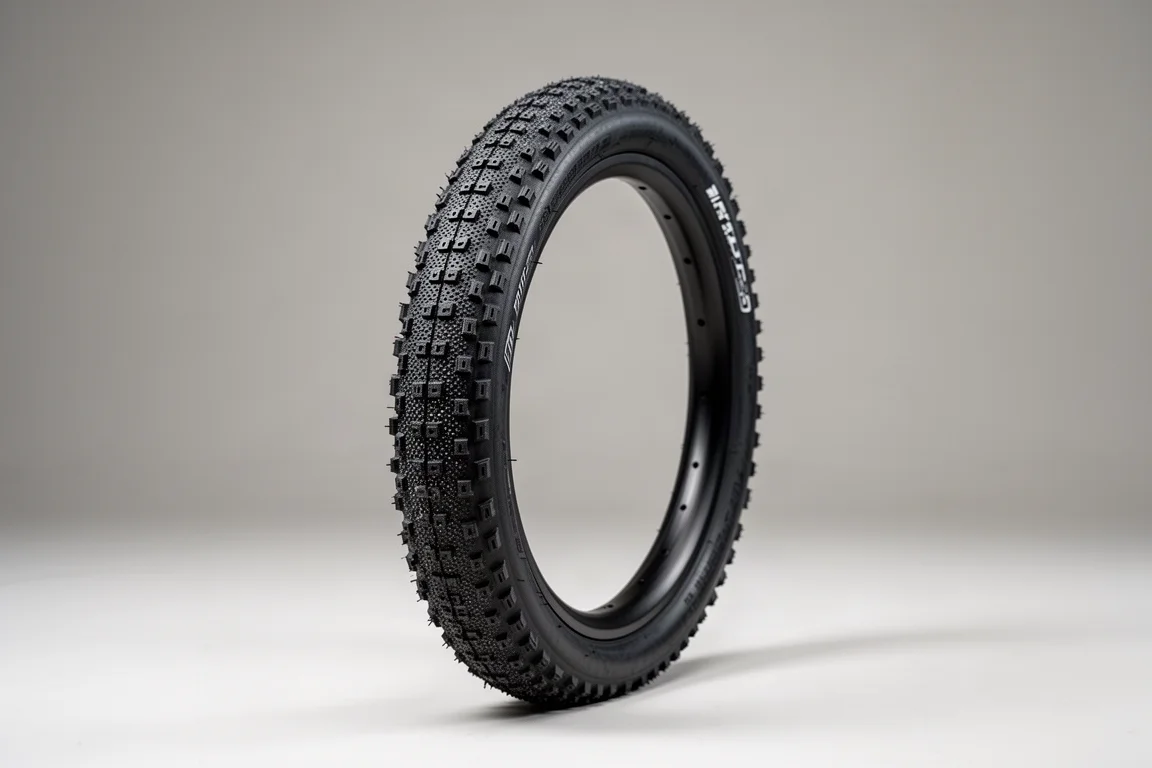
The Byway RS50 is 50mm wide with a claimed weight of 620 grams. It uses an almost slick center section with small shoulder knobs, making it the fastest tire in the range and the one aimed at hard pack, smoother gravel, champagne gravel, and racing.
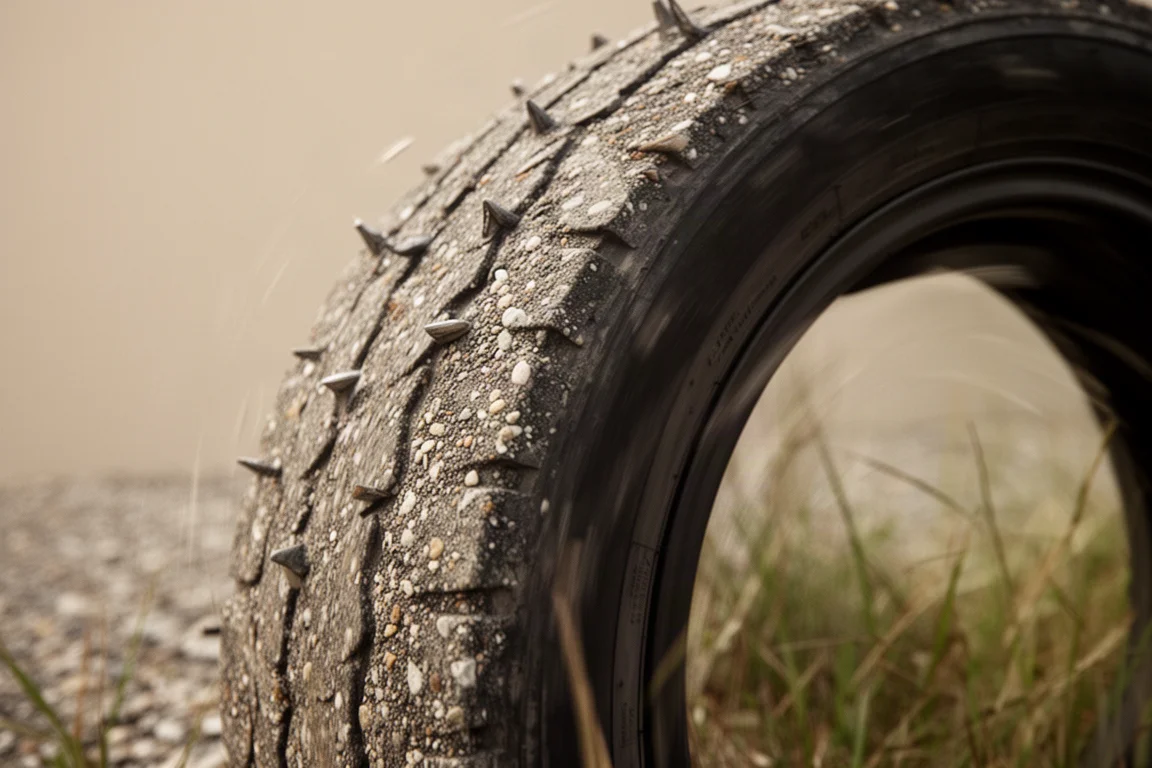
This is the pick for riders whose priority is outright speed on surfaces that do not demand aggressive tread, and it is the clearest example of how far the fast end of gravel has moved.
WTB Coarse 52: The All-Rounder
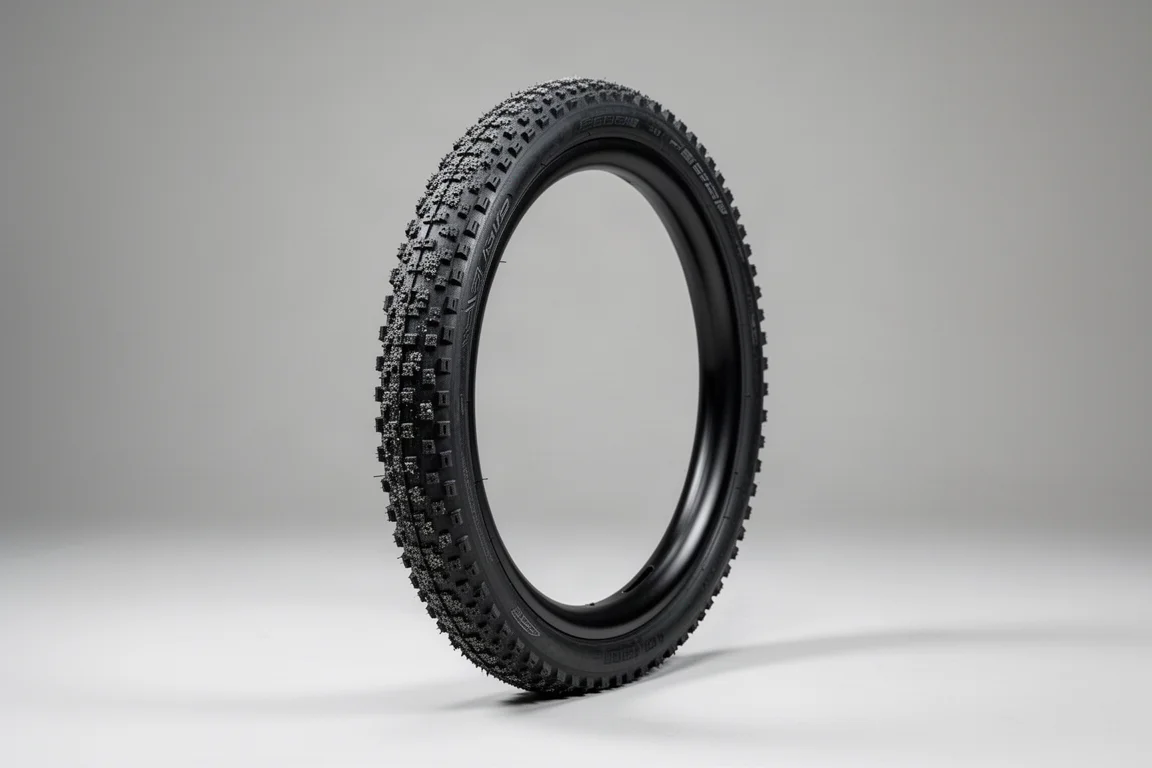
The Coarse 52 sits in the middle at 52mm and a claimed 635 grams. It carries more tread and grip than the Byway while still being designed to roll quickly, which makes it the fit-and-forget option for riders who want a single tire to cover most conditions.
That middle position is likely to suit the largest number of riders. It gives up a little of the Byway’s outright efficiency in exchange for more traction when the surface roughens up, without moving fully into the grip-first territory of the widest tire.
WTB Macro 54: The Grip-First Choice
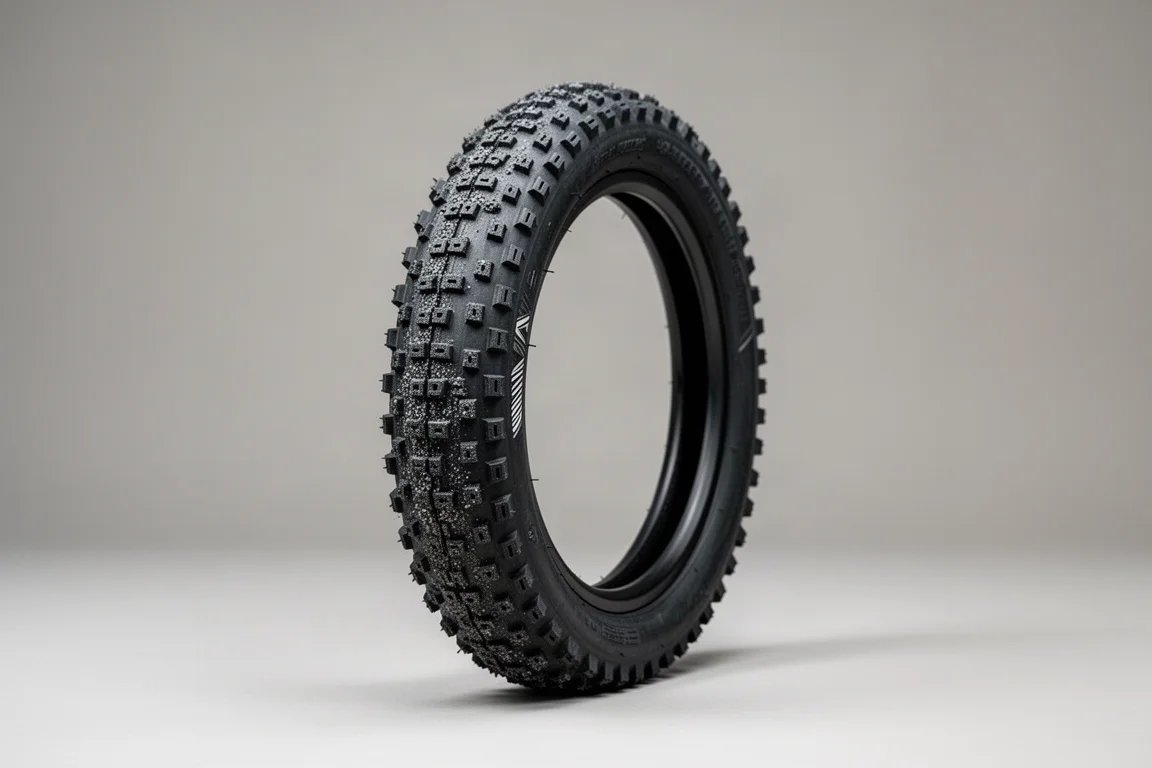
The Macro 54 is the widest at 54mm with a claimed weight of 640 grams. Its knobs are more widely spaced, which shifts the balance toward traction on rougher, looser, and more technical gravel where grip matters more than pure rolling speed.

This is the option for riders who spend real time on demanding surfaces and want the volume and tread to match. The claimed weight remains low for a tire this wide, which keeps it viable for long mixed routes rather than technical sections alone.
Casing, Compound, and Rim Compatibility
All three tires share a new 120 TPI casing with SG2 puncture protection running bead to bead, along with an updated dual DNA rubber compound that uses a fast-rolling rubber through the center and softer, higher-grip rubber toward the shoulders.
They were designed around modern wide gravel rims with internal widths from 25mm to 32mm, and the tire shape was optimized around a 28mm internal rim width. The sidewall features sit in a position intended to work well across that range, so both older, narrower rims and current wide rims should remain compatible. The extra volume is also intended to give better support and stability at lower pressures while holding the tire shape the aero features were designed around.
Reported Aero Savings and What They Mean
WTB’s reported figures compare the tires against an otherwise identical tire without the aero features: 5.8 W at 30 km/h, 9.3 W at 35 km/h, and 13.8 W at 40 km/h. The development reportedly involved aerodynamic simulation work at a scale that is unusually large for the cycling industry.
The 30 km/h figure is arguably the most relevant for many gravel riders, since it reflects a pace that is realistic on mixed terrain for people who are out for adventure as much as racing. Higher-speed numbers matter more for racers, where gravel race speeds continue to climb.
Buying Advice
Choosing between the three comes down to the surfaces you actually ride. If your routes are mostly smooth and fast and you want maximum efficiency, the Byway RS50 is the natural choice. If you want one tire that handles a bit of everything, the Coarse 52 covers the middle ground. If your gravel involves loose, rough, and technical terrain, the Macro 54 trades some speed for grip.
Keep the claimed aero savings in perspective. They are manufacturer figures measured against a tire without the sidewall features, and real-world results will vary with rim width, tire pressure, surface, and how much mud the sidewalls are carrying on the day. Even so, the direction of travel is clear: wide gravel tires no longer have to be slow.
Conclusion
A 50mm tire positioned as the fast race option would have sounded implausible a few years ago, and that is exactly the point. WTB has built its reputation in the gravel space, and this range puts aerodynamics on the table for wide tires without abandoning weight, grip, or speed. For riders weighing up a new set of gravel rubber, all three options are worth a close look, with the choice resting on the terrain you ride most.
Further reading
Related Reviews
Gravel Tires
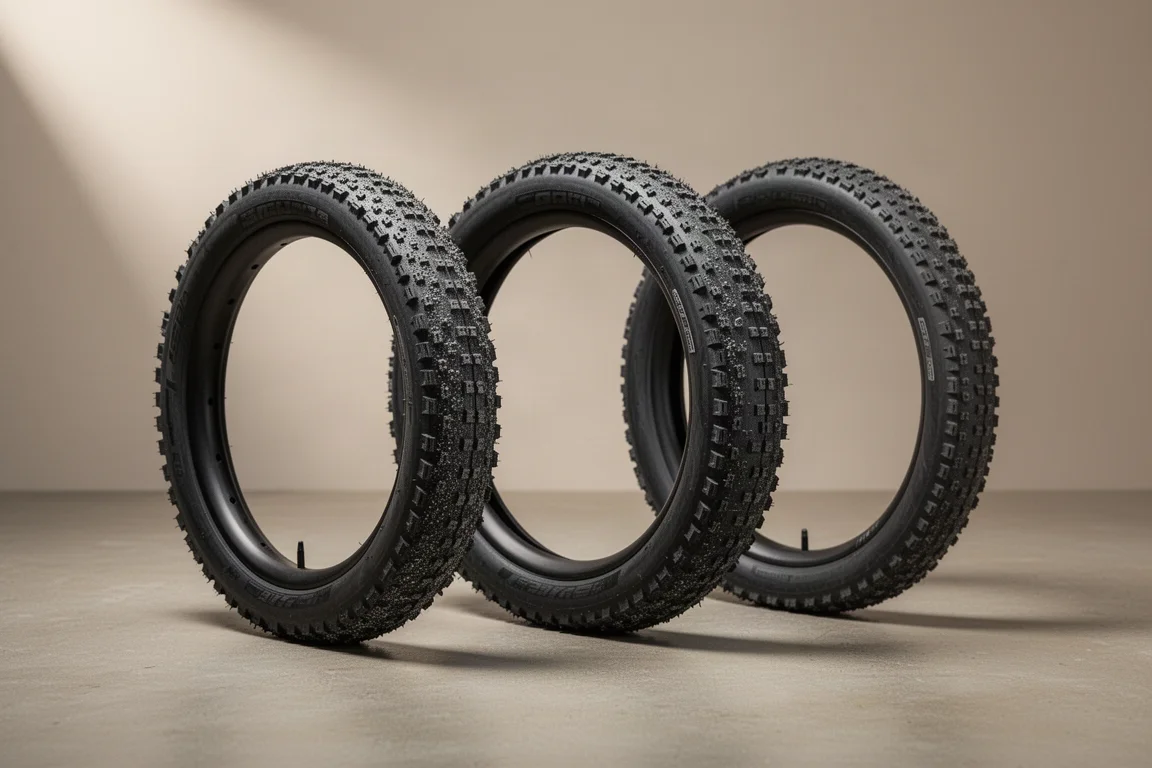
Best Gravel Tires: 11 Top Picks for Every Riding Style
A practical roundup of 11 gravel tires, from fast race-day rubber to mud-shedding all-rounders and rock-ready treads, with the trade-offs that matter.
Gravel Tires
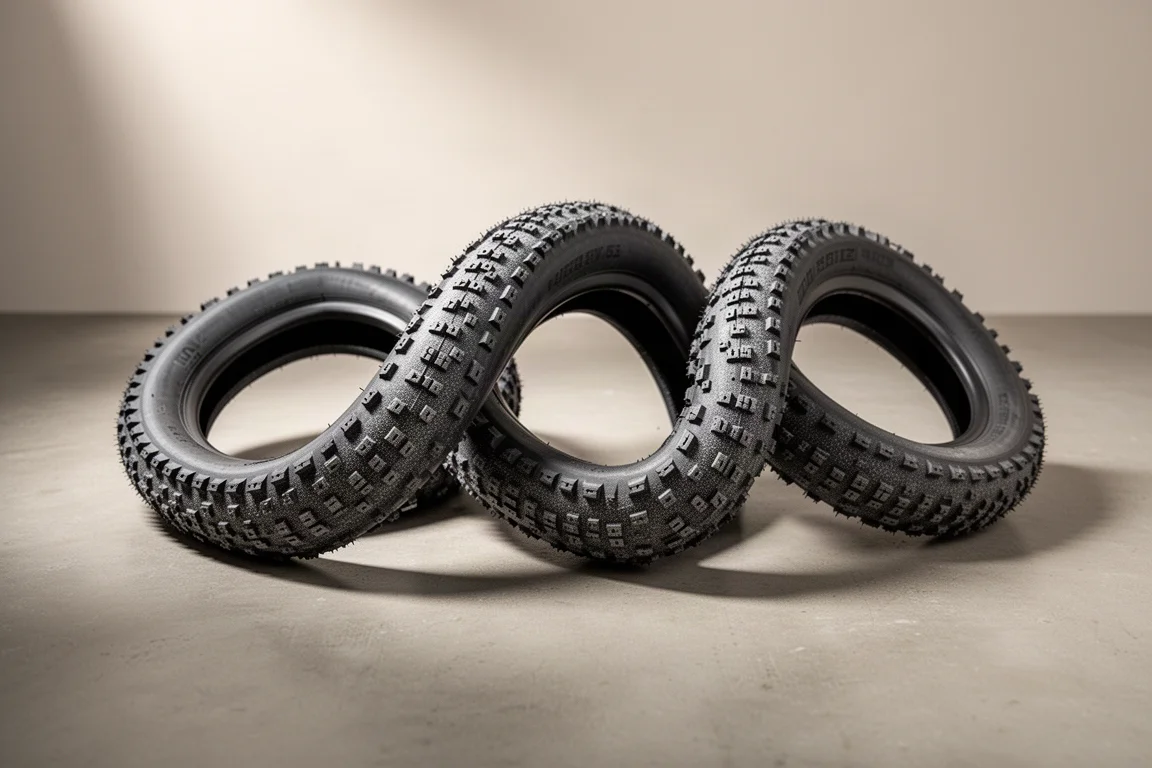
Pirelli Cinturato M Review: How Much Does Gravel Tire Width Really Matter?
A practical look at the Pirelli Cinturato M in 40mm, 45mm, and 50mm widths, and what the differences mean for speed, grip, comfort, and frame fit.
Gravel Tires
Pirelli Cinturato M Review: Choosing the Right Gravel Tire Width
A close look at the Pirelli Cinturato M in 40, 45 and 50 mm, and what real-world testing suggests about gravel tire width, speed, comfort and frame clearance.