Camping Tents
Winterial One Person Bivvy Tent vs Snugpak Ionosphere: A Budget Bivvy Comparison
The Winterial One Person Bivvy Tent borrows the Snugpak Ionosphere layout at a fraction of the price. Here is how the two low-profile shelters compare in materials, size, and value.
Introduction
The Snugpak Ionosphere built its reputation on a simple formula: a low-profile, dark-colored one-person tent that disappeared into the landscape and cost around $100. That formula has changed. The Ionosphere moved to a different manufacturer, build quality slipped, and the price climbed to at least $300 for a single-person tent made from polyester. For campers who liked the design but not the new economics, the search for an alternative has been ongoing.
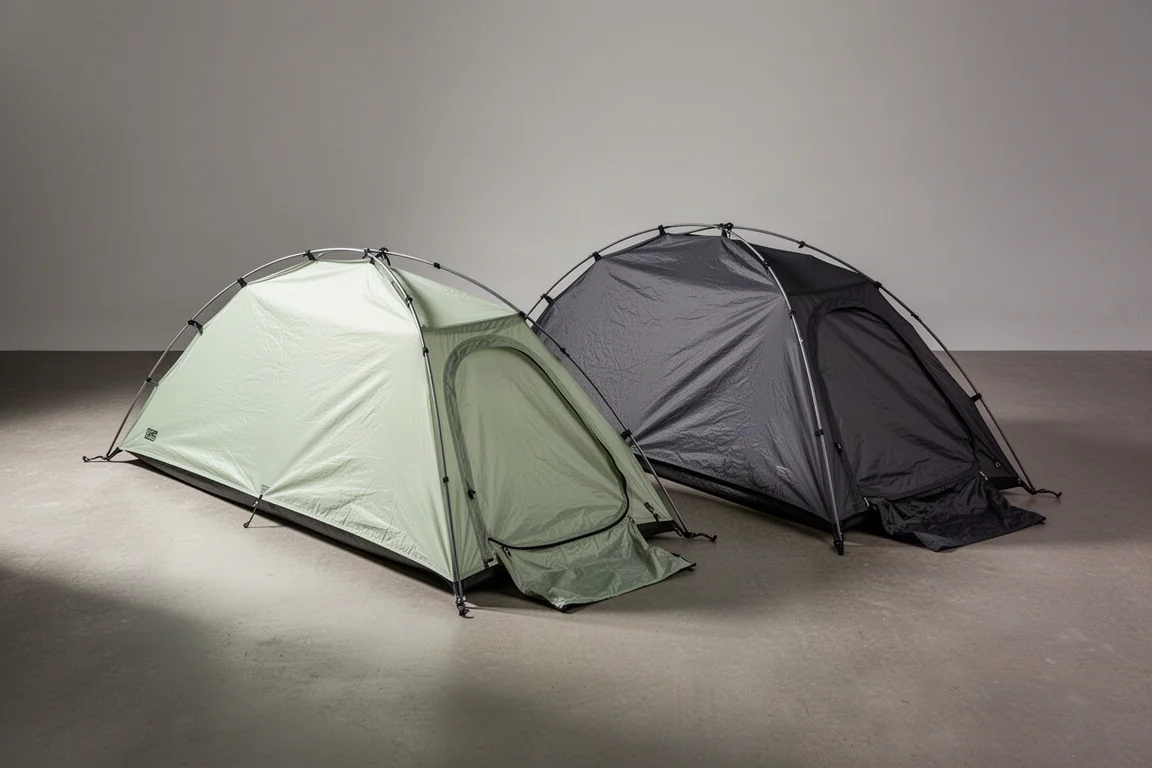
The Winterial One Person Bivvy Tent is the closest match to that original idea so far. It lists at $95 for the green version and $85 for the orange, and on paper it is almost identical to the Ionosphere in shape, materials, and weight.
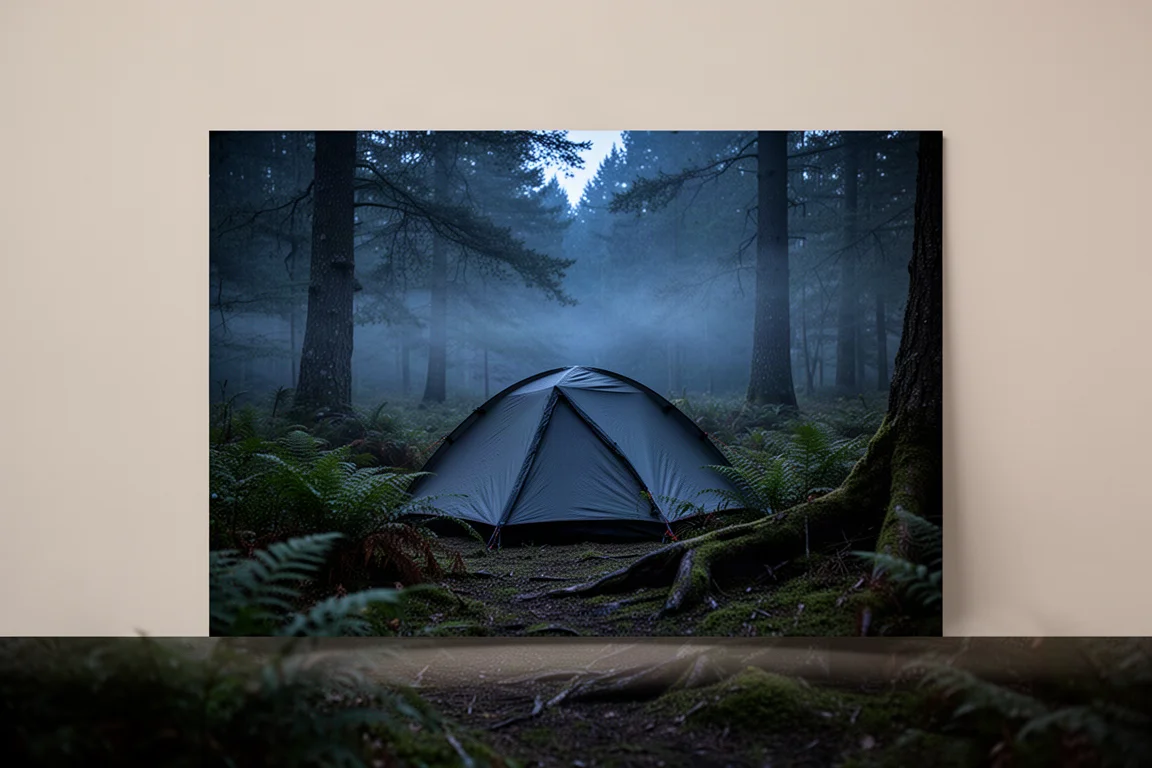
This comparison covers what the Winterial includes, how it is built, how it measures against the Ionosphere, and where each shelter still asks for a compromise. The Winterial is new to the market and has not yet been through sustained weather testing, so the waterproofing figures below are the manufacturer’s claims rather than confirmed field results.
What Matters in a One-Person Bivvy Tent
Four things separate a usable low-profile bivvy from a frustrating one: interior dimensions, ventilation, pitch quality, and packed weight.
Interior dimensions decide whether you sleep or squirm. A bivvy this low rarely offers standing room, so the numbers that matter are length, shoulder width, and headroom at the highest point. Anything under about six feet of usable length will not suit taller campers.
Ventilation is the second factor. Because these tents sit close to the ground, condensation builds quickly. The usual solution is a bathtub floor paired with mesh walls, which lets moist air escape instead of collecting on the inner fabric overnight.
Pitch quality comes down to how many stakeout points the fly offers and how adjustable the tensioning is. A fly with more attachment points can be pulled tighter and sheds wind and rain more predictably.
Weight and packed size decide whether the tent actually gets carried. A sub-two-pound shelter is a different proposition from one closer to three and a half pounds, especially on longer approaches.
Winterial One Person Bivvy Tent: The Budget Contender
The Winterial One Person Bivvy Tent is a low-profile, one-person shelter built along the same lines as the Ionosphere. It uses two aluminum poles, a smaller one at the foot box and a larger one toward the head end. Rather than pole sleeves, the body clips onto the poles. That detail matters more than it sounds: clips are quicker to attach and detach, and they are far easier to manage when the poles are wet or damp.
The kit includes the tent body, the fly, two aluminum poles, 14 shepherd hook stakes, four guy lines, and a storage bag with a drawcord closure and a grab handle. Setup is straightforward and closely follows the Ionosphere’s process.
Measured interior length is 6 ft 5 in, with roughly 32.5 to 35 in of usable width and about 24 in of headroom at the highest point, tapering to around 16.5 in at the foot end. Packed, the tent measures about 21 in long and 5 in wide. On a scale the tent weighs 3.4 lb, which is noticeably more than the 2 lb 9 oz figure listed on the product page.
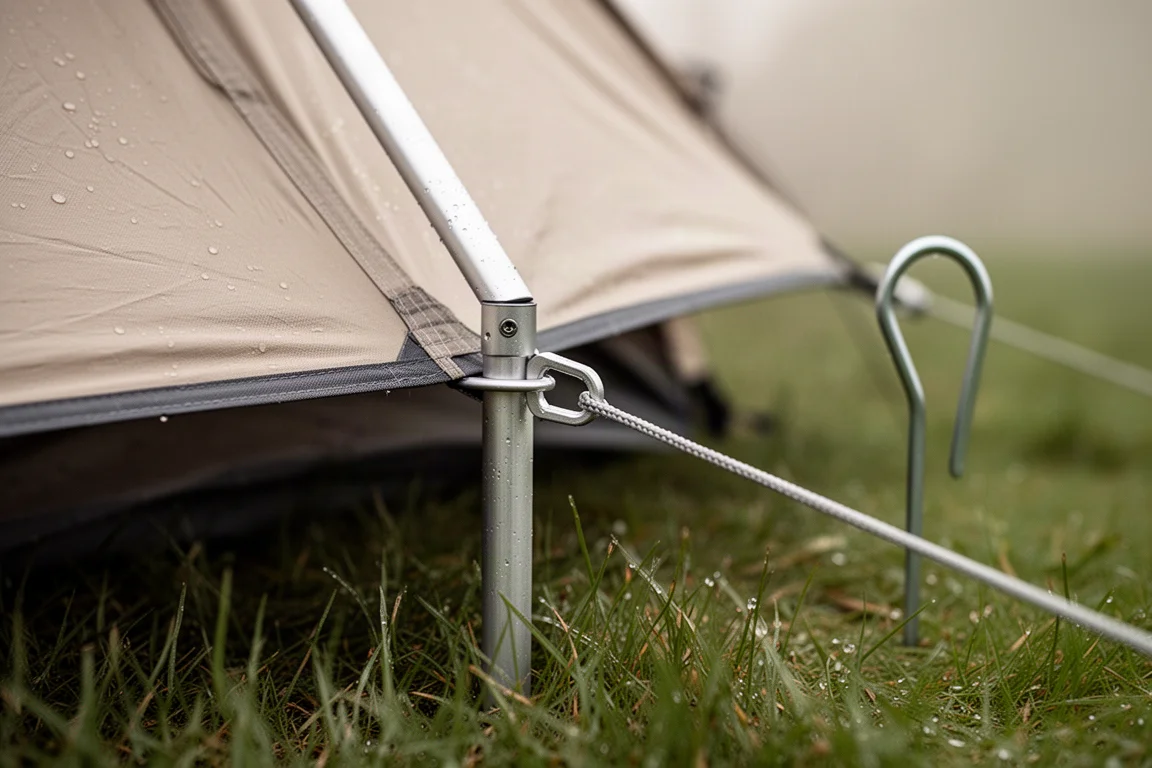
The body combines a bathtub floor with mesh walls for airflow and condensation control, and both the body and the fly are seam taped. The manufacturer claims a 5,000 mm hydrostatic head rating for the fly and for the body, a figure that has not yet been verified in sustained rain. The listed material is 190T polyester, which matches how the tent body actually feels. The brand’s own website describes the fabric as nylon, which it is not.
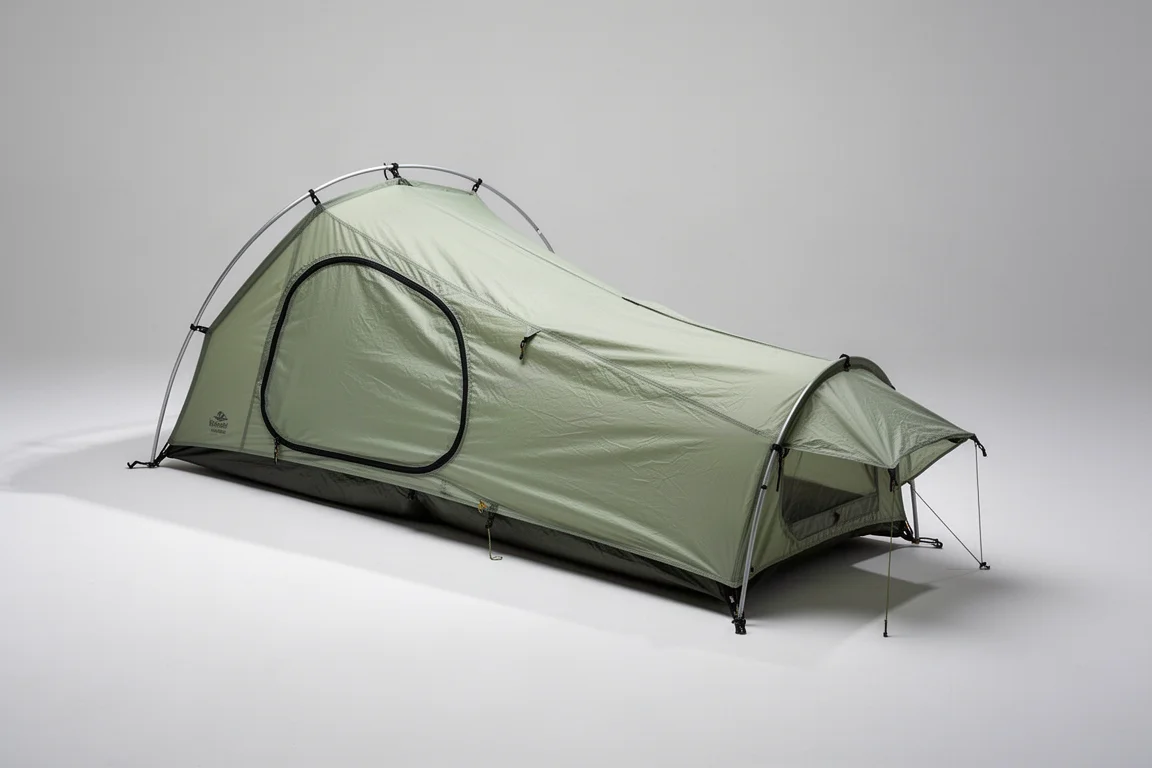
Inside, there is room for a sleeping pad, a sleeping bag, and some gear, plus a hanging hook and two mesh pockets. The door is large, runs on two-way zippers, and can be rolled back and tied open. A storm flap covers the zipper, and its small size is worth watching, because a similarly small flap on the Ionosphere has been a known point of water entry. The vestibule is small, a consequence of how low the tent sits. It will take a pair of boots or a pack turned sideways, and not much beyond that.
Build quality lands close to the Ionosphere’s, with a few loose threads but nothing structural. The zippers run smoothly and close fully against insects. Two compromises stand out. First, the pitch is a little sloppy compared with the Ionosphere, which offers more stakeout points and greater adjustability. Second, the green colorway is a pale, light green that stands out in most environments rather than blending in, which works against stealth camping. The orange version is the deliberately brighter option.
Winterial was founded in California in 2014 by a group of outdoor-focused individuals. The company describes this tent as suitable for summer nights as well as windy and rainy evenings.
Snugpak Ionosphere: The Long-Standing Reference
The Ionosphere is still the tent the Winterial is measured against, and the reason is clear. Its low profile and dark colorway made it a favorite for stealth camping, and for years it sold for around $100, which made the design accessible to almost anyone.
That value proposition no longer holds. The Ionosphere now sits at $300 or more for a one-person tent built from polyester, and build quality has declined since the manufacturer changed. The design itself still carries real advantages. It is slightly larger and noticeably longer than the Winterial, it uses pole sleeves rather than clips, and its fly offers more stakeout points, which allows a tighter and more adjustable pitch. Its waterproof rating and weight are effectively the same as the Winterial’s, and the fabric is a 210T weave against the Winterial’s 190T, a difference most campers would never notice in use.
The Ionosphere’s small storm flap over the door zipper has also been a known weak point for water intrusion, so the Winterial’s similar flap deserves the same scrutiny.
For campers who want the original design and are willing to pay for it, the Ionosphere remains a capable low-profile shelter. For everyone else, the price gap is difficult to justify.
Winterial vs Snugpak: Where the Two Diverge
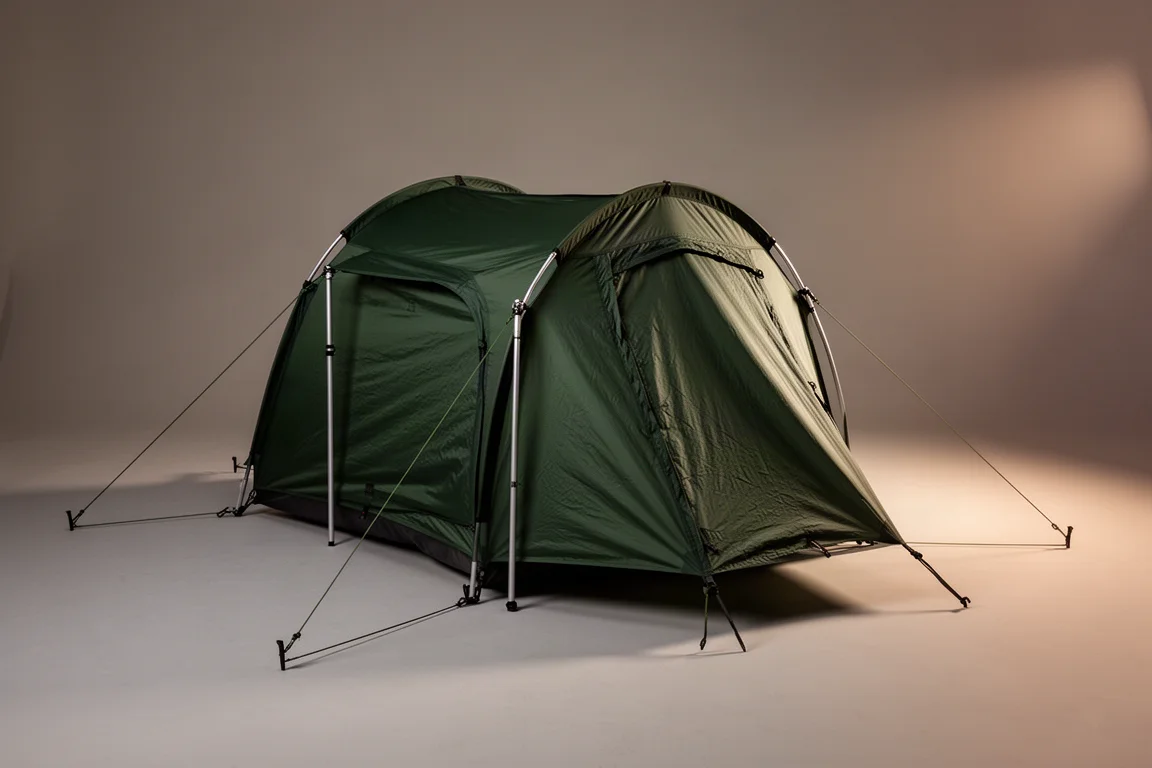
Set side by side, the two shelters are about ninety percent the same tent. Both are long, low, single-pole-at-each-end designs with a bathtub floor, mesh walls, a seam-taped fly, and a comparable waterproof rating. The differences are in the details.
Attachment is the first split. The Winterial uses clips, which are quicker and easier to handle, especially in wet conditions. The Ionosphere uses pole sleeves, which take longer to thread and are more awkward once the poles are damp.
Pitch and adjustability are the second. The Ionosphere’s fly has more stakeout points, so it can be tensioned more precisely and pitched tighter. The Winterial’s pitch is a little looser out of the bag, though its own stakeout points help close some of that gap.
Size is the third. The Ionosphere is marginally larger and clearly longer, which gives taller sleepers a bit more room. The Winterial compensates with a lower price rather than more interior volume.
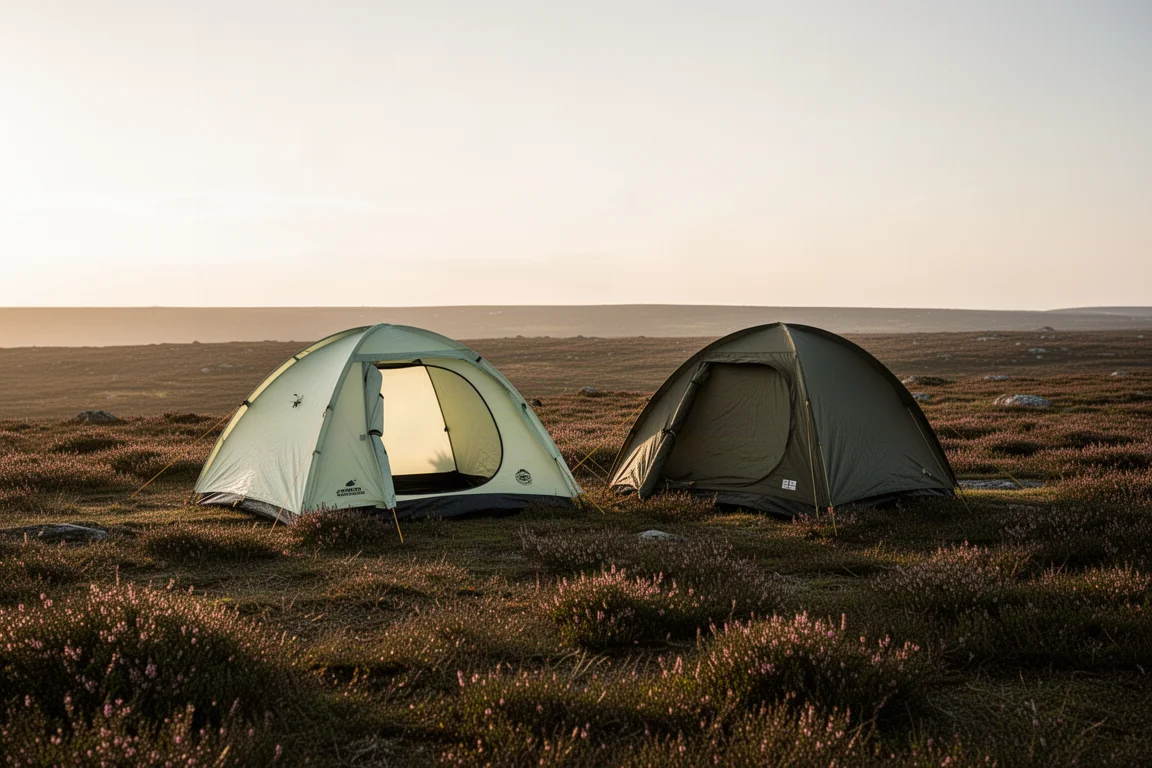
Fabric is the fourth, and the least consequential. The Ionosphere uses a 210T weave and the Winterial a 190T weave. Both are polyester, and in practice the difference is not something you would notice on a camping trip.
Price is the final and largest divergence. The Winterial lists at $95 in green and $85 in orange. The Ionosphere lists at $300 or more. That gap is the entire argument for the Winterial, and it is a substantial one.
Color is worth a mention too. The Ionosphere’s dark fabric suits stealth camping. The Winterial’s green is pale enough that it tends to stand out, which is the one place the budget option clearly loses ground on its intended use case.
Price and Value: What Each Tent Asks of Your Budget
At $85 to $95, the Winterial costs roughly what the Ionosphere cost years ago, when it was widely regarded as a strong value. The Ionosphere now asks at least three times that amount for the same category of shelter and the same general materials.
That does not automatically make the Winterial the better tent. The Ionosphere still pitches tighter, runs longer, and comes in a colorway that suits quiet campsites. What the price gap means is that the Ionosphere has to justify itself on refinement rather than on capability, because the two tents cover the same ground in the same way.
For most buyers, the practical question is whether a tighter pitch and a few extra inches of length are worth several hundred dollars. For campers who want a low-profile shelter without a premium outlay, the Winterial answers that question clearly.
Buying Advice: Choosing Between the Two
If the appeal of the Ionosphere was always the shape and the stealth rather than the badge, the Winterial delivers most of that experience at a fraction of the cost. It sets up easily, clips are friendlier than sleeves, the interior fits one person plus gear, and the mesh walls and bathtub floor handle ventilation the way this design should.
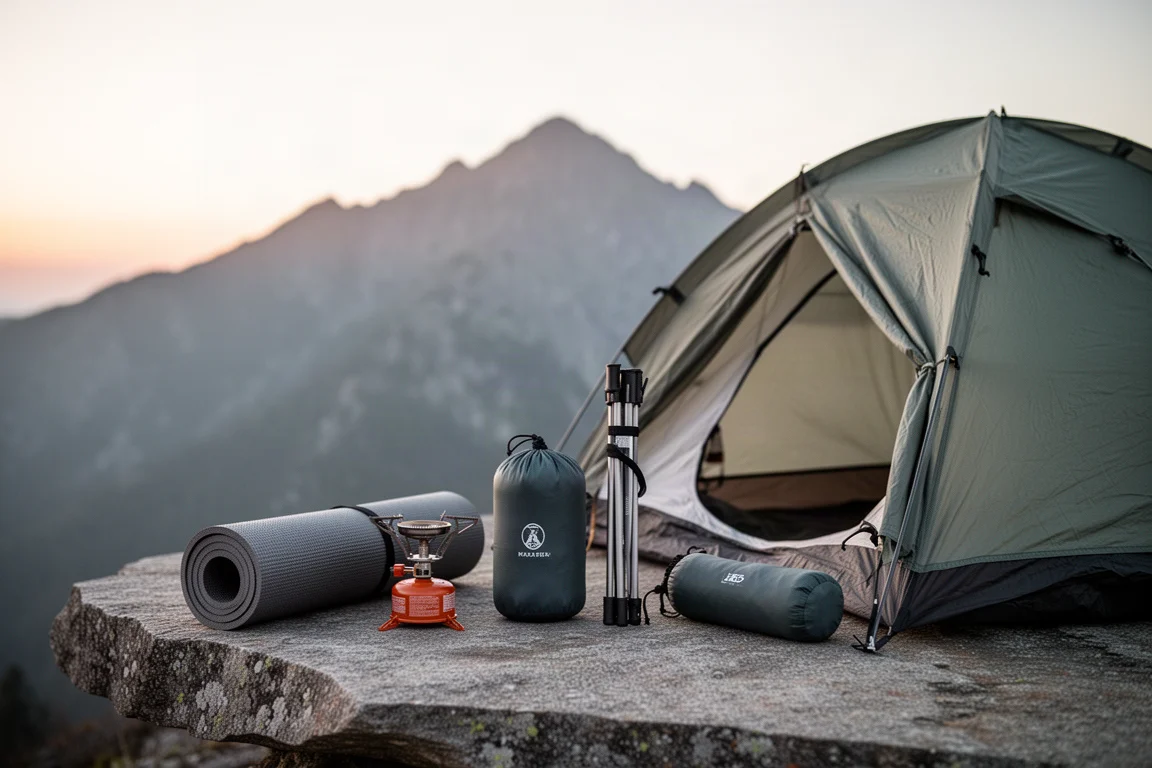
Choose the Winterial if budget matters and you want the low-profile layout without paying a premium. Plan around two things: the 3.4 lb packed weight, which is heavier than the listed figure, and the pale green colorway, which is not a stealth-friendly finish. The orange version is brighter still, so pick your color with campsite visibility in mind rather than concealment.
Choose the Ionosphere only if you specifically want the original design, its longer interior, and its more adjustable fly, and you are comfortable with the current price. It remains a capable shelter, but the value it once represented is no longer part of the package.
Two open questions apply to both tents. The Winterial’s 5,000 mm waterproofing claim and its small zipper storm flap have not yet been proven in sustained rain, and the Ionosphere’s comparable flap has a history of letting water through. Treating a seam-sealed, well-pitched setup as essential rather than optional is sensible for either tent.
Conclusion
The Winterial One Person Bivvy Tent is a close, well-priced interpretation of a design that campers have trusted for years. It keeps the low profile, the bathtub floor, the mesh walls, and the simple two-pole structure, and it adds clips that make setup easier than the original. At $85 to $95, it costs roughly what this style of shelter should cost.
The Snugpak Ionosphere still has the edge in pitch adjustability, interior length, and stealth-friendly color, and those are genuine advantages. Whether they are worth several hundred dollars is a personal call. For most solo campers shopping for a low-profile one-person bivvy, the Winterial is the more sensible starting point, with the caveat that its weatherproofing claims still need to prove themselves on a wet night.
Further reading
Related Reviews
Camping Tents
3F UL Gear Taiji Two-Person Tent Review: Field Waterproofing Results and Buying Advice
The Taiji pairs an attached fly with a removable inner, but sustained rain exposed untaped vent seams that need sealing before this shelter can be trusted.
Camping Tents
3FUL Gear Lanshan 2 Pro 4-Season Review: A Sub-$200 Single-Wall Trekking Pole Tent
An early look at the 3FUL Gear Lanshan 2 Pro 4-Season, covering its straightforward pitch, generous interior space, and the condensation and seam-sealing questions that come with any single-wall shelter.
Camping Tents
Alps Mountaineering Lynx 1-Person Tent Review: Big Value in a Small Budget Tent
A close look at the Alps Mountaineering Lynx 1-Person Tent, covering real interior dimensions, materials, setup time, ventilation limits, and who should buy it.