Camping Tents
Winterial One Person Bivvy Tent Preview: A Budget Alternative to the Snugpak Ionosphere
A hands-on first look at the Winterial One Person Bivvy Tent, a low-profile solo shelter that closely mirrors the Snugpak Ionosphere for far less money.
Introduction
For years, the Snugpak Ionosphere earned a following among solo campers. It was low profile, dark in colour, and priced at roughly $100, which made it a natural choice for quiet camps where a bright shelter would stand out. That value equation has since changed. The design moved to a different manufacturer, build quality slipped, and the price climbed to at least $300 at the time of this preview. Paying that much for a one-person tent built from basic polyester is difficult to justify.
That is the gap the Winterial One Person Bivvy Tent is aiming at. On paper it is almost identical to the Ionosphere, and it is currently listed at $95 for the green version and $85 for the orange. Winterial describes itself as a California company founded in 2014 by a group of outdoor-focused people. The brand is not widely known, which makes the low price worth examining rather than assuming.
What follows is a first look rather than a finished field test. The tent has only just arrived, so this preview covers what comes in the box, how it goes together, the real measurements taken inside it, and the early concerns worth knowing about before you buy. Weather testing is still ahead.
Who This Tent Is For
This is a shelter for one person who wants a small, low-profile footprint rather than a roomy tent. Inside, there is space for a sleeping pad, a sleeping bag, and a modest amount of gear, with a hook at the top and two mesh pockets for smaller items. Anyone who liked the idea of the Ionosphere but not its current price is the obvious audience here.
It is not the right pick if you want to sit up, move around, or store a large pack beside you. Headroom is limited by design, and the vestibule is small. It is also worth being honest about stealth camping: the green version is a light, soft shade rather than a dark one, so it does not blend into most environments the way a darker shelter would.
Design and Setup
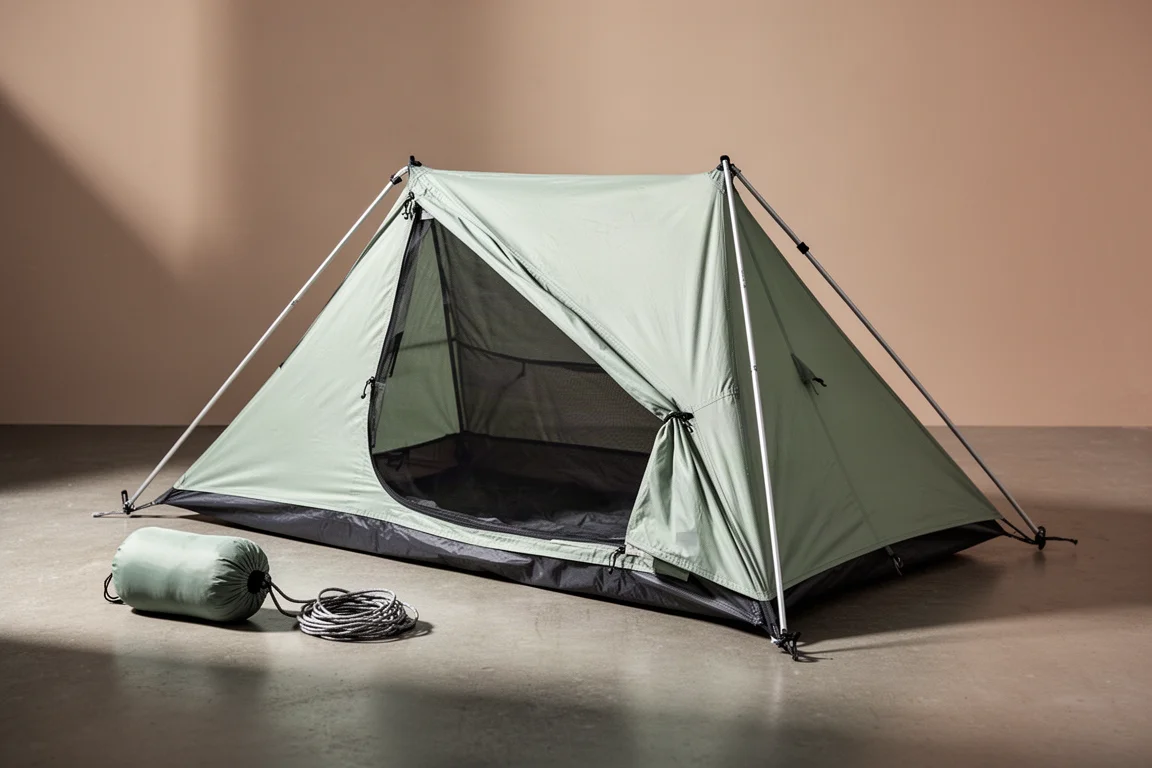
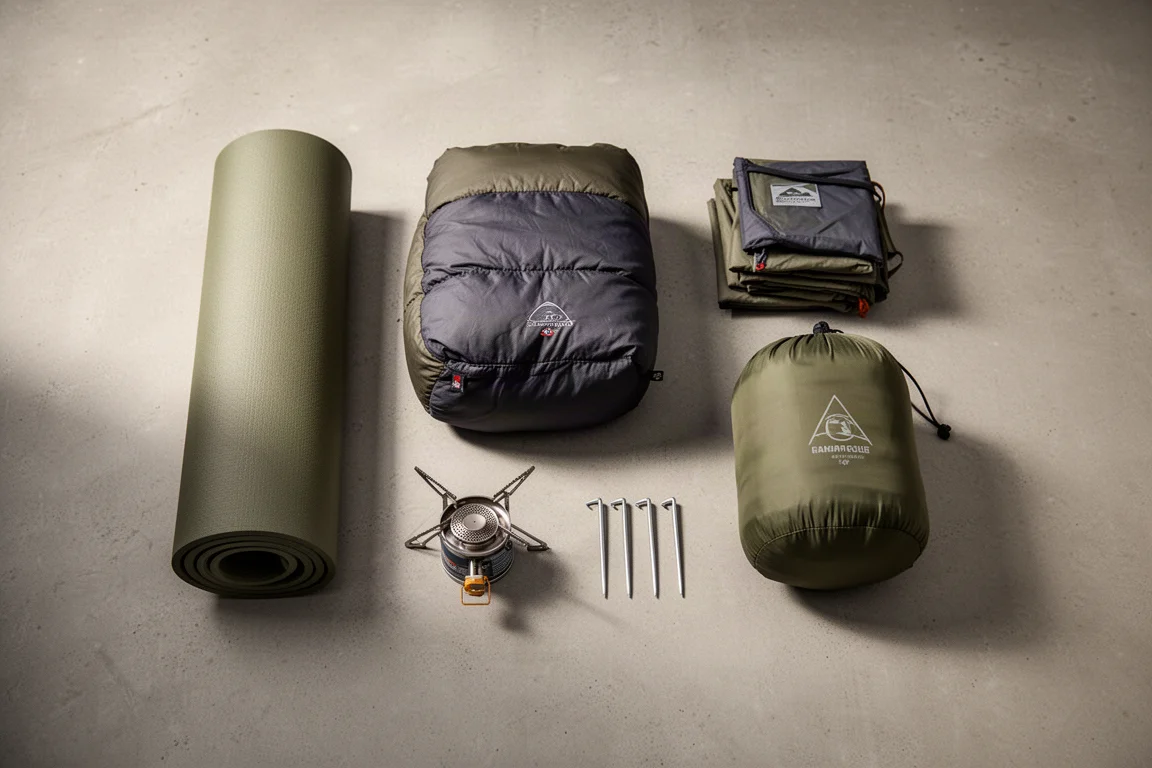
The box includes a storage bag with a drawcord closure at the top and a grab handle at the bottom, 14 shepherd hook stakes, four guy lines, two aluminium poles, the fly, and the tent body.
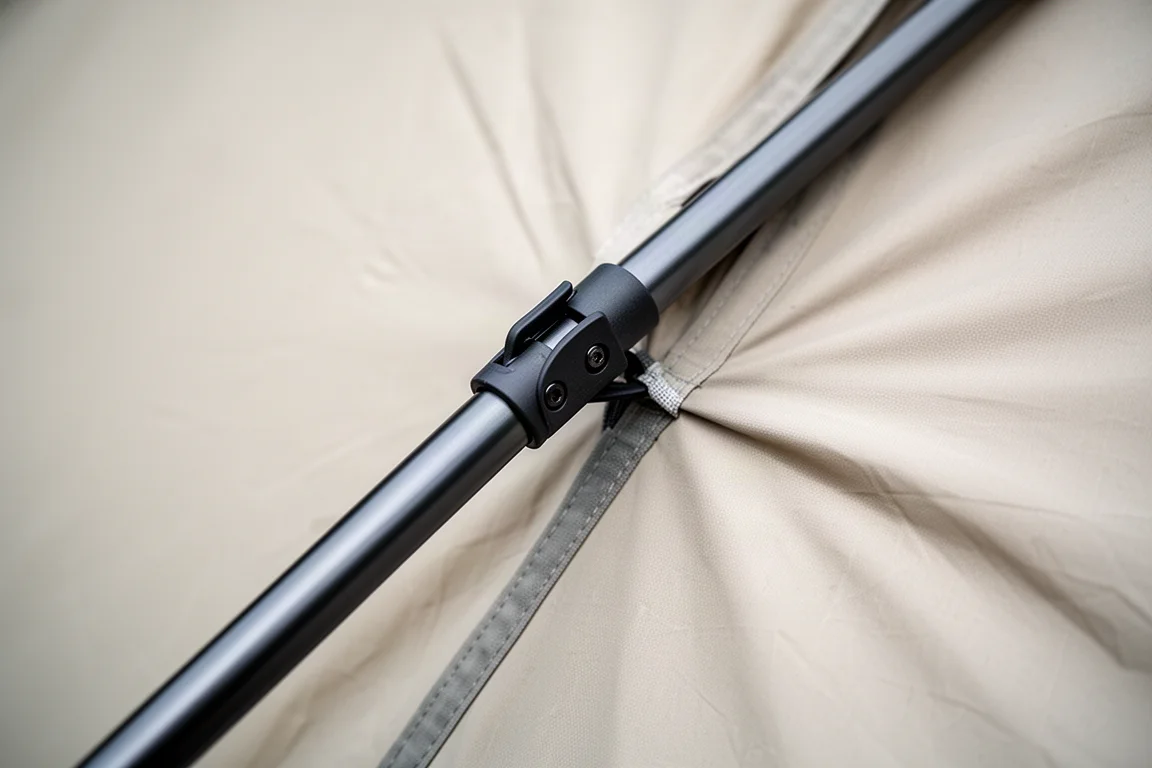
Setup follows the same logic as the Ionosphere, with one change that matters in practice. Where the Ionosphere uses pole sleeves, the Winterial uses clips. Clips are quicker and far less fussy, particularly when poles are wet or damp and threading sleeves becomes a chore. The tent uses two poles, a shorter one at the foot and a taller one toward the head. The door is large, runs on two-way zippers, and can be rolled back and tied up. The floor is a bathtub design, and the rest of the body is mesh, which should help with airflow and condensation control.
Measured from the inside, the usable length is 6 feet 5 inches. Width is about 35 inches at the top and 32.5 inches at the bottom, and headroom runs from roughly 24 inches near the head end down to about 16.5 inches at the foot. Packed, the tent measures around 21 inches long and 5 inches wide.
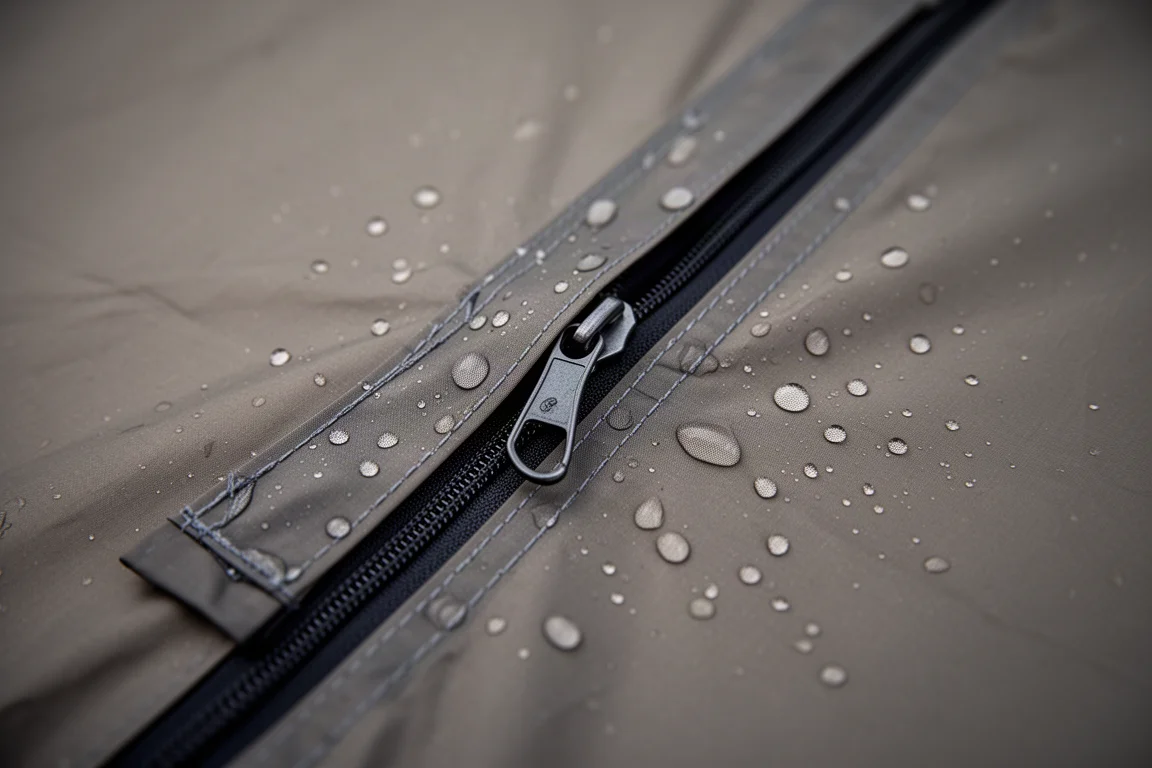
The fly is seam taped on the inside and the body is seam taped as well. Straps wrap around the poles to hold the fly in position, and buckles at the corners attach the fly to the body, with stake-out points at the bottom and top. There are three buckles in total, two at the back and one at the top on the door side, which is the side that gets staked out.
Main Strengths
The clip attachment is the standout design decision. It makes pitching noticeably easier than a sleeve-based design, and it is the kind of detail that shows up every single time you set the tent up.
Ventilation looks strong. With mesh covering most of the body above the bathtub floor, air should move well, which is the main defence against condensation on cool, still nights. A hook at the top and two mesh pockets keep small items off the floor.
The weather protection claims are reasonable on paper. Winterial states a 5,000 mm hydrostatic head rating for both the fly and the body, and both are seam taped. The fly also offers a number of stake-out points, which helps tighten the pitch beyond the basic setup.
The measured weight is 3.4 pounds, which is manageable for a solo shelter of this type. The zippers on the door and the fly run smoothly and close fully, so bugs stay out. Overall build quality is broadly on par with the Snugpak Ionosphere. There are a few loose threads here and there, but nothing that looks deal-breaking.
Things to Consider Before Buying
One fly buckle arrived installed backwards. It is a fixable problem, but it is a quality control miss on a brand new tent and worth checking on arrival.
The storm flap over the main zipper is small. A similarly small flap on the Ionosphere could let water through, so this is a genuine open question until the tent has been through real rain. That is the single most important thing to watch in long-term testing.
The pitch is a little sloppy compared with the Ionosphere, which has more stake-out points on the fly, more adjustability, and can be pulled tighter. The Winterial’s extra stake-out points help, but they do not fully close the gap.
Space under the fly is limited because the tent sits so close to the ground. You might fit boots underneath, or a pack turned sideways, and that is about it. Headroom is low throughout, so plan on lying down rather than sitting up.
The colour is a matter of taste, and the green reads as a light, almost baby-green shade that stands out more than a stealth shelter should. The orange version is the brighter, more deliberate choice. If concealment matters to you, neither colour is ideal, but the green is not the dark shelter you might expect.
Two specification notes are worth flagging. The listing states a packed weight of 2 pounds 9 ounces, while the tent actually weighs 3.4 pounds. The brand’s own site describes the fabric as nylon, but the material is a 190T polyester, as the marketplace listing states. For context, the Ionosphere uses 210T fabric. In daily use the difference between 190T and 210T is not something most people would notice.
Price and Value
At $95 for the green version and $85 for the orange, the Winterial costs a fraction of the at least $300 the Ionosphere now commands. Both tents use comparable materials, carry the same claimed waterproof rating, and weigh close to the same, so the price gap is difficult to explain on specification alone.
Value here is not only about the sticker price. The clip-based pitching, the seam-taped fly and body, and the mesh-heavy body all point to a shelter that was designed with the same priorities as the tent it resembles. What remains unproven is durability and real-world weather performance.
Buying Advice
If you have been looking for a low-profile solo shelter at a sensible price, this one is worth a serious look. It delivers the same basic formula as the Ionosphere, with easier pitching, for roughly a third of the money.
Choose the orange version if visibility is not a concern, since the green is a light shade that offers little in the way of concealment. Buy with realistic expectations about space: this is a sleeping shelter with room for one person and a small amount of gear, not a tent you will spend an evening sitting up in.
Before your first wet trip, check the fly buckle orientation and take the time to tension the fly properly using the available stake-out points. The company states the tent suits summer nights as well as windy and rainy evenings, and those claims are exactly what still needs to be verified. Treat the first outing as a shakedown and pay close attention to the zipper storm flap in sustained rain.
Conclusion
The Winterial One Person Bivvy Tent is about 90 percent the Snugpak Ionosphere in design terms, and it arrives at a price that the Ionosphere no longer offers. Clip-based pitching, a seam-taped fly and body, a 5,000 mm hydrostatic head claim, and a measured 3.4 pound weight make a strong case on paper.
The reservations are real but specific: a backwards buckle from the factory, a small storm flap that has not yet faced rain, a slightly sloppier pitch than the tent it imitates, limited vestibule space, and a light green colour that works against stealth camping. None of these are reasons to dismiss it outright, but they are the details to weigh before you commit.
For solo campers who want a compact, low-profile shelter without paying premium money, this is one of the more interesting options to watch. The full verdict depends on how it handles wind and rain, and that testing is still to come.
Product link
View more details for Winterial One Person Bivvy Tent
This product is mentioned in the review. Check the specifications, options, and compatibility before buying.
View more details for Winterial One Person Bivvy TentFurther reading
Related Reviews
Camping Tents
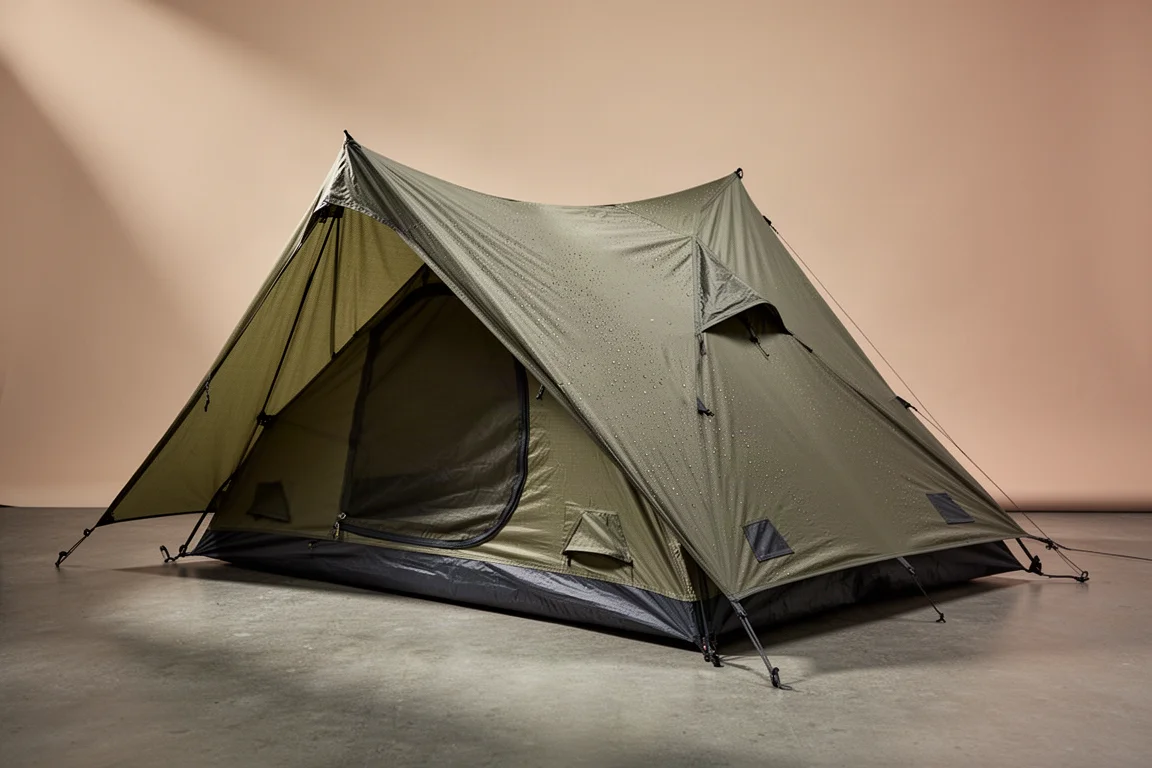
3F UL Gear Taiji Two-Person Tent Review: Field Waterproofing Results and Buying Advice
The Taiji pairs an attached fly with a removable inner, but sustained rain exposed untaped vent seams that need sealing before this shelter can be trusted.
Camping Tents
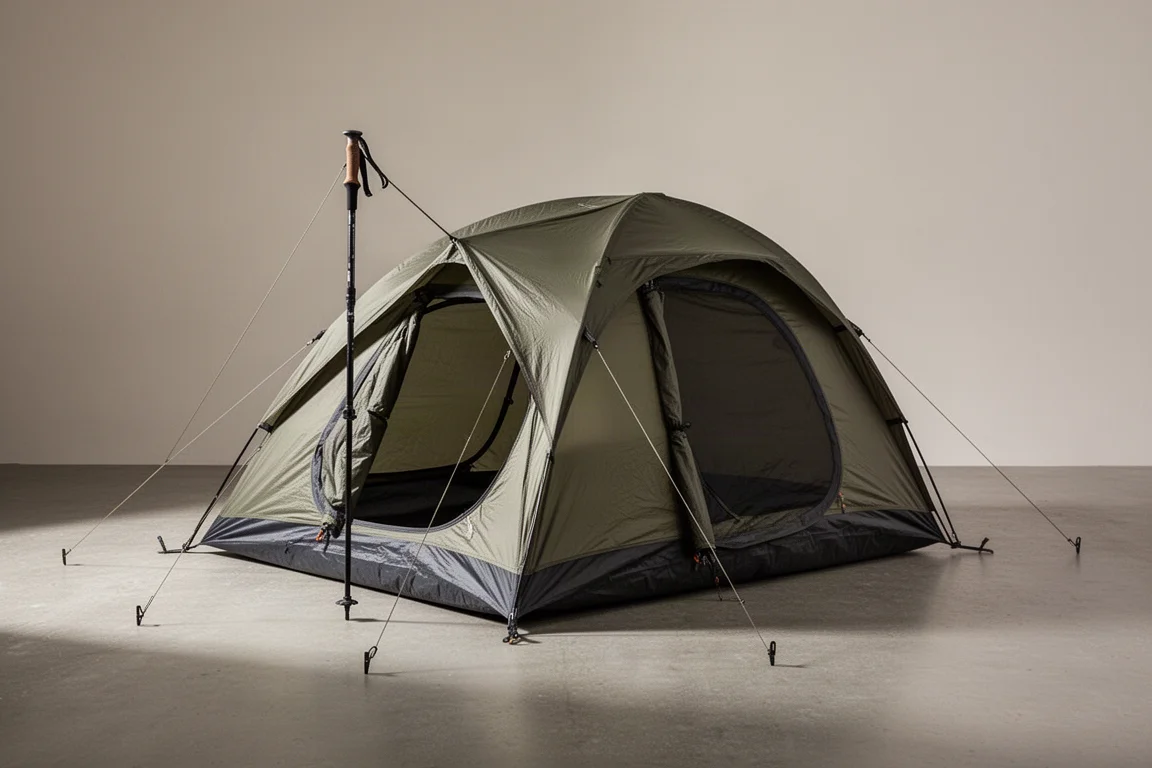
3FUL Gear Lanshan 2 Pro 4-Season Review: A Sub-$200 Single-Wall Trekking Pole Tent
An early look at the 3FUL Gear Lanshan 2 Pro 4-Season, covering its straightforward pitch, generous interior space, and the condensation and seam-sealing questions that come with any single-wall shelter.
Camping Tents
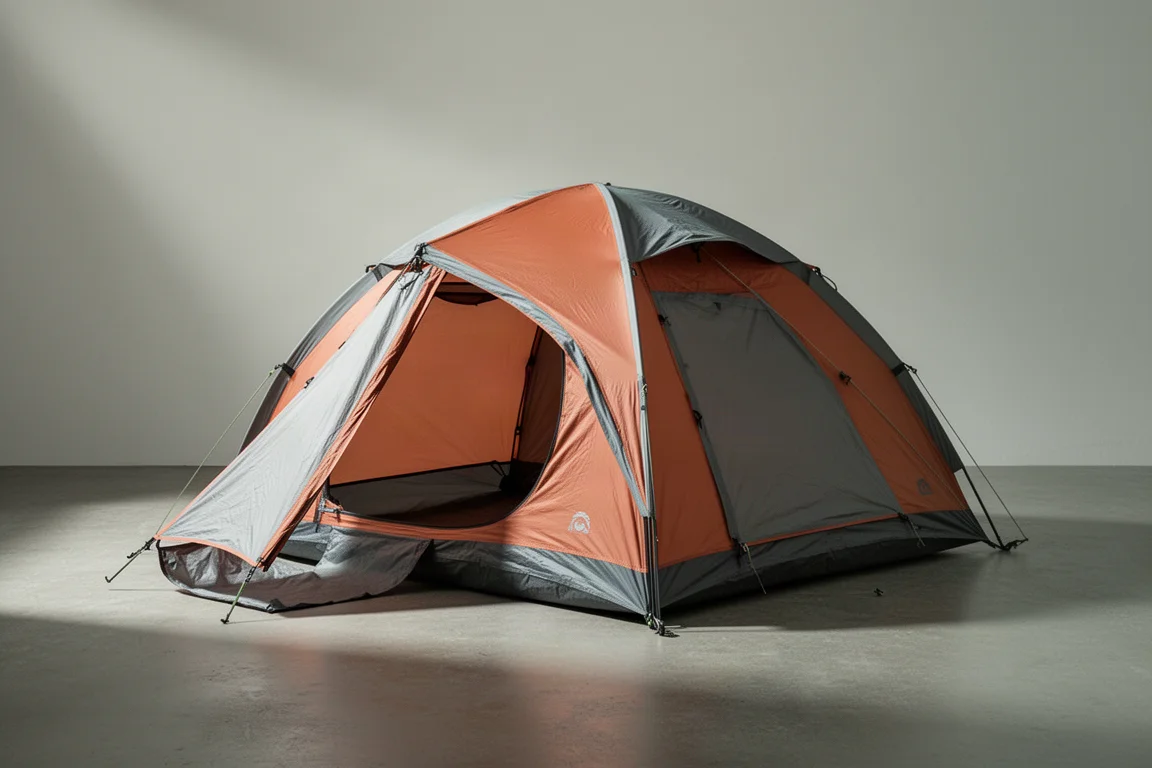
Alps Mountaineering Lynx 1-Person Tent Review: Big Value in a Small Budget Tent
A close look at the Alps Mountaineering Lynx 1-Person Tent, covering real interior dimensions, materials, setup time, ventilation limits, and who should buy it.