Camping Tents
Winterial Bivy Tent Review: A Budget Shelter That Shrugged Off an Inch of Rain
The Winterial bivy tent stayed completely dry through light, moderate, and heavy overnight rainfall. Here is how it performed, and the two trade-offs to weigh before buying.
Introduction
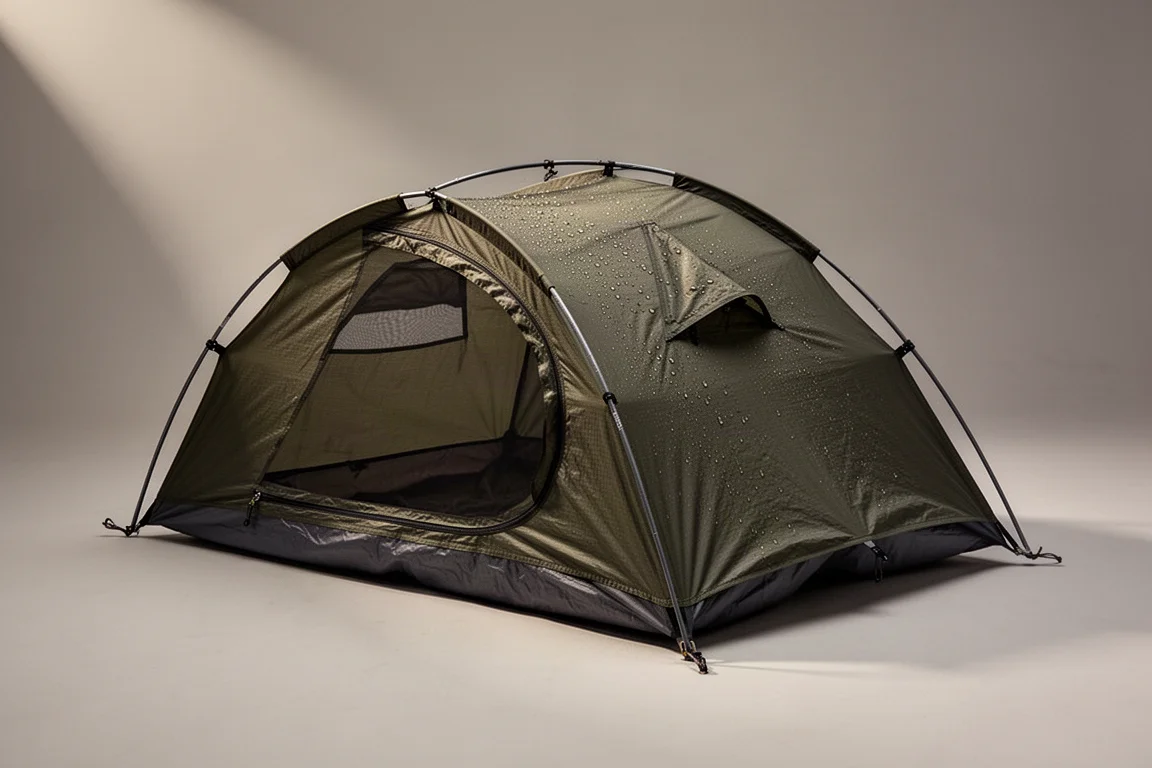
The Winterial bivy tent is a compact, low-cost shelter built for campers who want to travel light without spending much. Its real test came over a single wet night: light rain from around midnight, a moderate stretch that lasted about an hour, then genuinely heavy rainfall into the early morning, adding up to roughly an inch of water. The tent came through with no leaking at all inside. For a shelter in this price bracket, that is the kind of result that deserves a closer look.
Who This Tent Is For
This is a bivy-style shelter, which means it trades interior volume for a small packed footprint and a quick pitch. It suits solo campers, overnight trips, and anyone who wants a simple shelter that does not take up much room in a pack. Because the price is low, it also makes sense for someone testing whether the bivy format works for them before committing to a more expensive option.
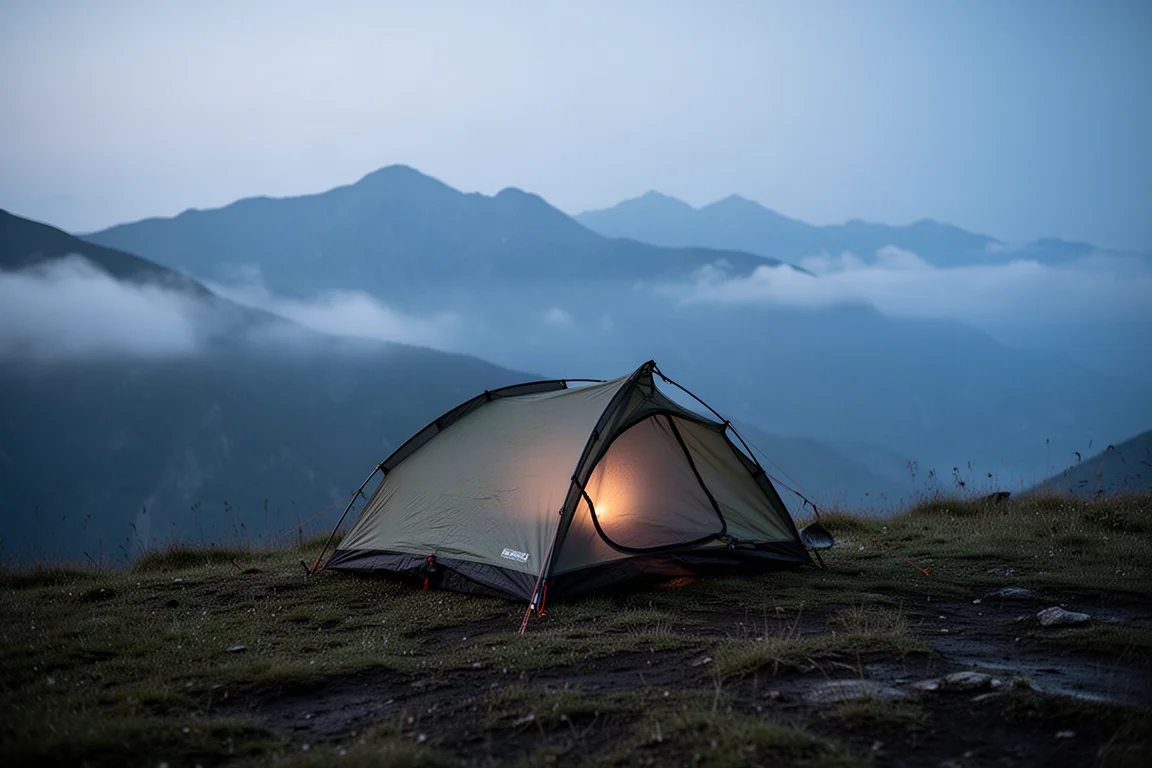
The bivy format is not for everyone. Campers who want to sit up, store gear inside, or wait out a long storm in comfort will find the interior cramped by design. The Winterial makes the most sense for people whose priority is a dry place to sleep rather than a roomy base camp.
Main Strengths
The headline strength is straightforward: it stayed dry. Through light rain there were no issues at all, and through the heavier overnight rain the interior remained free of leaks. Nothing made it through the fabric or the seams during the worst of it.
The second strength is value. For a tent this inexpensive, surviving an inch of rain without leaking is a meaningful result. Budget shelters often reveal their limits in exactly this scenario, and this one did not.
Waterproofing Performance in Sustained Rain
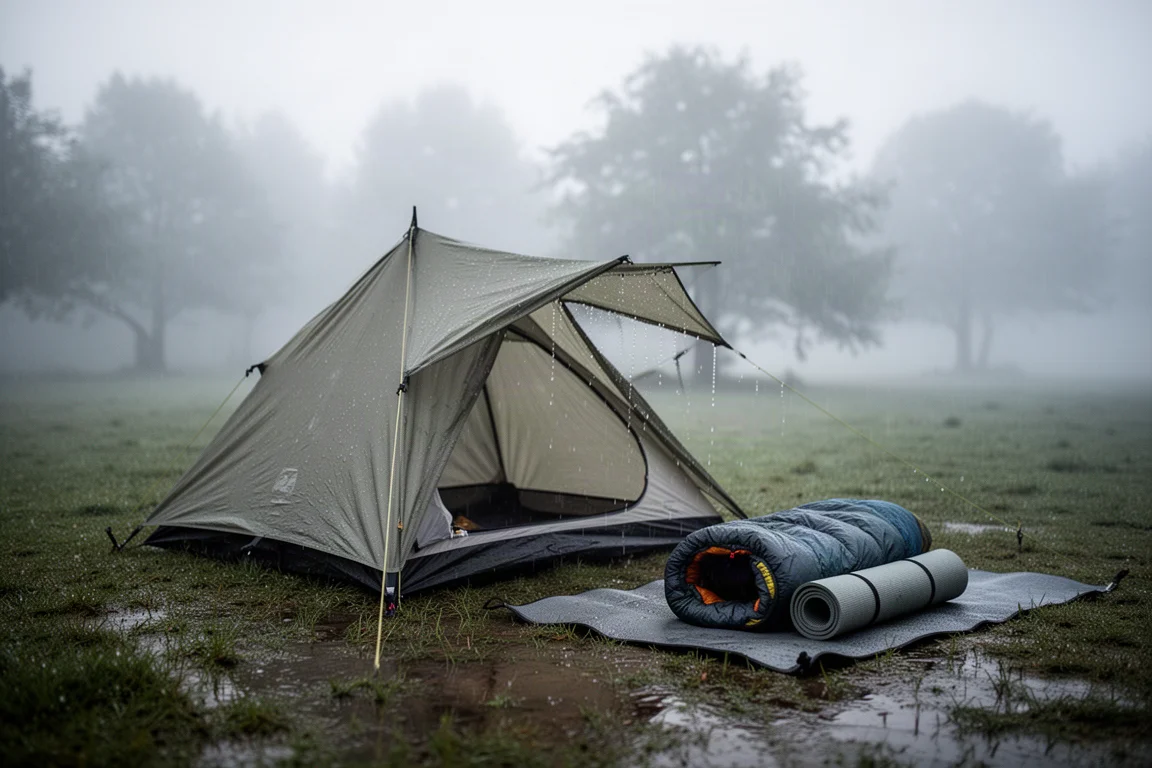
The overnight conditions escalated in stages. Light rain began around midnight, eased off, then returned. By roughly 2 a.m. there was a steady moderate rainfall that held for about an hour, and by 4 a.m. the rain had turned heavy. Thunderstorms were in the area, though none passed directly overhead.
By morning, the shelter had seen about an inch of rain in total. The result: no leaking inside the tent at all, and nothing to suggest water was working through the shell. For a shelter at this price, that is an impressive outcome and the main reason this tent is worth considering.
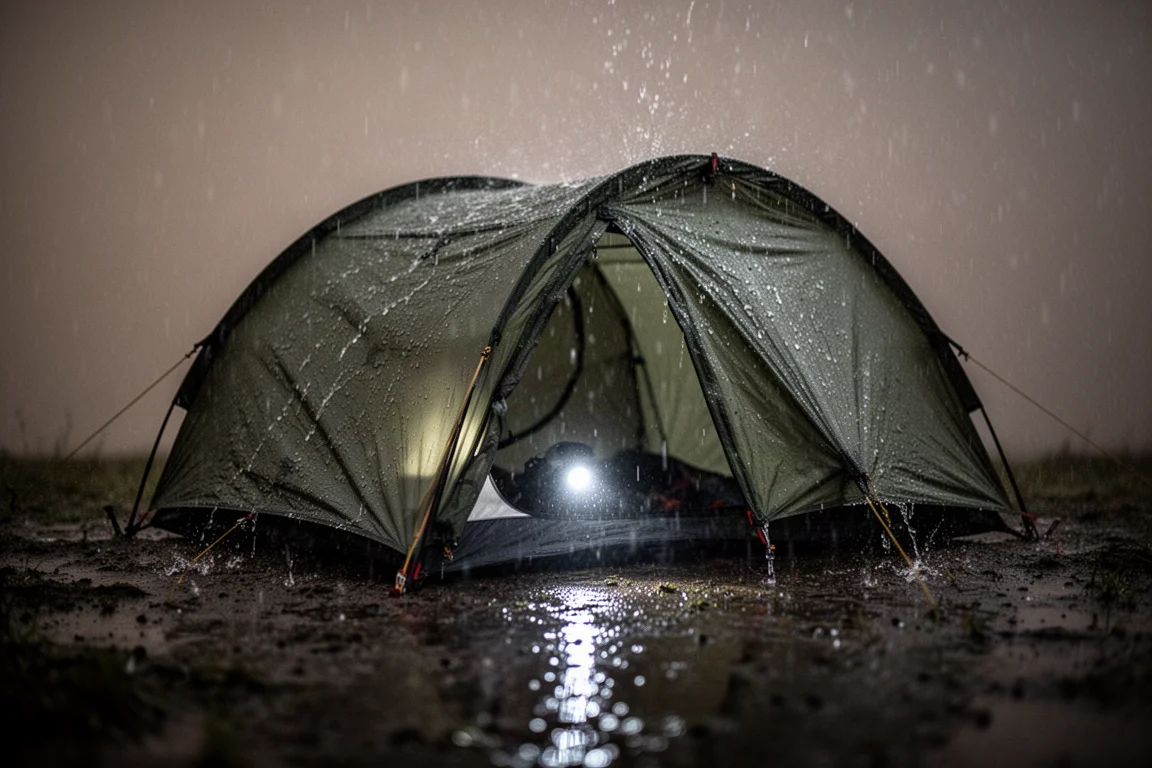
One detail worth noting is that the rain arrived in waves rather than as a single downpour, which means the tent was exposed to sustained wetting over several hours rather than one short burst. It held up through all of it.
Things to Consider Before Buying
Waterproofing is not the only measure of a shelter, and this tent has two clear trade-offs. The first is condensation, which built up heavily inside and was a consistent problem rather than an occasional annoyance. The second showed up during the moderate rainfall: a fair amount of water pooled on top of the foot box. That pooling did not translate into leaking during this test, but it is something to keep an eye on in heavier or longer storms.
Condensation and Interior Moisture
Condensation inside this bivy was significant, and by all accounts unbelievably bad during use. That is a common consequence of the bivy format, where a small interior volume and limited airflow trap moisture from breathing. It does not make the tent leak, but it does mean the inside can feel damp by morning.
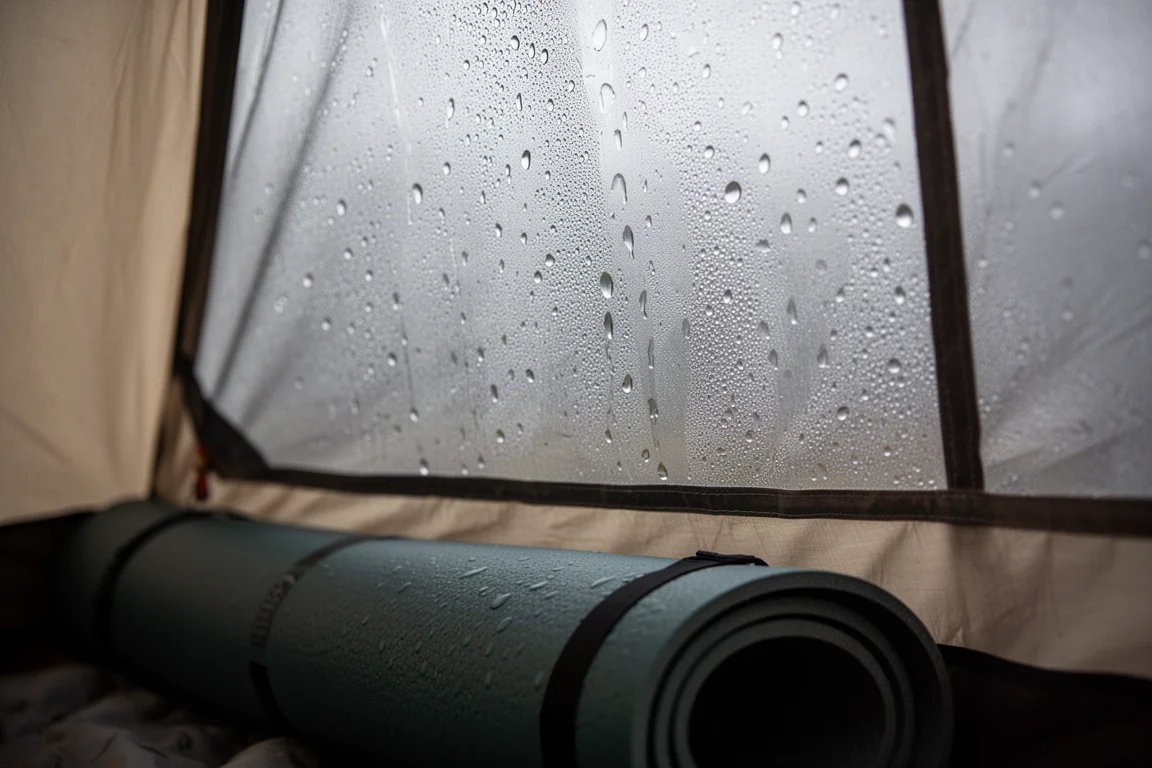
If you run warm or sleep in humid conditions, expect to manage interior moisture actively: vent where you can, avoid sealing the shelter completely, and plan to air it out after a wet night. Buyers who prioritize a dry interior above all else may want a design with more ventilation.
Value in Its Price Bracket
Judged purely on rain protection per dollar, this is a strong package. The tent is inexpensive, and it delivered the one thing budget shelters most often fail at: staying dry through real rainfall. The compromises are real, but they are the expected compromises of the format and the price rather than surprises.
Buying Advice
Buy this tent if your priority is a light, inexpensive shelter that can handle serious rain, and if you accept that a bivy will be tight inside and prone to condensation. It is a sensible choice for solo overnight trips, a spare shelter kept in a pack, and anyone who wants to try the bivy format without spending much.
Look elsewhere if interior comfort matters more than price. Campers who want headroom, gear storage, or genuinely dry air inside will be happier with a larger, better-ventilated tent. The Winterial is a rain performer first and a comfort shelter second, and it should be bought with that in mind.
Conclusion
The Winterial bivy tent did the hard part well. It went through roughly an inch of rain, including heavy overnight rainfall, without leaking. Condensation and water pooling at the foot box are the honest trade-offs, and they are worth weighing before you buy. For a low-cost shelter whose job is keeping a solo camper dry, the core job is done.
Product link
View more details for Winterial Bivy Tent
This product is mentioned in the review. Check the specifications, options, and compatibility before buying.
View more details for Winterial Bivy TentFurther reading
Related Reviews
Camping Tents
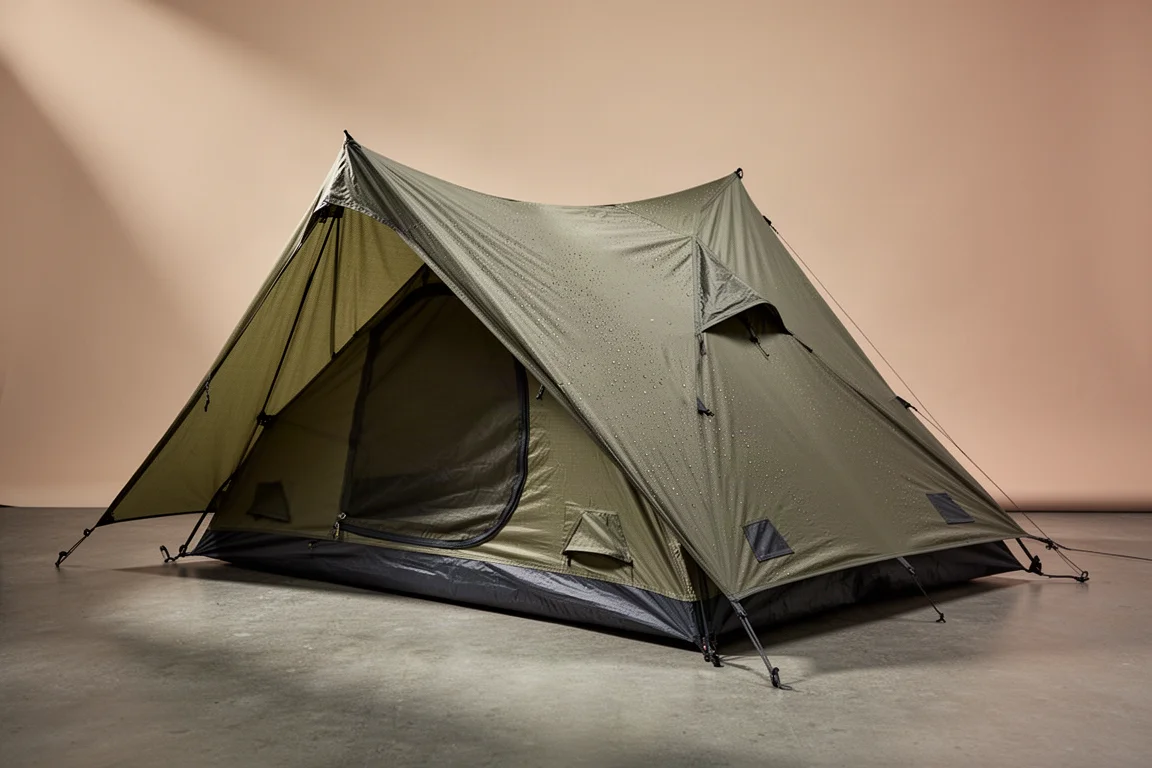
3F UL Gear Taiji Two-Person Tent Review: Field Waterproofing Results and Buying Advice
The Taiji pairs an attached fly with a removable inner, but sustained rain exposed untaped vent seams that need sealing before this shelter can be trusted.
Camping Tents
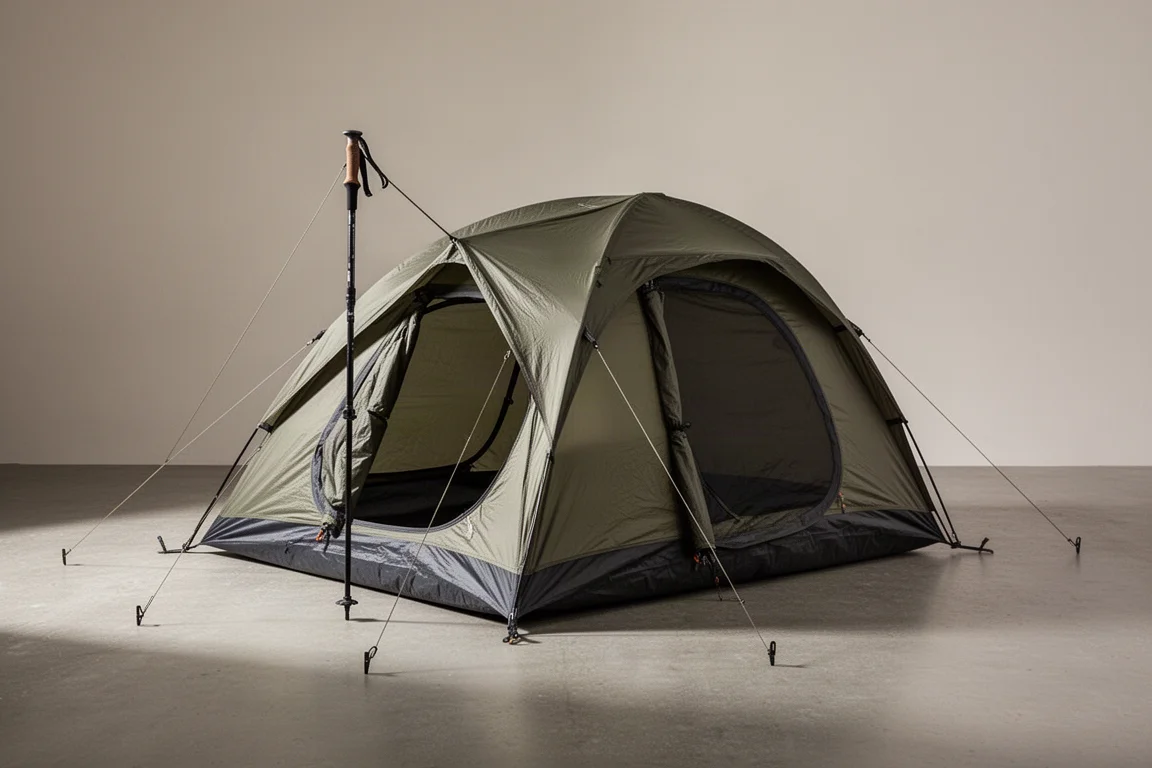
3FUL Gear Lanshan 2 Pro 4-Season Review: A Sub-$200 Single-Wall Trekking Pole Tent
An early look at the 3FUL Gear Lanshan 2 Pro 4-Season, covering its straightforward pitch, generous interior space, and the condensation and seam-sealing questions that come with any single-wall shelter.
Camping Tents
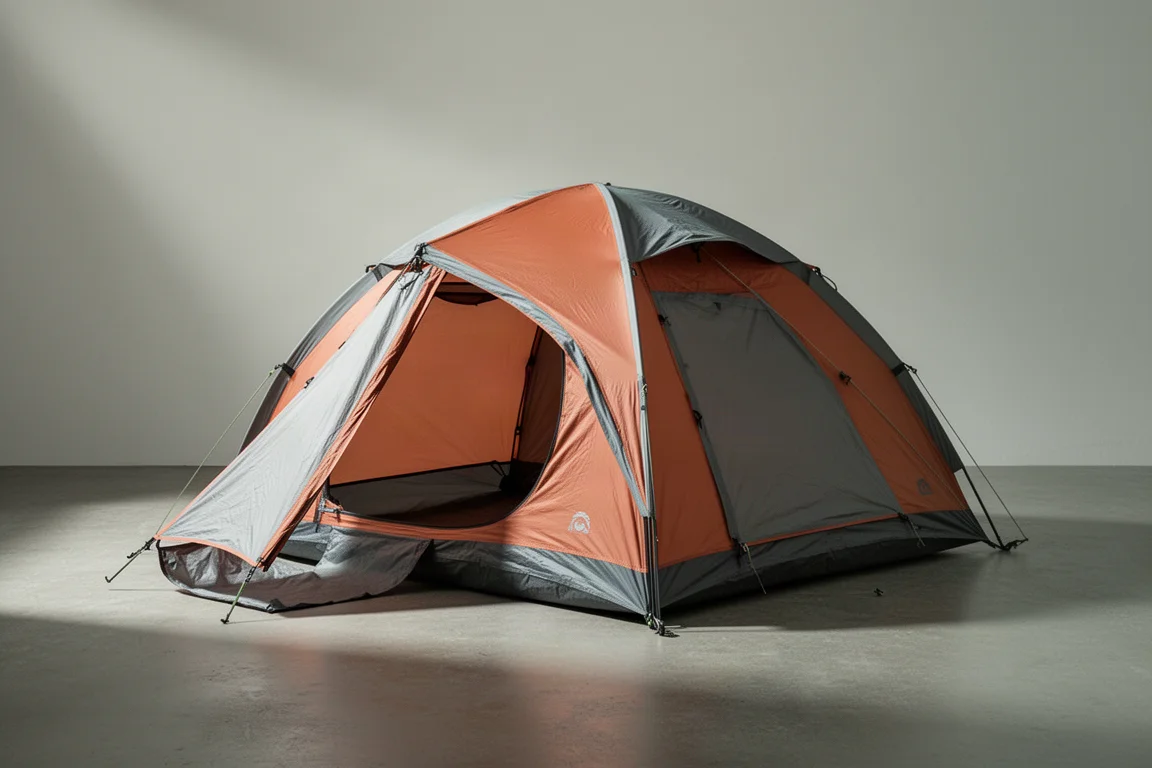
Alps Mountaineering Lynx 1-Person Tent Review: Big Value in a Small Budget Tent
A close look at the Alps Mountaineering Lynx 1-Person Tent, covering real interior dimensions, materials, setup time, ventilation limits, and who should buy it.