Camping Shelters
Winterial Bivvy Tent Review: Serious Rain Protection, Serious Condensation
A low-cost bivvy shelter that shrugs off heavy rain and then traps every bit of moisture inside it. Here is who it still makes sense for.
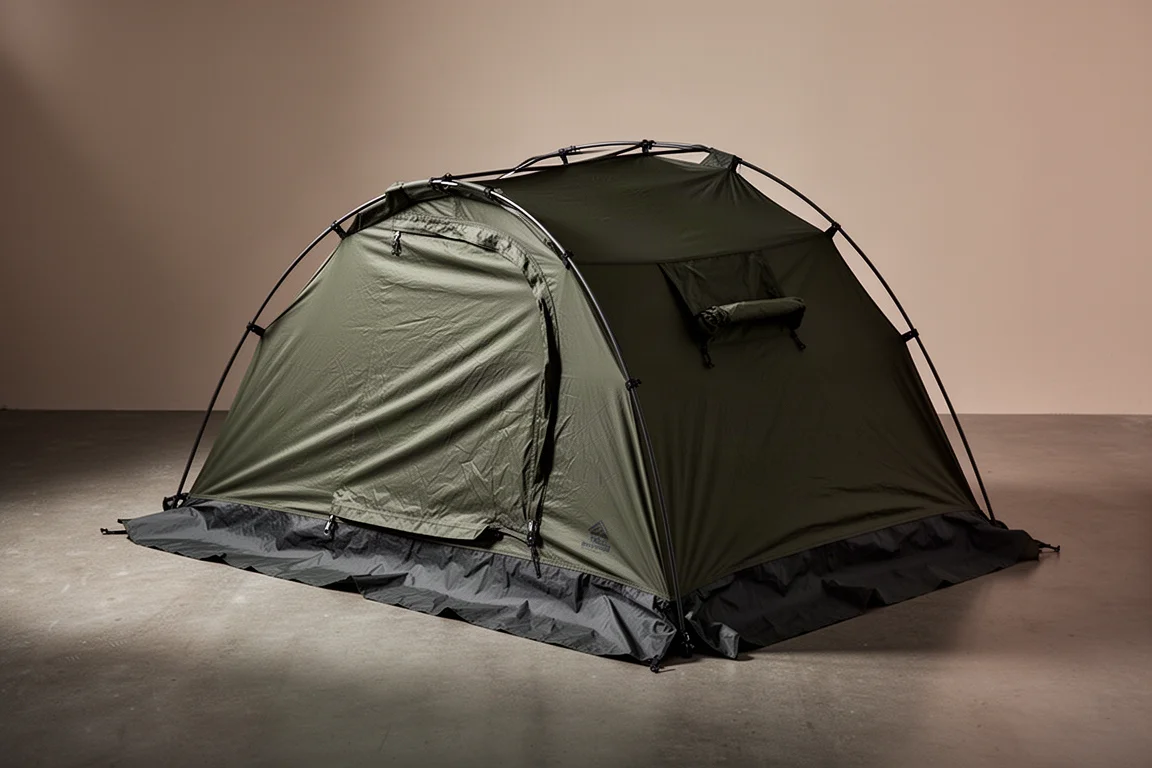
Introduction
The Winterial Bivvy Tent is a compact, low-profile shelter that borrows its shape from the Snugpak Ionosphere formula: a single-person bivvy and tent hybrid with a fly that reaches all the way to the ground. That shape is the main reason it stands out, because the Ionosphere itself has become expensive, and this shelter sells for a fraction of the price, under $100 depending on the colorway.
It occupies an awkward but useful middle ground. It is larger than a plain bivvy sack and smaller than a conventional one-person tent, which makes it a realistic option for fast, light trips where a full tent feels like more than you need.
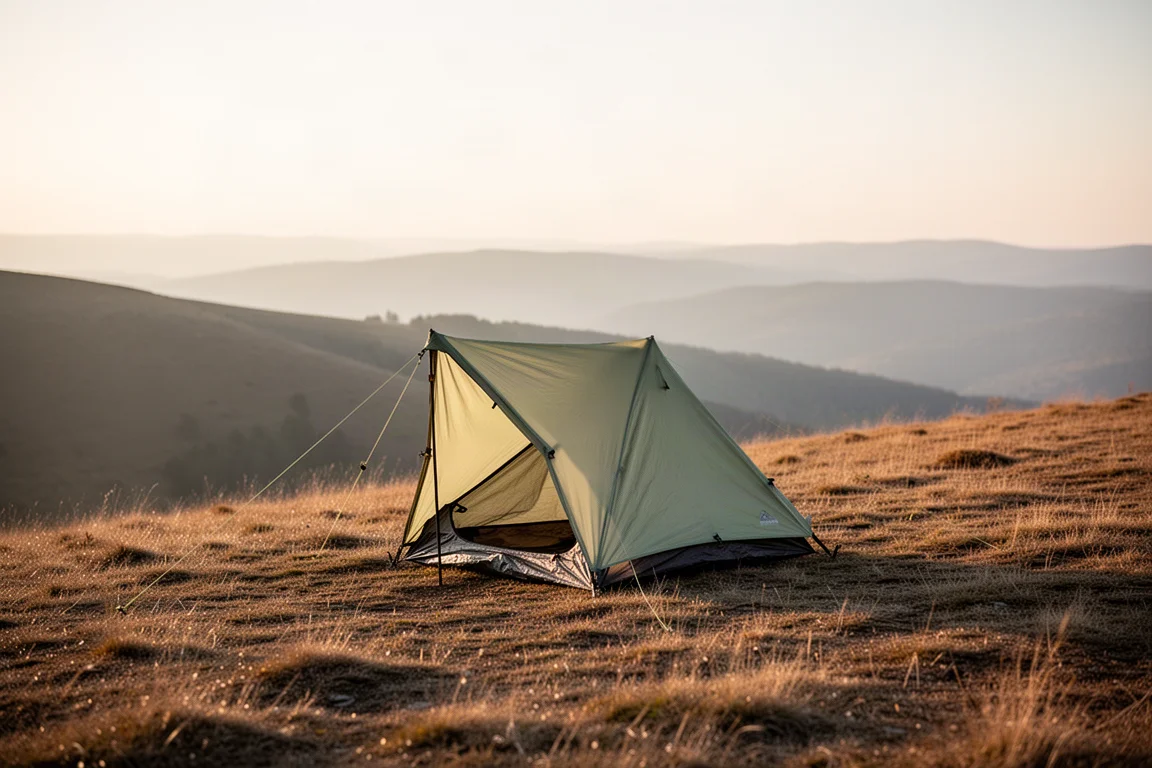
The trade-off is not subtle. This is one of the most waterproof shelters you can buy at this price, and it is also one of the stuffiest. Understanding where those two facts come from is the whole buying decision.
Who This Tent Is For
This shelter suits campers who travel light, sleep in dry conditions, and stand 6 ft or under. In that range the interior works: you can lie down, keep a small amount of gear beside you, and get a reasonable night of sleep under a fly that shrugs off heavy rain.
It is a poor match for anyone taller than 6 ft, since your head and feet will press against the inner material. It is also a poor match for anyone who wants to sit up, change clothes, or move around inside. Putting on a jacket in this shelter is genuinely difficult.
Most importantly, it is not a wet-weather tent. It is meant to be used with the fly rolled back or removed entirely, which places it firmly on trips where rain is unlikely.
Main Strengths
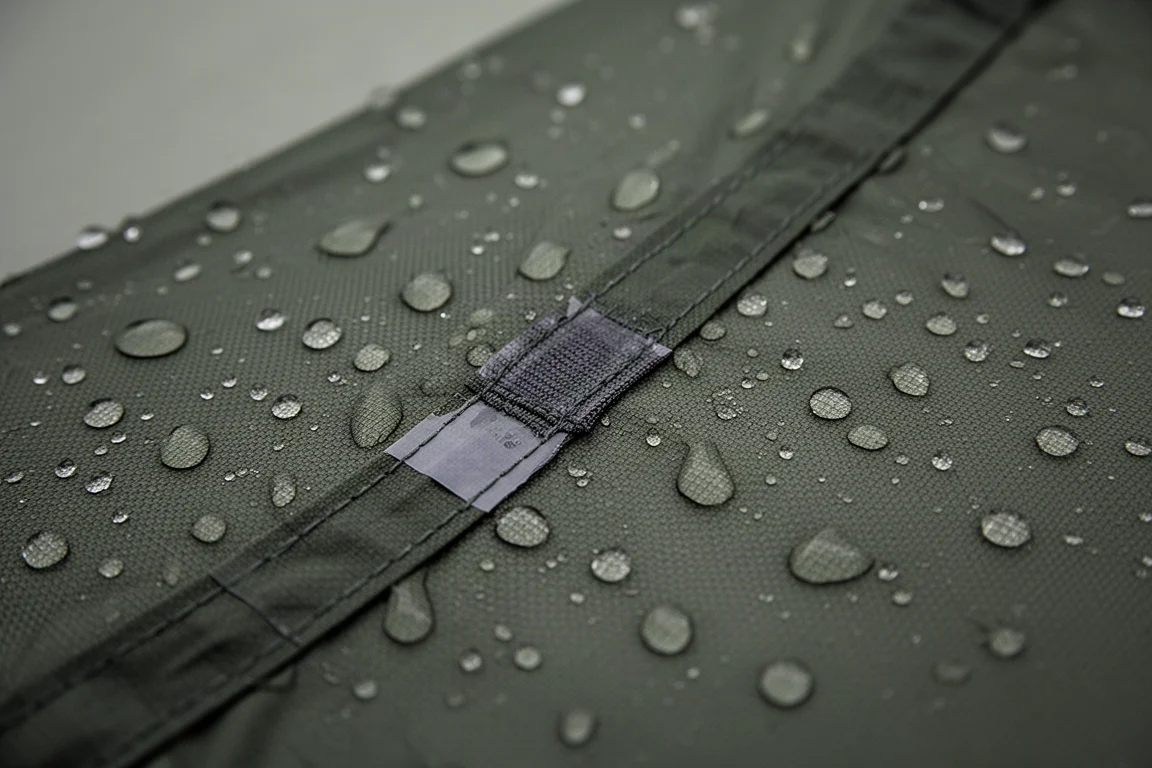
Waterproofing is the standout. The fabric is a 190T polyester with a claimed 5,000 mm hydrostatic head rating, and field use in heavy rain produced no leaks at all. Because the fly extends to the ground, wind-driven rain has no path underneath it. The floor uses a bathtub design with taped seams, and it stays dry.
Stability is the second strength. The profile is very low, so the shelter holds firm in strong wind even without deploying the guy lines. Setup and breakdown are straightforward: four stakes and two aluminum poles without the fly, nine stakes for the full pitch including the three guy lines. The zippers run smoothly, and durability holds up trip after trip with no failures in the floor, fly, or mesh.
Weight and packed size are reasonable for the price. The shelter measures about 3.4 lb in practice and packs to roughly 21 in by 5 in. Given the inexpensive materials, both figures are justified rather than disappointing, and the pitch itself is quick once you know the sequence.
Things to Consider Before Buying
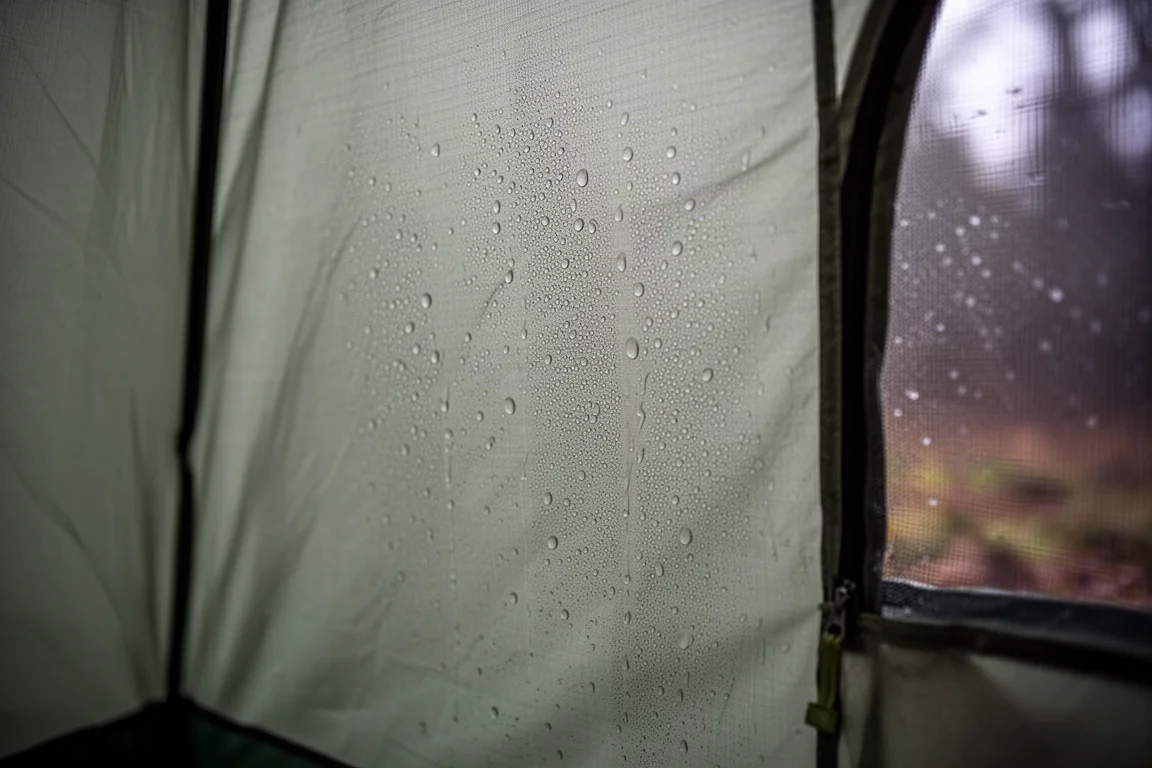
Airflow is the central problem. The fly reaches the ground on every side, so the only ventilation is the door. Mesh panels inside the shelter do not help, because the fly blocks moving air before it reaches them. The result is heavy condensation, and in that specific respect this is the weakest shelter of its kind in our notes.
That has practical consequences. On a warm night the interior becomes hot and stuffy, and on a windy night the fly shifts and drops collected moisture back onto you. The workaround is to open the fly and accept that the side of the shelter will get wet, which is a strange trade to make.
Entry and exit are awkward. The side entry requires sitting down, rotating, and sliding in, which is manageable when you are young and less so otherwise. With the door open, the whole opening faces the sky, so rain falls straight inside. There is no vestibule, so anything you bring has to live inside the shelter or be protected separately.
Two more details are worth checking before you order. The stated weight of 2 lb 9 oz does not match reality, and the listing photos show a much darker color than the light green that actually arrives. Orange is the safer choice if appearance matters to you.
Buying Advice
Buy this shelter for dry, mild-weather trips where low weight and low cost matter more than interior comfort. Use it with the fly rolled back or off whenever conditions allow, and treat rain in the forecast as a reason to bring something else. It is not designed for snow loading, and it is not freestanding.
At under $100, the waterproofing and durability are genuinely good value. The open question is whether you can live with the ventilation design, because that is the one thing no amount of care will fix.
If your trips are mostly dry and you want a compact shelter that handles an unexpected downpour without leaking, this is a defensible purchase. If your trips involve steady rain, warm nights, or long evenings spent inside the shelter, your money is better spent elsewhere.
Conclusion
The Winterial Bivvy Tent gets the hard part right and the everyday part wrong. It is impressively waterproof, stable, and durable for the money, and its packed size and weight make sense for a budget shelter. It is also hot, stuffy, and prone to condensation, with an entry that lets rain in whenever the door is open.
Choose it for dry-weather camping, for users 6 ft and under, and with realistic expectations about airflow. That is a narrow but legitimate use case, and at this price it is worth considering on those terms.
Product link
View more details for Winterial Bivvy Tent
This product is mentioned in the review. Check the specifications, options, and compatibility before buying.
View more details for Winterial Bivvy TentFurther reading
Related Reviews
Camping Shelters
Alps Mountaineering Stealth 1 Bivy Review: A Waterproof Claim That Does Not Hold Up
The Alps Mountaineering Stealth 1 Bivy carries a 2,000 mm hydrostatic head rating and a waterproof claim, but sustained rain exposure and build quality concerns make it difficult to recommend.
Camping Shelters
AquaQuest Safari Hybrid 20 ft x 13 ft Tarp Review: Two Years Under a Very Large Roof
A long-term look at the AquaQuest Safari Hybrid 20 x 13 tarp, covering build quality, weather protection, setup realities, and who should buy one.
Camping Shelters
Backcountry Light Mesa 3 Hot Tent and Floor SL Tarp Review
A practical look at the Backcountry Light Mesa 3 four-season hot tent and its optional Floor SL Tarp, covering materials, stove jack design, packed weight, pricing, and the trade-offs to weigh before buying.