Cycling Components
Winter Race Bike Upgrades: Three Winspace Components Worth Considering
A practical look at three winter upgrades for a faster race bike, from the SLC3 frameset to the 67mm Hyper wheels and the 380mm Zero SL bar.
Introduction
The off-season is the most useful stretch of the year for equipment changes. Riding time is shorter, races are months away, and there is finally room to think about what the bike is costing you in watts rather than simply logging miles on it.
Three areas do most of the work on a fast race setup: the frameset, the wheels and the cockpit. Each one changes a different part of the equation, and each comes with its own price tag and its own amount of work.
This guide covers three Winspace components that address those areas directly. It also covers the part no purchase can shortcut: getting your body used to a narrower, lower position, which takes weeks rather than a weekend.
How These Upgrades Fit Together
A race bike works as a system, and the parts interact. Rim width should match tyre width. Bar width should match the position your body can actually hold. Frame stiffness should match the power you put through it. Buying one fast part in isolation rarely delivers the gain it promises.
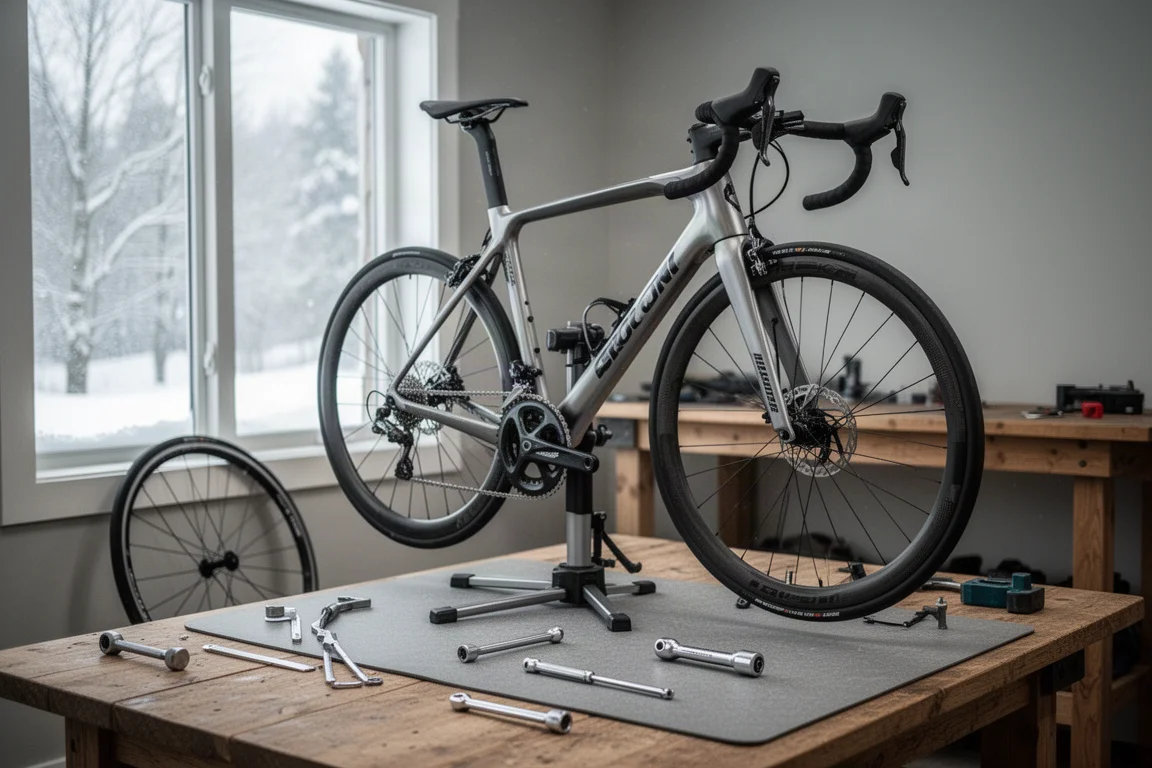
That is why winter suits this kind of work. You can fit a component, ride it on easy days, and adjust it well before the first race of the season, rather than discovering a problem at speed in the middle of a group.
Best Frameset Upgrade: Winspace SLC3
The frameset is the biggest single upgrade available to most riders, and it is also the one that rewards careful thought. There are two broad routes: a full aero frame that is fastest on flat and rolling roads, or a lightweight aero frame that keeps more of the climbing feel while still optimising airflow. Many professional riders now lean toward the second option, and the SLC3 sits in that category.
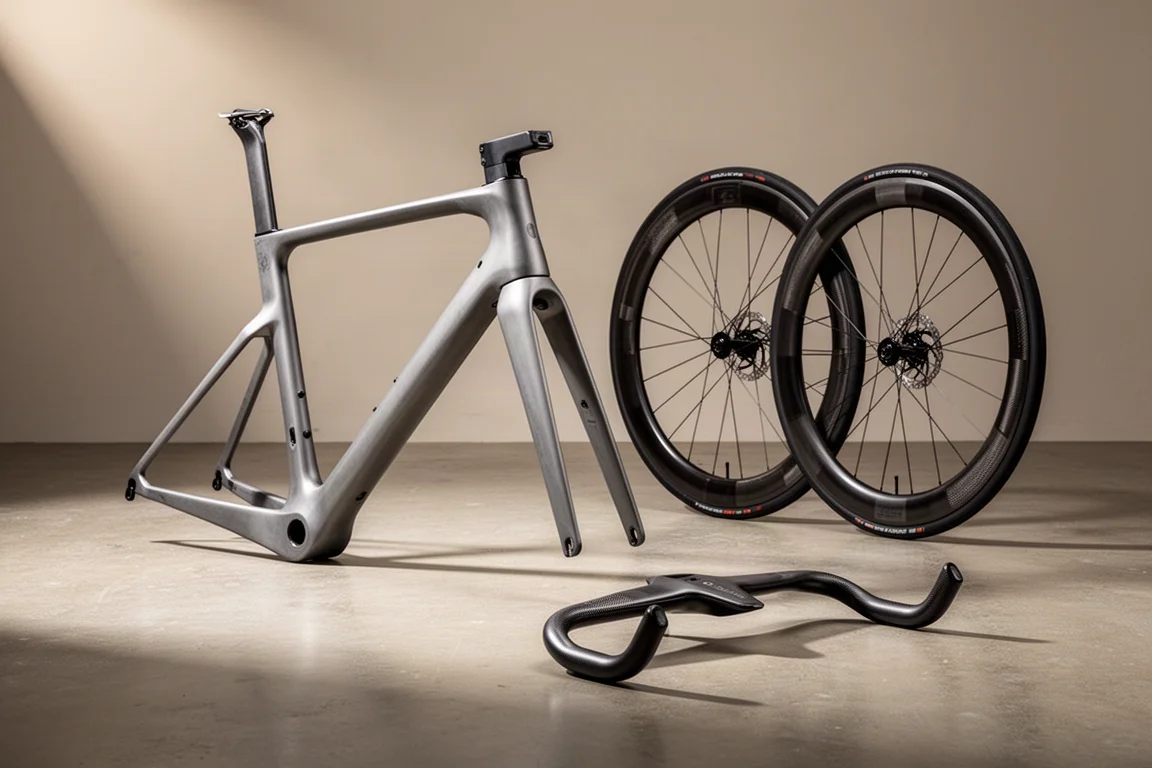
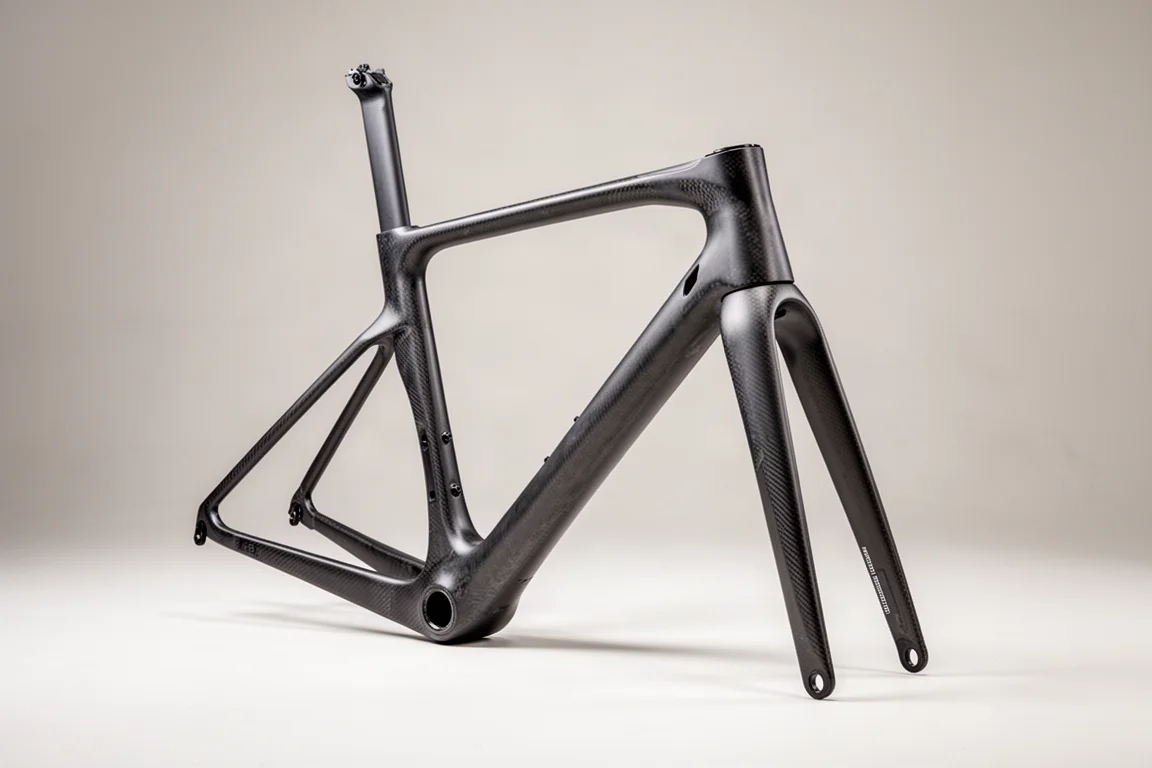
Winspace claims an unpainted size medium SLC3 frame weighs 699g. That is 80g lighter than the previous version, and it brings the frame close to the weights quoted by well known brands. The layup mixes T100, T1000, M46 and M65 carbon, with claimed stiffness improvements in key areas. Winspace also claims the head tube and bottom bracket are stiffer than those of a Tarmac SL8.
Low weight combined with aero tube shapes is described as making the SLC3 as fast as Winspace’s own T1550 aero bike, which is a useful reference point if you want one frame that performs on flat and rolling terrain alike.
The practical question with a direct purchase is support. Winspace has dealer networks in a number of countries to handle servicing, custom orders and warranty claims, which makes the ownership side less of a leap than it once was. The honest caveat is cost. A new frameset is a serious purchase and is not a realistic upgrade for every rider.
Best Wheel Upgrade: Winspace Hyper Wheels
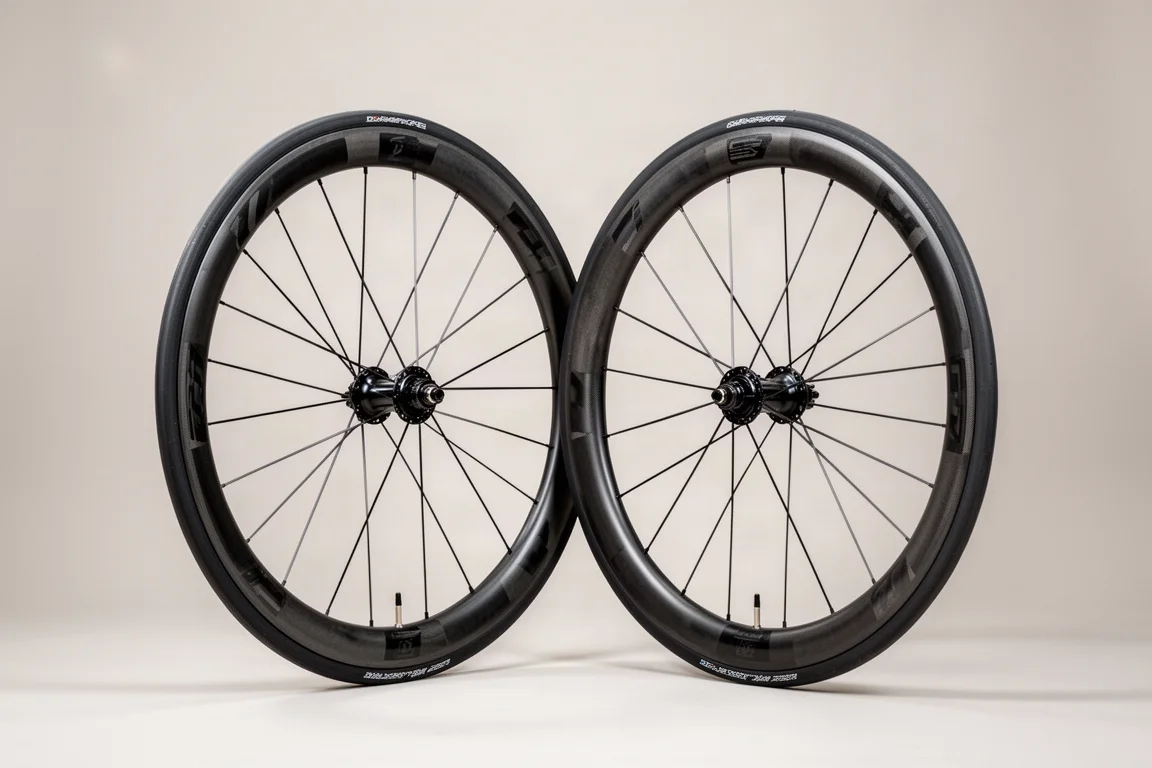
Few things change the look, sound and feel of a race bike like a set of deep carbon wheels. At race speeds they also ride well, and the Hyper wheels at a 67mm depth are a clear example of the category.
Depth alone is not the whole story. Wide rims help in windy conditions, and current thinking suggests a speed benefit as well. The external width here is just over 28mm, which pairs neatly with the tyres most riders now use. Matching rim and tyre width is not a dramatic gain on its own, but it is one of those details that adds up over a long ride.
Winspace has also used different rim profiles front and rear. This adds manufacturing cost, and it is the same approach several large brands take, so it is worth looking for if you are shopping for a new wheelset.
The rims use a hooked design. That keeps tyre choice wide open and means clinchers remain an option for riders who prefer them. For racing, wide tubeless tyres are the sensible pairing. Current data suggests they roll faster, and in practice they handle rough surfaces better. On domestic race roads that are rarely as smooth as a grand tour route, running narrow tyres at very high pressure is a quick way to lose energy to fatigue.
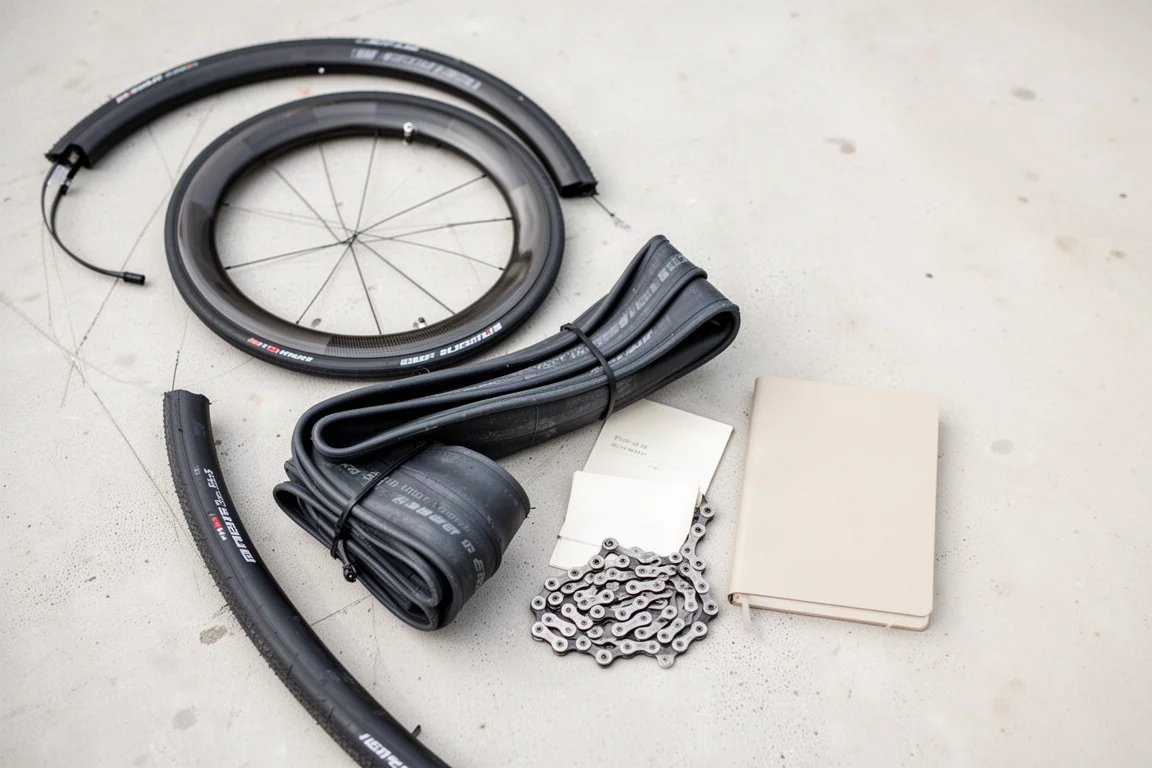
Tubeless inserts are worth considering if you race. They will not prevent every failure in extreme cases, but after a puncture in the middle of a group they help keep you upright and predictable, which protects the riders around you as much as yourself.
Best Cockpit Upgrade: Winspace Zero SL Handlebar
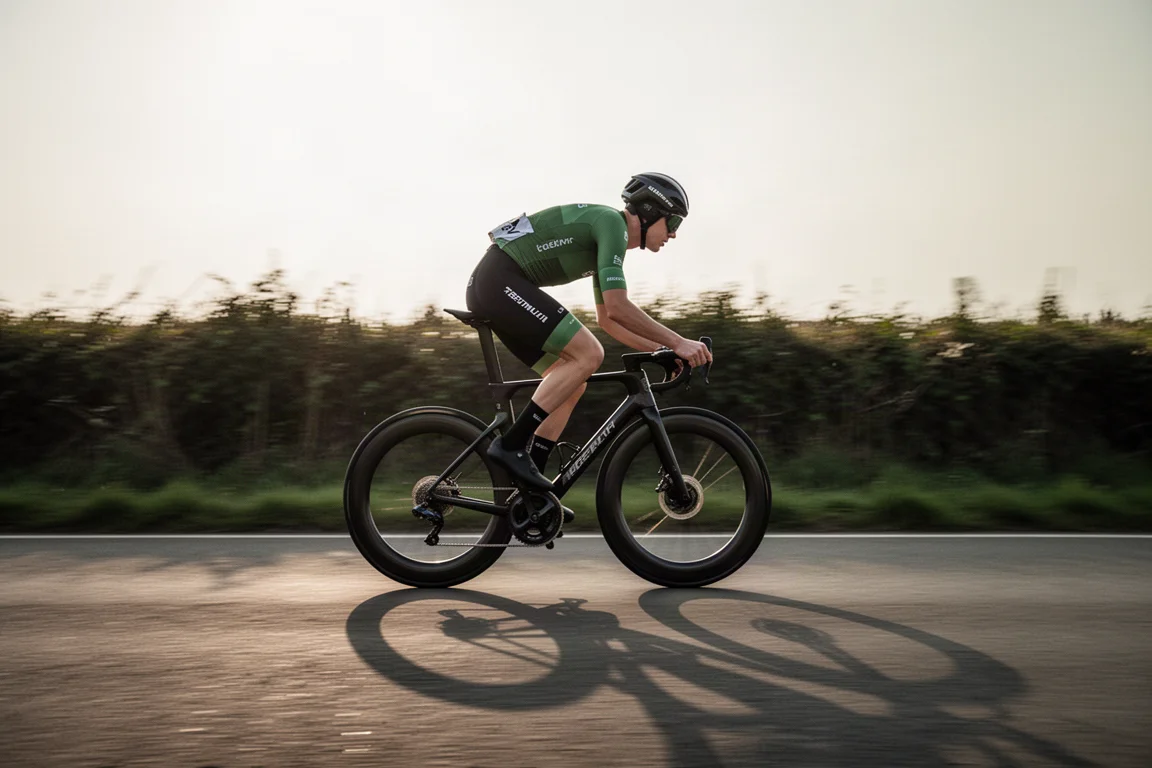
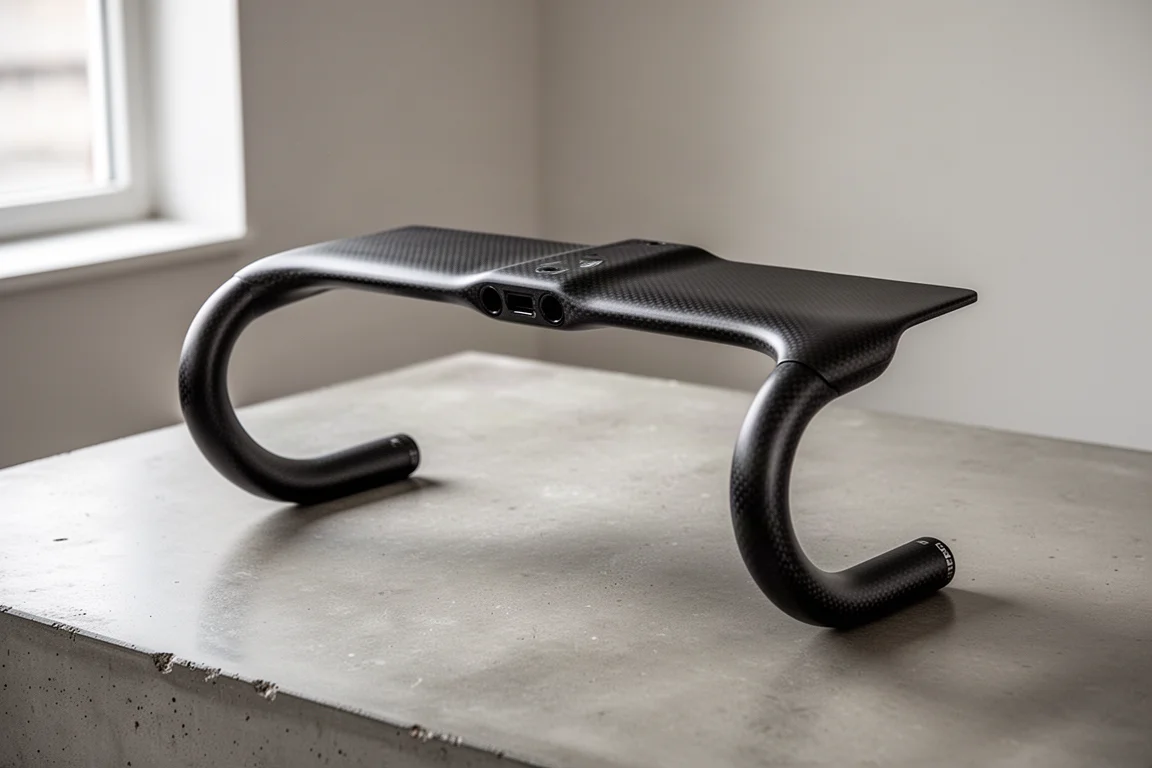
Nothing saves more watts at speed than reducing your frontal area, and the component that governs it most is the bar. The Zero SL is a fully integrated design at 380mm width, which gives a clean front end and, more importantly, a narrower silhouette.
Testing of aero equipment in a wind tunnel showed that cutting the amount of air hitting the rider saved more than 70 watts, with a narrower bar contributing to that total. A narrower bar usually comes with a lower front end as well, achieved by removing spacers under the stem or using a stem that points downward. If you have the tools at home, lowering the front end costs nothing, which makes it one of the best value changes available. Some racers go further and use very long stems to get themselves tucked down at the front.
Making the Aero Position Work
Buying a narrow bar is the easy part. The hard part is holding the position it creates.
If you make a large position change all at once, your body needs time before it feels comfortable for more than a few minutes. The sensible approach is to make the change in winter, then ride the new position as often as you can, particularly on easy days, so your body can adapt without the pressure of racing.
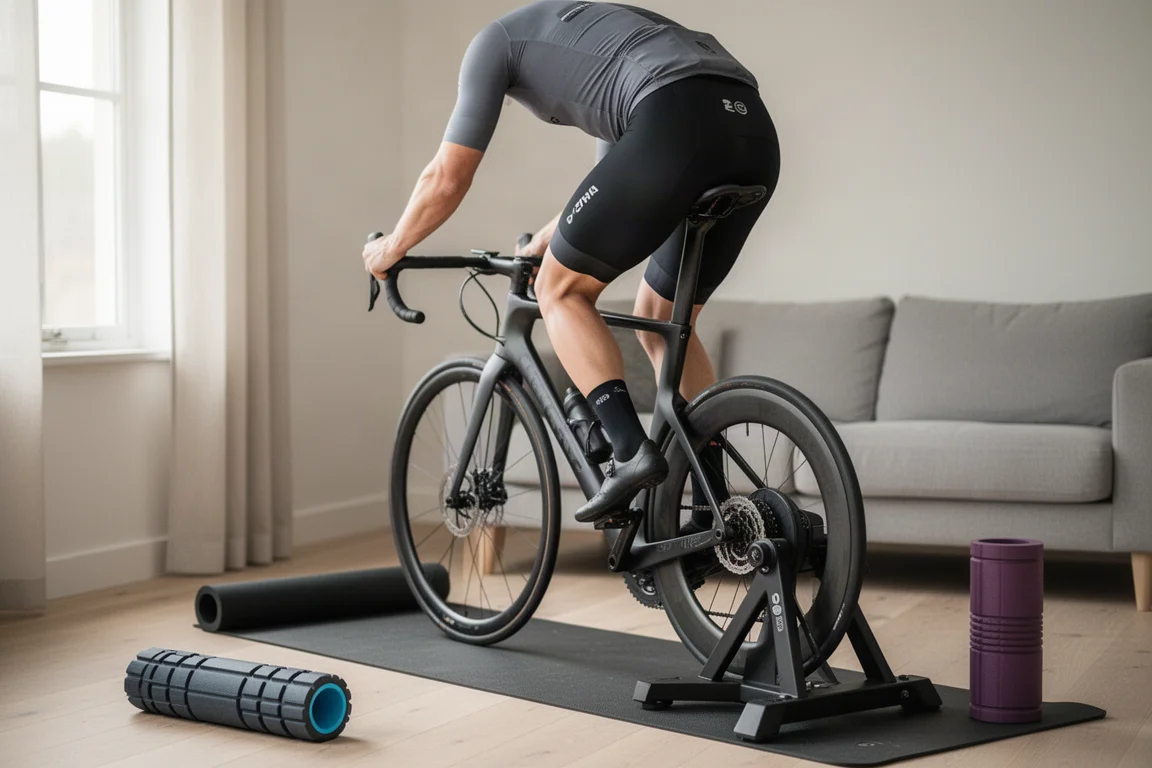
Alongside time on the bike, stretching and core work at home make a real difference. A comprehensive routine lets you hold an aero position comfortably instead of fighting it. Once the season starts, specific intervals in the new position help you produce power there when it counts.
What to Prioritise First
If you can only make one change, the frameset delivers the biggest transformation, and it is also the most expensive. Wheels sit in the middle: meaningful speed on flat and rolling roads, a visible and audible improvement, and a strong market if you later change your mind.
The bar and front end height are the cheapest meaningful gains. A narrower bar and a lower stem position cost less than a frameset or a wheelset, and they address the largest single source of drag, which is the rider.
Buying Advice
Match each upgrade to the riding you actually do. Riders who spend most of their time on flat and rolling roads will feel deep wheels and a narrow cockpit more than a lighter frame. Riders who climb will appreciate the low claimed frame weight more, and will be less willing to accept the handling demands of a 67mm rim on a windy descent.
It also helps to plan the order of work. Position changes take the longest to adapt to, so start those first. Wheels can be swapped quickly, while a frameset build takes the longest of all, which is another reason winter suits it.
Whatever you choose, buy for the season ahead rather than the one just finished. Parts that match your position, your terrain and your body will always beat parts that simply look fast standing still.
Conclusion
A faster race bike comes from three decisions made well: a frame that balances low weight with aerodynamics, wheels that match your terrain and tyre choice, and a cockpit that lets you hold a narrower, lower position.
Make the changes over winter, put in the work adapting to the new position, and the equipment will be ready to deliver when racing starts again.
Further reading
Related Reviews
Cycling Components
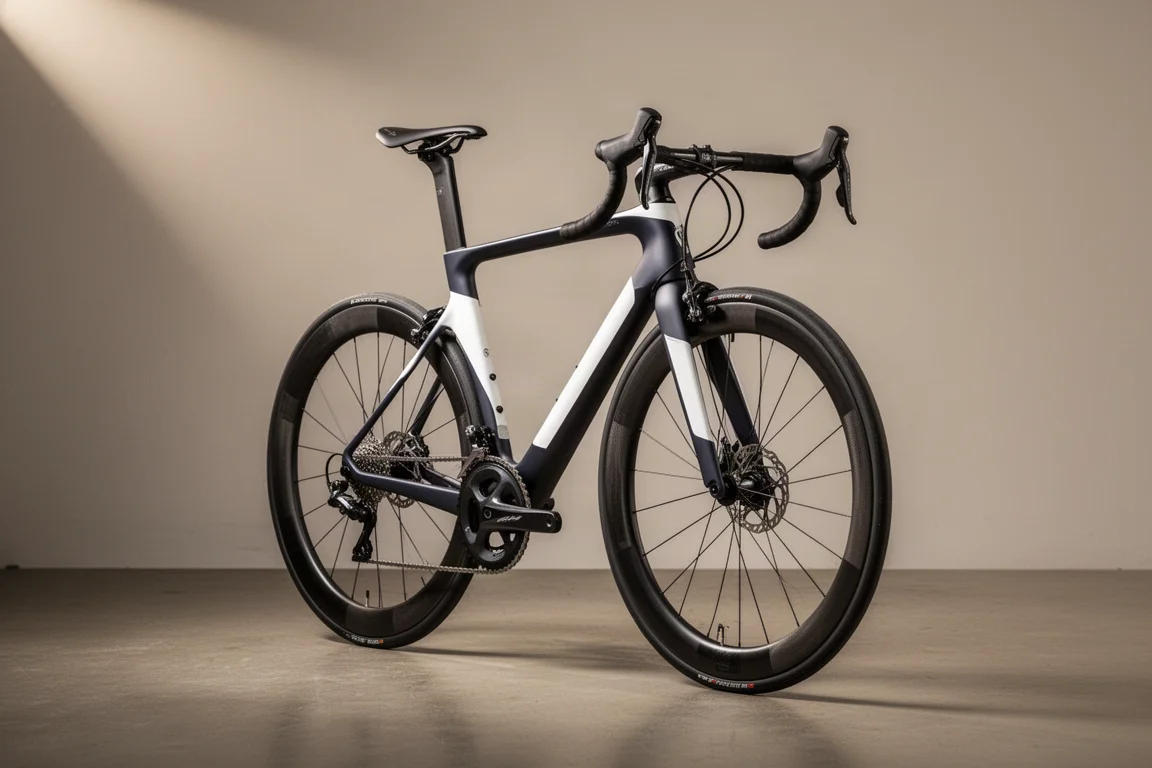
A 20,000-Mile Budget Race Bike Build: Five Parts Worth Knowing
A rim brake race bike assembled from low-cost components and ridden for 20,000 miles. Here is what delivered real speed, what caused problems, and what to weigh before copying the formula.
Cycling Components
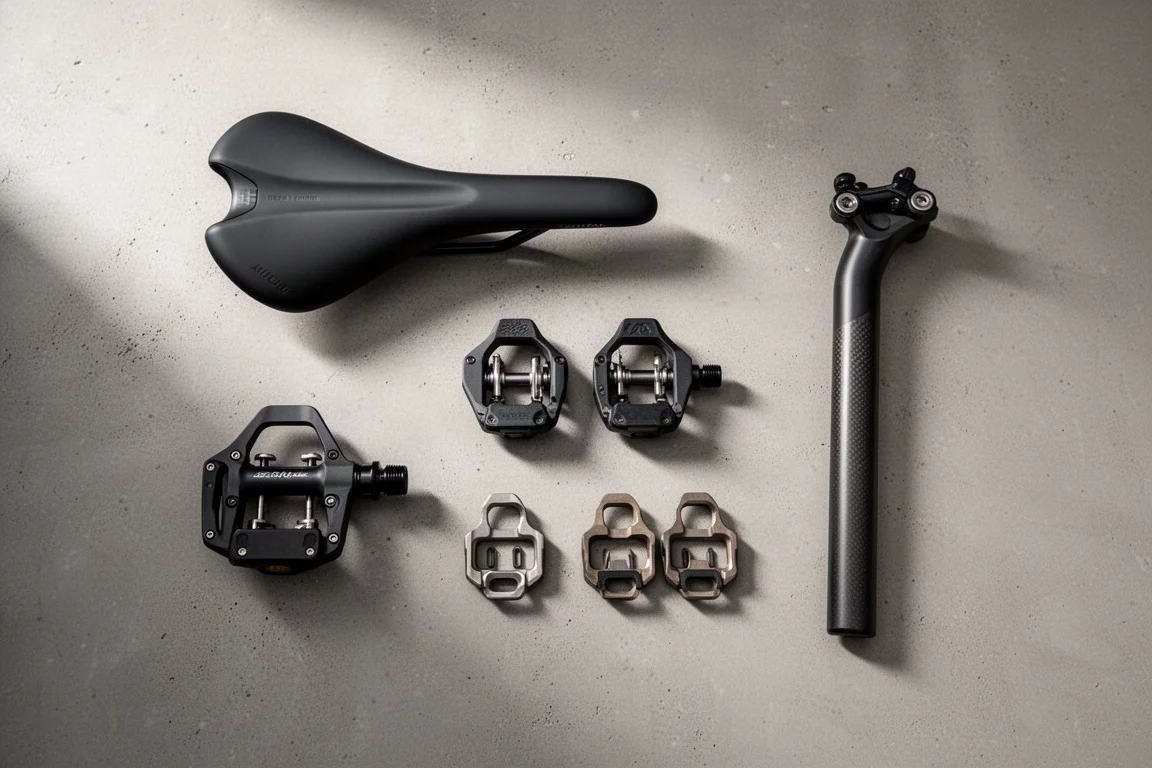
7 Bike Fit Products Fitters Avoid: What to Check Before You Buy
Seven bike components that regularly cause knee, foot and saddle problems, with the specific concerns behind each one and what to look for instead.
Cycling Components
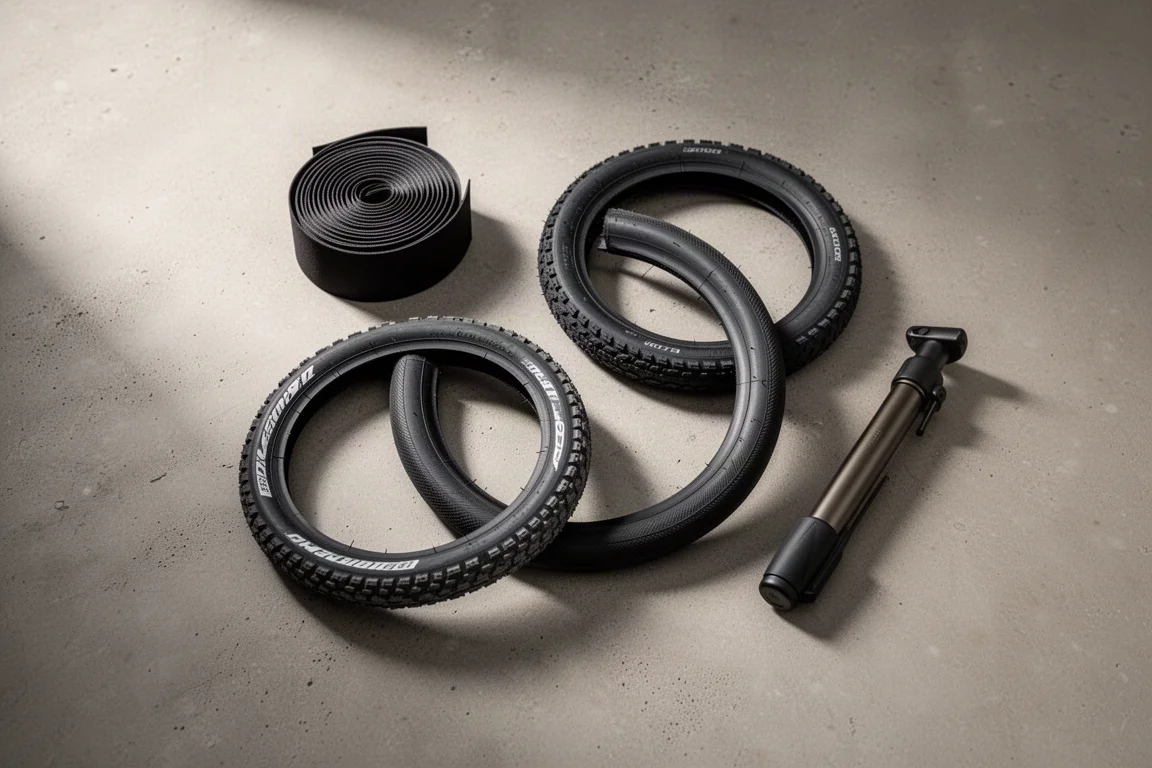
Four Affordable Bike Upgrades That Improve Ride Feel
Four low-cost cycling products that make a real difference to ride feel, plus the free setup changes worth trying first.