Cycling Components
Winter Race Bike Upgrades: Three Winspace Components Worth Considering
Three Winspace components that make a summer race bike faster, plus the position work that decides whether the gains actually count.
Introduction
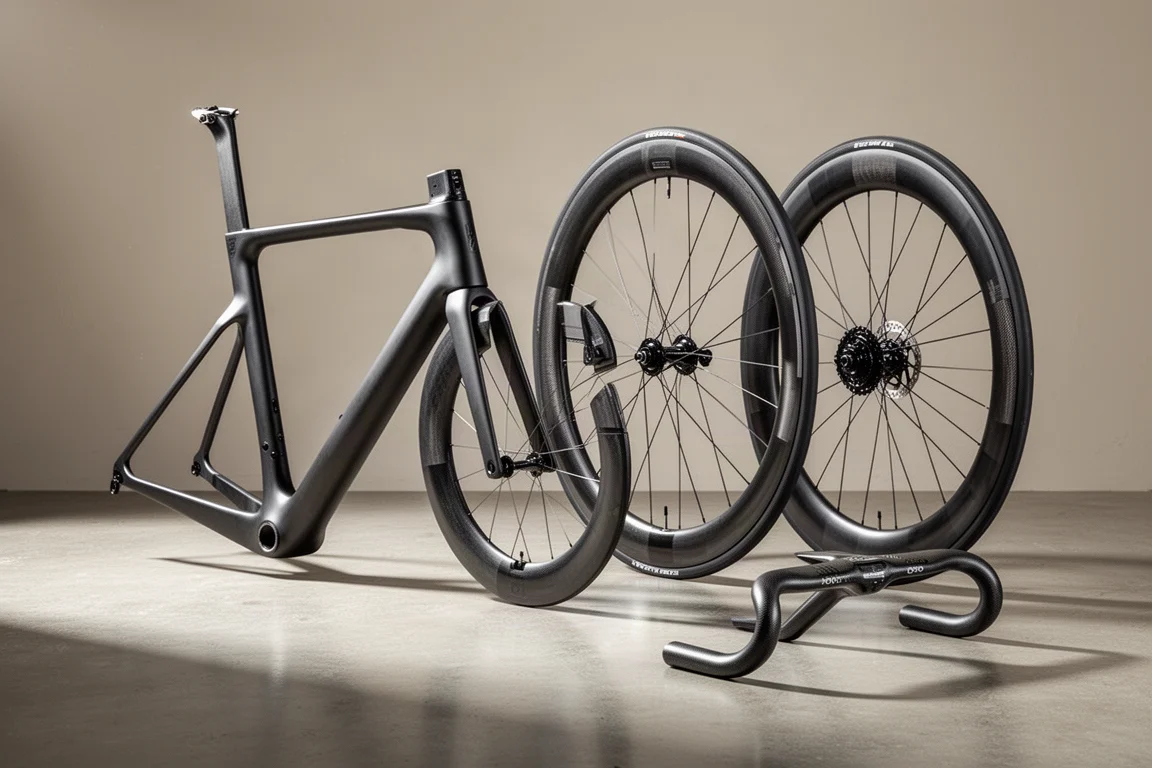
Cold, grey winter weather is not much fun to ride in, but it makes an excellent window for rebuilding a fast summer race bike. The upgrades that matter most on a race setup are well understood: the frame set, wheel depth, tire choice and handlebar width. Each one can be changed over the off season, tested on easy rides, and then raced in the spring.
Some of these changes cost real money. Others cost almost nothing beyond patience. The three components below cover the paid end of that list, and the position work that follows covers the free end.
What Makes a Winter Upgrade Worth Doing
Speed on a road bike comes down to two things a rider can influence directly: how much air hits the body, and how much energy the tires and wheels take out of the road. Aero tube shapes and deep rims attack the first problem. Wider tubeless tires and a narrower bar attack both.
There is also a timing argument for doing this work in winter rather than in spring. Position changes that make a bike faster are rarely comfortable on day one, and the body needs weeks rather than days to settle into them. Starting now means the adaptation happens before the first race instead of during it.
Winspace SLC3 Frameset: Light Weight With Aero Tube Shapes
A frame set is the biggest single upgrade available to a race bike, and it is also the most expensive. For a fast setup there are two broad directions: a full aero frame, which is fastest on flat and rolling roads, or a lightweight aero frame, which is what most professional riders now choose.
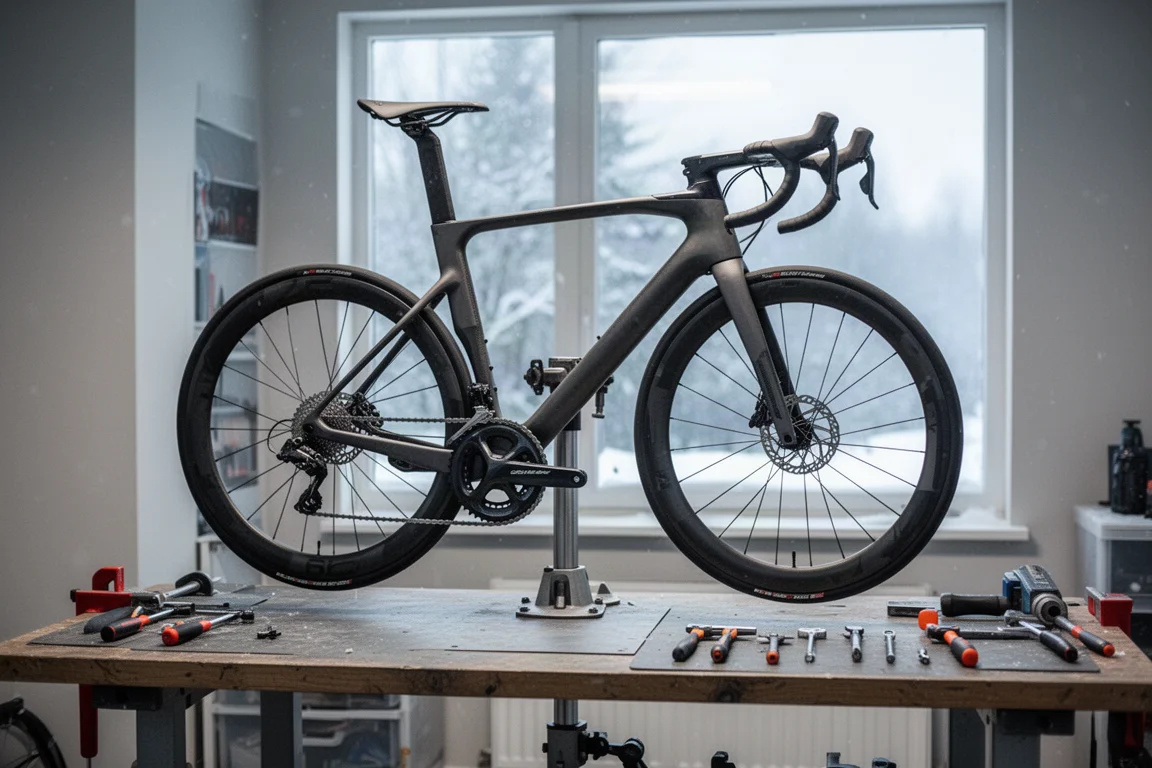
The Winspace SLC3 sits in the second category. Winspace claims an unpainted size medium frame weighs 699g, which is around 80g lighter than the previous version and close to the frame weights of several well-known brands. The layup mixes T100, T1000, M46 and M65 carbon, with stiffness added in key areas. Winspace also claims the head tube and bottom bracket are stiffer than the Tarmac SL8. Combine that low weight with aero tube shapes and the result, on paper, is a frame set that Winspace says is as fast as its own T1550 aero model.
Light frames are only useful if they hold up under load, so the stiffness claims matter as much as the weight figure. Riders who are wary of buying directly from an overseas brand should note that Winspace works with dealer networks in a number of countries that handle builds, custom orders and warranty claims.
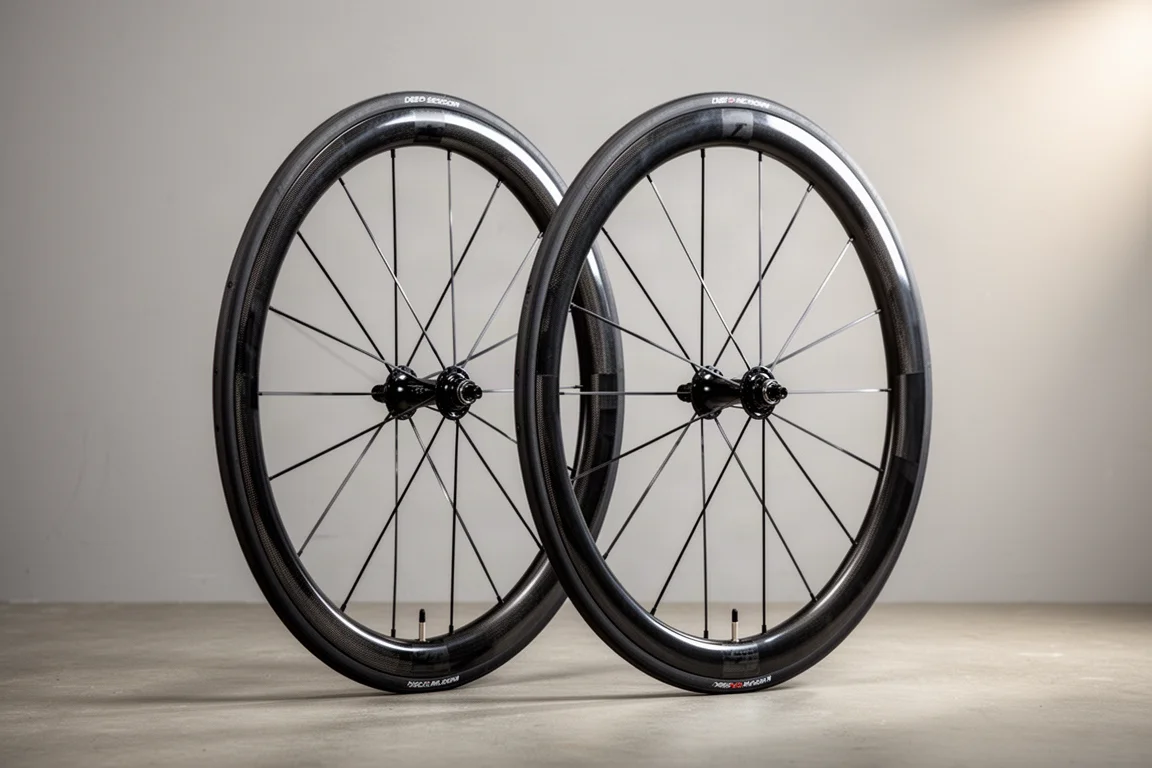
Winspace Hyper 67 Wheelset: Deep Rims and Wide External Width
A new frame set is out of reach for plenty of riders, which makes wheels the next stop on the list. Deep carbon rims change how a race bike looks, how it sounds and, at race speeds, how it rides.
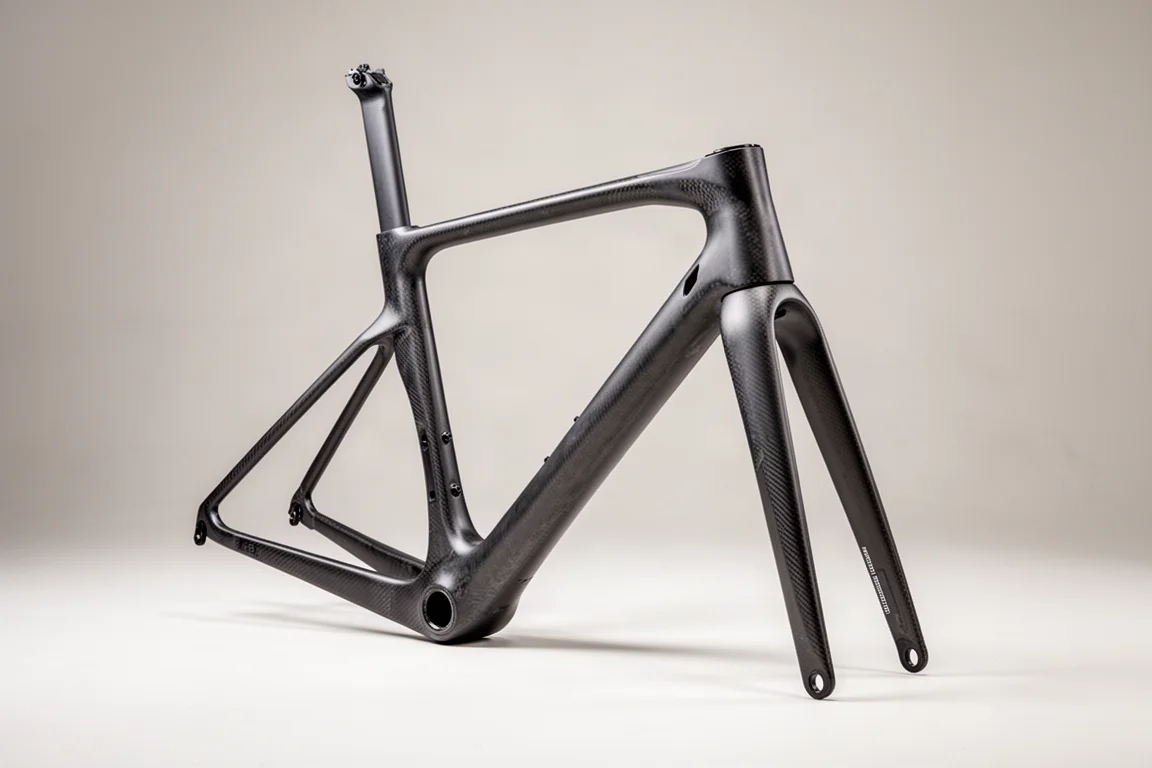
The Winspace Hyper 67 runs a 67mm depth. Deep rims work best when they are also wide, partly for stability in gusty conditions and partly for the speed benefits that current thinking associates with a wider tire and rim pairing. The external width here is just over 28mm, which lines up neatly with a modern wide tire.
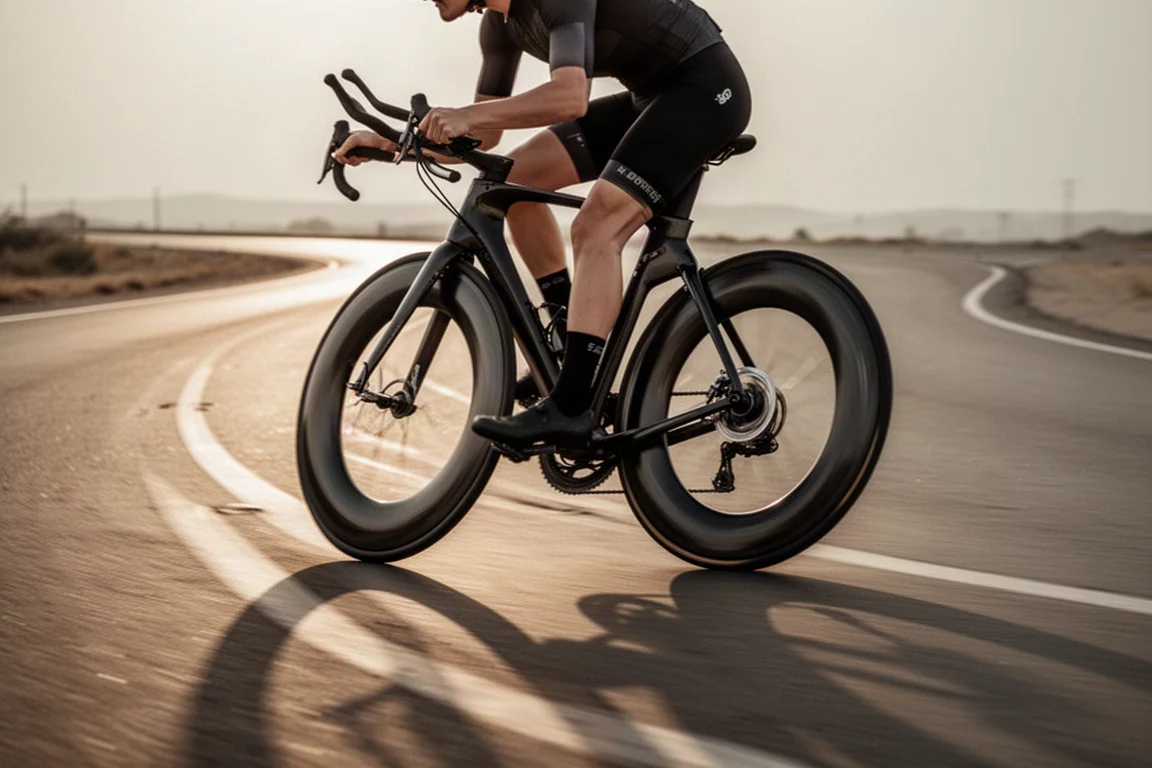
Winspace uses different rim profiles front and rear, an approach many larger brands also take. It adds manufacturing cost, but it is worth knowing about if you are comparing wheel sets. The rims use a hooked bead rather than hookless, so tire choice stays broad and clinchers remain an option.
Winspace Zero SL Bar: Narrower and Fully Integrated
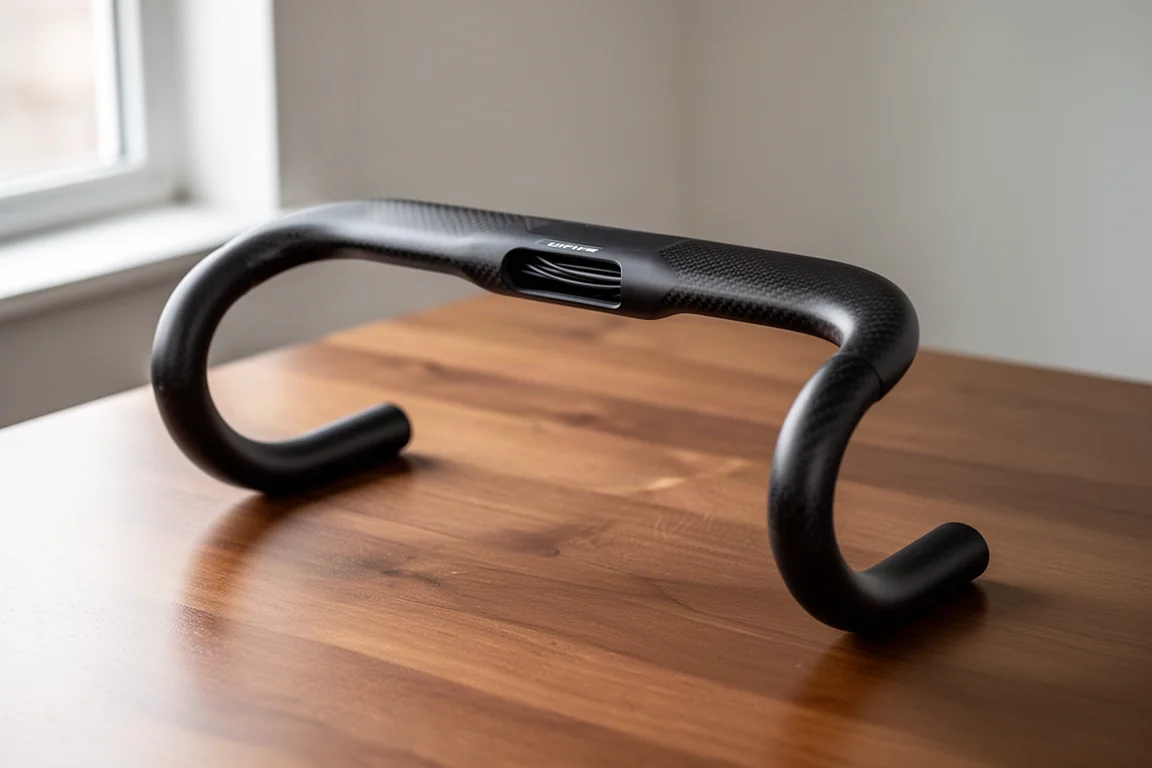
Nothing saves more time at speed than making the rider smaller at the front, and the handlebar is the component that decides how much of that is possible. The Winspace Zero SL bar is 380mm wide and fully integrated, which keeps the front end clean and makes an aero position easier to hold.
The scale of the effect is worth putting in context. In wind tunnel testing with a full aero setup, reducing the amount of air hitting the rider contributed to a saving of more than 70 watts, and around two of those watts came from fitting a narrower bar alone. Two watts is a modest slice of that total, but it is a real one.
A narrower bar is usually paired with a lower front end, either by removing spacers under the stem or by using a downward-angled stem. If you have the tools at home, lowering the front end is a free upgrade. Some racers go further and run very long stems to get themselves tucked down.
Getting Comfortable in a Long and Low Position
Making every position change at once is the fastest route to discomfort. A long, low and narrow setup takes time for the body to accept, and the first few rides in it will feel short.
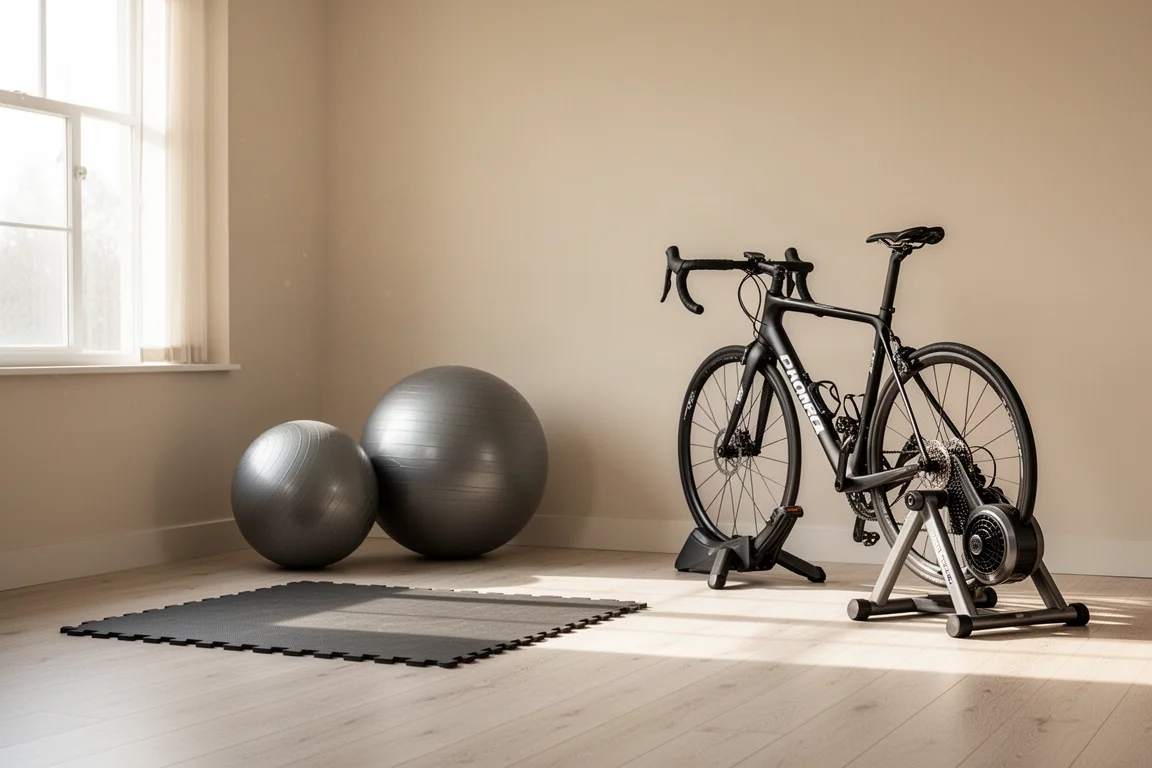
The practical approach is to make the changes during winter, then ride in the new position as often as possible, especially on easy days. That way the body only has to adapt to the position rather than to the position and hard training at the same time. Stretching and core work off the bike help, and they do not require a gym: a floor and a mat are enough.
Once racing season returns, specific intervals in the new position are the next step. By the time the pace lifts at the sharp end of a race, producing power in an aero position should feel normal rather than novel.
Tires and Inserts: Small Details That Add Up
Wide tubeless tires are a sensible pairing with a deep wheel set. Current data suggests they roll faster, and on the kind of road surfaces that domestic racing actually uses, they deal with rough tarmac far better than narrow tires run at high pressure. Narrow tires pumped hard will beat a rider up over a long ride and drain energy that should be going into the pedals.
Tubeless is also the direction to take if lower rolling resistance is the goal. Hookless tubeless rims have come in for criticism, which makes the hooked design on these rims a point in their favour: it opens up a much wider tire choice.
Inserts are a small addition worth considering for racing. They will not prevent a blowout in extreme circumstances, but if you puncture in the middle of a bunch they add a measure of control and safety for you and the riders around you.
Overall Buying Advice
The frame set is the biggest purchase and the one with the longest lifespan, so it makes sense to decide on that first. If a new frame is not realistic this winter, wheels deliver a clear step up in speed and appearance, and they can move between bikes. A narrow integrated bar sits at a lower price point than either, yet it unlocks the position that saves the most time of all.
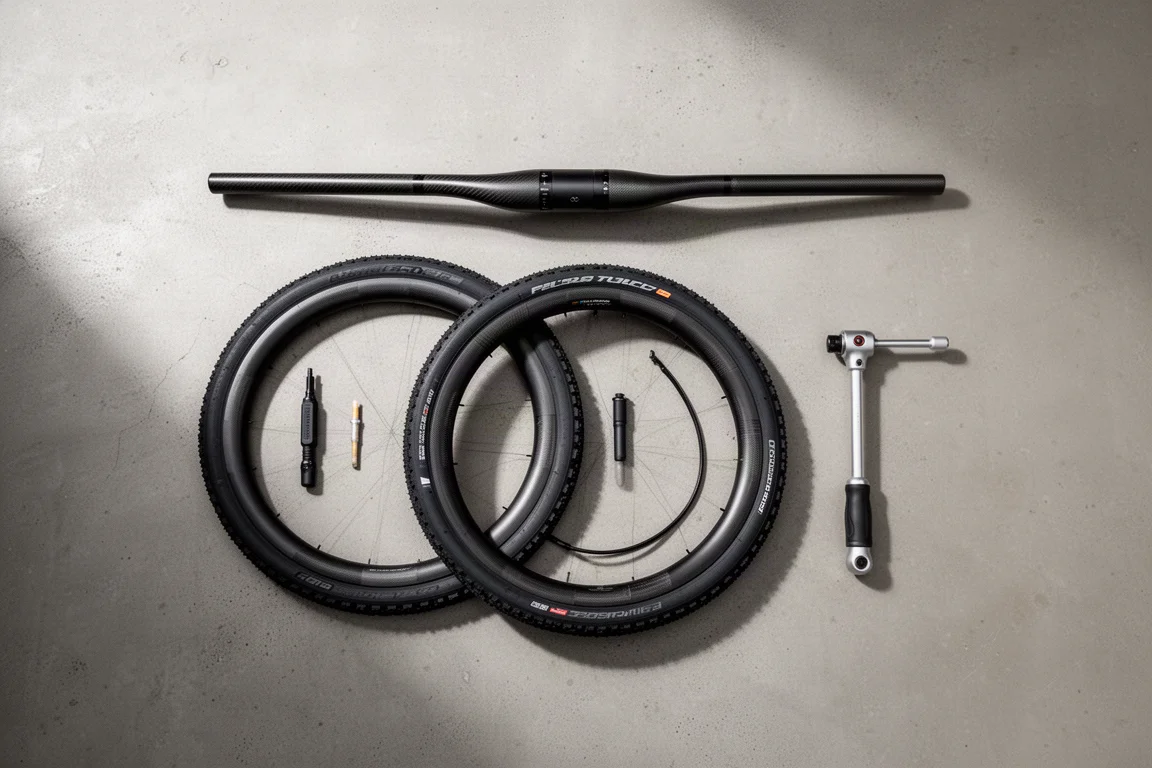
Whichever route you take, budget time as well as money. A component can be fitted in an afternoon; a new position takes a winter. Riders who plan for both get the speed gains without the discomfort.
Conclusion
Winter is the cheapest time of year to go faster, because the work happens away from racing. Pick the frame, wheel depth, tire choice and bar width that suit your riding, then spend the off season getting comfortable in the position those parts allow. The watts saved at high speed are worth the patience.
Further reading
Related Reviews
Cycling Components
A 20,000-Mile Budget Race Bike Build: Five Parts Worth Knowing
A rim brake race bike assembled from low-cost components and ridden for 20,000 miles. Here is what delivered real speed, what caused problems, and what to weigh before copying the formula.
Cycling Components
7 Bike Fit Products Fitters Avoid: What to Check Before You Buy
Seven bike components that regularly cause knee, foot and saddle problems, with the specific concerns behind each one and what to look for instead.
Cycling Components
Four Affordable Bike Upgrades That Improve Ride Feel
Four low-cost cycling products that make a real difference to ride feel, plus the free setup changes worth trying first.